
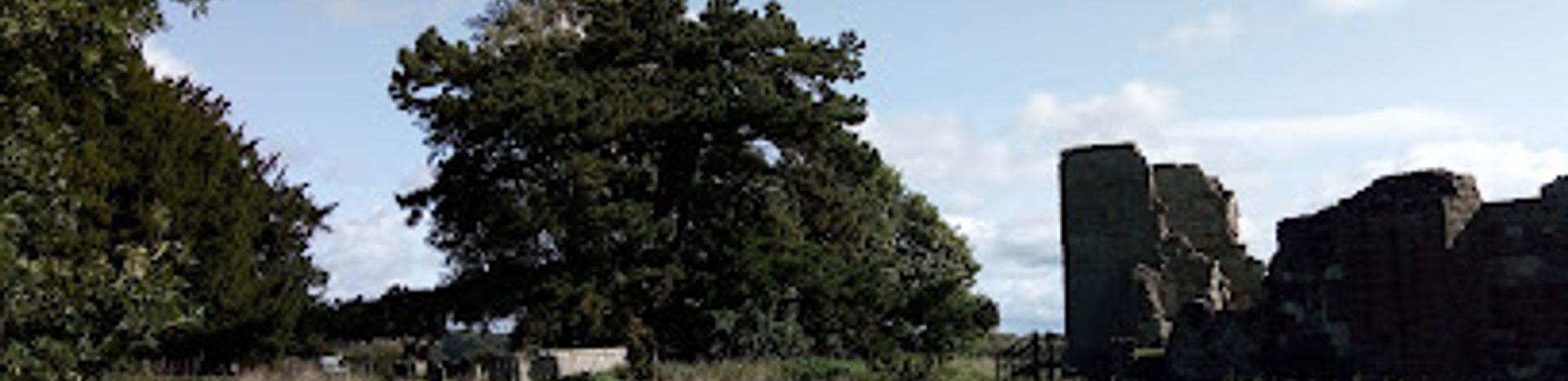
Moreton Corbet Castle
Medieval fortress meets Renaissance ambition in these free, atmospheric Shropshire ruins.
Moreton Corbet Castle is a striking English Heritage site near Shrewsbury featuring over 500 years of architectural evolution. The ruins blend a 13th-century stone castle with a rare Elizabethan south wing of bold Italian-inspired design, damaged during the English Civil War. Free to enter and open during daylight hours, the site offers visitors an intimate glimpse into medieval and Renaissance history with informative interpretation boards throughout. The adjacent church contains impressive Corbet family monuments and Victorian chancel decoration.
A brief summary to Moreton Corbet Castle
- B5063, Shrewsbury, SY4 4DW, GB
- +443703331181
- Visit website
- Duration: 1 to 2 hours
- Free
-
 Outdoor
- Mobile reception: 3 out of 5
Local tips
- Wear sturdy footwear with good grip; the ground can be uneven and muddy, especially after rain. The ruins contain short flights of stairs and uneven surfaces.
- Visit the adjacent church to see the Corbet family monuments and the beautifully decorated Victorian chancel by Ninian Comper—it completes the historical picture.
- Bring a camera; the ruins offer excellent photography opportunities, particularly the pock-marked walls bearing Civil War musket fire and the Elizabethan architectural fragments.
- Pack a picnic and allow 1–2 hours to explore at a leisurely pace, reading the interpretation boards and imagining the castle's former grandeur.
- Be aware of the hidden drop within the ruins near the Elizabethan Kitchen; keep children and pets close and exercise caution when exploring unfamiliar areas.

For the on-the-go comforts that matter to you
- Information Boards
- Picnic Areas
- Trash Bins
Getting There
-
Car from Shrewsbury
From Shrewsbury town centre, travel northwest on the A49 towards Market Drayton for approximately 8 miles (13 km), taking around 15–20 minutes. Follow signs for Moreton Corbet village. The castle is located on the B5063 near the village. Limited free parking is available in a layby adjacent to the castle, with space for approximately 6–7 vehicles. Note that parking can be busy during peak times; arrive early if visiting on weekends or school holidays.
-
Bus from Shrewsbury
Local bus services operate from Shrewsbury town centre towards Market Drayton and surrounding villages. Journey times typically range from 30–45 minutes depending on the service and stops. Services may be limited on Sundays and bank holidays. Check local Shropshire transport schedules for current timetables and fares. The nearest bus stop is in Moreton Corbet village, approximately 5–10 minutes' walk from the castle.
-
Walking from Moreton Corbet Village
If arriving by bus or staying locally, the castle is accessible on foot from Moreton Corbet village. The walk takes approximately 10–15 minutes across relatively flat terrain. The final approach involves walking along or near the B5063 road; exercise caution for traffic. The site itself is accessible to most visitors, though wheelchair users should note that some short flights of stairs exist within the ruins.
-
Cycling from Shrewsbury
Cycling is feasible for experienced riders comfortable with road traffic. The route follows the A49 and B5063, covering approximately 8 miles (13 km) in 25–35 minutes depending on fitness and road conditions. The B5063 can be busy; consider quieter alternative routes if available. No dedicated cycle parking is provided at the castle, so secure your bike carefully.
Moreton Corbet Castle location weather suitability
-
 Any Weather
-
 Clear Skies
Discover more about Moreton Corbet Castle
Eight Centuries of Stone and Ambition
Moreton Corbet Castle stands as a palimpsest of English architectural ambition, its stones recording over 800 years of transformation. The earliest surviving structures date to around 1200, when a stone castle with a fine gatehouse rose from Shropshire soil. The Corbet family, who held these lands for generations, did not simply maintain their fortress—they reimagined it. In the 16th century, they embarked on an audacious remodelling, adding an Elizabethan south wing of remarkable Italian-inspired design. This bold Renaissance addition represented the height of contemporary fashion, a statement of wealth and sophistication that would have impressed any visitor. Yet this grandeur was not to last. During the English Civil War, the castle fell victim to conflict; the surviving walls bear the pock-marked scars of musket fire, silent testimony to the violence that once tore through these rooms.A Rare Survival of Renaissance Ambition
What makes Moreton Corbet exceptional is the survival of its Elizabethan wing. Few English country houses from this period retain such substantial remains, making the site a precious window into 16th-century domestic architecture and the aspirations of the gentry. The ruins reveal the layout of rooms, the remains of the Tudor gatehouse, and traces of the Elizabethan kitchen. Visitors can explore the nooks and crannies of these structures, piecing together the daily life of a prosperous family. Information boards scattered throughout the site provide historical context, helping to animate the stones with stories of the people who lived, worked, and fought here. A hidden drop within the ruins near the Elizabethan Kitchen serves as a reminder that these are genuine archaeological remains, not reconstructed attractions.The Church and the Family Legacy
The adjacent church, standing close to the castle ruins, extends the historical narrative beyond the fortress walls. Within its walls lie impressive monuments to members of the Corbet family, including a chancel decorated in 1904 by renowned Victorian architect Ninian Comper. The church represents continuity—while the castle fell into ruin, the church remained a place of worship and remembrance. Together, the castle and church tell a more complete story of the Corbet family's place in Shropshire society, from their medieval power to their enduring cultural legacy.A Landscape of History
Moreton Corbet does not stand in isolation. The surrounding landscape is rich with historical sites. The extensive remains of Haughmond Abbey lie nearby, offering further insight into medieval religious life. Wroxeter Roman City, just over 10 miles distant, once served as the fourth-largest city in Roman Britain and provides a fascinating contrast—urban life 2,000 years ago versus the medieval and Renaissance structures at Moreton Corbet. This concentration of heritage sites makes the area a destination for those seeking to understand the deep layers of English history.A Free and Accessible Experience
Moreton Corbet Castle operates as a free English Heritage property, open during daylight hours at any reasonable time. This accessibility democratises history, allowing families, solo travellers, and history enthusiasts to explore without financial barriers. The site welcomes dogs on leads and encourages children to explore, though supervision is essential given the ancient, sometimes unstable nature of the ruins. Limited free parking is available in a layby adjacent to the castle. While there are no facilities on site, nearby Shawbury offers shops and a pub for refreshment. The openness of the site—its lack of gates, admission fees, or rigid opening hours—reflects a philosophy that heritage belongs to everyone.Iconic landmarks you can’t miss

Burma Star Island
34.7 km
A serene memorial island in Crewe honoring the courage and sacrifice of World War II’s Burma Campaign heroes.
The Ancient High House
36.0 km
Explore the Ancient High House, a stunning 16th-century museum in Stafford, where history comes to life through engaging exhibits and breathtaking architecture.
Beeston Castle
36.2 km
Explore Beeston Castle, a stunning historical landmark in Cheshire offering breathtaking views, rich heritage, and beautiful woodland trails.
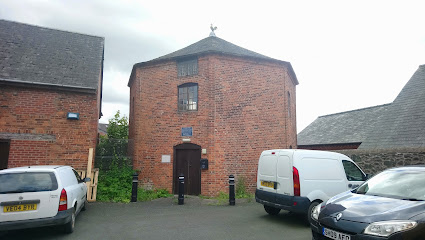
Welshpool Cockpit
37.1 km
Discover Welshpool Cockpit, an 18th-century octagonal historic landmark blending unique architecture with vibrant community heritage in the heart of Welshpool.
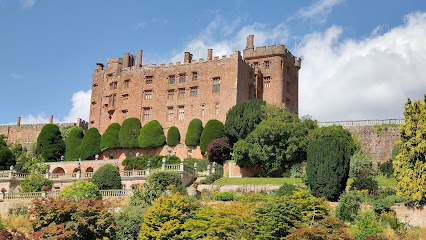
National Trust - Powis Castle and Garden
38.3 km
Explore the rich history and breathtaking gardens of Powis Castle, a majestic National Trust property in the heart of Wales.
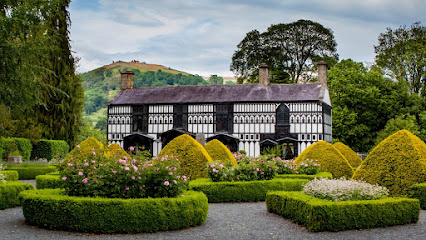
Plas Newydd Historic House & Gardens Llangollen
38.9 km
Discover the charm of Plas Newydd Historic House & Gardens in Llangollen, an enchanting blend of history, stunning gardens, and delightful café experiences.
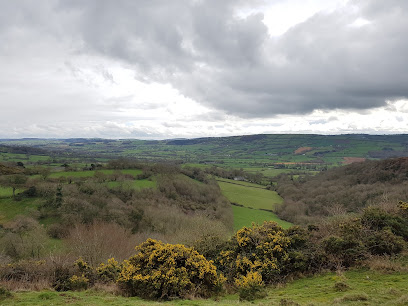
Roundton Hill National Nature Reserve
39.1 km
Discover the breathtaking beauty of Roundton Hill National Nature Reserve, a tranquil haven for nature lovers and outdoor enthusiasts in Montgomery, Wales.
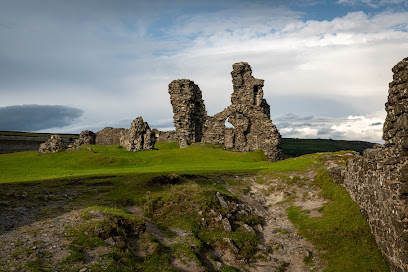
Castell Dinas Brân
39.2 km
Explore Castell Dinas Brân, a stunning historical landmark in Llangollen, Wales, offering breathtaking views and a glimpse into medieval history.
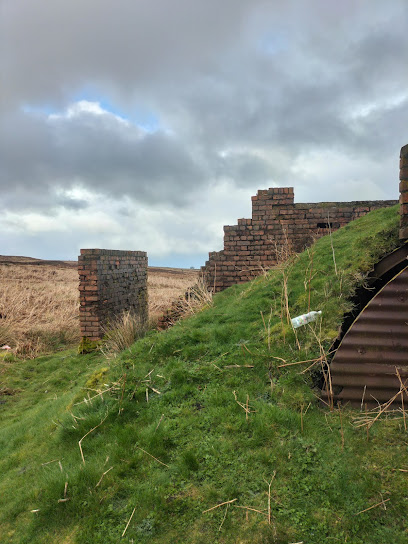
Cae-Llywd Bunker
39.2 km
Explore the Cold War era at Cae-Llywd Bunker, a hidden historical landmark nestled in the scenic landscapes of Llangollen, Wales.
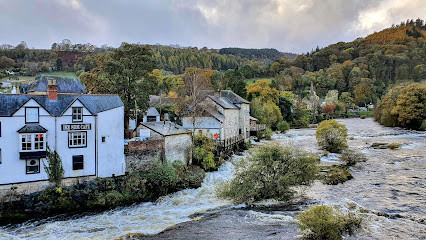
Llangollen Bridge
39.4 km
A medieval stone bridge spanning the River Dee, blending centuries of history with stunning river valley views in the heart of Llangollen.
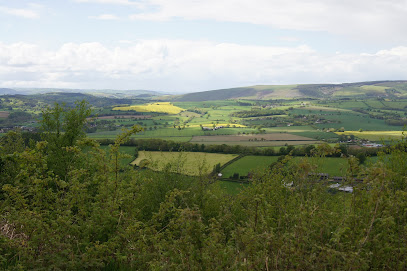
Flounders' Folly
39.4 km
Historic 80-foot stone tower atop Callow Hill offering panoramic views and scenic walks near Craven Arms, South Shropshire.
National Trust - Wightwick Manor and Gardens
39.4 km
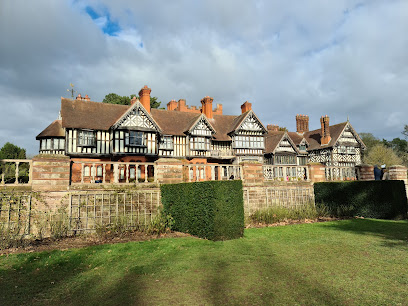
Explore the exquisite Wightwick Manor and Gardens, a Victorian gem filled with art, history, and stunning landscapes in Wolverhampton.
Alyn Waters Country Park
39.6 km
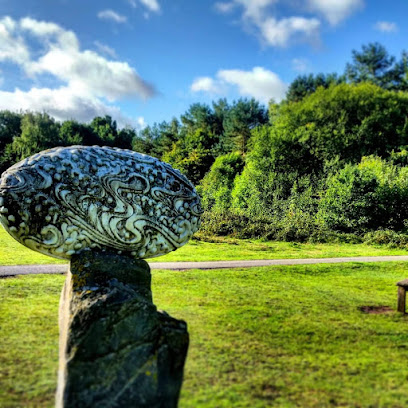
Experience the natural beauty and tranquility of Alyn Waters Country Park, a stunning outdoor escape in Wrexham filled with scenic trails and diverse wildlife.
Eaton Hall
40.4 km
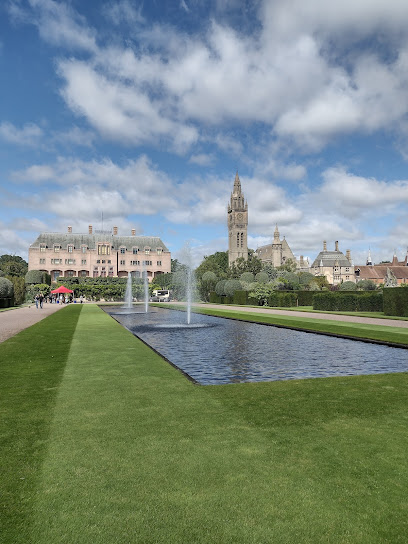
Explore the historical elegance of Eaton Hall, a stunning museum in Chester, surrounded by enchanting gardens and rich heritage.
Llangollen Motor Museum
40.9 km
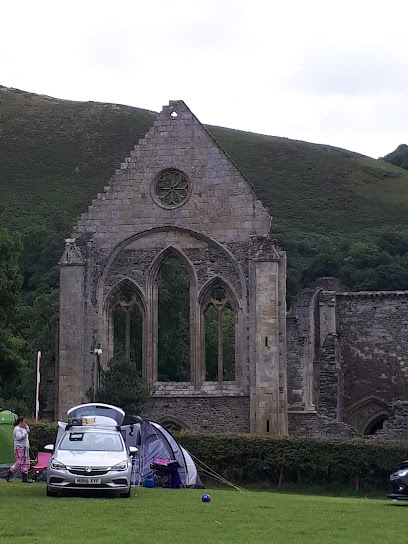
Explore Llangollen Motor Museum, a charming destination showcasing a rich collection of vintage vehicles and interactive exhibits in a scenic Welsh setting.
Unmissable attractions to see

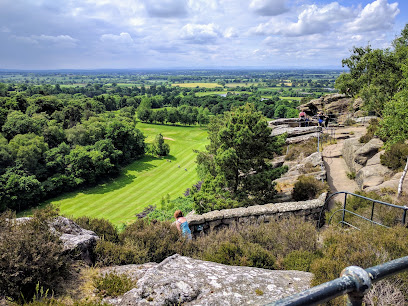
Hawkstone Park Follies
5.7 km
Discover the enchanting 18th-century follies and rugged woodland trails of Hawkstone Park, a magical landscape of history and adventure near Shrewsbury.
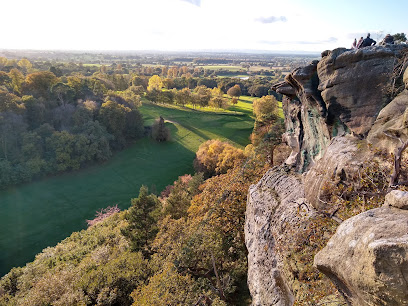
Hawkstone Park Follies - Swiss Bridge
6.7 km
Explore 100 acres of dramatic sandstone hills, enchanting follies, and historic tunnels in one of Britain’s most magical 18th-century landscapes.
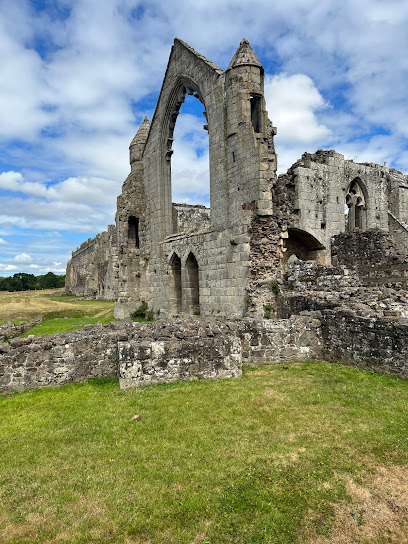
Haughmond Abbey
8.2 km
Explore the evocative ruins of Haughmond Abbey, a serene Augustinian monastery nestled in Shropshire’s tranquil woodlands near Shrewsbury.
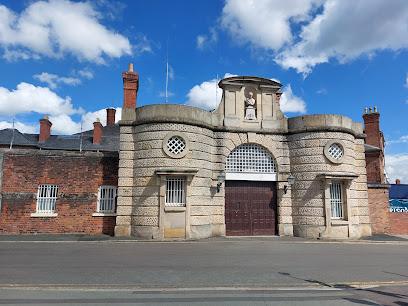
Shrewsbury Prison
12.1 km
Step into authentic Victorian prison walls for immersive escape challenges and paranormal exploration.
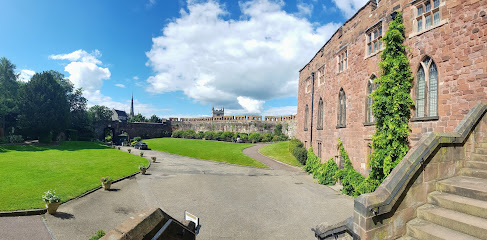
Shrewsbury Castle
12.2 km
Explore Shrewsbury Castle’s rich Norman heritage, panoramic views, and the Soldiers of Shropshire Museum in the heart of medieval Shrewsbury.
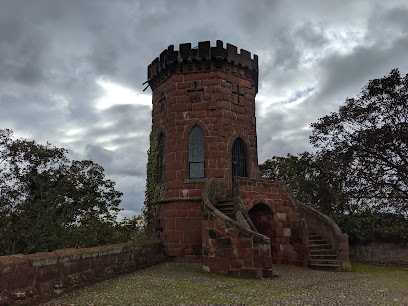
Laura's Tower
12.3 km
Explore the stunning Laura's Tower in Shrewsbury, a historic landmark offering breathtaking views and a serene atmosphere.
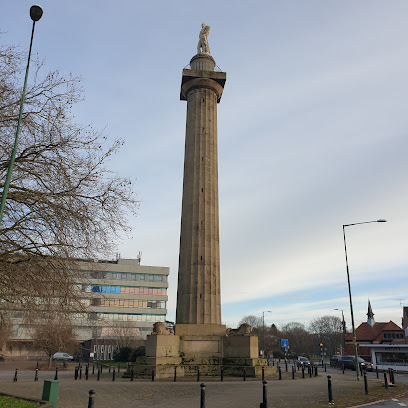
Lord Hill's Column
12.3 km
Explore England’s tallest Doric column in Shrewsbury, a majestic monument honoring General Lord Hill with panoramic town views from its historic spiral staircase.
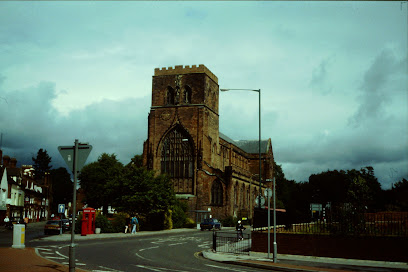
Shrewsbury Abbey
12.4 km
Explore Shrewsbury Abbey’s Norman heritage, stunning stained glass, and tranquil gardens in a historic spiritual sanctuary dating back to 1083.
Montgomery Waters
12.4 km
Experience the vibrant football spirit and modern comforts of Montgomery Waters Meadow, home to Shrewsbury Town FC in historic Shropshire.
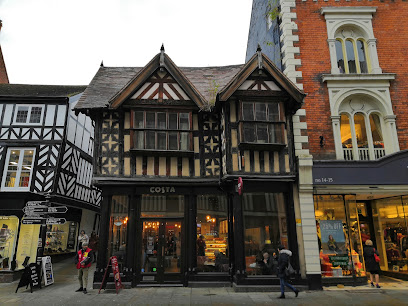
The Darwin Centre
12.6 km
Shrewsbury’s vibrant shopping centre with top brands, cozy cafés, and a welcoming atmosphere across three lively floors.
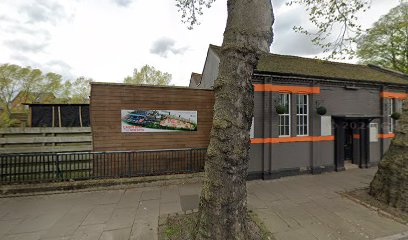
Albert & Co Frankville
12.6 km
A vibrant live music venue and cocktail bar in Shrewsbury, blending industrial charm with Mexican-inspired cuisine and dog-friendly hospitality.

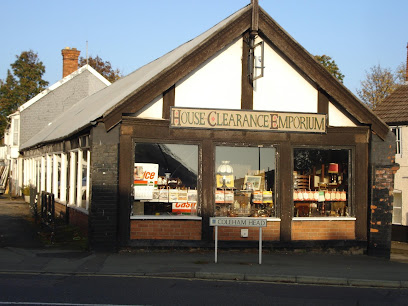
House Clearance Emporium
12.6 km
Explore two spacious showrooms of vintage furniture, collectibles, and decorative antiques in the heart of Shrewsbury’s Coleham Head.
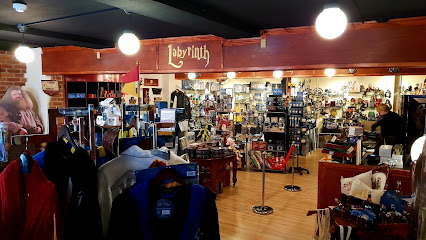
Labyrinth Brings Harry Potter to Shrewsbury
12.7 km
Step into the magic of Harry Potter at this enchanting gift shop nestled in Shrewsbury’s historic Grope Lane.
National Trust - Attingham Park
12.9 km
Explore the grandeur of an 18th-century Georgian mansion and 4,000 acres of stunning parkland at Attingham Park, a National Trust treasure near Shrewsbury.
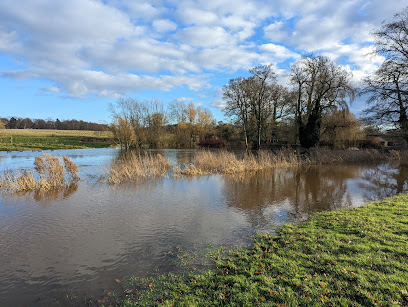
The Quarry
13.1 km
Historic riverside park with stunning gardens, family-friendly amenities, and vibrant events in the heart of Shrewsbury.
Essential places to dine

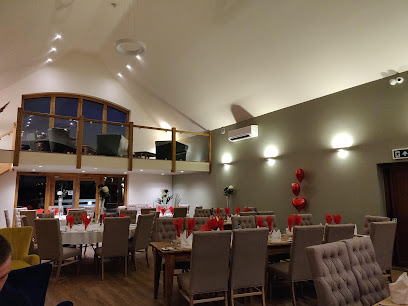
The Croft at Beaconsfield
5.8 km
A welcoming countryside restaurant near Shrewsbury, offering relaxed dining, quality food, and friendly service in a charming setting.
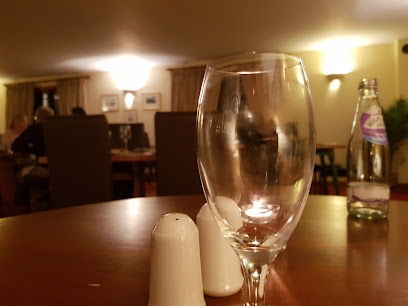
The Bothy Restaurant
5.9 km
Cozy countryside dining with hearty British fare and seasonal specials at Beaconsfield Farm Holiday Park near Shrewsbury.
The Moat Shed
10.5 km
Charming British restaurant at Northwood Hall offering exceptional local cuisine with scenic countryside views near Shrewsbury.
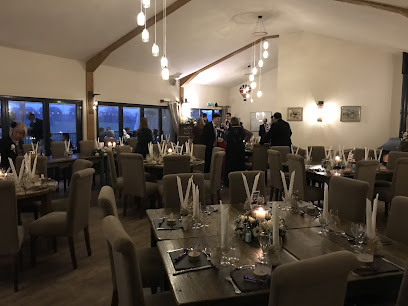
The Haughmond
10.7 km
A historic 17th-century coaching inn offering fine dining, stylish rooms, and tranquil gardens in the peaceful village of Upton Magna near Shrewsbury.
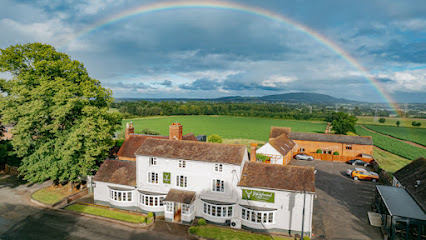
The Peach Tree
12.4 km
A charming Shrewsbury restaurant blending classic British flavors with warm hospitality in a historic setting.
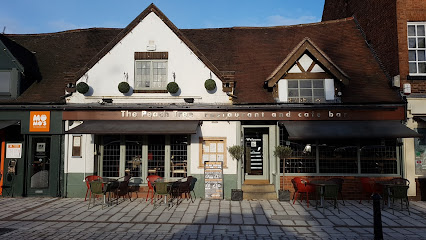
The Pheasant Inn
12.5 km
Experience authentic British dining at The Pheasant Inn in Admaston - where great food meets warm hospitality.
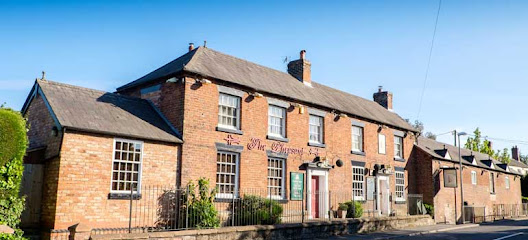
The Restaurant at Theatre Severn
12.6 km
Savor refined pre-show dining with scenic river views inside Shrewsbury’s modern Theatre Severn.
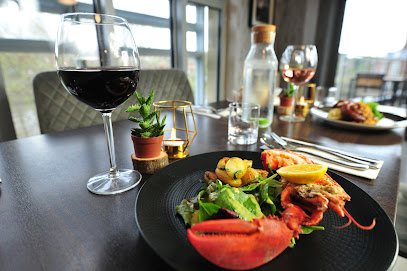
Royalist Restaurant
12.6 km
Experience refined British dining in a historic Shrewsbury setting with locally sourced flavors and elegant medieval charm.
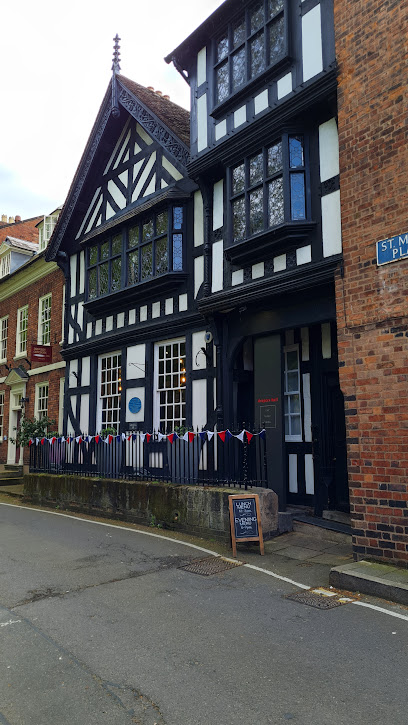
Chambers Restaurant
12.6 km
Chambers Restaurant offers traditional English dining in a historic oak-panelled setting, blending hearty cuisine with warm, family-run hospitality.
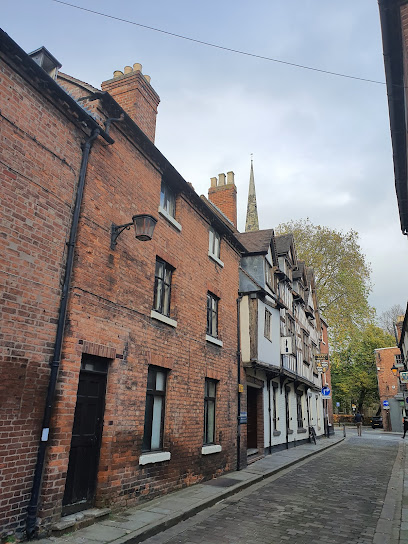
House of the Rising Sun
12.6 km
Eclectic Asian-inspired dining and vibrant cocktails in the heart of historic Shrewsbury’s lively Butcher Row.
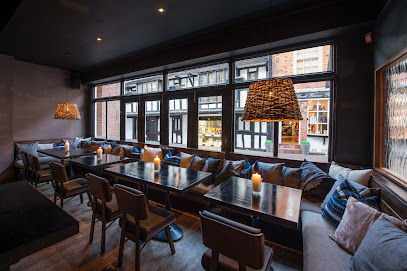
Lion + Pheasant Hotel
12.7 km
Elegant Georgian boutique hotel in Shrewsbury offering refined dining, cozy rooms, and a peaceful garden in the town’s historic heart.

Hickory's Smokehouse Shrewsbury
12.7 km
Experience authentic Southern barbecue and vibrant hospitality at Hickory's Smokehouse in Shrewsbury's Victoria Quay.
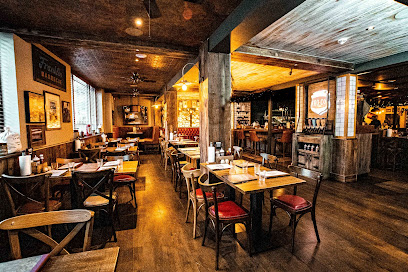
La Lanterna at the Old Vestry
12.7 km
Authentic Italian dining in Shrewsbury’s historic square, blending rustic charm with delicious cuisine and warm hospitality.
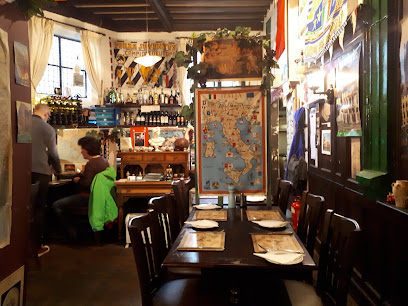
La Dolce Vita
12.7 km
Experience authentic Italian flavors and warm hospitality in the heart of Shrewsbury at La Dolce Vita.
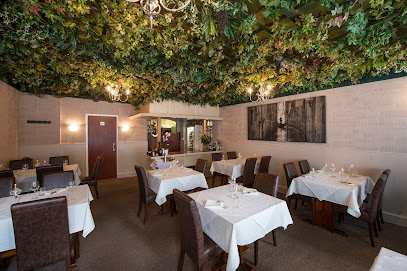
The Walrus Restaurant and Bar
12.7 km
A chic Shrewsbury dining gem serving inventive modern British cuisine with expertly paired wines and a welcoming, stylish atmosphere.
Markets, malls and hidden boutiques

Sundorne Retail Park
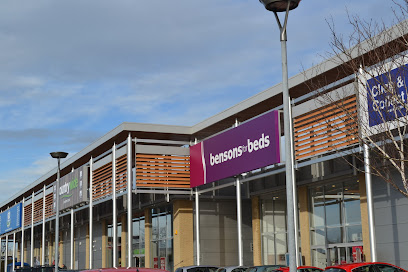
8.6 km
A modern, accessible retail park in Shrewsbury offering diverse shopping, ample parking, and convenient hours for everyday needs.
The Parade Shops
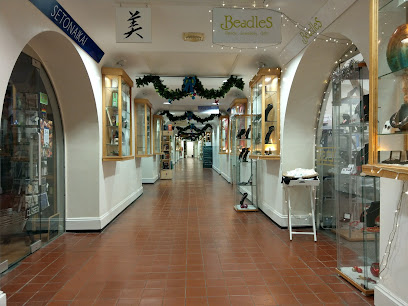
12.5 km
Discover Shrewsbury’s hidden gem: a charming Georgian shopping centre with unique boutiques and scenic river views.
Shrewsbury Duck Store
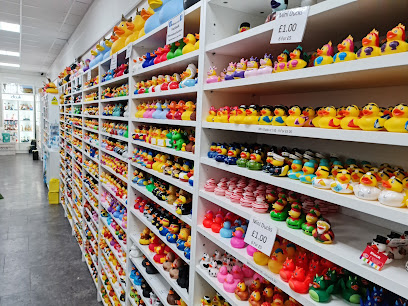
12.6 km
Discover a whimsical world of collectible rubber ducks and quirky gifts at Shrewsbury Duck Store in the Darwin Centre.
Vinegar Hill
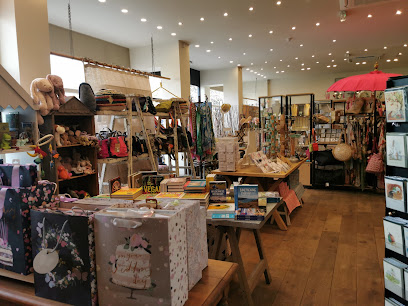
12.6 km
Discover unique home and lifestyle treasures at Vinegar Hill, Shrewsbury’s independent gift and homewares gem.
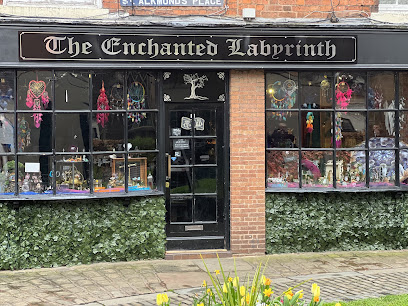
The Enchanted Labyrinth Ltd
12.6 km
Step into Shrewsbury’s enchanting gift shop where magic, mystery, and local crafts come alive in a captivating labyrinth of wonder.
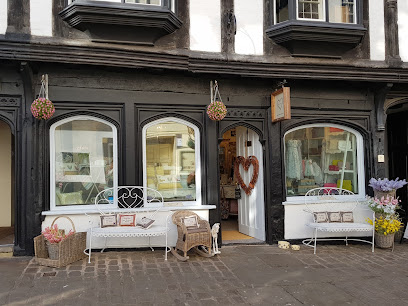
White Orchard
12.6 km
Discover unique gifts and charming accessories at White Orchard, a beloved independent shop nestled on historic Butcher Row in Shrewsbury.
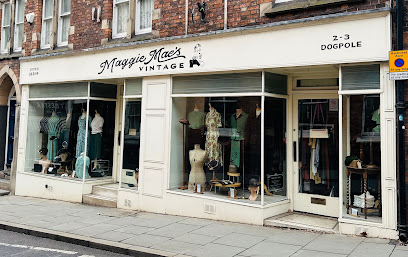
Maggie Mae's Vintage
12.7 km
Discover timeless vintage fashion treasures and expert styling at Maggie Mae's Vintage, Shrewsbury’s premier vintage clothing destination.
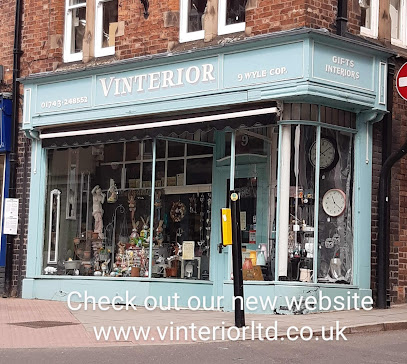
Vinterior
12.7 km
Discover unique vintage furniture and sustainable gifts in the heart of historic Shrewsbury at Vinterior.
TFA POP SHOP SHREWSBURY
12.7 km
Discover quirky gifts, streetwear, and unique art inside Shrewsbury’s vibrant TFA Pop Shop, nestled within the historic antiques centre.
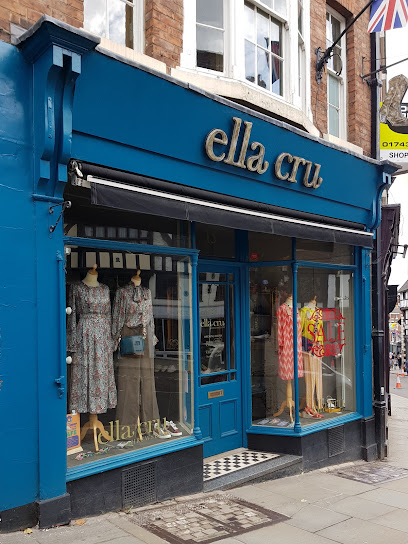
Ella Cru
12.7 km
Discover curated women's fashion and footwear in a charming medieval boutique on Shrewsbury’s historic Wyle Cop.
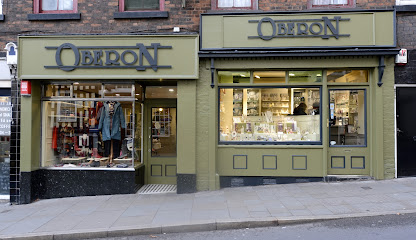
Oberon
12.7 km
Discover Oberon, Shrewsbury’s boutique for artisanal leather goods and shoes, blending historic charm with quality craftsmanship.
La Vie
12.7 km
Discover unique vintage treasures and exquisite homewares in the heart of Shrewsbury’s historic Wyle Cop.
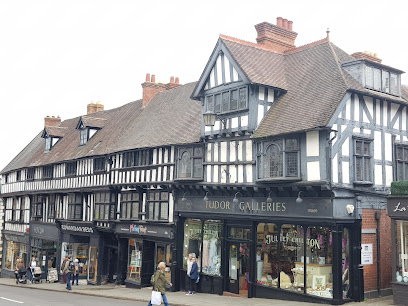
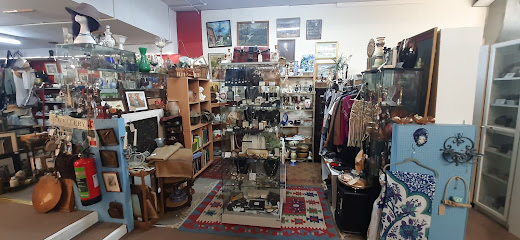
Shrewsbury Antique Centre
12.8 km
Over 50 dealers, 30 years of history, endless vintage treasures in Shrewsbury's heart.
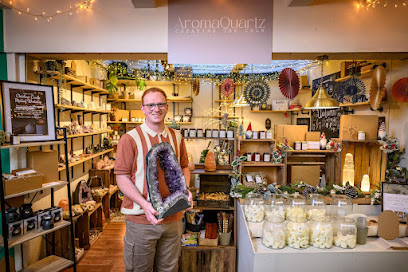
Aroma Quartz
12.8 km
Discover handcrafted natural wax candles, crystal quartz gifts, and botanical fragrances in Shrewsbury’s vibrant Market Hall.
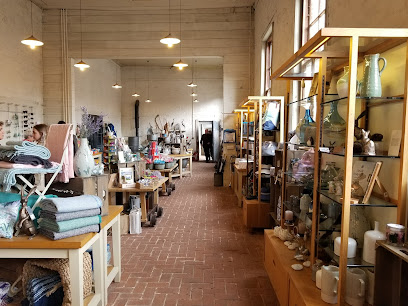
National Trust Gift Shop
13.2 km
Discover unique local crafts and heritage gifts at the National Trust Gift Shop within the historic Attingham Park estate.
Essential bars & hidden hideouts

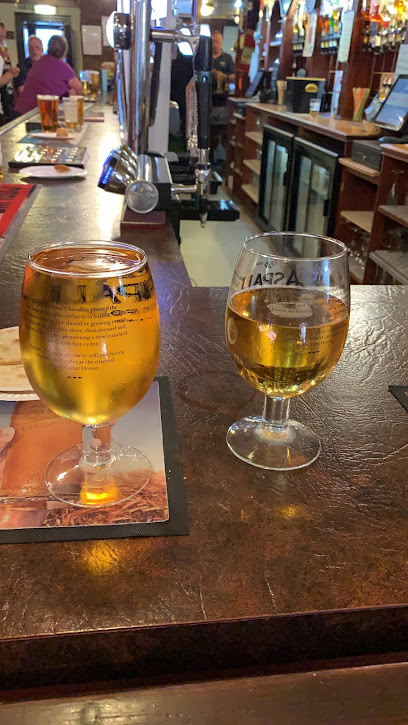
Telegraph Vaults
11.6 km
A lively historic pub in Shrewsbury offering hand-pulled beers, live music, and a welcoming atmosphere near the town centre and train station.
Dog & Pheasant
11.9 km
A cosy, dog-friendly real ale pub in Shrewsbury with a lively atmosphere, great value drinks, and a welcoming community spirit.
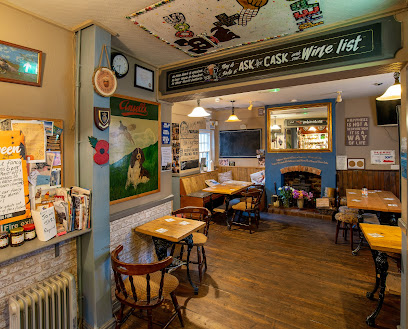
The Woodman Inn
11.9 km
A cozy, traditional Shrewsbury pub with real ales, roaring fires, and peaceful garden courtyards for a genuine local experience.
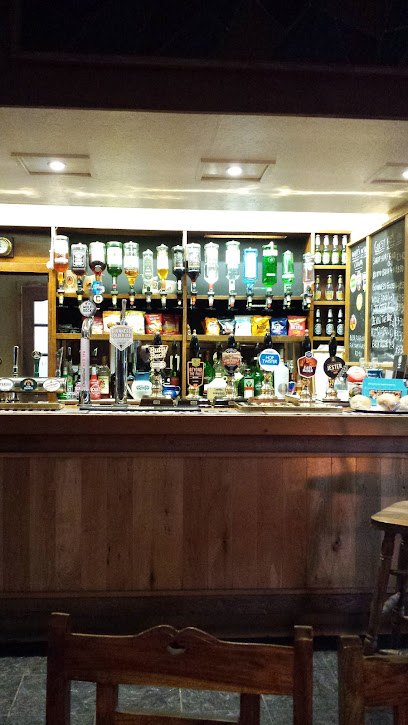
The Alb
12.3 km
A lively cocktail bar and welcoming hotel in Shrewsbury’s centre, known for creative drinks, friendly service, and comfortable stays.

St Nicholas Bar & Grill
12.4 km
Historic church transformed into a lively bar and grill offering quality British cuisine, cocktails, and a unique Shrewsbury dining experience.
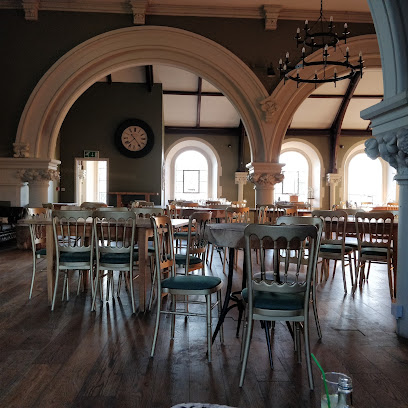
White Horse
12.4 km
A lively, quirky pub in Shrewsbury offering great food, friendly service, and a welcoming atmosphere for all tastes and occasions.
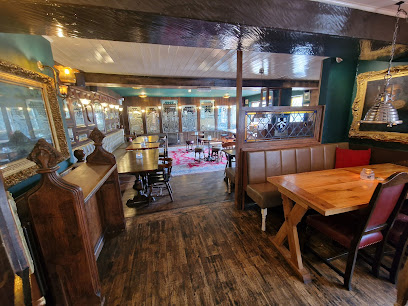
Oil
12.4 km
A lively Shrewsbury bar offering craft beers, quirky seating, and a warm, welcoming atmosphere in the heart of the historic town.
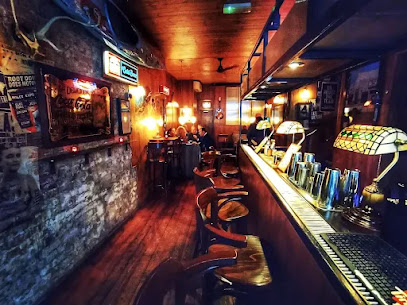
The Salopian Bar
12.5 km
A lively Shrewsbury pub with a vast ale selection, quirky charm, and spacious outdoor area perfect for real ale lovers and sports fans alike.
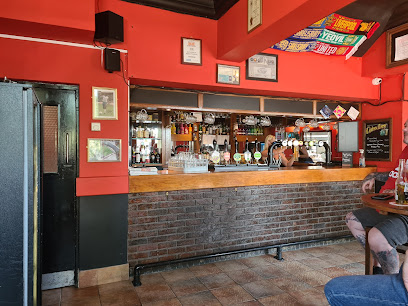
Loggerheads
12.6 km
Historic 18th-century pub in Shrewsbury offering cozy rooms, quality ales, live music, and a welcoming dog-friendly atmosphere.
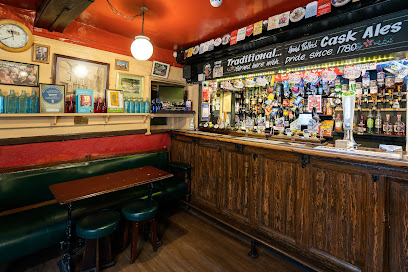
The Libertine
12.6 km
Quirky and stylish cocktail bar in Shrewsbury offering expertly crafted drinks, cozy vintage charm, and warm, attentive service.
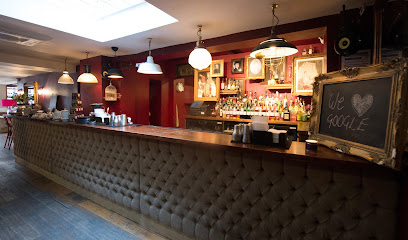
Cromwell's Tap House
12.6 km
Historic Shrewsbury pub and boutique inn offering creative British fare, craft drinks, and cozy accommodation in a quirky, character-filled setting.
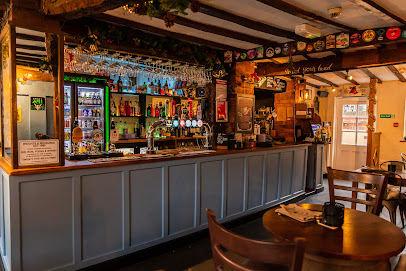
Ten & Six
12.7 km
A chic champagne bar blending historic charm with vibrant nightlife in the heart of Shrewsbury's Mardol district.
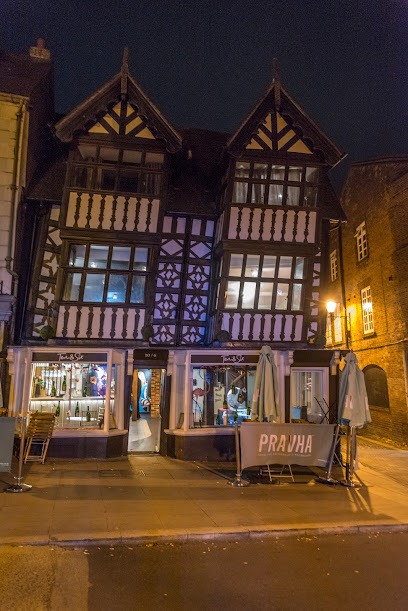
Blind Tiger
12.7 km
A chic and quirky cocktail bar in Shrewsbury, blending creative drinks with a cozy, atmospheric vibe and playful table games.
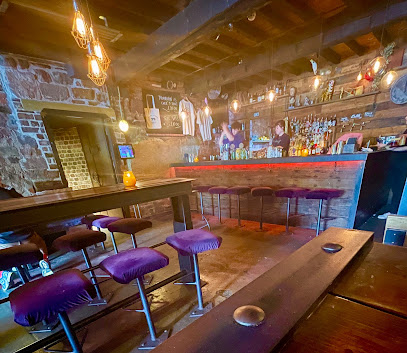
The Nag’s Head
12.7 km
Historic Tudor pub on Shrewsbury’s Wyle Cop, famed for its timber framing, cosy rooms, large beer garden, and rich local heritage.
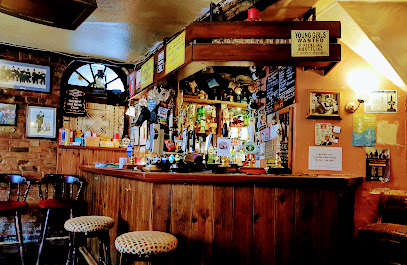
House of Grain
12.7 km
Historic corn warehouse turned lively independent bar with craft ales, cocktails, and vibrant entertainment in the heart of Shrewsbury.
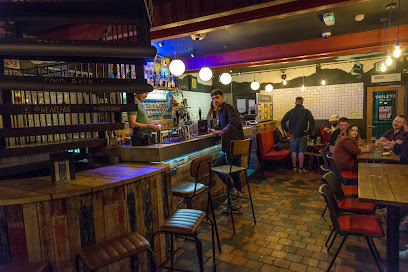
Nightclubs & after hour spots

The Buttermarket
12.1 km
Shrewsbury’s iconic Grade II listed venue, The Buttermarket, offers vibrant live music, club nights, and diverse entertainment across three dynamic floors.
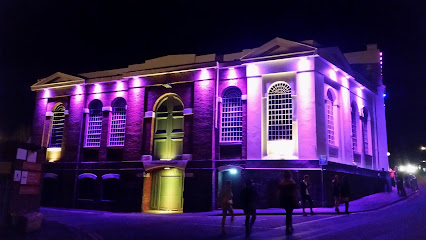
Havana Republic
12.4 km
Experience the vibrant Latin-inspired nightlife of Havana Republic, Shrewsbury’s hotspot for cocktails, music, and late-night fun.
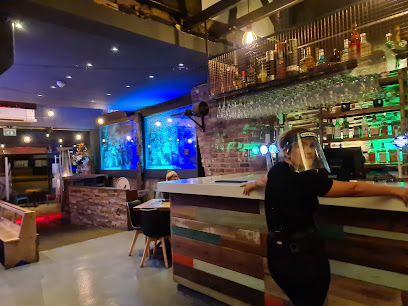
Boutique - Shrewsbury
12.7 km
A vibrant 90s-inspired nightclub in Shrewsbury offering lively nights, stylish booths, and a nostalgic yet modern clubbing experience.
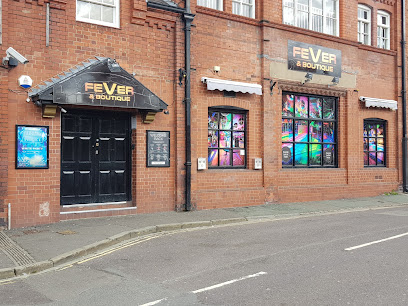
757 Night Club & Laluna events venue
14.8 km
A vibrant nightclub and events venue in Wellington, Telford, blending modern style with lively weekend entertainment.

Mainstreet Nightclub
18.8 km
Experience Newport’s vibrant nightlife at Mainstreet Nightclub, where music, dancing, and a lively crowd create unforgettable late-night memories.
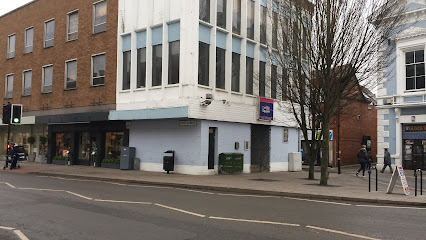
We Love Oldskool Nights
19.2 km
Experience the vibrant energy of classic 90s and 2000s R’n’B and hip-hop at We Love Oldskool Nights, the ultimate dance club for nostalgic partygoers.
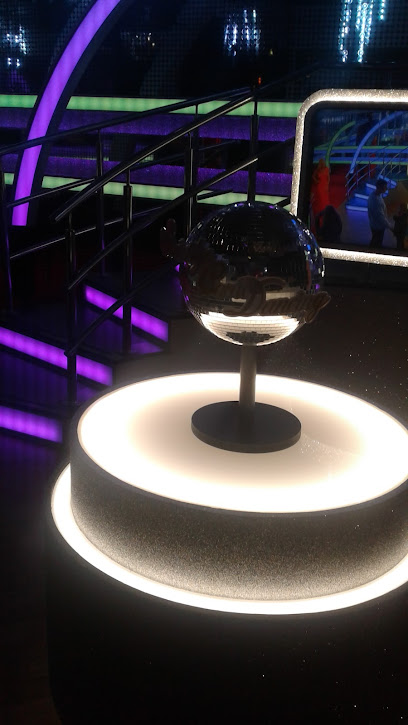
The Studio
30.5 km
Experience Nantwich’s energetic nightlife at The Studio, a vibrant club known for live DJs, dance music, and late-night fun in the town center.
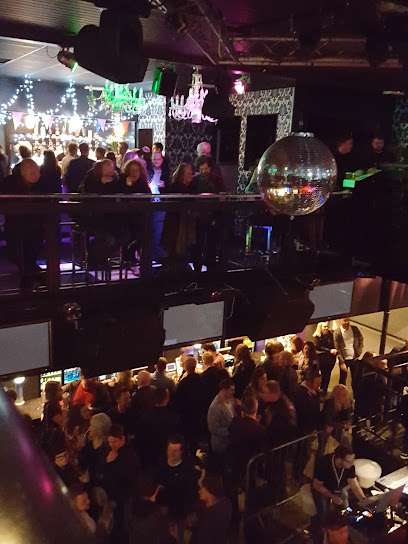
The Magnet Club
35.6 km
Wrexham’s independent venue since 1984, The Magnet Club blends live music, sports, and social games in a welcoming, refurbished space on King Street.
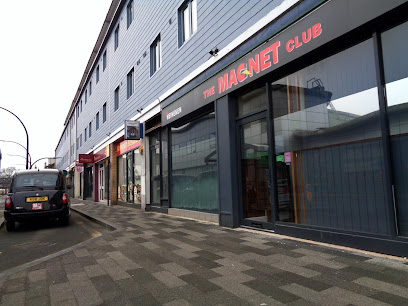
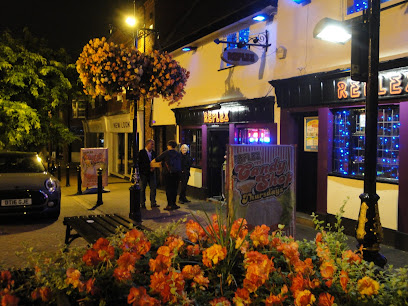
Reflex - Newcastle Under Lyme
36.7 km
Experience vibrant nightlife at Reflex, Newcastle Under Lyme’s central nightclub and lounge with lively music and social vibes.
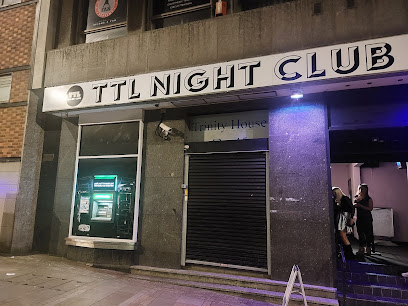
TTL Nightclub
40.2 km
Experience Stoke-on-Trent’s vibrant nightlife at TTL Nightclub, Hanley’s energetic hub for dance, music, and social nights.
Reflex - Hanley
40.3 km
Energetic and inclusive nightclub in Hanley, offering classic 80s/90s tunes, affordable drinks, and a welcoming atmosphere for memorable nights out.

Pink Nightclub - Stoke on Trent
40.4 km
Experience the vibrant and friendly nightlife of Pink Nightclub, Hanley’s lively late-night venue with great drinks and a welcoming atmosphere.
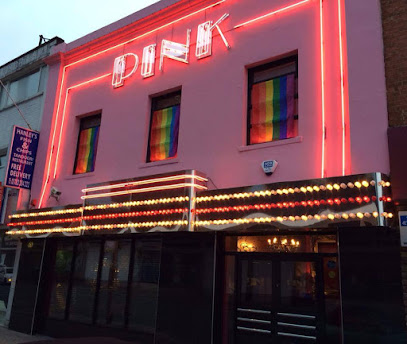
Gossip!
40.4 km
Stoke-on-Trent’s premier gay nightclub with vibrant bars, dance floor, and beer garden offering lively, inclusive nightlife in Hanley.

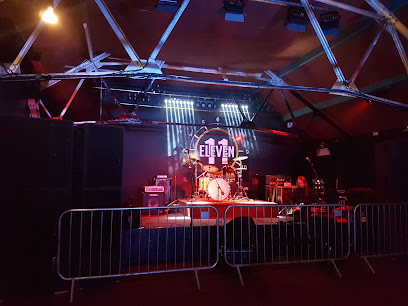
Eleven
41.5 km
Experience the pulse of Stoke-on-Trent's music scene at Eleven, where live performances and a lively bar atmosphere await every night.
BONOBO Bar & Canteen
45.7 km
A vibrant two-floor bar and canteen in Chester blending American eats, cocktails, video games, and lively music for a unique nightlife experience.
For the vibe & atmosphere seeker
- Scenic
- Adventurous
- Unique
- Tranquil
For the design and aesthetic lover
- Rustic Designs
- Vintage Styles
For the architecture buff
- Historic
- Landmarks
- Heritage Neighborhoods
For the view chaser and sunset hunter
- Iconic Views
- Panoramas
For the social media creator & influencer
- Instagrammable
- Photo Spots
- Architectural Shots
For the eco-conscious traveler
- Protected Area
- Leave-No-Trace Critical
- Locally Managed
For the kind of experience you’re after
- Cultural Heritage
- Photowalk
- Myth & Legends
- Day Trip
For how adventurous you want the journey to be
- Easy Access
- Physically Demanding
Location Audience
- Family Friendly
- Solo Friendly
- Couple Friendly
- Pet Friendly
- Senior Friendly
- Wheelchair Access


