

South African War Memorial, Caernarfon
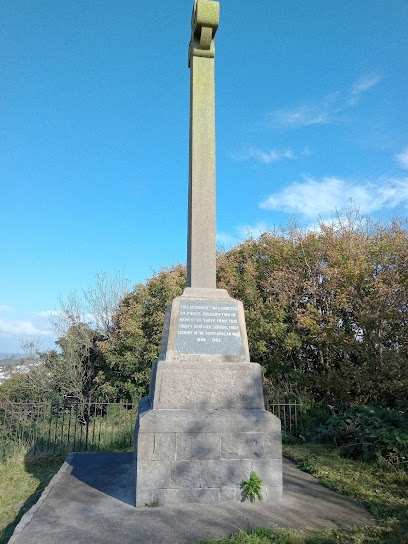
A wheel-headed Celtic cross honouring 173 Caernarfonshire soldiers lost in the Boer War, unveiled in 1904.
Perched atop Twthill hill overlooking the town of Caernarfon, this striking wheel-headed Celtic cross commemorates the 173 local men from Caernarfonshire who died during the Second Boer War (1899–1902). Unveiled on 2 July 1904, the memorial stands as a solemn tribute to the sacrifice of Welsh soldiers in Britain's imperial conflict. The stone monument, erected by local mason Hugh Jones, has become an enduring landmark and focal point for remembrance in this historic Welsh town.
A brief summary to South African War Memorial
- 6 Rowlands St, Caernarfon, LL55 1EH, GB
- Duration: 0.5 to 1.5 hours
- Free
-
 Outdoor
- Mobile reception: 4 out of 5
Local tips
- Visit early morning or late afternoon for the best light and fewer crowds. The hilltop location provides excellent views across Caernarfon and the surrounding landscape.
- The memorial is freely accessible year-round. Wear sturdy footwear as the path to Twthill can be uneven, particularly after wet weather.
- Combine your visit with exploration of nearby Caernarfon Castle and the town centre, both within walking distance down the hill.
- Bring a camera to capture the distinctive wheel-headed cross design and panoramic views. The monument is particularly photogenic during golden hour.
- Check local weather conditions before visiting, as the exposed hilltop location can be windy and visibility may be reduced in poor conditions.

For the on-the-go comforts that matter to you
- Information Boards
Getting There
-
Walking from Caernarfon Town Centre
From the town centre near Caernarfon Castle, follow Rowlands Street uphill towards Twthill. The walk takes approximately 10–15 minutes on foot, with a steady but manageable incline. The path is accessible year-round, though it can become muddy or slippery after rain. No parking is available at the memorial itself, but street parking is available along Rowlands Street and nearby residential roads.
-
By Car from Caernarfon Centre
Drive up Rowlands Street from the town centre towards Twthill. The memorial is located at the top of the hill at 6 Rowlands Street, Caernarfon LL55 1EH. Limited parking is available on nearby streets; expect to find spaces within 50–100 metres of the memorial. Journey time from the town centre is approximately 3–5 minutes by car.
-
By Bus from Caernarfon Station
Local bus services operate within Caernarfon; check Traveline Cymru for current routes serving the Rowlands Street area. From the bus stop, a 5–10 minute walk uphill leads to the memorial. Service frequency varies seasonally, with reduced services on Sundays and bank holidays.
-
Accessible Route via Alternative Path
For those seeking a gentler approach, a longer walking route via Castle Street and surrounding roads offers a less steep gradient. This alternative takes approximately 20–25 minutes from the town centre. The memorial site itself is on open ground with no formal access restrictions, though the hilltop location means the final approach involves some elevation.
South African War Memorial location weather suitability
-
 Any Weather
-
 Clear Skies
-
 Windy Conditions
Discover more about South African War Memorial
A Monument to Welsh Sacrifice in the Boer War
The South African War Memorial stands at the summit of Twthill, a prominent hill that rises above the medieval town of Caernarfon in North Wales. Unveiled on 2 July 1904, just two years after the conclusion of the Second Boer War, this memorial commemorates 173 soldiers from Caernarfonshire who lost their lives in the conflict that lasted from 1899 to 1902. The memorial was erected by Hugh Jones, a local mason from Caernarfon, and represents one of the earliest public monuments in Wales dedicated to remembering those who fell in this distant imperial war.Distinctive Celtic Cross Design
The memorial takes the form of a wheel-headed Celtic cross, a design choice that reflects Welsh cultural identity and religious tradition. This architectural style, deeply rooted in Celtic heritage, distinguishes the Caernarfon memorial from many other Boer War monuments erected across Britain and the Commonwealth during the same period. The cross rises prominently from its hilltop location, making it visible across the town and the surrounding landscape. The wheel-head design—where a circle intersects the cross arms—is characteristic of ancient Celtic monuments and medieval Welsh religious art, creating a powerful visual connection between Welsh identity and remembrance.Historical Context and Unveiling Ceremony
The unveiling ceremony on 2 July 1904 was attended by J. E. Greaves, the Lord-Lieutenant of the county, reflecting the official significance accorded to the memorial. This timing placed the Caernarfon memorial among the earliest war monuments in Wales, preceding the vast majority of First World War memorials that would be erected during the 1920s. The decision to commemorate the Boer War so promptly demonstrates how deeply the conflict affected Welsh communities, despite the anti-war sentiment that had grown as the fighting continued. The memorial's prominent hilltop location ensured that it would become a lasting landmark visible to residents and visitors alike.The Broader Welsh Experience of the Boer War
Wales sent thousands of men to fight in South Africa, with recruitment rates in Wales exceeding those of previous conflicts, despite significant opposition rooted in Nonconformist religious traditions and the labour movement. The 173 names recorded on the Caernarfon memorial represent a substantial loss for a single county town, reflecting the scale of sacrifice that touched virtually every community across Wales. Of the 186 volunteers from the County of Carnarvon who served, 173 died—a mortality rate that underscores the brutal nature of the conflict. These losses were felt acutely in families and neighbourhoods throughout Caernarfon, making the memorial not merely a historical marker but a deeply personal reminder of collective grief.Enduring Significance and Remembrance
The memorial has remained a focal point for remembrance in Caernarfon for over a century. Its elevated position on Twthill gives it prominence in the town's landscape, and its distinctive Celtic cross form ensures it stands apart from later war memorials. The monument serves as a bridge between the imperial history of the British Empire and Welsh local identity, embodying the complex relationship between Wales and Britain during the early twentieth century. Today, the memorial continues to be visited by those seeking to understand the history of the Boer War and to pay respects to those who fell far from home in a conflict that shaped the British Empire's trajectory.Iconic landmarks you can’t miss

South African War Memorial
0.0 km
A wheel-headed Celtic cross honouring 173 Caernarfonshire soldiers lost in the Boer War, unveiled in 1904.
Caernarfon War Memorial
0.5 km
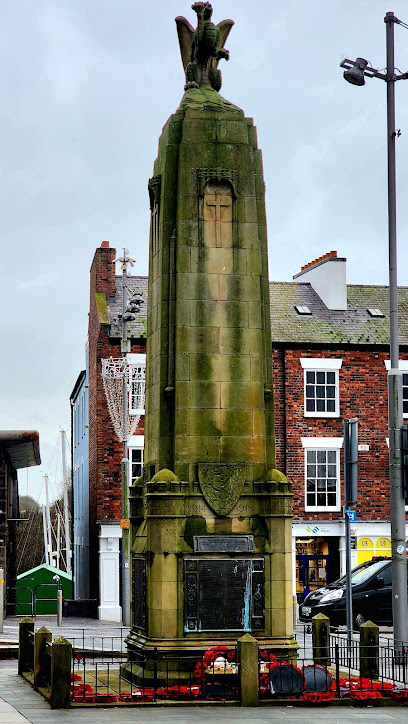
A dignified stone pillar in Castle Square honoring Caernarfon’s fallen heroes from the World Wars and beyond.
CARN / Oriel Pendeitsh
0.6 km
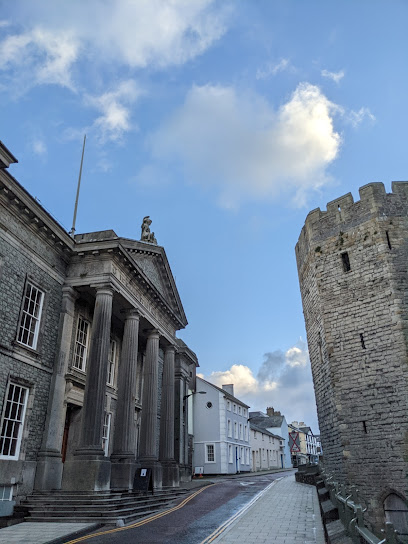
Discover contemporary Welsh art and culture in Caernarfon’s inspiring Oriel Pendeitsh gallery, a vibrant creative hub above the Tourist Information Centre.
Pont Yr Aber
0.7 km
A scenic swing bridge linking Caernarfon Castle with woodland paths, offering iconic views and a touch of maritime theatre as boats pass beneath.
Caernarfon Tower
0.9 km
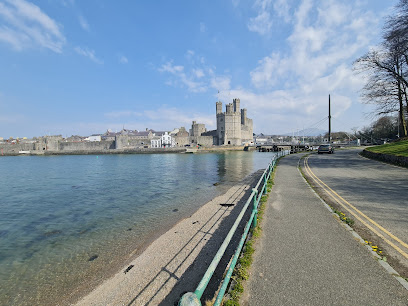
Explore Caernarfon Tower, a medieval fortress sentinel offering breathtaking views and rich Welsh history in a UNESCO World Heritage setting.
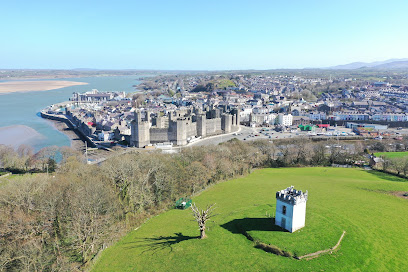
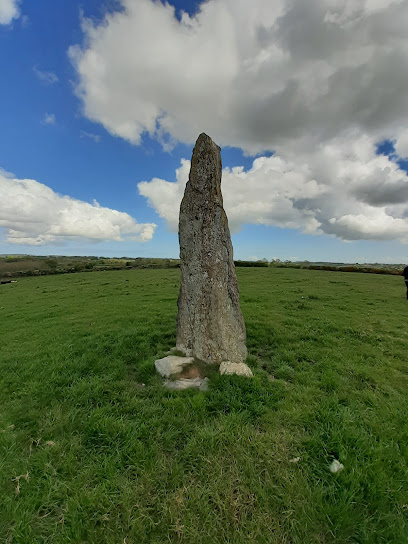
Bryn Gwyn Standing Stones
4.3 km
Discover the towering Neolithic Bryn Gwyn Standing Stones, ancient sentinels of Anglesey’s prehistoric past and ritual heritage.
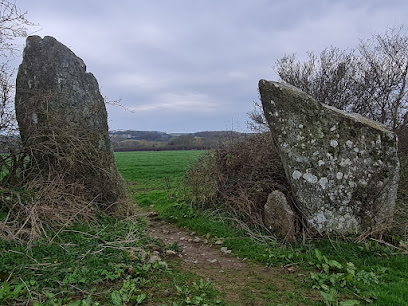
Caer Leb (Prehistoric Castle Enclosure)
4.4 km
Explore Caer Leb, a prehistoric fortified enclosure with water-filled ditches that reveal ancient defensive ingenuity on scenic Anglesey.
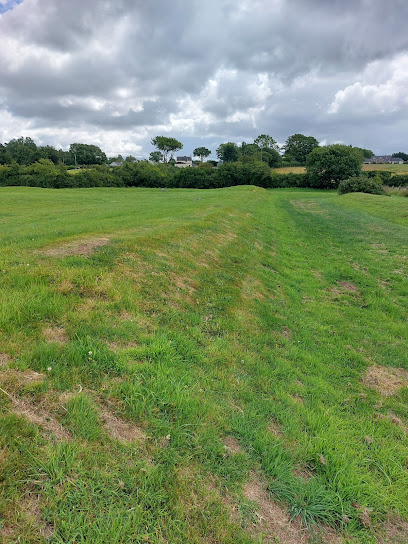
Tafarn Snowdonia Parc
6.1 km
Discover the heart of Welsh culture at Tafarn Snowdonia Parc, where delicious food meets stunning natural beauty in Snowdonia National Park.
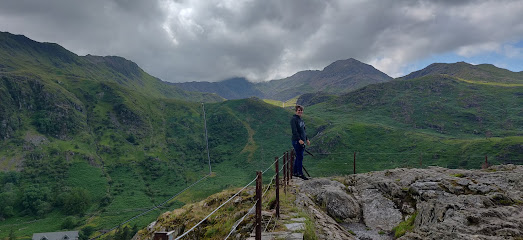
Cadair y Cythraul
9.1 km
Discover the mysterious 'Chair of the Devil' in Llanfairpwllgwyngyll, a historic landmark steeped in Welsh myth and ancient landscape charm.
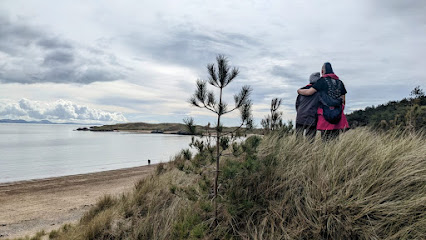
Porth y Clochydd
9.3 km
Explore the historical landmark of Porth y Clochydd in Llanfairpwllgwyngyll, a captivating site steeped in rich Welsh heritage and scenic beauty.

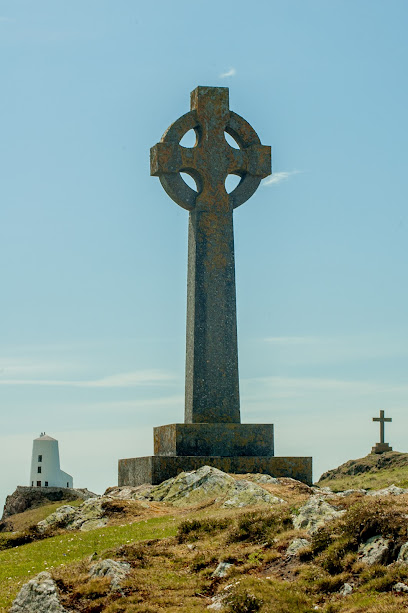
Celtic cross
9.5 km
A serene Celtic Cross memorial honoring Welsh poet Syr John Morris-Jones, set beside historic St. Mary's Church with stunning Menai Strait views.
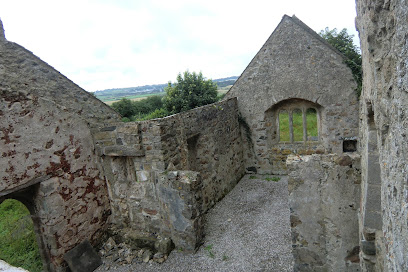
Hen Eglwys Llanfihangel Ysgeifiog
10.3 km
Explore the evocative ruins of Hen Eglwys Llanfihangel Ysgeifiog, a medieval Welsh church steeped in history and nestled in tranquil Anglesey countryside.
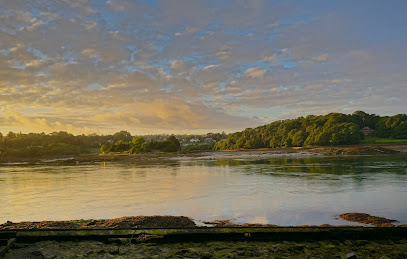
Ynys yr Eglwys
11.1 km
Discover the serene charm and rich heritage of Ynys yr Eglwys, a peaceful island gem beside the iconic Menai Suspension Bridge.
Tŷ-Gwyn Menhir
13.0 km
Discover the ancient Tŷ-Gwyn Menhir near Menai Bridge, a prehistoric standing stone steeped in druidic mystery and Welsh heritage.
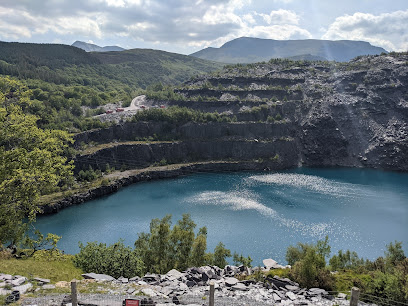
Zip World Penrhyn Quarry
14.1 km
Experience the thrill of Zip World Penrhyn Quarry – the ultimate adventure park in Snowdonia with breathtaking views and exhilarating activities.
Unmissable attractions to see

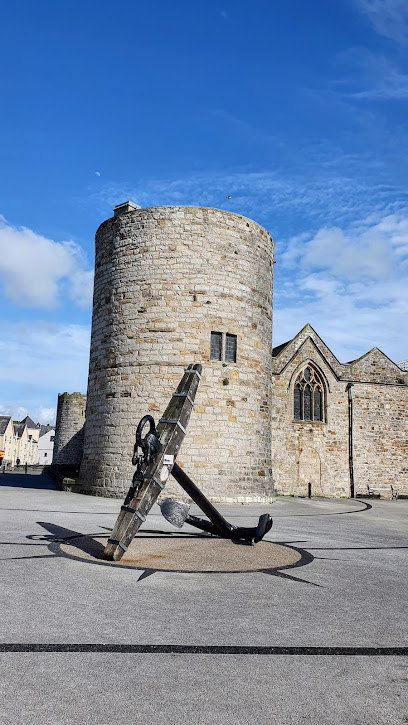
Town walls in caenarfon
0.4 km
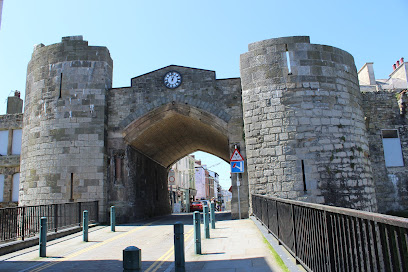
Discover the historical significance and stunning views of the Caernarfon Town Walls, a must-visit landmark in Wales.
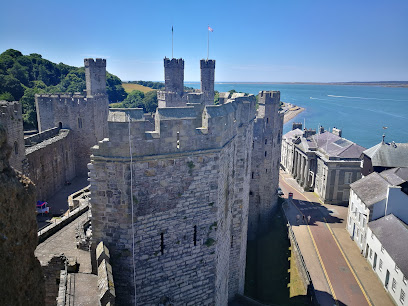
Caernarfon Castle Walls
0.4 km
Walk the nearly complete medieval walls of Caernarfon, a fortress town’s historic shield with panoramic views and rich Welsh heritage.
Historic Tours Wales
0.5 km
Explore Caernarfon’s rich history with passionate local guides on immersive walking tours that reveal hidden stories beyond the castle walls.
Sir Hugh Owen
0.5 km
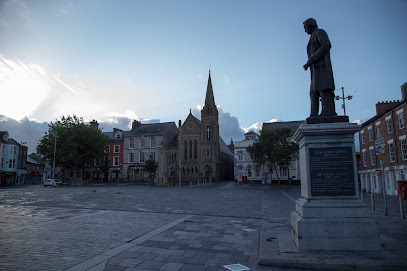
Celebrate the legacy of Sir Hugh Owen, a pioneer of Welsh education, with his statue in the historic heart of Caernarfon’s Castle Square.
Caernarfon Walks - Guided Tours
0.5 km
Discover Caernarfon’s rich history and hidden stories on expert-led walking tours through its medieval streets and iconic castle walls.
Bath Tower
0.6 km
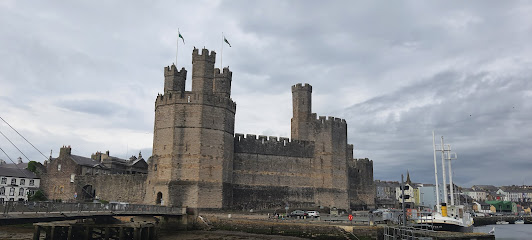
Sleep in a 13th-century tower within Caernarfon's castle walls—where medieval history meets modern comfort.
Caernarfon Waterfront
0.6 km
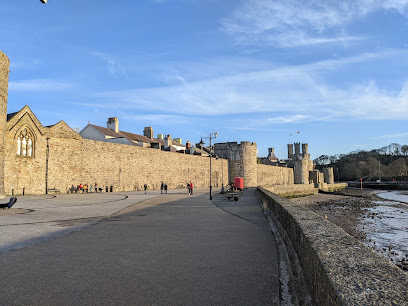
Historic Caernarfon Waterfront: Where medieval heritage meets vibrant maritime charm on the Menai Strait.
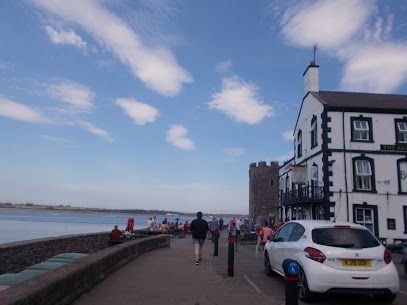
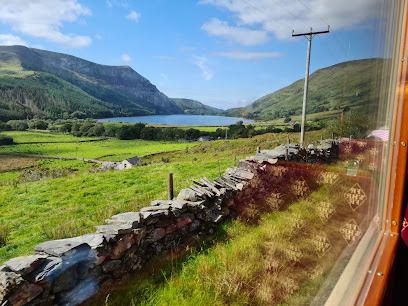
Welsh Highland Railway - Caernarfon
0.6 km
Historic steam journeys begin beneath Caernarfon Castle, winding through Snowdonia’s breathtaking landscapes on the UK’s longest heritage railway.
Royal Welch Fusiliers Museum
0.6 km
Explore centuries of Welsh military history within the majestic towers of Caernarfon Castle, a UNESCO World Heritage Site.
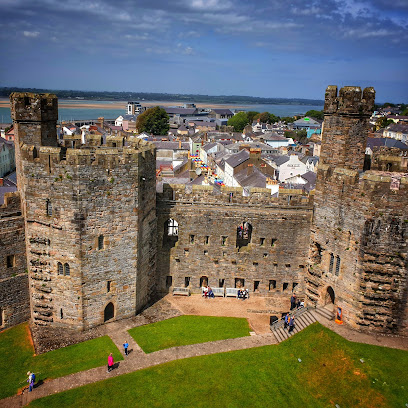
Caernarfon Castle
0.6 km
Discover the grandeur of Caernarfon Castle, a UNESCO World Heritage Site rich in history and stunning medieval architecture, perfect for your Welsh getaway.
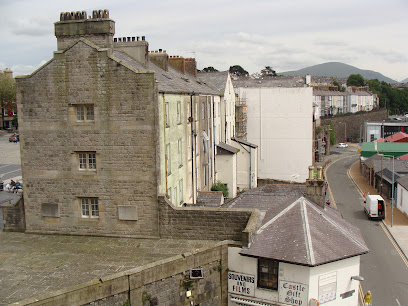
Hanging Tower
0.6 km
A haunting medieval tower in Caernarfon where justice was once served by execution, steeped in history and ghostly legend.
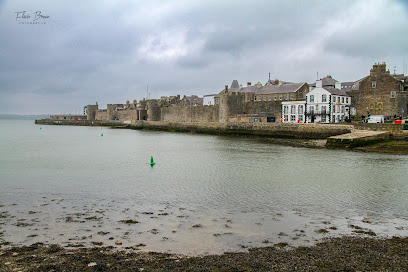
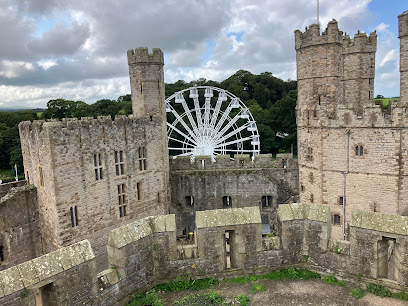
Big Wheel, Caernarfon Castle
0.7 km
Experience breathtaking panoramic views from the Big Wheel beside historic Caernarfon Castle, blending medieval heritage with modern leisure.
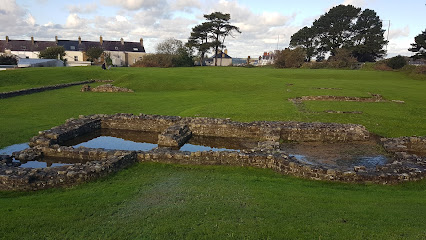
Caer Rufeinig Segontium / Segontium Roman Fort
0.8 km
Explore the ancient Roman military outpost of Segontium, where history and legend meet amidst scenic Welsh landscapes.
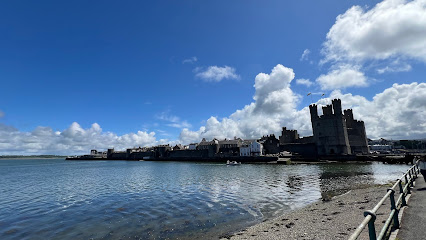
Aber Foreshore
1.2 km
A scenic coastal walk with iconic views of Caernarfon Castle and the Menai Strait, perfect for a peaceful stroll or a quiet moment by the water.
Foel Farm Park
1.9 km
Discover a charming working farm with animal encounters, scenic views, and family fun on the beautiful Isle of Anglesey.
Essential places to dine

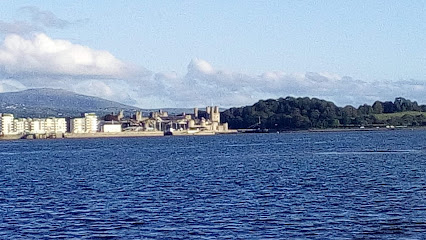
Harbour Table Table
0.3 km
Family-friendly British pub and restaurant overlooking Caernarfon’s Victoria Dock, offering hearty meals and scenic views of the Menai Strait.
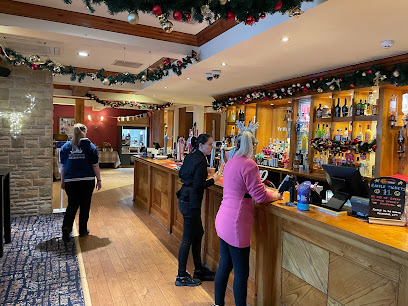
Galeri Café Bar
0.3 km
Enjoy fresh local flavors and stunning waterfront views at Galeri Café Bar, Caernarfon’s cozy hub for breakfast and casual dining.
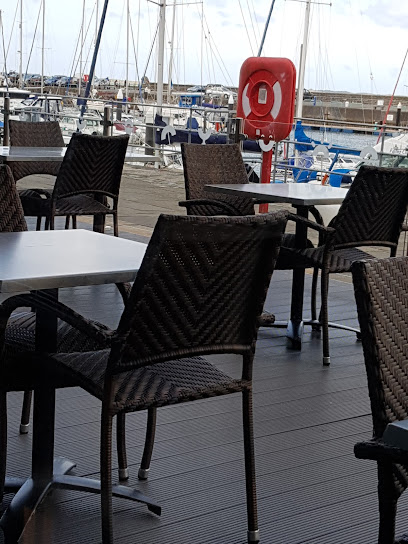
Caernarfon Tandoori Restaurants
0.4 km
Authentic Indian flavors and tandoori specialties served in a spacious, friendly setting in the heart of Caernarfon.
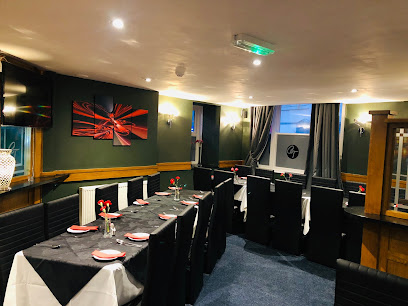
Fu's
0.4 km
Authentic Cantonese dining with family-friendly warmth in Caernarfon's scenic marina setting.
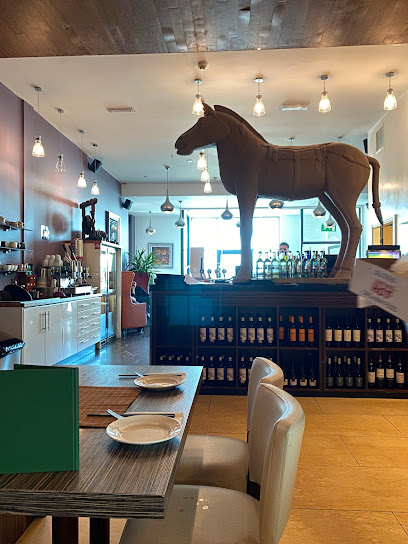
SeaView Indian Restaurant
0.4 km
Authentic Indian flavors by Caernarfon harbour, blending culinary excellence with a serene waterfront setting.
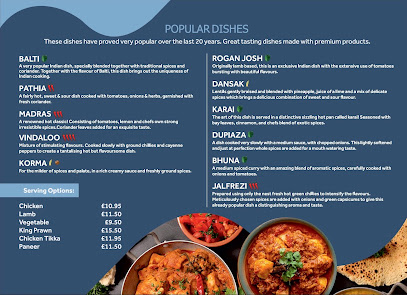
Tafarn Y Porth - JD Wetherspoon
0.4 km
A lively, historic pub in central Caernarfon offering great value meals, local ales, and a welcoming atmosphere near the town’s ancient East Gate.
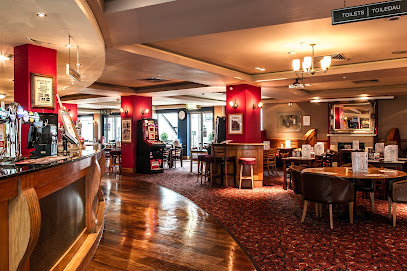
Sheeps and Leeks
0.4 km
An intimate fine dining experience in Caernarfon celebrating Welsh produce through expertly crafted tasting menus in a cozy historic setting.
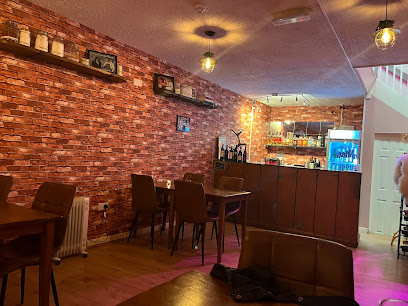
Black Boy Inn Four & Six Restaurant & Bar
0.4 km
Discover authentic Welsh cuisine at Black Boy Inn Four & Six Restaurant & Bar in Caernarfon, where tradition meets modern dining.
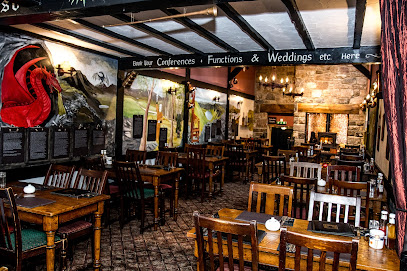
Y Gegin Fach
0.4 km
Family-run cafe in Caernarfon serving hearty Welsh classics and homemade British dishes in a warm, welcoming atmosphere.
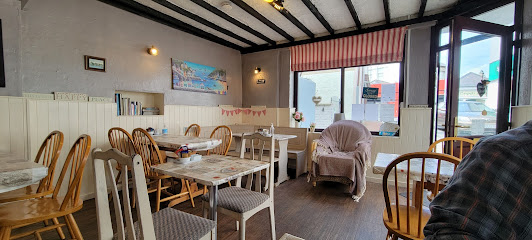
Lizzy's Caernarfon
0.5 km
A cozy, woman-owned café near Caernarfon Castle serving fresh, home-cooked British dishes with warm Welsh hospitality.
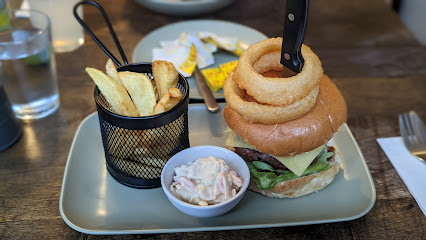
Caffi Gisda
0.5 km
Ethical café in Caernarfon serving fresh local fare with a heart for community and kindness in a cozy, welcoming setting.
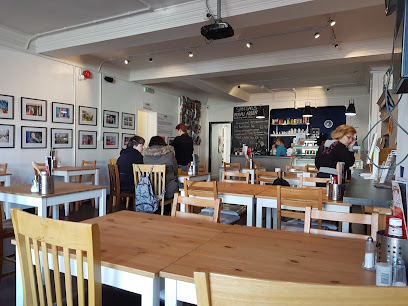
Ouzo & Olive
0.5 km
Discover authentic Greek tapas and warm hospitality in the historic heart of Caernarfon at Ouzo & Olive.
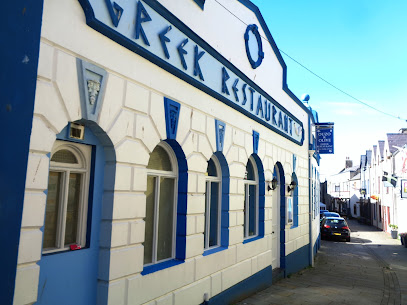
Four Alls
0.5 km
Historic charm meets delicious fare at The Four Alls, Caernarfon’s beloved pub and restaurant for great food, drinks, and community spirit.
Tân Woodfired Pizza
0.5 km
Savor authentic wood-fired pizzas in a cozy Caernarfon setting, blending traditional flavors with local charm every evening.
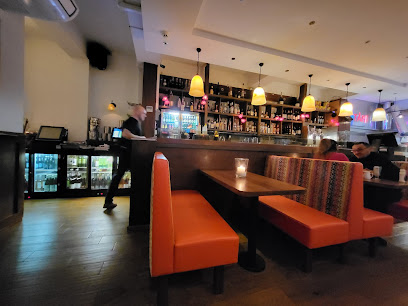
Wal Restaurant
0.5 km
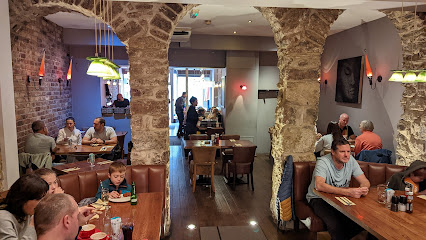
Experience the warm hospitality and diverse flavors of Welsh, British, and Italian cuisine at Wal Restaurant in the heart of Caernarfon.
Markets, malls and hidden boutiques

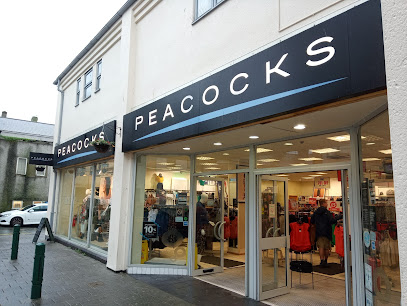
Peacocks
0.4 km
Affordable fashion for men, women, and children in Caernarfon’s Caolfan shopping center.
The Original Factory Shop (Caernarfon)
0.4 km
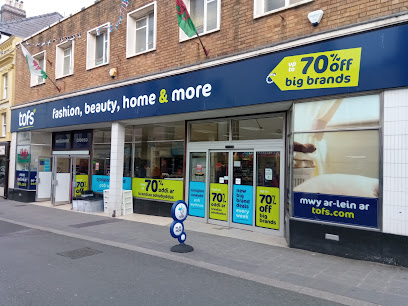
Discover unbeatable bargains on fashion, beauty, and homeware at The Original Factory Shop in Caernarfon’s vibrant Pool Street.
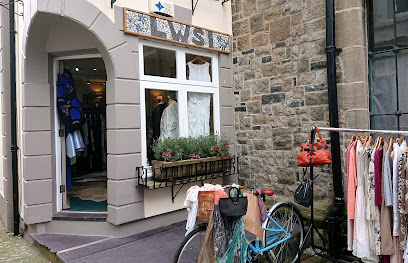
Lwsi
0.4 km
Discover unique sustainable fashion treasures in Caernarfon’s charming secondhand boutique nestled within medieval town walls.
Orchid Fashion Store
0.4 km
Discover stylish, locally inspired fashion at Orchid Fashion Store in Caernarfon’s vibrant shopping heart.

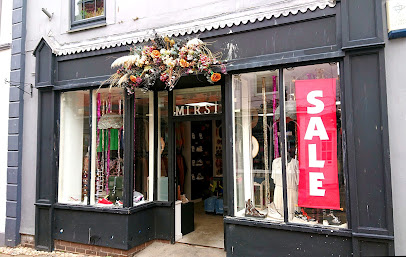
Mirsi
0.5 km
Discover stylish, affordable women's fashion in the heart of historic Caernarfon at Mirsi Boutique on High Street.
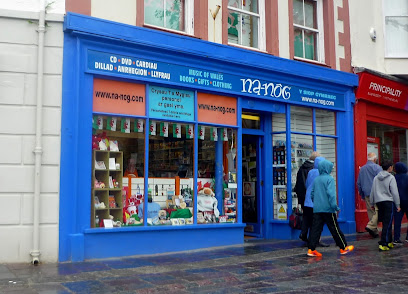
Na Nôg
0.5 km
Discover authentic Welsh culture through music, crafts, and unique gifts at Na Nôg, Caernarfon’s beloved boutique in Castle Square.
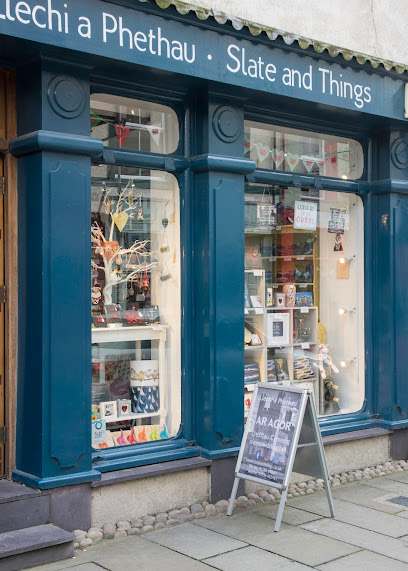
Slate and Things
0.5 km
Discover authentic Welsh slate crafts and unique souvenirs in the heart of historic Caernarfon at Slate and Things.
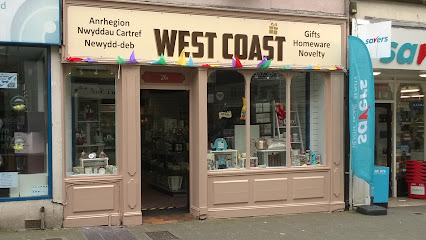
West Coast Gifts
0.5 km
Discover unique handcrafted gifts and souvenirs in the heart of historic Caernarfon at West Coast Gifts.
Siop iard Caernarfon
0.5 km
Discover handcrafted Welsh jewellery and crafts at Siop Iard Caernarfon, a unique boutique celebrating local artistry and heritage.
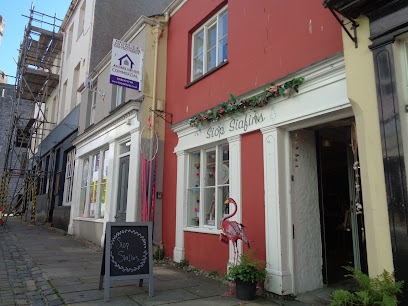
Siop Siafins
0.5 km
A charming gift shop in Caernarfon offering authentic Welsh crafts, souvenirs, and locally made treasures in the heart of historic North Wales.
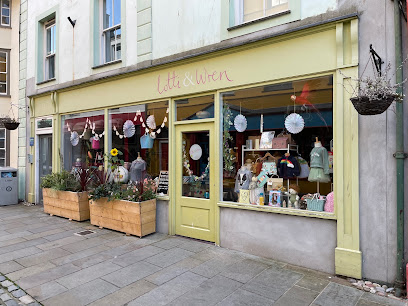
Lotti & Wren
0.5 km
Discover unique independent design treasures and handcrafted gifts in the heart of historic Caernarfon at Lotti & Wren.
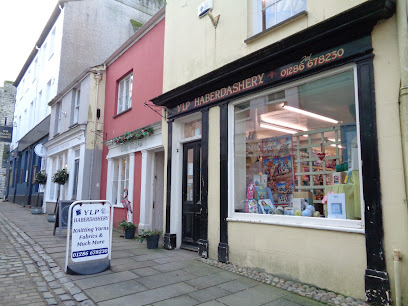
YLP Fabric & Wool Shop
0.5 km
Discover Caernarfon’s premier fabric and wool shop, a creative hub for knitters, quilters, and embroidery lovers alike.
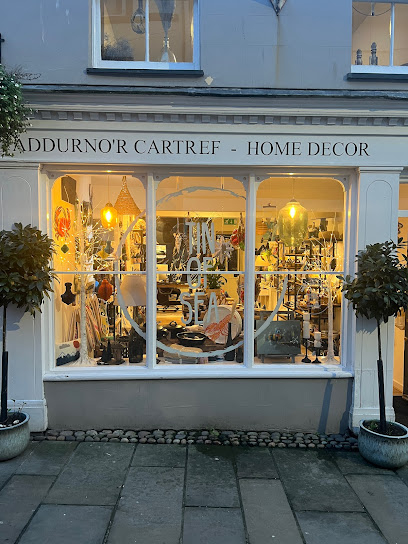
Tin of Sea
0.5 km
Discover unique home décor, gifts, and furnishings blending historic charm with modern style in Caernarfon’s Tin of Sea.
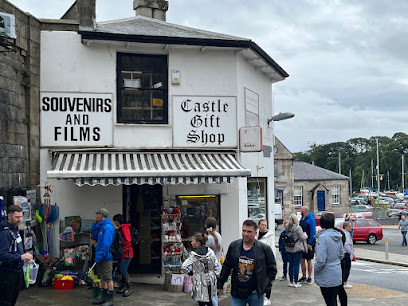
Castle Gift Shop
0.6 km
Explore the charm of Wales at Castle Gift Shop, your destination for unique souvenirs and local crafts in Caernarfon.
Siop Y Ddraig
0.6 km
Discover authentic Welsh gifts and souvenirs in a charming shop steeped in local culture at Caernarfon’s Siop Y Ddraig.
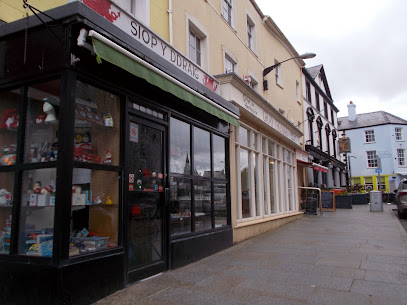
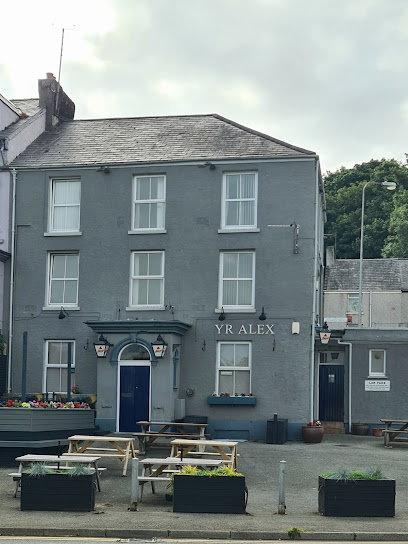
Essential bars & hidden hideouts

Yr Alex
0.1 km
Experience authentic Welsh hospitality and local brews in the cozy, welcoming atmosphere of Yr Alex, Caernarfon’s beloved traditional pub.
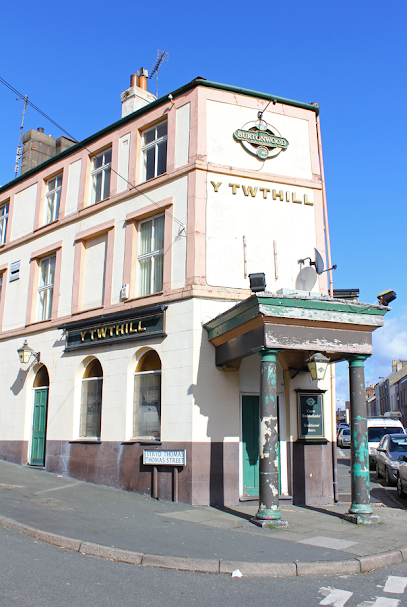
Twthill Vaults
0.2 km
A cozy, traditional Welsh pub in Caernarfon offering local ales, hearty food, and a welcoming community atmosphere every day from noon till late.
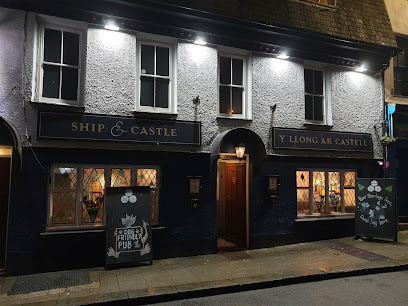
Ship & Castle
0.3 km
A lively and welcoming pub in Caernarfon, where friendly locals and traditional charm create the perfect spot to relax and socialize.
The hole in the wall
0.4 km
Authentic Welsh pub with historic charm, lively events, and welcoming locals in the heart of Caernarfon.
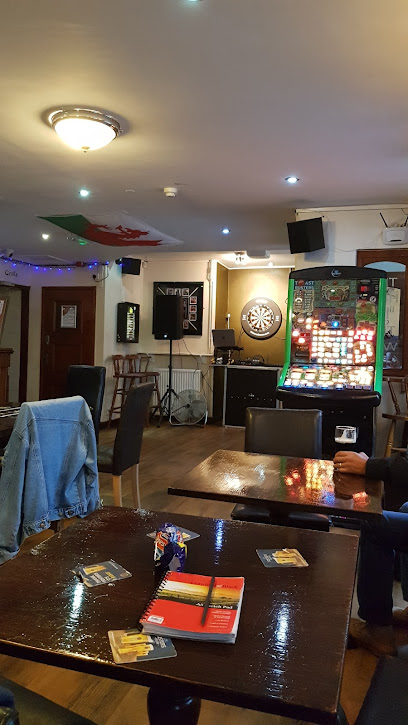
Market Hall
0.5 km
Historic Market Hall in Caernarfon offering excellent pints, authentic kebabs and curries, plus lively open mic nights in a vibrant local setting.
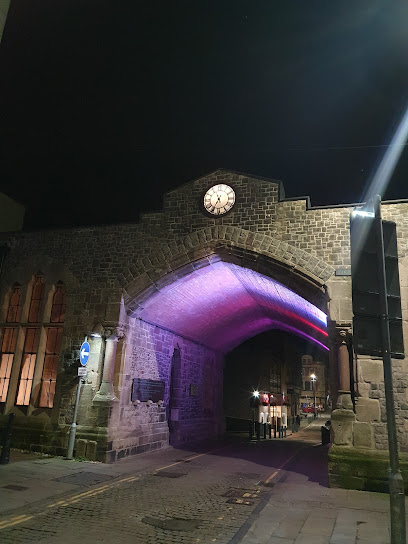
The Morgan Lloyd
0.5 km
A traditional Welsh pub in Caernarfon offering good beer, friendly service, and a lively local atmosphere near the historic castle.
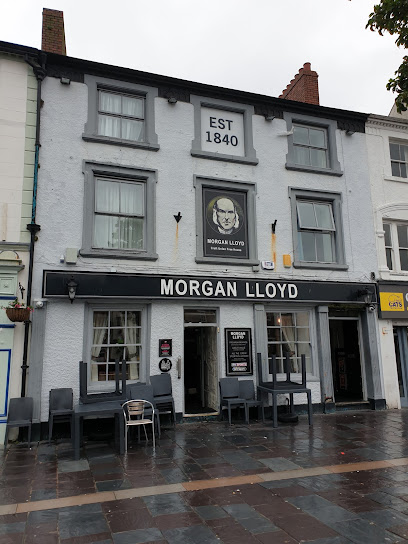
The Crown Y Goron
0.5 km
A cozy, family-friendly Welsh pub in Caernarfon offering local ales, home-cooked meals, and a warm, inviting atmosphere seven days a week.
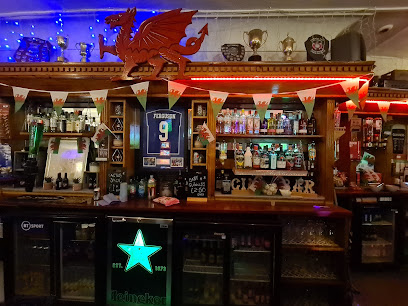
Bar Bach
0.5 km
Discover Bar Bach, Wales’ tiniest bar in Caernarfon, where local brews and cozy charm create an unforgettable intimate pub experience.
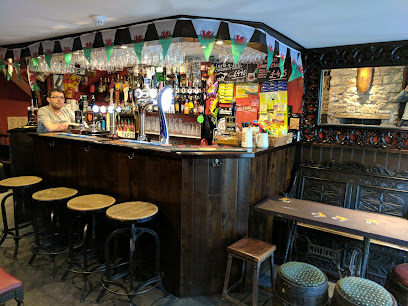
Tŷ Glyndŵr Bunkhouse & Su's Cocktail Bar
0.5 km
Cozy Georgian hostel with a lively cocktail bar, local flavors, and live music just steps from Caernarfon Castle in the heart of North Wales.
Palace Vaults
0.5 km
A cosy, historic pub opposite Caernarfon Castle offering hearty fare, live music, and a welcoming atmosphere in the heart of Gwynedd.
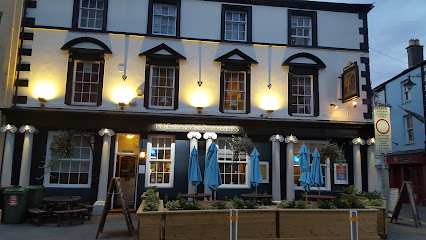
The Eagles
0.5 km
A cozy and friendly Caernarfon pub offering local brews, hearty meals, live music, and a warm Welsh welcome.
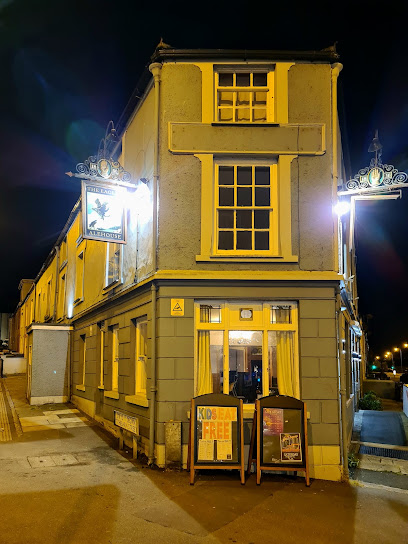
Albert Inn
0.5 km
A cozy, family-friendly pub in Caernarfon serving homemade British classics with warm local hospitality.
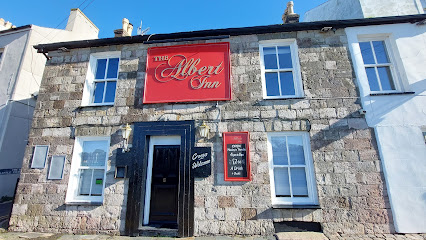
La Marina Cei
0.6 km
Experience the vibrant social heart of Caernarfon at La Marina Cei, where lively bar vibes and welcoming atmosphere meet.
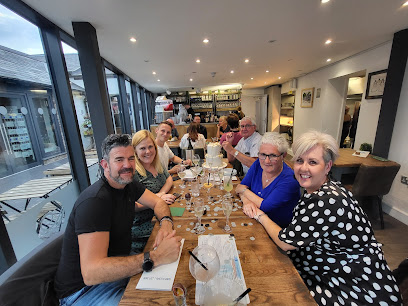
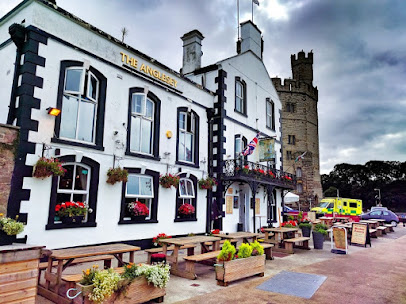
Anglesey Arms
0.7 km
Historic harbourfront pub and inn in Caernarfon offering cozy rooms, hearty Welsh fare, and stunning views of Menai Strait and Caernarfon Castle.
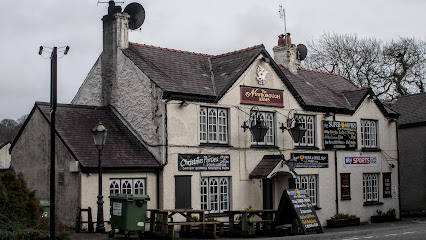
The Newborough Arms
3.2 km
A warm, family-friendly pub in Bontnewydd offering hearty Welsh fare, a lively bar, and a spacious beer garden with play area.
Nightclubs & after hour spots

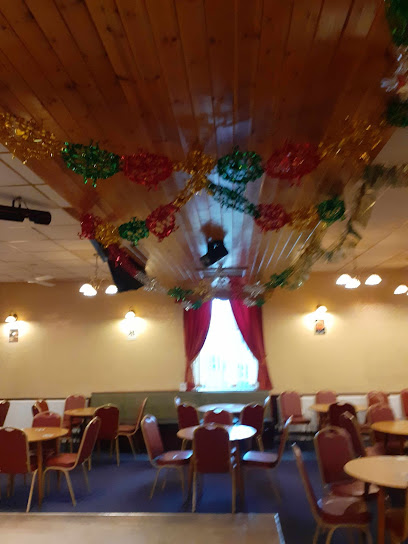
Wellman's Sports & Social Club
12.2 km
Llangefni’s vibrant social hub with lively entertainment, spacious dance floor, and a welcoming community atmosphere.
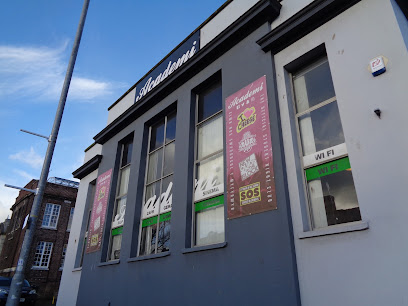
Academi
13.1 km
Bangor’s beloved student nightclub, offering vibrant music, a welcoming atmosphere, and a central role in university social life.
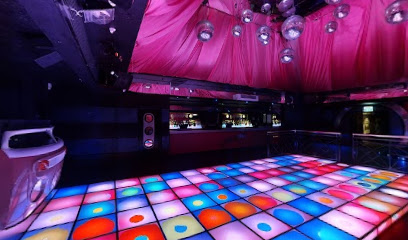
Trilogy Nightclub
13.7 km
Experience Bangor’s vibrant nightlife at Trilogy Nightclub, where diverse music rooms and lively weekend parties create unforgettable nights.
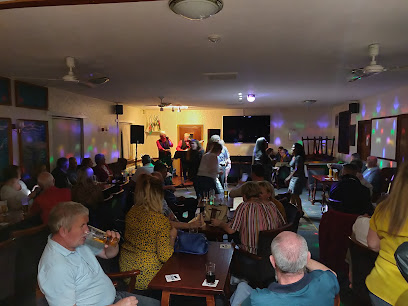
Clwb Llyn Bach
25.8 km
Discover the lively spirit of Clwb Llyn Bach, a top pub in Porthmadog offering great drinks, vibrant events, and a friendly atmosphere.
The Cove
26.8 km
Experience the vibrant nightlife at The Cove in Hafan Y Mor, North Wales, where music, dancing, and unforgettable memories await.

Black Rock Beach Club
26.9 km
Experience the ultimate beachside retreat at Black Rock Beach Club with delicious grilled dishes and breathtaking coastal views.
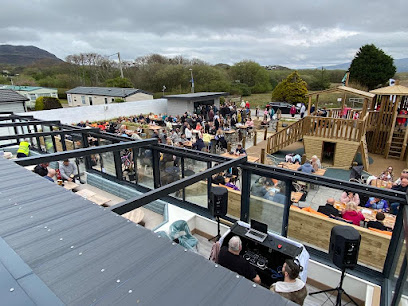
Vics Boogie-Nights
27.5 km
Experience the vibrant nightlife at Vic's Boogie-Nights, Abererch's premier bar for music, dancing, and unforgettable memories.
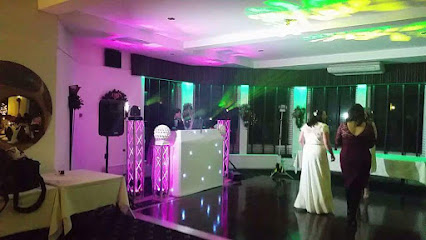
The Queens Head
30.0 km
Experience the heart of Amlwch at The Queens Head, a welcoming pub with local ales and hearty meals in a cozy atmosphere.
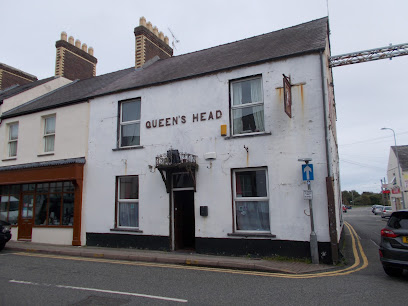
Albert Vaults
30.6 km
Experience authentic Welsh hospitality at Albert Vaults, a charming pub in Anglesey with a vibrant atmosphere and exceptional drinks.
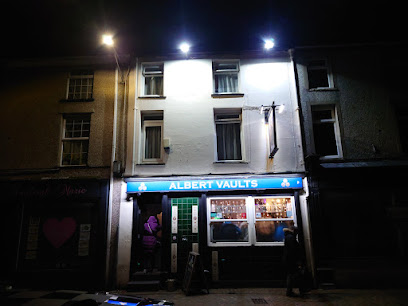
The Buffs
30.6 km
A welcoming social club in Holyhead offering lively nights, friendly faces, and a true taste of local nightlife on Cambria Street.
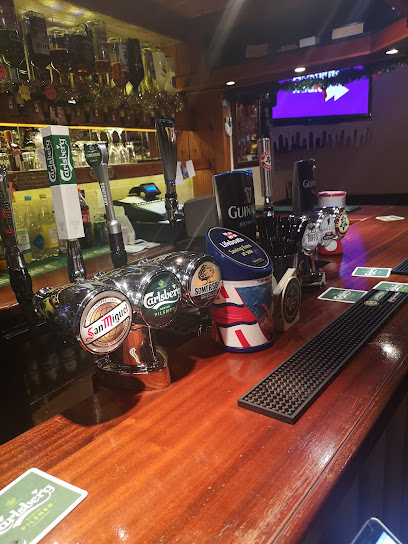
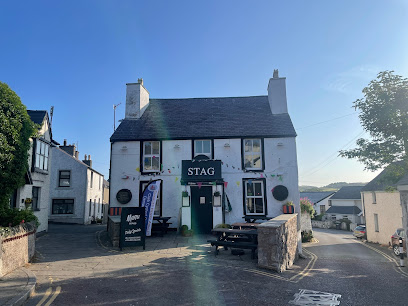
Stag Inn
32.3 km
Experience the charm of Anglesey at The Stag Inn, where delicious meals and a cozy atmosphere await you.
Club 147
35.6 km
Llandudno’s energetic nightclub and sports bar offering electronic beats, pool, and a lively social scene in the town centre.
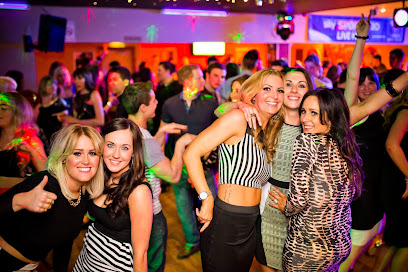
Broadway Boulevard
36.1 km
Llandudno’s largest nightclub, Broadway Boulevard pulses with vibrant music, themed events, and a lively party atmosphere in the heart of town.

New Horizons
44.1 km
Experience vibrant nightlife and lively music at New Horizons, Dyffryn Ardudwy’s welcoming nightclub with spaces for all ages.

The Club Barmouth
48.9 km
Experience vibrant Saturday nights at The Club Barmouth, where stylish vibes meet lively music by the scenic Welsh coast.
For the vibe & atmosphere seeker
- Solemn
- Scenic
- Unique
- Tranquil
For the design and aesthetic lover
- Rustic Designs
- Vintage Styles
For the architecture buff
- Historic
- Sacred Sites
- Landmarks
For the view chaser and sunset hunter
- Panoramas
- Iconic Views
For the social media creator & influencer
- Photo Spots
- Architectural Shots
For the eco-conscious traveler
- Protected Area
- Leave-No-Trace Critical
For the kind of experience you’re after
- Cultural Heritage
- Myth & Legends
- Photowalk
- Day Trip
For how adventurous you want the journey to be
- Easy Access
- Requires Hike
Location Audience
- Family Friendly
- Senior Friendly
- Solo Friendly
- Couple Friendly
- Wheelchair Access


