
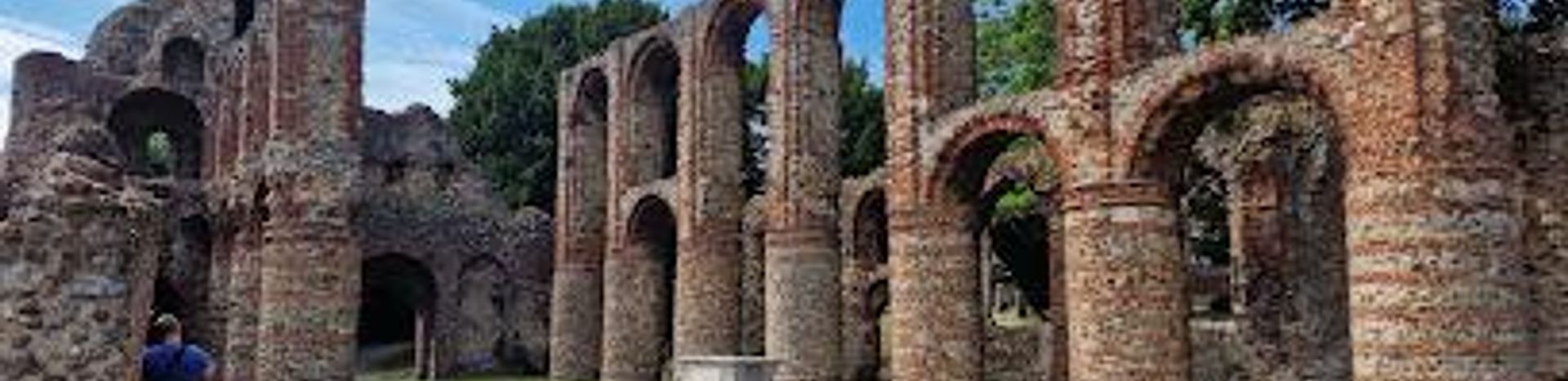
English Heritage - St Botolph's Priory, Colchester
Explore the evocative ruins of England’s first Augustinian priory, showcasing Norman architecture and centuries of rich history in Colchester.
St Botolph's Priory in Colchester is a striking ruin of one of England's earliest Augustinian priories, founded around 1100. Known for its impressive early Norman architecture, the site features massive circular pillars, round arches, and an elaborate west front built from flint and reused Roman bricks. Though largely destroyed during the 1648 Civil War siege, the priory's remains offer a vivid glimpse into medieval religious life and architectural heritage, set within tranquil grounds near Colchester’s historic town centre.
A brief summary to English Heritage - St Botolph's Priory
- St Botolph's Church Walk, Colchester, CO2 7EE, GB
- +443703331181
- Visit website
- Duration: 0.5 to 1.5 hours
- Free
-
 Outdoor
- Mobile reception: 4 out of 5
- Monday 7:30 am-5 pm
- Tuesday 7:30 am-5 pm
- Wednesday 7:30 am-5 pm
- Thursday 7:30 am-5 pm
- Friday 7:30 am-5 pm
- Saturday 7:30 am-5 pm
- Sunday 7:30 am-5 pm
Local tips
- Wear comfortable footwear as the site has uneven ground and ancient ruins to explore on foot.
- Visit nearby Colchester Town railway station for restrooms and refreshments, as the priory itself has no facilities.
- Bring a guidebook or download a digital guide to fully appreciate the Norman architectural details and historical context.
- Dogs are welcome but must be kept on a leash to maintain the site's tranquility.

For the on-the-go comforts that matter to you
- Restrooms
- Seating Areas
- Trash Bins
- Information Boards
Getting There
-
Train
From London Liverpool Street, take a direct train to Colchester Town station, approximately 50-60 minutes journey. From the station, the priory is a 10-minute walk through town. Trains run frequently, with ticket prices ranging from £15 to £25 one way.
-
Bus
Local bus services connect Colchester town centre with surrounding areas. The priory is accessible via routes stopping near St Botolph's Church Walk. Bus travel times vary from 10 to 30 minutes depending on origin, with fares typically £2 to £5.
-
Car
Public parking is available nearby at Britannia Car Park (charge applies). Walking from the car park to the priory takes about 5 minutes. Note there is no parking on-site and roads around the priory may be busy during peak times.
-
Walking
The priory is within easy walking distance of Colchester town centre and Colchester Castle. Walking routes are on paved and cobbled streets, suitable for most visitors, taking approximately 10-15 minutes from central landmarks.
English Heritage - St Botolph's Priory location weather suitability
-
 Any Weather
-
 Clear Skies
-
 Mild Temperatures
-
 Rain / Wet Weather
Discover more about English Heritage - St Botolph's Priory
Origins and Religious Importance
St Botolph's Priory was established between 1093 and 1100 as the first Augustinian priory in England, founded by priests who transformed an earlier Saxon church dedicated to St Botolph. It held a unique authority over other Augustinian houses, confirmed by papal bulls, making it a significant religious institution. The priory was dedicated not only to St Botolph but also to St Julian and St Denis, reflecting the medieval tradition of venerating local saints and fostering spiritual influence in the region.Architectural Grandeur and Construction
The priory church is an outstanding example of early Norman architecture, constructed primarily from flint rubble combined with arches and dressings made from reused Roman bricks sourced locally. Its massive circular pillars, triple courses of brick reinforcement, and round arches create a powerful structural and aesthetic presence. The elaborate west front, with its Norman ornamental motifs such as chevron patterns and interlacing Roman brick arches, remains one of the best-preserved facades from the period. The church originally featured flanking towers and a large circular window, elements that underscored its architectural sophistication.Historical Turmoil and Decline
The priory endured significant challenges over the centuries, including disputes with nearby religious houses and the impact of the Dissolution of the Monasteries in 1536, which led to its closure and partial demolition. The remaining church continued as a parish church until the Siege of Colchester in 1648 during the English Civil War, when cannon fire heavily damaged the structure, leaving it a ruin. The nave was later used as a burial ground, and the cloister area was at one time converted into a garden, reflecting changing uses of the site.Modern Preservation and Visitor Experience
Today, St Botolph's Priory is managed by English Heritage and is open to the public free of charge. The site is set in peaceful grounds close to Colchester town centre and the railway station, offering visitors the chance to explore the evocative ruins and appreciate the blend of Roman and Norman construction. While there are no on-site facilities, nearby public amenities are accessible. The priory’s open-air setting and historical significance make it a compelling destination for history enthusiasts, architecture admirers, and those seeking a tranquil cultural experience.Architectural and Cultural Legacy
The priory’s ruins stand as a testament to the medieval ecclesiastical architecture and the layered history of Colchester, one of England’s oldest towns. The reuse of Roman bricks highlights the continuity of settlement and building practices from Roman Britain through the Norman period. The massive piers and arches evoke the grandeur of the original priory church, inviting reflection on the spiritual and community life that once flourished here. The site’s proximity to other historic landmarks, including Colchester Castle and the Roman walls, enriches its cultural context.Engagement with History and Surroundings
Visitors can immerse themselves in the priory’s history by observing the architectural details and imagining the monastic life of the Augustinian canons. The peaceful lawns and open ruins provide a contemplative atmosphere, while the visible scars from the Civil War siege connect the site to pivotal moments in English history. The priory’s story, from its Saxon origins through Norman grandeur to Civil War destruction, encapsulates the dynamic narrative of Colchester and its enduring heritage.Iconic landmarks you can’t miss

Natural History Museum
0.2 km
Discover Colchester’s natural past and present in a charming historic church turned family-friendly museum with free entry and engaging exhibits.
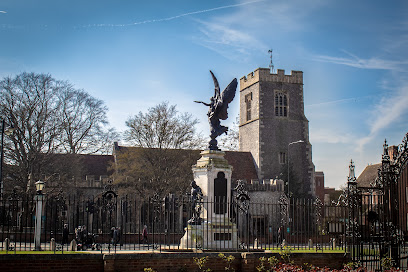
Colchester War Memorial
0.3 km
A dignified tribute in the heart of Colchester honoring the sacrifice and service of its wartime heroes.
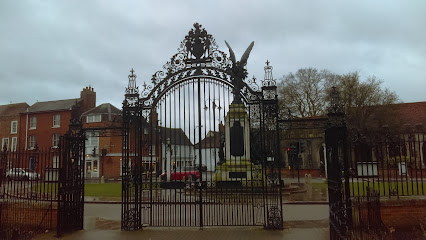
Roman Theatre
0.5 km
Ancient Roman amphitheatre where 3,000 spectators once gathered, now marked by darker paving in Colchester's historic streets.
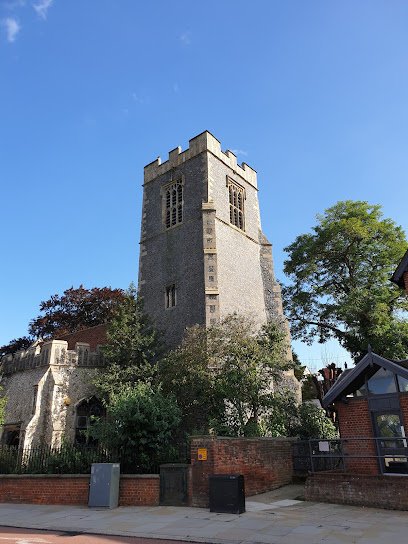
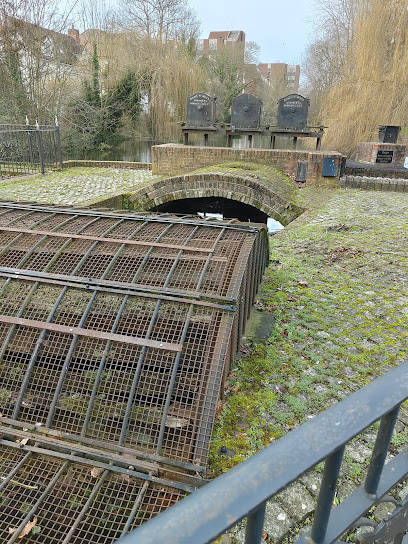
Middle Mill Weir
0.7 km
Historic Middle Mill Weir on the River Colne, a testament to Colchester’s water-powered industrial heritage and enduring community spirit.
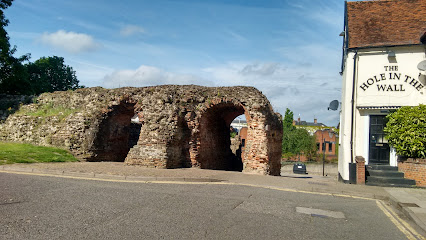
Balkerne Gate
0.8 km
Explore Balkerne Gate, Britain's largest surviving Roman gateway, a monumental symbol of Colchester’s ancient Roman heritage and architectural mastery.
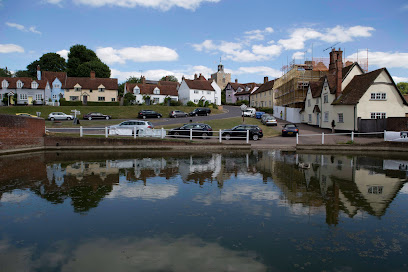
Finchingfield Post Mill
32.3 km
Discover Essex’s oldest post mill, a charming 18th-century landmark overlooking the picturesque village of Finchingfield.
Great Baddow Chain Home Radar Tower
34.4 km
The only complete Chain Home radar tower in the UK, a towering symbol of WWII air defence and Cold War innovation in Great Baddow.
National Trust - Sutton Hoo
37.7 km
Explore Sutton Hoo, an iconic archaeological site revealing the secrets of the Anglo-Saxon era in stunning natural surroundings.

Prittlewell royal Anglo-Saxon burial
39.5 km
Explore the earliest princely Anglo-Saxon burial in England, revealing a royal Christian tomb rich with ancient treasures and history.
Southchurch Hall
40.8 km
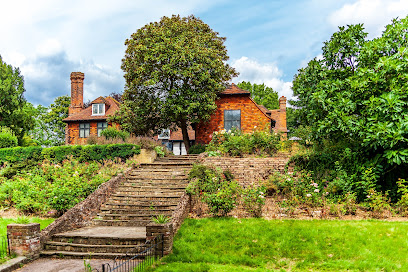
Explore the historical elegance and serene gardens of Southchurch Hall, a captivating museum in Southend-on-Sea that reveals the region's rich heritage.
Wayfinding Stone
40.8 km
Explore the Wayfinding Stone in Southend-on-Sea, a unique monument that symbolizes navigation and adventure, connecting visitors to local heritage.
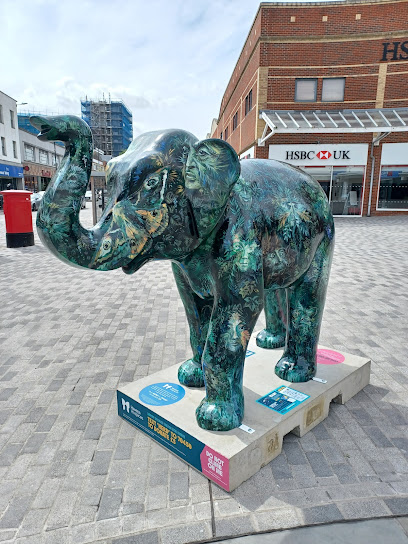
Southchurch Park
41.1 km
Discover the tranquility and beauty of Southchurch Park, a serene escape in Southend-on-Sea perfect for relaxation, picnics, and nature walks.
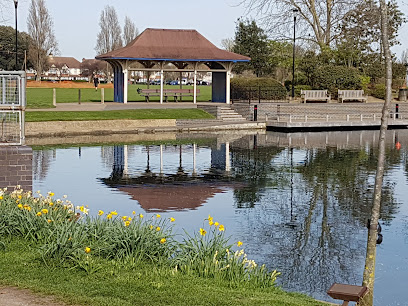
Sealife Adventure
41.4 km
Explore the captivating marine life at Sealife Adventure, Southend-on-Sea's premier aquarium, featuring over 40 exhibits and interactive experiences.

Southend-on-Sea Seafront
41.5 km
Discover the magic of Southend-on-Sea Seafront, where tradition meets seaside fun, perfect for family outings and creating lasting memories.
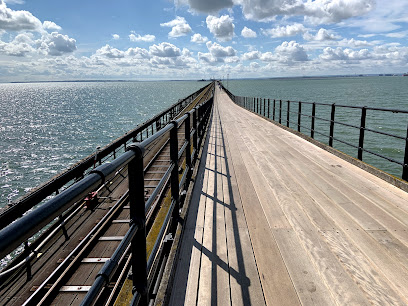
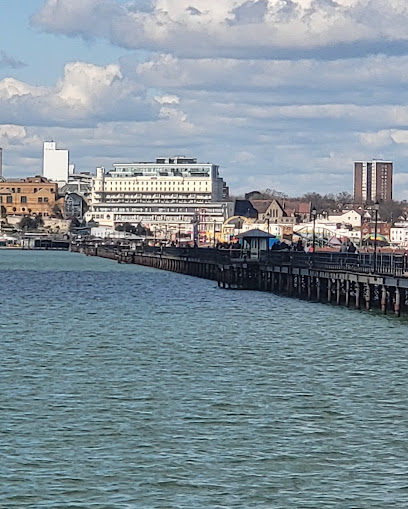
Southend Pier and Railway
41.5 km
Discover the iconic Southend Pier and Railway, a historic landmark offering breathtaking views, delightful train rides, and family-friendly activities.
Unmissable attractions to see

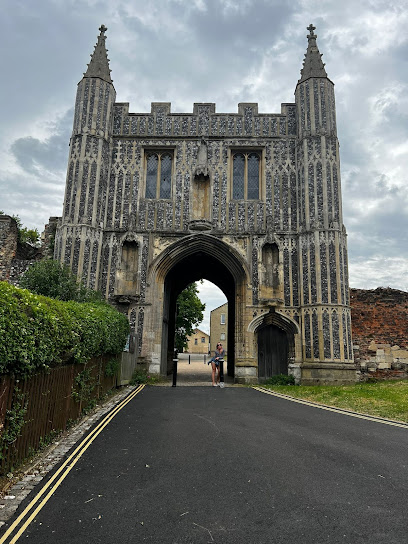
St John's Abbey Gate
0.3 km
Explore the beautifully preserved 15th-century gatehouse that stands as the last remnant of Colchester’s historic Benedictine St John’s Abbey.
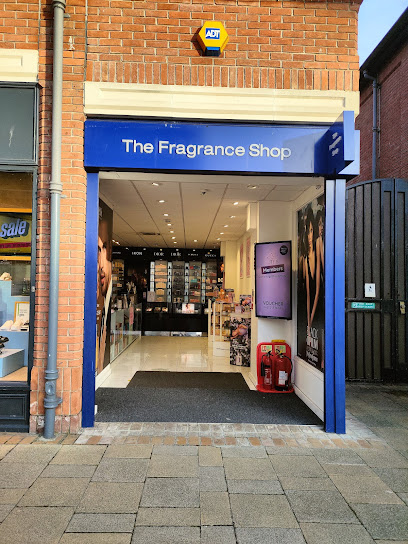
Lion Walk Shopping Centre
0.3 km
Colchester’s vibrant shopping heart blending historic charm with high street brands and diverse dining experiences.
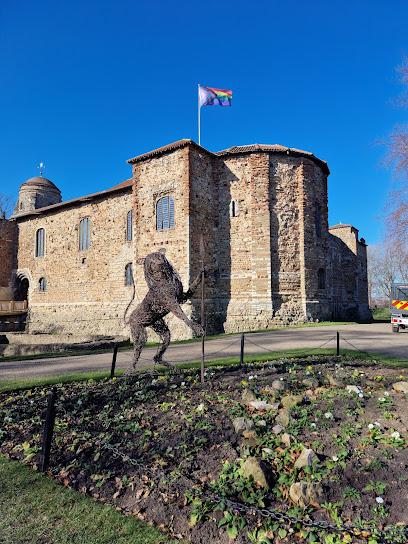
Colchester Castle
0.4 km
Explore Europe’s largest Norman keep, built on Roman temple ruins, with immersive history, interactive exhibits, and stunning views in Colchester’s Castle Park.
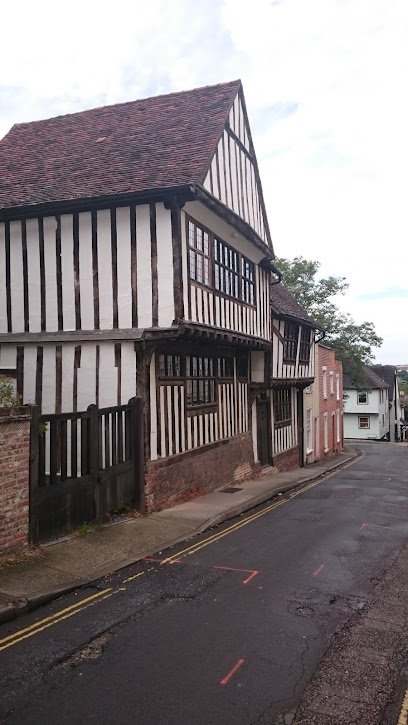
The Dutch Quarter
0.6 km
Explore Colchester’s Dutch Quarter, a charming enclave of historic timber-framed houses and Flemish weaving heritage nestled in Britain’s oldest town.
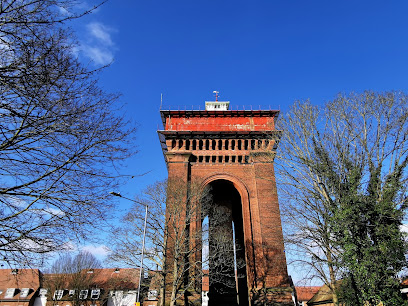
Jumbo Water Tower
0.7 km
Colchester’s iconic Victorian water tower, once vital for clean water and firefighting, now a symbol of civic pride and heritage revival.
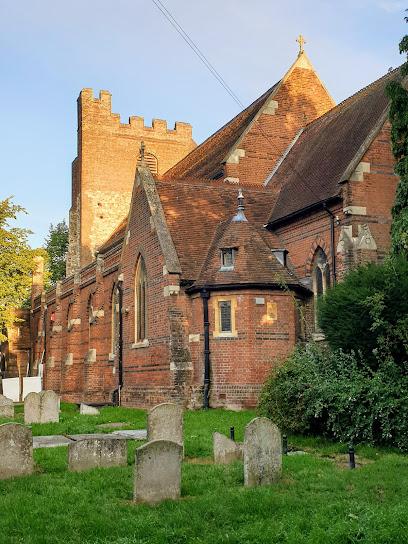
Colchester Arts Centre
0.7 km
Experience vibrant live performances and community spirit at Colchester Arts Centre, the cultural heart of historic Colchester.
National Trust - Bourne Mill
1.3 km
Step back in time at Bourne Mill, a picturesque Elizabethan watermill blending historic charm with tranquil gardens in the heart of Colchester.
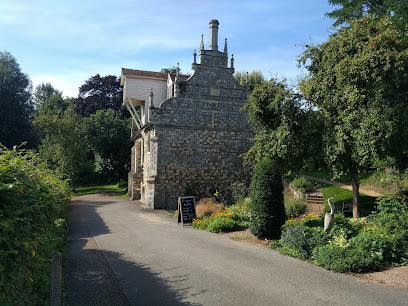
High Woods Country Park
2.4 km
Explore 150 hectares of ancient woodland, lakes, and wildflower meadows in Colchester’s award-winning High Woods Country Park.
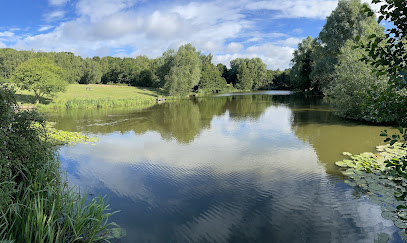
Lexden Earthworks & Bluebottle Grove
2.7 km
Explore ancient Iron Age earthworks and tranquil woodlands rich with history and seasonal bluebells in Colchester’s historic Lexden Park.
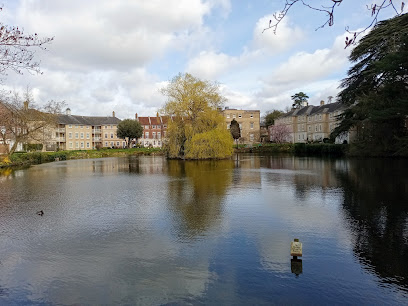
Iron Latch
4.9 km
A peaceful Essex Wildlife Trust reserve near Colchester, offering tranquil woodland walks and rich wildlife in a compact natural setting.
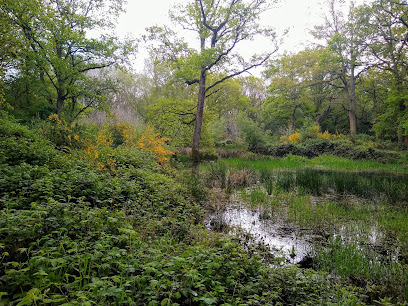
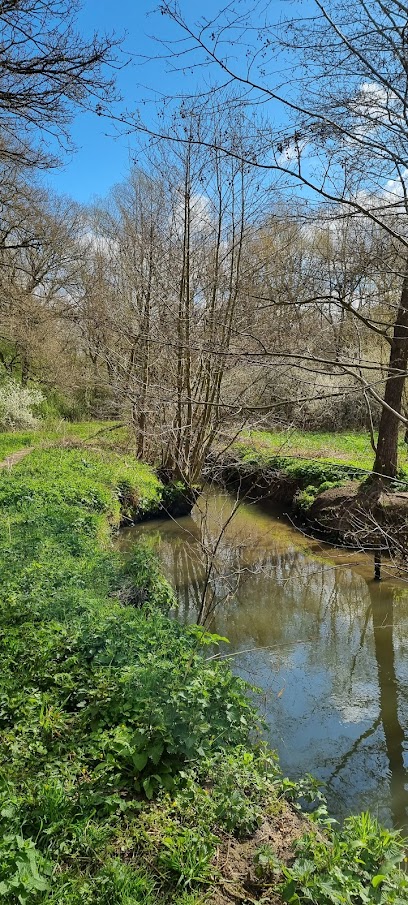
Roman River Valley
5.2 km
A serene 17.8-hectare wetland reserve with ancient woodland and rare plants along the picturesque Roman River in Essex.
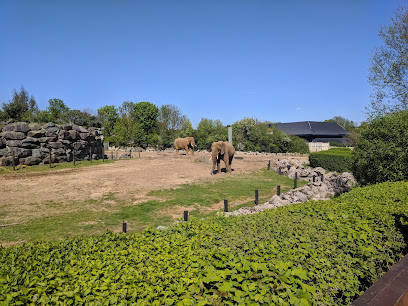
Colchester Zoo
5.5 km
Explore 60 acres of diverse wildlife habitats and immersive animal encounters at Colchester Zoo, a leading conservation and family attraction in Essex.
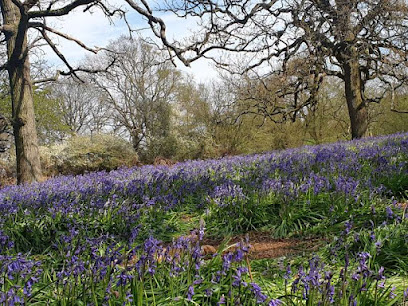
Hillhouse Wood
6.2 km
Discover peaceful trails, vibrant bluebells, and diverse wildlife in Hillhouse Wood, a cherished natural retreat near Colchester.
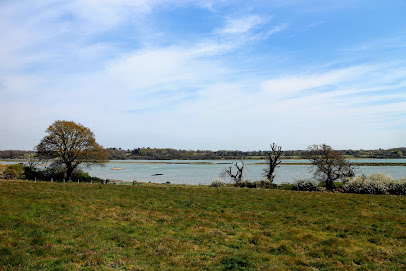
Essex Wildlife Trust Fingringhoe Wick Nature Discovery Park
7.5 km
Discover vibrant habitats and rich wildlife at Fingringhoe Wick, a transformed nature reserve with stunning estuary views near Colchester.
Wyvernwood
8.7 km
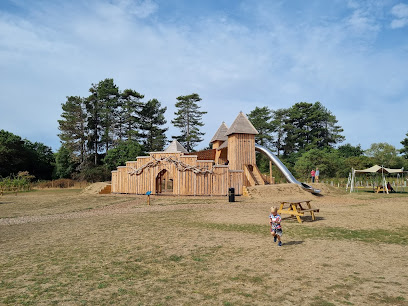
Step into Wyvernwood’s magical kingdom for a family adventure filled with dragons, fairies, and enchanting play in Essex’s captivating outdoor theme park.
Essential places to dine

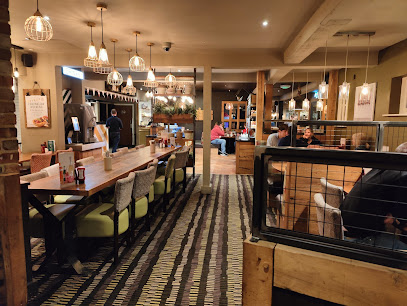
Harvester Stanway Colchester
5.0 km
Casual family-friendly British bar & grill in Colchester offering fresh, flavorful meals from breakfast to dinner in a relaxed setting.
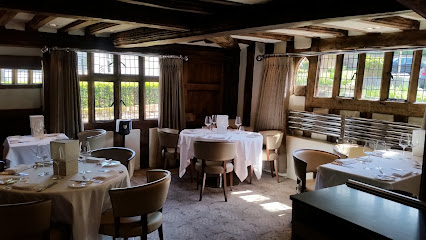
Talbooth Restaurant
9.5 km
Award-winning Modern British fine dining on the River Stour, where 19th-century charm meets contemporary culinary excellence.
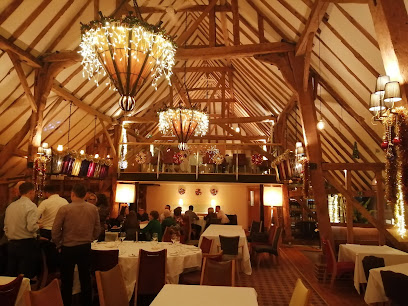
The Barn Brasserie, Great Tey
10.7 km
Historic 16th-century barn meets modern British dining in a charming Essex countryside setting with warm hospitality and versatile event spaces.
The Eaterie @ the Salthouse Harbour Hotel
25.5 km
Modern British dining with fresh local seafood and stunning marina views at Ipswich’s stylish Salthouse Harbour Hotel.

Scutchers
25.5 km
Refined British fine dining in the historic village of Long Melford, blending exceptional cuisine with warm, polished service.
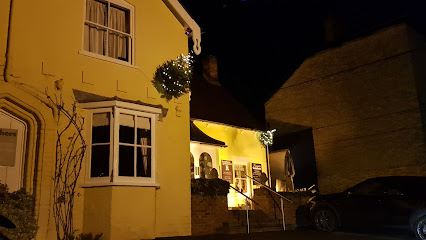
The Great House Hotel and Restaurant
25.7 km
Historic elegance and exquisite dining converge in the heart of Lavenham’s medieval Market Place.

The Square & Compasses
26.7 km
A charming Essex countryside gastropub blending rustic warmth with refined British cuisine and local ales.
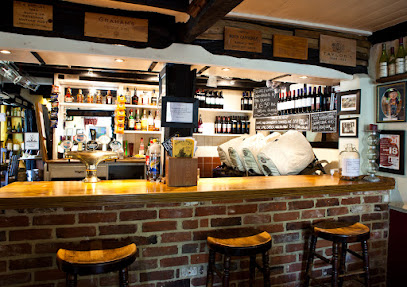
Castle - Great Leighs
28.2 km
A charming and cozy English village pub in Great Leighs serving freshly cooked, reasonably priced meals with friendly service and warm ambiance.
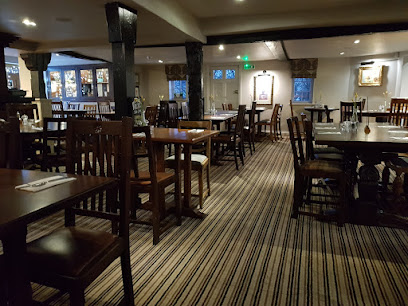
Galvin Green Man
31.9 km
Historic 14th-century gastropub near Chelmsford offering award-winning seasonal British cuisine in a charming countryside setting.
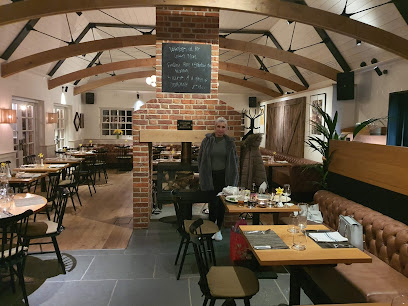
Rose & Crown - Great Waltham
32.0 km
Essex village gastro pub where seasonal menus and warm hospitality create memorable dining moments.
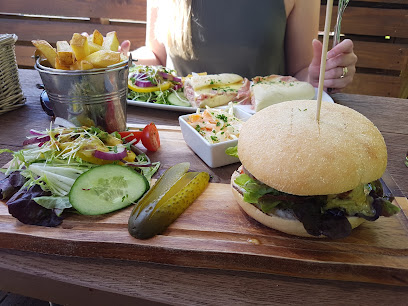
Vita Bella
32.9 km
Authentic Italian cuisine with fresh local ingredients in a charming village setting near Chelmsford.
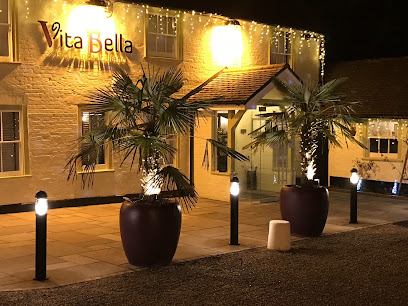
Russells Restaurant
33.6 km
Historic vaulted barn setting meets refined French and English fine dining with seasonal dishes and exceptional service in Great Baddow.
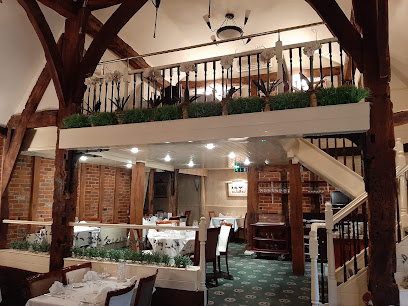
Bill's Chelmsford Restaurant
34.0 km
A vibrant British restaurant in Chelmsford’s town centre, serving all-day meals, seasonal specials, and welcoming guests with a lively atmosphere.
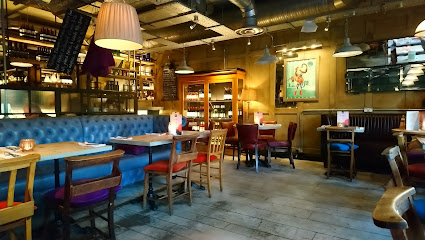
Cosy Club
34.1 km
Experience timeless art deco charm and inclusive British dining at Cosy Club Chelmsford, open all day for every occasion.
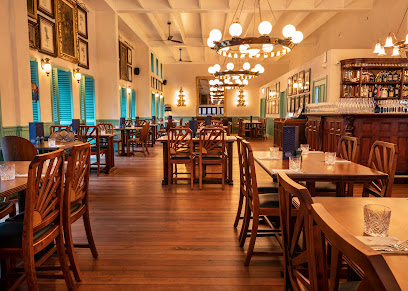
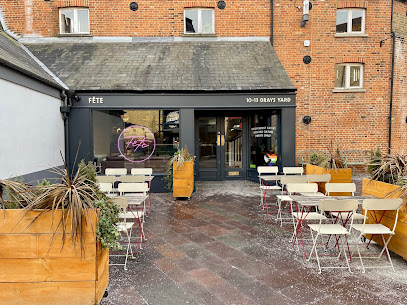
Fête at Grays Brewery Yard
34.1 km
Eclectic global flavours and vibrant cocktails in a quirky, welcoming eatery at Chelmsford’s lively Brewery Yard.
Markets, malls and hidden boutiques

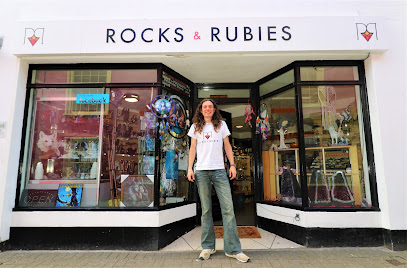
Rocks & Rubies
0.3 km
Discover rare crystals, artisan gifts, and spiritual treasures in the heart of historic Colchester.
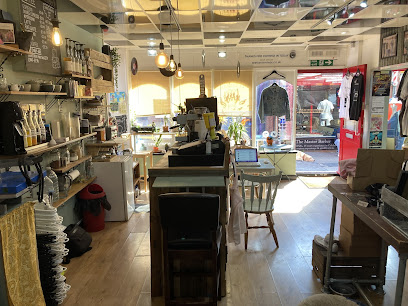
Bestdays Vintage
0.3 km
Discover sustainable vintage fashion and eclectic music treasures in a cozy, welcoming Colchester shop with a personal touch.
Love Local Essex & Suffolk
7.4 km
Discover unique, handcrafted treasures celebrating the rich heritage and creativity of Essex and Suffolk at this charming Copford gift shop.
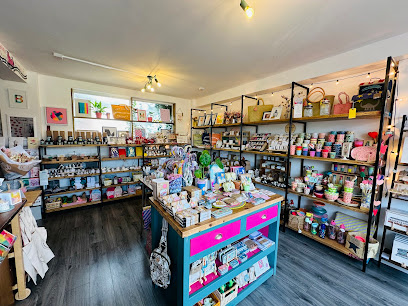
Quirky Old Stuff
12.4 km
Discover a whimsical world of antiques and vintage curiosities in Manningtree’s most eclectic shop, where every item tells a story.
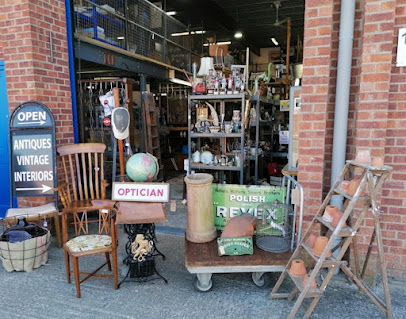
The Emporium
21.3 km
Discover unique gifts, exquisite candles, and enchanting perfumes at The Emporium in Holland-on-Sea’s charming Kings Avenue.
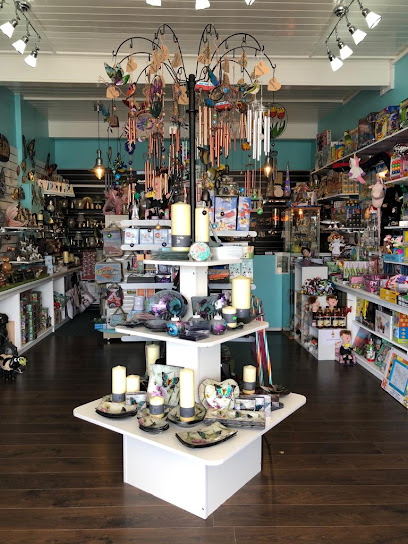
The Emporium Maldon
23.2 km
A beloved family-run gift and garden shop in Maldon’s historic High Street, renowned for variety, community spirit, and local charm.
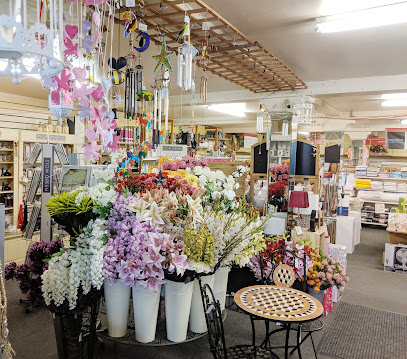
George Yard Shopping Centre
24.4 km
A vibrant pedestrianised shopping hub in Braintree offering diverse stores and a welcoming community atmosphere.
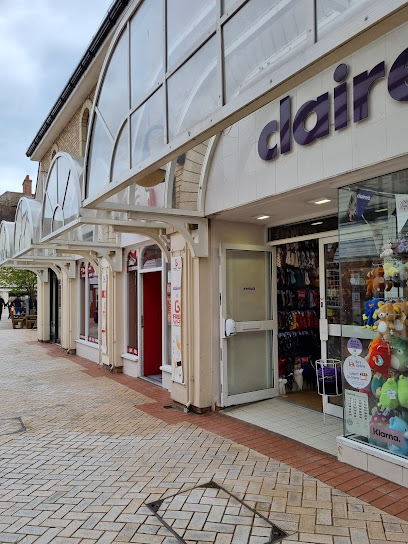
Heady's Hobbies & Gifts
25.5 km
Discover creativity and charm at Heady's Hobbies & Gifts, Walton on the Naze’s family-run craft shop with unique handmade treasures and inspiring workshops.
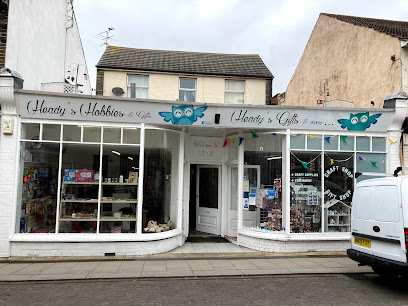
Essential Vintage
25.6 km
Discover timeless vintage fashion classics in the heart of Ipswich’s charming Eagle Street.

The Lovely Shop
29.7 km
Explore the unique offerings of The Lovely Shop in Burnham-on-Crouch, where local craftsmanship meets delightful gift ideas.
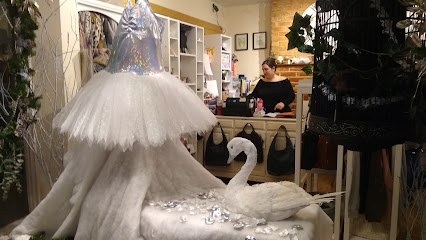
Emporium on the Quay
29.8 km
Discover unique local crafts and gifts in a charming riverside boutique on Burnham-on-Crouch’s scenic Quay.
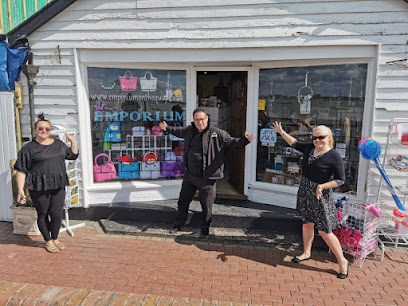
Riverside Retail Park
33.6 km
A convenient and lively retail hub in Chelmsford offering diverse stores, eateries, and accessible parking on Victoria Road.
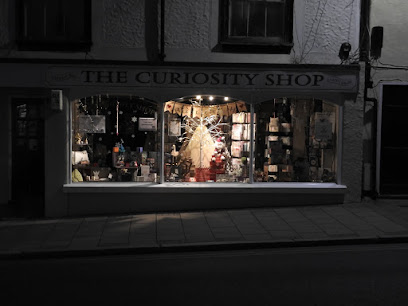
The Curiosity Shop
37.2 km
Discover unique gifts and local treasures in the heart of Great Dunmow at The Curiosity Shop, a charming boutique with a warm, welcoming atmosphere.
The Factory Shops
39.3 km
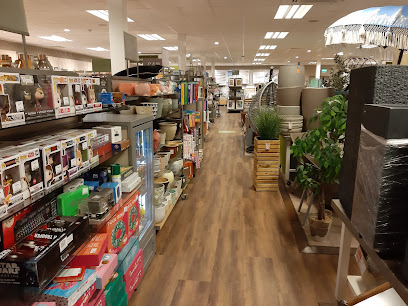
Discover unbeatable bargains and a diverse range of discounted goods at The Factory Shops, Rayleigh’s favorite value retail destination.
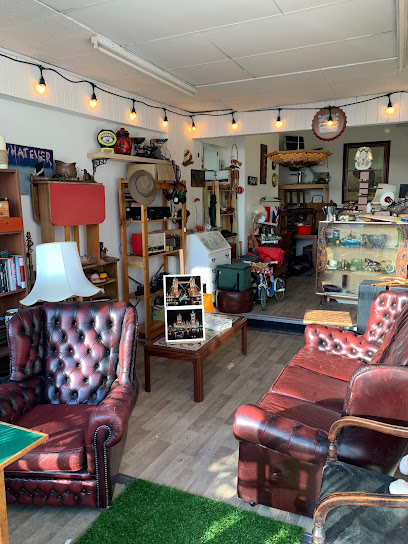
Steptoe and Mum / Antique and Retro Boutique / With House Clearance Service
40.2 km
A cluttered, character-filled secondhand boutique in Southend-on-Sea, packed with vintage furniture, retro homewares, and quirky collectables.
Essential bars & hidden hideouts

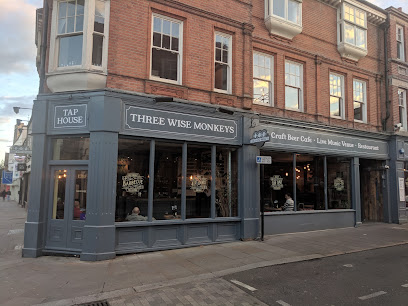
Three Wise Monkeys
0.3 km
A vibrant multi-floor pub in Colchester offering craft beers, hearty smokehouse food, and lively events in a unique historic setting.
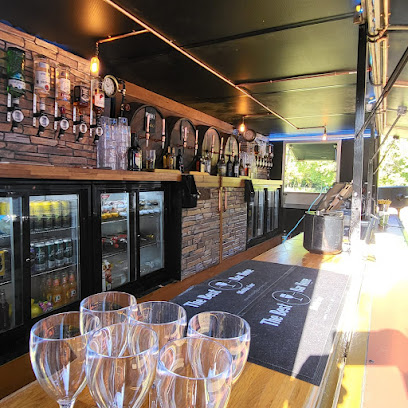
The best bar none mobile bar hire
23.0 km
Family-run mobile bar hire in Southminster, Essex, delivering bespoke drinks and vibrant atmospheres for weddings and events across the UK.
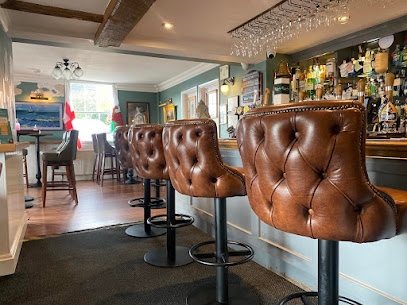
The Queen Victoria Public House
24.0 km
Historic British pub in Maldon offering freshly prepared fare, an extensive wine list, and warm, attentive service in a charming setting.
Boom Battle Bar Chelmsford
34.1 km
Chelmsford’s premier games bar blending axe throwing, shuffleboard, street food, and cocktails for unforgettable nights out.

Slug & Lettuce - Chelmsford
34.1 km
A vibrant cocktail bar and restaurant in Chelmsford offering creative drinks, stylish interiors, and a lively social atmosphere from brunch to late night.
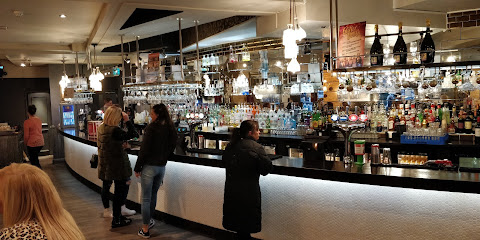
Voodoo Keller Bar
34.1 km
Discover Chelmsford’s underground cellar bar with 12 craft taps, lively rock vibes, and a cosy atmosphere perfect for beer lovers and night owls.
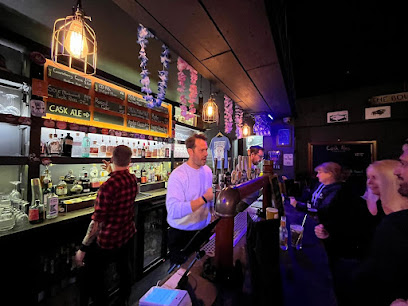
The Bootmaker
34.3 km
Historic Chelmsford pub and cocktail bar blending tradition with modern social dining and handcrafted drinks.
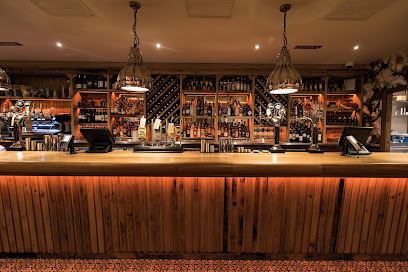
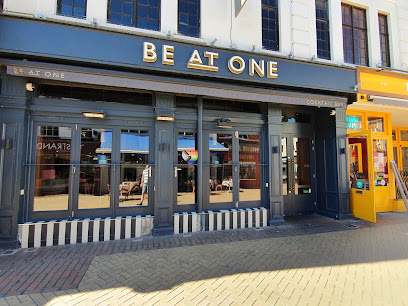
Be At One - Chelmsford
34.3 km
Discover over 100 cocktails and vibrant nightlife at Be At One Chelmsford, featuring rooftop terrace and unbeatable happy hour deals.
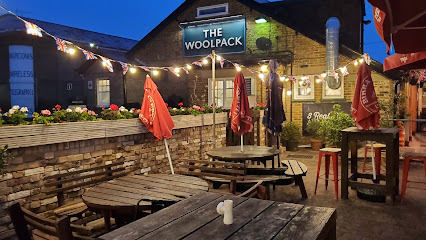
The Woolpack
34.3 km
A vibrant Victorian pub in Chelmsford blending traditional charm with lively events, great ales, and hearty American-British fare.
The Ale House
34.4 km
Chelmsford’s vibrant craft beer bar where you can bring your own food and enjoy a welcoming, lively atmosphere with expert service.
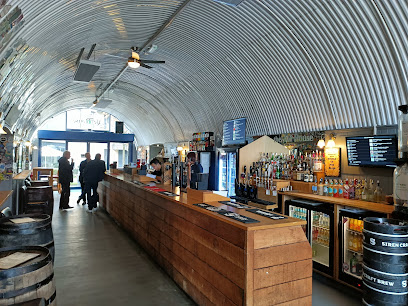
The Orange Tree
34.9 km
A lively gastro pub in Chelmsford offering excellent ales, hearty meals, and a warm, welcoming atmosphere for locals and visitors alike.
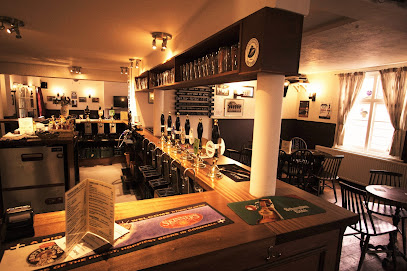
Fox & Hounds
35.9 km
A welcoming Chelmsford pub offering hearty British classics, lively sports viewing, and a warm, friendly atmosphere for all visitors.
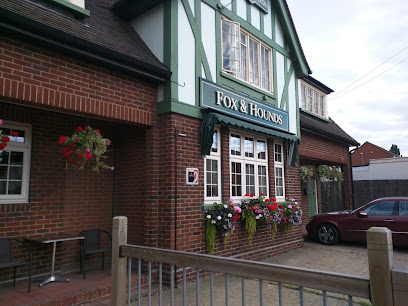
Saxon King
39.3 km
A cozy British pub in Southend-on-Sea blending historic charm with hearty classics and family-friendly warmth.
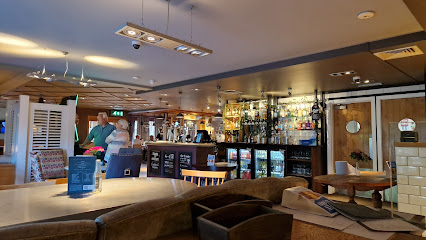
The Exchange Bar & Kitchen
40.3 km
A vibrant grill and live music pub in Southend-on-Sea offering classic British fare with a modern twist and a lively atmosphere.
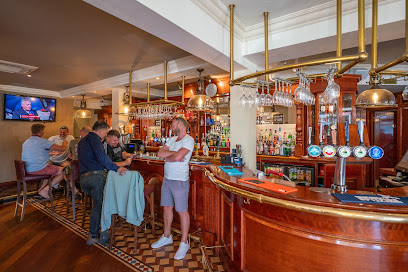
The Bear Inn - Stock
40.3 km
A warm, traditional gastropub in Stock offering hearty British fare, a large beer garden, and a welcoming village atmosphere.
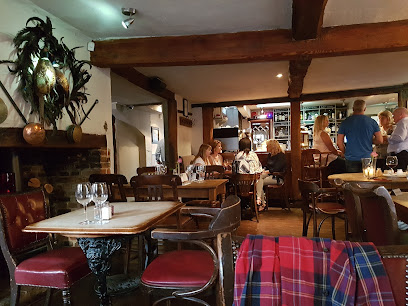
Nightclubs & after hour spots

Trilogy Nightclub
0.4 km
Experience Colchester’s vibrant nightlife at Trilogy Nightclub, where diverse music and energetic crowds create unforgettable weekends.

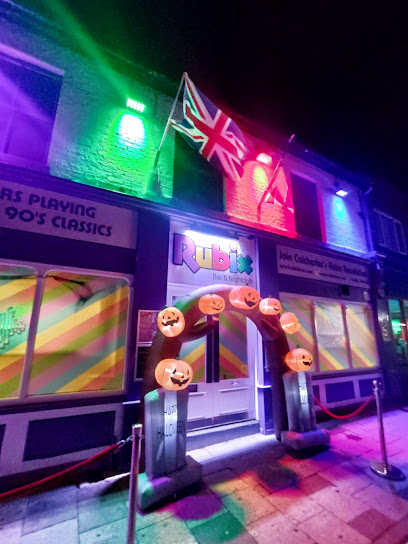
Rubix Bar & Nightclub
0.7 km
Experience Colchester’s lively nightlife with Rubix Bar & Nightclub’s energetic music, vibrant dance floor, and welcoming social scene every weekend night.
The Club
25.4 km
Experience Ipswich’s vibrant nightlife at The Club, where music, dancing, and a lively atmosphere come alive in the city centre.
Supper Club
25.5 km
Lively nightclub in Ipswich offering great drinks, music, and a vibrant social scene from afternoon until early morning.

Popworld - Chelmsford
34.1 km
Experience Chelmsford’s ultimate pop-themed nightclub with vibrant music, creative cocktails, and unforgettable themed parties.

Carbon Nightclub
34.2 km
Experience Stowmarket’s lively nightlife at Carbon Nightclub, a modern venue pulsing with music and weekend energy.

Bar & Beyond Chelmsford
34.3 km
A large, lively nightclub in Chelmsford known for affordable drinks, vibrant atmosphere, and a mix of praise and controversy around its staff and music.
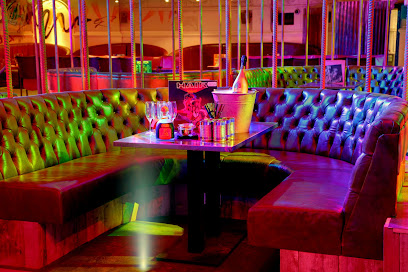
Club Tantalize
34.3 km
Chelmsford’s largest and most luxurious lapdancing club offering stylish nightlife with live pole shows and private VIP experiences.
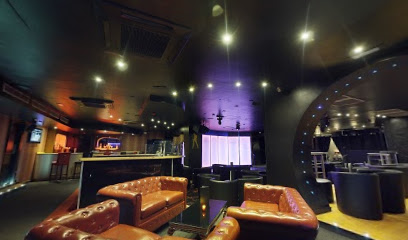
The Lounge Jazz Club
37.9 km
Experience intimate jazz and soul performances in a cozy, elegant venue near Southend Airport with fine drinks and a lively atmosphere.

MooMoo Clubrooms Southend
40.4 km
Experience Southend’s vibrant nightlife with diverse music rooms, top DJs, and a lively atmosphere at MooMoo Clubrooms.

Just Vibez
40.8 km
Experience vibrant nightlife and non-stop dancing at Just Vibez, Southend-on-Sea’s energetic nightclub hotspot.
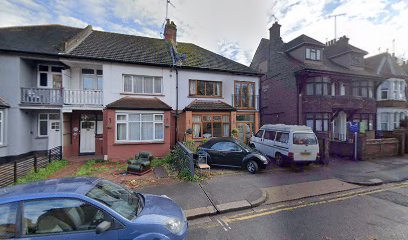
Foundation
41.3 km
Vibrant nightclub and bar in Southend-on-Sea offering lively music, crafted cocktails, and a welcoming atmosphere for memorable nights out.
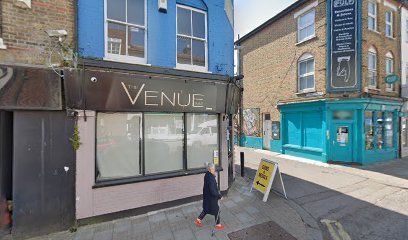
Sunrooms2
41.3 km
Experience Southend-on-Sea’s dynamic nightlife at Sunrooms², where live music and DJ-driven parties keep the energy alive until the early hours.

MYST Club
41.4 km
Experience the vibrant pulse of Southend-on-Sea’s nightlife at MYST Club, where music, dancing, and social energy converge.

The Moonraker Club
41.6 km
A vibrant, intimate nightclub in Westcliff-on-Sea with top DJs, a powerful sound system, and a lively social scene for unforgettable nights out.
For the vibe & atmosphere seeker
- Tranquil
- Scenic
- Historic
- Unique
For the design and aesthetic lover
- Rustic Designs
- Vintage Styles
For the architecture buff
- Historic
- Landmarks
For the view chaser and sunset hunter
- Iconic Views
For the social media creator & influencer
- Instagrammable
- Photo Spots
For the eco-conscious traveler
- Protected Area
- Public-Transport Accessible
- Leave-No-Trace Critical
- Locally Managed
For the kind of experience you’re after
- Cultural Heritage
- Photowalk
- Day Trip
- Weekend Getaway
- Myth & Legends
For how adventurous you want the journey to be
- Easy Access
Location Audience
- Family Friendly
- Senior Friendly
- Child Friendly
- Teen Friendly
- Wheelchair Access
- Solo Friendly
- Couple Friendly
- Vegetarian Friendly
- Vegan Friendly


