
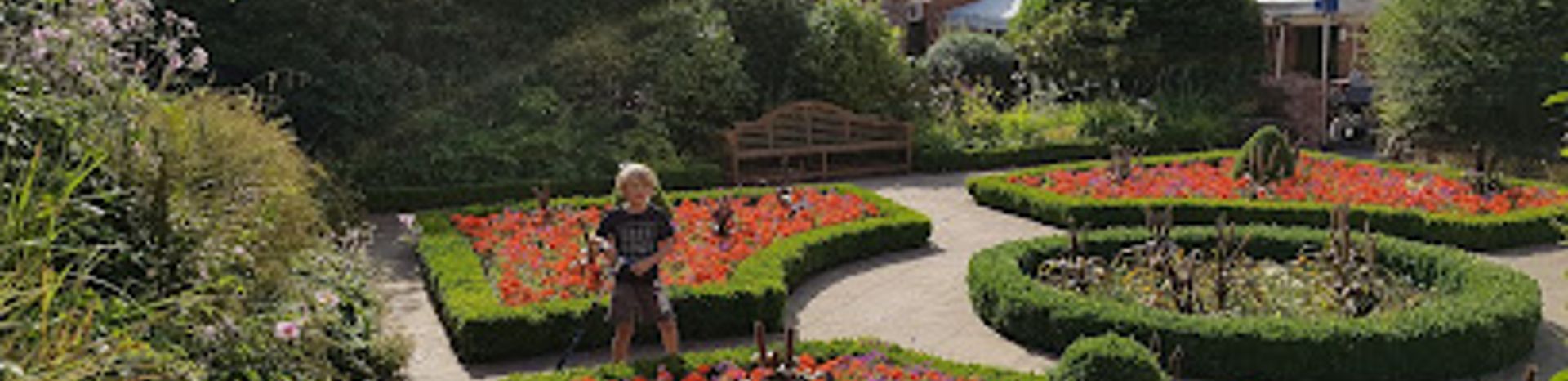
Bantock House Museum and Park, Wolverhampton
Explore an elegant Edwardian mansion and its beautifully restored gardens, immersing yourself in Wolverhampton’s rich local history and heritage.
Bantock House Museum is a beautifully restored Edwardian mansion nestled within 43 acres of formal gardens and parkland in Wolverhampton. It offers visitors an intimate glimpse into Edwardian life and local history, showcasing the Bantock family heritage and the industrial legacy of Wolverhampton. The surrounding gardens, designed by Albert Baldwin Bantock, feature distinctive spaces such as the Dutch Garden and a rose garden, providing a serene setting for exploration and relaxation.
A brief summary to Bantock House
- Finchfield Rd, Wolverhampton, WV3 9LQ, GB
- +441902552195
- Visit website
- Duration: 1 to 3 hours
- Free
-
 Outdoor
- Mobile reception: 4 out of 5
- Tuesday 11 am-5 pm
- Wednesday 11 am-5 pm
- Thursday 11 am-5 pm
- Friday 11 am-5 pm
- Saturday 11 am-5 pm
- Sunday 11 am-5 pm
Local tips
- Visit the Dutch Garden and rose garden to experience the original Edwardian garden designs restored to their historic splendour.
- Allow time to explore both the house’s period rooms and the extensive parkland for a full experience.
- Check opening hours carefully as the museum is closed on Mondays and during major holidays.
- Enjoy refreshments at the café located in the old stables, a charming spot to relax after touring the house and gardens.

For the on-the-go comforts that matter to you
- Restrooms
- Drink Options
- Food Options
- Seating Areas
- Information Boards
- Visitor Center
Getting There
-
Bus
Take local bus services from Wolverhampton city centre towards Finchfield Road; journey times range from 15 to 25 minutes depending on service. Buses run frequently during the day but check schedules for evening and weekend variations. A single fare costs approximately £2.50 GBP.
-
Car
Driving from central Wolverhampton takes about 10 to 15 minutes via main roads. Limited on-site parking is available, so arriving early is recommended. Parking is free but spaces can fill quickly on weekends and during events.
-
Taxi
A taxi ride from Wolverhampton city centre to Bantock House typically takes 10 minutes, costing around £8 to £12 GBP depending on traffic. Taxis provide convenient direct access but may be less economical for solo travelers.
-
Walking
For those who enjoy walking, the route from Wolverhampton city centre is approximately 3.5 km and takes about 45 minutes. The terrain is mostly flat and accessible, suitable for most fitness levels.
Bantock House location weather suitability
-
 Any Weather
-
 Rain / Wet Weather
-
 Clear Skies
-
 Mild Temperatures
Discover more about Bantock House
A Storied Edwardian Residence Rooted in Local Heritage
Bantock House began life as New Merridale Farm, constructed between 1734 and 1738. Over time, it evolved from a farmhouse into a grand Edwardian home through successive expansions and renovations, reflecting the growing status of its occupants. The house was owned by the Bantock family, notably Albert Baldwin Bantock, who played a significant role in shaping Wolverhampton’s civic and cultural life. After Alderman Bantock’s death in 1938, the house and its extensive grounds were gifted to Wolverhampton Borough Council, transitioning from private residence to public museum and park.Immersive Exhibits Bringing Edwardian Life to the Fore
Inside, Bantock House preserves the atmosphere of an affluent Edwardian household. The ground floor focuses on the Bantock family’s lifestyle, with period furnishings and personal artifacts that evoke the era’s domestic life. Upstairs, displays highlight prominent local figures and Wolverhampton’s industrial heritage, featuring enamels, steel jewellery, and japanned ware that celebrate the city’s manufacturing legacy. The museum’s presentation style has been modernized to engage visitors more informally and imaginatively, moving beyond traditional exhibit cases.Gardens Designed for Beauty and Reflection
The 43-acre park surrounding Bantock House is a highlight in its own right. Designed by Albert Baldwin Bantock himself, the gardens were restored in 1998 to their original Edwardian layout. Visitors can wander through the Dutch Garden, a sunken garden with formal planting, or enjoy the vibrant rose garden boasting varieties such as Blythe Spirit and Chapeau de Napoleon. Additional features include colourful flower borders and a woodland garden that forms part of a nature trail, blending horticultural beauty with natural tranquility.A Living Community Space with Ongoing Enhancements
Since reopening in 1999 following a £1.4 million refurbishment, Bantock House has continued to develop its facilities and offerings. The house remains partially adapted to accommodate a caretaker’s residence, but much of the interior is accessible to the public. The extensive parkland hosts recreational activities, and plans have been proposed to add a sports wing to serve local users. This balance of heritage preservation and community use makes Bantock House a cherished cultural asset in Wolverhampton.Architectural and Historical Significance
Bantock House exemplifies Edwardian architecture and interior design, showcasing the prosperity and comfort of its era. Its transformation from farmhouse to mansion illustrates the social and economic changes in Wolverhampton over two centuries. The house’s preservation as a museum allows visitors to connect with the city’s past through both its built environment and curated collections, making it a vital link to regional identity and history.Serene Setting Amidst Urban Development
Though the surrounding area has undergone considerable urbanization since the early 20th century, Bantock House and its parkland remain a peaceful green oasis. The estate’s 43 acres provide a natural retreat for locals and visitors alike, offering scenic walking paths, picnic spots, and quiet gardens. This juxtaposition of heritage and nature within a modern cityscape enhances the visitor experience, inviting reflection and enjoyment of both history and landscape.Iconic landmarks you can’t miss

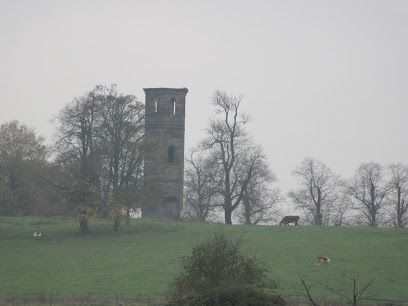
Portobello Tower
8.5 km
An evocative 18th-century folly commemorating a historic naval victory, standing as a haunting landmark in Featherstone’s rural landscape.
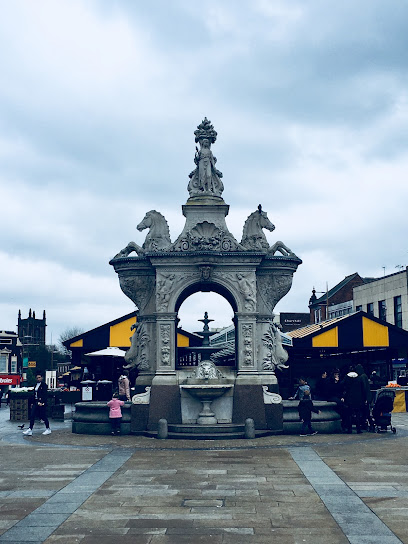
The Fountain
9.1 km
Discover The Fountain, Dudley’s iconic historical landmark nestled in the vibrant Market Place, where heritage meets lively community spirit.
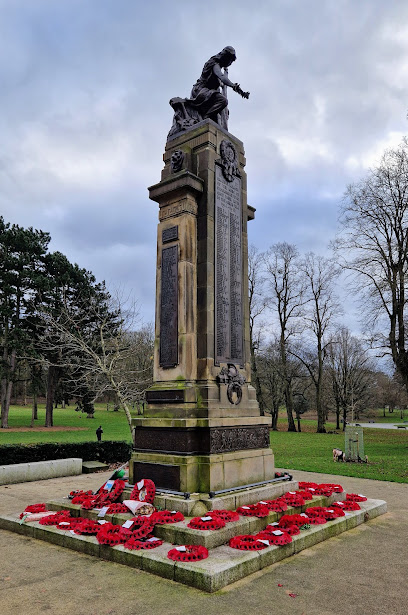
War Memorial
14.5 km
A solemn and artistically rich memorial in Mary Stevens Park honoring Stourbridge’s fallen heroes of the World Wars.
Gem Buildings
19.0 km
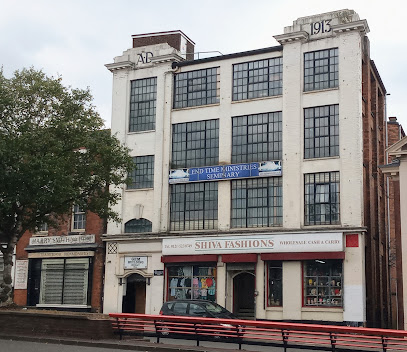
Historic Gem Buildings on Key Hill showcase Birmingham's rich jewelry industry heritage and early 20th-century industrial architecture.
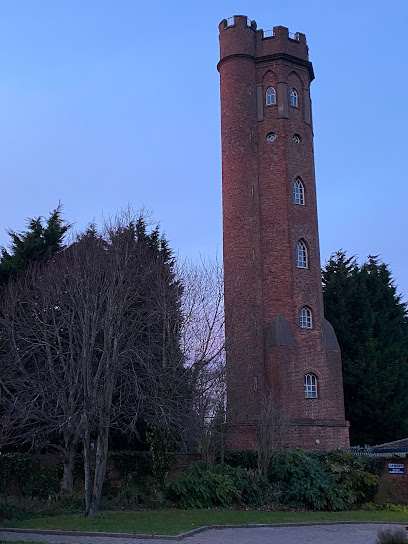
Perrott's Folly
19.1 km
An 18th-century tower in Birmingham, steeped in history and Tolkien lore, now a cultural beacon for art and community.
The Jewellery Quarter Birmingham
19.4 km
Birmingham's glittering historic heart where Victorian workshops craft timeless jewels amid cobblestone charm and creative revival.
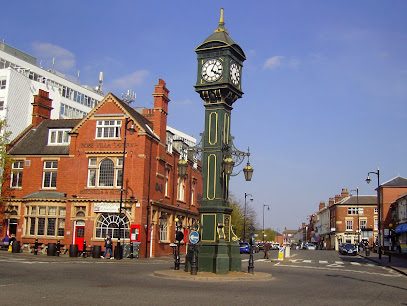
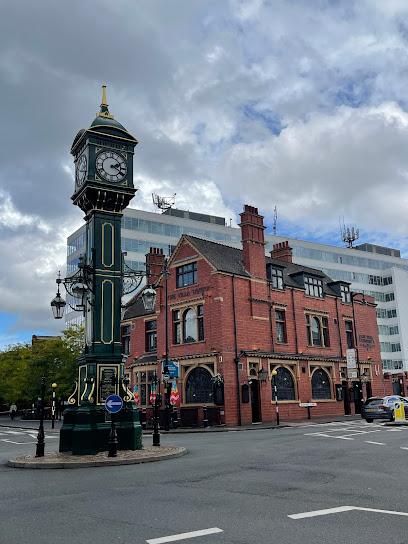
Chamberlain Clock
19.4 km
An elegant Edwardian clock tower at the heart of Birmingham’s Jewellery Quarter, built in 1903 as a memorial to Joseph Chamberlain and recently restored to its former glory.
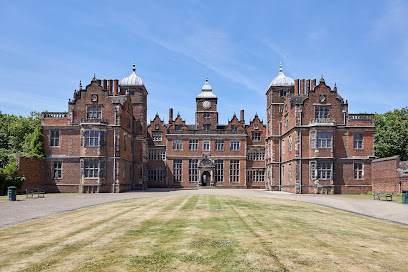
Aston Hall
20.0 km
Discover Aston Hall, Birmingham's architectural gem, where history, elegance, and beautiful gardens blend seamlessly for an unforgettable experience.
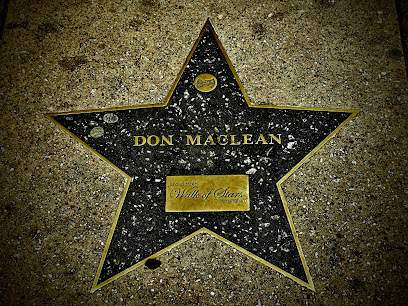
Birmingham Walk of Stars
20.0 km
Explore the Birmingham Walk of Stars, an outdoor tribute celebrating the city's iconic figures from music, film, and sports along the vibrant Broad Street.
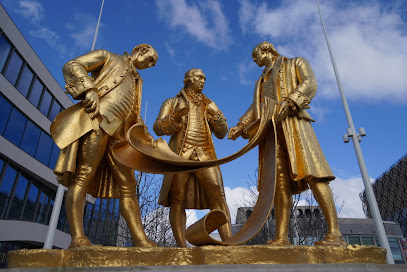
Boulton, Watt and Murdoch
20.1 km
Explore Birmingham's Boulton, Watt and Murdoch sculpture—an inspiring tribute to the city's industrial heritage and innovation.
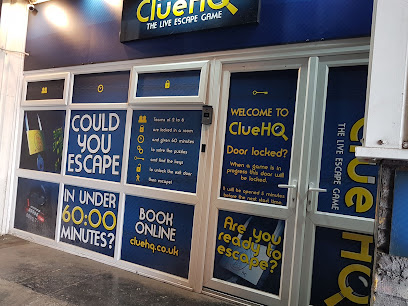
Clue HQ Birmingham - The Live Escape Game
20.1 km
Experience the thrill of escape at Clue HQ Birmingham, where adventure and mystery await in immersive escape rooms.
Hall of Memory
20.1 km
Explore the Hall of Memory in Birmingham, a stunning memorial celebrating the bravery of local heroes and a symbol of hope and remembrance.
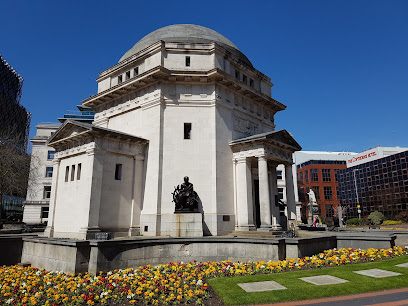
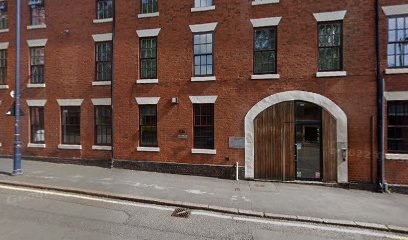
Historic England
20.2 km
Uncover Birmingham's rich history and heritage at Historic England, a cornerstone of cultural preservation and education in the heart of the city.
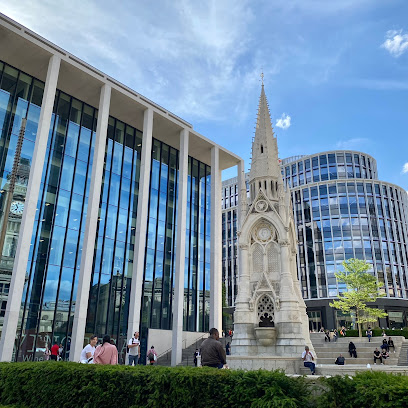
Chamberlain Square
20.2 km
Explore Chamberlain Square, a historical landmark in Birmingham with stunning architecture and vibrant cultural life in the heart of the city.
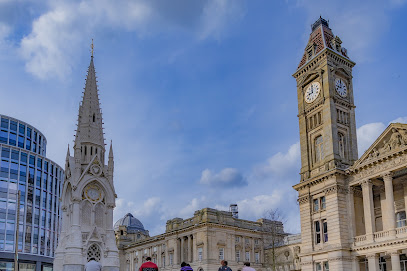
The Best of Birmingham Trail
20.2 km
Explore Birmingham’s rich heritage through 20 iconic sites on this free, immersive city centre trail blending history, art, and urban renewal.
Unmissable attractions to see

South Staffordshire Railway Walk
2.1 km
A peaceful country park trail along a historic railway line, perfect for walking, cycling, and connecting with Staffordshire’s natural and industrial heritage.
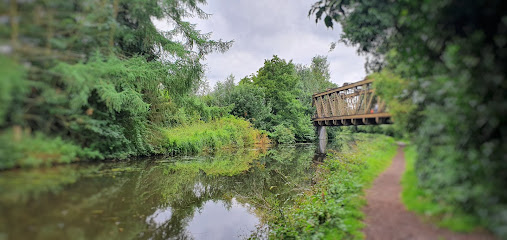
National Trust - Wightwick Manor and Gardens
2.7 km
Explore the Victorian charm and Arts and Crafts beauty of Wightwick Manor and Gardens, a cultural gem in Wolverhampton.
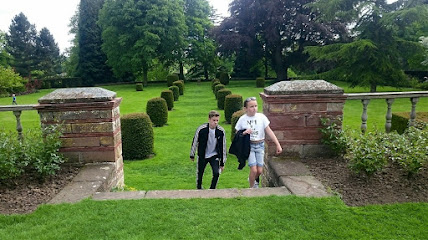
Baggeridge Country Park
4.4 km
Explore 150 acres of scenic trails, wildlife habitats, and family-friendly fun at Baggeridge Country Park, a reclaimed mining landscape turned nature haven.
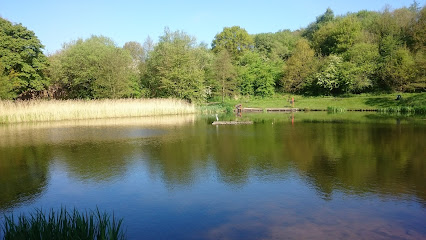
Bratch Locks
5.1 km
Explore Bratch Locks, a charming Georgian canal staircase near Wolverhampton, where history, architecture, and nature converge in a tranquil waterside setting.
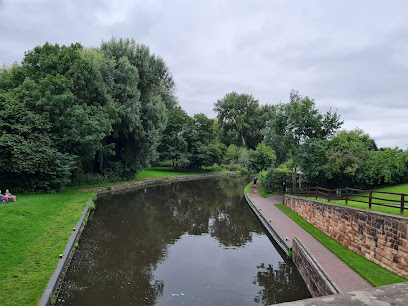
Wren's Nest
7.0 km
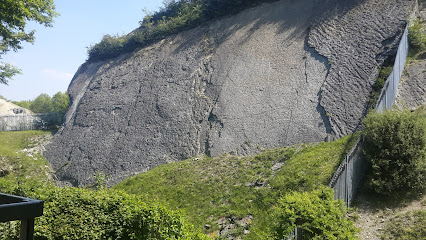
Explore England’s first national nature reserve, a fossil-rich Silurian limestone landscape with rich mining heritage and immersive geological trails.
National Trust - Moseley Old Hall
7.3 km
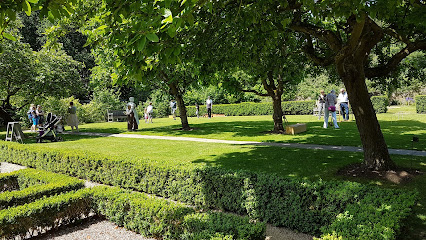
Discover the Elizabethan farmhouse where King Charles II hid, surrounded by 17th-century gardens and rich history near Wolverhampton.
Castle Mill Basin
8.1 km
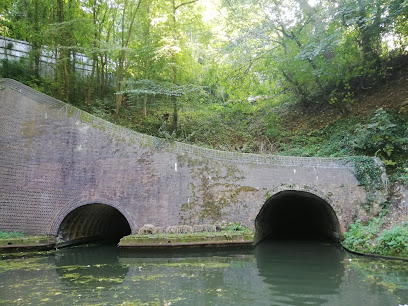
Underground limestone basin where industrial heritage meets subterranean exploration through historic canal tunnels.
Dudley Canal and Caverns
8.1 km
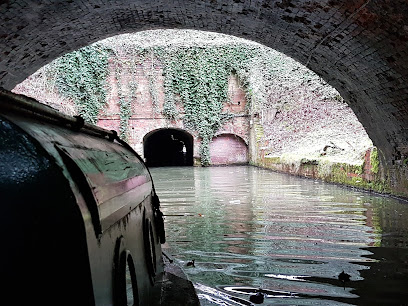
Discover Dudley’s underground limestone caverns and canals on a captivating boat tour through 428 million years of history.
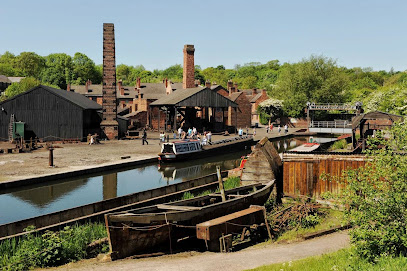
Black Country Living Museum
8.6 km
Step back in time and explore over 300 years of Black Country industrial heritage in a vibrant open-air museum with living history and authentic experiences.
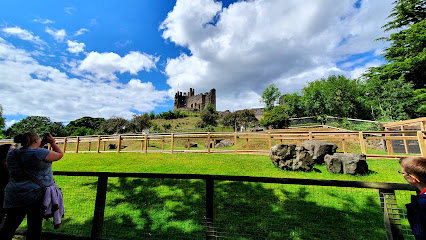
Dudley Zoo and Castle
8.9 km
Explore medieval ruins and rare wildlife at Dudley Zoo and Castle, a captivating blend of history and nature in the heart of Dudley.
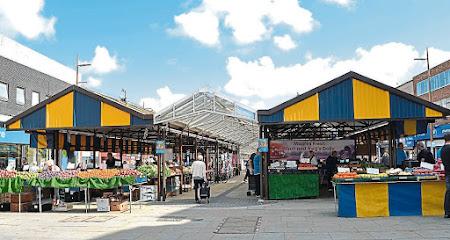
Dudley Market
9.1 km
A vibrant traditional market in the heart of Dudley offering fresh produce, local goods, and a lively community atmosphere six days a week.
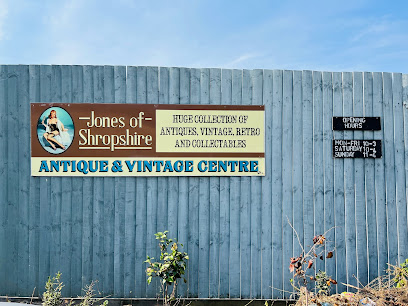
Jones Of Shropshire
10.6 km
Discover timeless antiques and charming garden statues at Jones Of Shropshire, a welcoming treasure trove in Pattingham near Wolverhampton.
Saint Mary the Virgin and Saint Chad
10.7 km
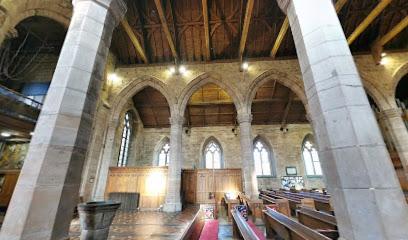
Historic 13th-century parish church in Brewood, blending medieval architecture with vibrant community worship and ancient religious heritage.
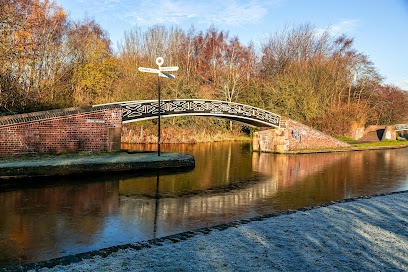
Bumble Hole Local Nature Reserve
11.2 km
Industrial heritage meets ecological recovery at this transformed canal-side nature reserve.
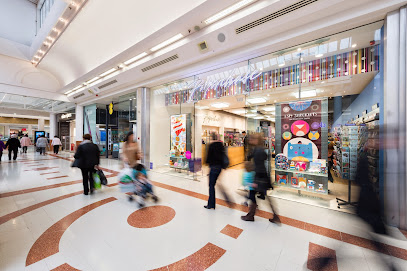
Merry Hill
11.3 km
West Midlands' premier shopping and entertainment destination with 180+ retailers, dining, and leisure.
Essential places to dine

Staffordshire Grill
10.9 km
A charming Grade II listed country pub in Brewood serving premium steaks, handcrafted cocktails, and boutique accommodations.
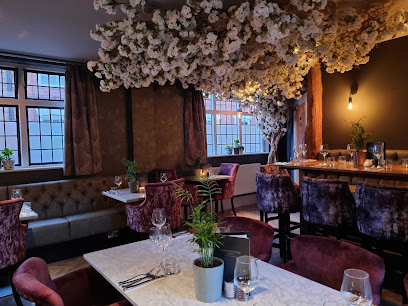
Lucarelli Restaurant
12.9 km
Experience authentic Italian flavors and warm hospitality in stylish private domes at Lucarelli Restaurant, West Bromwich’s culinary gem.
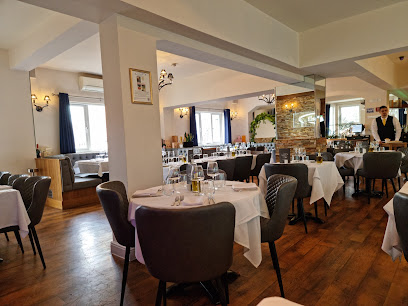
Woodlands Restaurant
17.2 km
Contemporary British dining with scenic views at The Chase Golf Club, perfect for family meals and special occasions.
Latimer's of Shifnal
17.6 km
A vibrant Mediterranean tapas and cocktail bar in Shifnal’s historic market place, blending superb food with warm hospitality.
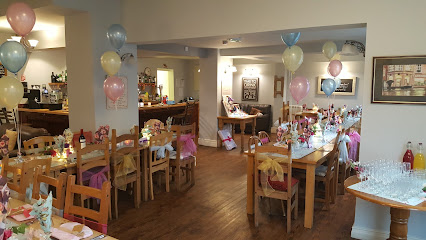
Fiesta del Asado - Edgbaston
18.9 km
Experience the finest Argentinian flame-grilled steaks and vibrant Latin flavors in the heart of Birmingham’s Edgbaston district.
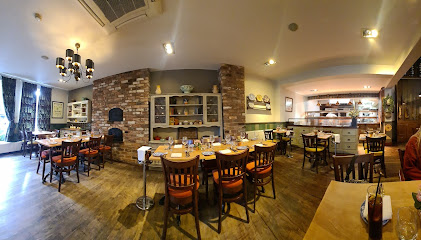
Tropea
18.9 km
Discover Tropea, a modern Italian gem in Birmingham’s Harborne, where seasonal dishes and warm hospitality create an unforgettable dining experience.
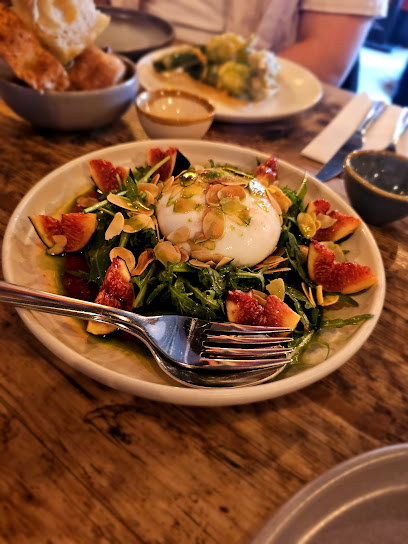
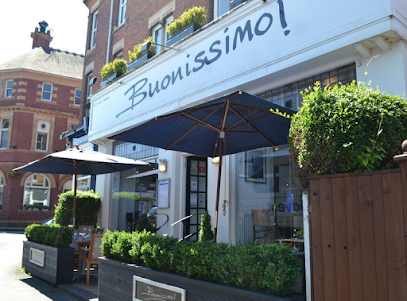
Buonissimo Restaurant Birmingham
19.3 km
Authentic Italian dining in Harborne, Birmingham, blending warm hospitality with classic flavors in a cozy setting.
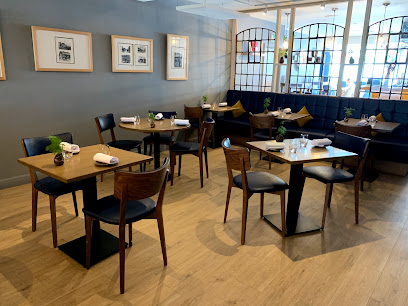
Harborne Kitchen
19.3 km
Experience innovative fine dining with seasonal tasting menus in a vibrant, relaxed setting at Harborne Kitchen, Birmingham’s culinary jewel.
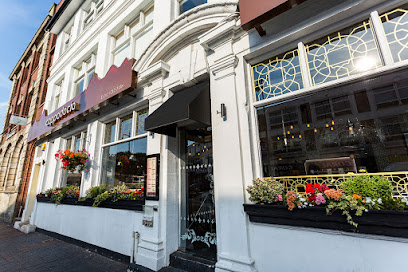
Cappadocia Restaurant
19.4 km
Authentic Turkish flavors and warm hospitality await you in Birmingham’s Cappadocia Restaurant on Frederick Street.
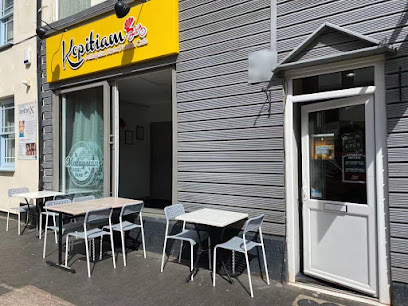
Kopitiam
19.4 km
Discover authentic Malaysian street food and warm family hospitality in Birmingham’s vibrant Jewellery Quarter at Kopitiam.
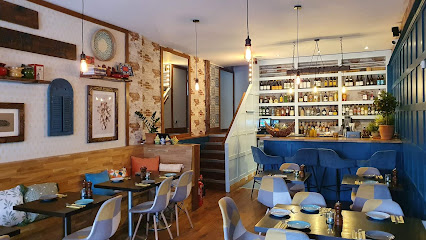
Rustic Table
19.4 km
A warm, intimate tapas gem in Harborne, serving vibrant Mediterranean small plates and creative cocktails in a relaxed, convivial setting.
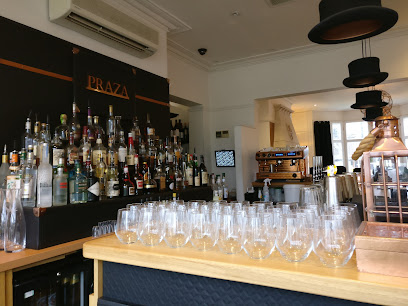
Praza Edgbaston
19.4 km
Refined Indian dining and innovative cocktails in a stylish Georgian setting in Birmingham’s elegant Edgbaston district.
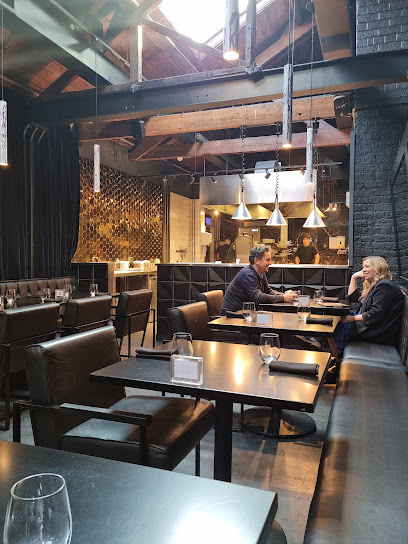
The Wilderness
19.5 km
Experience bold British fine dining with innovative tasting menus in a moody, industrial-chic setting at Birmingham’s Wilderness.
The Button Factory
19.5 km
A stylish blend of industrial heritage and modern dining, The Button Factory offers vibrant food, drinks, and rooftop vibes in Birmingham’s Jewellery Quarter.
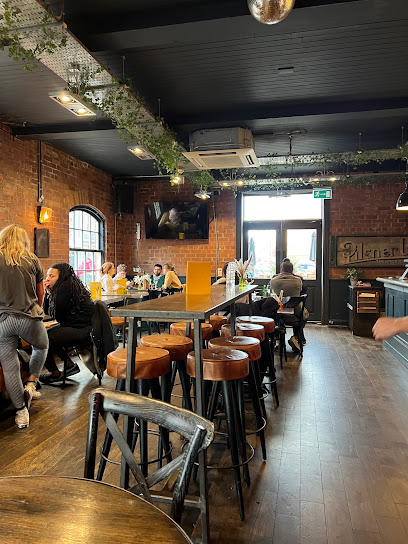
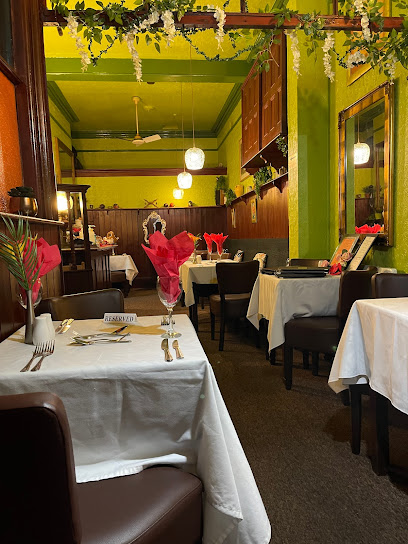
24 Carat Bistro
19.5 km
Hidden gem serving slow-cooked goat curry and Punjabi fusion in Birmingham's historic Jewelry Quarter.
Markets, malls and hidden boutiques

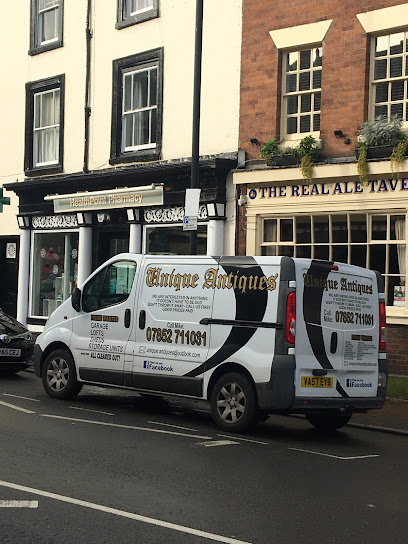
UNIQUE ANTIQUES
11.2 km
Curated vintage treasures and authentic antiques in the heart of Stourbridge
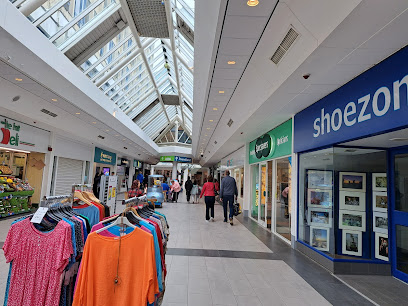
Cornbow Shopping Centre
16.1 km
A modernized shopping hub in Halesowen blending major retailers, independent shops, and community amenities for a vibrant retail experience.
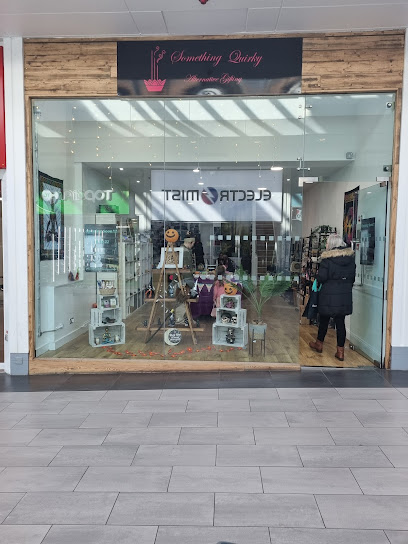
Something Quirky
16.1 km
Eclectic gift shop brimming with unique treasures and one-of-a-kind finds in Halesowen.
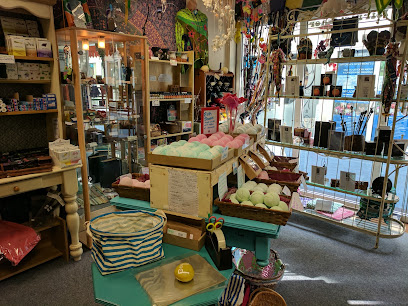
Whimsical. (Hippie Shop)
17.8 km
A vibrant sanctuary of crystals, incense, and bohemian spirit in the heart of Hednesford.
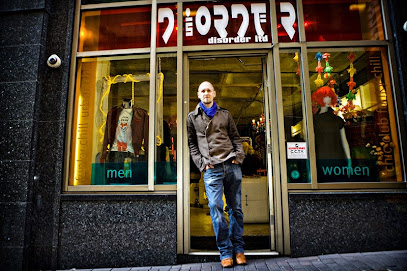
Disorder Boutique
18.2 km
Discover Birmingham’s exclusive sustainable fashion boutique, where bespoke craftsmanship meets bold, original British designs.
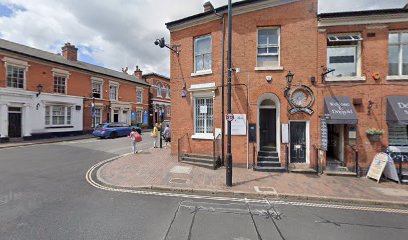
Gingermegs Vintage
19.2 km
Discover timeless style and impeccable vintage finds at Gingermegs Vintage, Birmingham’s boutique for authentic retro fashion and antiques.
Design Centre
19.3 km
Family-crafted diamonds and luxury watches in Birmingham's historic Jewellery Quarter since 1977—timeless elegance for life's milestones.
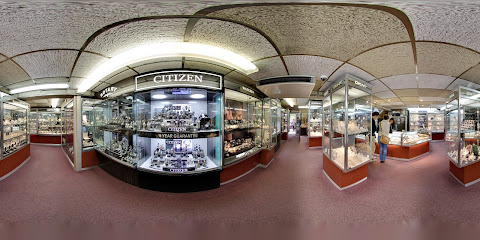
Arnett Creations - Unique Quality Jewellery
19.4 km
Discover bespoke Sterling Silver and hallmarked gold jewellery in Birmingham's Jewellery Quarter, where expert craftsmanship meets personalized service at Arnett Creations.
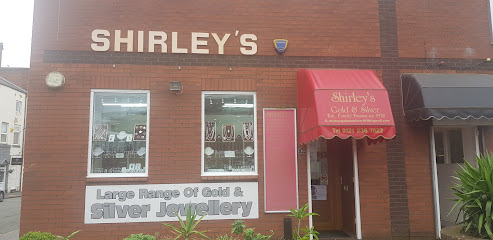
A&N Jewellery
19.4 km
Discover family-crafted silver treasures and bespoke brilliance in Birmingham's legendary Jewellery Quarter, where 50 years of expertise meets timeless elegance.
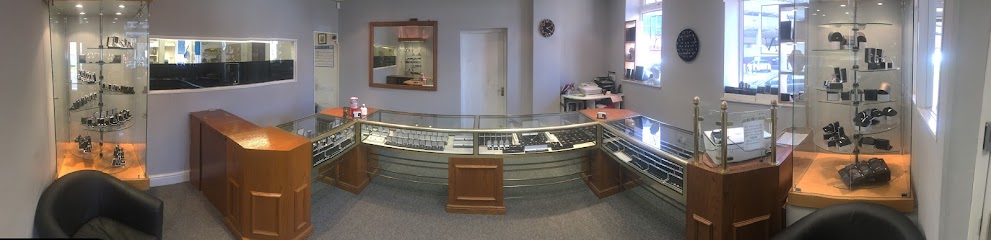
Top Jewellery UK
19.4 km
Discover bespoke brilliance in Birmingham's Jewellery Quarter at Top Jewellery, where family expertise crafts diamonds, gold, and silver into timeless treasures.
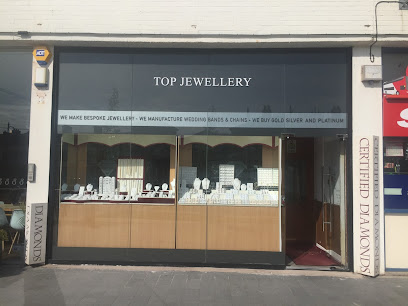
Adamas Antique Jewellery
19.4 km
A boutique Jewellery Quarter shop offering curated antique and estate jewels with specialist appraisal and bespoke care.
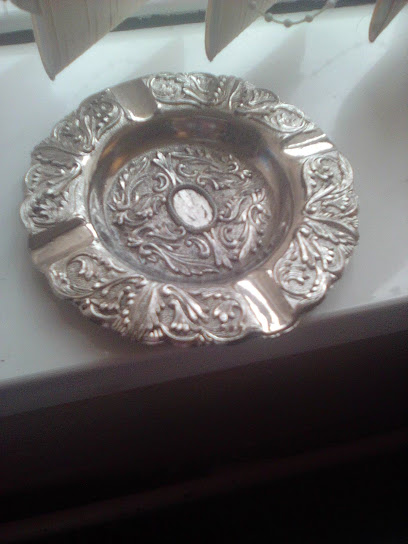
Quarter Jewellery
19.4 km
Independent jeweller on Warstone Lane offering commissions, valuations and attentive, workshop‑minded service in the heart of Birmingham’s Jewellery Quarter.
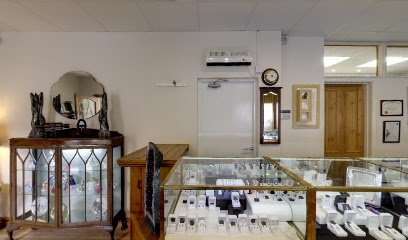
SACET
19.4 km
Ethical elegance awaits at SACET, Birmingham's sustainable jewellery gem in the heart of the Jewellery Quarter—where timeless craft meets modern conscience.
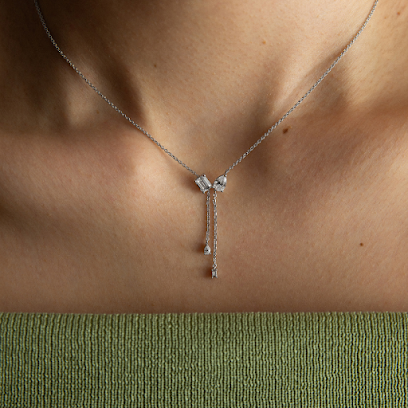
Artfull Expression
19.5 km
Discover independent jewelry artistry in Birmingham's Jewellery Quarter at Artfull Expression, where unique handcrafted designs blend historic craft with modern flair.
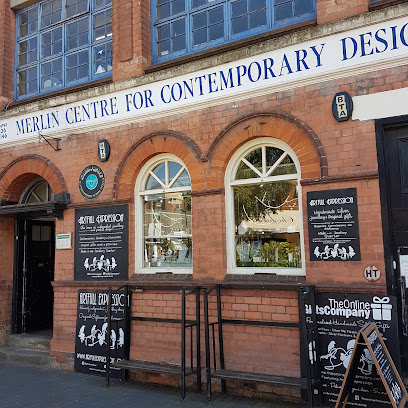
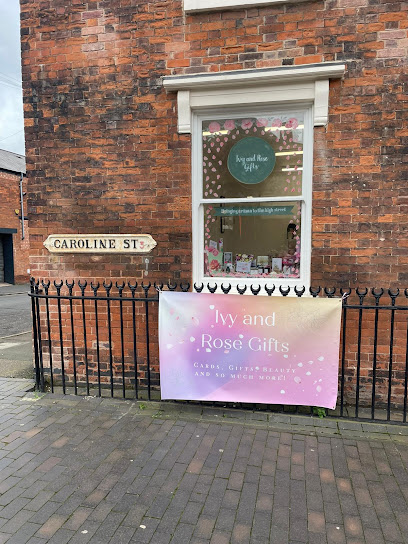
Ivy and Rose Gift Shop
19.6 km
Discover handmade UK treasures at Ivy and Rose, Birmingham's Jewellery Quarter boutique for unique jewelry, candles, and artisanal gifts from local makers. (162 characters)
Essential bars & hidden hideouts

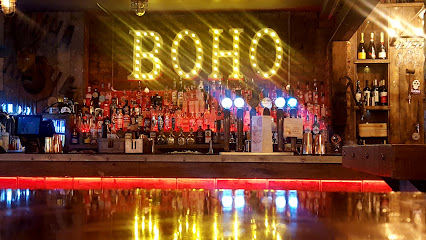
The Bohemian
2.1 km
Vibrant cocktail bar in Wolverhampton with industrial charm, creative drinks, and lively bottomless brunches in a casual urban setting.
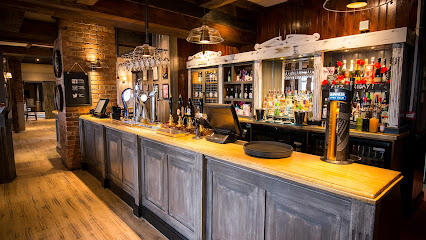
Garden House
19.0 km
Cozy Edgbaston pub with roaring fires, hearty British grub, and a sunny beer garden—perfect for roasts, pints, and gatherings any day of the week.
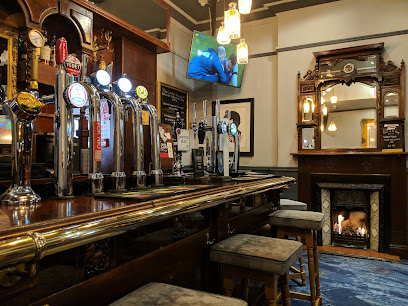
The Red Lion
19.2 km
Traditional Hockley pub fusing heritage, modern art, and hearty British fare in Birmingham's Jewellery Quarter gem on lively Warstone Lane.
The Jewellers Arms
19.3 km
Traditional Birmingham boozer in the Jewellery Quarter: exceptional real ales, hearty pies, and cosy fireside chats since the 1830s.
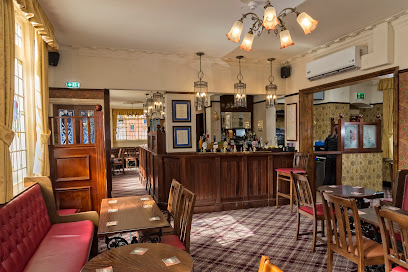
The Rose Villa Tavern
19.4 km
Classic British pub in Birmingham's Jewellery Quarter, serving hearty meals, diverse drinks, and warm hospitality amid historic streets.
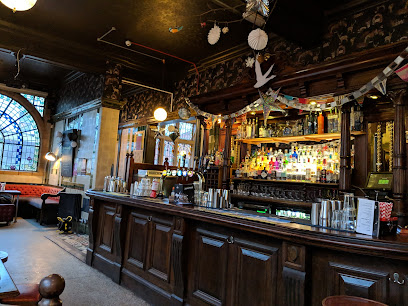
The Pig & Tail
19.4 km
Victorian charm with a punchy, colourful gastropub vibe — British small plates, rotating craft beer and lively evenings in the Jewellery Quarter.
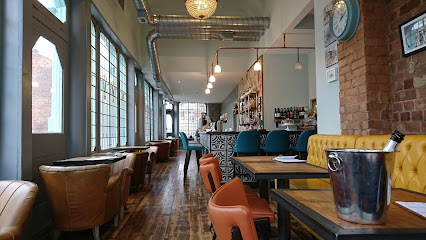
Lucky7
19.5 km
Precision mixology meets playful vibes in Birmingham's Jewellery Quarter—a relaxed haven for cocktail lovers seeking crafted perfection.
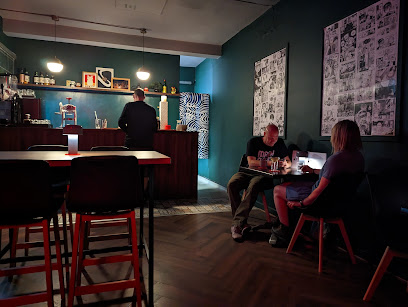
1000 Trades
19.5 km
A vibrant neighbourhood bar celebrating Birmingham’s industrial heritage with craft beers, local food, and a quirky artistic vibe.
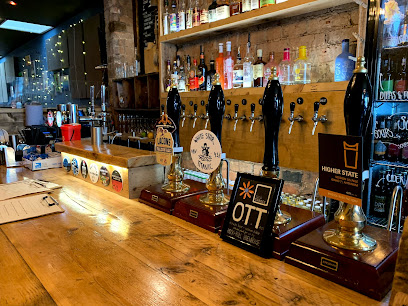
The Distillery
19.6 km
Birmingham's canal-side gin distillery pub: rotisserie feasts, wood-fired pizzas, house gins, and terrace vibes from brunch to late-night drinks.
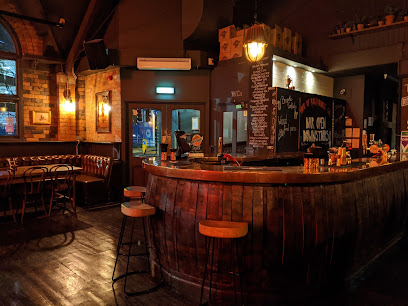
Malt House
19.8 km
A vibrant British pub in Birmingham city centre offering classic dishes, lively atmosphere, and a great spot for social gatherings near the arena.
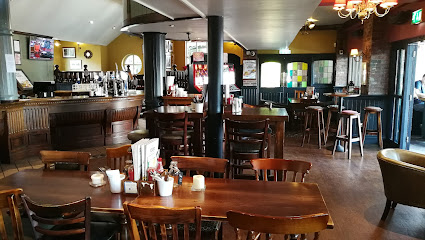
The Physician
19.8 km
Gracious Harborne Road pub with polished wood interiors, a lengthy bar and several cosy dining rooms serving classic British fare in a convivial setting.
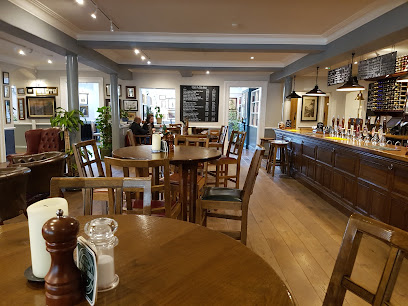
40 St Paul's
19.8 km
Discover Birmingham's hidden gin speakeasy: 100+ global varieties, intimate vibes, and masterful cocktails in the heart of the Jewellery Quarter.
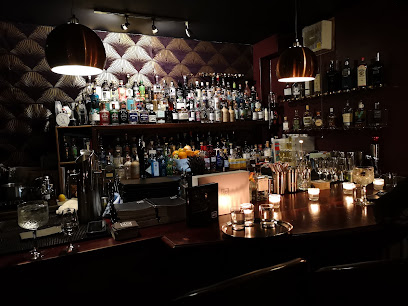
Loki Wine Bar & Shop Edgbaston
19.9 km
Self-service wine wonderland in Edgbaston: Taste 32 global vintages, sip craft beers, savor charcuterie amid bottle-lined walls—a Birmingham gem for oenophiles.
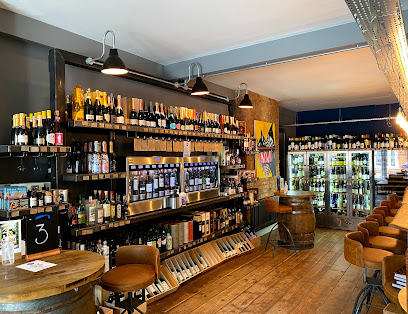
All Bar One Brindleyplace
19.9 km
Stylish canal-side wine bar and cocktail lounge in Birmingham’s vibrant Westside, perfect for bottomless brunches and lively evenings.
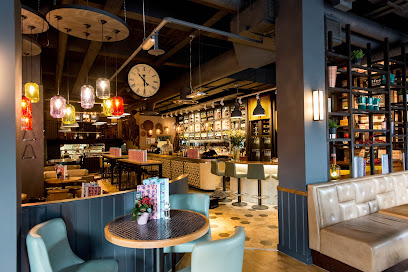
Queen's Arms birmingham
19.9 km
Traditional Jewellery Quarter pub pouring fine ales in a quirky, welcoming space with games, books, and hearty grub amid Birmingham's historic heart. (162 characters)
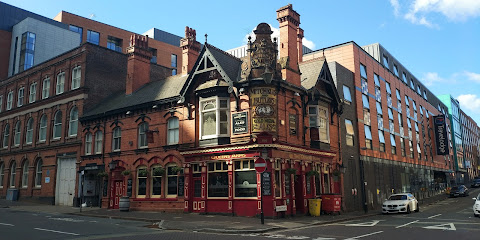
Nightclubs & after hour spots

DIAMOND SPARKLEZ
19.4 km
Ignite your night in Birmingham's diamond district at this glittering nightclub, where top DJs, stunning lights, and electric crowds create pure nightlife magic.
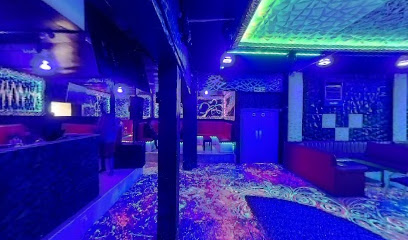
PAVO Birmingham
19.4 km
Vibrant African fusion lounge and nightclub in Birmingham's Jewellery Quarter, where bold flavors meet electrifying beats until 4am on weekends.
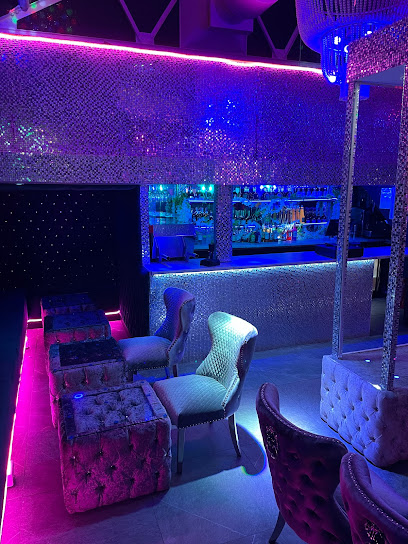
Dreams Night club and Shisha
19.5 km
Birmingham's Jewellery Quarter gem fusing aromatic shisha clouds with thumping club beats until 5am—pure late-night energy on Barr Street.
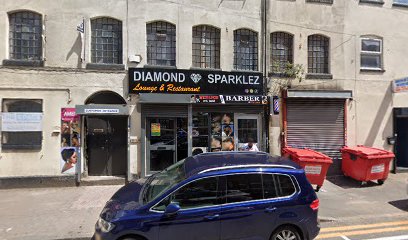
Popworld - Birmingham
20.0 km
Broad Street's ultimate pop party hub: 90s-00s hits, neon dance floors, cocktails, and celebration packages until 3am.

Reflex - Birmingham
20.0 km
Spin into 80s-00s nostalgia at Reflex Birmingham: revolving dance floor, karaoke booths, neon vibes, and epic sing-alongs on Broad Street's party strip.
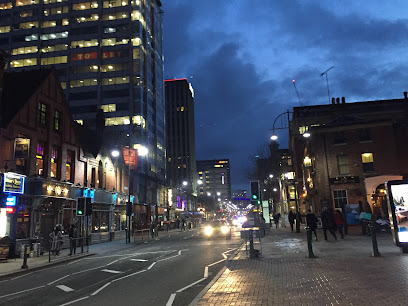
Snobs
20.0 km
Birmingham's 40-year indie-retro nightclub legend: cheap drinks, themed dance floors, and non-stop beats on Broad Street.
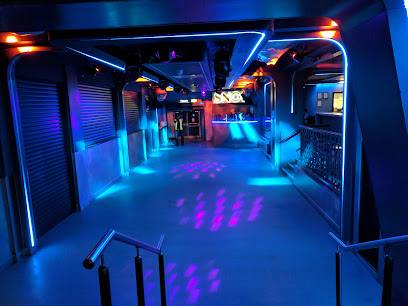
Tunnel Club Birmingham
20.0 km
Dive under Birmingham's arches into Tunnel Club's seven-room warehouse wonderland, where house, techno, and hip-hop fuel all-night dances amid pounding bass and vivid lights.
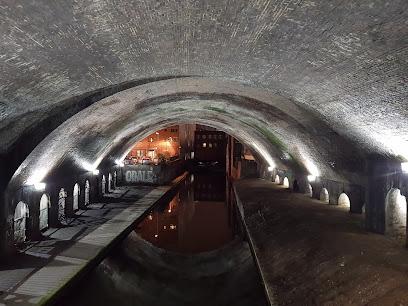
Rosies - Birmingham
20.0 km
Birmingham's ultimate super club: five themed rooms, killer cocktails, and non-stop beats on Broad Street for epic nights out.
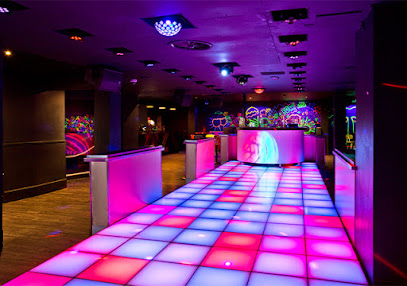
What do you mean
20.5 km
Dive into Birmingham’s vibrant nightlife at What Do You Mean, a premier nightclub known for electrifying music, creative cocktails, and an unforgettable party vibe.
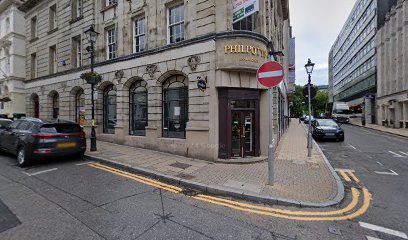
King of clubs
20.6 km
Compact late‑night Birmingham club for high‑energy R&B, hip‑hop and DJ nights, pulsing into the small hours with neon, bass and bar-driven parties.

Bambu Nightclub
21.0 km
Experience Birmingham’s chic nightlife hotspot with stylish vibes, eclectic music, and late-night dancing at Bambu Nightclub.
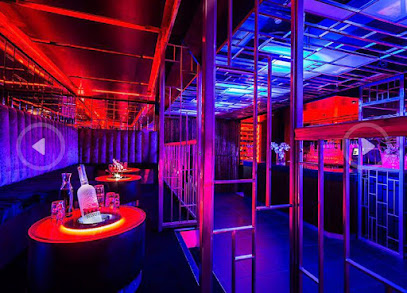
101 Night Club
21.0 km
Unleash your nightlife spirit at 101 Night Club, Birmingham's vibrant center for music, dancing, and unforgettable experiences.

Mango Night Club
21.0 km
A high‑energy Bristol Street nightclub serving Afrobeats, hip‑hop and R&B for late‑night dancers and party crowds in central Birmingham.
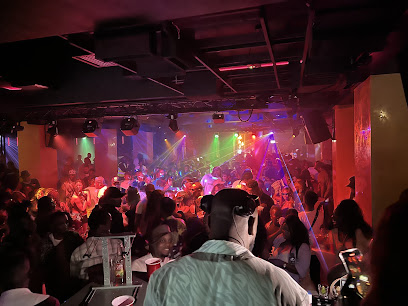
Sobar
21.0 km
Dive into Birmingham's electric nightlife at Sobar, where R&B beats, masterful cocktails, and inclusive vibes fuel unforgettable weekend revelry in the heart of the Arcadian.
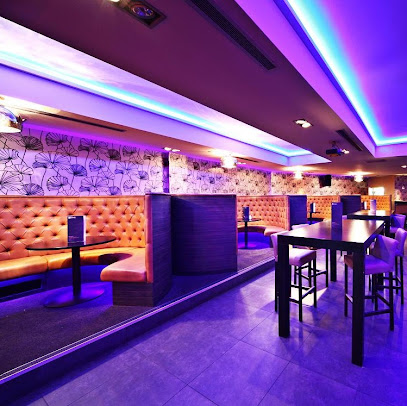
Nightingale Club
21.2 km
Birmingham's legendary LGBTQIA+ superclub: three floors of pulsating beats, go-go glamour, and five decades of unapologetic queer joy in the Gay Village.
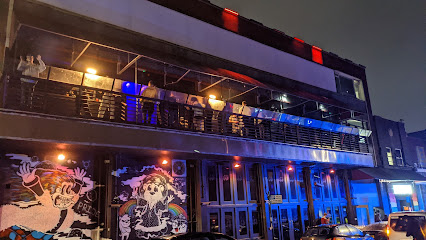
For the vibe & atmosphere seeker
- Relaxing
- Tranquil
- Scenic
- Unique
- Casual
For the design and aesthetic lover
- Vintage Styles
- Rustic Designs
For the architecture buff
- Historic
- Landmarks
- Parks & Gardens
For the view chaser and sunset hunter
- Iconic Views
- Panoramas
- Sunset Spots
For the social media creator & influencer
- Instagrammable
- Photo Spots
- Aesthetic Corners
For the eco-conscious traveler
- Public-Transport Accessible
- Locally Managed
- Leave-No-Trace Critical
For the kind of experience you’re after
- Cultural Heritage
- Photowalk
- Nature Escape
- Day Trip
- Weekend Getaway
For how adventurous you want the journey to be
- Easy Access
Location Audience
- Family Friendly
- Senior Friendly
- Child Friendly
- Teen Friendly
- Wheelchair Access
- Pet Friendly
- Solo Friendly
- Couple Friendly
- Vegetarian Friendly
- Vegan Friendly


