Chamberlain Clock
An elegant Edwardian clock tower at the heart of Birmingham’s Jewellery Quarter, built in 1903 as a memorial to Joseph Chamberlain and recently restored to its former glory.
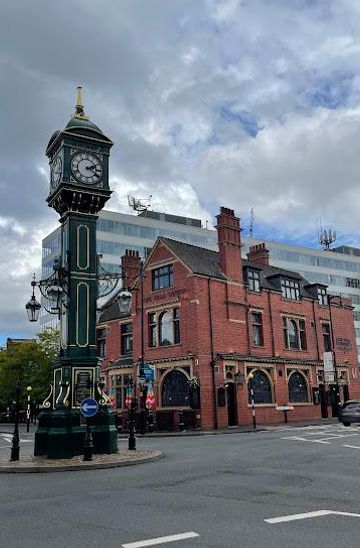
Standing proudly at the heart of Birmingham’s Jewellery Quarter, the Chamberlain Clock is a striking Edwardian cast-iron clock tower erected in 1903 as a memorial to Joseph Chamberlain. Located at the junction of Vyse Street and Warstone Lane, this Grade II listed landmark has long served as a familiar meeting point and symbol of the area’s rich industrial and civic heritage. Recently restored to its former glory, the clock combines ornate Victorian-era craftsmanship with a deep connection to Birmingham’s history, making it a must-see for visitors exploring the city’s historic core.
A brief summary to Chamberlain Clock
- 168 Warstone Ln, Birmingham, B18 6NP, GB
- Click to display
- Duration: 0.25 to 1 hours
- Free
-
 Outdoor
- Mobile reception: 5 out of 5
- Monday 9 am-4 pm
- Tuesday 9 am-4 pm
- Wednesday 9 am-4 pm
- Thursday 9 am-4 pm
- Friday 9 am-4 pm

Know before you go
Hi, I'm Eve. Here are a few practical things to know before exploring Chamberlain Clock.
- Visit during daylight hours to fully appreciate the ornate cast-iron details and clock faces; the surrounding streets are also great for photography.
- Look for the nearby information panel that explains the clock’s history and Joseph Chamberlain’s connection to the Jewellery Quarter.
- Combine your visit with a walk through the Jewellery Quarter to explore its workshops, galleries, and historic streets.
- Check local event listings; the area often hosts markets and heritage events that make a visit even more engaging.
Do you manage this location?
Take control to get all the benefits, like improved information, better appearance, and stronger visibility across AI-powered discovery. Learn more
Activate your presence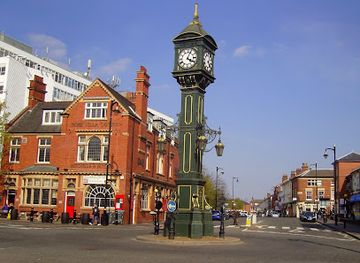


Getting There
-
On foot from Birmingham city centre
From Birmingham New Street station or the Bullring, it takes about 15–20 minutes to walk to the Chamberlain Clock through the city centre and into the Jewellery Quarter. The route is mostly flat and follows well‑lit streets and pedestrian paths, suitable for all ages and mobility levels.
-
By bus from central Birmingham
Several local bus routes serve stops within a 5–10 minute walk of the clock, with journey times from the city centre typically 10–20 minutes depending on traffic. The area is well connected, and buses run frequently during the day.
-
By train to Jewellery Quarter station
Jewellery Quarter station is about a 5–10 minute walk from the Chamberlain Clock. Trains from Birmingham New Street and other regional stations serve this stop, making it a convenient option for visitors arriving by rail.
For the on-the-go comforts that matter to you
-
 Seating Areas
-
 Trash Bins
-
 Information Boards
Discover more about Chamberlain Clock
A Landmark of Civic Pride
Rising from the crossroads of Vyse Street and Warstone Lane, the Chamberlain Clock is an elegant Edwardian clock tower that has watched over Birmingham’s Jewellery Quarter since 1903. Built as a memorial to Joseph Chamberlain, the influential politician and former mayor of Birmingham, the tower commemorates his tour of South Africa at the end of the Second Boer War. Its presence at this key junction reflects Chamberlain’s strong ties to the area, where he lived on nearby Frederick Street and championed local jewellers by campaigning to abolish the Plate Duties tax that affected their trade. The clock’s original clockwork mechanism, later converted to electric operation, once kept time for generations of workers and residents, embedding it deeply in the daily rhythm of the Quarter.Design and Craftsmanship
The Chamberlain Clock is a fine example of early 20th-century cast-iron architecture, crafted by Birmingham firm W. F. Evans & Sons of Handsworth. Its ornate, four-sided tower features decorative detailing typical of Edwardian civic monuments, with a prominent clock face on each side and a distinctive bell that once chimed the hours. The structure stands on a stone plinth at a busy junction, where historic routes into the Jewellery Quarter converge, reinforcing its role as both a timepiece and a symbolic gateway to the area. In recent years, the clock underwent a comprehensive conservation project led by the Jewellery Quarter Development Trust, with specialist work carried out by historic clockmakers Smith of Derby, restoring its mechanism, faces, and bell to working order.Restoration and Community Memory
By the late 2010s, the Chamberlain Clock had fallen into disrepair, with corrosion, damaged paintwork, and a non-functioning mechanism. In 2020, it was carefully dismantled and removed for restoration, funded by the Jewellery Quarter Townscape Heritage and the Jewellery Quarter Business Improvement District. Alongside the tower, the four original cast-iron directional bollards were also conserved. The restored clock was returned to its original site in early 2021, accompanied by a new information panel that explains its history and Chamberlain’s legacy. A parallel oral history project invited local residents, workers, and visitors to share personal stories and photographs, creating a living archive that captures how the clock has served as a meeting place for dates, shifts, and shopping trips over more than a century.Symbol of the Jewellery Quarter
Today, the Chamberlain Clock is more than just a timepiece; it is an enduring icon of the Jewellery Quarter’s identity. Its Grade II listing recognises its architectural and historical significance, while its prominent location makes it a natural focal point for walks through the area’s workshops, galleries, and historic streets. The clock’s restoration is part of a broader effort to celebrate the Quarter’s diverse heritage, including stories of local tradespeople, immigrant communities, and figures like Warrulan, an Aboriginal Australian buried nearby. As a result, the site now offers not only a beautiful piece of Edwardian engineering but also a thoughtful, layered narrative about Birmingham’s past and the people who shaped it.Visiting the Clock
The Chamberlain Clock is easily accessible on foot from central Birmingham and sits in a lively part of the Jewellery Quarter, surrounded by independent shops, cafes, and historic buildings. There are no formal opening hours, as the clock is an outdoor monument, but it is best appreciated during daylight hours when the details of its cast-iron structure and clock faces are clearly visible. Nearby interpretation panels provide historical context, and the area is well served by public transport, making it a convenient stop on any exploration of Birmingham’s industrial and civic heritage. Whether you’re drawn by its architecture, its connection to Joseph Chamberlain, or its role as a community landmark, the Chamberlain Clock offers a quiet but powerful reminder of the city’s layered history.Explore the best of what Chamberlain Clock has to offer













More about West Midlands
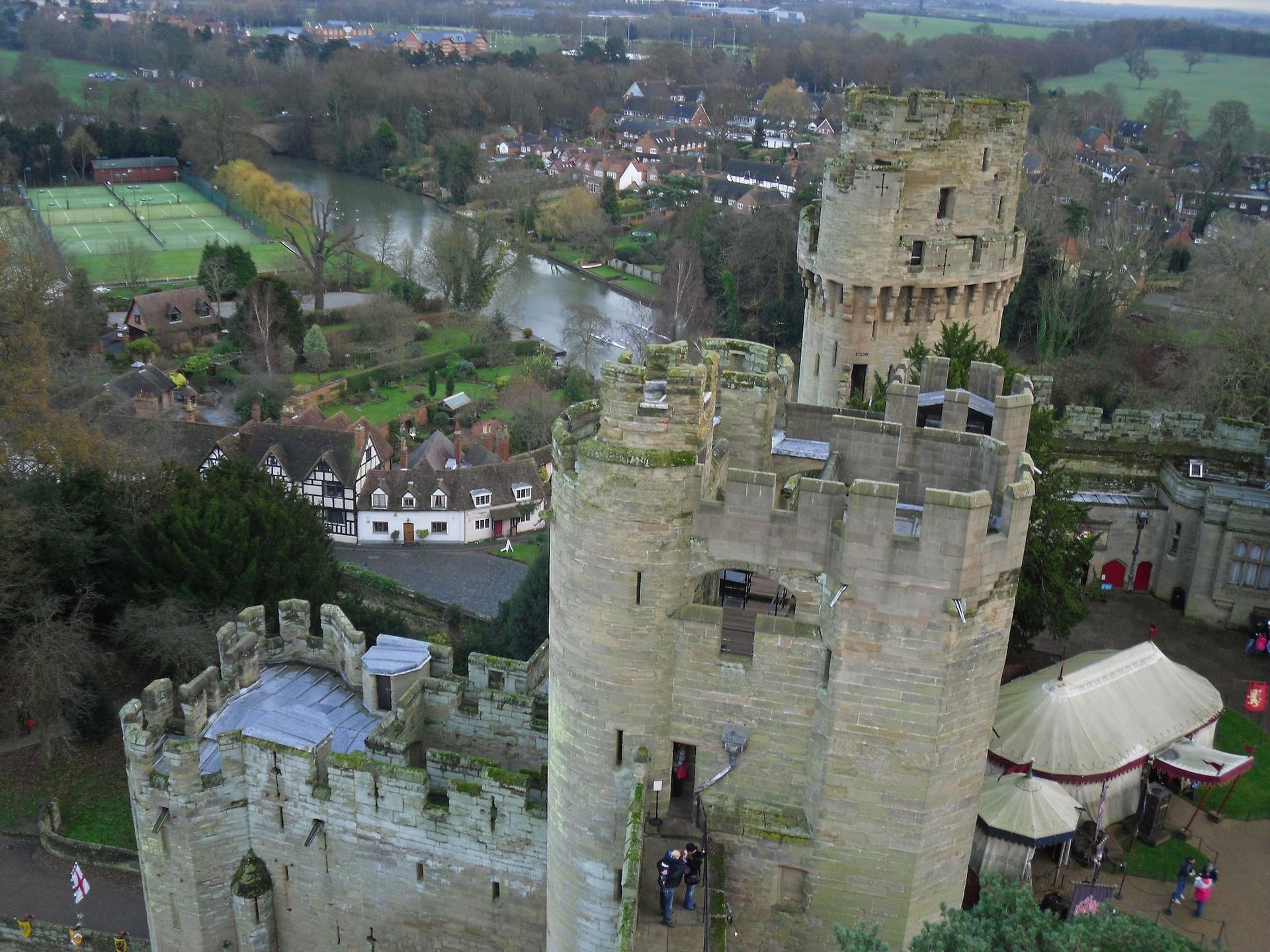
Discover the West Midlands: a region where industrial heritage meets modern vibrancy, rich history blends with natural beauty, and diverse cultures create a unique culinary experience.
Tell me more about West Midlands
Step into a perfectly preserved jewellery workshop and discover Birmingham’s sparkling heritage through immersive guided tours and rich craftsmanship history.

Birmingham's glittering historic heart where Victorian workshops craft timeless jewels amid cobblestone charm and creative revival.