
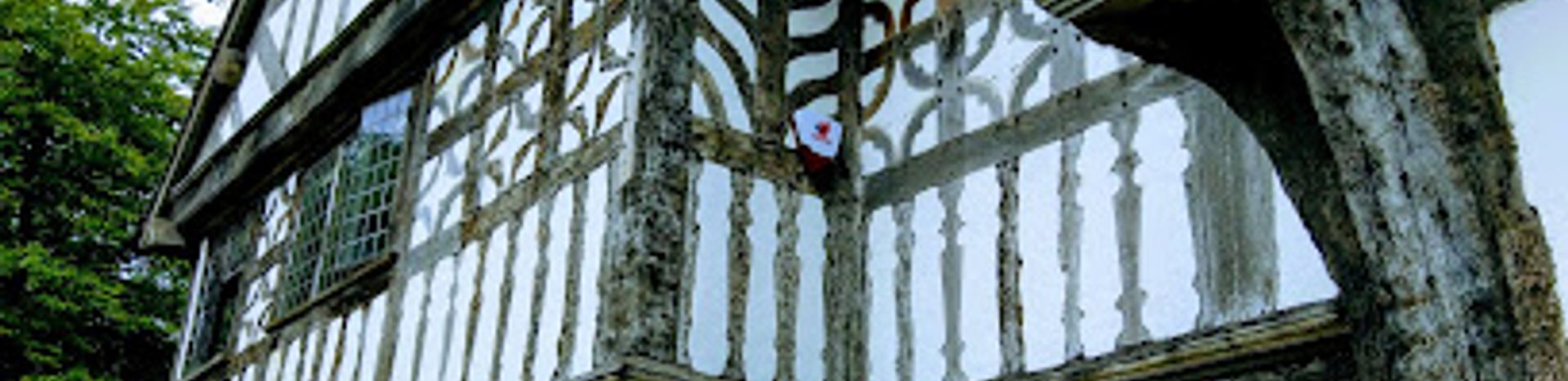
Ford Green Hall
A 17th-century timber-framed farmhouse revealing authentic domestic life through world-class collections of textiles, ceramics, and period furnishings.
Ford Green Hall is a Grade II* listed timber-framed farmhouse built in 1624 for Hugh Ford, a yeoman dairy farmer. Now a museum in Stoke-on-Trent, it offers an authentic glimpse into 17th-century domestic life with period furnishings, textiles, ceramics, and an 18th-century dovecote. The entire collection is designated as of world-class importance by Arts Council England. Open Sunday to Thursday, 1–4 PM.
A brief summary to Ford Green Hall
- 375B Ford Green Rd, Stoke-on-Trent, ST6 1NG, GB
- +441782537696
- Visit website
- Duration: 1 to 3 hours
- Budget
-
 Mixed
Mixed
- Mobile reception: 4 out of 5
- Monday 1 pm-4 pm
- Tuesday 1 pm-4 pm
- Wednesday 1 pm-4 pm
- Thursday 1 pm-4 pm
- Sunday 1 pm-4 pm
Local tips
- Confirm opening hours before visiting, as the museum operates only Sunday to Thursday, 1–4 PM, with last admission at 3:30 PM. Friday and Saturday closures are strictly observed.
- Wear comfortable shoes for exploring the hall and period garden. The building contains stairs and uneven floors typical of 17th-century construction.
- Allow 1–3 hours for your visit. The museum is compact but richly detailed; guided tours enhance understanding of the collection and period context.
- Take advantage of the tea room and shop, both open to non-museum visitors. The café offers a pleasant place to rest and reflect on your visit.
- If you live in the ST6 postcode area, bring proof of address for 20% discount on admission. Children under 5 enter free.

For the on-the-go comforts that matter to you
- Restrooms
- Drink Options
- Food Options
- Seating Areas
- Sheltered Areas
- Picnic Areas
- Trash Bins
- Information Boards
- Visitor Center
Getting There
-
Car
From Stoke-on-Trent town centre, drive east toward Smallthorne via the A50 or local roads, following signs for Ford Green Road. The hall is located at 375B Ford Green Road, Stoke-on-Trent ST6 1NG. A free car park is available on site. Journey time from the city centre is approximately 15–20 minutes depending on traffic. Parking is straightforward and included with your visit.
-
Bus
Local buses serve the Smallthorne area and Ford Green Road. Journey times from Stoke-on-Trent town centre are typically 25–40 minutes depending on the route and service frequency. Check local transport schedules for current routes and timetables, as services may vary seasonally. The hall is a short walk from the nearest bus stops.
-
Walking
If staying in central Stoke-on-Trent, walking to Ford Green Hall is feasible but requires 45–60 minutes depending on your starting point. The route passes through residential neighborhoods and follows local roads. Wear comfortable shoes and allow extra time. The final approach is via Ford Green Road, a minor road with some traffic.
-
Taxi or Ride-Share
Taxis and ride-sharing services operate throughout Stoke-on-Trent. Journey time from the town centre to Ford Green Hall is approximately 15–20 minutes. Fares typically range from £8–15 depending on your starting location. This option is convenient if you prefer direct transport without navigating public schedules.
Ford Green Hall location weather suitability
-
 Any Weather
Discover more about Ford Green Hall
A Yeoman's Legacy in Timber and Brick
Ford Green Hall stands as the oldest building in Stoke-on-Trent, built in 1624 for Hugh Ford, a prosperous yeoman dairy farmer who owned 36 acres of surrounding farmland. The house is a fine example of timber-framed construction, characteristic of the period, with a brickwork extension added in the 17th century. The Ford family remained at the hall for nearly two centuries, making it their home and establishing it as a significant local landmark. The building's Grade II* listing recognizes its architectural and historical importance, and the property includes an early 18th-century dovecote—a square brick structure with a plain tiled roof—which shares the hall's protected status.From Family Home to Museum Treasure
After the Ford family departed in the 19th century, the hall's fortunes declined. The distinctive timber framing was covered in white stucco, and the building was subdivided into three, later four, separate cottages to accommodate multiple tenants. This fragmentation continued until 1946, when Stoke-on-Trent City Council purchased the property. Following careful restoration, the hall opened to the public as a museum in 1952, furnished to recreate the domestic environment of a 17th-century yeoman farmer's household. In 2014, management transferred to Ford Green Hall Ltd, a charitable organization run by local volunteers, ensuring the hall's preservation and continued public access.A World-Class Collection of Domestic Life
The museum's collection is designated as "Designated Outstanding" by Arts Council England, recognition of its world-class importance. The rooms display an exceptional array of original textiles, ceramics, and furniture from the 17th century, supplemented by carefully selected reproductions that enhance the period authenticity. Visitors encounter domestic artifacts that illuminate everyday life—from cooking implements to decorative arts—arranged within the hall's original rooms. The collection spans decorative and applied arts, offering insights into the material culture, craftsmanship, and social status of the era. Children's interactive displays and handling opportunities, such as marble games and period costumes, make the experience engaging for younger visitors.Setting and Surroundings
Located in Smallthorne, on Ford Green Road adjacent to the B5051 minor road, the hall now stands surrounded by modest grounds, though it once commanded 36 acres of farmland. The original landscape has been gradually encroached upon by modern housing development, yet the property retains a period garden that complements the historic building. Beyond the immediate grounds lies a nature reserve, creating a green buffer that preserves some of the rural character the hall once enjoyed. The setting offers a quiet retreat from the urban environment, enhanced by mature trees and landscaping that frame the timber-framed structure.Visitor Experience and Facilities
The hall welcomes visitors year-round on a limited schedule, open Sunday to Thursday from 1 to 4 PM, with last admission at 3:30 PM. A free car park is available on site, and ramp access to the ground floor accommodates visitors with mobility considerations, though the building's age means upper floors and stairs present limitations. An onsite shop and tea room serve refreshments, and toilet facilities are available. The museum holds a wedding license, allowing the historic space to host ceremonies. Guided tours are available, with knowledgeable volunteers providing context and stories that bring the 17th century to life. The compact nature of the museum means most visits last between one and three hours, allowing visitors to absorb the collection without overwhelming fatigue.Restoration and Ongoing Stewardship
In the 21st century, the hall's timber framing required significant repair work, and the building was temporarily listed on the Heritage at Risk Register. These conservation efforts have stabilized the structure and ensured its survival for future generations. The transition to volunteer management in 2014 represented a turning point, allowing the charitable organization to direct resources toward both preservation and public engagement. The hall continues to work closely with Stoke-on-Trent City Council and its museums service, hosting seasonal events and family activities that animate the space and connect contemporary visitors to the lives of those who inhabited it centuries ago.Iconic landmarks you can’t miss

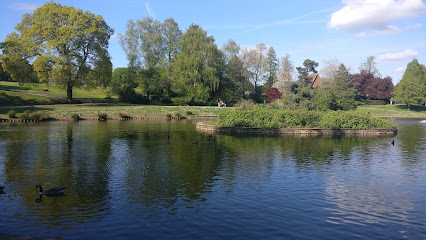
Burma Star Island
20.5 km
A serene memorial island in Crewe honoring the courage and sacrifice of World War II’s Burma Campaign heroes.
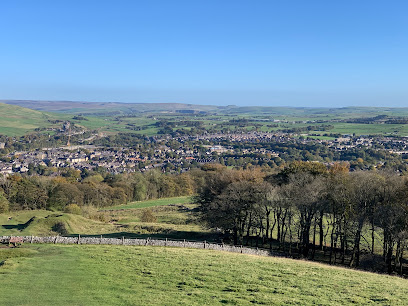
Solomon’s Temple
26.7 km
A scenic Victorian folly atop Grin Low Hill offering breathtaking 360-degree views over Buxton and the Peak District.
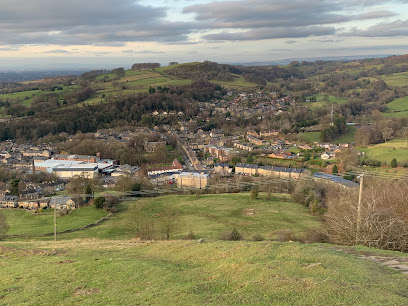
White Nancy
26.7 km
Historic hilltop folly offering sweeping Cheshire Plain views and a symbol of Bollington’s heritage and community spirit.
National Trust - Alderley Edge and Cheshire Countryside
27.0 km
Explore the breathtaking beauty of Alderley Edge and Cheshire Countryside, a nature reserve rich in scenic views, outdoor adventures, and local history.
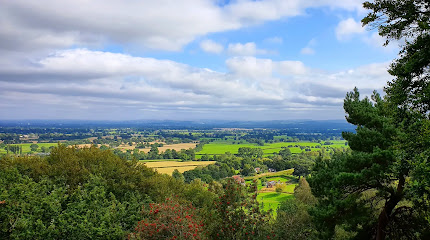
Poole's Cavern
27.1 km
Discover the enchanting underground world of Poole's Cavern, a geological marvel nestled in the heart of Buxton's scenic country park.
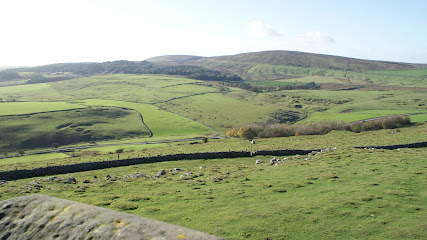
The Ancient High House
27.9 km
Explore the Ancient High House, a stunning 16th-century museum in Stafford, where history comes to life through engaging exhibits and breathtaking architecture.
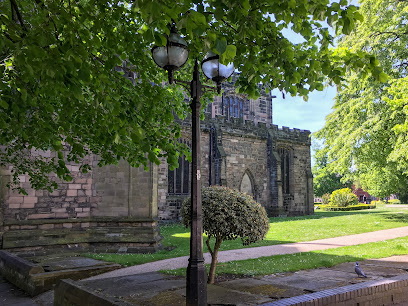
Stafford Castle
28.6 km
Explore the stunning Stafford Castle, a medieval marvel that offers a captivating journey through England's rich history and picturesque landscapes.
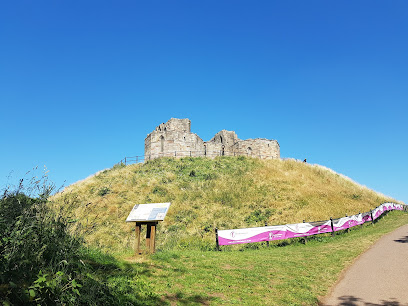
Knutsford Obelisk
29.5 km
An 18th-century memorial obelisk honoring the Legh family, standing as a historic symbol amidst Knutsford’s rich heritage.
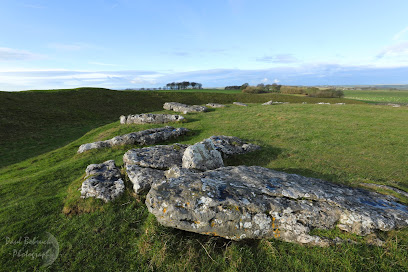
Arbor Low Stone Circle and Gib Hill Barrow
30.0 km
Explore the ancient wonders of Arbor Low Stone Circle and Gib Hill Barrow, a historical landmark steeped in mystery and breathtaking Derbyshire landscapes.
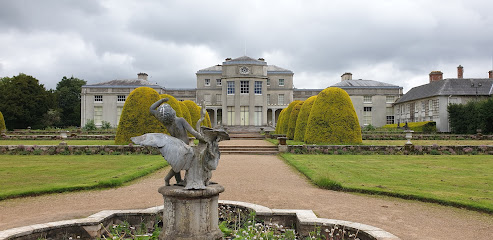
National Trust Shugborough Estate
31.0 km
Explore the National Trust Shugborough Estate, a historical gem in Staffordshire featuring stunning gardens, rich history, and breathtaking architecture.
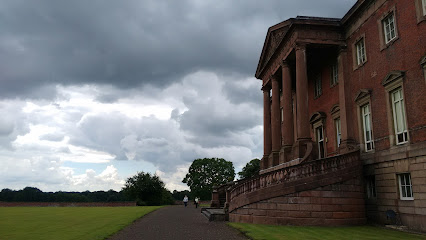
The Tabley House Stately Home
31.3 km
Discover the historic charm and artistic treasures of Tabley House Stately Home in Knutsford, a must-see attraction for travelers seeking culture and beauty.
Bunbury Mill
32.2 km
Explore Bunbury Mill: A historic flour mill in Tarporley, Cheshire, showcasing traditional milling techniques and the beauty of the English countryside.
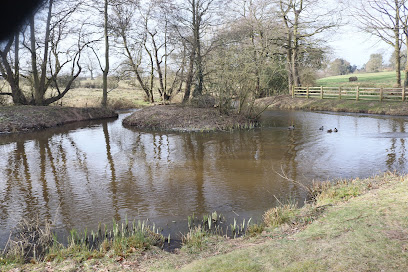
National Trust - Quarry Bank
32.7 km
Explore Quarry Bank, a stunning heritage site revealing the story of Britain's cotton industry amidst beautiful gardens in Styal.
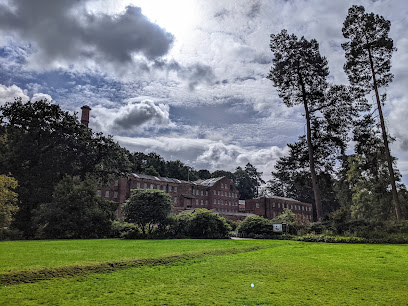
Lion Salt Works
32.8 km
Explore the rich history of salt production at Lion Salt Works, a captivating museum celebrating Northwich's industrial heritage.
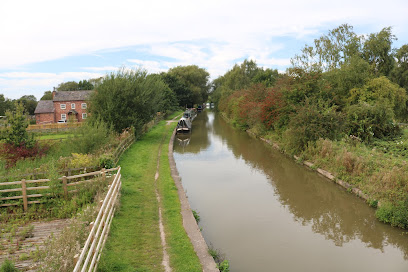
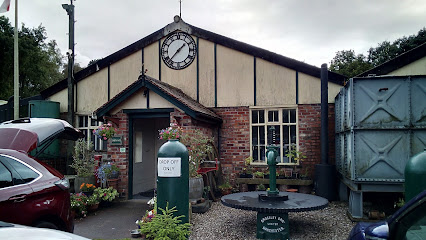
Anson Engine Museum
33.2 km
Discover the Anson Engine Museum in Poynton, where engineering history comes to life through fascinating exhibits and live demonstrations of remarkable machines.
Unmissable attractions to see

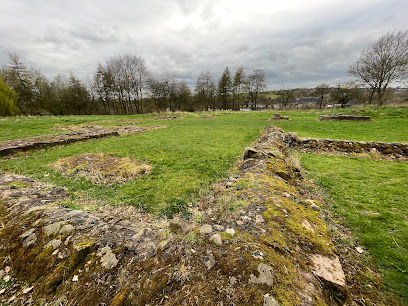
Hulton Abbey
2.5 km
Explore the evocative ruins of Hulton Abbey, a modest yet historically rich 13th-century Cistercian monastery nestled in Stoke-on-Trent’s tranquil Trent Valley.
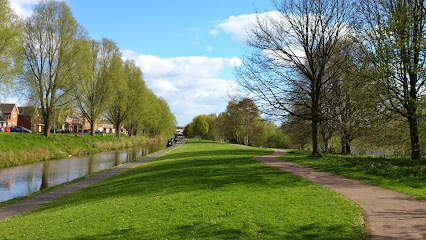
Westport Lake Visitor Centre
3.1 km
Discover Stoke-on-Trent’s largest lake with rich wildlife, scenic walks, and family-friendly facilities at Westport Lake Visitor Centre.
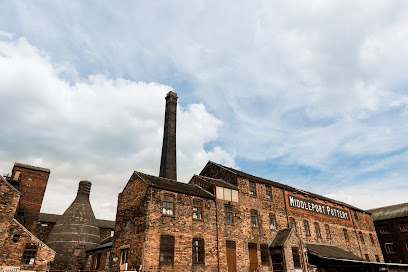
Middleport Pottery
3.1 km
Discover the last working Victorian pottery in the UK, where heritage ceramics come alive alongside historic canals and timeless craftsmanship.
Festival Retail Park
3.3 km
A dynamic outdoor retail and leisure destination in Stoke-on-Trent, blending popular high street brands with family-friendly entertainment and dining.

Eleven
3.4 km
Intimate live music venue in Stoke-on-Trent with top-tier sound, friendly atmosphere, and a strong focus on rock and tribute bands.

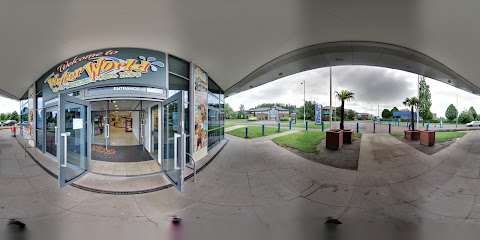
Waterworld
3.6 km
The UK’s largest indoor tropical aqua park with thrilling rides, wave pools, and family-friendly fun all year round in Stoke-on-Trent.
Etruria Industrial Museum
4.2 km
Step into the world’s only working steam-powered potter’s mill, where Stoke-on-Trent’s industrial heart beats on at the Etruria Industrial Museum.
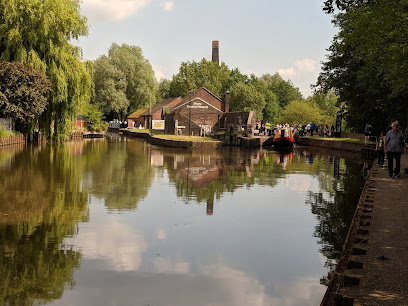
Hanley Park
4.6 km
Historic Victorian park in Stoke-on-Trent with scenic canals, restored landmarks, inclusive play areas, and vibrant community spirit.
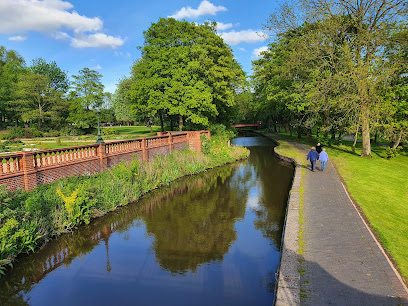
The Travellers Rest
4.7 km
Cozy gastropub in Stoke-on-Trent serving hearty British classics with friendly service and a welcoming atmosphere.
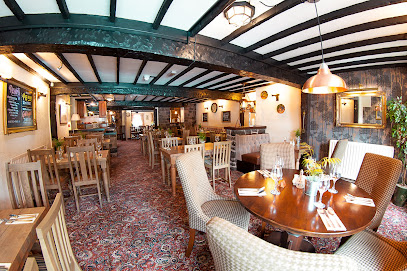
Hartshill Park
5.3 km
Explore the historic and tranquil Hartshill Park, a lush nature reserve with ponds, woodland, and rich heritage in Stoke-on-Trent.
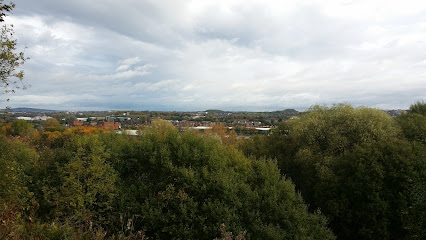
The Brampton Museum
5.4 km
Explore Newcastle-under-Lyme’s heritage through immersive exhibits, a charming Victorian street, and vibrant community events in scenic Brampton Park.
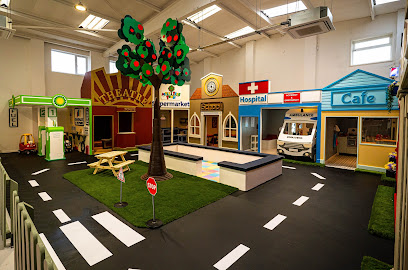
Apple Tree Town
6.2 km
Explore, learn, and play in a vibrant children's role play town designed to spark imagination and social skills in a safe, family-friendly setting.
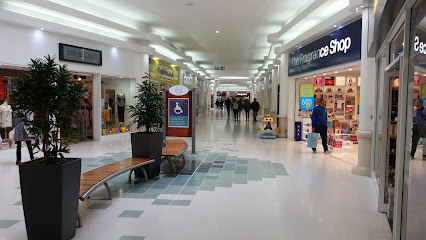
Affinity Staffordshire
6.5 km
Discover unbeatable deals and top brands at Affinity Staffordshire, Talke Pits’ premier outlet shopping destination with free parking and Wi-Fi.
Apedale Heritage Centre
6.9 km
Explore Staffordshire’s coal mining heritage with authentic underground tours, a rich museum, and heritage railway at Apedale Heritage Centre.
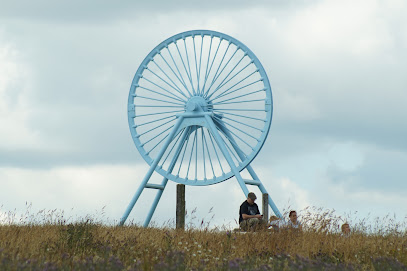
Apedale Community Country Park
7.0 km
Explore Staffordshire’s rich mining heritage and scenic landscapes at Apedale Community Country Park and Heritage Centre.
Essential places to dine

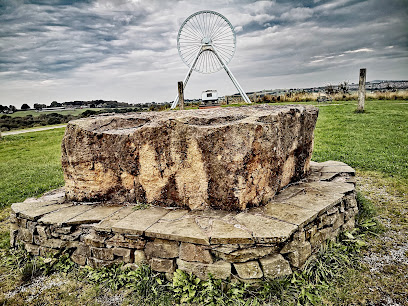
The Stafford Arms
4.1 km
Historic 16th-century gastropub in Bagnall blending rustic charm with modern dining excellence and warm hospitality.
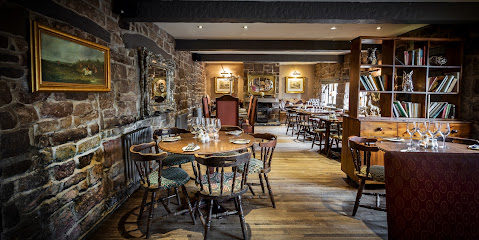
The Potters Club
5.2 km
Historic elegance meets refined British cuisine in Stoke-on-Trent’s distinguished Potters Club.
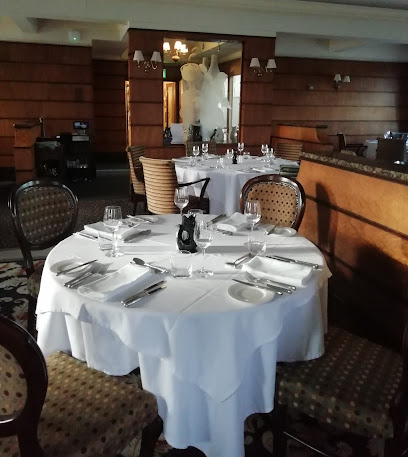
the QUARTER at Potbank
5.6 km
A dynamic restaurant and event venue blending Stoke-on-Trent’s heritage with vibrant dining and unique indoor-outdoor spaces.
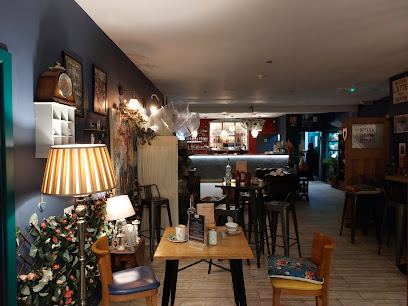
Ostler Restaurant
5.7 km
A charming British dining experience blending historic ambiance with quality cuisine in the heart of Newcastle-under-Lyme.
Marloes Restaurant
6.3 km
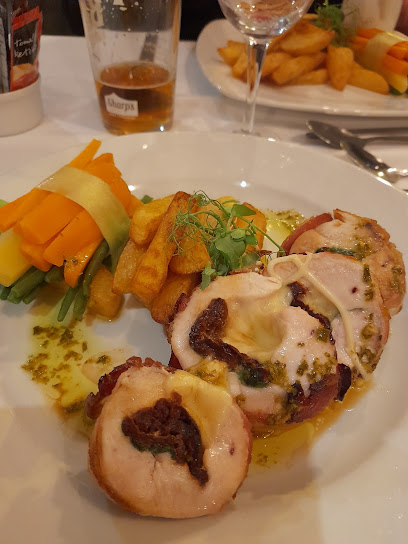
An intimate British bistro in Newcastle-under-Lyme, where seasonal European cuisine and a legendary beef Wellington make every meal feel like a celebration.
Orange Tree Bar and Grill
7.1 km
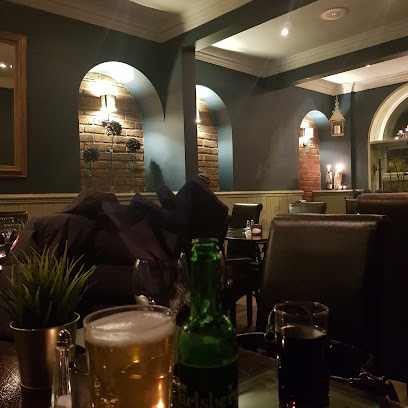
Stylish bar and grill in Stoke-on-Trent offering creative grill dishes, excellent steaks, and a lively, welcoming atmosphere for all occasions.
85 Secret Garden
7.1 km
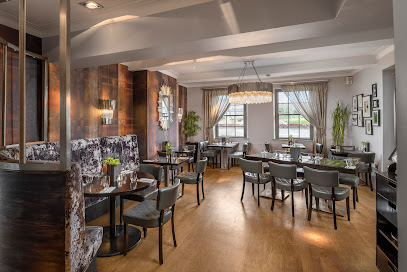
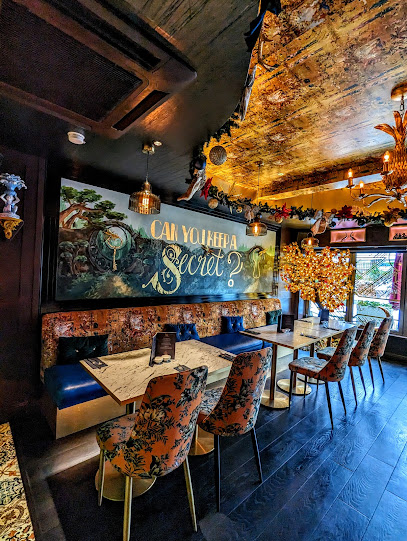
Discover the enchanting blend of fine dining, creative cocktails, and soulful ambiance at 85 Secret Garden in Newcastle-under-Lyme.
Pecks Restaurant
10.9 km
A refined British dining experience in Cheshire, blending seasonal flavors with a theatrical tasting menu and a welcoming countryside atmosphere.
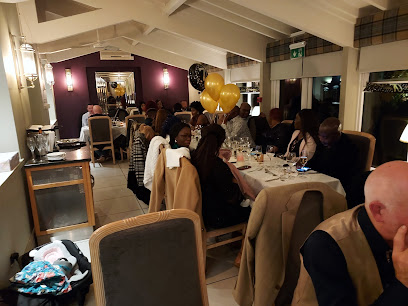
Lunar
11.1 km
Modern British dining inspired by the Lunar Society, set within the iconic World of Wedgwood estate in Staffordshire.
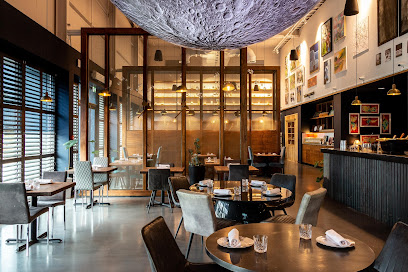
The Oak House Restaurant and Balcony Bar (located at Moddershall Oaks)
13.4 km
Lakeside dining with fresh local flavors and scenic views at Moddershall Oaks’ elegant Oak House Restaurant and Balcony Bar.
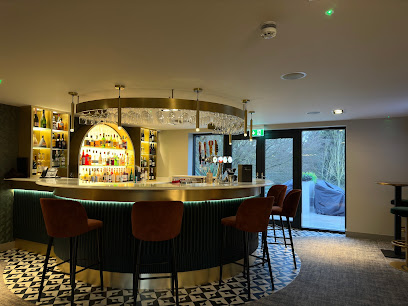
La Villa Verde
14.5 km
Experience authentic Italian flavors and warm hospitality at La Villa Verde, Stoke-on-Trent’s beloved Italian restaurant.
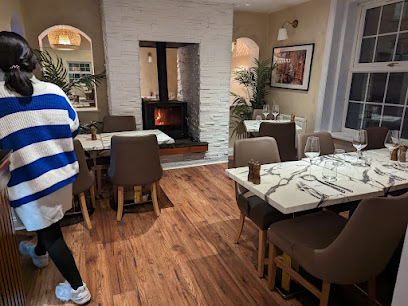
The Spotgate Inn
15.1 km
Dine in authentic vintage Pullman carriages at The Spotgate Inn, where historic charm meets hearty British pub fare in Stone.
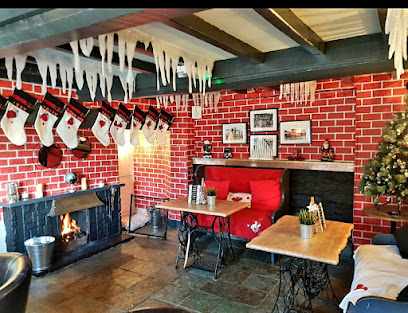
The Ship Inn
15.7 km
A cozy British pub in Tean offering hearty traditional dishes, friendly service, and excellent value in a warm, inviting atmosphere.
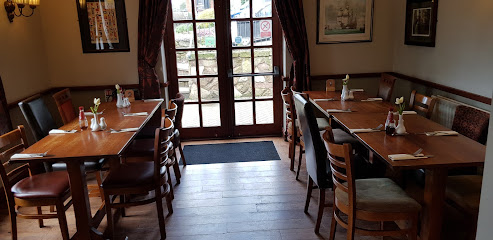
Little Seeds Restaurant
16.8 km
Intimate seasonal dining in Stone celebrating local British produce, sustainability, and a flourishing kitchen garden.
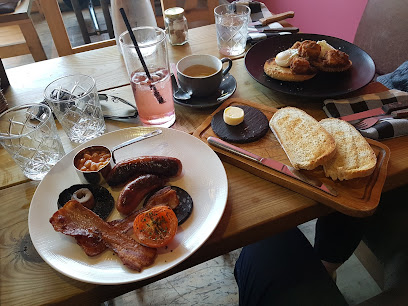
The Wayfarer
16.9 km
A contemporary gastropub in Stone blending British classics with international flair in a cozy, stylish setting.
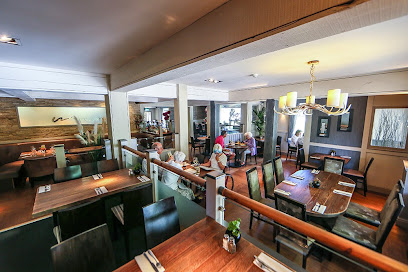
Markets, malls and hidden boutiques

Sign of the Times Antiques ltd
1.6 km
Discover quirky antiques and vintage treasures at Sign of the Times Antiques Ltd, a unique shop in Stoke-on-Trent’s historic Burslem district.
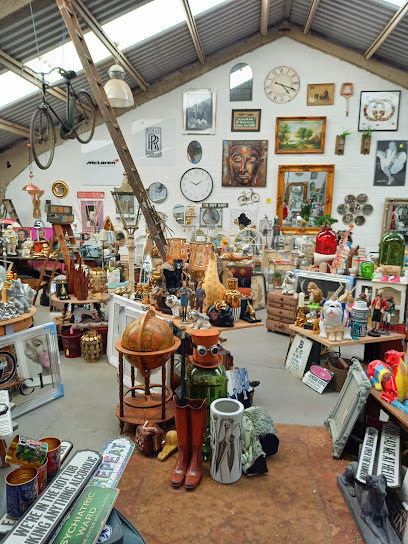
Festival Heights Retail Park
2.9 km
A modern, accessible retail park in Stoke-on-Trent offering diverse shopping options and convenient amenities for a seamless shopping experience.

The Potteries Centre
3.1 km
Staffordshire’s largest shopping and leisure destination with over 50 stores, dining, cinema, and community events all under one roof.
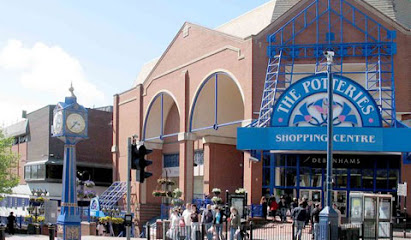
Hippie at Heart
5.7 km
Discover vibrant fair trade fashion and unique bohemian styles at Hippie at Heart, Stoke-on-Trent’s ethical clothing boutique.
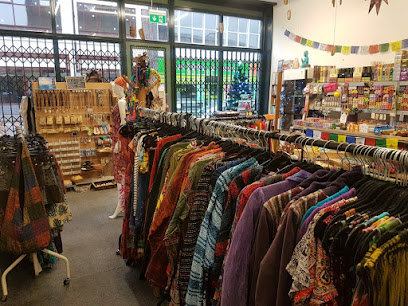
Roebuck Shopping Centre
6.3 km
A historic-rooted shopping centre blending national brands and local charm in the heart of Newcastle-under-Lyme’s vibrant High Street.
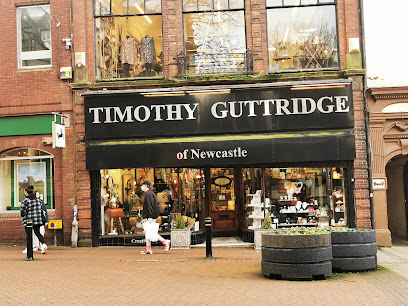
Nike Clearance Store
6.6 km
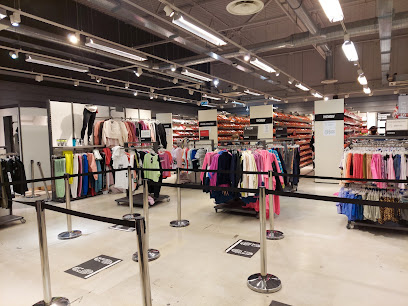
Discover discounted Nike gear and footwear at Talke Retail Park’s dedicated clearance store in Stoke-on-Trent.
Trentham Shopping Village
10.4 km
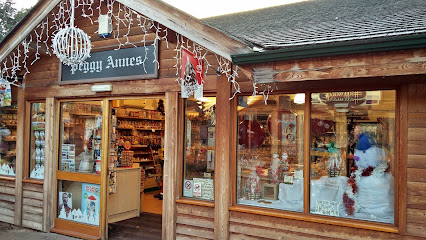
Explore over 77 charming timber lodges filled with unique shops, cafés, and restaurants in a friendly village atmosphere near Trentham Gardens.
Goomoo
10.5 km
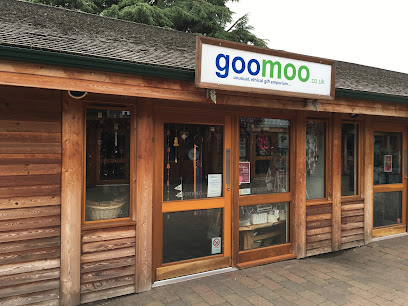
Discover unique, fair-trade gifts and curiosities at Goomoo, nestled in the scenic Trentham Shopping Village in Stoke-on-Trent.
Gift Company
10.6 km
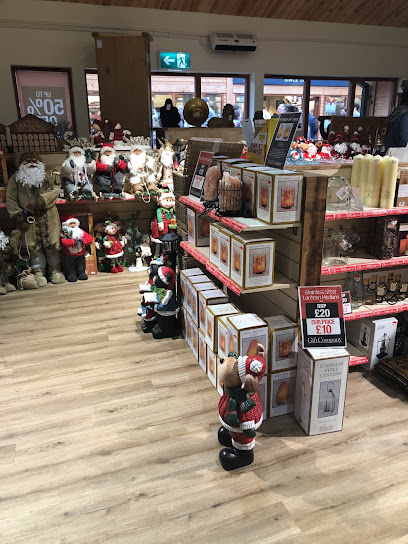
Discover unique gifts and homeware at Gift Company, a welcoming shop nestled in the scenic Trentham Estate, Stoke-on-Trent.
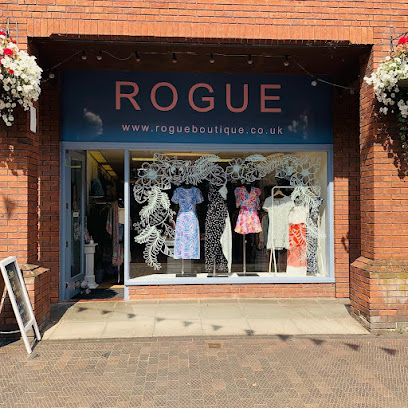
Rogue Boutique
17.1 km
Discover unique, quality women's fashion and accessories with personalised service in the heart of Stone at Rogue Boutique.
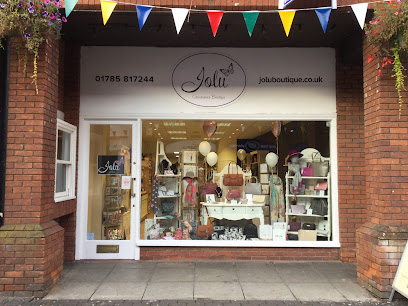
Jolu Accessories Boutique
17.1 km
Charming family-run boutique in Stone offering unique gifts, fashion accessories, and beautifully wrapped presents on the historic High Street.
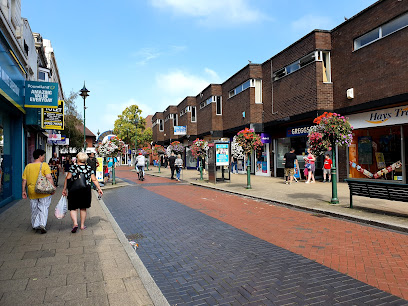
The Market Shopping Centre
18.8 km
Conveniently located in Crewe town centre, The Market Shopping Centre offers a practical and accessible retail experience for everyday shopping needs.
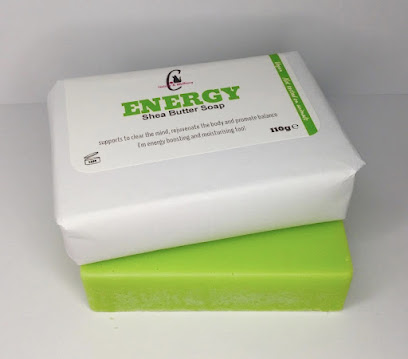
Crafts of Cheshire (Ltd)
20.8 km
Discover handmade gifts and holistic wellbeing products that inspire positivity through scent and colour in the heart of Crewe.
Cabin Boutique
23.0 km
Discover stylish women's fashion in a charming log cabin boutique nestled within Middlewich’s Hopley House Shopping Village.
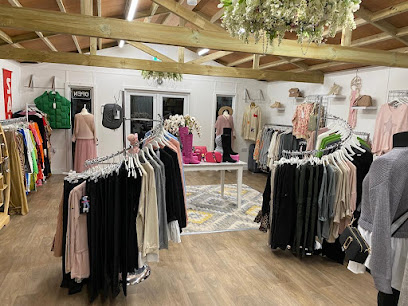
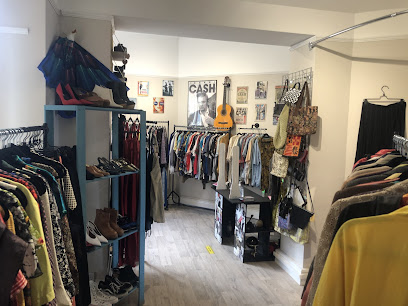
Walk The Line Vintage
23.5 km
Discover timeless style and unique vintage fashion treasures in the heart of Nantwich at Walk The Line Vintage.
Essential bars & hidden hideouts

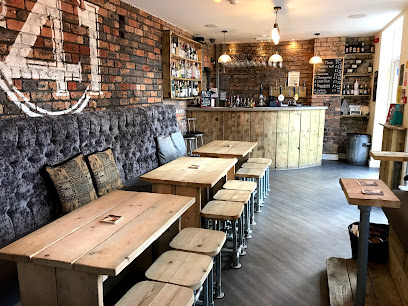
No.41
2.0 km
A stylish pub in Milton, Stoke-on-Trent, known for its eclectic decor, craft ales, cocktails, and extensive gin selection.
Basement
3.5 km
Experience Stoke-on-Trent’s vibrant nightlife in the Basement, a cool underground bar and events venue in the heart of Hanley.
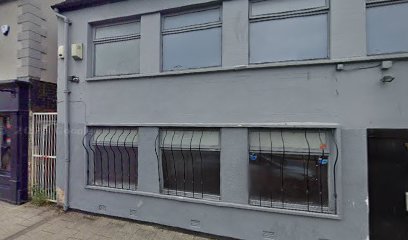
Sutherland Arms
6.3 km
A welcoming pub and cozy B&B in Stoke-on-Trent offering quality ales, lively events, and comfortable rooms with self-catering facilities.
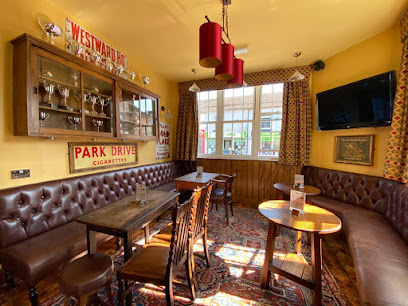
DV8 Bar & Lounge
12.4 km
A vibrant bar and lounge in Congleton offering excellent cocktails, hearty food, and a warm, lively atmosphere in a charming historic setting.
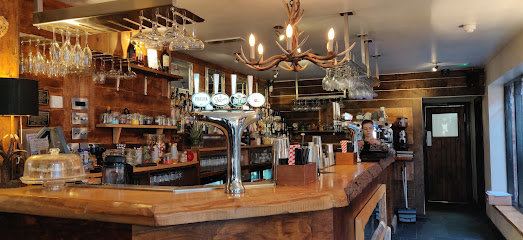
The Plume of Feathers- With Neil Morrissey
12.5 km
A friendly canalside pub in Barlaston offering fresh local food, Neil Morrissey’s ales, and a welcoming atmosphere for all ages and pets.
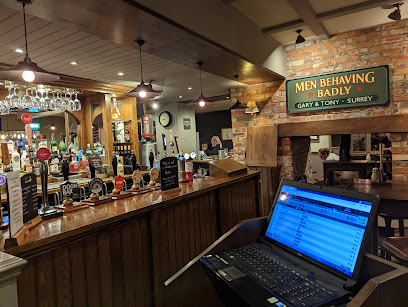
The Lazy Trout
14.2 km
Experience authentic English countryside charm with hearty meals and fine ales at The Lazy Trout in Meerbrook.
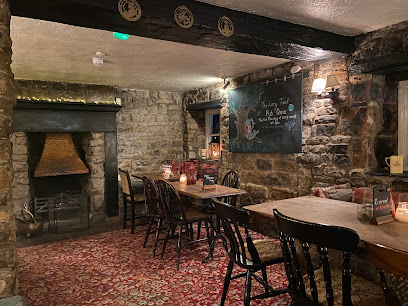
Fitzherbert Arms
15.7 km
Historic Staffordshire pub blending award-winning cuisine, rustic charm, and warm hospitality in the heart of Swynnerton village.
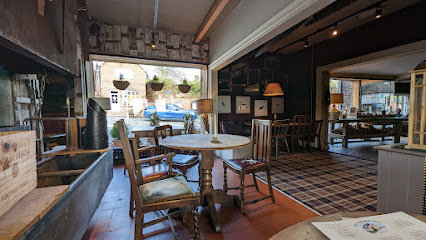
The Borehole
16.2 km
A cozy, quirky micro pub in Stone offering local craft beers, a warm log burner, and a famously dog-friendly welcome.
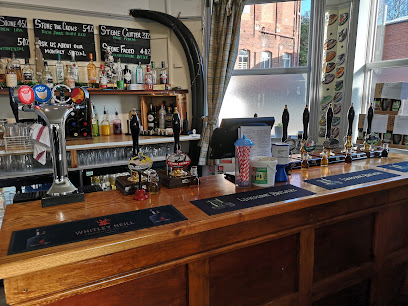
The Beer Emporium
16.4 km
Discover Sandbach’s craft beer gem with a vast selection of ales, a cozy atmosphere, and a welcoming community spirit.
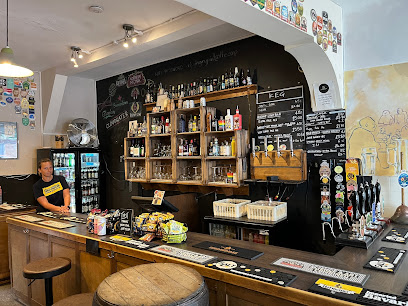
The Swan With Two Necks
16.6 km
A stylish gastropub in Blackbrook blending classic British flavours with modern comfort and scenic countryside charm.
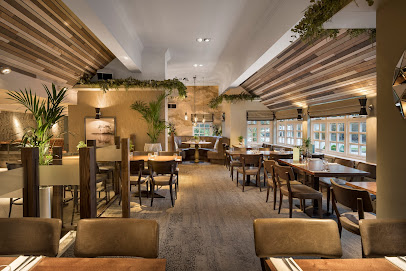
Swan Inn
17.2 km
A traditional canalside pub in Stone offering real ales, ciders, hearty food, and a welcoming atmosphere for locals and visitors alike.
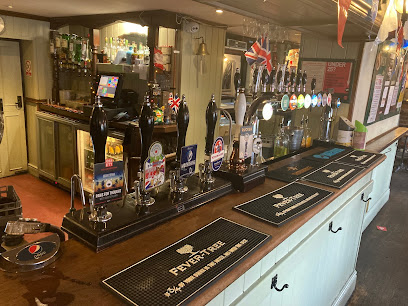
The Swettenham Arms
18.5 km
Traditional Cheshire country pub with scenic gardens, classic British fare, and a charming wedding venue in the heart of Swettenham village.
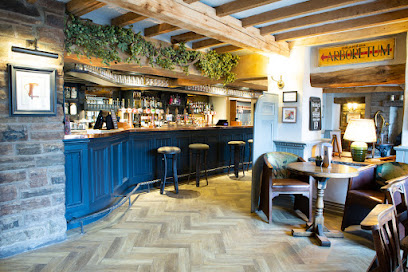
The Boars Head
19.0 km
A charming gastropub near Nantwich serving refined British cuisine in a cozy countryside setting with welcoming service and a lively beer garden.
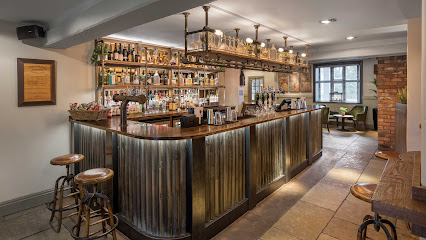
Dog & Doublet Inn
22.4 km
A charming Arts & Crafts pub and restaurant in Sandon offering warm hospitality, classic British cuisine, and cozy accommodations.

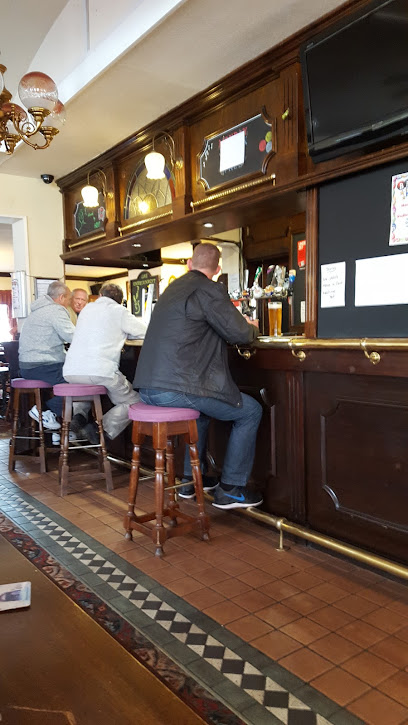
Staffordshire Bull
25.2 km
A friendly Stafford pub blending local heritage with a welcoming atmosphere and moderate prices for all to enjoy.
Nightclubs & after hour spots

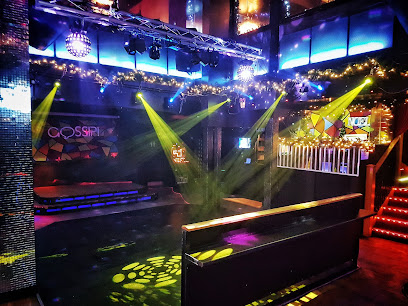
Gossip!
3.1 km
Stoke-on-Trent’s premier gay nightclub with vibrant bars, dance floor, and beer garden offering lively, inclusive nightlife in Hanley.
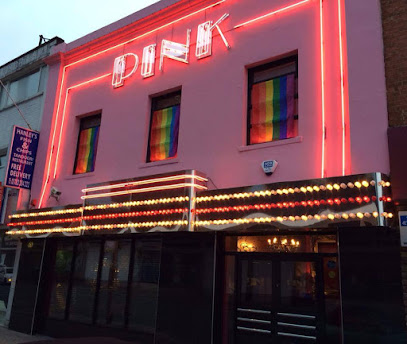
Pink Nightclub - Stoke on Trent
3.2 km
Experience the vibrant and friendly nightlife of Pink Nightclub, Hanley’s lively late-night venue with great drinks and a welcoming atmosphere.
Reflex - Hanley
3.2 km
Energetic and inclusive nightclub in Hanley, offering classic 80s/90s tunes, affordable drinks, and a welcoming atmosphere for memorable nights out.

TTL Nightclub
3.3 km
Experience Stoke-on-Trent’s vibrant nightlife at TTL Nightclub, Hanley’s energetic hub for dance, music, and social nights.
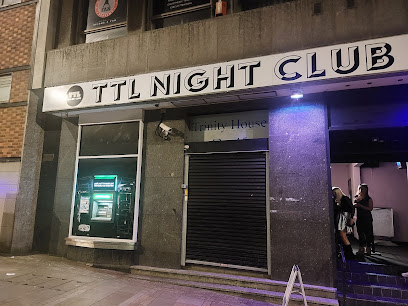
Reflex - Newcastle Under Lyme
6.1 km
Experience vibrant nightlife at Reflex, Newcastle Under Lyme’s central nightclub and lounge with lively music and social vibes.
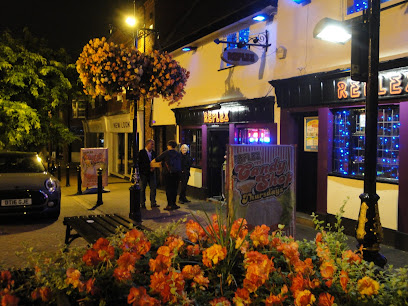
Base 95
11.2 km
Leek’s vibrant nightclub and bar at Market Place, Base 95 offers lively late-night entertainment for a diverse crowd every weekend.
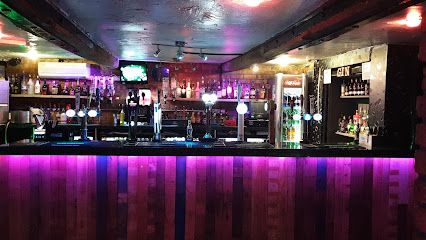
3D Leek - Bar & Nightclub Experiences
11.2 km
Experience Leek’s vibrant nightlife at 3D Leek, where lively music, great drinks, and dynamic events create unforgettable evenings.
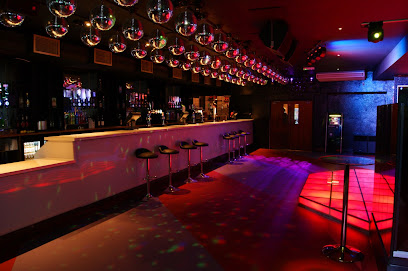
The Club
12.3 km
A lively nightclub and sports bar at Congleton’s heart, blending live music, casual vibes, and affordable fun.
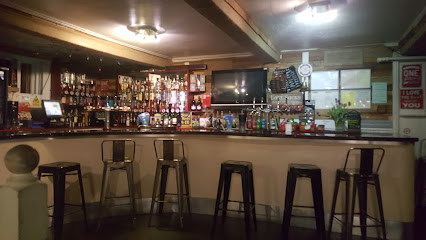
3D Congleton
12.3 km
A vibrant and affordable nightclub in Congleton’s town centre, perfect for late-night dancing and fun weekends.
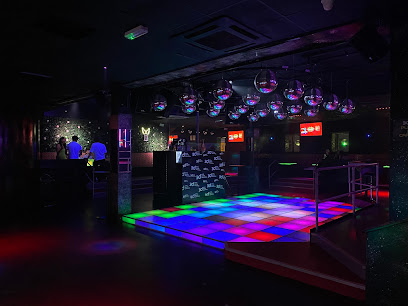
The Studio
23.6 km
Experience Nantwich’s energetic nightlife at The Studio, a vibrant club known for live DJs, dance music, and late-night fun in the town center.
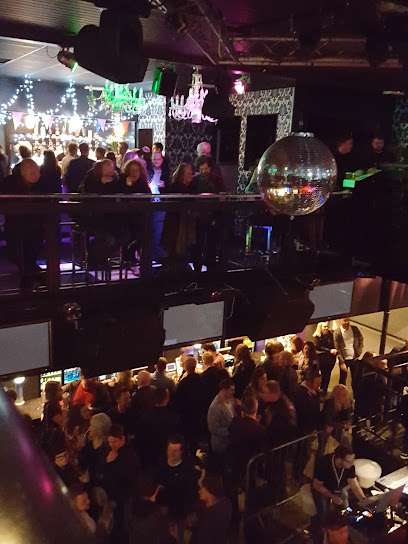
Level 2
28.1 km
Buxton’s vibrant two-floor nightclub with diverse music, lively bars, and themed nights, perfect for an energetic night out.

Great Rocks Social Club
32.5 km
Discover the vibrant nightlife at Great Rocks Social Club, a welcoming hub in Peak Dale perfect for socializing and entertainment.
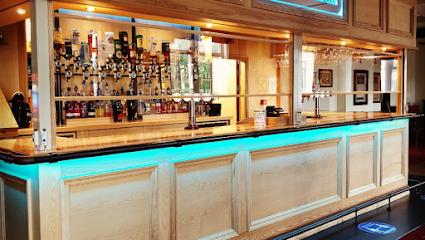
Mainstreet Nightclub
34.7 km
Experience Newport’s vibrant nightlife at Mainstreet Nightclub, where music, dancing, and a lively crowd create unforgettable late-night memories.
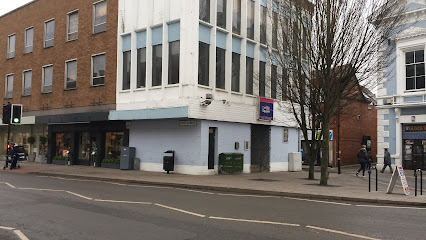
The Loft
42.0 km
A vibrant, intimate nightclub in Matlock offering lively music, friendly service, and a cozy atmosphere in the town center.

757 Night Club & Laluna events venue
45.9 km
A vibrant nightclub and events venue in Wellington, Telford, blending modern style with lively weekend entertainment.

For the vibe & atmosphere seeker
- Romantic
- Scenic
- Unique
- Casual
For the design and aesthetic lover
- Vintage Styles
- Rustic Designs
For the architecture buff
- Historic
- Heritage Neighborhoods
- Parks & Gardens
For the view chaser and sunset hunter
- Iconic Views
For the social media creator & influencer
- Instagrammable
- Photo Spots
- Architectural Shots
For the eco-conscious traveler
- Protected Area
- Locally Managed
For the kind of experience you’re after
- Cultural Heritage
- Photowalk
- Day Trip
For how adventurous you want the journey to be
- Easy Access
Location Audience
- Family Friendly
- Senior Friendly
- Child Friendly
- Solo Friendly
- Couple Friendly


