
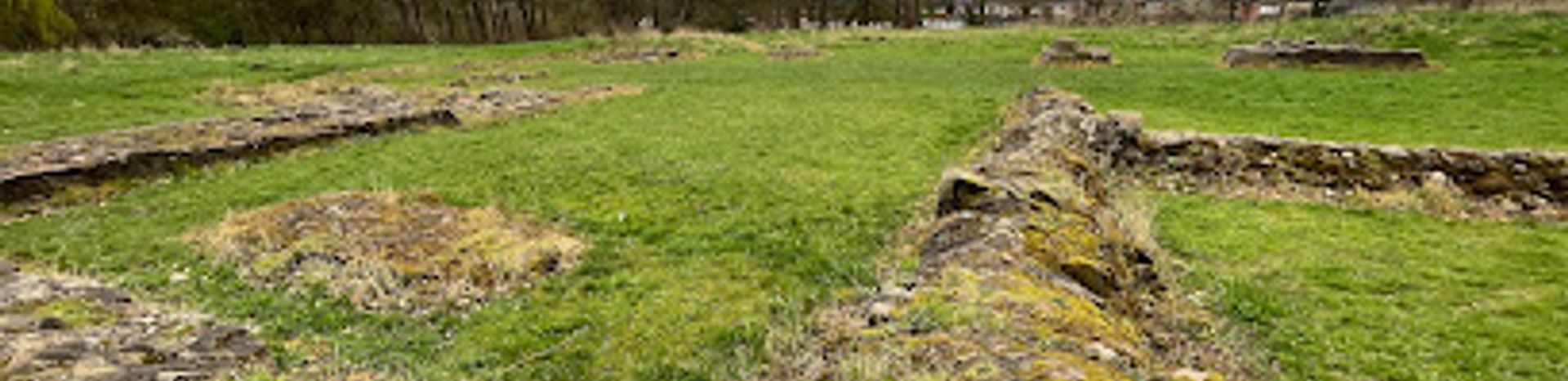
Hulton Abbey: The Quiet Legacy of a Medieval Cistercian Monastery
Explore the evocative ruins of Hulton Abbey, a modest yet historically rich 13th-century Cistercian monastery nestled in Stoke-on-Trent’s tranquil Trent Valley.
Hulton Abbey, founded in the early 13th century by Henry de Audley, is a historic ruin located in Abbey Hulton, Stoke-on-Trent. Once a modest Cistercian monastery, it played a significant religious and economic role despite its financial struggles. Today, the site reveals archaeological remains of its church, chapter house, and monastic buildings, offering a glimpse into medieval monastic life amid Staffordshire’s landscape.
A brief summary to Hulton Abbey
- 1434 Leek Rd, Stoke-on-Trent, ST2 8DB, GB
- Visit website
- Duration: 0.5 to 2 hours
- Free
-
 Outdoor
- Mobile reception: 4 out of 5
- Monday 12 am-12 am
- Tuesday 12 am-12 am
- Wednesday 12 am-12 am
- Thursday 12 am-12 am
- Friday 12 am-12 am
- Saturday 12 am-12 am
- Sunday 12 am-12 am
Local tips
- Wear sturdy footwear as the terrain around the ruins can be uneven and grassy.
- Visit during daylight hours to fully appreciate the archaeological remains and surrounding landscape.
- Bring a camera to capture the atmospheric ruins and scenic views of the Trent Valley.
- Check local resources for any scheduled guided tours or archaeological talks.

For the on-the-go comforts that matter to you
- Information Boards
- Seating Areas
- Trash Bins
Getting There
-
Bus
Local bus services connect Stoke-on-Trent city center to Abbey Hulton with a journey time of approximately 20-30 minutes. Buses run regularly but check schedules for frequency. Walking from the nearest bus stop involves uneven terrain and a short uphill path.
-
Car
Driving from Stoke-on-Trent city center takes about 15 minutes via main roads. Limited roadside parking is available near the abbey ruins; be mindful of local parking regulations. The site is accessible by paved roads but expect a short walk over grass and uneven ground.
-
Walking
For those staying nearby, walking to Hulton Abbey can take 30-45 minutes from central Stoke-on-Trent. The route includes urban sidewalks transitioning to rural paths with some uneven surfaces. Not fully suitable for wheelchairs or strollers.
Hulton Abbey location weather suitability
-
 Any Weather
-
 Rain / Wet Weather
-
 Clear Skies
-
 Mild Temperatures
Discover more about Hulton Abbey
Founding and Early History
Hulton Abbey was established between 1219 and 1223 by Henry de Audley, a local nobleman who endowed the monastery with land and resources. As a daughter house of Combermere Abbey, it belonged to the Cistercian order, known for strict austerity and self-sufficiency. The abbey was dedicated to St Mary and located in what was then a remote part of the Trent Valley, surrounded by hills and rivers, providing a tranquil setting for monastic life. Early grants from other local landowners expanded its estate, securing its economic foundation despite its relatively small size and modest income.Architecture and Monastic Life
The abbey complex included key monastic buildings such as the church, chapter house, dormitories, refectory, and ancillary structures arranged around a cloister. The chapter house, built around 1270, showcased early Gothic architectural elements and served as the hub for daily meetings and administration. The monks engaged in various activities, including agriculture, fish farming in nearby ponds, and later industrial pursuits such as coal mining and smithing, reflecting their adaptation to economic challenges.Decline and Dissolution
By the 16th century, Hulton Abbey was among the poorest monastic houses in Staffordshire, with an income insufficient to sustain its operations. The Black Death and repeated plague outbreaks further weakened its workforce and economy. Despite a royal exemption in exchange for a fine, the abbey was dissolved in 1538 under Henry VIII’s Dissolution of the Monasteries. Its lands and assets were sold, the lead roof melted down on site, bells sold, and stones repurposed for local buildings. The abbey quickly fell into ruin, with only foundations and archaeological remains surviving.Post-Monastic Era and Archaeology
Following dissolution, the abbey lands passed through several private hands, including the Sneyd family, who held the estate for centuries. The site was later covered by farmland and a school, which was demolished in 1987. Archaeological excavations throughout the 20th century uncovered foundations of the main buildings, human burials, and artifacts such as leather shoes, providing valuable insights into monastic life and death. The site is now a scheduled monument managed by Stoke-on-Trent City Council, recognized as Heritage at Risk due to its fragile condition.Significance and Legacy
Hulton Abbey stands as a testament to the religious, social, and economic history of medieval England’s monastic communities. Though modest and often struggling financially, it reflects the Cistercian commitment to faith, work, and community. Its ruins and archaeological discoveries connect modern visitors to the spiritual and practical lives of monks who shaped the local landscape for over three centuries. The abbey’s story is intertwined with the wider history of Stoke-on-Trent and Staffordshire, enriching the region’s cultural heritage.Visiting Today
Today, Hulton Abbey is a quiet historic site offering a contemplative experience amid grassy ruins beside a busy road. While little remains above ground, the site’s archaeological importance and evocative atmosphere invite exploration and reflection on a vanished monastic world. Managed as a protected monument, it provides a unique window into England’s medieval past within an urban setting.Iconic landmarks you can’t miss

Burma Star Island
22.6 km
A serene memorial island in Crewe honoring the courage and sacrifice of World War II’s Burma Campaign heroes.
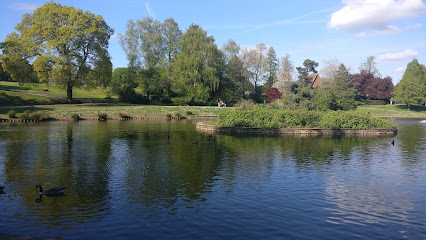
St Mary’s Church, Nantwich
25.5 km
Explore the exquisite architecture and rich history of St Mary’s Church, a captivating medieval landmark in the heart of Nantwich.
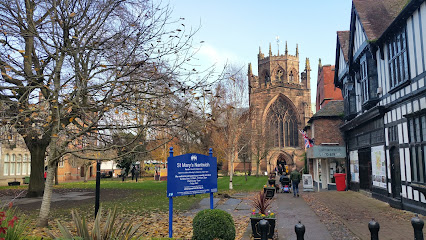
The Ancient High House
26.0 km
Explore the Ancient High House, a stunning 16th-century museum in Stafford, where history comes to life through engaging exhibits and breathtaking architecture.
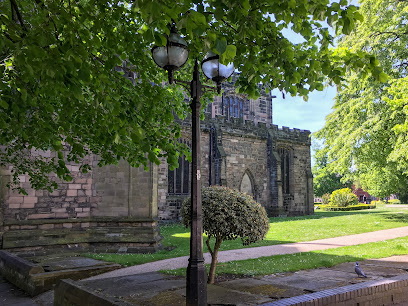
Hack Green Secret Nuclear Bunker
26.0 km
Discover the intriguing history of the Cold War at the Hack Green Secret Nuclear Bunker, a unique museum in Nantwich, UK, showcasing the era's military secrets.

Stafford Castle
26.9 km
Explore the stunning Stafford Castle, a medieval marvel that offers a captivating journey through England's rich history and picturesque landscapes.
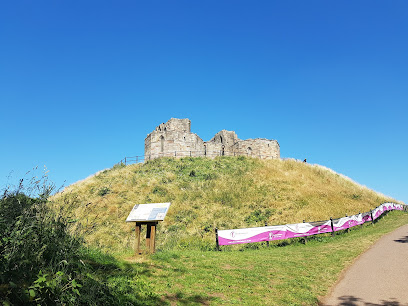
Solomon’s Temple
27.0 km
A scenic Victorian folly atop Grin Low Hill offering breathtaking 360-degree views over Buxton and the Peak District.
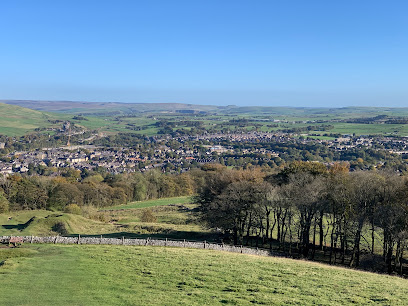
Poole's Cavern
27.5 km
Discover the enchanting underground world of Poole's Cavern, a geological marvel nestled in the heart of Buxton's scenic country park.
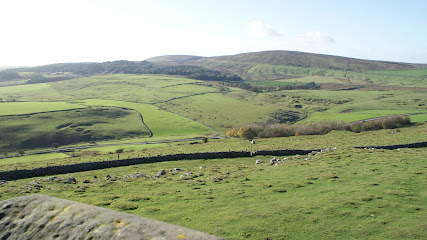
National Trust - Hare Hill
27.6 km
Explore Hare Hill, a captivating National Trust garden in Cheshire, where tranquility meets stunning natural beauty in every season.
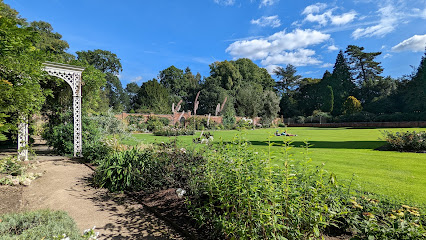
National Trust - Nether Alderley Mill
27.8 km
Explore the historical beauty of Nether Alderley Mill, a charming landmark in Cheshire that showcases England's industrial past amidst stunning countryside.
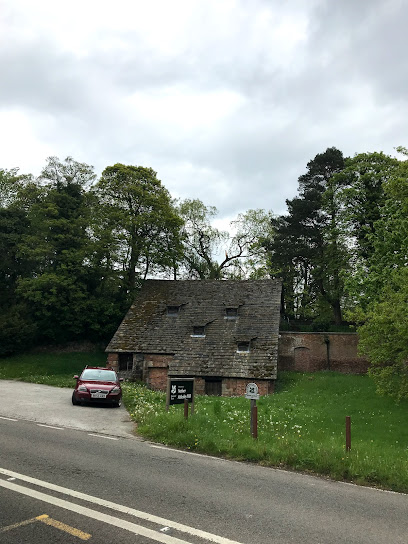
White Nancy
28.2 km
Historic hilltop folly offering sweeping Cheshire Plain views and a symbol of Bollington’s heritage and community spirit.
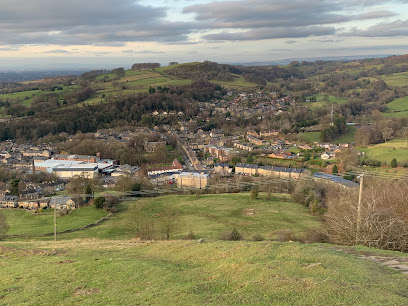
National Trust Shugborough Estate
28.8 km
Explore the National Trust Shugborough Estate, a historical gem in Staffordshire featuring stunning gardens, rich history, and breathtaking architecture.
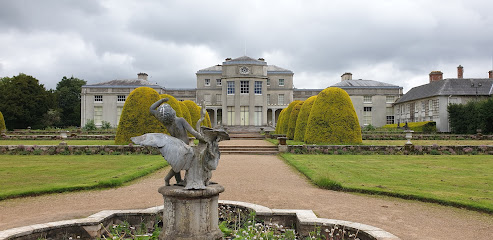
National Trust - Alderley Edge and Cheshire Countryside
29.0 km
Explore the breathtaking beauty of Alderley Edge and Cheshire Countryside, a nature reserve rich in scenic views, outdoor adventures, and local history.
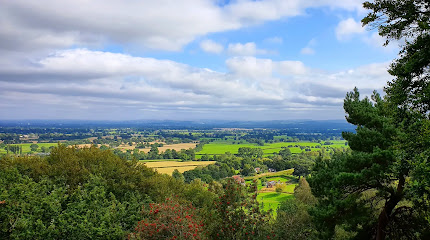
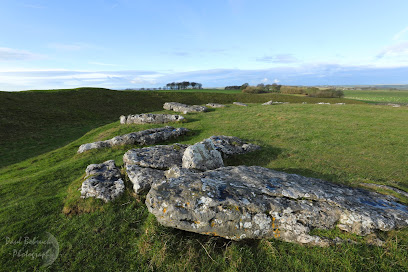
Arbor Low Stone Circle and Gib Hill Barrow
29.2 km
Explore the ancient wonders of Arbor Low Stone Circle and Gib Hill Barrow, a historical landmark steeped in mystery and breathtaking Derbyshire landscapes.
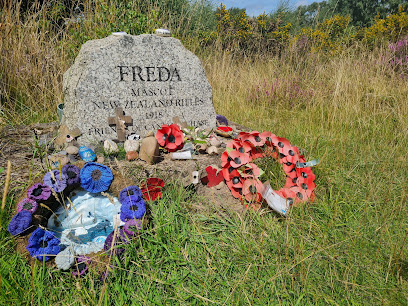
Freda's Grave
31.2 km
A touching memorial to Freda, the Harlequin Great Dane mascot of the New Zealand Rifle Brigade, resting in the peaceful heathland of Cannock Chase.
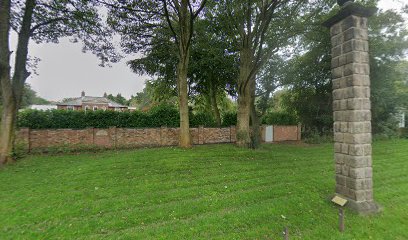
Knutsford Obelisk
31.9 km
An 18th-century memorial obelisk honoring the Legh family, standing as a historic symbol amidst Knutsford’s rich heritage.
Unmissable attractions to see

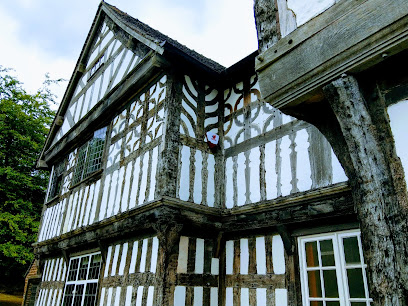
Ford Green Hall
2.5 km
A 17th-century timber-framed farmhouse revealing authentic domestic life through world-class collections of textiles, ceramics, and period furnishings.
Festival Retail Park
3.5 km
A dynamic outdoor retail and leisure destination in Stoke-on-Trent, blending popular high street brands with family-friendly entertainment and dining.

Hanley Park
3.7 km
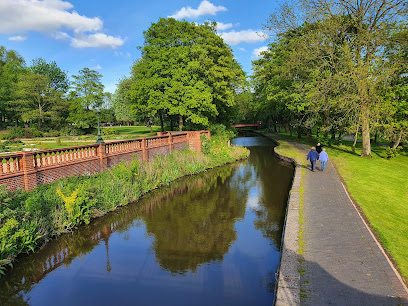
Historic Victorian park in Stoke-on-Trent with scenic canals, restored landmarks, inclusive play areas, and vibrant community spirit.
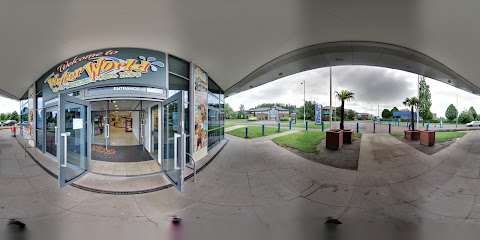
Waterworld
3.9 km
The UK’s largest indoor tropical aqua park with thrilling rides, wave pools, and family-friendly fun all year round in Stoke-on-Trent.
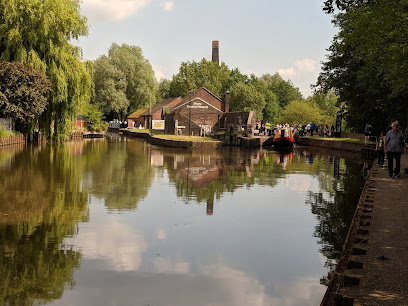
Etruria Industrial Museum
4.0 km
Step into the world’s only working steam-powered potter’s mill, where Stoke-on-Trent’s industrial heart beats on at the Etruria Industrial Museum.
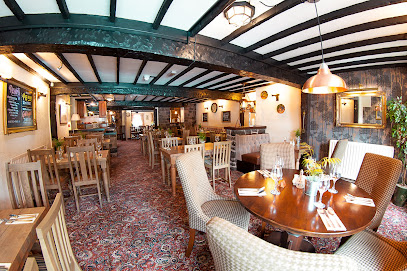
The Travellers Rest
4.1 km
Cozy gastropub in Stoke-on-Trent serving hearty British classics with friendly service and a welcoming atmosphere.
Middleport Pottery
4.5 km
Discover the last working Victorian pottery in the UK, where heritage ceramics come alive alongside historic canals and timeless craftsmanship.
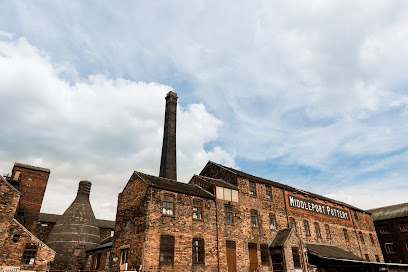
Westport Lake Visitor Centre
4.9 km
Discover Stoke-on-Trent’s largest lake with rich wildlife, scenic walks, and family-friendly facilities at Westport Lake Visitor Centre.
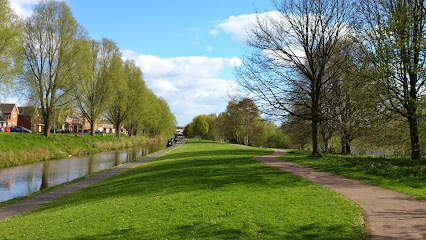
Hartshill Park
4.9 km
Explore the historic and tranquil Hartshill Park, a lush nature reserve with ponds, woodland, and rich heritage in Stoke-on-Trent.
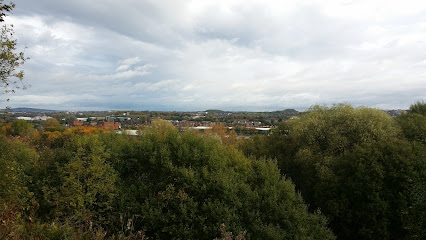
The Brampton Museum
5.7 km
Explore Newcastle-under-Lyme’s heritage through immersive exhibits, a charming Victorian street, and vibrant community events in scenic Brampton Park.
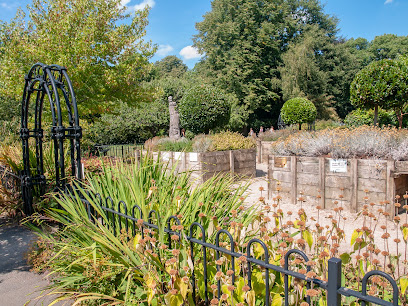
Eleven
5.8 km
Intimate live music venue in Stoke-on-Trent with top-tier sound, friendly atmosphere, and a strong focus on rock and tribute bands.

Aynsley China Ltd
5.9 km
Historic British bone china manufacturer in Stoke-on-Trent, blending craftsmanship and heritage since 1775.

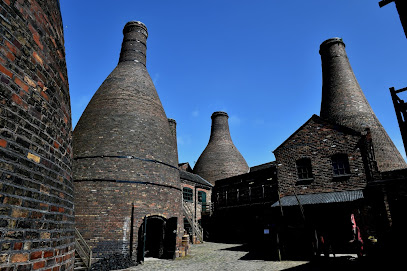
Gladstone Pottery Museum
5.9 km
Step into a living Victorian pottery factory and discover the rich heritage of Staffordshire ceramics at Gladstone Pottery Museum.
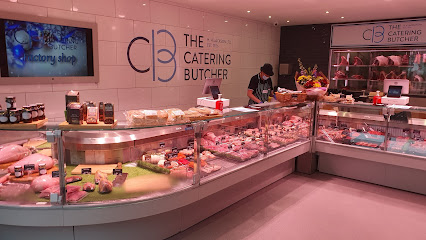
The Catering Butcher - Factory Shop
6.1 km
Premium quality meats and expert service combine at The Catering Butcher - Factory Shop in Longton, Stoke-on-Trent’s trusted meat destination.
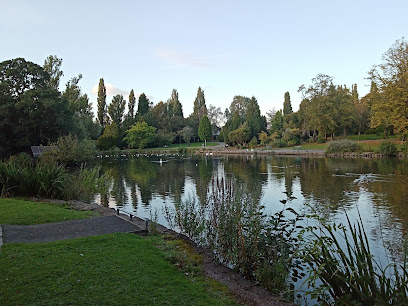
Longton Park
7.1 km
Historic Victorian park in Stoke-on-Trent with lakes, playgrounds, sports courts, and a welcoming community atmosphere for all ages.
Essential places to dine

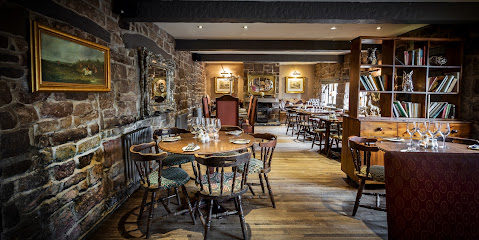
The Stafford Arms
2.9 km
Historic 16th-century gastropub in Bagnall blending rustic charm with modern dining excellence and warm hospitality.
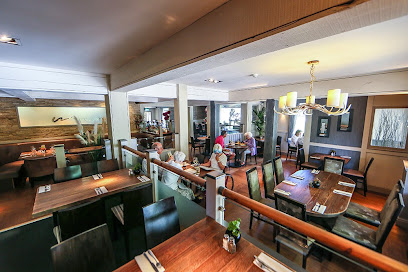
The Potters Club
4.3 km
Historic elegance meets refined British cuisine in Stoke-on-Trent’s distinguished Potters Club.
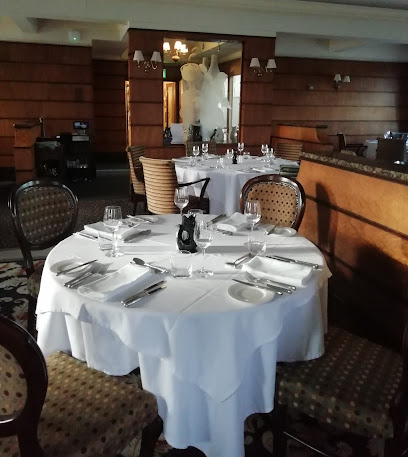
the QUARTER at Potbank
4.7 km
A dynamic restaurant and event venue blending Stoke-on-Trent’s heritage with vibrant dining and unique indoor-outdoor spaces.
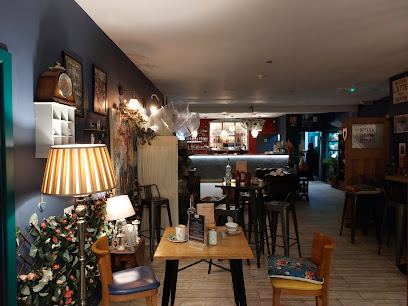
Ostler Restaurant
6.0 km
A charming British dining experience blending historic ambiance with quality cuisine in the heart of Newcastle-under-Lyme.

Marloes Restaurant
6.4 km
An intimate British bistro in Newcastle-under-Lyme, where seasonal European cuisine and a legendary beef Wellington make every meal feel like a celebration.
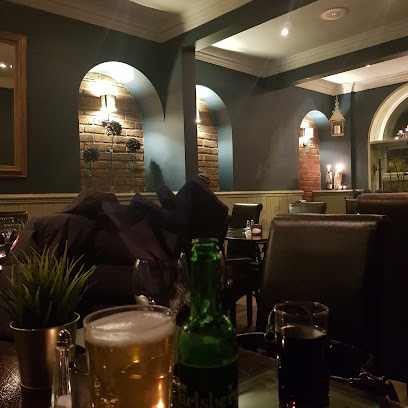
Orange Tree Bar and Grill
6.6 km
Stylish bar and grill in Stoke-on-Trent offering creative grill dishes, excellent steaks, and a lively, welcoming atmosphere for all occasions.
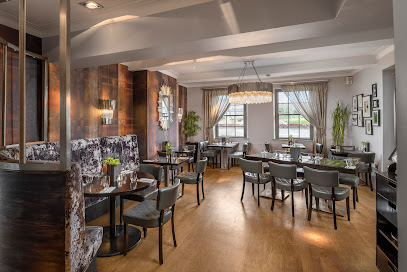
85 Secret Garden
6.9 km
Discover the enchanting blend of fine dining, creative cocktails, and soulful ambiance at 85 Secret Garden in Newcastle-under-Lyme.
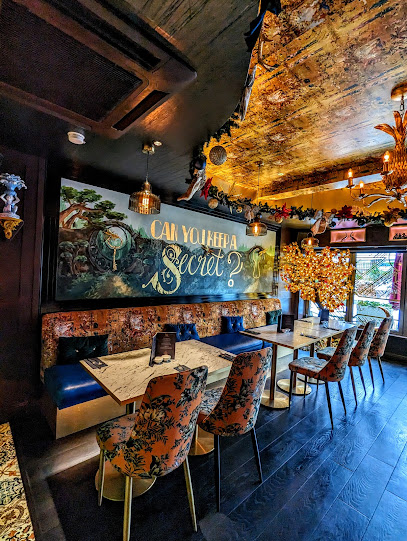
Lunar
9.5 km
Modern British dining inspired by the Lunar Society, set within the iconic World of Wedgwood estate in Staffordshire.
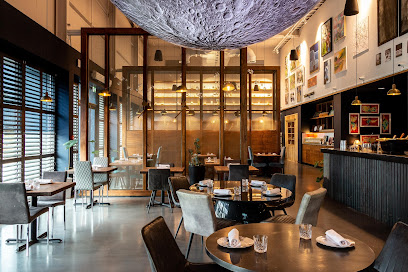
The Oak House Restaurant and Balcony Bar (located at Moddershall Oaks)
11.2 km
Lakeside dining with fresh local flavors and scenic views at Moddershall Oaks’ elegant Oak House Restaurant and Balcony Bar.
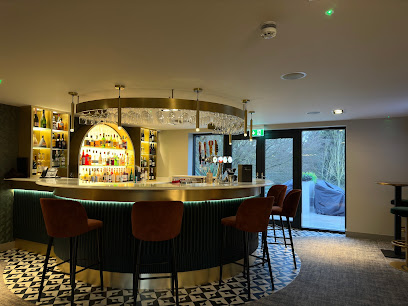
La Villa Verde
12.0 km
Experience authentic Italian flavors and warm hospitality at La Villa Verde, Stoke-on-Trent’s beloved Italian restaurant.
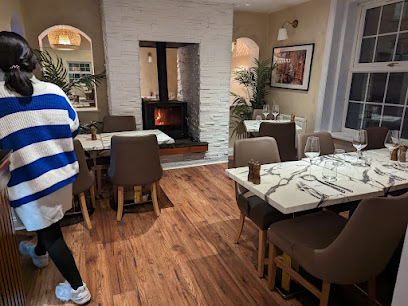
The Spotgate Inn
12.9 km
Dine in authentic vintage Pullman carriages at The Spotgate Inn, where historic charm meets hearty British pub fare in Stone.
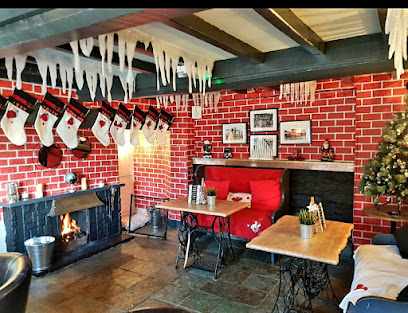
The Ship Inn
13.3 km
A cozy British pub in Tean offering hearty traditional dishes, friendly service, and excellent value in a warm, inviting atmosphere.
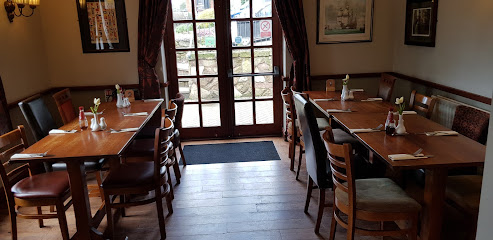
Pecks Restaurant
13.3 km
A refined British dining experience in Cheshire, blending seasonal flavors with a theatrical tasting menu and a welcoming countryside atmosphere.
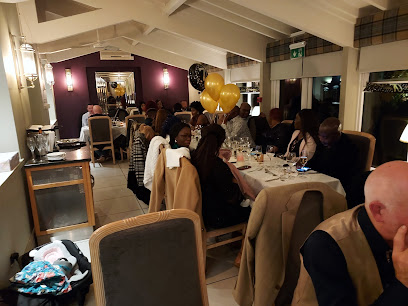
Little Seeds Restaurant
15.1 km
Intimate seasonal dining in Stone celebrating local British produce, sustainability, and a flourishing kitchen garden.
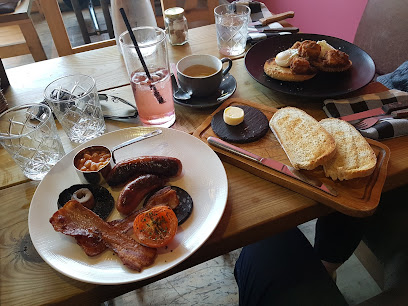
The Wayfarer
15.2 km
A contemporary gastropub in Stone blending British classics with international flair in a cozy, stylish setting.
Markets, malls and hidden boutiques

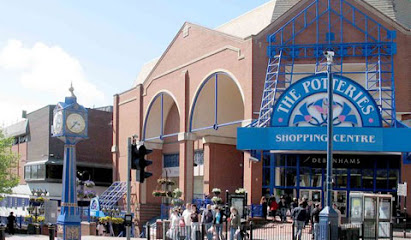
The Potteries Centre
2.6 km
Staffordshire’s largest shopping and leisure destination with over 50 stores, dining, cinema, and community events all under one roof.
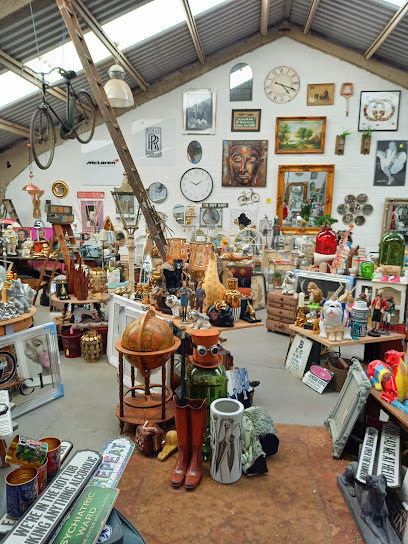
Sign of the Times Antiques ltd
2.9 km
Discover quirky antiques and vintage treasures at Sign of the Times Antiques Ltd, a unique shop in Stoke-on-Trent’s historic Burslem district.
Festival Heights Retail Park
3.3 km
A modern, accessible retail park in Stoke-on-Trent offering diverse shopping options and convenient amenities for a seamless shopping experience.

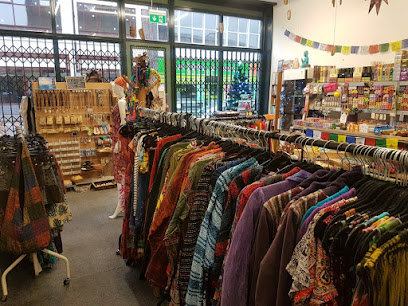
Hippie at Heart
4.9 km
Discover vibrant fair trade fashion and unique bohemian styles at Hippie at Heart, Stoke-on-Trent’s ethical clothing boutique.
Roebuck Shopping Centre
6.6 km
A historic-rooted shopping centre blending national brands and local charm in the heart of Newcastle-under-Lyme’s vibrant High Street.
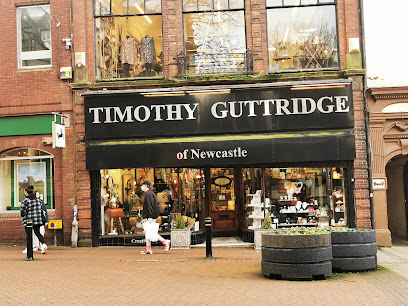
Nike Clearance Store
8.8 km
Discover discounted Nike gear and footwear at Talke Retail Park’s dedicated clearance store in Stoke-on-Trent.

Trentham Shopping Village
9.3 km
Explore over 77 charming timber lodges filled with unique shops, cafés, and restaurants in a friendly village atmosphere near Trentham Gardens.
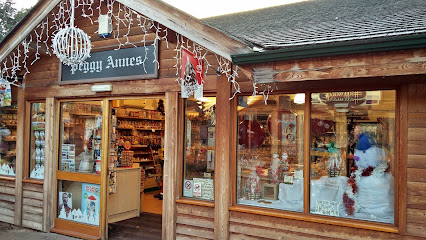
Goomoo
9.4 km
Discover unique, fair-trade gifts and curiosities at Goomoo, nestled in the scenic Trentham Shopping Village in Stoke-on-Trent.
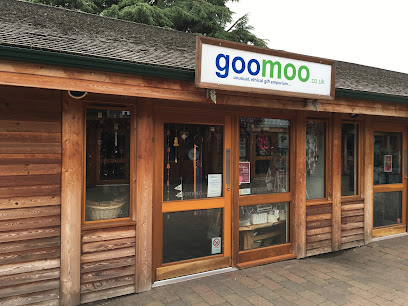
Gift Company
9.4 km
Discover unique gifts and homeware at Gift Company, a welcoming shop nestled in the scenic Trentham Estate, Stoke-on-Trent.
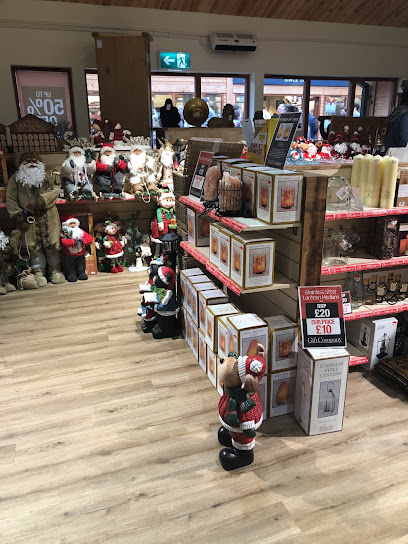
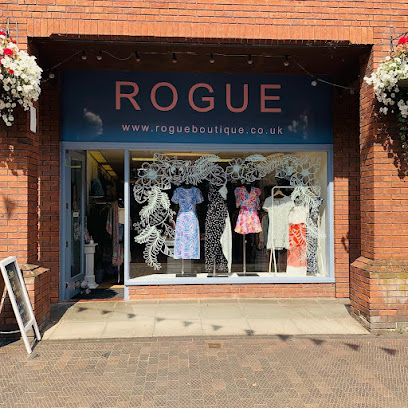
Rogue Boutique
15.3 km
Discover unique, quality women's fashion and accessories with personalised service in the heart of Stone at Rogue Boutique.
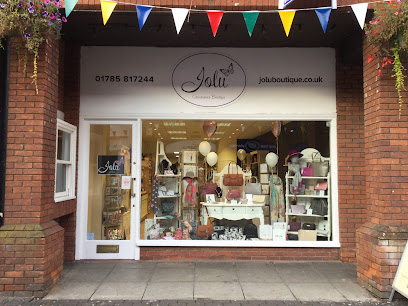
Jolu Accessories Boutique
15.3 km
Charming family-run boutique in Stone offering unique gifts, fashion accessories, and beautifully wrapped presents on the historic High Street.
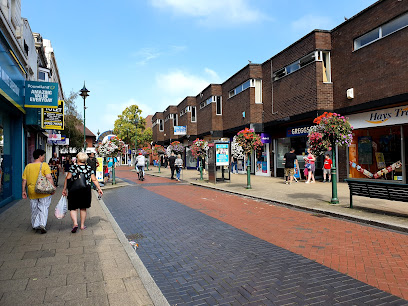
The Market Shopping Centre
21.1 km
Conveniently located in Crewe town centre, The Market Shopping Centre offers a practical and accessible retail experience for everyday shopping needs.
Crafts of Cheshire (Ltd)
23.1 km
Discover handmade gifts and holistic wellbeing products that inspire positivity through scent and colour in the heart of Crewe.

Browse-a-while Ltd. House & Estate Clearance, Auction House, Antiques Buyer, Stafford & UK
24.6 km
Trusted Stafford auction house offering expert antiques buying, estate clearance, and collectibles in a convenient industrial estate setting.
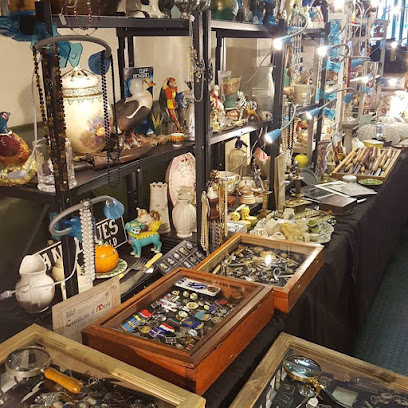
Walk The Line Vintage
25.4 km
Discover timeless style and unique vintage fashion treasures in the heart of Nantwich at Walk The Line Vintage.

Essential bars & hidden hideouts

No.41
1.1 km
A stylish pub in Milton, Stoke-on-Trent, known for its eclectic decor, craft ales, cocktails, and extensive gin selection.

Basement
3.0 km
Experience Stoke-on-Trent’s vibrant nightlife in the Basement, a cool underground bar and events venue in the heart of Hanley.

Sutherland Arms
5.4 km
A welcoming pub and cozy B&B in Stoke-on-Trent offering quality ales, lively events, and comfortable rooms with self-catering facilities.
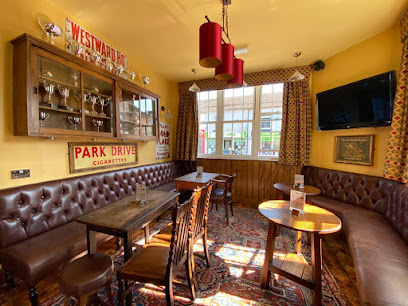
The Plume of Feathers- With Neil Morrissey
11.0 km
A friendly canalside pub in Barlaston offering fresh local food, Neil Morrissey’s ales, and a welcoming atmosphere for all ages and pets.
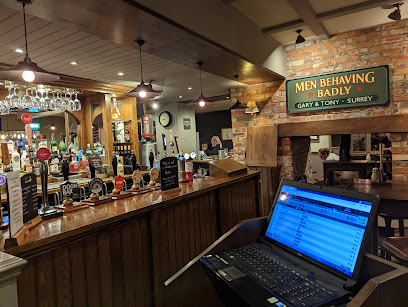
The Lazy Trout
14.4 km
Experience authentic English countryside charm with hearty meals and fine ales at The Lazy Trout in Meerbrook.
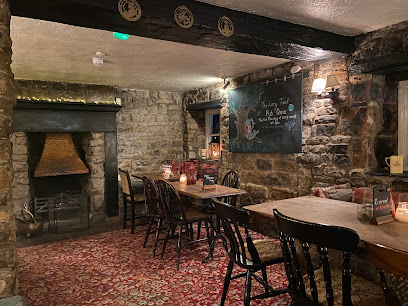
The Borehole
14.4 km
A cozy, quirky micro pub in Stone offering local craft beers, a warm log burner, and a famously dog-friendly welcome.
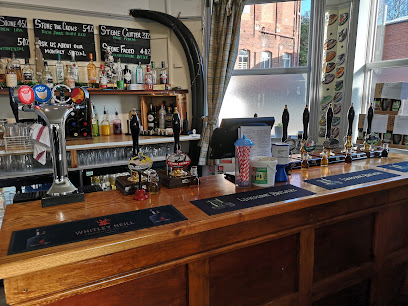
Fitzherbert Arms
14.6 km
Historic Staffordshire pub blending award-winning cuisine, rustic charm, and warm hospitality in the heart of Swynnerton village.
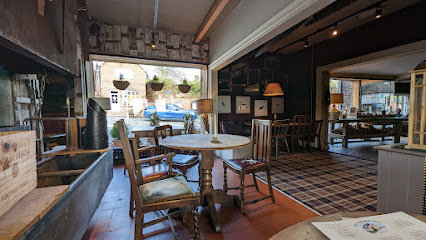
DV8 Bar & Lounge
14.6 km
A vibrant bar and lounge in Congleton offering excellent cocktails, hearty food, and a warm, lively atmosphere in a charming historic setting.
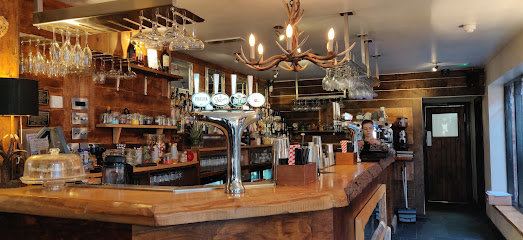
Swan Inn
15.4 km
A traditional canalside pub in Stone offering real ales, ciders, hearty food, and a welcoming atmosphere for locals and visitors alike.
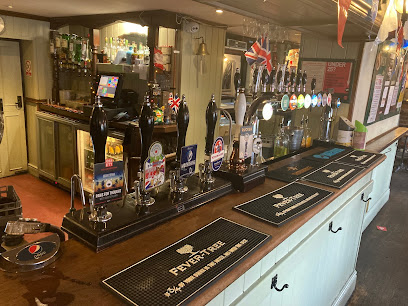
The Swan With Two Necks
16.8 km
A stylish gastropub in Blackbrook blending classic British flavours with modern comfort and scenic countryside charm.
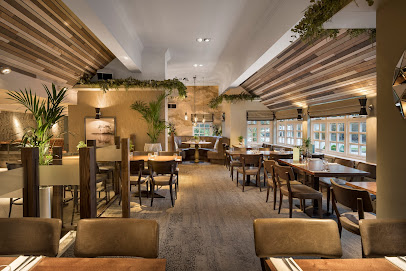
The Beer Emporium
18.9 km
Discover Sandbach’s craft beer gem with a vast selection of ales, a cozy atmosphere, and a welcoming community spirit.
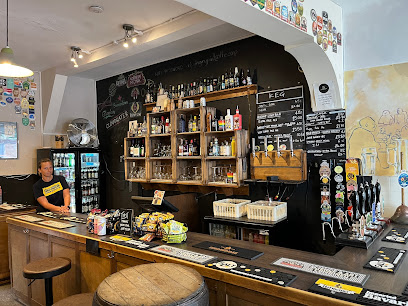
Dog & Doublet Inn
20.3 km
A charming Arts & Crafts pub and restaurant in Sandon offering warm hospitality, classic British cuisine, and cozy accommodations.

The Boars Head
20.7 km
A charming gastropub near Nantwich serving refined British cuisine in a cozy countryside setting with welcoming service and a lively beer garden.
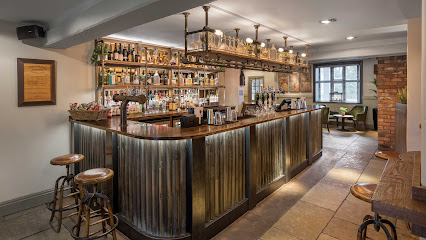
The Swettenham Arms
20.9 km
Traditional Cheshire country pub with scenic gardens, classic British fare, and a charming wedding venue in the heart of Swettenham village.
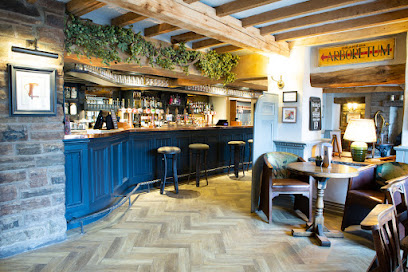
Saracens Head
23.1 km
A cozy, family-friendly pub and hotel in Weston offering freshly cooked classics, comfortable rooms, and a warm, rustic atmosphere.
Nightclubs & after hour spots

Pink Nightclub - Stoke on Trent
2.7 km
Experience the vibrant and friendly nightlife of Pink Nightclub, Hanley’s lively late-night venue with great drinks and a welcoming atmosphere.
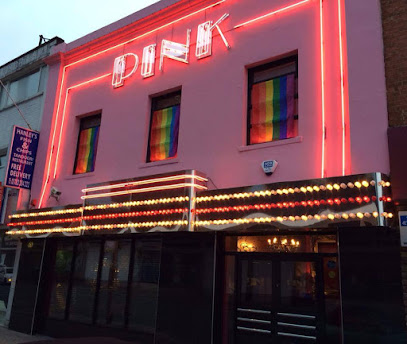
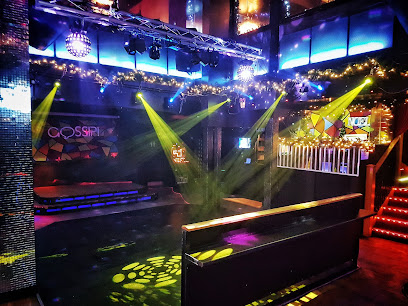
Gossip!
2.7 km
Stoke-on-Trent’s premier gay nightclub with vibrant bars, dance floor, and beer garden offering lively, inclusive nightlife in Hanley.
Reflex - Hanley
2.7 km
Energetic and inclusive nightclub in Hanley, offering classic 80s/90s tunes, affordable drinks, and a welcoming atmosphere for memorable nights out.

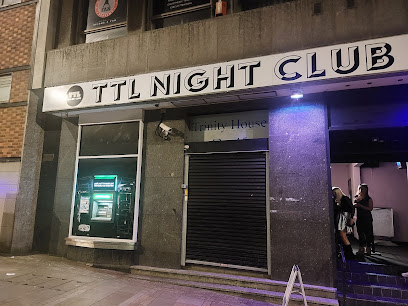
TTL Nightclub
2.8 km
Experience Stoke-on-Trent’s vibrant nightlife at TTL Nightclub, Hanley’s energetic hub for dance, music, and social nights.
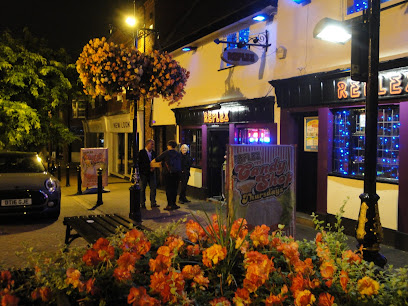
Reflex - Newcastle Under Lyme
6.4 km
Experience vibrant nightlife at Reflex, Newcastle Under Lyme’s central nightclub and lounge with lively music and social vibes.
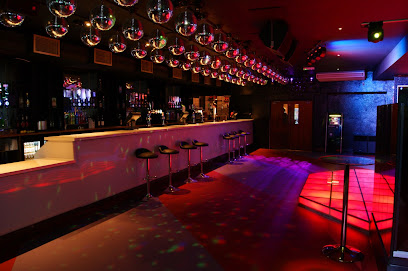
Base 95
10.8 km
Leek’s vibrant nightclub and bar at Market Place, Base 95 offers lively late-night entertainment for a diverse crowd every weekend.

3D Leek - Bar & Nightclub Experiences
10.8 km
Experience Leek’s vibrant nightlife at 3D Leek, where lively music, great drinks, and dynamic events create unforgettable evenings.
The Club
14.4 km
A lively nightclub and sports bar at Congleton’s heart, blending live music, casual vibes, and affordable fun.
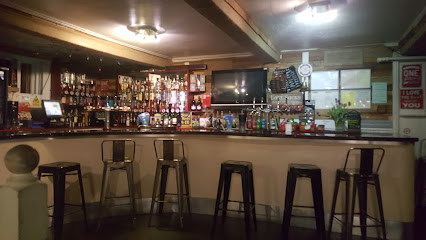
3D Congleton
14.5 km
A vibrant and affordable nightclub in Congleton’s town centre, perfect for late-night dancing and fun weekends.
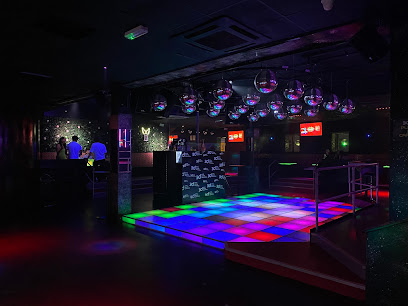
The Studio
25.6 km
Experience Nantwich’s energetic nightlife at The Studio, a vibrant club known for live DJs, dance music, and late-night fun in the town center.

Level 2
28.4 km
Buxton’s vibrant two-floor nightclub with diverse music, lively bars, and themed nights, perfect for an energetic night out.

Great Rocks Social Club
32.8 km
Discover the vibrant nightlife at Great Rocks Social Club, a welcoming hub in Peak Dale perfect for socializing and entertainment.
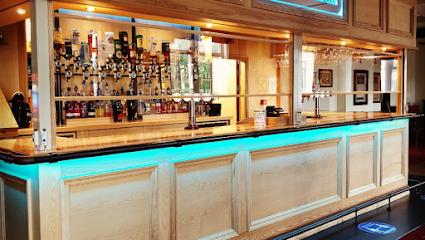
Mainstreet Nightclub
34.0 km
Experience Newport’s vibrant nightlife at Mainstreet Nightclub, where music, dancing, and a lively crowd create unforgettable late-night memories.
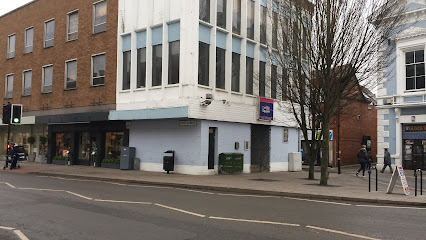
The Loft
40.7 km
A vibrant, intimate nightclub in Matlock offering lively music, friendly service, and a cozy atmosphere in the town center.

757 Night Club & Laluna events venue
45.4 km
A vibrant nightclub and events venue in Wellington, Telford, blending modern style with lively weekend entertainment.

For the vibe & atmosphere seeker
- Tranquil
- Scenic
- Unique
- Relaxing
For the design and aesthetic lover
- Rustic Designs
- Vintage Styles
For the architecture buff
- Historic
- Landmarks
For the view chaser and sunset hunter
- Iconic Views
- Panoramas
For the social media creator & influencer
- Instagrammable
- Photo Spots
- Selfie Spots
For the eco-conscious traveler
- Protected Area
- Public-Transport Accessible
- Locally Managed
For the kind of experience you’re after
- Cultural Heritage
- Myth & Legends
- Photowalk
- Day Trip
For how adventurous you want the journey to be
- Easy Access
Location Audience
- Family Friendly
- Senior Friendly
- Child Friendly
- Solo Friendly
- Couple Friendly


