
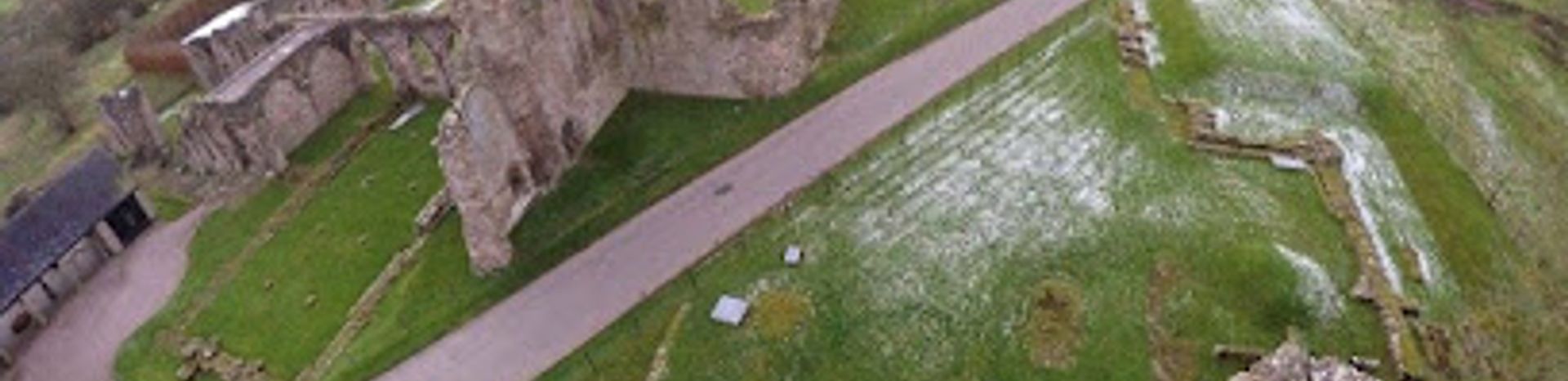
Croxden Abbey
Medieval Cistercian ruins revealing centuries of monastic life, prosperity, and spiritual devotion in rural Staffordshire.
Croxden Abbey stands as one of Staffordshire's most significant medieval ruins, a 12th-century Cistercian monastery that once housed 70 monks at its peak. Founded in 1176 by Bertram de Verdun, the abbey flourished through the 13th and 14th centuries as a centre of religious devotion and agricultural prosperity, becoming renowned for its wool trade across Europe. Today, managed by English Heritage, the atmospheric ruins reveal towering fragments of the 13th-century church, infirmary, and 14th-century abbot's lodging, set within peaceful countryside bisected by a country lane. Free to enter with informative panels throughout, the site offers visitors a contemplative journey through medieval monastic life.
A brief summary to Croxden Abbey
- Croxden Abbey, Croxden, Croxden, ST14 5JF, GB
- +443703331181
- Visit website
- Duration: 1 to 2.5 hours
- Free
-
 Outdoor
- Mobile reception: 3 out of 5
Local tips
- Arrive early to secure parking in the limited layby at the site entrance. The grassy terrain can be uneven and muddy after rain, so wear appropriate footwear.
- Allow at least 1.5 to 2 hours to explore both sections of the abbey divided by Croxden Lane, reading the information panels that explain the layout and history.
- Bring water and snacks, as there are no on-site facilities. The Raddle Inn in nearby Croxden village offers refreshments and is within walking distance.
- Visit during clear weather for the best photography and to fully appreciate the atmospheric ruins and surrounding countryside views.
- Combine your visit with nearby Boscobel House and White Ladies Priory, both associated with King Charles II's escape after the Battle of Worcester in 1651.

For the on-the-go comforts that matter to you
- Information Boards
- Trash Bins
Getting There
-
By Car
From Uttoxeter town centre, travel approximately 8 kilometres north-west via the A50 and local roads toward Croxden village. Follow signs for Croxden Abbey and access via Croxden Lane. Journey time is approximately 15–20 minutes. Very limited parking is available in a small layby at the site entrance; avoid parking on grass verges or blocking access for local residents. The site is approximately 25 kilometres south-west of Stoke-on-Trent and 40 kilometres north of Birmingham.
-
By Bus
Local bus services operate from Uttoxeter town centre to villages near Croxden, though services are infrequent and schedules vary seasonally. Journey times typically range from 30–45 minutes depending on route and connections. Check with local transport providers for current timetables, as rural services may operate only a few times daily. From the nearest bus stop, a 15–25 minute walk on country roads leads to the abbey.
-
On Foot
Croxden Abbey is accessible via country footpaths from surrounding villages. The walk from Croxden village itself takes approximately 20–30 minutes on quiet lanes and footpaths. Terrain is generally level but can be muddy after rain. Walking from the Raddle Inn in Croxden village is a popular approach, offering countryside views and the option to combine the visit with refreshments.
-
Cycling
The site is accessible by bicycle via quiet country lanes from Croxden village and surrounding areas. Cycling time from Uttoxeter is approximately 25–35 minutes. Terrain is generally suitable for hybrid or mountain bikes. No dedicated cycle parking is provided, but bicycles can be secured near the site entrance.
Croxden Abbey location weather suitability
-
 Any Weather
-
 Clear Skies
-
 Mild Temperatures
Discover more about Croxden Abbey
A Cistercian Foundation in Medieval Staffordshire
Croxden Abbey was founded in 1176 when Bertram de Verdun, Lord of Alton and a prominent royal justice, granted land at Cotton to Cistercian monks from Aunay-sur-Odon in Normandy. This act of piety followed the medieval custom of noblemen establishing religious houses to secure prayers for their family's souls. Bertram brought twelve monks from the Norman mother house to settle the new foundation, establishing Croxden as the oldest of Staffordshire's Cistercian communities. The abbey was modelled on its parent church in Normandy and designed to be more elaborate than typical monastic structures of the period, reflecting Bertram's ambitions and resources.Prosperity and Wool Trade Dominance
By the 13th century, Croxden Abbey had transformed into a powerhouse of medieval commerce and spirituality. The monastery expanded its landholdings across Staffordshire, Leicestershire, and Derbyshire, accumulating substantial wealth through agricultural production and, most notably, wool trading. In the mid-14th century, Croxden became the leading supplier of wool to European markets, conducting transactions with Florentine merchants well into the 1420s. This extraordinary commercial success was reflected in material investments, including Abbot William of Over's purchase of a prestigious house in London for £20. At its zenith, the abbey housed more than 70 monks, whose daily lives centred on the magnificent church—a 240-foot structure featuring an imposing western front, radiating chapels, and tombs of abbots and patrons.Trials and Decline Through Medieval Turbulence
The abbey's later centuries were marked by mounting pressures from disease, conflict, and royal demands. In 1349, plague swept through the community, recorded in the abbey's chronicle simply as "a great pestilence throughout the whole world." Political tensions with neighbouring Alton Castle created additional strain, forcing monks to barricade themselves within the abbey for sixteen weeks in 1319. The Crown's military campaigns, particularly the Scottish Wars of Independence, imposed financial obligations on the monastery's landholdings. Severe weather compounded these difficulties; one catastrophic storm stripped roofs from all abbey buildings just two days before Christmas. By 1381, the abbot oversaw only six monks, a dramatic collapse from the community's former glory. Economic decline was evident in the 1535 valuation, which assessed the abbey's annual income at less than £200.Dissolution and Transformation
Croxden Abbey narrowly escaped the initial wave of Henry VIII's monastic dissolutions in 1536. The abbot paid a £100 fine to secure a licence to continue operations for two additional years. However, in August 1538, Archbishop Cranmer requested a commission be sent to Croxden, and on 17 September, Dr Thomas Leay and William Cavendish received the surrender of the abbey from the abbot and twelve remaining monks. Following suppression, the site was leased and subsequently sold, eventually being converted into a working farm. The transformation from sacred community to agricultural enterprise marked the end of nearly four centuries of monastic life.Architectural Legacy and Physical Remains
Today's ruins reveal the abbey's former architectural ambition and scale. The most impressive surviving features are towering fragments of the 13th-century church, which dominated the monastic complex. The infirmary, where elderly and ill monks received care, remains partially visible, as does the 14th-century abbot's lodging—a testament to the senior clergy's elevated status. The site encompasses the remains of dormitories, chapter house, sacristy, kitchen, and treasury, each structure telling of the abbey's complex operations. Empty stone tombs of abbots and patrons lie exposed to the elements, creating an unusually poignant and morbid atmosphere that speaks to the passage of centuries. Information panels throughout the site guide visitors through the architectural layout and explain the function of each surviving structure.A Contemplative Retreat in Rural Staffordshire
Croxden Abbey occupies a grassy area bisected by Croxden Lane, creating a peaceful rural setting that has changed little since medieval times. The site's atmospheric quality derives from its isolation, uneven terrain, and the interplay of surviving stonework with open countryside. Visitors wander freely among the ruins, reading interpretive panels that illuminate the abbey's history and the daily rhythms of monastic life. The absence of modern facilities preserves the contemplative character of the place, inviting reflection on the monks' devotion, the abbey's commercial success, and the profound transformations wrought by the Reformation. The ruins stand as a tangible connection to a vanished world of religious community, agricultural innovation, and medieval piety.Iconic landmarks you can’t miss

Lud's Church
27.1 km
Discover Lud's Church, a stunning natural chasm in the Peak District, perfect for hiking and immersing in nature's beauty.
National Trust - Mow Cop Castle
27.2 km
Discover the enchanting Mow Cop Castle, a stunning historical site with breathtaking views and rich heritage in the beautiful Cheshire countryside.
Black Rocks
27.6 km
Explore Black Rocks, a breathtaking historical landmark in Cromford, Wirksworth, perfect for hiking and captivating views of the Derbyshire countryside.
Derby Ghost Walk and Jail
28.2 km
Explore Derby's haunted history with the Derby Ghost Walk and Jail, where chilling tales and historical intrigue collide.
Rowtor Rocks
28.2 km
Discover breathtaking views and adventurous trails at Rowtor Rocks, a stunning natural wonder in the Peak District National Park.
Pickford's House
28.2 km
Explore the stunning architecture and rich history of Pickford's House Museum, a Georgian gem in the heart of Derby, perfect for history enthusiasts.
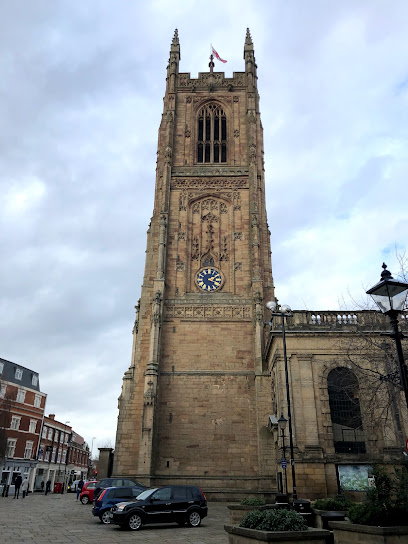
Derby Cathedral
28.8 km
Discover Derby Cathedral’s historic charm, panoramic views, and vibrant cultural life in the heart of Derby city centre.
Cromford Mills
28.9 km
Explore the historical marvel of Cromford Mills, a UNESCO World Heritage site showcasing the legacy of the Industrial Revolution in a picturesque setting.
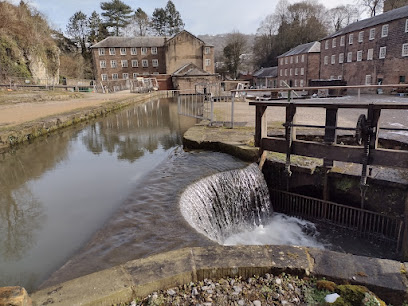
The Derby Ram Statue
29.0 km
Discover Derby’s iconic ram statue, a vibrant symbol of local legend, heritage, and community pride in the heart of the city.
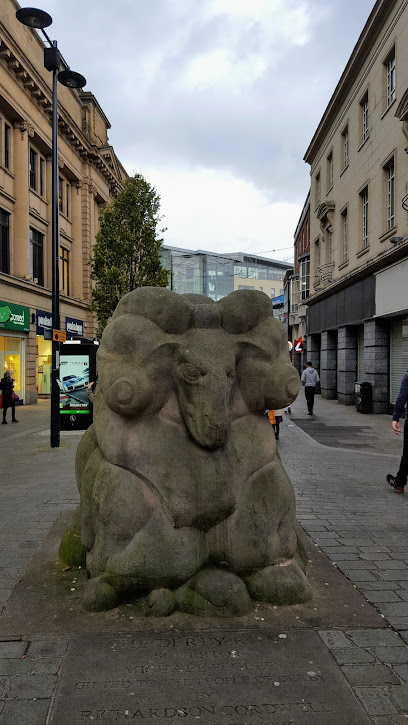
Peak District Mining Museum
29.3 km
Explore the rich mining heritage of the Peak District at the Peak District Mining Museum, an engaging destination for all ages.
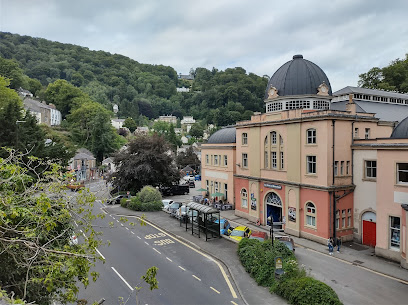
Stanton Moor
29.4 km
Explore the stunning landscapes and rich history of Stanton Moor, a perfect destination for nature lovers and adventure seekers alike.
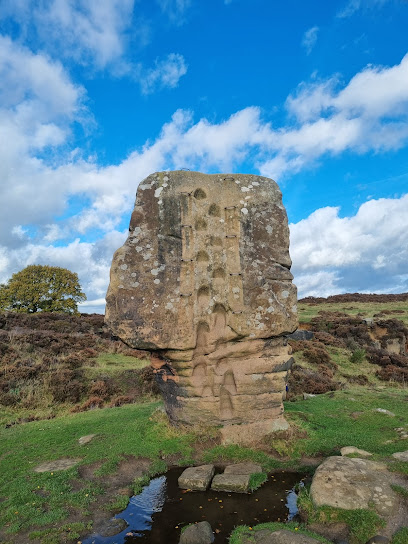
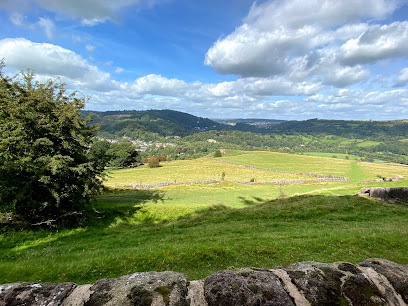
High Peak Junction
29.6 km
Explore High Peak Junction, a delightful blend of natural beauty and rich industrial heritage in the heart of the Peak District.
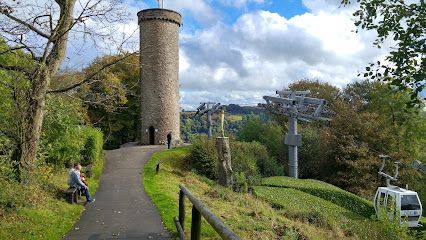
Heights of Abraham
29.9 km
Discover the breathtaking Heights of Abraham, a mountain cable car attraction in the Peak District offering stunning views, engaging history, and delightful outdoor experiences.
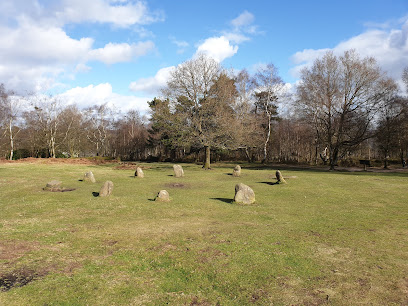
Nine Ladies Stone Circle
30.0 km
Explore the mystical Bronze Age Nine Ladies Stone Circle nestled in the scenic moorlands of Derbyshire’s Peak District.
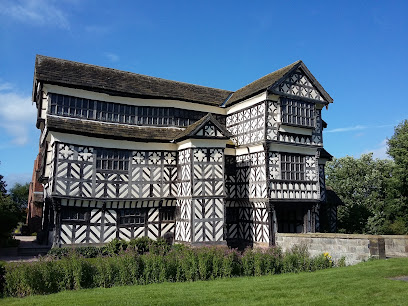
National Trust - Little Moreton Hall
30.1 km
Experience the enchanting beauty and rich history of Little Moreton Hall, a stunning Tudor manor house and heritage gem in Congleton.
Unmissable attractions to see

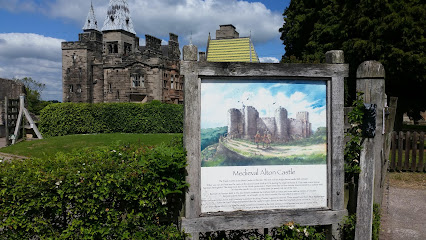
Catholic Youth Retreat Centre - Alton Castle
2.9 km
A majestic Gothic Revival castle blending medieval heritage, spiritual sanctuary, and scenic views above the Churnet Valley.
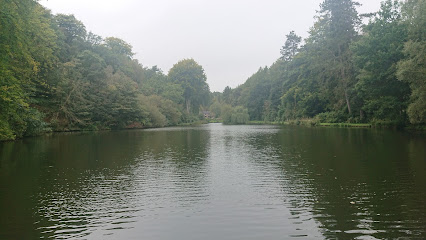
Dimmingsdale Valley & Furnace Forest Walks- Forestry England
3.5 km
Discover tranquil woodland trails and scenic streams in Staffordshire’s Dimmingsdale Valley, a nature lover’s haven with diverse walks and rich wildlife.
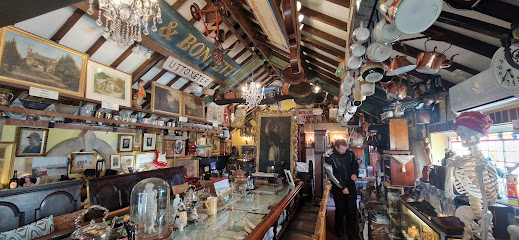
Beamhurst Museum
3.6 km
Discover a charming private museum in Beamhurst featuring rare antiques and curiosities, open select weekends near Uttoxeter.
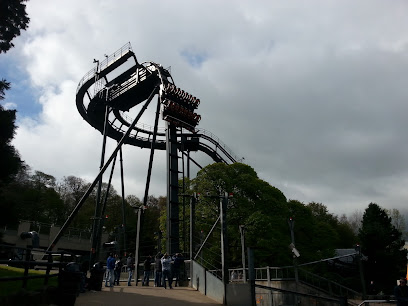
Oblivion
3.6 km
Experience the world’s first dive coaster with Oblivion’s heart-stopping vertical drop and smooth thrills at Alton Towers.
Alton Towers
3.7 km
Experience the thrill and magic of Alton Towers, the UK’s ultimate theme park destination blending adrenaline rides with enchanting landscapes.
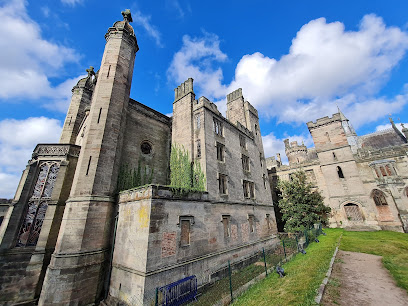
Alton Towers Waterpark
3.9 km
Splash into year-round aquatic thrills with water coasters, slides, and lazy rivers at Alton Towers Waterpark.
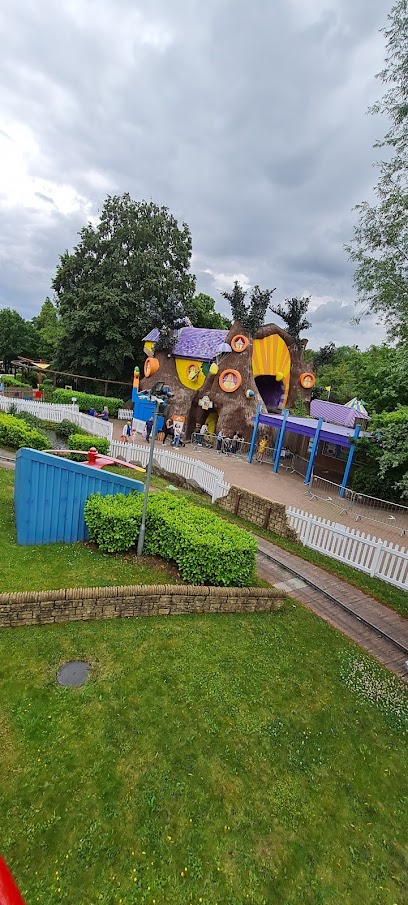
Sharkbait Reef
4.1 km
Explore the enchanting underwater world of Sharkbait Reef, a pirate-themed aquarium featuring sharks, rays, and interactive marine experiences at Alton Towers.
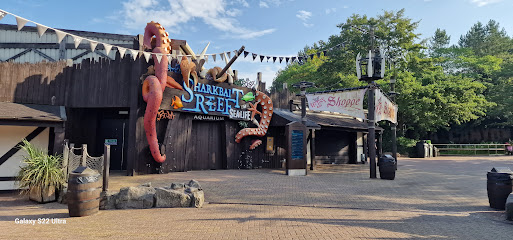
National Trust - The Old Manor
6.6 km
Discover the medieval charm and tranquil gardens of The Old Manor, a historic stone hall nestled in Derbyshire’s scenic countryside.
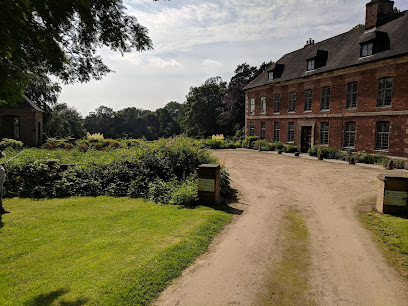
Churnet Valley Railway (Kingsley and Froghall Station)
8.5 km
Step aboard vintage trains through the scenic Staffordshire Moorlands for a charming heritage railway adventure at Kingsley and Froghall Station.
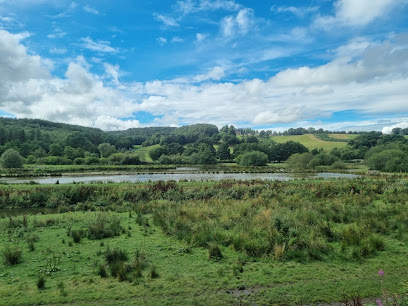
Foxfield Steam Railway
11.0 km
Experience authentic steam train journeys and rich industrial heritage at Foxfield Steam Railway in Staffordshire’s scenic countryside.
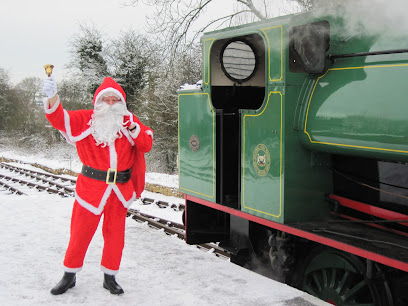
Foxfield Miniature Railway
11.1 km
Experience the charm of steam-powered miniature trains through scenic Staffordshire countryside at Foxfield Miniature Railway.
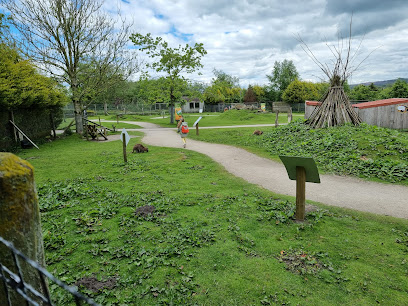
Peak Wildlife Park
11.9 km
Discover exotic wildlife and immersive animal encounters on the edge of the Staffordshire Peak District.
National Trust - Ilam Park
13.0 km
Explore the tranquil beauty and historic charm of Ilam Park, a National Trust gem in the Peak District with stunning views and woodland walks.
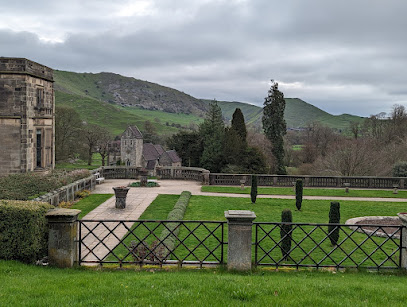
Amerton Farm & Billy's Farm Barn
13.9 km
A lively family farm in Staffordshire with animal encounters, play areas, tractor rides, and local crafts for a memorable countryside day out.
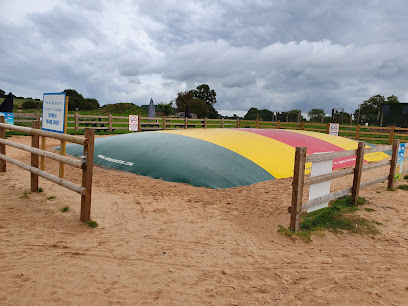
Stepping Stones, River Dove
14.5 km
Iconic limestone stepping stones crossing the River Dove in a stunning Peak District valley, blending natural beauty with rich history and adventure.
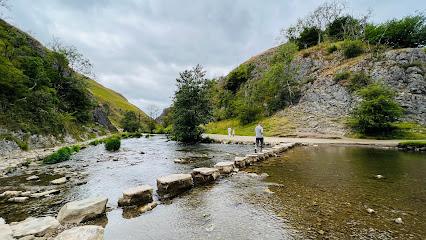
Essential places to dine

The Ship Inn
5.9 km
A cozy British pub in Tean offering hearty traditional dishes, friendly service, and excellent value in a warm, inviting atmosphere.
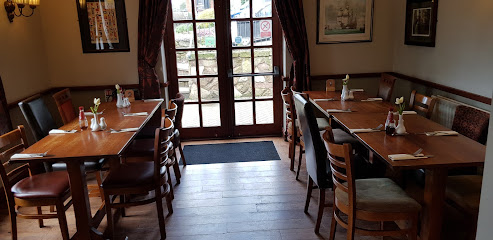
La Villa Verde
8.1 km
Experience authentic Italian flavors and warm hospitality at La Villa Verde, Stoke-on-Trent’s beloved Italian restaurant.
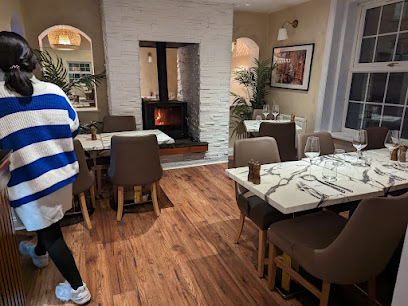
The Lighthouse Restaurant
11.9 km
An intimate fine dining gem in Derbyshire offering inventive seasonal British cuisine with impeccable service and a cozy countryside setting.
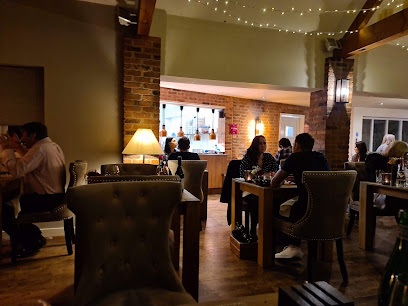
The Spotgate Inn
12.4 km
Dine in authentic vintage Pullman carriages at The Spotgate Inn, where historic charm meets hearty British pub fare in Stone.
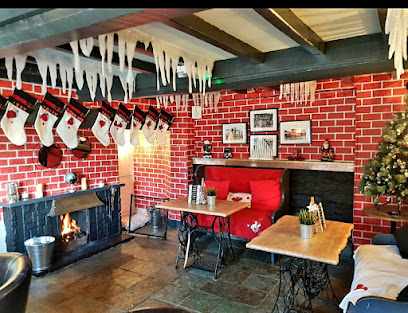
The Oak House Restaurant and Balcony Bar (located at Moddershall Oaks)
13.3 km
Lakeside dining with fresh local flavors and scenic views at Moddershall Oaks’ elegant Oak House Restaurant and Balcony Bar.
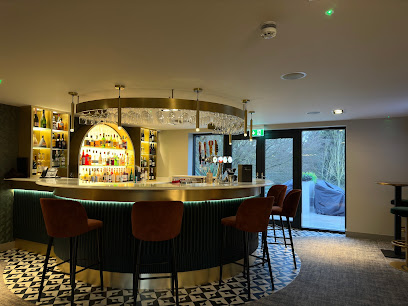
Lamplight Restaurant Ltd
13.4 km
Discover innovative Anglo-French cuisine in a cozy, family-run setting at Ashbourne’s charming Lamplight Restaurant.
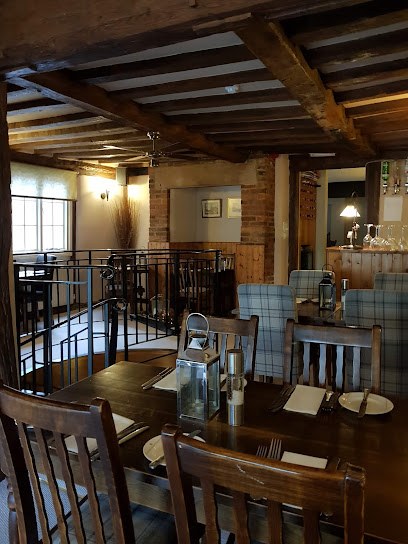
Little Seeds Restaurant
17.3 km
Intimate seasonal dining in Stone celebrating local British produce, sustainability, and a flourishing kitchen garden.
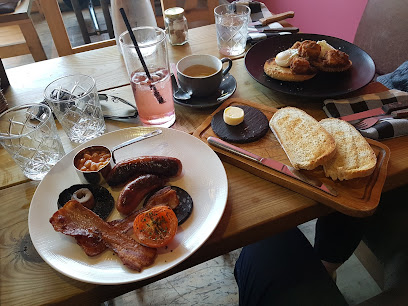
The Stafford Arms
17.7 km
Historic 16th-century gastropub in Bagnall blending rustic charm with modern dining excellence and warm hospitality.
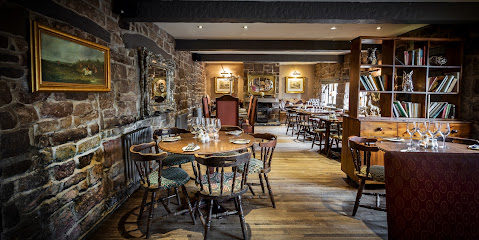
Lunar
17.8 km
Modern British dining inspired by the Lunar Society, set within the iconic World of Wedgwood estate in Staffordshire.
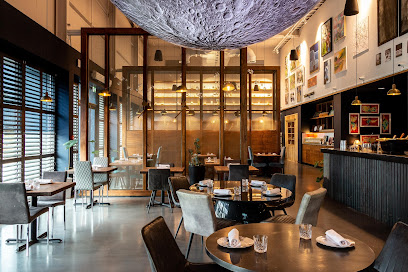
The Wayfarer
18.2 km
A contemporary gastropub in Stone blending British classics with international flair in a cozy, stylish setting.
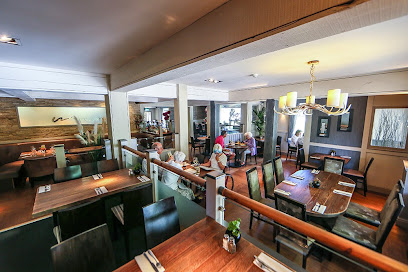
Clifford Arms
18.3 km
A traditional Staffordshire pub offering hearty meals, real ales, and a warm, welcoming atmosphere in the heart of Great Haywood.
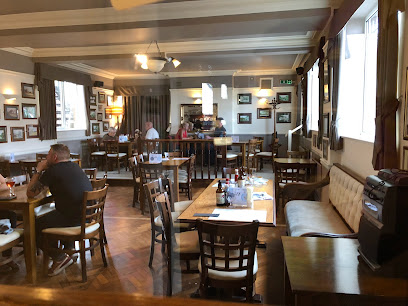
The Tasting Club Restaurant
19.1 km
An intimate tasting menu experience blending rustic charm and refined flavors in Ashbourne’s historic Buttermilk Coffee House.
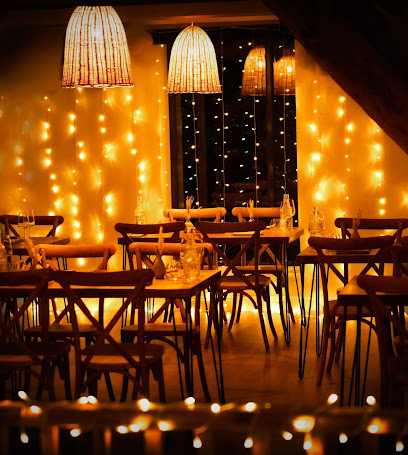
The Potters Club
19.5 km
Historic elegance meets refined British cuisine in Stoke-on-Trent’s distinguished Potters Club.
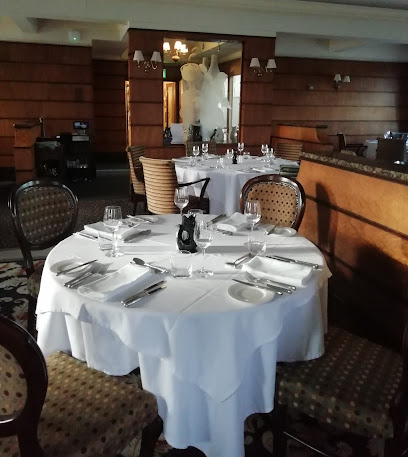
the QUARTER at Potbank
19.6 km
A dynamic restaurant and event venue blending Stoke-on-Trent’s heritage with vibrant dining and unique indoor-outdoor spaces.
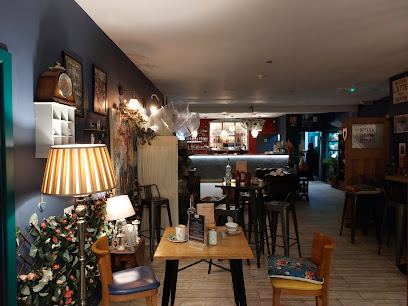
The Manifold Inn
20.0 km
Charming 3-star inn and restaurant in Hulme End, perfect for exploring the scenic Peak District and Manifold Valley trails.

Markets, malls and hidden boutiques

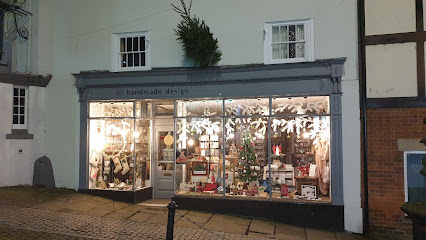
Handmade Design
13.4 km
Discover unique, sustainable handmade gifts from UK artisans in the charming heart of Ashbourne’s Market Place.
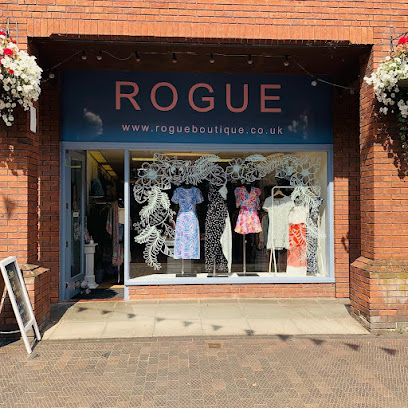
Rogue Boutique
17.2 km
Discover unique, quality women's fashion and accessories with personalised service in the heart of Stone at Rogue Boutique.
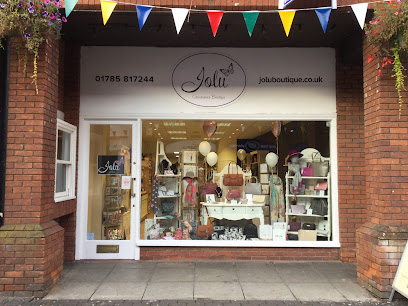
Jolu Accessories Boutique
17.2 km
Charming family-run boutique in Stone offering unique gifts, fashion accessories, and beautifully wrapped presents on the historic High Street.
Hippie at Heart
19.6 km
Discover vibrant fair trade fashion and unique bohemian styles at Hippie at Heart, Stoke-on-Trent’s ethical clothing boutique.
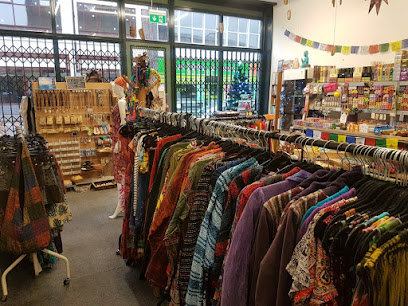
Gift Company
19.6 km
Discover unique gifts and homeware at Gift Company, a welcoming shop nestled in the scenic Trentham Estate, Stoke-on-Trent.
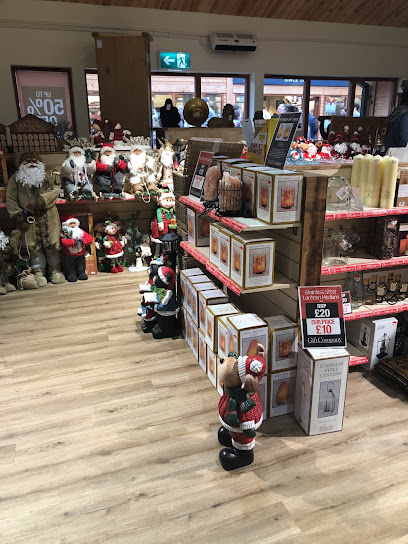
Goomoo
19.7 km
Discover unique, fair-trade gifts and curiosities at Goomoo, nestled in the scenic Trentham Shopping Village in Stoke-on-Trent.
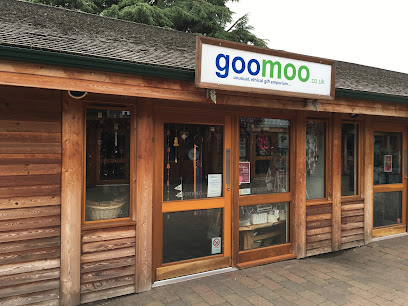
Trentham Shopping Village
19.7 km
Explore over 77 charming timber lodges filled with unique shops, cafés, and restaurants in a friendly village atmosphere near Trentham Gardens.
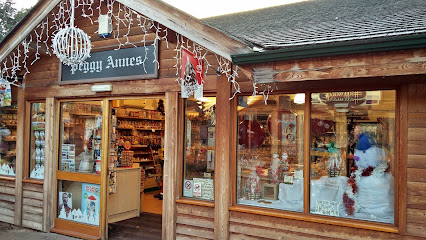
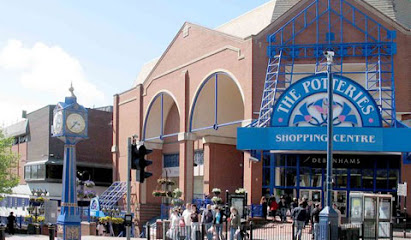
The Potteries Centre
19.9 km
Staffordshire’s largest shopping and leisure destination with over 50 stores, dining, cinema, and community events all under one roof.
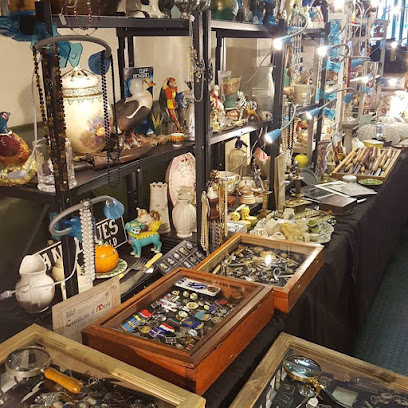
Browse-a-while Ltd. House & Estate Clearance, Auction House, Antiques Buyer, Stafford & UK
20.6 km
Trusted Stafford auction house offering expert antiques buying, estate clearance, and collectibles in a convenient industrial estate setting.
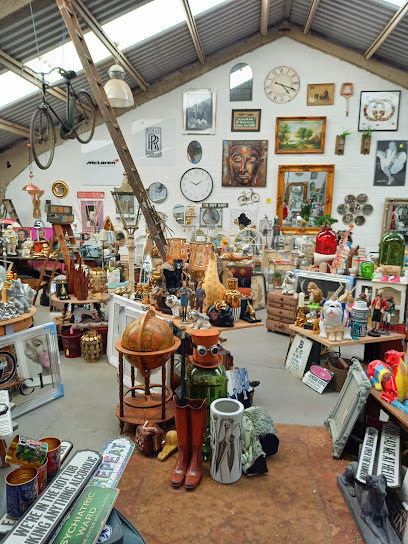
Festival Heights Retail Park
21.0 km
A modern, accessible retail park in Stoke-on-Trent offering diverse shopping options and convenient amenities for a seamless shopping experience.

Sign of the Times Antiques ltd
21.2 km
Discover quirky antiques and vintage treasures at Sign of the Times Antiques Ltd, a unique shop in Stoke-on-Trent’s historic Burslem district.
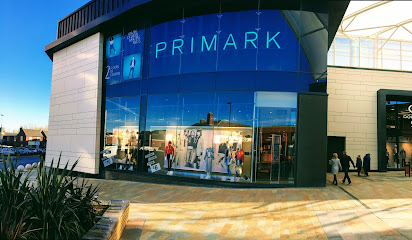
Primark
21.7 km
Discover trendy, affordable fashion and home goods at Primark Stafford, your go-to riverside shopping destination in the heart of Stafford.
Guildhall Shopping Centre
21.8 km
A vibrant shopping and dining hub in the heart of Stafford, blending modern convenience with a welcoming community atmosphere.
Peccadillos
21.8 km
Discover unique, high-quality gifts at Peccadillos, Stafford’s beloved boutique blending tradition, craftsmanship, and personal service.
Brewery Street Shopping Centre
21.8 km
A welcoming and convenient shopping hub in Rugeley offering diverse stores and easy parking in a clean, respectable environment.
Essential bars & hidden hideouts

Dog & Doublet Inn
15.6 km
A charming Arts & Crafts pub and restaurant in Sandon offering warm hospitality, classic British cuisine, and cozy accommodations.
Saracens Head
15.7 km
A cozy, family-friendly pub and hotel in Weston offering freshly cooked classics, comfortable rooms, and a warm, rustic atmosphere.
Swan Inn
17.3 km
A traditional canalside pub in Stone offering real ales, ciders, hearty food, and a welcoming atmosphere for locals and visitors alike.
The Borehole
17.5 km
A cozy, quirky micro pub in Stone offering local craft beers, a warm log burner, and a famously dog-friendly welcome.
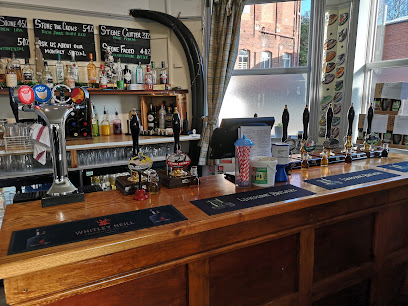
The Plume of Feathers- With Neil Morrissey
17.8 km
A friendly canalside pub in Barlaston offering fresh local food, Neil Morrissey’s ales, and a welcoming atmosphere for all ages and pets.
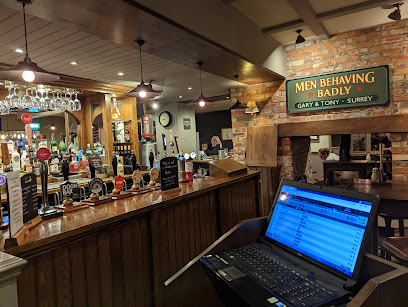
No.41
19.1 km
A stylish pub in Milton, Stoke-on-Trent, known for its eclectic decor, craft ales, cocktails, and extensive gin selection.
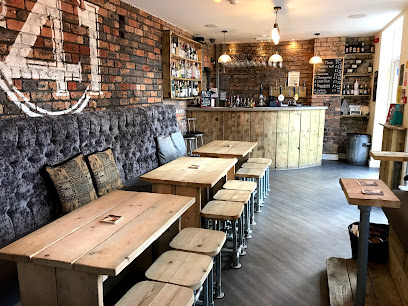
Sutherland Arms
19.7 km
A welcoming pub and cozy B&B in Stoke-on-Trent offering quality ales, lively events, and comfortable rooms with self-catering facilities.
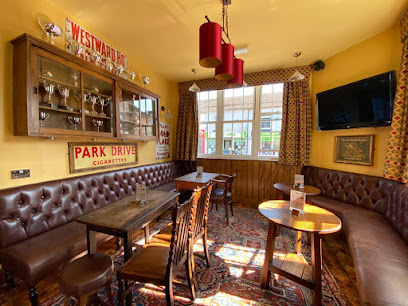
Basement
19.9 km
Experience Stoke-on-Trent’s vibrant nightlife in the Basement, a cool underground bar and events venue in the heart of Hanley.
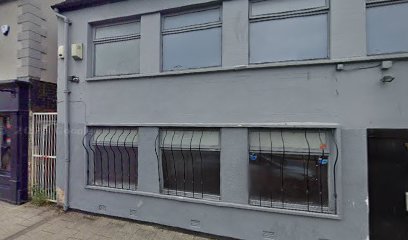
Staffordshire Bull
20.2 km
A friendly Stafford pub blending local heritage with a welcoming atmosphere and moderate prices for all to enjoy.
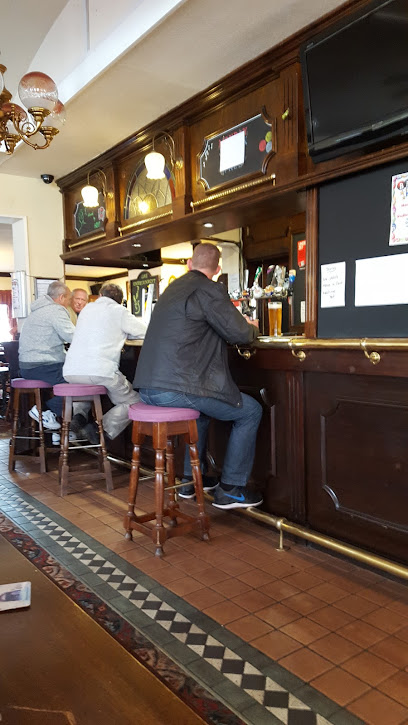
The Kings Arms
20.9 km
A friendly, traditional Stafford pub offering quality ales, hearty food, and cozy rooms in a welcoming local setting.

The Butler's Bell By Davenports
21.7 km
A lively gastropub in Stafford serving hearty classics, award-winning ales, and all-day breakfast in a welcoming, accessible setting.
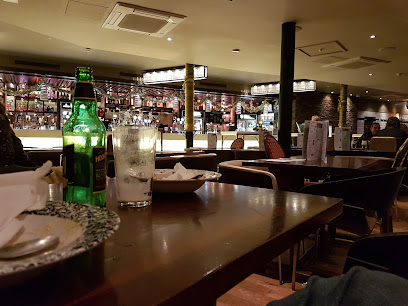
The Ye Olde Rose & Crown
21.7 km
A beloved Stafford pub known for local Joules ales, lively music nights, and a warm, authentic British atmosphere.
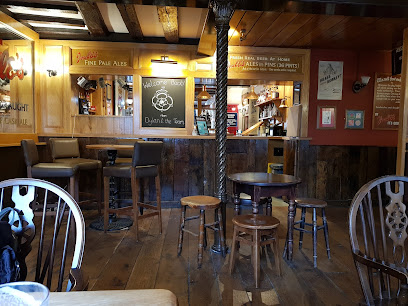
Fitzherbert Arms
21.7 km
Historic Staffordshire pub blending award-winning cuisine, rustic charm, and warm hospitality in the heart of Swynnerton village.
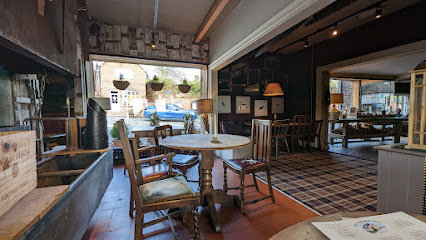
The Empourium
21.7 km
A quirky, fun-filled bar in Stafford’s town center, offering great value drinks and a playful social atmosphere in a unique setting.
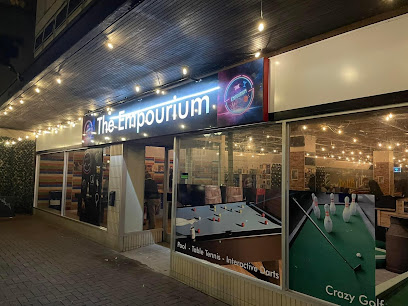
Hogarths
21.7 km
Experience Stafford’s vibrant Edwardian-themed Hogarths Gin Bar with its vast gin selection, live entertainment, and cozy social spaces.
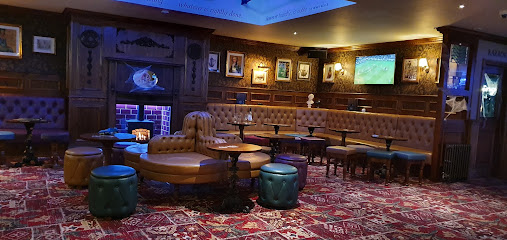
Nightclubs & after hour spots

3D Leek - Bar & Nightclub Experiences
18.7 km
Experience Leek’s vibrant nightlife at 3D Leek, where lively music, great drinks, and dynamic events create unforgettable evenings.
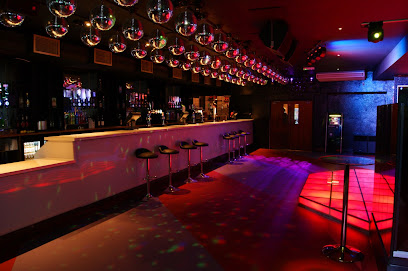
Base 95
18.7 km
Leek’s vibrant nightclub and bar at Market Place, Base 95 offers lively late-night entertainment for a diverse crowd every weekend.
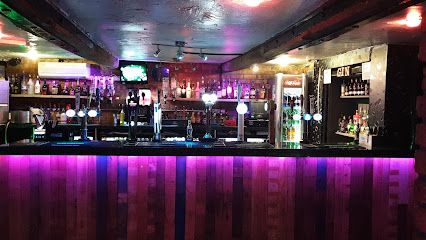
Reflex - Hanley
19.9 km
Energetic and inclusive nightclub in Hanley, offering classic 80s/90s tunes, affordable drinks, and a welcoming atmosphere for memorable nights out.
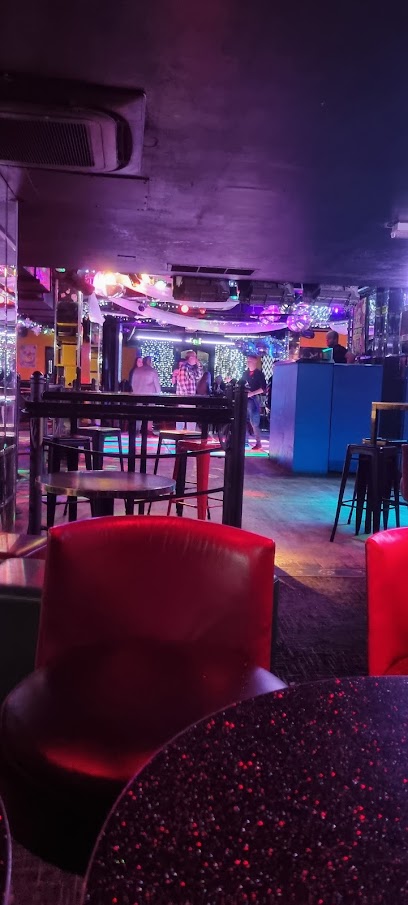
TTL Nightclub
19.9 km
Experience Stoke-on-Trent’s vibrant nightlife at TTL Nightclub, Hanley’s energetic hub for dance, music, and social nights.
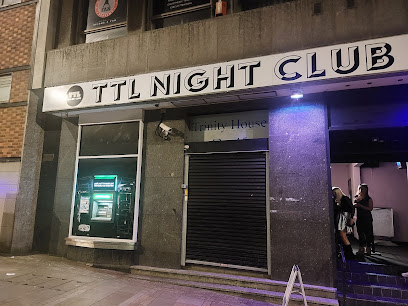
Pink Nightclub - Stoke on Trent
19.9 km
Experience the vibrant and friendly nightlife of Pink Nightclub, Hanley’s lively late-night venue with great drinks and a welcoming atmosphere.
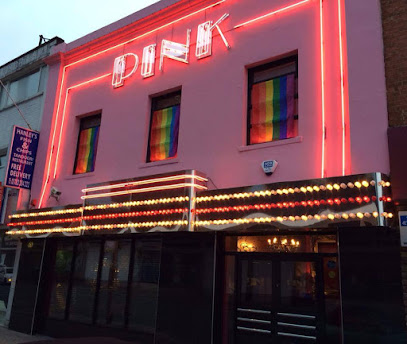
Gossip!
20.0 km
Stoke-on-Trent’s premier gay nightclub with vibrant bars, dance floor, and beer garden offering lively, inclusive nightlife in Hanley.
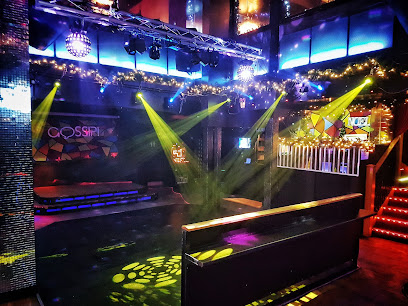
Reflex - Newcastle Under Lyme
22.5 km
Experience vibrant nightlife at Reflex, Newcastle Under Lyme’s central nightclub and lounge with lively music and social vibes.
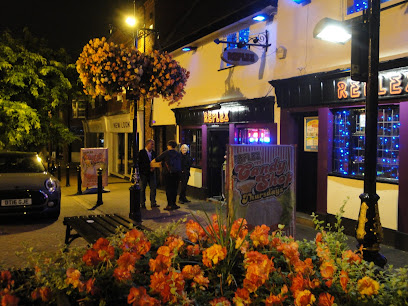
Mosh
28.5 km
Three floors of diverse music and affordable drinks make Mosh a lively, student-friendly nightclub in Derby’s city center.
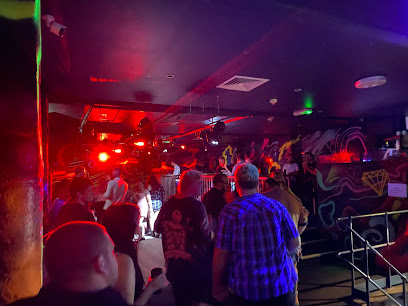
Together
28.7 km
Vibrant Afrobeat nightclub and cocktail bar in Derby’s city centre with affordable drinks and lively events.
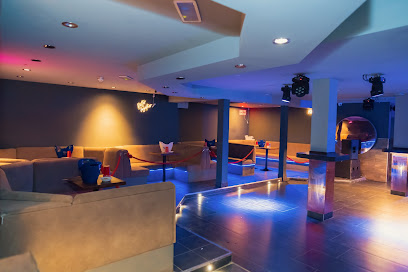
Bar Fever Derby
28.7 km
Experience Derby’s vibrant nightlife at Fever Derby, a dynamic three-floor nightclub with diverse music, lively bars, and exclusive VIP areas.
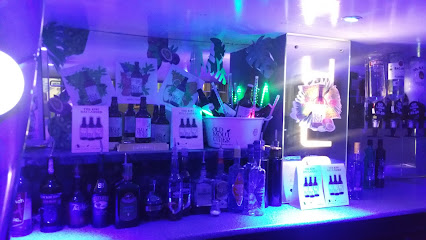
MooMoo Nightclub Derby
28.8 km
Experience Derby’s vibrant nightlife with diverse music rooms, premium booths, and affordable drinks at MooMoo Nightclub on St James's Street.
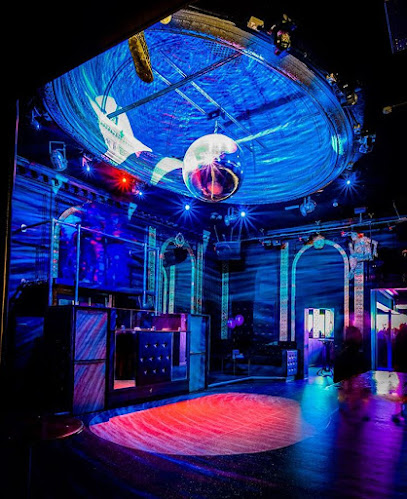
The Club
30.9 km
A lively nightclub and sports bar at Congleton’s heart, blending live music, casual vibes, and affordable fun.
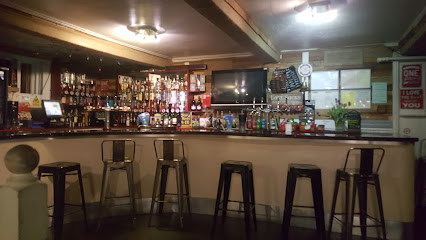
The Attic Adult Club
30.9 km
An intimate adult nightclub in Derby offering lively entertainment, friendly staff, and affordable fun in a welcoming atmosphere.
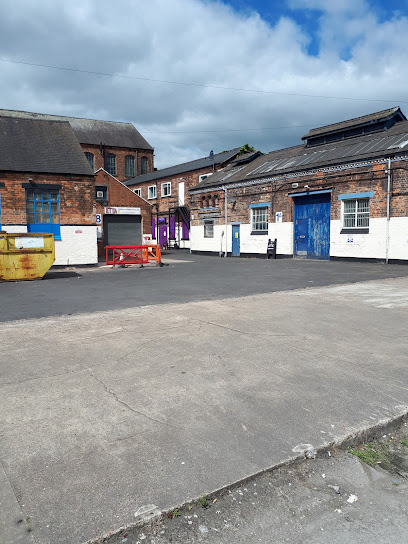
3D Congleton
30.9 km
A vibrant and affordable nightclub in Congleton’s town centre, perfect for late-night dancing and fun weekends.
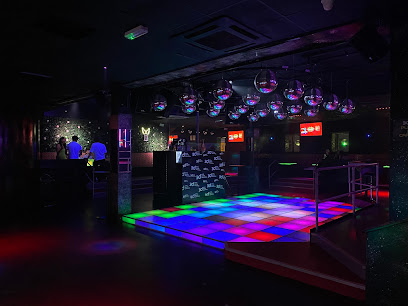
The Loft
31.0 km
A vibrant, intimate nightclub in Matlock offering lively music, friendly service, and a cozy atmosphere in the town center.
For the vibe & atmosphere seeker
- Tranquil
- Scenic
- Unique
- Adventurous
For the design and aesthetic lover
- Rustic Designs
- Vintage Styles
For the architecture buff
- Historic
- Landmarks
- Sacred Sites
- Heritage Neighborhoods
For the view chaser and sunset hunter
- Panoramas
- Iconic Views
For the social media creator & influencer
- Instagrammable
- Photo Spots
- Architectural Shots
For the eco-conscious traveler
- Protected Area
- Leave-No-Trace Critical
- Locally Managed
For the kind of experience you’re after
- Cultural Heritage
- Myth & Legends
- Photowalk
- Day Trip
- Nature Escape
For how adventurous you want the journey to be
- Easy Access
- Requires Hike
Location Audience
- Family Friendly
- Senior Friendly
- Solo Friendly
- Couple Friendly
- Pet Friendly


