
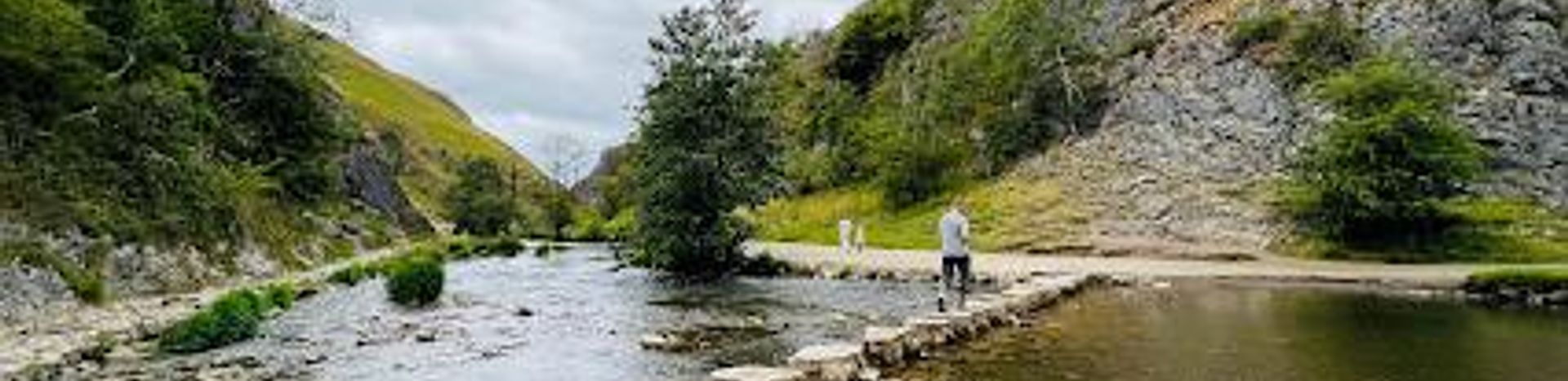
Dovedale Stepping Stones, River Dove
Iconic limestone stepping stones crossing the River Dove in a stunning Peak District valley, blending natural beauty with rich history and adventure.
The Dovedale Stepping Stones are an iconic series of limestone slabs crossing the River Dove in the Peak District National Park near Ashbourne, England. Dating back to the Victorian era, these stones offer a charming and adventurous way to traverse the river amid a stunning limestone valley shaped by ancient seas and glacial activity. The site is a gateway to scenic walks, caves, and dramatic rock formations within a protected natural reserve.
A brief summary to Stepping Stones, River Dove
- Unnamed Road Peak District National Park, Ashbourne, DE6 2AX, GB
- Duration: 1 to 4 hours
- Budget
-
 Outdoor
- Mobile reception: 4 out of 5
Local tips
- Visit early in the morning or on weekdays to avoid the busiest crowds, especially in summer.
- Wear sturdy, waterproof footwear as the stones can be slippery and the terrain uneven.
- Explore nearby caves like Reynard’s Cave and Dove Holes for a glimpse into ancient human history.
- Bring a camera to capture the dramatic limestone formations and panoramic valley views.
- Check weather conditions before visiting, as river levels can affect the ease of crossing the stones.

For the on-the-go comforts that matter to you
- Restrooms
- Drink Options
- Food Options
- Seating Areas
- Information Boards
- Visitor Center
Getting There
-
Car
Driving from Ashbourne takes about 15–20 minutes via local roads to the Dovedale car park, which charges approximately £3. The terrain near the stones is uneven, so parking close is recommended.
-
Bus and Walk
Take a regional bus from Ashbourne to Ilam village (approximately 30–40 minutes). From Ilam, it is a scenic 1.5-mile walk along well-maintained paths to the stepping stones, suitable for most fitness levels.
-
Train and Cycle
Arrive by train to Ashbourne station, then rent a bike to cycle the Tissington Trail towards Dovedale. This route covers around 5 miles and offers a gentle ride through the countryside before reaching the valley.
Stepping Stones, River Dove location weather suitability
-
 Any Weather
-
 Rain / Wet Weather
-
 Clear Skies
-
 Mild Temperatures
Discover more about Stepping Stones, River Dove
Geological Origins and Landscape
Dovedale is a picturesque limestone valley carved by the River Dove in the Peak District, formed over 350 million years ago during the Carboniferous period when the area was submerged beneath a shallow tropical sea. The fossilized remains of marine life created extensive reef limestone, which was later sculpted by glacial meltwaters during ice ages into dramatic cliffs, caves, and rock pinnacles. This unique geology underpins the valley’s striking scenery, including notable formations such as Ilam Rock, Lovers' Leap, and the Twelve Apostles.Historic Significance and Human Connection
The valley has a long history of human presence, with evidence of Upper Paleolithic hunters using the caves around 13,000 BCE and Neolithic farmers employing them as tombs some 4,500 years ago. Bronze Age artifacts found in Reynard’s Cave, now housed in Buxton Museum, highlight continued habitation. The area’s cultural importance grew with the publication of Izaak Walton’s 1653 fishing classic, The Compleat Angler, which celebrated the River Dove. The Victorian era saw a surge in tourism, facilitated by the Ashbourne to Buxton railway line, and the laying of the stepping stones around 1890 to aid walkers crossing the river.The Stepping Stones Experience
The stepping stones themselves are a series of about 16 large, flat limestone slabs laid across a shallow section of the River Dove beneath Thorpe Cloud hill. They provide a playful and scenic way for visitors to cross the river by hopping stone to stone, a feature that has become emblematic of Dovedale. In 2010, limestone slabs were controversially added atop most stones to improve safety, sparking debate about preserving the site's natural charm. The stones remain a focal point for walkers exploring the valley’s many trails and natural features.Natural Reserve and Conservation
Owned by the National Trust since 1934, Dovedale was designated a National Nature Reserve in 2006 in recognition of its rich biodiversity and geological importance. The area supports diverse plant life and wildlife, with ongoing conservation efforts to maintain the landscape and keep rock formations visible by managing vegetation. The reserve status helps protect the valley from overdevelopment and ensures its preservation for future generations.Surrounding Attractions and Activities
Beyond the stepping stones, visitors can explore several natural and historic sites, including the caves at Dove Holes and Reynard’s Kitchen, the medieval Viator’s Bridge, and panoramic viewpoints atop Thorpe Cloud. The valley offers numerous walking routes of varying lengths and difficulties, making it a popular destination for day trips and weekend getaways. The nearby Tissington Trail, a converted railway path, adds opportunities for cycling and extended exploration.Visitor Atmosphere and Seasonal Notes
Dovedale attracts over a million visitors annually, with peak times during weekends and warmer months. Early arrival or weekday visits are recommended to enjoy a quieter experience. The valley’s natural beauty and tranquil river setting create a serene ambiance, punctuated by the playful challenge of crossing the stepping stones. Seasonal changes bring varied landscapes, from lush summer greens to crisp autumn hues, enhancing the sensory appeal throughout the year.Iconic landmarks you can’t miss

Peak District National Park Authority
19.3 km
Explore the breathtaking landscapes and rich heritage of Peak District National Park, a haven for outdoor enthusiasts and nature lovers.
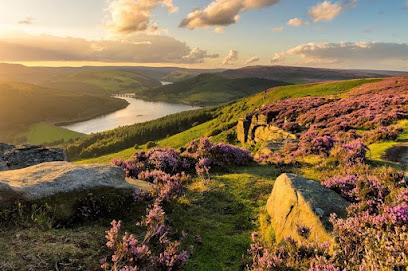
Chatsworth House
21.7 km
Explore the grandeur of Chatsworth House, a historical manor in the Peak District boasting stunning gardens and rich heritage.
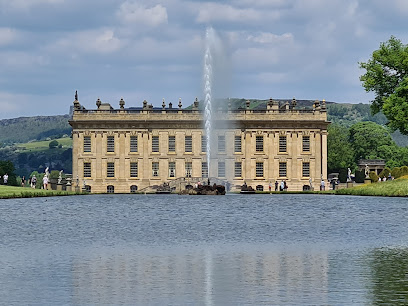
Lud's Church
21.7 km
Discover Lud's Church, a stunning natural chasm in the Peak District, perfect for hiking and immersing in nature's beauty.
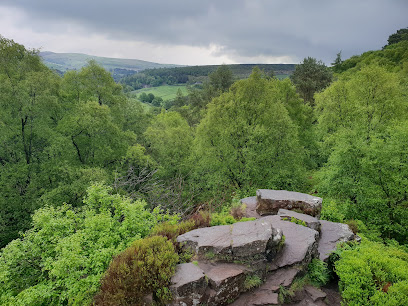
Millers Dale Viaduct
21.9 km
Experience the breathtaking Millers Dale Viaduct on the Monsal Trail, a stunning bridge offering rich history and picturesque views in the heart of the Peak District.
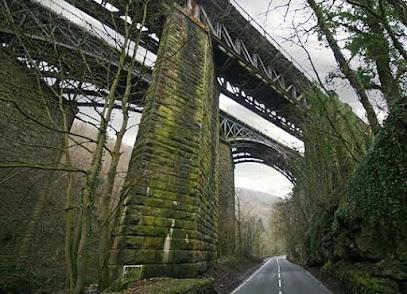
Hob Hurst's House
22.4 km
Explore the mystique of Hob Hurst's House, a captivating historical landmark set amidst the breathtaking landscapes of Beeley Moor.
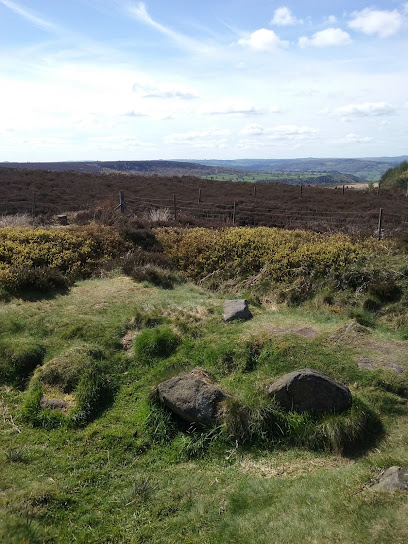
Wingfield Manor
22.5 km
Explore Wingfield Manor, a stunning heritage site in South Wingfield, where history meets picturesque landscapes and architectural beauty.
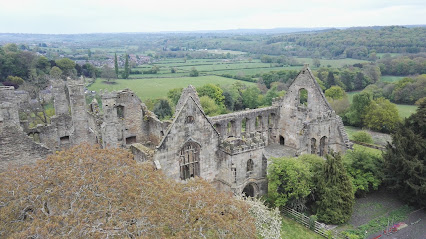
Solomon’s Temple
22.6 km
A scenic Victorian folly atop Grin Low Hill offering breathtaking 360-degree views over Buxton and the Peak District.
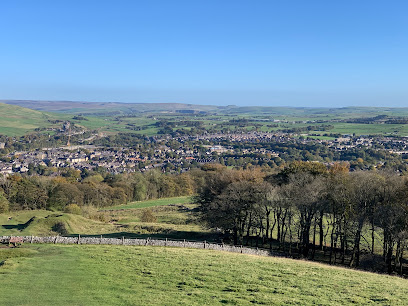
Tutbury Castle
22.9 km
Uncover the rich history and stunning beauty of Tutbury Castle, a medieval marvel in England, where the past meets the present.
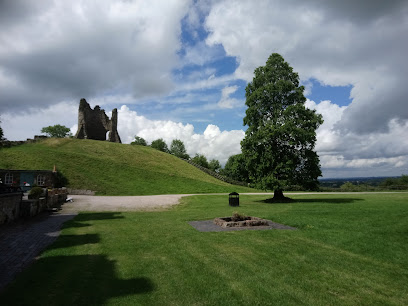
Poole's Cavern
23.5 km
Discover the enchanting underground world of Poole's Cavern, a geological marvel nestled in the heart of Buxton's scenic country park.
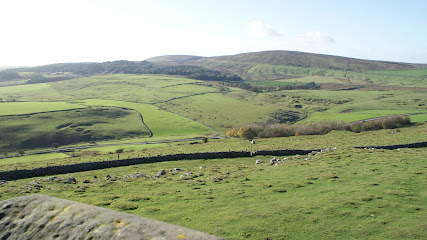
Derby Ghost Walk and Jail
24.4 km
Explore Derby's haunted history with the Derby Ghost Walk and Jail, where chilling tales and historical intrigue collide.
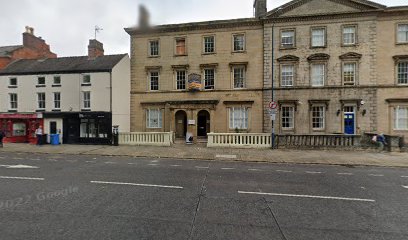
Pickford's House
24.5 km
Explore the stunning architecture and rich history of Pickford's House Museum, a Georgian gem in the heart of Derby, perfect for history enthusiasts.
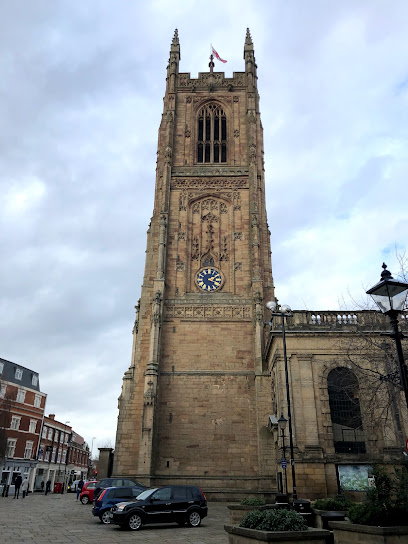
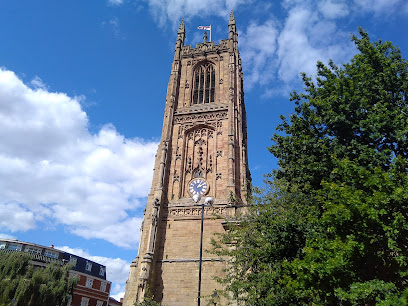
Derby Cathedral
24.9 km
Discover Derby Cathedral’s historic charm, panoramic views, and vibrant cultural life in the heart of Derby city centre.
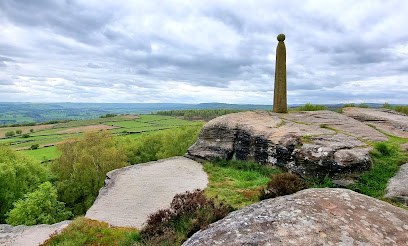
Birchen Edge
25.0 km
Discover the breathtaking views and exhilarating adventures at Birchen Edge, a premier viewpoint in the scenic Peak District.
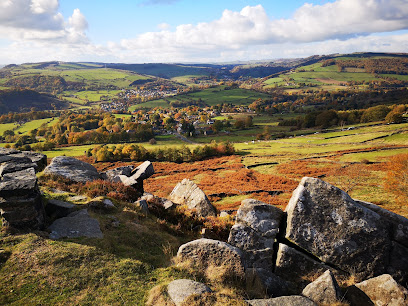
Eagle Stone
25.0 km
A dramatic gritstone outcrop on Baslow Edge, offering sweeping Peak District views and a touch of ancient legend.
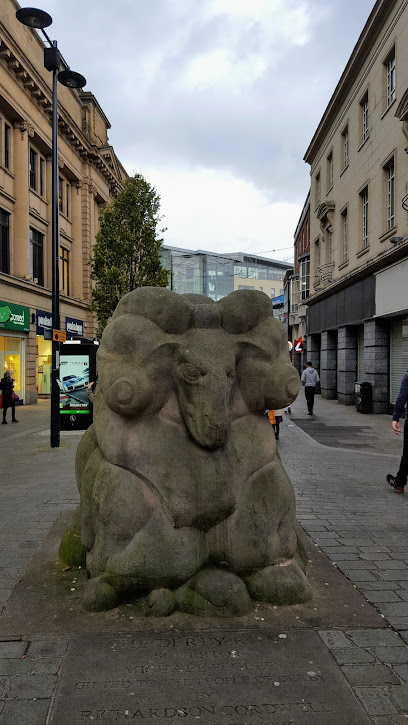
The Derby Ram Statue
25.3 km
Discover Derby’s iconic ram statue, a vibrant symbol of local legend, heritage, and community pride in the heart of the city.
Unmissable attractions to see

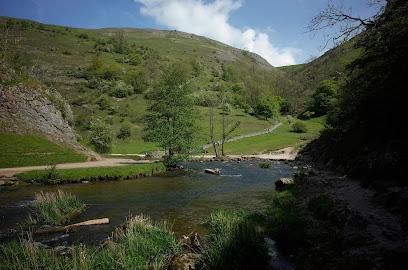
Dovedale
1.0 km
A dramatic limestone gorge in the Peak District, famous for its river, crags, stepping stones and ancient caves – a timeless landscape of natural beauty and legend.
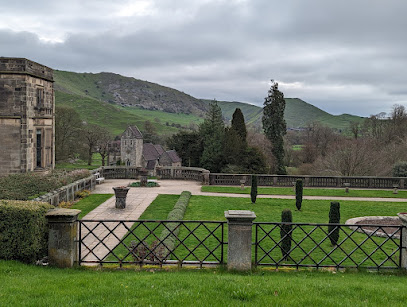
National Trust - Ilam Park
1.9 km
Explore the tranquil beauty and historic charm of Ilam Park, a National Trust gem in the Peak District with stunning views and woodland walks.
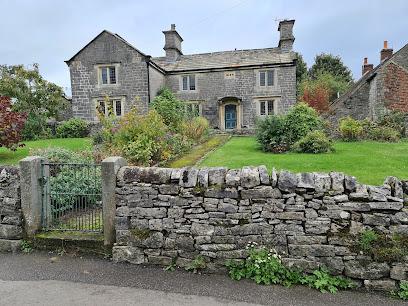
Tissington
2.6 km
Four centuries of continuous family ownership in a progressive Jacobean mansion set within a picturesque Peak District estate village.
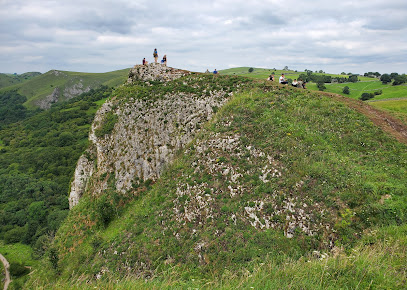
Thor's Cave
6.4 km
Explore the majestic limestone cavern of Thor's Cave, a historic and scenic highlight in the Manifold Valley of the Peak District.
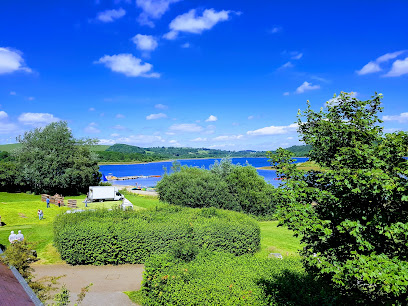
Carsington Water
9.0 km
Explore Derbyshire’s scenic reservoir with walking, cycling, watersports, and wildlife watching around a vast 8-mile trail.
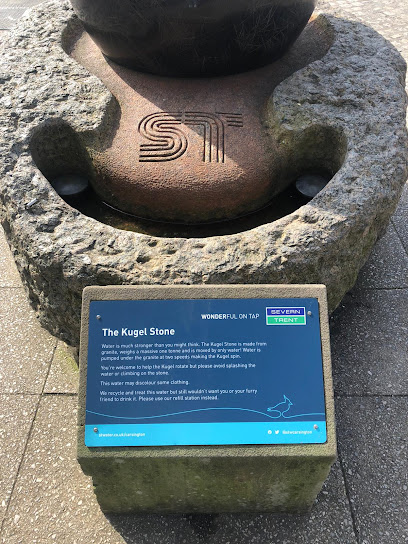
The Kugel Stone
9.0 km
Discover the mesmerizing one-tonne granite Kugel Stone at Carsington Water, effortlessly spinning on a thin film of water in a serene natural setting.
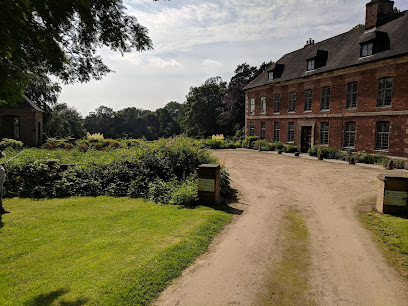
National Trust - The Old Manor
9.4 km
Discover the medieval charm and tranquil gardens of The Old Manor, a historic stone hall nestled in Derbyshire’s scenic countryside.
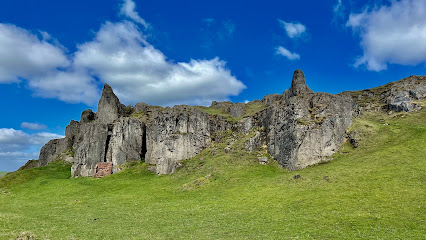
Harboro Rocks
9.9 km
Explore the dramatic limestone cliffs and panoramic views of Harboro Rocks, a natural gem in Derbyshire’s Peak District.
Peak Wildlife Park
9.9 km
Discover exotic wildlife and immersive animal encounters on the edge of the Staffordshire Peak District.
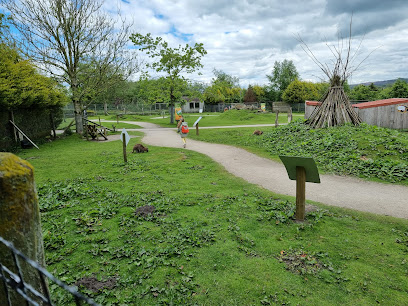
Alton Towers Waterpark
10.7 km
Splash into year-round aquatic thrills with water coasters, slides, and lazy rivers at Alton Towers Waterpark.
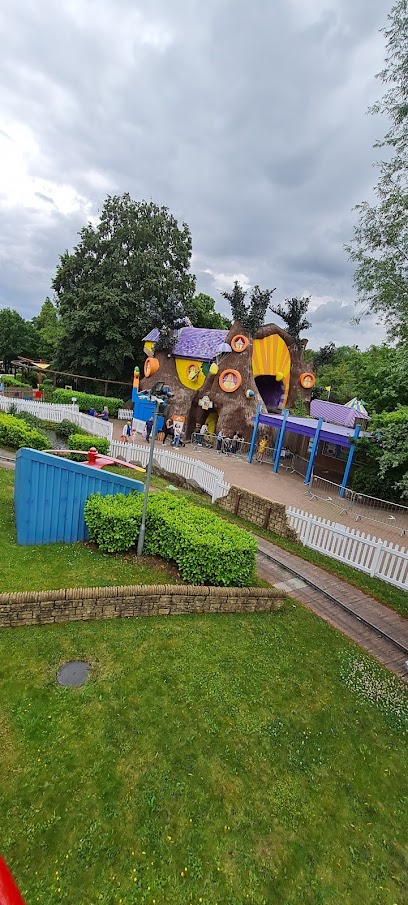
Sharkbait Reef
10.8 km
Explore the enchanting underwater world of Sharkbait Reef, a pirate-themed aquarium featuring sharks, rays, and interactive marine experiences at Alton Towers.
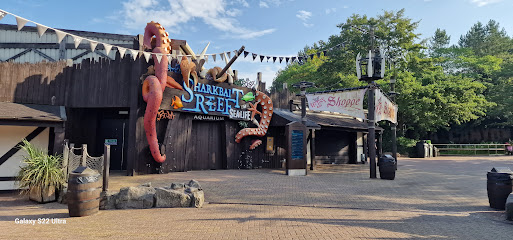
Alton Towers
11.0 km
Experience the thrill and magic of Alton Towers, the UK’s ultimate theme park destination blending adrenaline rides with enchanting landscapes.
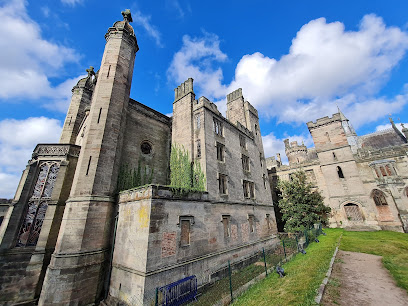
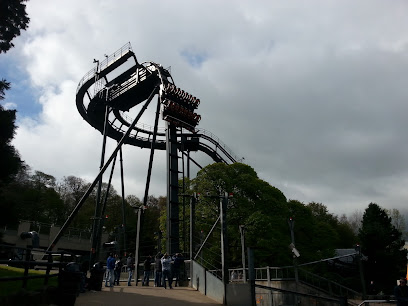
Oblivion
11.4 km
Experience the world’s first dive coaster with Oblivion’s heart-stopping vertical drop and smooth thrills at Alton Towers.
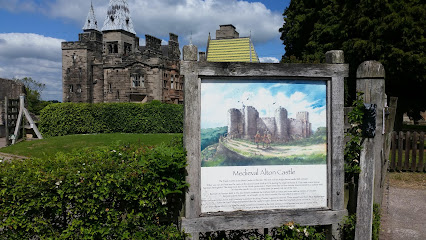
Catholic Youth Retreat Centre - Alton Castle
11.8 km
A majestic Gothic Revival castle blending medieval heritage, spiritual sanctuary, and scenic views above the Churnet Valley.
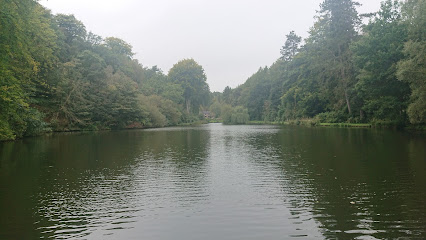
Dimmingsdale Valley & Furnace Forest Walks- Forestry England
12.1 km
Discover tranquil woodland trails and scenic streams in Staffordshire’s Dimmingsdale Valley, a nature lover’s haven with diverse walks and rich wildlife.
Essential places to dine

Lamplight Restaurant Ltd
5.4 km
Discover innovative Anglo-French cuisine in a cozy, family-run setting at Ashbourne’s charming Lamplight Restaurant.
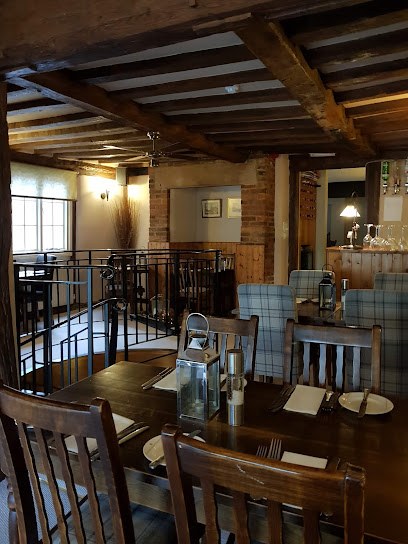
The Manifold Inn
9.1 km
Charming 3-star inn and restaurant in Hulme End, perfect for exploring the scenic Peak District and Manifold Valley trails.

The Tasting Club Restaurant
14.4 km
An intimate tasting menu experience blending rustic charm and refined flavors in Ashbourne’s historic Buttermilk Coffee House.
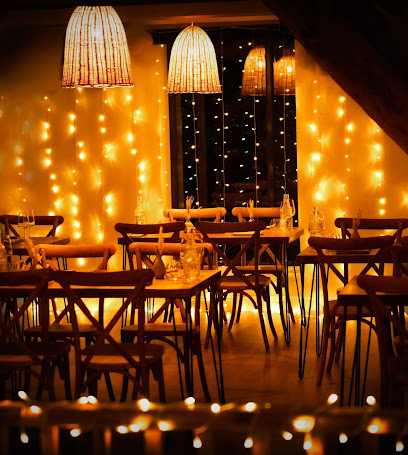
The Bulls Head
15.2 km
A beloved village pub in Monyash serving hearty British classics with generous portions in a warm, rustic setting.
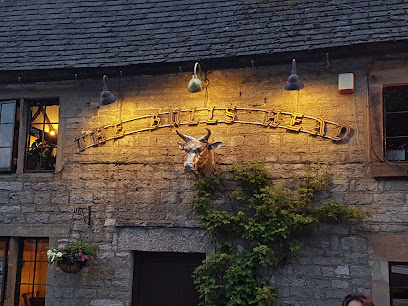
The Bull I' Th' Thorn Pub & Pizzeria | Peak District
15.3 km
Historic Peak District pub and pizzeria in Buxton, cherished for its heritage, lively atmosphere, and scenic countryside setting.
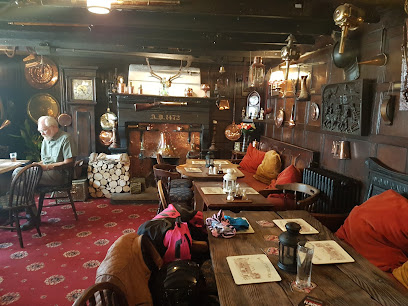
The Lighthouse Restaurant
15.9 km
An intimate fine dining gem in Derbyshire offering inventive seasonal British cuisine with impeccable service and a cozy countryside setting.
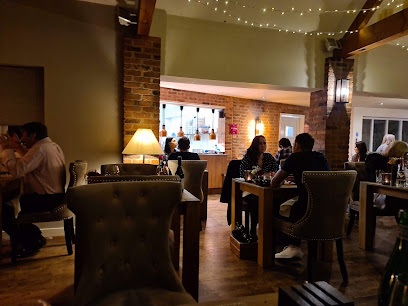
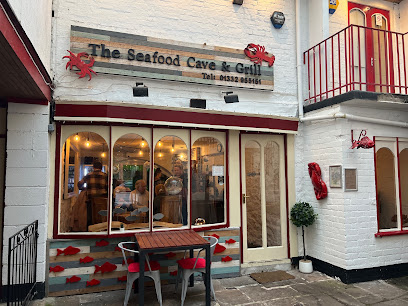
The Seafood Cave & Grill
16.0 km
Discover premium Scottish seafood in a cozy cave-like setting, where warm hospitality and exquisite flavors meet in Matlock Bath.
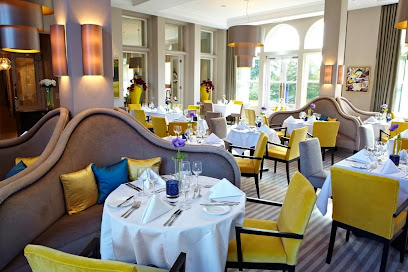
The Orangery Restaurant
16.8 km
Refined British dining in a historic setting within Audley St Elphin’s Park, blending heritage charm with tranquil gardens near the Peak District.
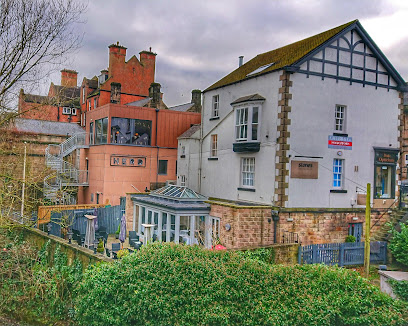
Stones
17.0 km
Elegant modern British dining with Mediterranean flair beside Matlock’s scenic River Derwent, perfect for relaxed yet refined meals.
The Peacock at Rowsley
17.9 km
Historic riverside inn offering refined rooms, acclaimed dining, and exclusive fishing on Derbyshire’s scenic Haddon Estate.
The Ship Inn
18.0 km
A cozy British pub in Tean offering hearty traditional dishes, friendly service, and excellent value in a warm, inviting atmosphere.
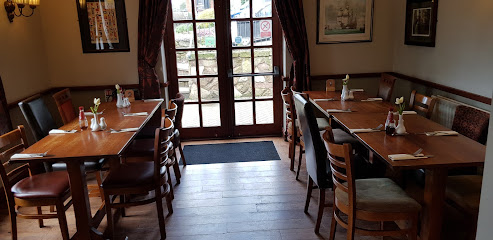
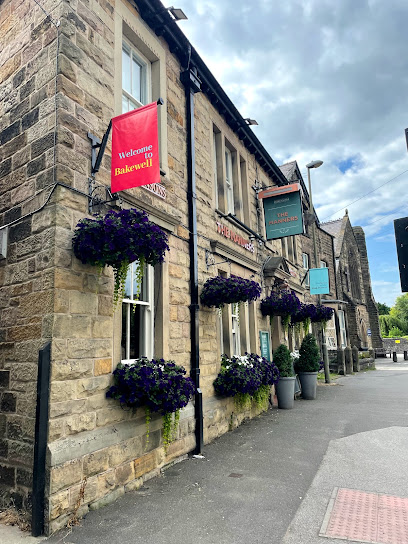
The Manners, Bakewell
18.2 km
Traditional Robinsons pub in Bakewell serving excellent local ales and renowned pub food, with dog-friendly rooms and a spacious beer garden.
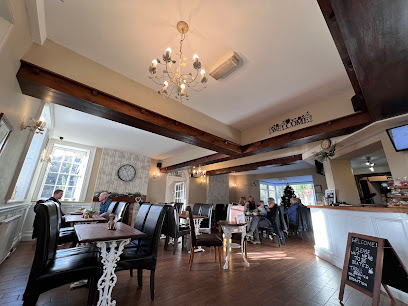
The Family Tree
18.2 km
A cozy family-run restaurant and B&B offering homemade food and charming rooms on the edge of the Peak District in Derbyshire.
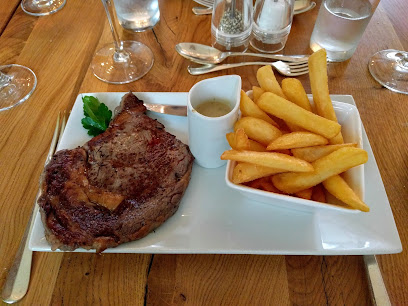
Piedaniel's
18.5 km
A charming family-run French restaurant in Bakewell offering refined cuisine, elegant ambiance, and impeccable service for memorable dining experiences.
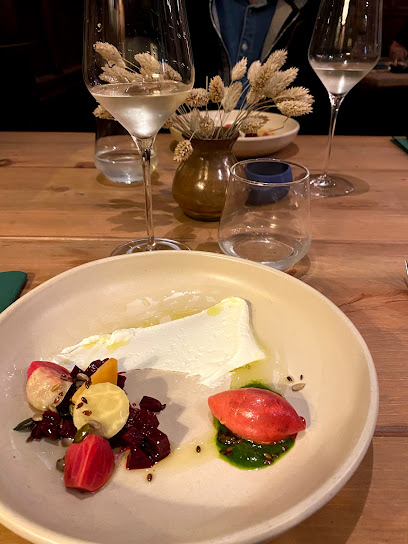
Restaurant Lovage by Lee Smith
18.5 km
Innovative modern English cuisine with Michelin-starred finesse in a cozy Bakewell setting, blending local heritage with contemporary elegance.
Markets, malls and hidden boutiques

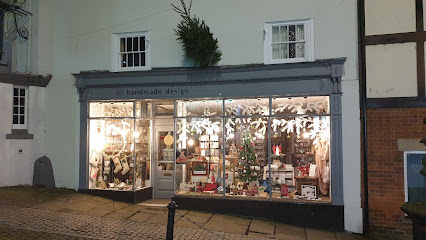
Handmade Design
5.5 km
Discover unique, sustainable handmade gifts from UK artisans in the charming heart of Ashbourne’s Market Place.
Shop&Museum
14.0 km
Discover railway heritage, a charming bookshop, and vintage café at Wirksworth Station on the scenic Ecclesbourne Valley Railway.
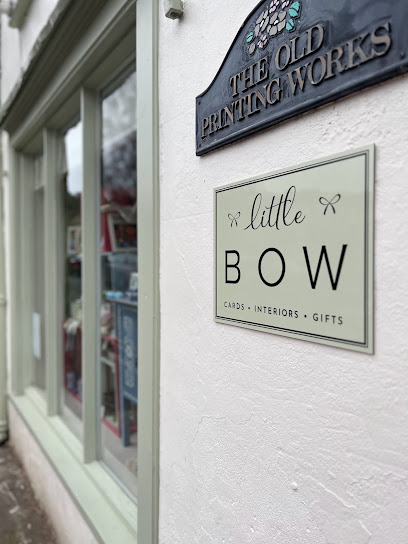
Little Bow
15.4 km
Discover unique fashion accessories and gifts in the charming village setting of Little Bow Boutique, Cromford’s stylish hidden gem.
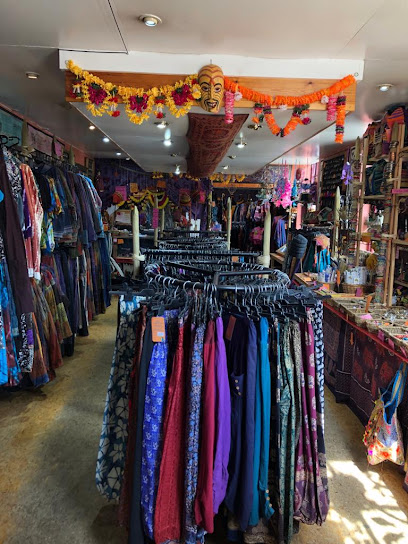
Equatorial Shop
15.7 km
Discover vibrant fair trade fashion and crafts at Equatorial Shop, Matlock’s hub for ethical, colorful, and culturally rich shopping.
The Old Apothecary Shop
15.9 km
Step into Victorian charm and natural wellness at The Old Apothecary Shop, Matlock Bath’s historic haven for handmade beauty and nostalgic gifts.
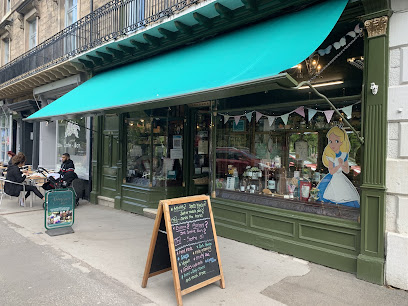
Punnydukes
17.0 km
Whimsical gift shop brimming with unique treasures across multiple enchanting floors.
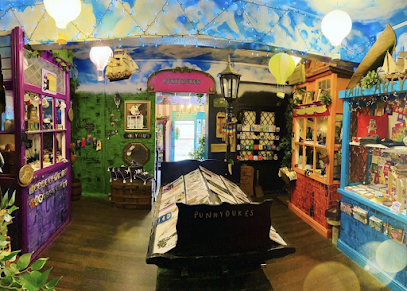
Ashgate Hospice Matlock Shop
17.3 km
Discover bargains with heart at Ashgate Hospice Matlock Shop, supporting vital palliative care across North Derbyshire.

The Original Factory Shop (Matlock)
17.3 km
Affordable shopping with big-brand discounts in the heart of Matlock, offering fashion, beauty, and homeware under one roof.

The Lost Cauldron
17.3 km
Where an antique cauldron sparked a magical dream, now a beloved destination for enchanted treasures.
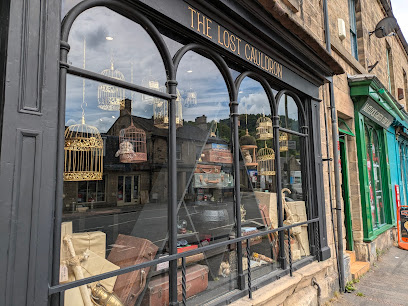
Bella Figura
17.6 km
Matlock’s bespoke bridal and vintage boutique offering personalized wedding dresses and expert alterations with a vintage charm.
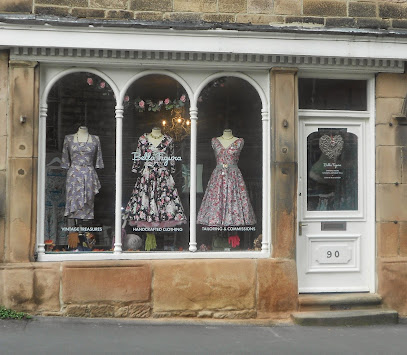
The Works
18.1 km
Affordable arts, crafts, books, and toys in the vibrant Peak Village outlet near Matlock.

Bon Voyage Bakewell
18.3 km
Discover unique gifts and local charm at Bon Voyage Bakewell, nestled in the heart of Bakewell’s historic market town.
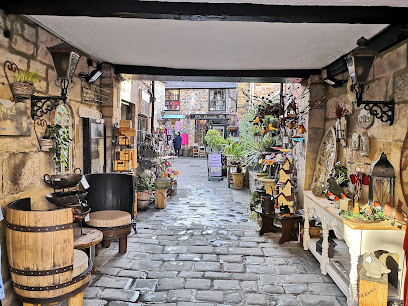
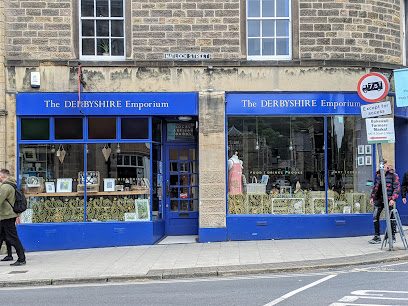
The Derbyshire Emporium
18.3 km
Local artisan gifts and homemade refreshments in the heart of Bakewell's charming town centre.
Perfect Gifts Bakewell
18.3 km
Discover unique local gifts and heartfelt treasures in the cozy charm of Perfect Gifts Bakewell, your go-to shop for thoughtful souvenirs.

Edge of the World
18.3 km
Boutique clothing and accessories shop in Bakewell offering quality fashion with a welcoming atmosphere and expert service.
Essential bars & hidden hideouts

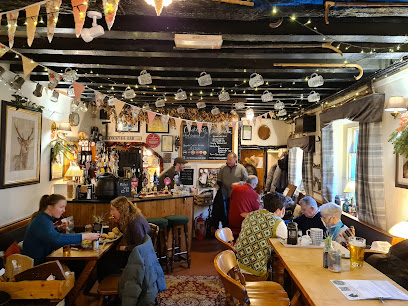
The Flying Childers Inn
15.7 km
A cozy, dog-friendly country pub in Stanton in Peak offering fresh, mostly vegan fare and a warm, welcoming atmosphere in the heart of the Peak District.
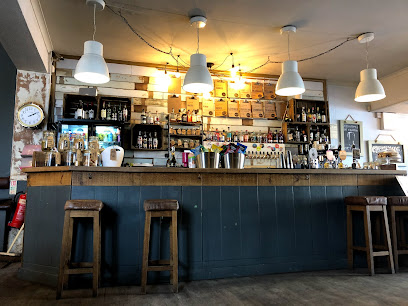
Twenty Ten
17.0 km
A rustic and lively bar in Matlock, offering great drinks, live music, and a welcoming atmosphere for all.
Monk Bar
17.0 km
Monk Bar Matlock: Stylish cocktails, vibrant nights, and a welcoming atmosphere in the heart of Derbyshire.
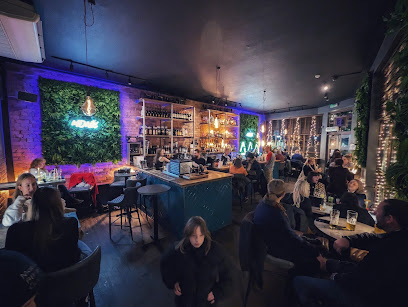
The Tipsy Toad
17.1 km
A vibrant cocktail bar in Matlock with funky vibes, great drinks, and friendly staff, open late for memorable nights out.
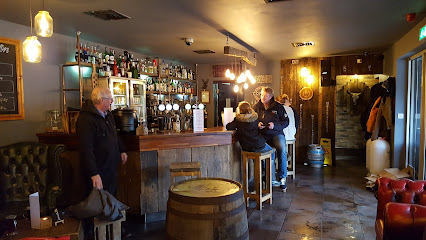
The Thorn Tree Inn
17.6 km
A traditional Matlock pub offering hearty homemade food, excellent ales, and stunning views over the Derbyshire Dales and Riber Castle.
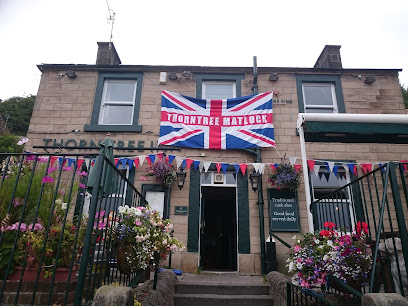
The Newsroom
17.6 km
A cozy micro pub in Matlock offering an excellent selection of local craft beers and a welcoming atmosphere for all beer lovers.
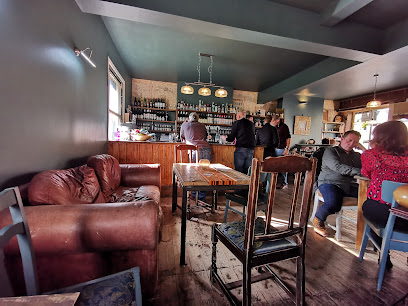
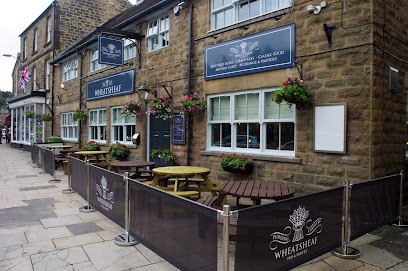
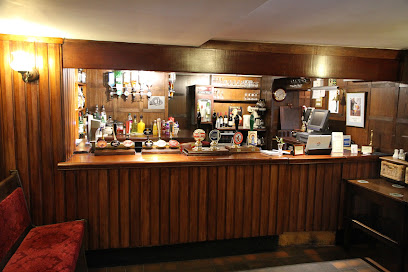
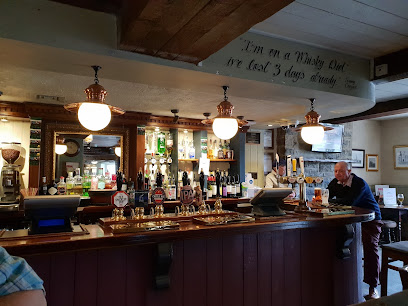
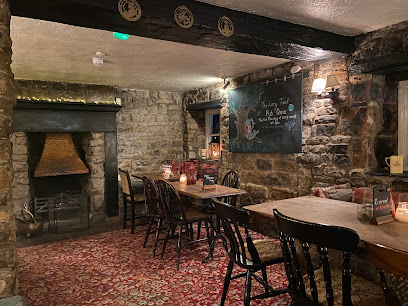
Wheatsheaf Pub and Pantry
18.5 km
Cozy Bakewell pub blending traditional charm with modern pantry dining, serving generous portions in a warm, dog- and child-friendly setting.
The Jug And Glass
18.5 km
Historic 18th-century pub and inn in Lea, Matlock offering traditional British fare, real ales, cozy rooms, and a gateway to the Peak District.
Castle
18.5 km
A classic Greene King pub in Bakewell serving hearty British fare in a warm, historic setting near the Peak District.
The Lazy Trout
18.6 km
Experience authentic English countryside charm with hearty meals and fine ales at The Lazy Trout in Meerbrook.
Cliff Inn
19.5 km
Cozy traditional pub in Crich serving hearty Derbyshire classics with stunning countryside views and a warm, welcoming atmosphere.
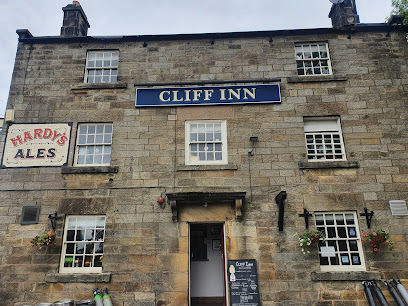
The Old Black Swan Public House
20.0 km
A welcoming traditional pub in Crich serving hearty British fare and well-kept ales in a cozy, community-focused setting.
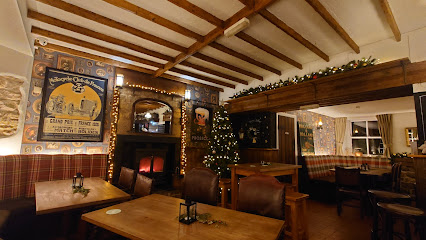
The Packhorse Inn
20.7 km
A cozy, traditional Peak District pub with warm fires, local ales, scenic views, and welcoming rooms near Bakewell.
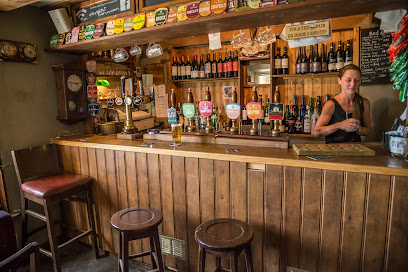
The Joiners Arms
21.1 km
A cozy gastropub in Quarndon blending rustic charm with creative pizzas and classic British fare, perfect for casual dining and social gatherings.
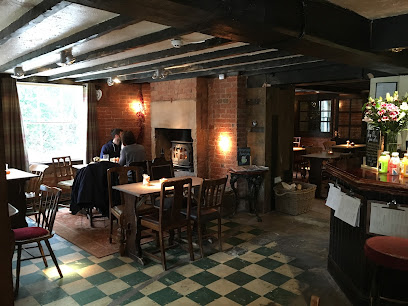
Farmhouse at Mackworth
21.4 km
A stylish modern country pub and wedding venue in Derby offering rustic charm, crafted drinks, and versatile dining in a boutique setting.
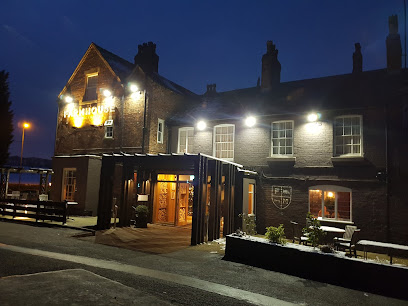
Nightclubs & after hour spots

The Loft
17.1 km
A vibrant, intimate nightclub in Matlock offering lively music, friendly service, and a cozy atmosphere in the town center.

3D Leek - Bar & Nightclub Experiences
17.5 km
Experience Leek’s vibrant nightlife at 3D Leek, where lively music, great drinks, and dynamic events create unforgettable evenings.
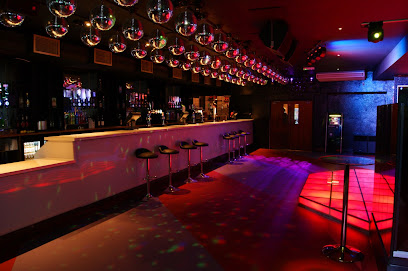
Base 95
17.5 km
Leek’s vibrant nightclub and bar at Market Place, Base 95 offers lively late-night entertainment for a diverse crowd every weekend.

Level 2
23.7 km
Buxton’s vibrant two-floor nightclub with diverse music, lively bars, and themed nights, perfect for an energetic night out.

Mosh
24.8 km
Three floors of diverse music and affordable drinks make Mosh a lively, student-friendly nightclub in Derby’s city center.

The Association Nightclub
24.8 km
Ripley's vibrant weekend nightclub offering late-night music, dancing, and a welcoming atmosphere in the heart of town.
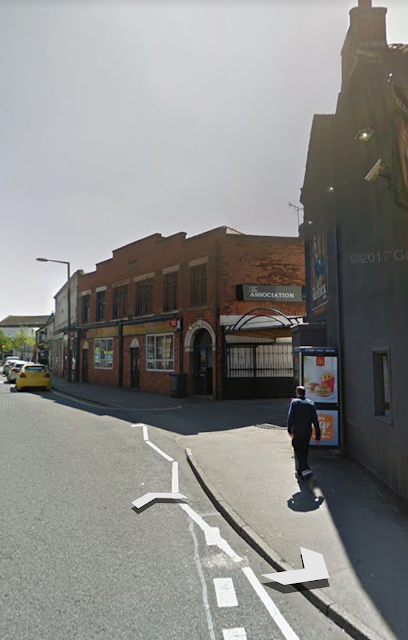
The Regal Nightclub
24.9 km
Experience Ripley’s vibrant nightlife at The Regal Nightclub, where lively music and a welcoming atmosphere keep the party going late into the weekend.

Together
25.0 km
Vibrant Afrobeat nightclub and cocktail bar in Derby’s city centre with affordable drinks and lively events.
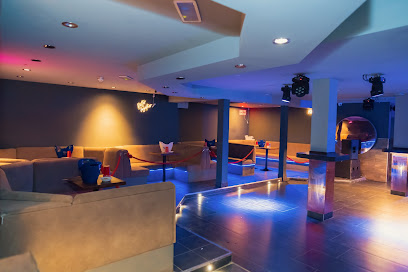
Bar Fever Derby
25.0 km
Experience Derby’s vibrant nightlife at Fever Derby, a dynamic three-floor nightclub with diverse music, lively bars, and exclusive VIP areas.

MooMoo Nightclub Derby
25.1 km
Experience Derby’s vibrant nightlife with diverse music rooms, premium booths, and affordable drinks at MooMoo Nightclub on St James's Street.

Great Rocks Social Club
26.0 km
Discover the vibrant nightlife at Great Rocks Social Club, a welcoming hub in Peak Dale perfect for socializing and entertainment.
Pink Nightclub - Stoke on Trent
27.1 km
Experience the vibrant and friendly nightlife of Pink Nightclub, Hanley’s lively late-night venue with great drinks and a welcoming atmosphere.

Reflex - Hanley
27.1 km
Energetic and inclusive nightclub in Hanley, offering classic 80s/90s tunes, affordable drinks, and a welcoming atmosphere for memorable nights out.

Gossip!
27.1 km
Stoke-on-Trent’s premier gay nightclub with vibrant bars, dance floor, and beer garden offering lively, inclusive nightlife in Hanley.

TTL Nightclub
27.2 km
Experience Stoke-on-Trent’s vibrant nightlife at TTL Nightclub, Hanley’s energetic hub for dance, music, and social nights.
For the vibe & atmosphere seeker
- Adventurous
- Relaxing
- Scenic
- Tranquil
- Fun-filled
For the design and aesthetic lover
- Rustic Designs
- Vintage Styles
For the architecture buff
- Historic
- Parks & Gardens
- Viewpoints
For the view chaser and sunset hunter
- Iconic Views
- Panoramas
- Waterfront
- Sunset Spots
For the social media creator & influencer
- Instagrammable
- Photo Spots
- Selfie Spots
- Reel-Friendly
For the eco-conscious traveler
- Protected Area
- National Park
- Public-Transport Accessible
- Leave-No-Trace Critical
- Locally Managed
For the kind of experience you’re after
- Nature Escape
- Day Trip
- Weekend Getaway
- Cultural Heritage
- Photowalk
For how adventurous you want the journey to be
- Easy Access
Location Audience
- Family Friendly
- Senior Friendly
- Child Friendly
- Teen Friendly
- Wheelchair Access
- Pet Friendly
- Solo Friendly
- Couple Friendly


