
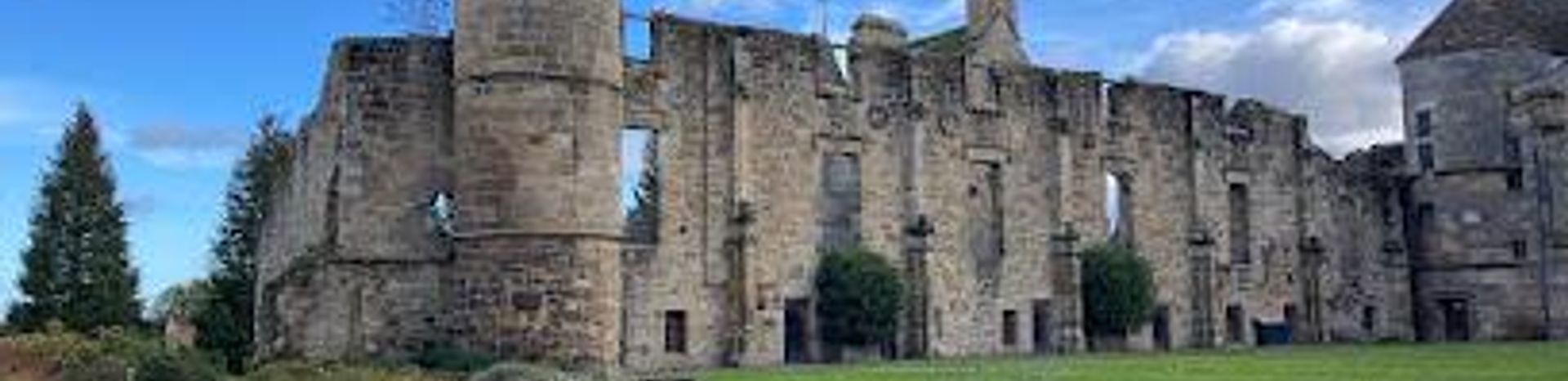
Falkland Palace & Garden
Explore Falkland Palace, a stunning Renaissance royal retreat with historic gardens and Britain’s oldest real tennis court in charming Fife.
Falkland Palace, located in Falkland, Cupar, is a splendid Renaissance palace and former royal hunting lodge beloved by Mary, Queen of Scots. Surrounded by extensive formal gardens, including Britain’s oldest real tennis court and a historic orchard, it offers visitors a rich glimpse into Scotland’s royal past and architectural heritage. Managed by the National Trust for Scotland, the palace features ornate interiors, a Chapel Royal, and beautifully restored grounds.
A brief summary to Falkland Palace & Garden
- East Port, Cupar, Falkland, KY15 7BY, GB
- +441337857397
- Visit website
- Duration: 1 to 3 hours
- Mid ranged
-
 Outdoor
- Mobile reception: 4 out of 5
Local tips
- Visit the Chapel Royal during Sunday morning mass to experience its historic atmosphere.
- Explore the palace gardens in spring and summer for vibrant floral displays and the living willow labyrinth.
- Don’t miss the world’s oldest real tennis court, where Mary, Queen of Scots once played.
- Check for guided tour times to gain detailed insights into the palace’s history and architecture.

For the on-the-go comforts that matter to you
- Restrooms
- Drink Options
- Food Options
- Seating Areas
- Trash Bins
- Information Boards
- Visitor Center
Getting There
-
Train and Bus
Take a train to Cupar station from Edinburgh or Glasgow, then catch the Stagecoach bus service 64 or 65 to Falkland village. The combined journey takes approximately 1.5 to 2 hours. Bus services run several times daily but check schedules in advance. Tickets cost around £8-£12.
-
Car
Driving from Edinburgh or Dundee takes about 45 to 60 minutes via the A92 and local roads. Parking is available near the palace but can be limited during peak season. No parking fees apply. The roads are well maintained and suitable for all vehicles.
-
Walking
For those staying in Falkland village, the palace is a 10-15 minute walk on mostly flat, paved paths, accessible to most visitors including wheelchair users.
Falkland Palace & Garden location weather suitability
-
 Any Weather
-
 Rain / Wet Weather
-
 Clear Skies
-
 Mild Temperatures
-
 Windy Conditions
Discover more about Falkland Palace & Garden
Origins and Royal Legacy
Falkland Palace began as a 12th-century royal hunting lodge before evolving into a castle owned by the powerful Clan MacDuff in the 13th century. Its strategic location on a defensible hill made it a favored retreat for Scottish nobility. By the late 15th and early 16th centuries, under James IV and James V, Falkland was transformed into a Renaissance pleasure palace inspired by French châteaux. This era established the palace as a center for royal leisure, with hunting, falconry, and courtly entertainment at its heart.Architectural Splendor and Features
The palace showcases fine Renaissance architecture, including the impressive twin-towered gatehouse completed in 1542, ornate painted ceilings, wood panelling, and a tapestry gallery. The Chapel Royal remains a highlight, with its 16th-century oak screen and painted ceiling from 1633. The palace also houses the world’s oldest surviving real tennis court, built for James V, reflecting the leisure pursuits of its royal inhabitants. Restoration efforts in the late 19th century by the 3rd Marquess of Bute revived the palace from near ruin, preserving its historical grandeur.Gardens and Grounds
Surrounding the palace are extensive gardens designed by Percy Cane, featuring formal layouts, a wildflower meadow, and an ancient orchard. The grounds include a physic garden with Renaissance-era herbal remedies and a living willow labyrinth. These gardens not only provide a tranquil setting but also evoke the historical use of the estate for hunting and royal recreation. The gardens played a role during World War II’s "Dig for Victory" campaign, highlighting their ongoing cultural significance.Historical Events and Notable Residents
Falkland Palace was a favored residence of the Stuart dynasty, including Mary, Queen of Scots, who enjoyed hunting and tennis here. The palace witnessed significant historical moments such as the imprisonment and death of David, Duke of Rothesay, and the death of James V in 1542. It also served as a refuge during political upheavals and was occupied by Rob Roy MacGregor during the 1715 Jacobite Rising. Despite damage and decline, the palace’s restoration has allowed it to remain a vivid testament to Scotland’s royal heritage.Visitor Experience Today
Today, visitors can explore the palace’s richly decorated interiors, including royal apartments and the Chapel Royal where mass is still held weekly. The grounds invite leisurely walks through the gardens and orchard, with opportunities to see the historic tennis court and enjoy the peaceful atmosphere. Tearooms and a shop enhance the visitor experience, while guided tours offer deeper insights into the palace’s history and architecture.Conservation and Cultural Importance
Managed by the National Trust for Scotland since 1952, Falkland Palace is a prime example of successful heritage conservation. The palace and gardens embody centuries of Scottish history, architecture, and royal life. Its preservation allows ongoing public engagement with Scotland’s cultural legacy, making it a landmark of national significance and a cherished destination for history enthusiasts and garden lovers alike.Iconic landmarks you can’t miss

Seamark
13.9 km
Seamark in Kelty, Fife—a serene historical landmark honoring Scotland’s rich coal mining heritage and community resilience.
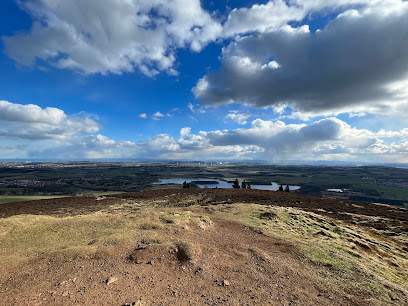
Caithness Place
14.7 km
Experience the vibrant connectivity of Caithness Place, your gateway to the best of Kirkcaldy's attractions and scenic spots.
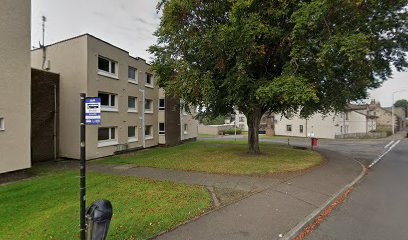
The Fair Maid of Perth
21.0 km
Explore The Fair Maid of Perth, a stunning sculpture that captures the charm of Scottish folklore in the vibrant heart of Perth.
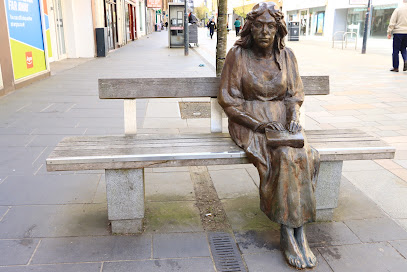
VisitScotland Perth iCentre
21.0 km
Explore Perth with ease at the VisitScotland iCentre, your go-to resource for local attractions, events, and travel tips in Scotland's historic city.
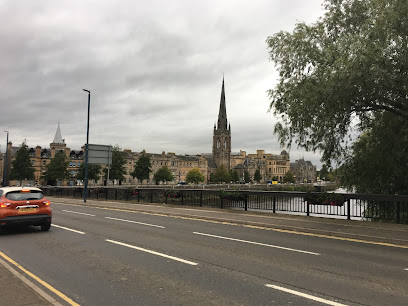
Perth & Kinross Heritage Trust
21.0 km
Explore the Perth & Kinross Heritage Trust - a cultural gem showcasing Scotland's rich history and community heritage.
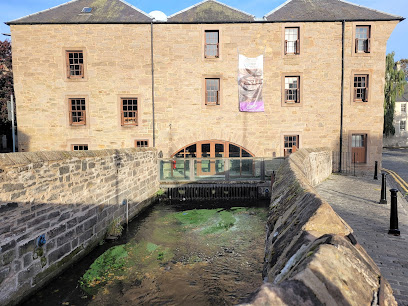
Smeaton's Bridge
21.0 km
Historic 18th-century stone bridge spanning the River Tay in Perth, blending engineering brilliance with scenic charm and rich heritage.
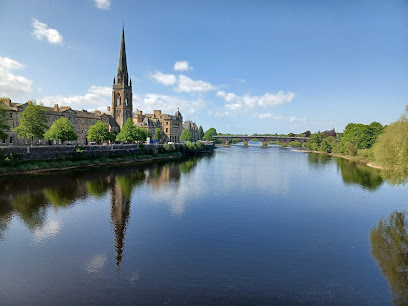
The Black Watch Castle & Museum
21.9 km
Explore the legacy of Scotland's historic Black Watch regiment at The Black Watch Castle & Museum in Perth, a captivating journey through time.
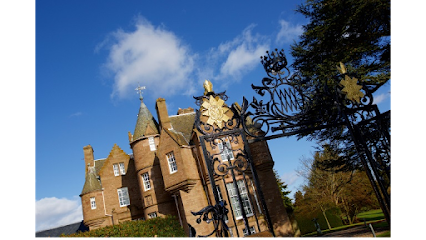
Aberdour Castle and Gardens
22.8 km
Explore the historic Aberdour Castle and Gardens, a picturesque site that showcases Scotland's rich heritage and stunning natural beauty.
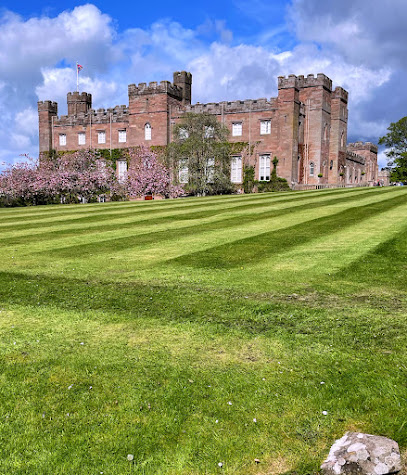
Scone Palace
23.6 km
Experience the rich history and stunning gardens at Scone Palace, a royal heritage site in Perth, Scotland, perfect for history buffs and nature lovers.
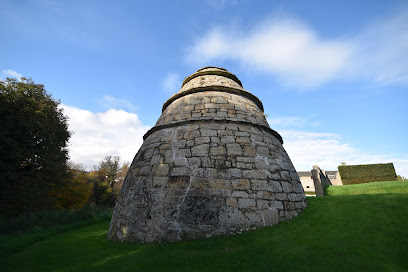
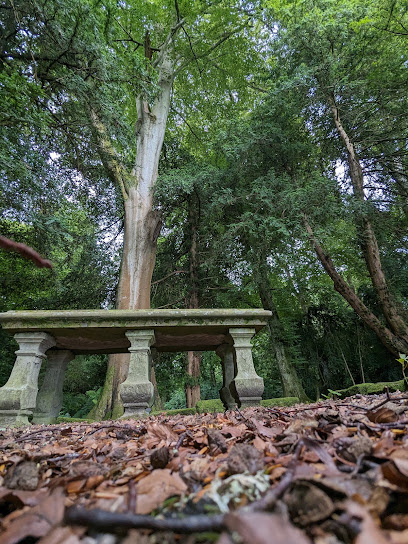
Tomb Of The Minister Of Scone & Family
23.6 km
A solemn mausoleum nestled within Scone Palace grounds, honoring the minister and family amidst Scotland’s royal and religious heritage.
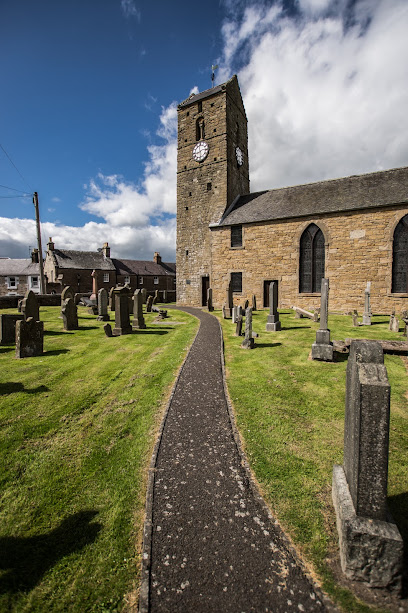
St Serf's Church & Dupplin Cross
24.4 km
Explore St Serf's Church & Dupplin Cross, a stunning medieval church in Dunning, showcasing exquisite Pictish art and a serene atmosphere steeped in history.
Huntingtower Castle
24.5 km
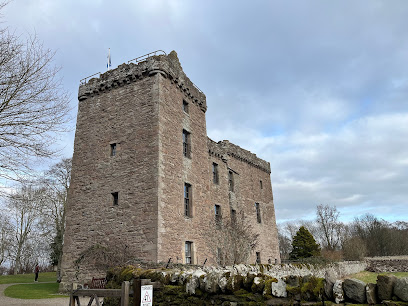
Discover the timeless beauty and rich history of Huntingtower Castle, a unique double tower house just outside Perth, Scotland.
Maggie Wall Witch Monument
25.6 km
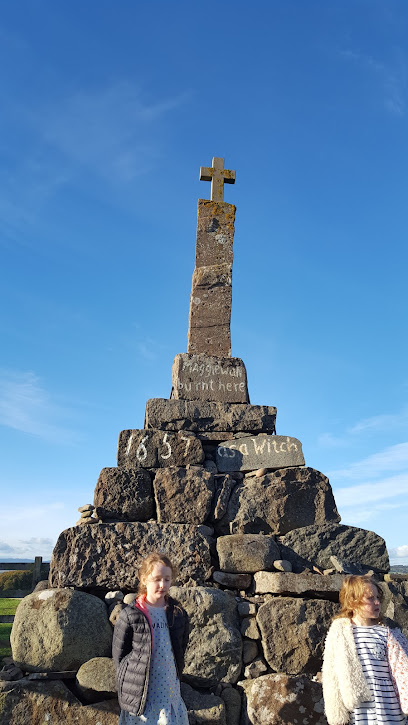
A haunting 20-foot stone monument near Dunning commemorating the mysterious Maggie Wall and all victims of Scotland’s witch hunts.
Inchcolm Abbey
25.6 km
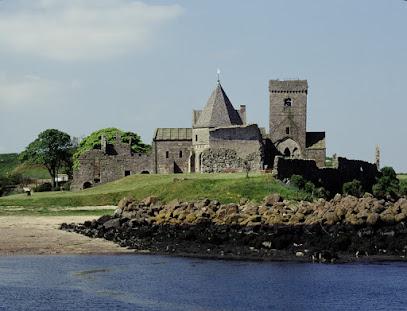
Scotland's best-preserved medieval abbey on a wildlife-rich island accessible only by ferry.
Lady’s Tower
25.8 km
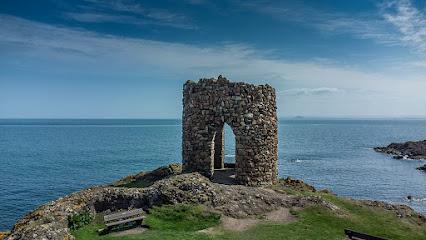
An evocative 18th-century folly on Ruby Bay’s headland, Lady’s Tower offers stunning views and a glimpse into Fife’s coastal aristocratic history.
Unmissable attractions to see

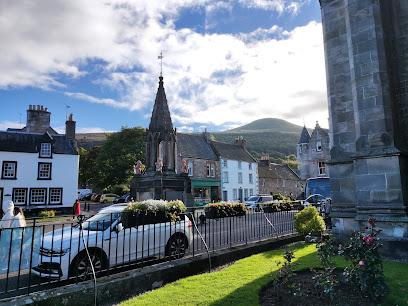
Falkland
0.2 km
Discover the regal charm of Falkland Palace, a Renaissance jewel set amidst tranquil gardens and the scenic Lomond Hills near Cupar, Scotland.
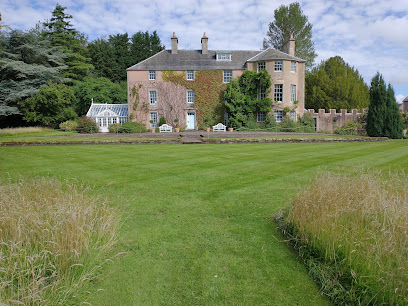
Backhouse Rossie Estate
4.8 km
Explore Backhouse Rossie Estate, a historic Fife garden blending horticultural heritage, art, and nature with enchanting walks and a welcoming café.
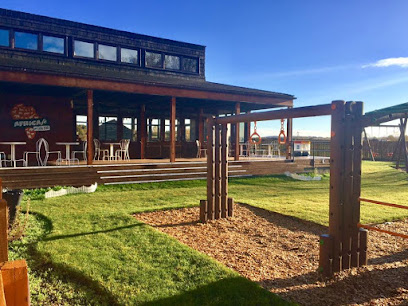
Fife Zoo
5.7 km
Discover endangered species up close in this family-run Scottish zoo with immersive animal encounters and a welcoming rural setting.
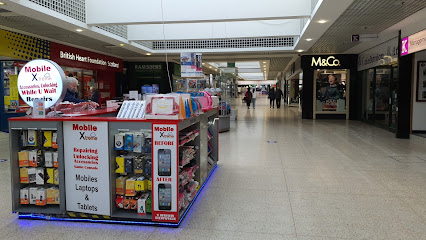
Kingdom Shopping Centre
6.8 km
The bustling heart of Glenrothes, Kingdom Shopping Centre offers over 100 shops, eateries, and cultural venues all on one accessible level.
The Michael Bruce Cottage Museum
8.9 km
Discover the tranquil birthplace and legacy of Michael Bruce, Scotland’s gentle poet, in a charming 18th-century cottage museum nestled in Kinnesswood.
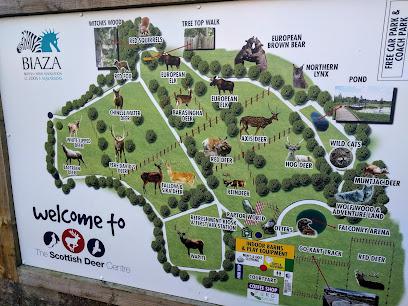
The Scottish Deer Centre
9.2 km
Discover Scotland’s native wildlife and enjoy interactive family fun at The Scottish Deer Centre, a spacious sanctuary in the heart of Fife.
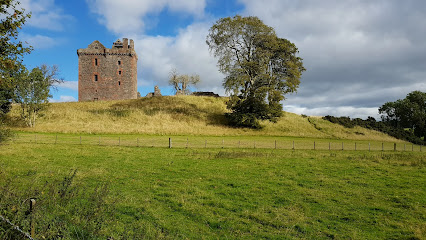
Balvaird Castle
9.3 km
Explore Balvaird Castle, a serene and remarkably intact 15th-century Scottish tower house nestled in the scenic Ochil Hills, rich with noble history.
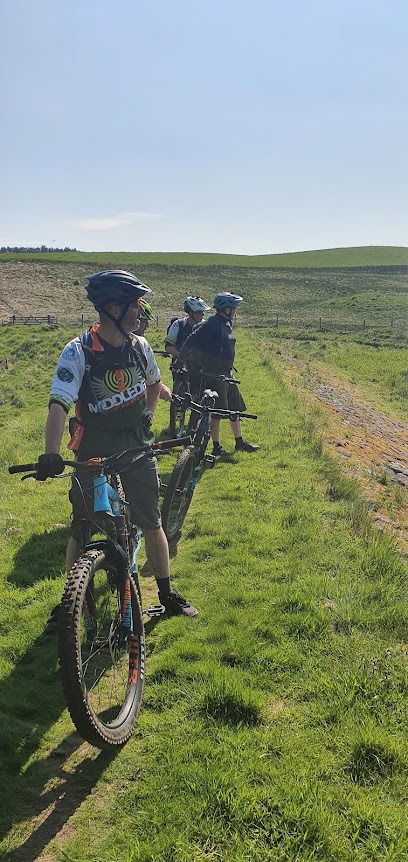
The Fife Pilgrim Way - Waymarker
9.4 km
Walk in the footsteps of medieval pilgrims along the historic and scenic Fife Pilgrim Way at Kinglassie.
Loch Leven's Larder
9.9 km
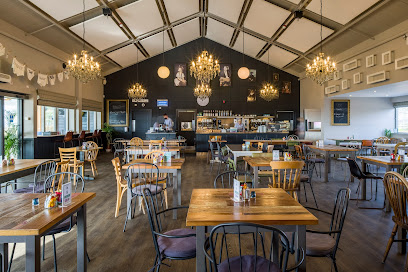
A family-run farm and food destination offering fresh local produce, scenic loch views, and artisanal dining near Kinross.
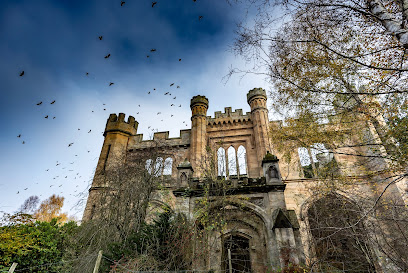
Crawford Priory
10.0 km
Explore the haunting Gothic ruins of Crawford Priory, a grand 19th-century estate shaped by the enigmatic Lady Mary Lindsay Crawford in scenic Fife.
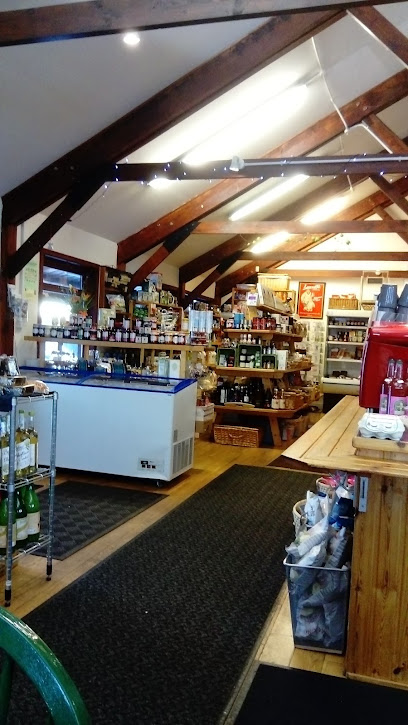
Lochend Farm Shop
10.1 km
Experience fresh farm produce, homemade café delights, and stunning Kinrossshire views at Lochend Farm Shop near Scotlandwell.
Dogton Stone
10.8 km
Discover the enigmatic 9th-century Pictish Dogton Stone, a rare free-standing cross carved with ancient Christian symbols in Lochgelly.
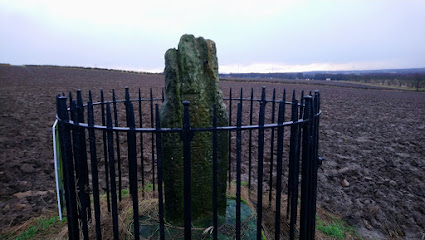
Orwell Standing Stones
10.9 km
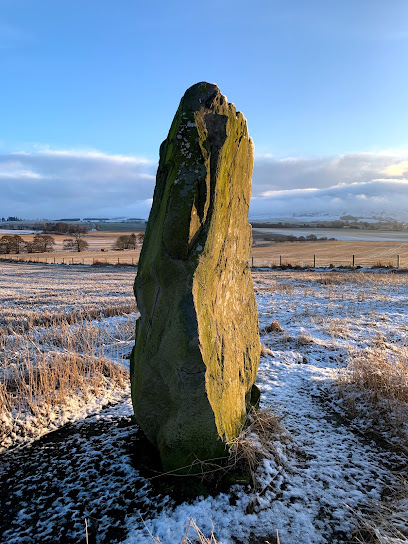
Discover the ancient mystery and serene beauty of the Orwell Standing Stones, iconic prehistoric sentinels near Kinross, Scotland.
Lindores Abbey Distillery
10.9 km
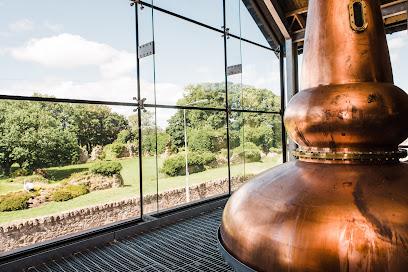
Discover Scotland’s whisky origins at Lindores Abbey Distillery, where historic abbey ruins meet exceptional single malt craftsmanship in a serene rural setting.
Abernethy Round Tower
10.9 km
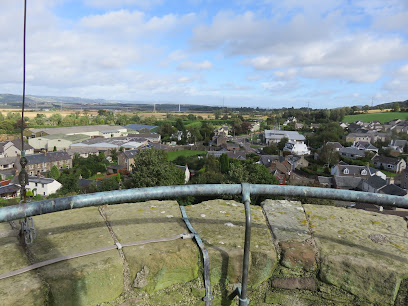
Discover the historic Abernethy Round Tower, an iconic symbol of Scotland's medieval heritage, offering stunning views and a glimpse into the past.
Essential places to dine

The Boar's Head Fife, Restaurant & Pub
4.5 km
A charming gastropub in Auchtermuchty offering fresh, locally inspired Scottish cuisine, fine wines, and cozy hospitality.
The Kettlebridge Inn, Bar & Italian Restaurant
5.4 km
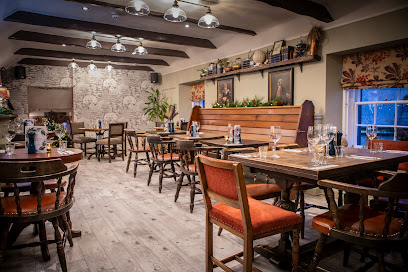
Cozy Italian dining with a Scottish pub vibe, fresh local produce, and a welcoming atmosphere in the heart of Kettlebridge.
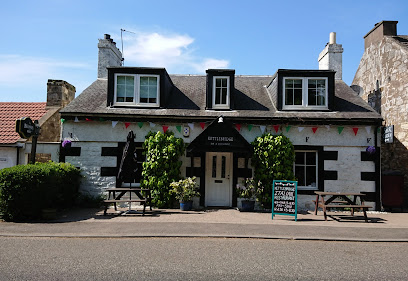
The Fettykil Fox
5.6 km
A charming gastropub in Glenrothes blending rustic Scottish style with hearty British fare and warm hospitality.
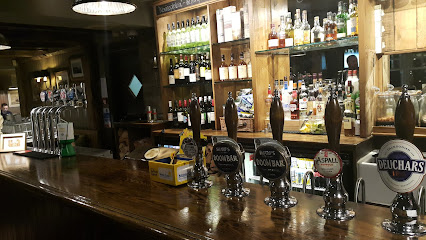
Balgedie Toll Tavern
9.5 km
Historic Scottish country pub with rustic charm, award-winning food, and a warm welcome amid scenic countryside near Loch Leven.
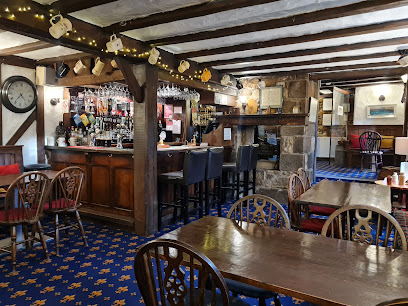
Standing Stane Restaurant and Bar
12.2 km
A cozy family-run British restaurant and bar in Leven offering hearty meals and a relaxed atmosphere near Wellsgreen Golf Range.
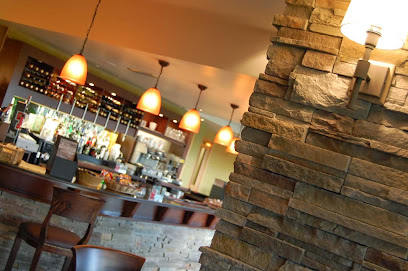
Grande Fine Dining Restaurant
13.3 km
Experience refined Scottish cuisine with a modern twist at The Grande, Kirkcaldy’s acclaimed fine dining restaurant within Dean Park Hotel.
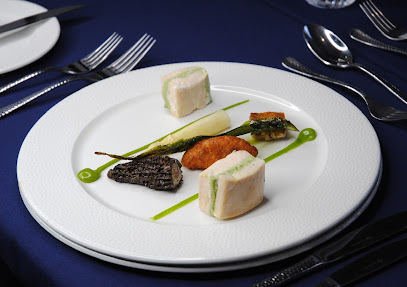
The Muirs Inn
14.4 km
Historic Kinross pub serving fresh home-cooked meals in a warm, welcoming atmosphere.
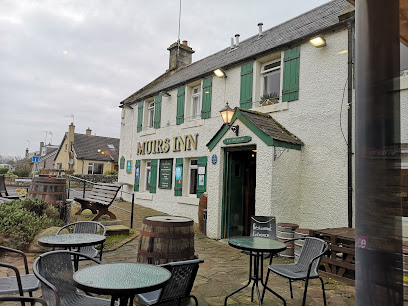
The Kirklands Hotel
14.4 km
Charming boutique hotel in Kinross offering cozy rooms, superb breakfasts, and a friendly, welcoming atmosphere in a peaceful country setting.
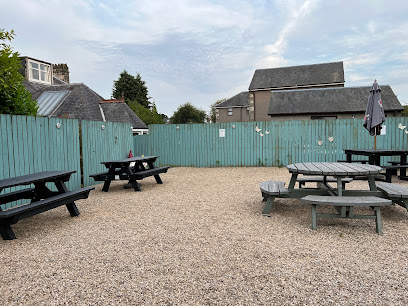
Salutation Hotel & Dewars Bar
14.4 km
A charming historic inn in Kinross with friendly service, traditional Scottish character, and a cozy bar and bistro atmosphere.
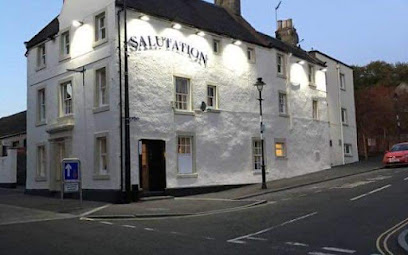
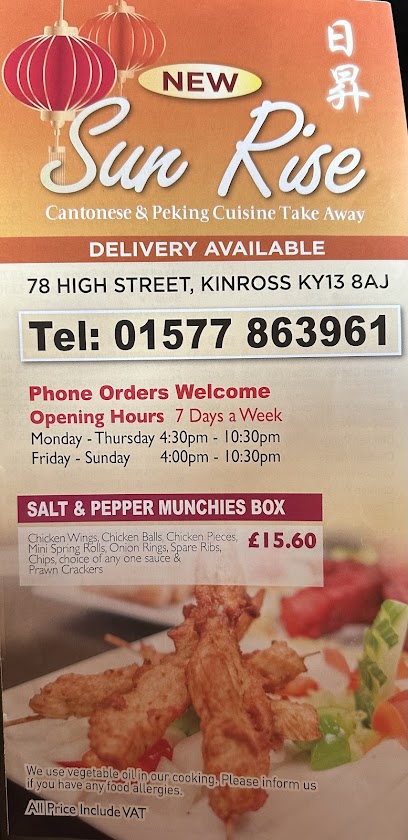
Sunrise
14.5 km
Discover authentic Chinese flavors at Sunrise in Kinross – where every dish tells a story of tradition and taste.
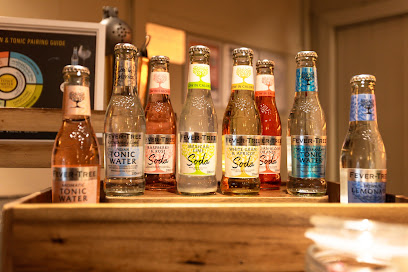
1567 Restaurant at the Green Hotel
14.5 km
Fine dining with historic charm and garden views in the heart of Kinross at The Green Hotel’s 1567 Restaurant.
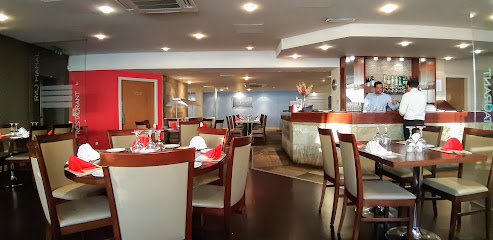
The Raj Mahal Indian Restaurant
14.6 km
Experience authentic and modern Indian flavors with a fresh buffet and warm hospitality in the heart of Kinross.
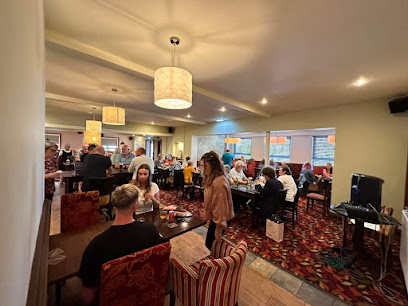
The Steadings
15.4 km
A fresh food restaurant and versatile event venue in Kirkcaldy, serving up quality meals and memorable celebrations.
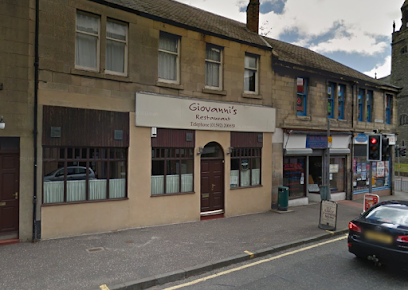
Giovanni's Restaurant
15.4 km
Experience freshly cooked Italian classics and warm hospitality at Giovanni's, Kirkcaldy's beloved family-run restaurant.
Le Jardin Cafe
15.5 km
A charming garden centre cafe in Kinross offering fresh food, great coffee, and a tranquil setting for all-day dining.
Markets, malls and hidden boutiques

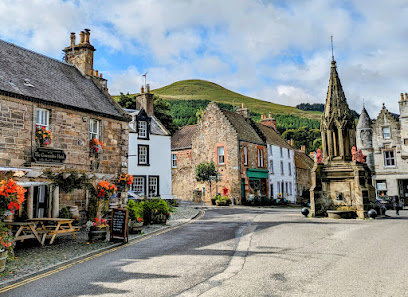
Fayre Earth
0.2 km
A charming gift shop and café in the historic village of Falkland, perfect for Scottish souvenirs, local crafts, and a warm cup of tea.
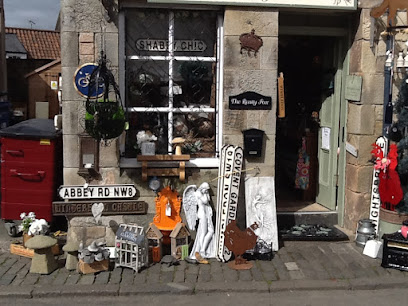
The Rusty Fox
0.2 km
Discover unique gifts, garden treasures, and plus-size fashion at The Rusty Fox, Falkland’s charming boutique on Back Wynd.
Vintage Quine
0.3 km
Discover timeless vintage fashion and unique accessories in the charming boutique of Vintage Quine, nestled in the historic village of Falkland.
Fife Country
4.8 km
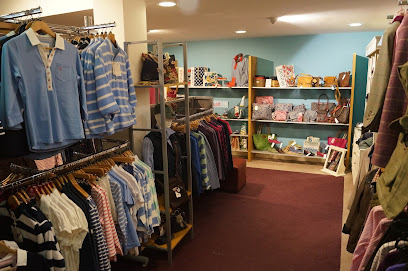
Heritage Scottish country clothing and footwear crafted since 1888 for enduring comfort and style in the great outdoors.
A&N Custom Gifts
6.5 km
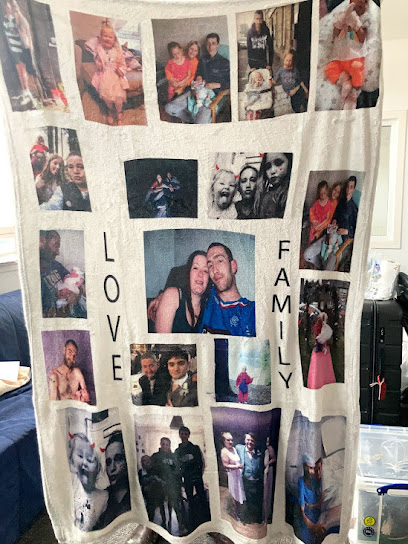
Explore A&N Custom Gifts, your go-to destination in Glenrothes for unique souvenirs and personalized treasures that embody the spirit of your travels.
Harvey Willis
6.8 km
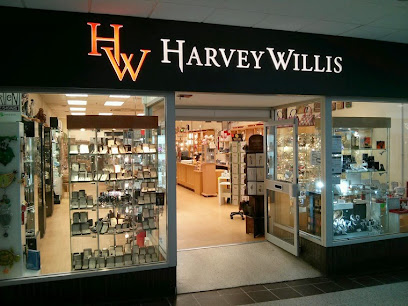
Discover Glenrothes’ award-winning boutique offering exquisite gifts, jewellery, watches, and personalized services in a welcoming setting.
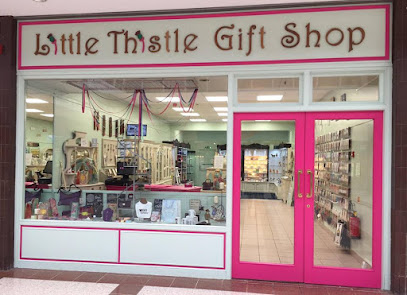
Little Thistle Gift Shop
6.8 km
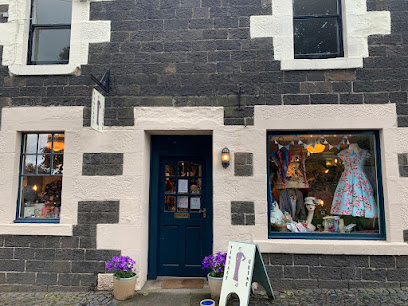
Discover unique Scottish gifts and handcrafted treasures at Little Thistle, Glenrothes’ award-winning family-run boutique.
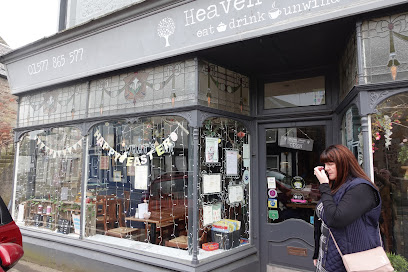
Heaven Scent Coffee Shop
13.6 km
A charming coffee shop in Milnathort offering customizable breakfasts, classic afternoon teas, and a welcoming garden setting with local flair.
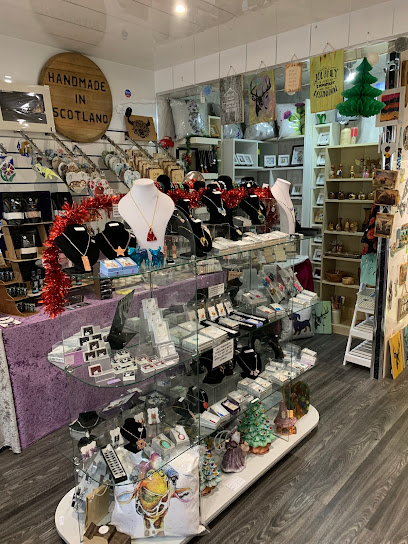
Hidden Gem Gifts
13.9 km
Discover unique, locally crafted gifts in a cozy boutique nestled in Cupar’s historic Bonnygate street.
The Original Factory Shop (Cupar)
14.0 km
Discover unbeatable bargains on clothing, beauty, and home essentials at Cupar’s premier discount store, The Original Factory Shop.
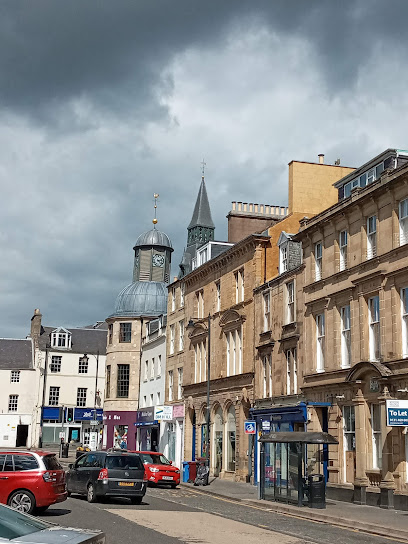
Jenna May’s Vintage
14.2 km
Discover unique vintage treasures and handcrafted gifts in the heart of Leven’s charming Commercial Road.
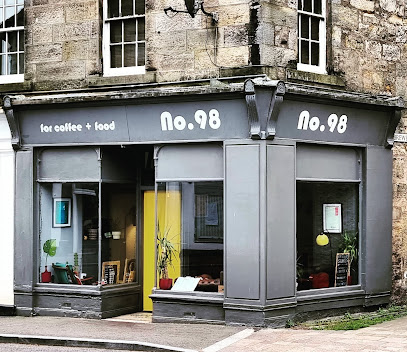
No 98
14.5 km
Discover No 98, a charming café in Kinross offering delicious breakfasts and a cozy atmosphere for an unforgettable dining experience.
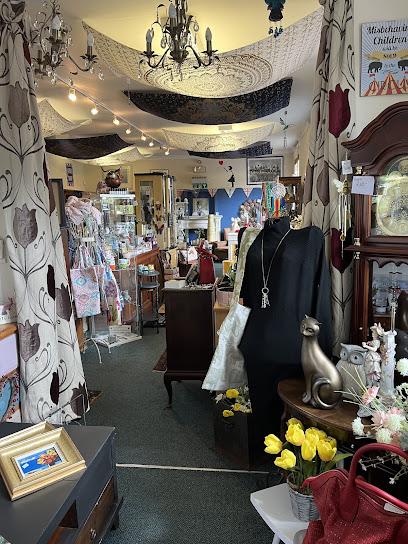
Todd & Duncan Ltd
14.7 km
Discover the heritage and craftsmanship of Scotland’s leading cashmere yarn mill nestled beside Loch Leven.
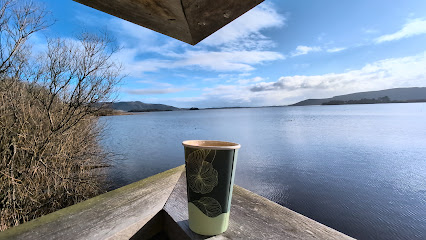
Sainsbury's
15.1 km
Your convenient and inclusive supermarket in Kinross, open daily with fresh produce, bakery delights, and modern shopping amenities.
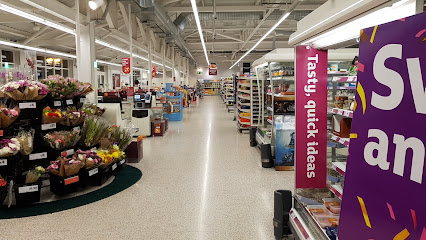
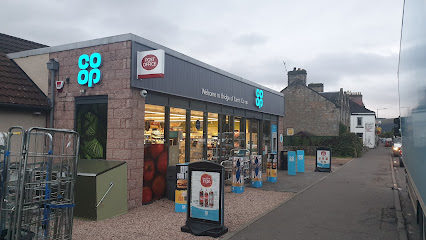
Co-op Food - Bridge of Earn - Main Street New
16.3 km
Discover the Co-op Food Store in Bridge of Earn - your one-stop shop for local flavors and essentials during your Scottish adventure.
Essential bars & hidden hideouts

The Railway Tavern @ Strathmiglo (Formerly The Strath Tavern)
4.9 km
Historic Scottish charm meets authentic local flavors in the welcoming Railway Tavern at Strathmiglo’s heart.
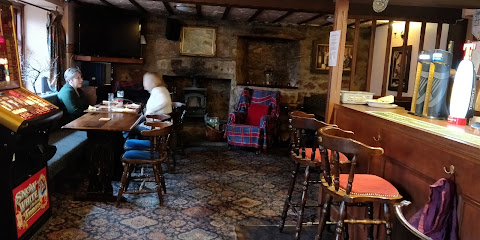
The Elby Inn
7.1 km
Experience the heart of Scottish hospitality at The Elby Inn, a cozy pub in Markinch offering local ales and hearty meals.
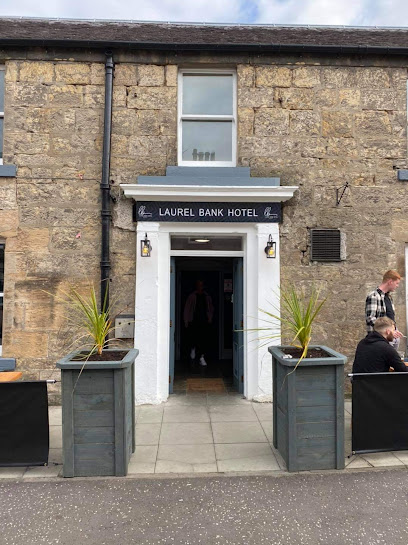
Home Farm View - Pub & Grill
13.1 km
A welcoming pub and grill near Kirkcaldy offering classic dishes, a full bar, and family-friendly comfort in a casual setting.
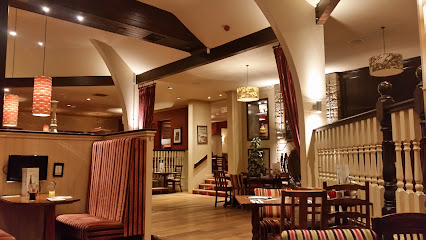
Spiral Weave
13.2 km
A modern pub with a traditional heart, serving daily carvery and classic pub fare in a welcoming family-friendly setting with a lively beer garden.
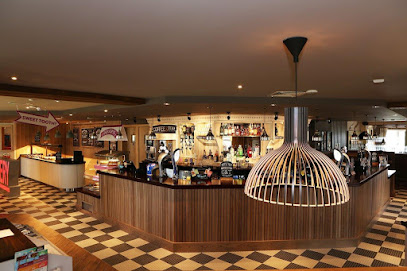
Eddy's Bar
13.8 km
A traditional Kirkcaldy pub blending classic charm with modern comfort, perfect for locals and visitors seeking a welcoming atmosphere.
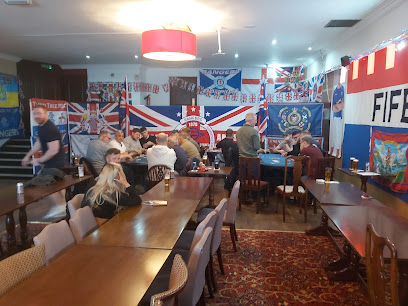
The Chapel Tavern
13.9 km
A classic Kirkcaldy pub offering hearty British fare, lively events, and a warm, welcoming atmosphere for all.
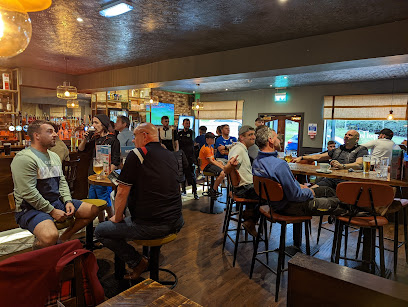
Jock's Bar
14.4 km
A cozy, lively bar in Kinross offering local ales, hearty meals, and live music in a historic hotel setting.
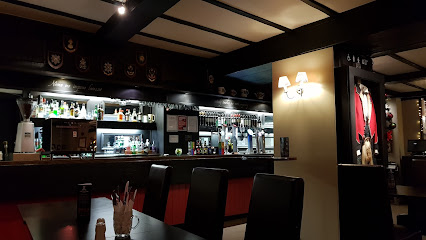
Fife Arms Pub
14.6 km
A traditional Scottish pub in Kirkcaldy offering hearty fare, local drinks, and a lively community atmosphere in a welcoming setting.
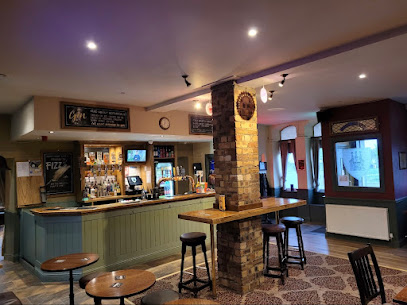
Man I' The Rock
15.0 km
A cozy, traditional pub in Dysart offering genuine Scottish hospitality and a welcoming local atmosphere.
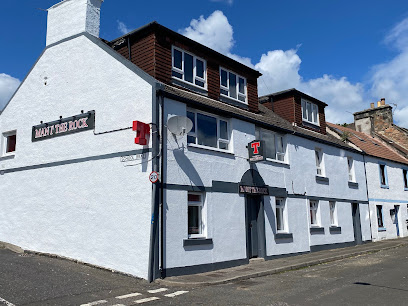
Weavers Bar & Lounge
15.1 km
A welcoming and lively bar in Kirkcaldy offering great drinks, a cozy lounge, and a friendly atmosphere with moderate prices.
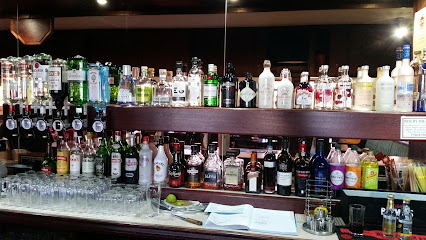
Bogarts
15.2 km
A lively and affordable pub in Kirkcaldy’s heart, offering classic drinks and a welcoming atmosphere every day until midnight.
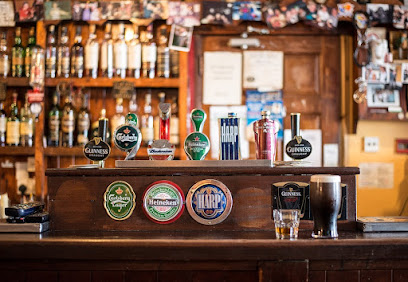
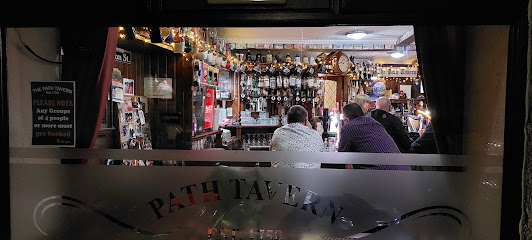
The Path Tavern
15.4 km
A cozy, family-run pub in Kirkcaldy serving hearty home-cooked meals with vintage charm and friendly, attentive service.
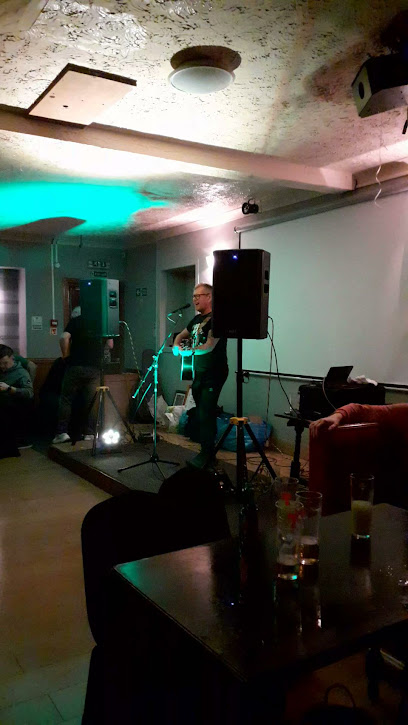
Torleys Bar
15.6 km
A friendly Lochgelly pub with pool, darts, beer garden, live sports, and a warm community atmosphere at its heart.
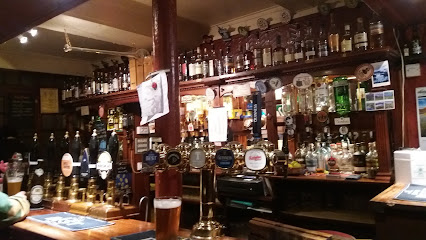
Harbour Bar
15.7 km
A friendly, traditional pub in Kirkcaldy offering affordable ales, lively events, and a welcoming atmosphere for locals and visitors alike.
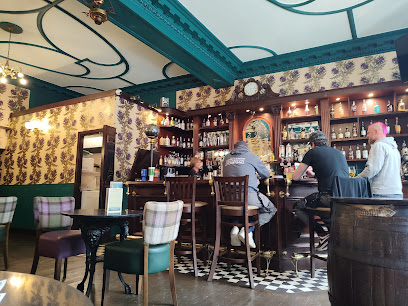
Betty Nicols
16.0 km
Historic and welcoming Kirkcaldy bar offering hearty pub fare, guest ales, vegan options, and a cosy atmosphere with a pet-friendly spirit.
Nightclubs & after hour spots

The Schofies Residence 1
6.3 km
A lively nightclub nestled in Glenrothes, offering a vibrant social scene and memorable nights in Scotland’s welcoming town.
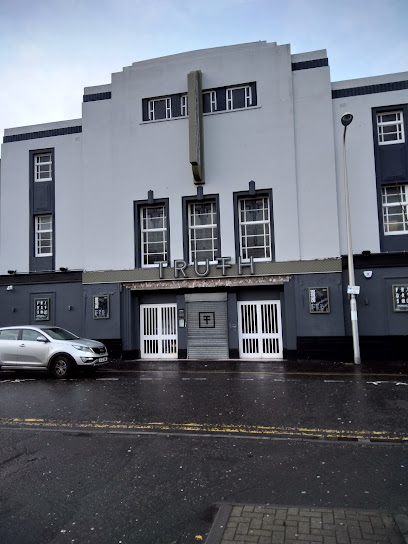
Truth
14.4 km
Experience vibrant nightlife with great music, friendly service, and a welcoming atmosphere at Truth nightclub in Leven, Fife.
Republic Bar Club
16.4 km
Experience Kirkcaldy’s vibrant nightlife at Republic Bar Club, where great drinks, friendly vibes, and lively weekends come together.
Ice Factory Perth
20.1 km
Perth’s energetic nightclub and live music hotspot, blending dance, DJs, and vibrant weekend nights in a modern setting.

Club One
20.9 km
Experience Perth’s vibrant nightlife at Club One, a lively nightclub offering late-night and daytime parties in the city center.
Loft Nightclub
21.0 km
Perth’s energetic nightclub with six bars, late-night dancing, and a lively social scene on South Street.
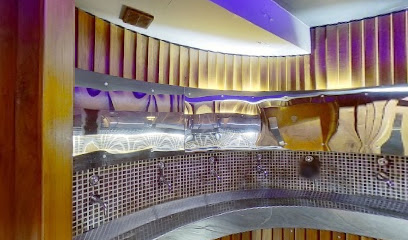
Ego Nightclub - Perth
21.2 km
Experience Perth’s vibrant nightlife at Ego Nightclub, where quality music and positive energy unite after dark.

LIFE
26.0 km
Experience vibrant nightlife and late-night fun at LIFE, Dunfermline’s energetic nightclub with a welcoming atmosphere and great music.
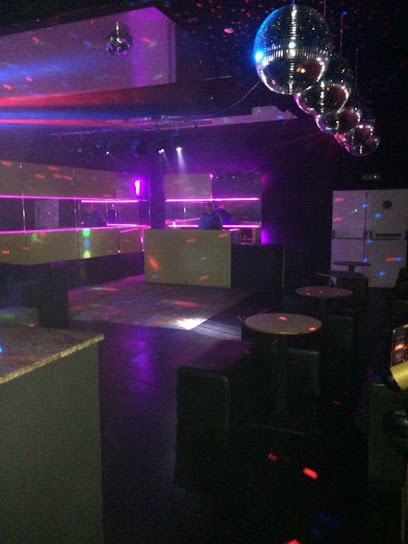
Underground
26.7 km
Dundee’s vibrant nightclub and live music venue where dancing, live bands, and late-night fun come alive every weekend.
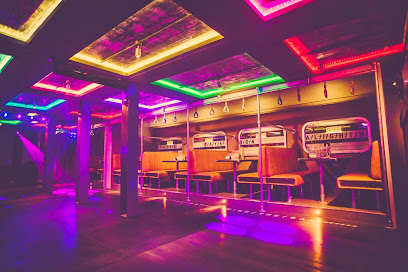
Afro Beats
26.8 km
Experience Dundee’s vibrant nightlife with pulsating Afrobeats, stylish vibes, and unforgettable late-night energy at Afro Beats nightclub.
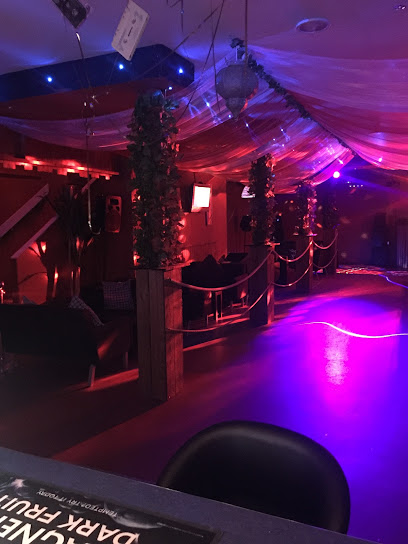
AURA Nightclub
26.9 km
Dundee’s vibrant AURA Nightclub pulses with chart hits, themed parties, and a welcoming atmosphere for unforgettable nights out.

Fat Sams
26.9 km
Experience Dundee’s vibrant nightlife at Fat Sam's, a legendary club blending live music, themed rooms, and nostalgic beats in a lively urban setting.

Club Tropicana & Venga
26.9 km
Step into Dundee’s ultimate 80s nightclub for nostalgic beats, vibrant dance floors, and unforgettable retro nights at Club Tropicana & Venga.
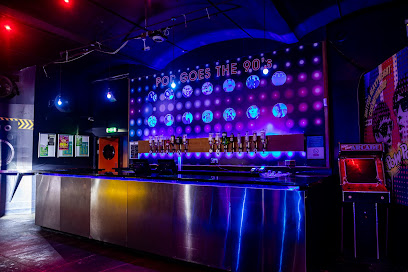
Decades Bar & Nightclub
26.9 km
Step back in time with Decades Bar & Nightclub, Dundee’s vibrant retro hotspot playing the best hits from the 70s, 80s, and 90s.
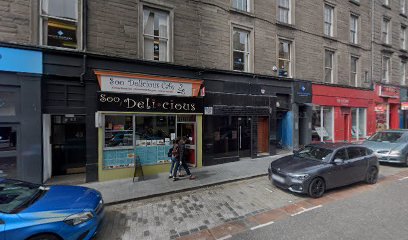
Private Eyes
27.1 km
Experience Dundee’s vibrant nightlife with live pole dance shows, VIP lounges, and a lively atmosphere at Private Eyes nightclub.
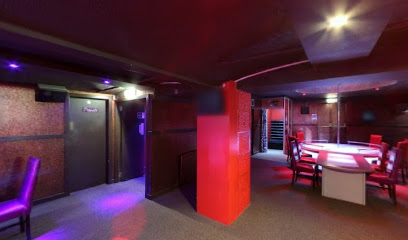
For the vibe & atmosphere seeker
- Tranquil
- Scenic
- Relaxing
- Historic
- Unique
For the design and aesthetic lover
- Vintage Styles
- Rustic Designs
For the architecture buff
- Historic
- Landmarks
- Sacred Sites
- Heritage Neighborhoods
- Parks & Gardens
For the view chaser and sunset hunter
- Iconic Views
- Panoramas
- Sunset Spots
For the social media creator & influencer
- Instagrammable
- Photo Spots
- Selfie Spots
- Architectural Shots
For the eco-conscious traveler
- Sustainable
- Eco-Friendly
- Public-Transport Accessible
- Leave-No-Trace Critical
- Locally Managed
For the kind of experience you’re after
- Cultural Heritage
- Photowalk
- Nature Escape
- Day Trip
- Weekend Getaway
- Myth & Legends
For how adventurous you want the journey to be
- Easy Access
Location Audience
- Family Friendly
- Senior Friendly
- Child Friendly
- Teen Friendly
- Wheelchair Access
- Pet Friendly
- Solo Friendly
- Couple Friendly
- Vegetarian Friendly
- Vegan Friendly


