Maggie Wall Witch Monument, Perthshire Travel Guide
A haunting 20-foot stone monument near Dunning commemorating the mysterious Maggie Wall and all victims of Scotland’s witch hunts.
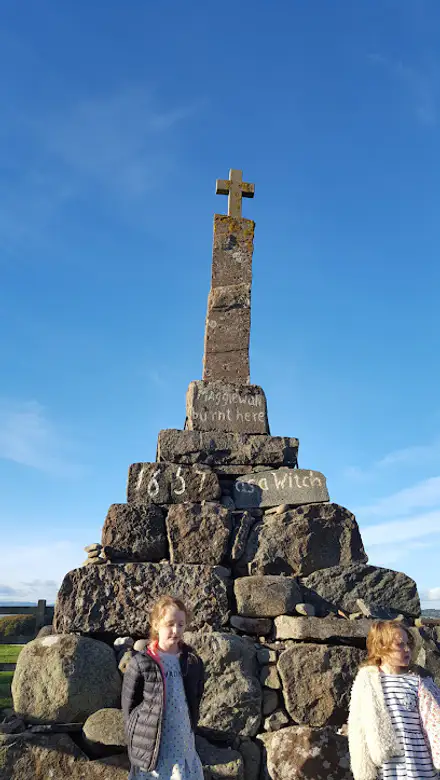
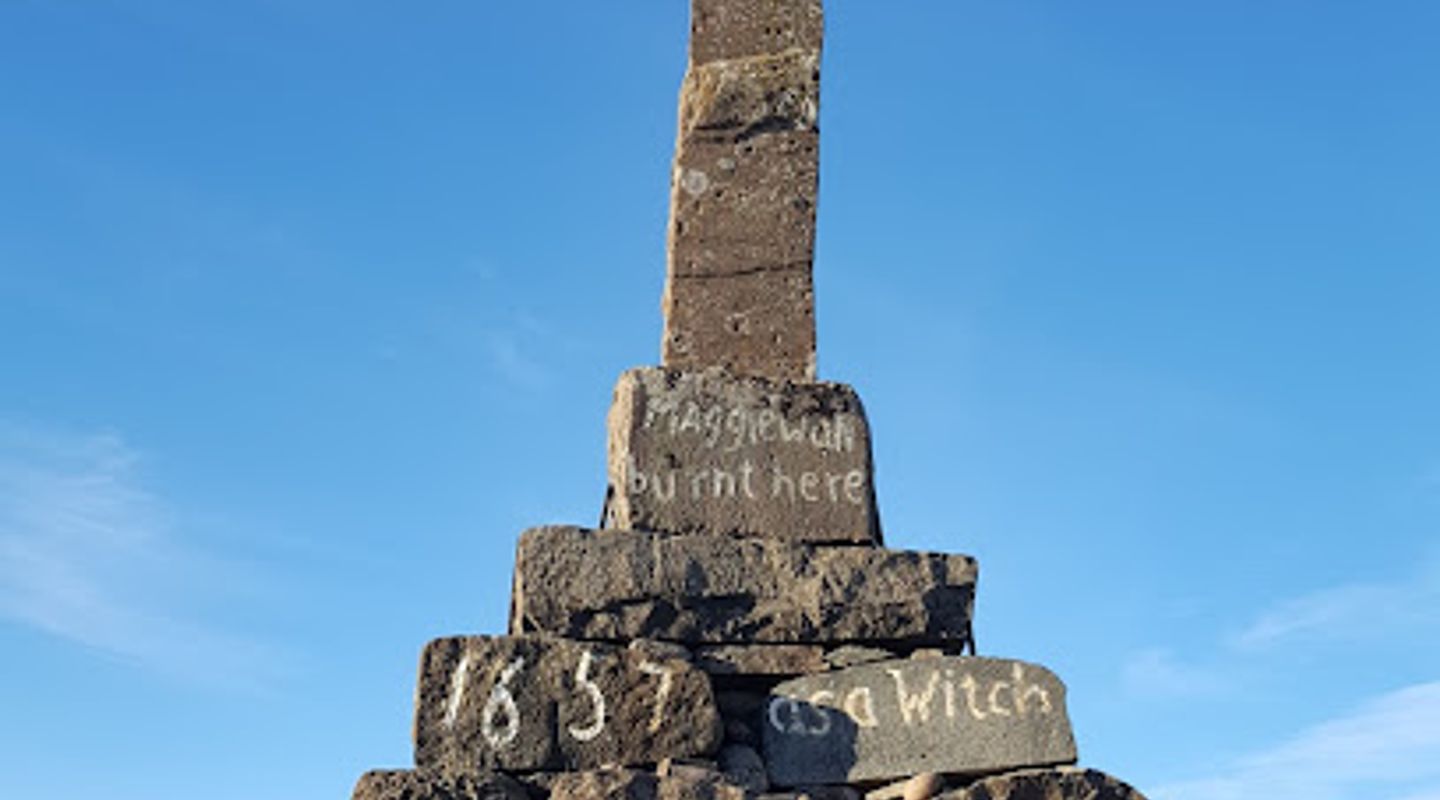
The Maggie Wall Witch Monument near Dunning in Perthshire, Scotland, is a striking 20-foot-high stone cairn topped with a cross. It bears the inscription “Maggie Wall burnt here 1657 as a witch” and serves as a symbolic memorial to the many women accused and executed during Scotland’s witch hunts. Despite its powerful presence, no historical records confirm Maggie Wall’s existence, making the monument a poignant tribute to all victims of witch persecution.
A brief summary to Maggie Wall Witch Monument
- Auchterarder Rd, Perth, Dunning, GB
- Click to display
- Duration: 0.5 to 1.5 hours
- Free
-
 Outdoor
- Mobile reception: 4 out of 5

Know before you go
Hi, I'm Eve. Here are a few practical things to know before exploring Maggie Wall Witch Monument.
- Visit during daylight hours to fully appreciate the monument’s details and the surrounding woodland atmosphere.
- Bring small tokens like pennies or feathers to leave as a respectful tribute at the monument.
- Combine your visit with a stop in the nearby village of Dunning to explore local history and amenities.
- Wear sturdy footwear as the monument is set in a rural woodland area with uneven terrain.
Do you manage this location?
Take control to get all the benefits, like improved information, better appearance, and stronger visibility across AI-powered discovery. Learn more about listing your business on Evendo
Activate your presenceOther nearby places you may find interesting
The closest places of the same kind, if this one is not quite what you had in mind.
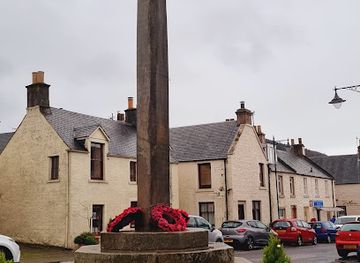
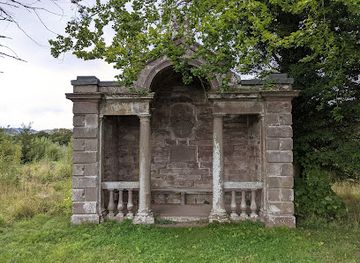
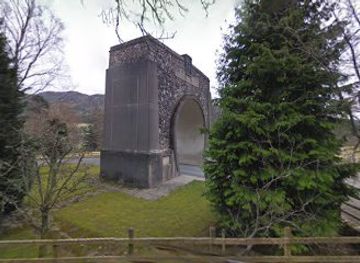
Explore Maggie Wall Witch Monument on the Map
A handpicked selection of must-see spots near Maggie Wall Witch Monument, mapped for you.
Getting There
-
Bus
Take the No. 17 bus from Perth to Dunning, which runs approximately every two hours and takes around 30 minutes. From Dunning, the monument is a short walk on rural roads with uneven terrain.
-
Car
Drive via the A9 highway and then the B8062 road to reach the monument near Dunning. Parking is limited and informal near the site; sturdy footwear is recommended for the short walk through woodland paths.
-
Walking
For those staying in Dunning village, a 20-30 minute walk on country lanes and woodland paths leads to the monument. Terrain is uneven and may be slippery after rain, so appropriate footwear is advised.
For the on-the-go comforts that matter to you
-
 Seating Areas
-
 Information Boards
Discover more about Maggie Wall Witch Monument
A Haunting Memorial in Perthshire
Standing just outside the village of Dunning in Perthshire, the Maggie Wall Witch Monument is an imposing stone cairn approximately 20 feet tall, crowned with a cross. Painted in stark white letters on its face is the chilling phrase: “Maggie Wall burnt here 1657 as a witch.” Visitors often leave small tokens such as pennies, feathers, shells, and candles, transforming the site into a place of remembrance and reflection. The monument is located in what was once the parklands of Duncrub Castle, surrounded by woodland known as Maggie Walls Wood, a name documented since at least 1829.The Mystery of Maggie Wall’s Identity
No historical records exist of a woman named Maggie Wall being tried or executed for witchcraft, and the monument itself only appears in records from the mid-19th century. The stones show evidence of construction techniques and gunpowder use dating the monument’s creation to the late 18th century, likely around 1797 or later. It is widely believed that the monument was erected as a symbolic tribute rather than marking an actual execution site. The name Maggie Wall may have been borrowed from the surrounding wood to represent the countless women accused and murdered during Scotland’s witch hunts between the 1500s and 1700s.Context of Witch Hunts in Scotland
Scotland’s witch trials were brutal and extensive, with nearly 3,800 people accused of witchcraft, predominantly women, and approximately 1,500 executed. The 1650s and 1660s were particularly turbulent in Perthshire, with local witch trials coinciding with religious and political unrest. In 1663, six women from Dunning were accused, and three were executed, a significant number given the village’s small population. The monument thus stands as a somber reminder of this dark chapter in Scottish history.Theories and Local Lore
Several theories surround the monument’s origin and Maggie Wall’s story. One suggests that a member of the influential Rollo family, owners of Duncrub Castle, erected the monument out of guilt after an affair with Maggie Wall. Another theory posits that Maggie was part of a group of women who resisted church officials attempting to discipline a popular local minister, leading to her persecution. Despite the mystery, the monument has been maintained over centuries, with fresh wreaths sometimes laid in remembrance, underscoring its role as a symbolic memorial to victims of witch persecution.Visiting the Monument Today
The monument’s remote yet accessible location near Dunning offers a contemplative atmosphere surrounded by woodland. Its unique status as the only known memorial of its kind in Scotland makes it a poignant site for those interested in history, folklore, and the human stories behind the witch hunts. The surrounding Maggie Walls Wood adds a natural serenity that contrasts with the monument’s grim message, inviting visitors to reflect on past injustices and the enduring legacy of superstition and persecution.Legacy and Cultural Significance
Though Maggie Wall’s true existence remains unproven, the monument immortalizes the countless unnamed women who suffered during Scotland’s witch trials. It serves both as a historical curiosity and a powerful symbol against extremism and injustice. The story of Maggie Wall resonates beyond its local roots, reminding us of the dangers of fear-driven persecution and the importance of remembering those lost to such dark chapters in history.More to explore near Maggie Wall Witch Monument













Your all‑in‑one travel companion app
Explore expert travel guides, compare and book tours, experiences, hotels, and more—all from the palm of your hand. Download now for seamless trip planning wherever your wanderlust takes you.


Explore More of Perthshire
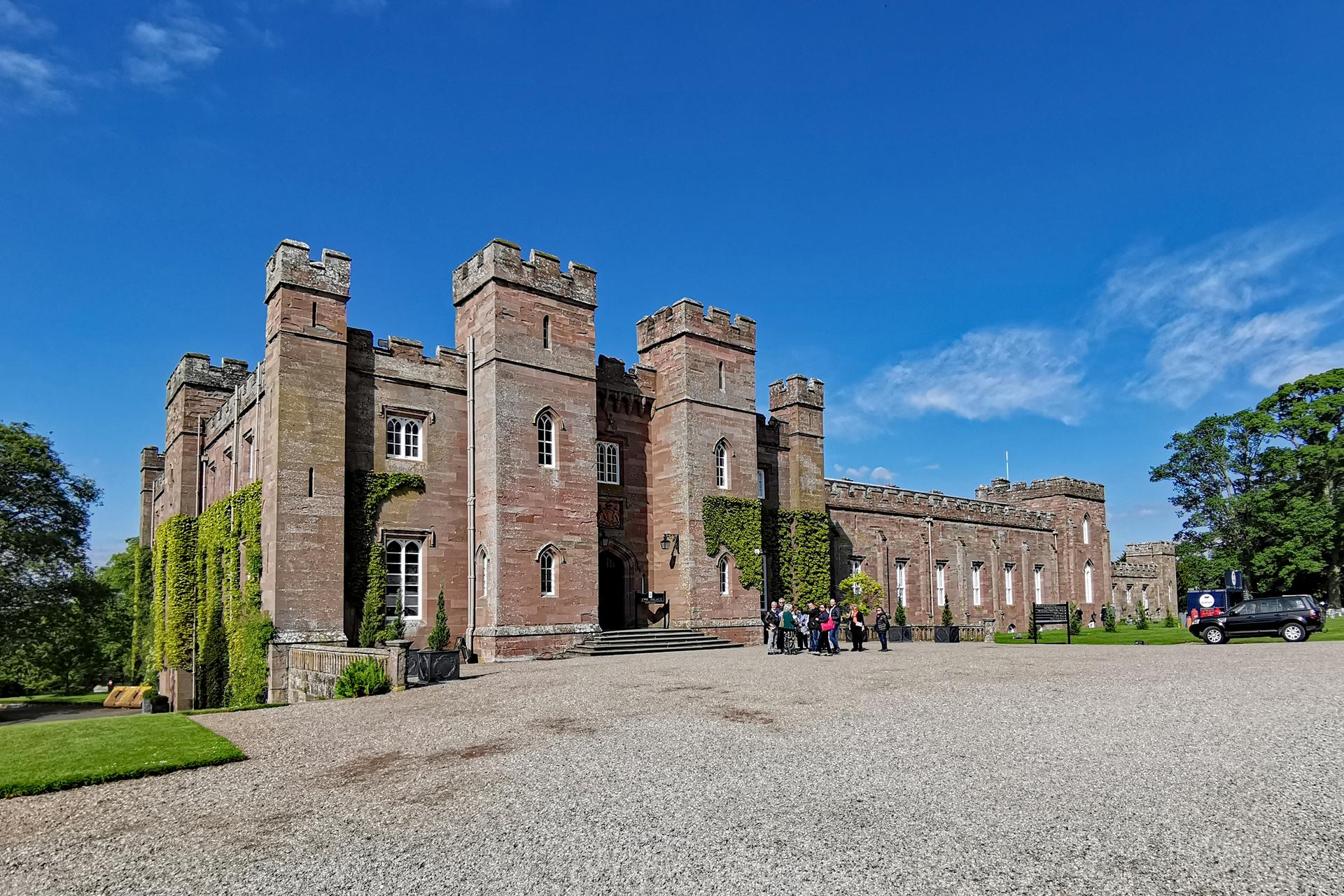
Looking beyond Maggie Wall Witch Monument? Discover Perthshire for broader travel guides, local hot-spots, and regional highlights.
Explore Perthshire
Historic Stirling pub offering real ales, hearty fare, and a welcoming atmosphere in the heart of the Old Town.
Explore the evocative 13th-century ruins of Kincardine Castle, a royal Scottish fortress steeped in medieval history and surrounded by tranquil farmland.