
Dogton Stone: The Enigmatic Pictish Cross Shaft of Lochgelly
Discover the enigmatic 9th-century Pictish Dogton Stone, a rare free-standing cross carved with ancient Christian symbols in Lochgelly.
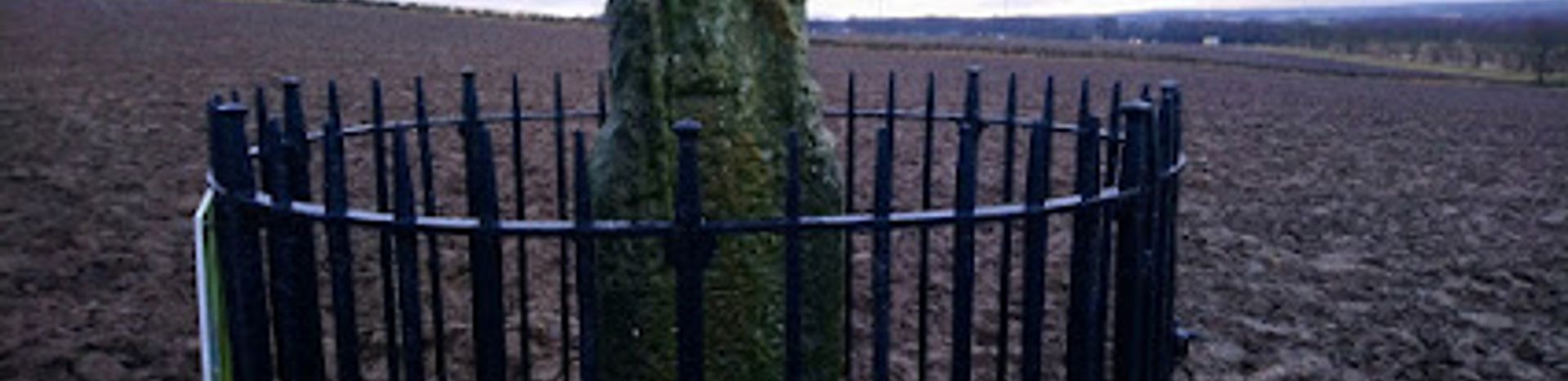
The Dogton Stone, located in Lochgelly, Fife, is a rare surviving fragment of a Pictish free-standing cross dating from the 9th or 10th century AD. Featuring weathered but intricate abstract carvings and an armed horseman motif, this historic monument offers a glimpse into the Christian symbolism and artistry of the Picts, an ancient people of early medieval Scotland. The stone stands in its original spot, evoking mystery about its original purpose and significance.
A brief summary to Dogton Stone
- Lochgelly, GB
- +441316688600
- Visit website
- Duration: 0.5 to 1.5 hours
- Free
-
 Outdoor
- Mobile reception: 4 out of 5
- Monday 12 am-12 am
- Tuesday 12 am-12 am
- Wednesday 12 am-12 am
- Thursday 12 am-12 am
- Friday 12 am-12 am
- Saturday 12 am-12 am
- Sunday 12 am-12 am
Local tips
- Visit during daylight hours for the best visibility of the weathered carvings.
- Bring a magnifying glass or camera with zoom to examine the intricate stone details closely.
- Combine your visit with nearby Pictish sites to deepen your understanding of early medieval Scotland.

For the on-the-go comforts that matter to you
- Seating Areas
- Information Boards
Getting There
-
Bus
Take the Stagecoach bus service from Dunfermline or Kirkcaldy to Lochgelly; the journey takes approximately 30 to 40 minutes. Buses run regularly but check schedules for weekend frequency. From the bus stop, the Dogton Stone is a short walk. Tickets cost around £3–£5.
-
Car
Driving to Lochgelly from nearby towns like Kirkcaldy or Dunfermline takes about 15 to 25 minutes. Limited roadside parking is available near the site. Note that the stone is outdoors and accessible year-round without entrance fees.
-
Train and Walk
Travel by train to Lochgelly station on the Fife Circle Line, with services from Edinburgh or Perth taking 40 to 60 minutes. From the station, it is a 20-minute walk over mostly flat terrain to the Dogton Stone. No additional fees apply.
Dogton Stone location weather suitability
-
 Any Weather
-
 Rain / Wet Weather
-
 Clear Skies
-
 Mild Temperatures
Discover more about Dogton Stone
Ancient Origins and Pictish Heritage
The Dogton Stone is a remarkable relic from the early medieval period, dating to around the 9th or 10th century AD. It is one of the few surviving examples of a free-standing cross erected by the Picts, a people who inhabited northern Scotland during the first millennium AD. Unlike the more common symbol stones of the Picts, the Dogton Stone represents a later phase where Christian influence became more overt in their carvings. Although only the base and lower part of the cross shaft remain, the stone's intricate abstract ornamentation and the depiction of an armed horseman above two beasts reveal the sophistication and symbolic depth of Pictish stone carving.Design and Symbolism
The Dogton Stone's weathered surface still bears traces of its original carvings, which combine abstract patterns with figural imagery. The armed horseman motif is particularly striking, suggesting themes of power, protection, or spiritual guardianship. The cross itself, once complete, would have served as a religious monument, possibly marking sacred ground or a significant boundary. Its survival in situ suggests that it was deliberately placed and respected over centuries, though the exact reason for its erection remains a subject of scholarly debate.Context Within Pictish Monuments
Free-standing crosses like the Dogton Stone were uncommon in Pictland, making this monument especially significant. Most Pictish stones are symbol stones featuring enigmatic designs, but the Dogton Stone belongs to a later group that embraced Christian iconography. It shares cultural and artistic links with other notable stones such as the Dupplin and Invermay stones, which may have marked religious or important territorial sites. The Dogton Stone thus provides valuable insight into the transition from pagan to Christian beliefs among the Picts.Local Significance and Conservation
Situated in Lochgelly, the Dogton Stone stands as a cherished local landmark and a tangible connection to Scotland's early medieval past. Its preservation allows visitors to experience a direct link to the Pictish era, fostering appreciation for the region's rich cultural heritage. Conservation efforts focus on protecting the stone from further weathering while maintaining its original setting, ensuring that this ancient monument continues to inspire and educate future generations.Visitor Experience and Atmosphere
Visitors to the Dogton Stone can immerse themselves in a tranquil outdoor environment where history and nature intertwine. The site invites contemplation of the mysteries surrounding the Picts and their artistry. The weathered carvings encourage close observation, while the surrounding landscape evokes the ancient world in which the stone was created. This quiet, evocative atmosphere makes the Dogton Stone a unique destination for those interested in archaeology, history, and early Christian art.Enduring Mysteries and Cultural Legacy
Despite extensive study, many questions about the Dogton Stone remain unanswered. The precise purpose of the stone, the identity of the horseman, and the full meaning of the abstract motifs continue to intrigue historians and visitors alike. As a symbol of Scotland’s early medieval cultural crossroads, the Dogton Stone embodies the enduring legacy of the Picts and their artistic and spiritual traditions, inviting ongoing exploration and appreciation.Iconic landmarks you can’t miss

Caithness Place
6.8 km
Experience the vibrant connectivity of Caithness Place, your gateway to the best of Kirkcaldy's attractions and scenic spots.
Seamark
7.9 km
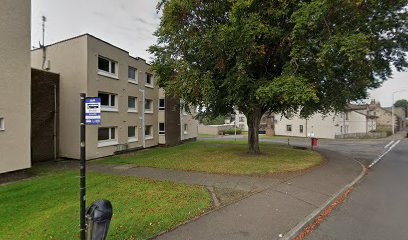
Seamark in Kelty, Fife—a serene historical landmark honoring Scotland’s rich coal mining heritage and community resilience.
Leith East Breakwater Lighthouse
18.8 km
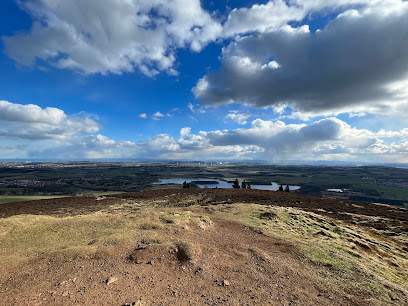
Historic maritime beacon guiding ships into Edinburgh’s vibrant Leith Docks since 1876, now a cherished symbol of nautical heritage.
Forth Lock
19.2 km
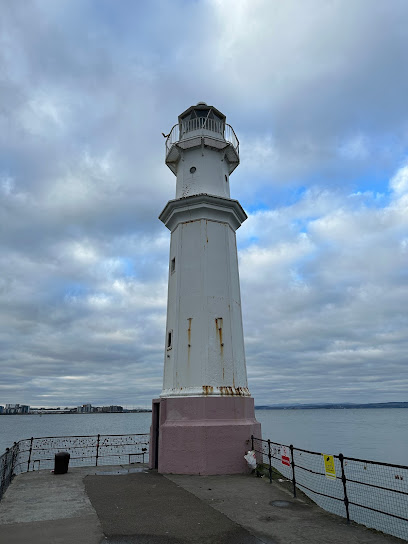
Historic Forth Lock in Leith, Edinburgh, blends maritime heritage with vibrant waterfront life and scenic canal views.
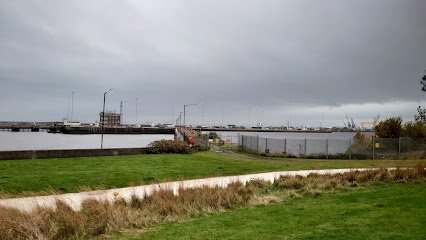
Dalmeny House
20.0 km
Experience the enchanting blend of history and nature at Dalmeny House, a stunning Scottish estate near Edinburgh with breathtaking views.
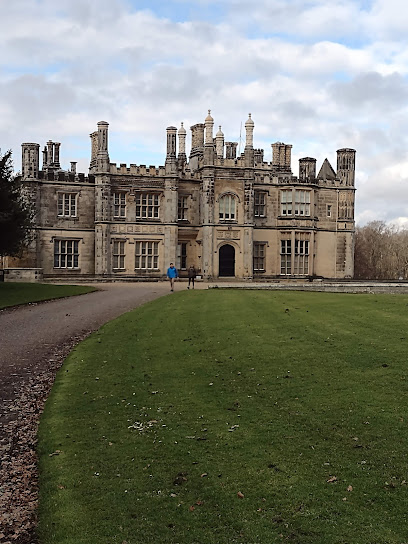
Abernethy Round Tower
20.0 km
A rare medieval Irish-style round tower in Abernethy, steeped in Pictish heritage and offering sweeping views over Perthshire’s countryside.
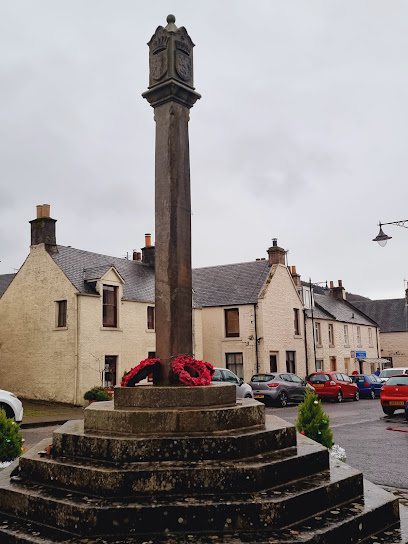
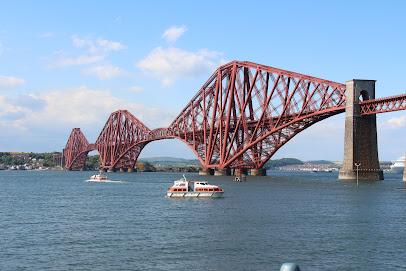
Forth Bridge
20.0 km
A towering red steel cantilever marvel, the Forth Bridge is Scotland’s iconic railway landmark and a UNESCO World Heritage Site.

Eagle Rock
20.1 km
Explore Eagle Rock in Edinburgh: A breathtaking historical landmark with stunning views and rich Scottish heritage.
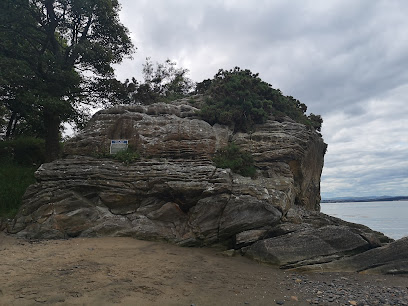
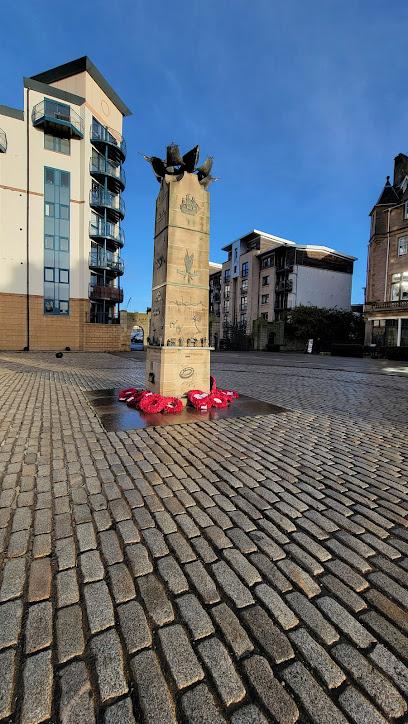
Scottish Merchant Navy Memorial
20.4 km
A solemn sandstone column in Leith honoring the bravery and sacrifice of Scotland’s merchant seafarers lost at sea in war and peace.
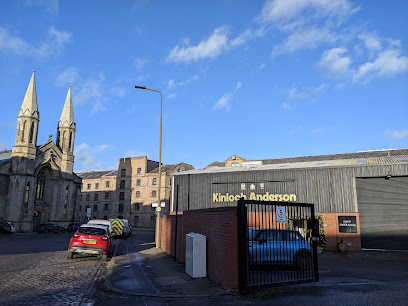
Leith Citadel
20.5 km
Explore Leith Citadel’s historic gateway, a surviving remnant of Cromwell’s 17th-century fortress guarding Edinburgh’s vital port.
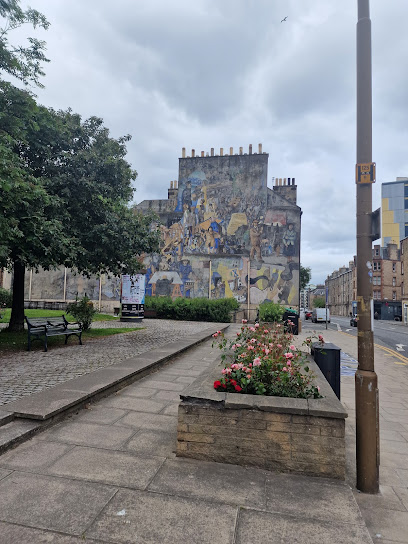
The Leith Mural
20.6 km
Discover The Leith Mural, a vibrant artistic masterpiece in Edinburgh's Leith district, showcasing the spirit of community and creativity.
Custom House Leith
20.6 km
Experience the blend of history and modernity at Custom House Leith, a premier events venue in Edinburgh's vibrant waterfront district.
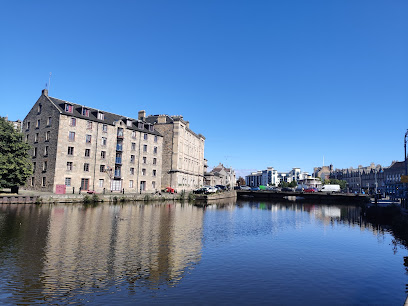
Forth Rd Bridge
20.6 km
A monumental suspension bridge connecting Edinburgh and Fife, offering stunning views and a rich history spanning over six centuries.
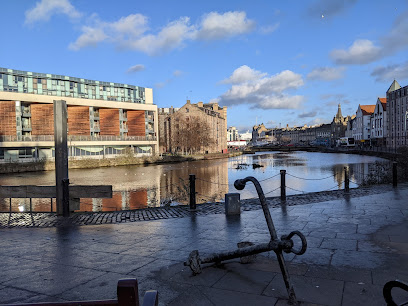
Water of Leith Walkway Finish
20.7 km
Edinburgh’s scenic 13-mile riverside trail ends at Leith’s historic waterfront, blending nature, heritage, and urban charm.
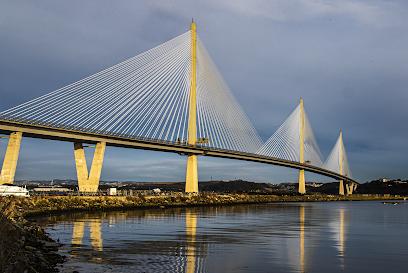
The Queensferry Crossing
20.7 km
Discover the world’s longest three-tower cable-stayed bridge, a modern marvel spanning Scotland’s iconic Firth of Forth.
Unmissable attractions to see

The Fife Pilgrim Way - Waymarker
1.8 km
Walk in the footsteps of medieval pilgrims along the historic and scenic Fife Pilgrim Way at Kinglassie.
Fife Central Retail Park
3.2 km
A versatile retail destination in Kirkcaldy offering diverse shopping, dining, and essential services with convenient access and extended hours.
Kingdom Shopping Centre
5.7 km
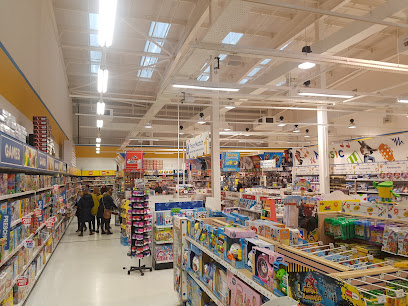
The bustling heart of Glenrothes, Kingdom Shopping Centre offers over 100 shops, eateries, and cultural venues all on one accessible level.
Lochend Farm Shop
6.4 km
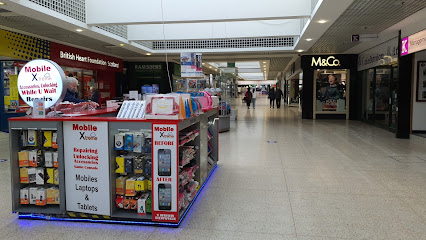
Experience fresh farm produce, homemade café delights, and stunning Kinrossshire views at Lochend Farm Shop near Scotlandwell.
Lochore Meadows
6.6 km
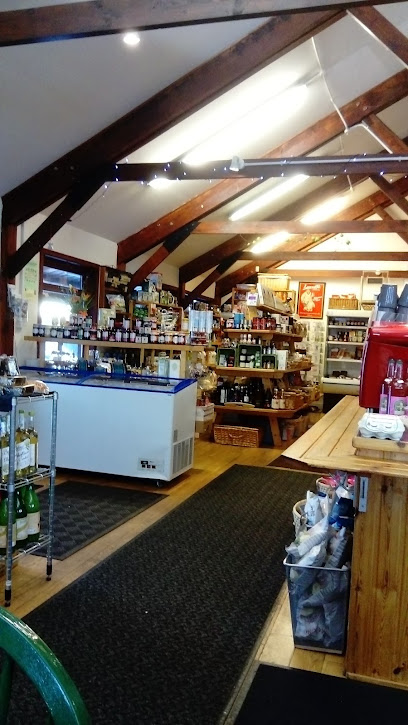
Explore 1,200 acres of scenic woodlands, lochside trails, and family-friendly activities in Fife’s premier country park.
Dunmore Hill Fort
6.6 km
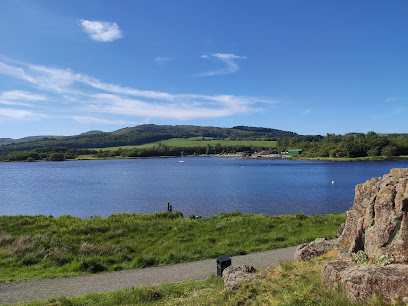
Explore Dunmore Hill Fort, a scenic prehistoric stone fort near Kinross, steeped in ancient history and commanding panoramic views.
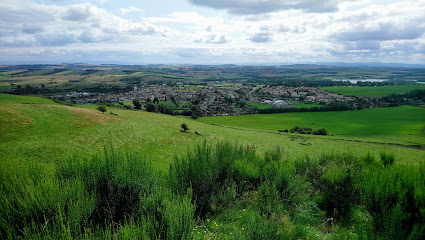
Sculpture, Wemyss field
6.9 km
Explore the tranquil beauty of Wemyss Field Sculpture in Kirkcaldy, where art and nature harmoniously intertwine for a memorable experience.
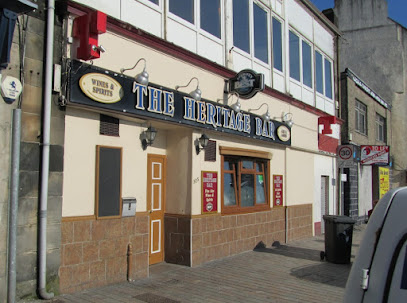
The Heritage Bar
6.9 km
A lively, welcoming karaoke bar in Kirkcaldy offering great drinks, fun nights, and a strong community vibe at affordable prices.
Ravenscraig Castle
7.0 km
Explore Ravenscraig Castle, Scotland’s pioneering artillery fortress with towering walls and rich royal history on the Firth of Forth coast.
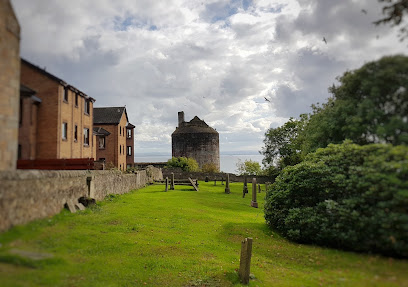
Dysart Harbour
7.7 km
A quiet Fife harbour with centuries of coal, salt and seafaring history, framed by white cottages and a 19th-century harbourmaster’s house.
The Michael Bruce Cottage Museum
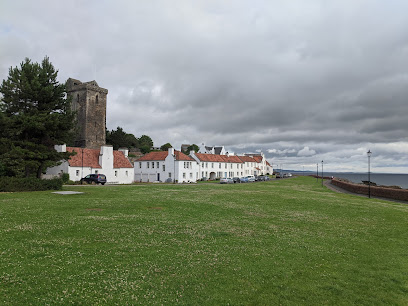
8.6 km
Discover the tranquil birthplace and legacy of Michael Bruce, Scotland’s gentle poet, in a charming 18th-century cottage museum nestled in Kinnesswood.
Loch Leven's Larder
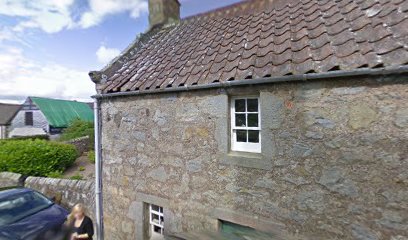
10.4 km
A family-run farm and food destination offering fresh local produce, scenic loch views, and artisanal dining near Kinross.
Falkland Palace & Garden
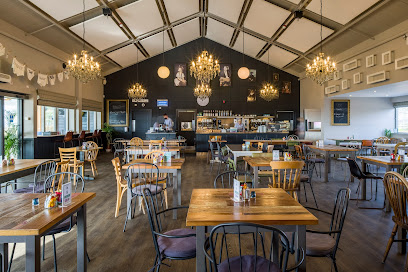
10.8 km
Explore the enchanting Renaissance palace and gardens once cherished by Mary, Queen of Scots, nestled in the heart of historic Falkland.
Falkland
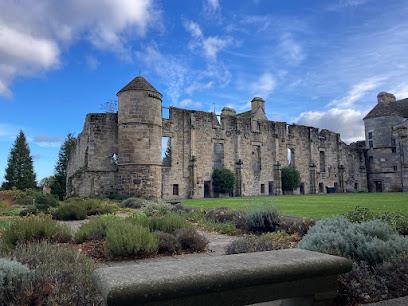
11.0 km
Discover the regal charm of Falkland Palace, a Renaissance jewel set amidst tranquil gardens and the scenic Lomond Hills near Cupar, Scotland.
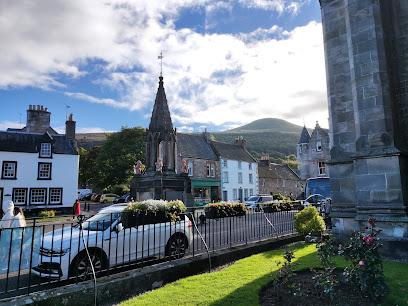
Lochleven Castle
11.0 km
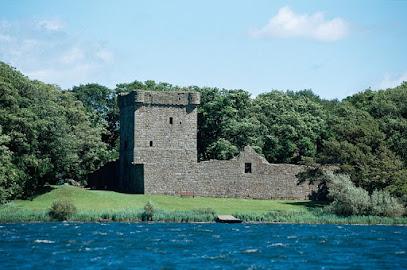
Explore Lochleven Castle, a historic island fortress where Mary, Queen of Scots was imprisoned, set amid tranquil Scottish loch scenery.
Essential places to dine

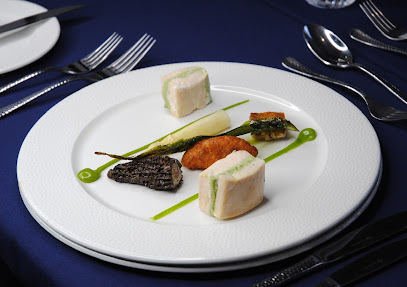
Grande Fine Dining Restaurant
3.0 km
Experience refined Scottish cuisine with a modern twist at The Grande, Kirkcaldy’s acclaimed fine dining restaurant within Dean Park Hotel.
The Steadings
5.7 km
A fresh food restaurant and versatile event venue in Kirkcaldy, serving up quality meals and memorable celebrations.
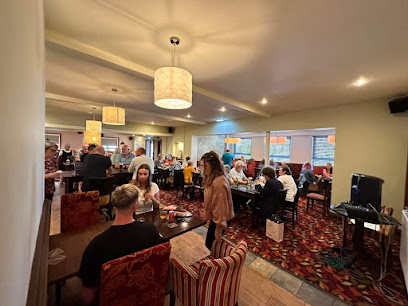
The Fettykil Fox
5.8 km
A charming gastropub in Glenrothes blending rustic Scottish style with hearty British fare and warm hospitality.
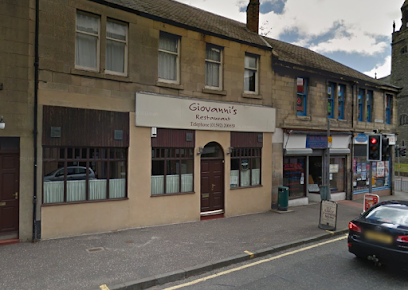
Giovanni's Restaurant
6.4 km
Experience freshly cooked Italian classics and warm hospitality at Giovanni's, Kirkcaldy's beloved family-run restaurant.
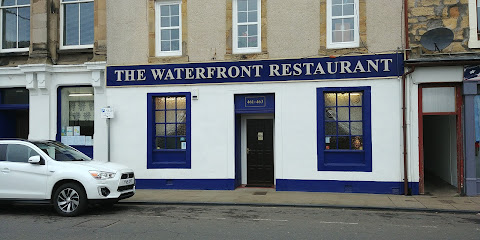
The Waterfront Restaurant
6.8 km
Charming British dining with fresh seafood, warm service, and cozy accommodation in the heart of Kirkcaldy’s High Street.
La Gondola
6.8 km
Authentic family-run Italian dining in Kirkcaldy, blending traditional flavors with warm hospitality since 2001.
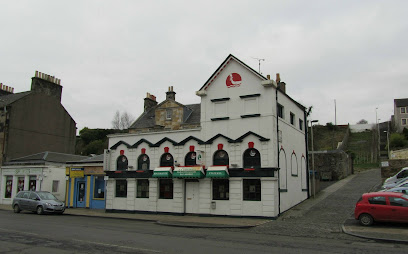
Pane E Vino
6.8 km
Experience authentic Italian flavors and warm hospitality at Pane E Vino, Kirkcaldy’s cozy spot for classic and modern Italian dining.
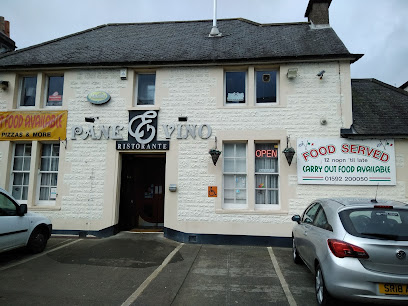
Standing Stane Restaurant and Bar
10.2 km
A cozy family-run British restaurant and bar in Leven offering hearty meals and a relaxed atmosphere near Wellsgreen Golf Range.
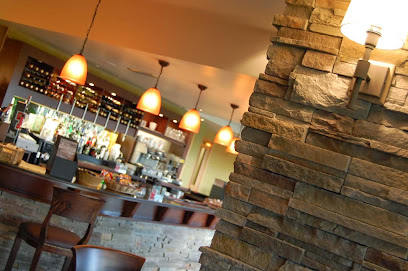
Balgedie Toll Tavern
10.2 km
Historic Scottish country pub with rustic charm, award-winning food, and a warm welcome amid scenic countryside near Loch Leven.
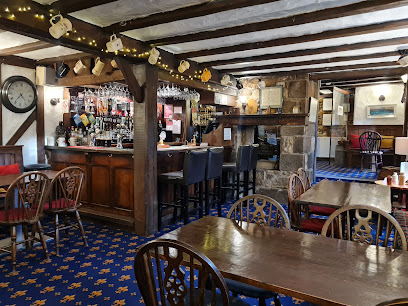
The Ship Restaurant
10.3 km
A family-run British restaurant in Kinghorn offering fresh local cuisine, cozy ambiance, and boutique event spaces by the sea.
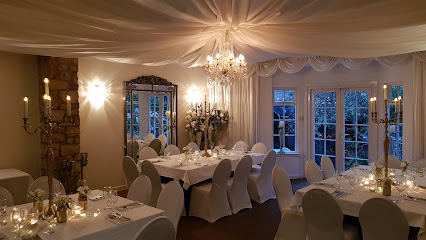
Horizons Restaurant
10.7 km
Enjoy hearty British and Scottish cuisine with stunning waterfront views at Horizons Restaurant in Pettycur Bay Holiday Park.
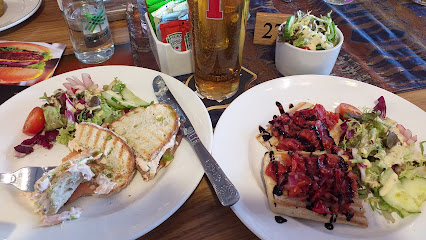
Forth View Hotel
12.5 km
Coastal retreat in Aberdour with stunning Forth views, fresh seafood dining, and warm Scottish hospitality.
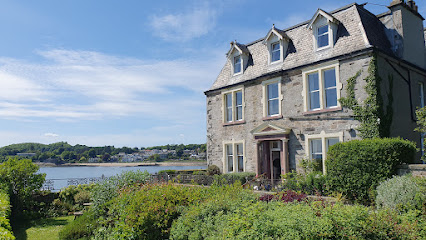
The Raj Mahal Indian Restaurant
12.7 km
Experience authentic and modern Indian flavors with a fresh buffet and warm hospitality in the heart of Kinross.
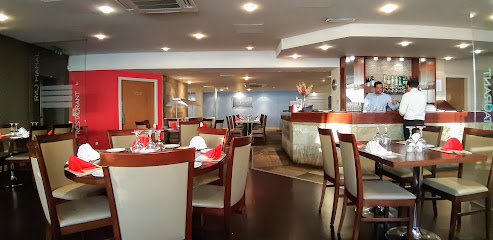
Salutation Hotel & Dewars Bar
12.8 km
A charming historic inn in Kinross with friendly service, traditional Scottish character, and a cozy bar and bistro atmosphere.
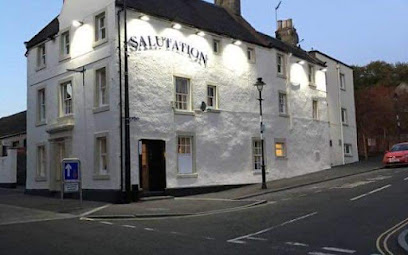
Sunrise
12.8 km
Discover authentic Chinese flavors at Sunrise in Kinross – where every dish tells a story of tradition and taste.
Markets, malls and hidden boutiques

Harvey Willis
5.5 km
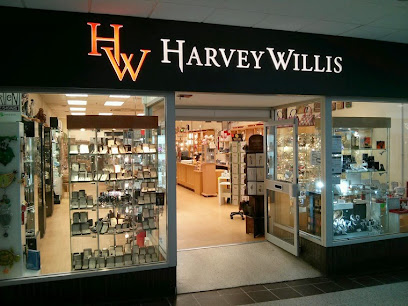
Discover Glenrothes’ award-winning boutique offering exquisite gifts, jewellery, watches, and personalized services in a welcoming setting.
Little Thistle Gift Shop
5.5 km
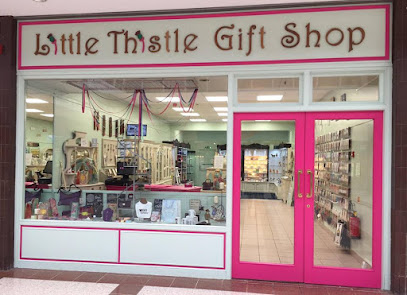
Discover unique Scottish gifts and handcrafted treasures at Little Thistle, Glenrothes’ award-winning family-run boutique.
A&N Custom Gifts
5.8 km
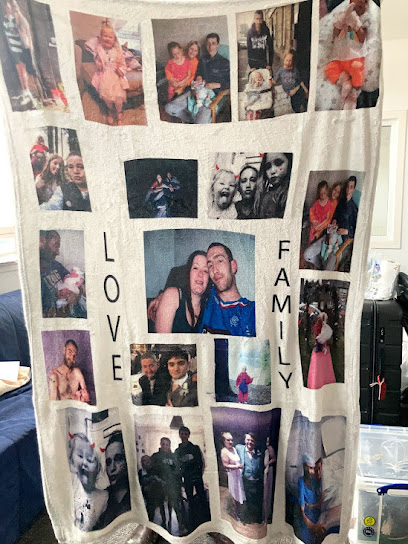
Explore A&N Custom Gifts, your go-to destination in Glenrothes for unique souvenirs and personalized treasures that embody the spirit of your travels.
You Know Who's
8.8 km
Discover top high street brands at unbeatable prices with friendly service in the heart of Cowdenbeath.
The Original Factory Shop (Cowdenbeath)
10.3 km
Shop big brands for less at The Original Factory Shop Cowdenbeath, your go-to discount store for clothing, footwear, beauty, and party supplies.

The Rusty Fox
10.5 km
Discover unique gifts, garden treasures, and plus-size fashion at The Rusty Fox, Falkland’s charming boutique on Back Wynd.
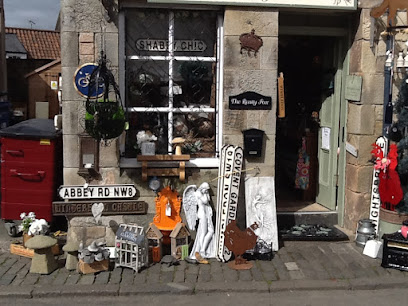
Vintage Quine
10.6 km
Discover timeless vintage fashion and unique accessories in the charming boutique of Vintage Quine, nestled in the historic village of Falkland.
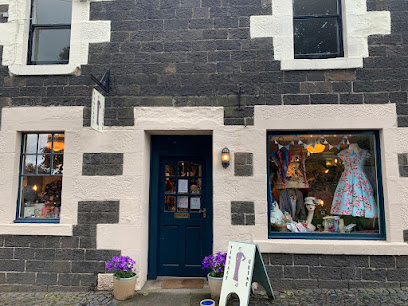
Fayre Earth
10.6 km
A charming gift shop and café in the historic village of Falkland, perfect for Scottish souvenirs, local crafts, and a warm cup of tea.
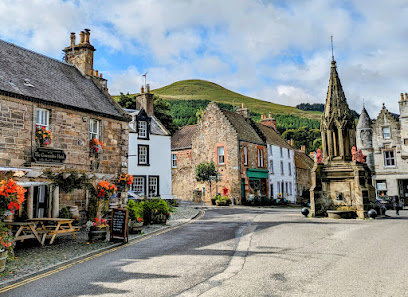
Blake's Vintage & Collectables
12.4 km
Discover timeless treasures and quirky collectibles in the heart of Aberdour’s charming vintage shop.
Antiques & Gifts
12.4 km
Explore unique antiques and delightful gifts in the heart of Aberdour, where every item tells a story.
Todd & Duncan Ltd
12.6 km
Discover the heritage and craftsmanship of Scotland’s leading cashmere yarn mill nestled beside Loch Leven.
No 98
12.8 km
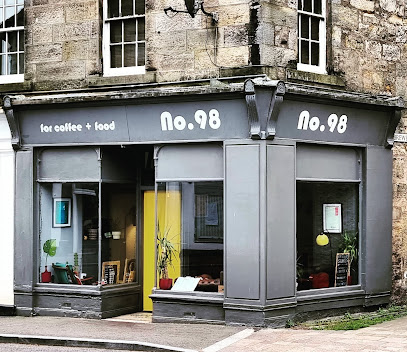
Discover No 98, a charming café in Kinross offering delicious breakfasts and a cozy atmosphere for an unforgettable dining experience.
Fife Country
13.5 km
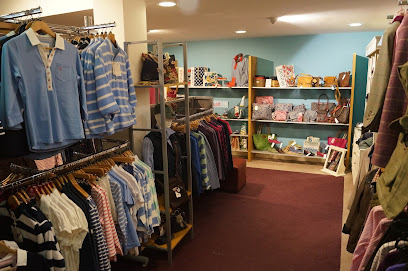
Heritage Scottish country clothing and footwear crafted since 1888 for enduring comfort and style in the great outdoors.
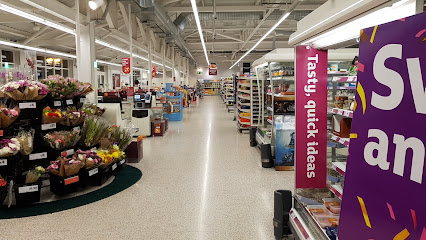
Sainsbury's
13.6 km
Your convenient and inclusive supermarket in Kinross, open daily with fresh produce, bakery delights, and modern shopping amenities.
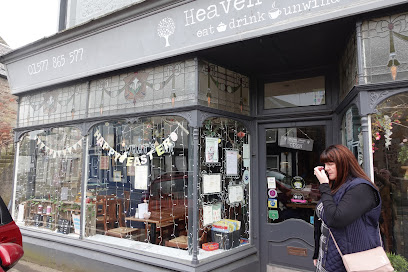
Heaven Scent Coffee Shop
13.9 km
A charming coffee shop in Milnathort offering customizable breakfasts, classic afternoon teas, and a welcoming garden setting with local flair.
Essential bars & hidden hideouts

Home Farm View - Pub & Grill
2.7 km
A welcoming pub and grill near Kirkcaldy offering classic dishes, a full bar, and family-friendly comfort in a casual setting.
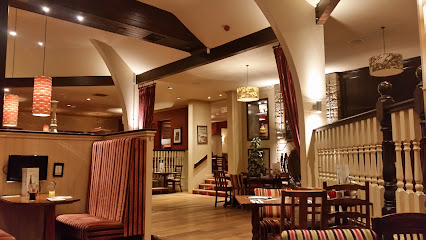
Spiral Weave
3.0 km
A modern pub with a traditional heart, serving daily carvery and classic pub fare in a welcoming family-friendly setting with a lively beer garden.
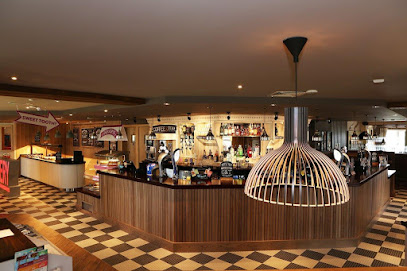
The Chapel Tavern
3.7 km
A classic Kirkcaldy pub offering hearty British fare, lively events, and a warm, welcoming atmosphere for all.
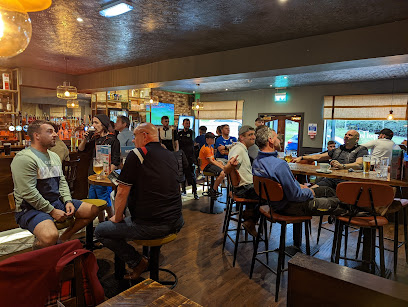
Eddy's Bar
4.0 km
A traditional Kirkcaldy pub blending classic charm with modern comfort, perfect for locals and visitors seeking a welcoming atmosphere.
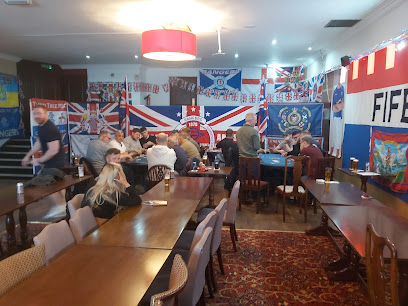
Torleys Bar
5.9 km
A friendly Lochgelly pub with pool, darts, beer garden, live sports, and a warm community atmosphere at its heart.
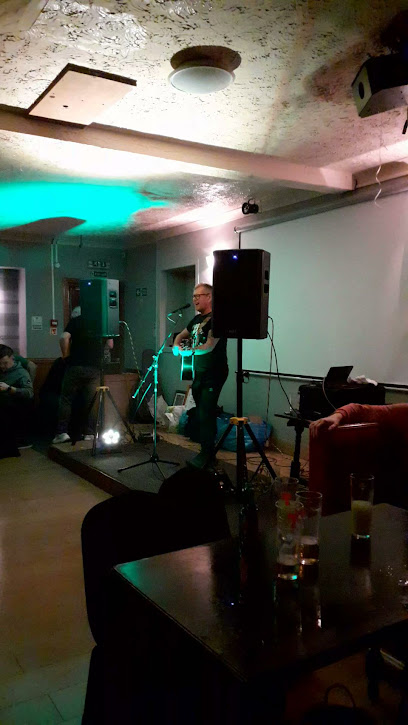
Weavers Bar & Lounge
5.9 km
A welcoming and lively bar in Kirkcaldy offering great drinks, a cozy lounge, and a friendly atmosphere with moderate prices.
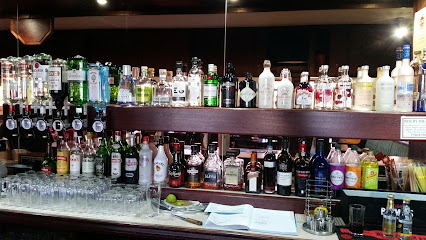
The Path Tavern
6.7 km
A cozy, family-run pub in Kirkcaldy serving hearty home-cooked meals with vintage charm and friendly, attentive service.
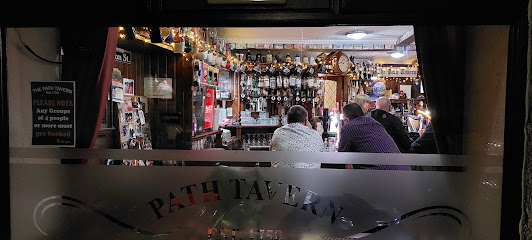
Fife Arms Pub
6.7 km
A traditional Scottish pub in Kirkcaldy offering hearty fare, local drinks, and a lively community atmosphere in a welcoming setting.
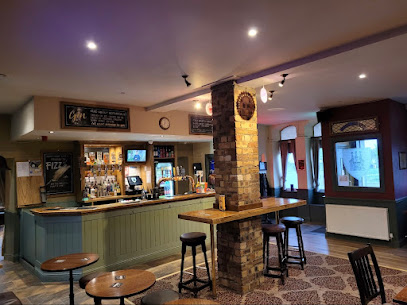
Bogarts
6.8 km
A lively and affordable pub in Kirkcaldy’s heart, offering classic drinks and a welcoming atmosphere every day until midnight.
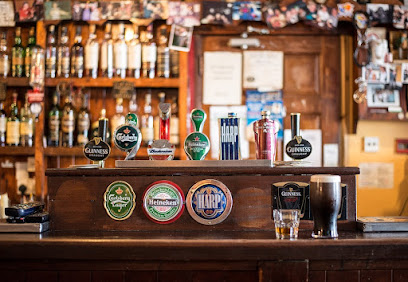
Harbour Bar
6.8 km
A friendly, traditional pub in Kirkcaldy offering affordable ales, lively events, and a welcoming atmosphere for locals and visitors alike.
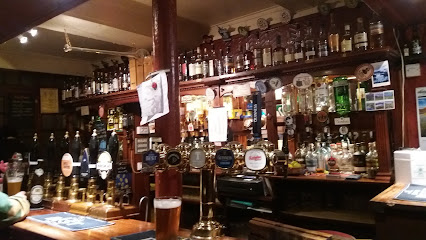
Betty Nicols
6.9 km
Historic and welcoming Kirkcaldy bar offering hearty pub fare, guest ales, vegan options, and a cosy atmosphere with a pet-friendly spirit.
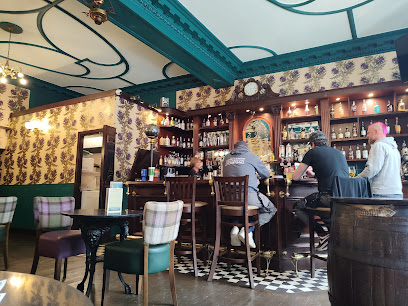
Montagues
7.1 km
Lively and affordable bar with funky decor and friendly staff in the heart of Kirkcaldy's High Street.
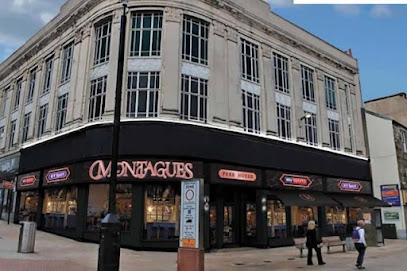
Novar
7.1 km
A lively Kirkcaldy pub and restaurant famed for generous portions, fresh meals, and a welcoming local atmosphere.
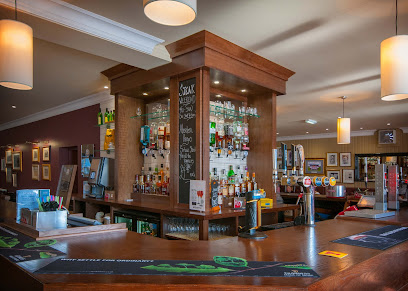
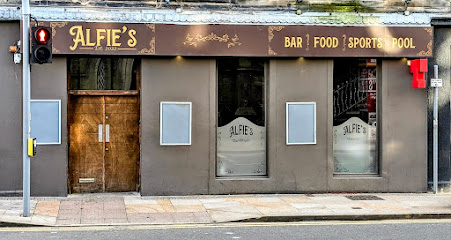
Alfie's
7.1 km
A lively and welcoming bar on Kirkcaldy's High Street, perfect for casual drinks and vibrant nightlife.
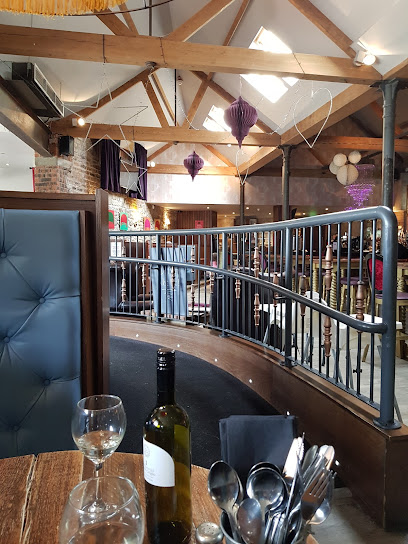
Duchess of Kirkcaldy
7.3 km
A stylish and welcoming bar-restaurant in Kirkcaldy offering delicious pub fare, creative cocktails, and a lively atmosphere with attentive service.
Nightclubs & after hour spots

The Schofies Residence 1
4.9 km
A lively nightclub nestled in Glenrothes, offering a vibrant social scene and memorable nights in Scotland’s welcoming town.
Republic Bar Club
7.1 km
Experience Kirkcaldy’s vibrant nightlife at Republic Bar Club, where great drinks, friendly vibes, and lively weekends come together.
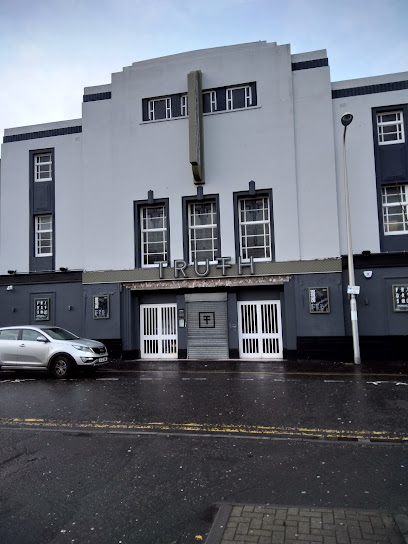
Truth
15.0 km
Experience vibrant nightlife with great music, friendly service, and a welcoming atmosphere at Truth nightclub in Leven, Fife.
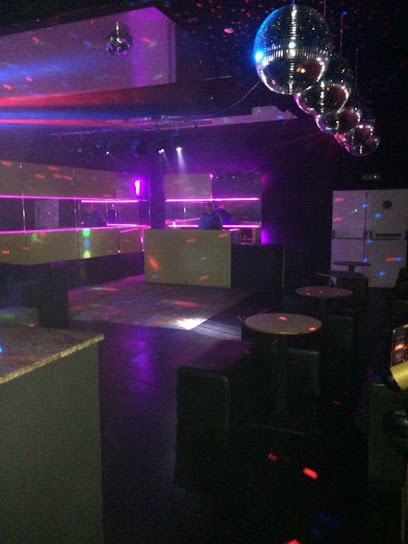
LIFE
17.4 km
Experience vibrant nightlife and late-night fun at LIFE, Dunfermline’s energetic nightclub with a welcoming atmosphere and great music.
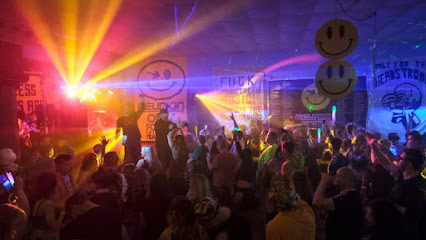
Hustlers Pool Hall
17.7 km
Affordable, lively pool hall and sports bar in Rosyth offering fun games, friendly vibes, and great social atmosphere for all ages.
Garibaldi's
22.8 km
Edinburgh's tiniest nightclub packs the biggest late-night punch on Hanover Street, with killer margaritas and a dance floor that never quits till 3am.
Opal Lounge
22.9 km
A stylish live music bar and nightclub in Edinburgh’s New Town, perfect for celebrations and vibrant nightlife.
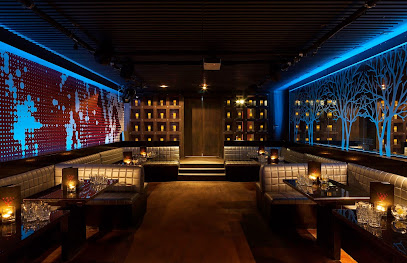
Why Not Nightclub
22.9 km
Edinburgh's multi-award-winning late-night haven with LED immersion, garden vibes, and non-stop beats on George Street.
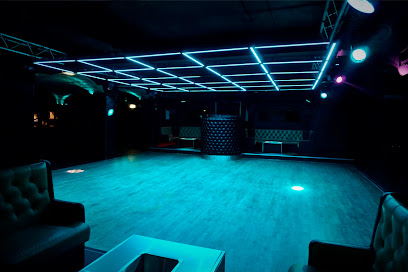
Shanghai Nightclub
22.9 km
Edinburgh's Oriental nightlife den: Asian decor, themed beats, VIP vibes, and non-stop energy on George Street.
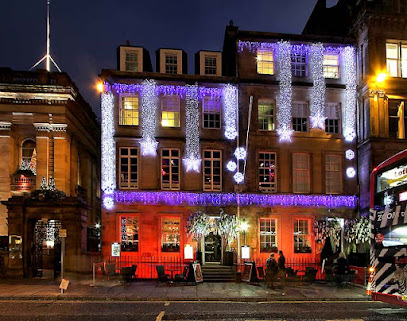
El Barrio Latino
22.9 km
Edinburgh's sizzling Latin nightclub where salsa beats pulse through New Town nights, drawing dancers to its vibrant Hanover Street heart until the early hours.
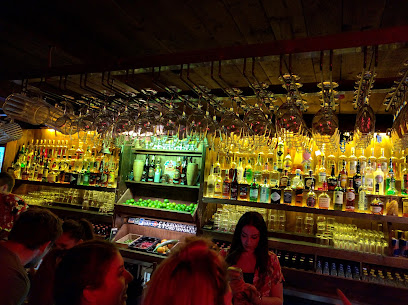
Lulu Bar and Nightclub
23.0 km
Edinburgh's George Street gem: chic cocktails, thumping beats, and dance floors that ignite the night in upscale style.
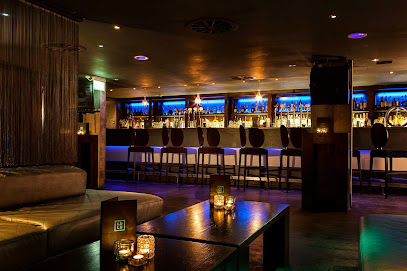
The Shack Retro Bar & Club
23.0 km
Edinburgh's retro dance den blasting 60s-90s hits amid quirky decor and sweaty dance floors—pure nostalgic escapism on Rose Street.
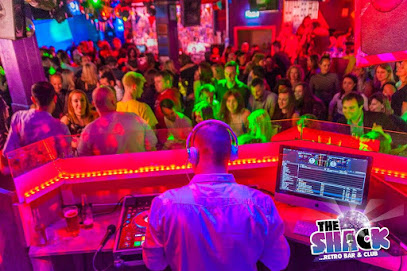
PDT Please Don’t Tell
23.3 km
Edinburgh’s intimate speakeasy-style nightclub offering expertly crafted cocktails and a cozy, conversation-friendly atmosphere.

The Hive Nightclub & Venue
23.4 km
Edinburgh's gritty Cowgate nightclub: cheap drinks, multi-room beats, and non-stop energy until 3am in the heart of Old Town.
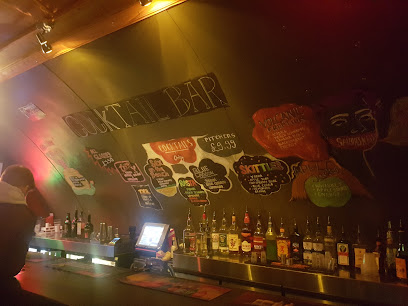
Club Tropicana
23.4 km
Experience Edinburgh’s vibrant retro nightlife with classic disco hits and lively dance floors at Club Tropicana on Lothian Road.
For the vibe & atmosphere seeker
- Tranquil
- Scenic
- Unique
- Casual
For the design and aesthetic lover
- Rustic Designs
For the architecture buff
- Historic
- Landmarks
For the view chaser and sunset hunter
- Iconic Views
- Panoramas
For the social media creator & influencer
- Instagrammable
- Photo Spots
For the eco-conscious traveler
- Low Impact
- Public-Transport Accessible
- Leave-No-Trace Critical
For the kind of experience you’re after
- Cultural Heritage
- Photowalk
- Day Trip
- Nature Escape
For how adventurous you want the journey to be
- Easy Access
Location Audience
- Family Friendly
- Senior Friendly
- Child Friendly
- Solo Friendly
- Couple Friendly
- Vegetarian Friendly
- Vegan Friendly


