
George Square, Stirling Travel Guide
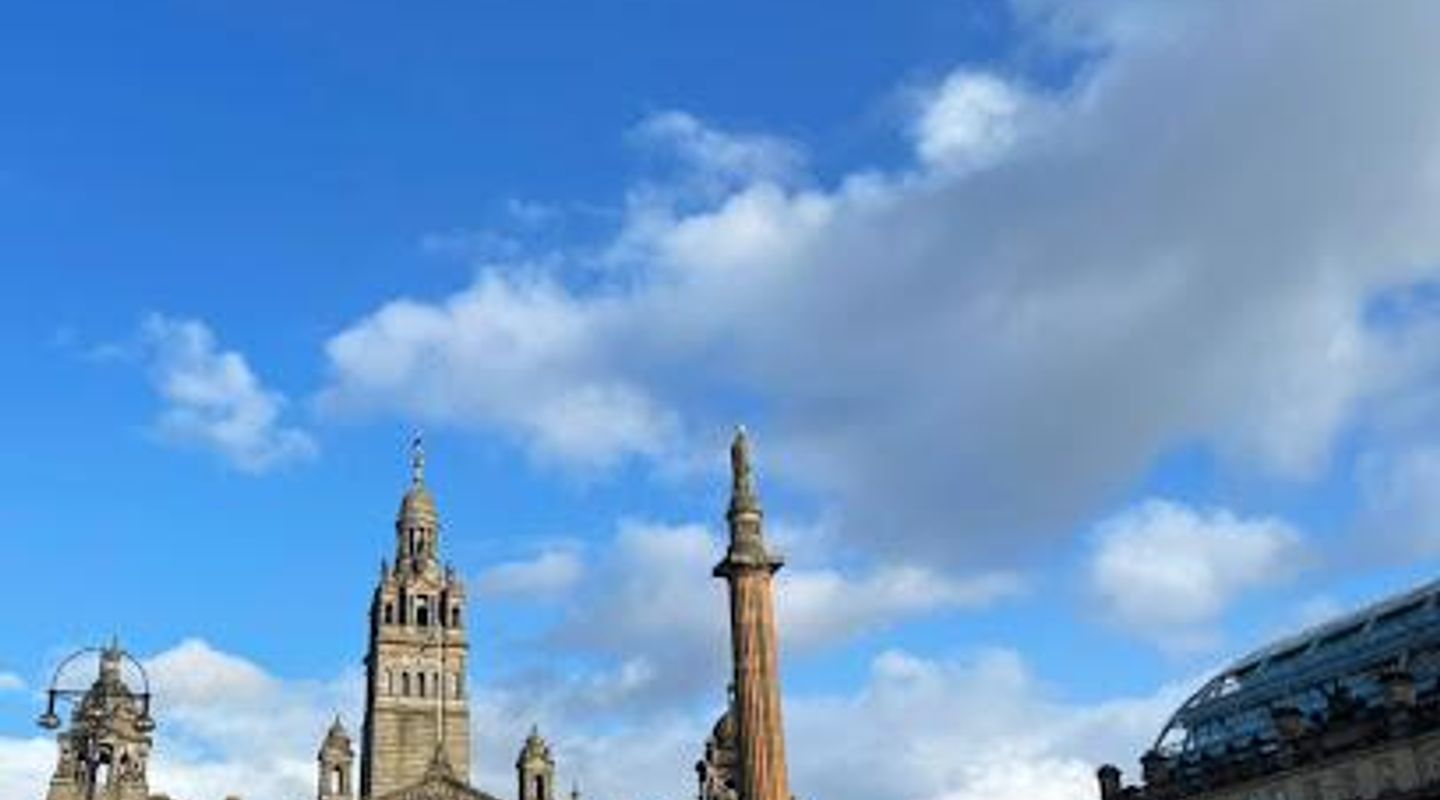
George Square – Glasgow’s iconic civic heart, where history, architecture, and vibrant public life converge in the city centre.
George Square, Glasgow’s principal civic square named after King George III, is a vibrant public space steeped in history. Laid out in 1781, it features grand architecture including the City Chambers and Merchants’ House, alongside an impressive collection of statues honoring notable Scots. The square hosts major events year-round and offers a rich glimpse into Glasgow’s evolution from a pasture to a bustling city centre.
A brief summary to George Square
- Glasgow, G2 1DH, GB
- Click to display
- Click to display
- Duration: 0.5 to 2 hours
- Free
-
 Outdoor
- Mobile reception: 5 out of 5

Know before you go
Hi, I'm Eve. Here are a few practical things to know before exploring George Square.
- Visit early in the morning or late afternoon to enjoy the square’s architecture with softer light and fewer crowds.
- Look for the detailed statues of famous Scots like Robert Burns and James Watt scattered throughout the square.
- Check the event calendar for festivals and public celebrations held regularly in the square.
- Pause at the Glasgow Cenotaph to reflect on the city’s wartime history during Remembrance Day ceremonies.
- Explore the surrounding streets to see the Merchants’ House and other historic buildings that frame the square.
Do you manage this location?
Take control to get all the benefits, like improved information, better appearance, and stronger visibility across AI-powered discovery. Learn more about listing your business on Evendo
Activate your presenceOther nearby places you may find interesting
The closest places of the same kind, if this one is not quite what you had in mind.
Explore George Square on the Map
A handpicked selection of must-see spots near George Square, mapped for you.
Unlock the Best of George Square
Buy tickets
-
No tickets available
Book tours with entry


Getting There
-
Train
From Glasgow Queen Street Station, a 10-15 minute walk through the city centre leads you to George Square. The station is well connected with frequent services from surrounding areas. Walking is straightforward on paved urban streets with clear signage.
-
Bus
Several bus routes serve stops near George Square, including frequent services from Glasgow suburbs. Travel times vary from 15 to 30 minutes depending on origin. Buses run regularly throughout the day with accessible low-floor vehicles.
-
Taxi
Taxis and ride-hailing services provide direct access to George Square from anywhere in Glasgow. Typical journey times within the city centre are 5-15 minutes, with fares starting around £5 GBP depending on distance and traffic.
-
Walking
If you are staying nearby in the city centre, George Square is easily accessible on foot. Walking routes are flat and fully paved, suitable for all mobility levels, with plenty of pedestrian crossings and street lighting.
For the on-the-go comforts that matter to you
-
 Seating Areas
-
 Information Boards
-
 Restrooms
-
 Trash Bins
Discover more about George Square
Origins and Early Development of George Square
Originally a large open pasture used for grazing cattle in medieval Glasgow, the area that became George Square was transformed as the city expanded during the 18th century. The dirt road known as Cow Lone was paved and renamed Queen Street, and in 1781 city planners laid out the design for George Square as a grand residential square. By 1787, the square was named after King George III and began to develop with elegant townhouses, reflecting Glasgow’s growing wealth from trade in tobacco, sugar, and cotton. The square’s early years saw it evolve from common land into a prestigious address surrounded by refined architecture.Architectural Grandeur and Civic Significance
George Square is framed by architecturally significant buildings that symbolize Glasgow’s civic pride and commercial power. The east side is dominated by the palatial Glasgow City Chambers, built between 1883 and 1889, which serves as the headquarters for Glasgow City Council. On the west side stands the Merchants’ House, home to the historic guildry supporting merchants and craftspeople since 1603, featuring a distinctive domed tower with a ship on a globe symbolizing Glasgow’s maritime trade heritage. Other notable buildings include the former Bank of Scotland and elegant terraces that once lined the square’s north and south sides.Monuments and Statues: A Gallery of Glasgow’s Heritage
The square is renowned for its rich collection of statues and monuments commemorating prominent figures such as Robert Burns, James Watt, Sir Robert Peel, and Sir Walter Scott. The centerpiece is the 80-foot tall Scott Monument, completed in 1837, acting as a symbolic sundial and a focal point of the square. The Glasgow Cenotaph, located prominently in front of the City Chambers, solemnly honors Glaswegians who died in World War I, and is the site of annual remembrance ceremonies. These monuments collectively narrate Glasgow’s historical journey and civic identity.Transformation into a Public Space and Event Venue
Originally a private residential square, George Square was purchased by Glasgow Corporation in 1876 and opened to the public, with enhancements including winding paths, flower beds, and removal of iron railings to create a welcoming urban park. Today, it serves as Glasgow’s principal civic space and a vibrant venue for cultural events such as Piping Live! and Glasgow Loves Christmas. Its central location and historic ambiance make it a focal point for gatherings, celebrations, and city life.Symbolism and Legacy in Glasgow’s Urban Fabric
George Square embodies Glasgow’s transformation from a medieval town to a prosperous industrial city and imperial hub. The City Chambers’ pediment sculptures and the Merchants’ House’s maritime emblem reflect the city’s imperial connections and economic foundations. The square’s layout and monuments serve as a ‘lieu de mémoire,’ preserving collective memory and civic pride while inviting reflection on the complexities of Glasgow’s history, including its role in empire and commerce.Contemporary Relevance and Visitor Experience
Today, George Square remains a dynamic urban space, blending historical grandeur with contemporary city life. Visitors can admire the striking Victorian and neoclassical architecture, explore the statues and memorials, and participate in year-round events that celebrate Glasgow’s culture and community. The square’s open lawns, pathways, and proximity to key city landmarks make it an essential stop for understanding Glasgow’s heritage and vibrant present.












Your all‑in‑one travel companion app
Explore expert travel guides, compare and book tours, experiences, hotels, and more—all from the palm of your hand. Download now for seamless trip planning wherever your wanderlust takes you.


Explore More of Stirling
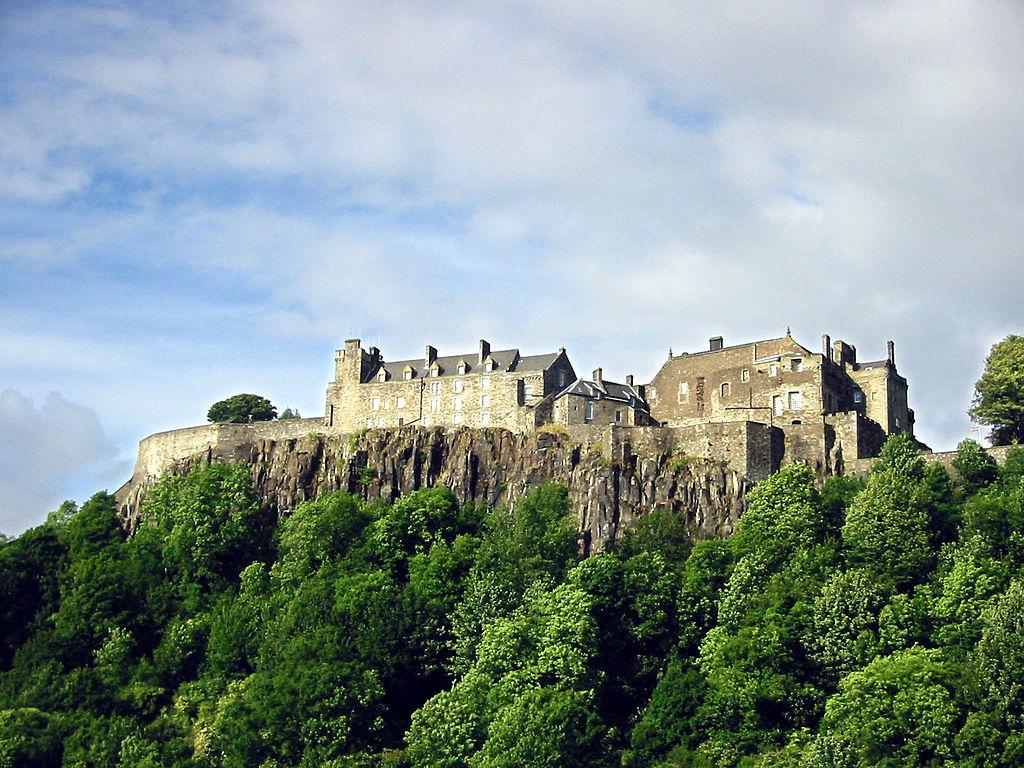
Looking beyond George Square? Discover Stirling for broader travel guides, local hot-spots, and regional highlights.
Explore Stirling

