
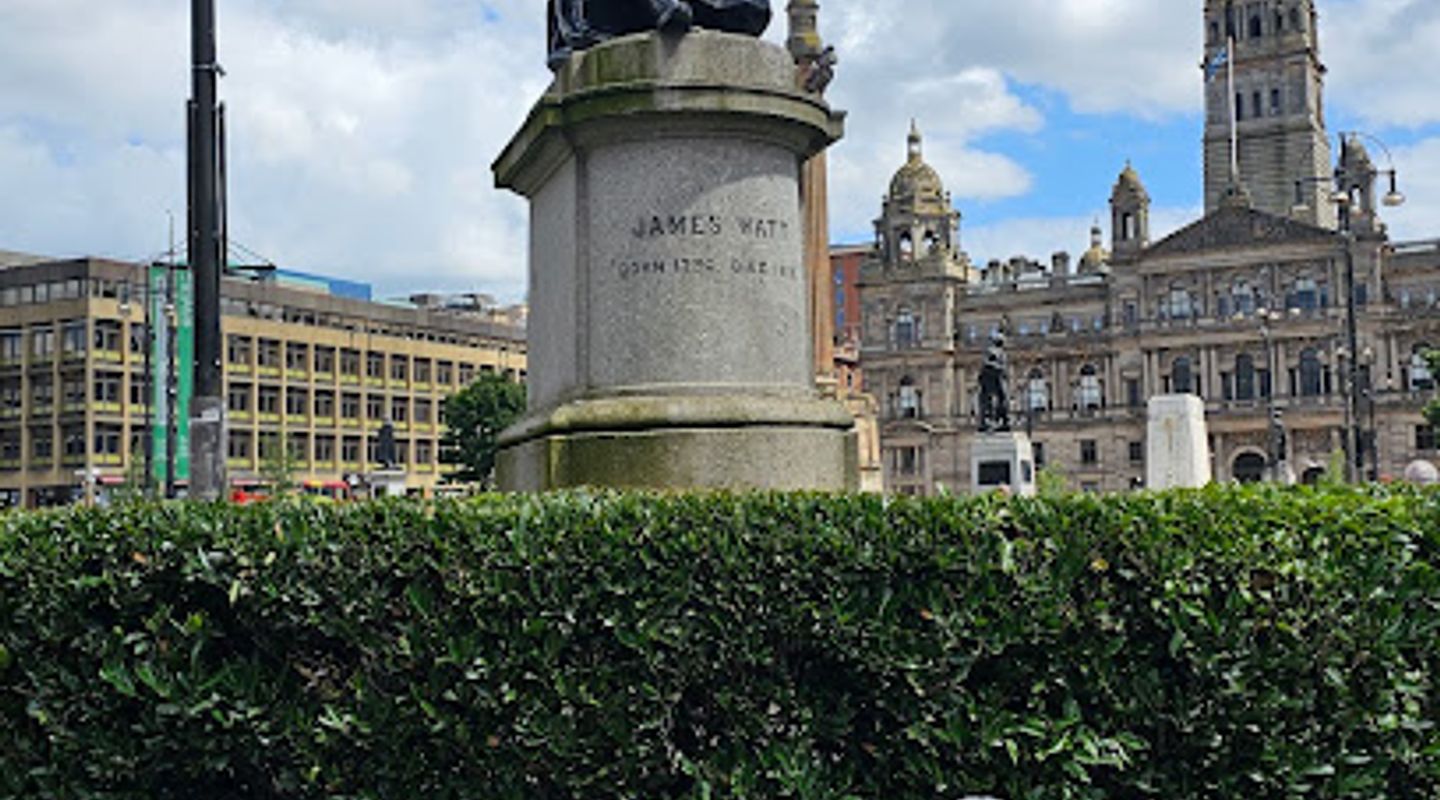
James Watt Statue, Glasgow Travel Guide
Discover the iconic James Watt Statue in Glasgow’s George Square, honoring the engineer who powered the Industrial Revolution with his steam engine innovation.
The James Watt Statue, located in the southwest corner of George Square in Glasgow, commemorates the pioneering Scottish engineer whose improvements to the steam engine powered the Industrial Revolution. Erected in 1832 and designed by Francis Legatt Chantrey, the statue honors Watt’s legacy as a transformative inventor and industrial figure. It stands as a historic landmark amidst Glasgow’s central civic space, reflecting both the city’s industrial heritage and Watt’s enduring influence.
A brief summary to James Watt Statue
- George Square, Glasgow, GB
- Duration: 0.25 to 1 hours
- Free
-
 Outdoor
- Mobile reception: 5 out of 5

Know before you go
Hi, I'm Eve. Here are a few practical things to know before exploring James Watt Statue.
- Visit during daylight hours to fully appreciate the statue’s details and the lively surroundings of George Square.
- Combine your visit with nearby landmarks in George Square, such as the Robert Burns statue and Glasgow City Chambers.
- Learn about Watt’s impact on the Industrial Revolution and the complexities of his legacy through local museum exhibits.
Do you manage this location?
Take control to get all the benefits, like improved information, better appearance, and stronger visibility across AI-powered discovery. Learn more about listing your business on Evendo
Activate your presenceOther nearby places you may find interesting
The closest places of the same kind, if this one is not quite what you had in mind.

Explore James Watt Statue on the Map
A handpicked selection of must-see spots near James Watt Statue, mapped for you.
Unlock the Best of James Watt Statue
Buy tickets
-
No tickets available
Book tours with entry
-
No tours available
Book tours without entry

Getting There
-
Public Transport
Take the Glasgow Subway to St. Enoch Station, then walk approximately 10 minutes through the city center to George Square. Subway tickets cost around £1.50–£2.50, with frequent service every 5–10 minutes.
-
Bus
Multiple bus routes serve George Square from across Glasgow, including routes 2, 3, and 4. Travel times vary from 15 to 30 minutes depending on starting point. Single fares range from £1.80 to £3.00.
-
Taxi
Taxis from Glasgow Central Station to George Square take about 5–10 minutes depending on traffic. The fare typically ranges from £5 to £10.
For the on-the-go comforts that matter to you
-
 Restrooms
-
 Drink Options
-
 Food Options
-
 Seating Areas
-
 Information Boards
Discover more about James Watt Statue
A Monument to a Revolutionary Engineer
The James Watt Statue in George Square, Glasgow, stands as a tribute to one of Scotland’s most influential inventors. James Watt’s enhancements to the steam engine, particularly the introduction of a separate condenser, revolutionized industrial power by making engines faster, safer, and more economical. This innovation helped steam power surpass water power as the dominant energy source during the Industrial Revolution, fundamentally transforming industry and society.Historical Context and Design
Commissioned by public subscription and designed by renowned sculptor Francis Legatt Chantrey, the statue was erected in 1832. It is one of the few statues in George Square to remain in its original position since its installation. The statue depicts Watt standing beside his iconic steam engine, symbolizing his engineering genius and the technological advancements he spearheaded. The location in George Square situates Watt among other prominent figures commemorated in Glasgow’s historic civic heart.George Square’s Cultural Landscape
George Square, opened in 1787 and named for King George III, is Glasgow’s principal public square and features a collection of statues celebrating notable Scots, including Robert Burns and Queen Victoria. The square itself has evolved over centuries from private gardens to a public civic space, hosting monuments that reflect Glasgow’s rich history and industrial prominence. Watt’s statue contributes to this narrative, highlighting the city’s role in the Industrial Revolution.Legacy and Controversy
While James Watt is celebrated for his engineering achievements, recent scholarship has examined his indirect links to slavery through the economic impacts of his steam engines on plantation economies. This complex legacy has prompted discussions about how historical figures are commemorated. Nonetheless, Watt remains a symbol of innovation, with his name and image memorialized in various locations, including the University of Glasgow and other UK cities.Artistic and Symbolic Significance
The statue’s classical style reflects 19th-century ideals of monumental sculpture, presenting Watt as a commanding and thoughtful figure. It serves not only as a historical marker but also as an artistic expression of Scotland’s Enlightenment values and industrial pride. The statue’s presence in George Square invites reflection on the interplay between technology, society, and memory.Visitor Experience and Setting
Situated in a bustling urban setting, the statue is accessible year-round and offers visitors a chance to engage with Glasgow’s industrial heritage amidst the vibrant atmosphere of George Square. Nearby amenities and other monuments enrich the experience, making it a compelling stop for those interested in history, engineering, and public art.












Your all‑in‑one travel companion app
Explore expert travel guides, compare and book tours, experiences, hotels, and more—all from the palm of your hand. Download now for seamless trip planning wherever your wanderlust takes you.


Explore More of Glasgow
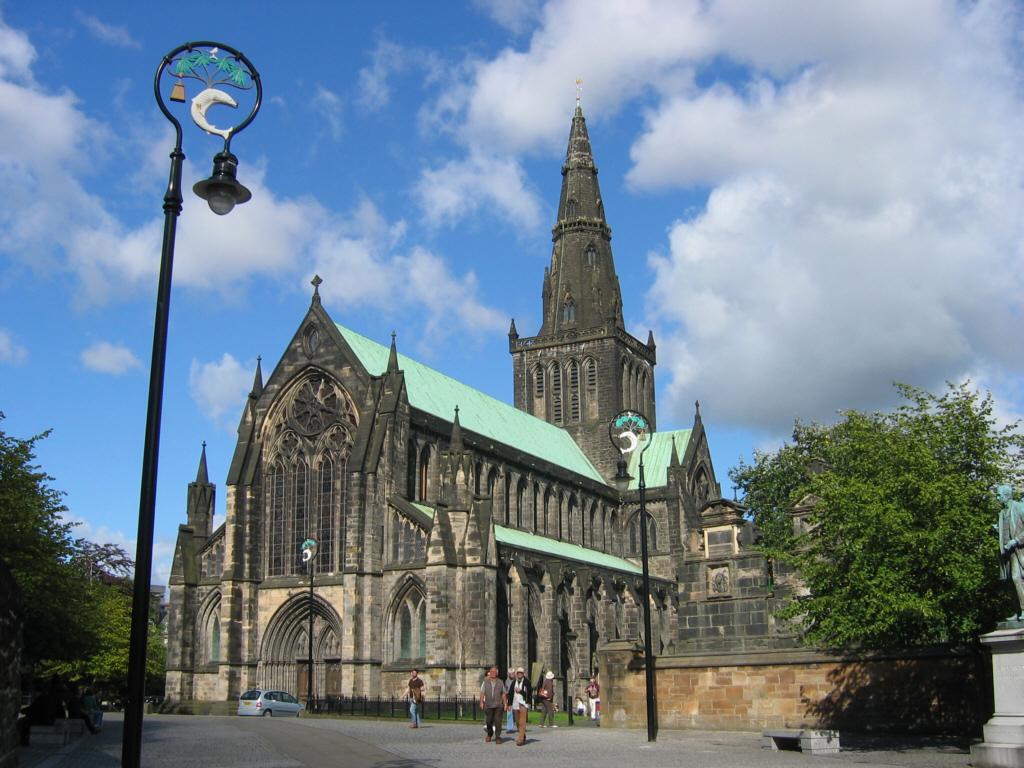
Looking beyond James Watt Statue? Discover Glasgow for broader travel guides, local hot-spots, and regional highlights.
Explore Glasgow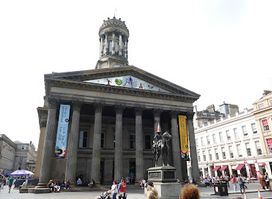
A grand Victorian square in Glasgow’s heart, blending historic architecture, vibrant culture, and the iconic Duke of Wellington statue with its cheeky cone.
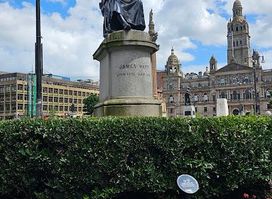
Honoring James Watt, the Scottish inventor whose steam engine innovations powered the Industrial Revolution, in Glasgow’s historic George Square.
