Loch Ard, Stirling Travel Guide
Discover Loch Ard’s serene waters, historic ruins, and scenic trails in the heart of Loch Lomond & The Trossachs National Park.
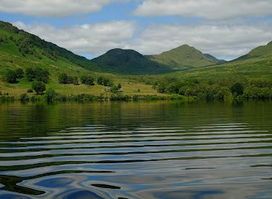
Loch Ard is a picturesque freshwater loch near Aberfoyle in Stirling, Scotland, nestled within the Loch Lomond & The Trossachs National Park. Known for its tranquil waters, rich history including Duke Murdoch’s ruined castle, and extensive walking, cycling, and horse-riding trails featuring unique sculptures, it offers a peaceful natural escape with stunning views and abundant wildlife.
A brief summary to Loch Ard
- Stirling, FK8 3TL, GB
- Duration: 1 to 4 hours
- Free
-
 Outdoor
- Mobile reception: 4 out of 5

Know before you go
Hi, I'm Eve. Here are a few practical things to know before exploring Loch Ard.
- Bring sturdy walking shoes for the varied terrain on the Sculpture Trails around Loch Ard.
- Visit the ruins of Duke Murdoch’s castle on the southern shore for a glimpse into medieval history.
- Keep an eye out for wildlife and unique sculptures along the walking and cycling paths.
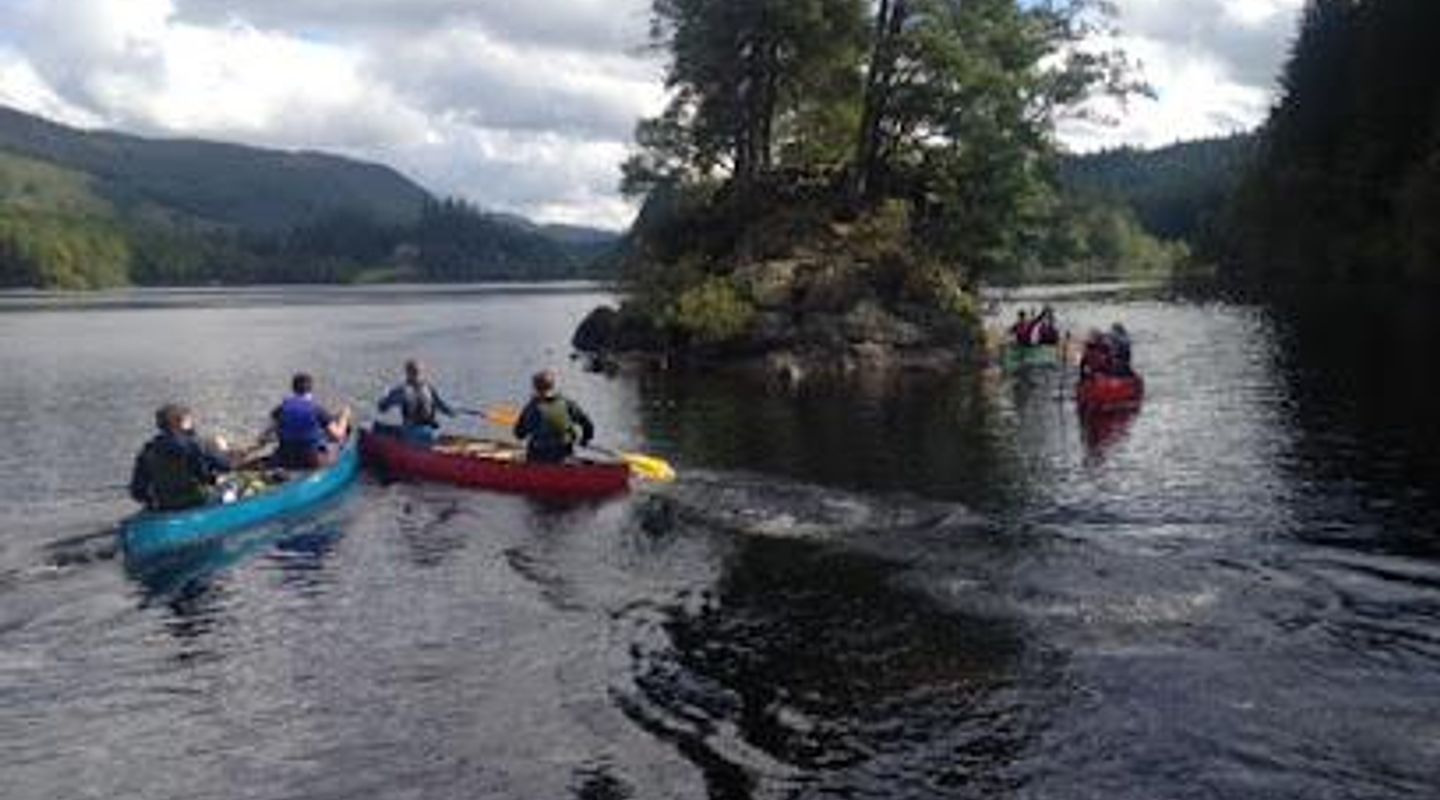
- Consider kayaking or sailing on the loch to experience its tranquil waters from a different perspective.
- Check local weather and trail conditions, especially in wet seasons, as some paths can be muddy.
Do you manage this location?
Take control to get all the benefits, like improved information, better appearance, and stronger visibility across AI-powered discovery. Learn more about listing your business on Evendo
Activate your presenceOther nearby places you may find interesting
The closest places of the same kind, if this one is not quite what you had in mind.
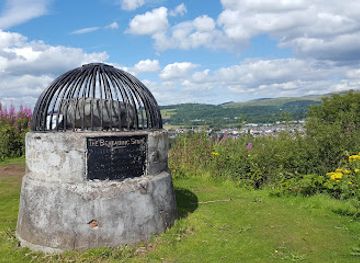
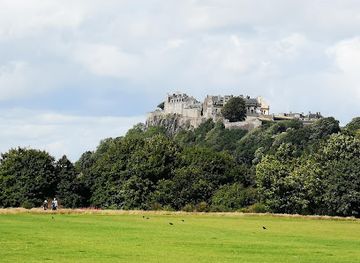
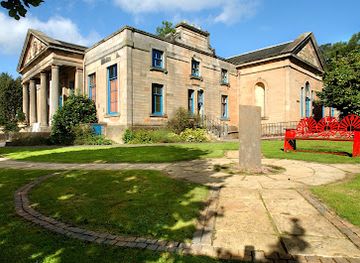
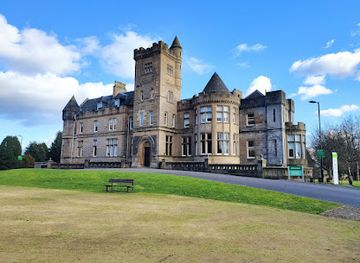
Explore Loch Ard on the Map
A handpicked selection of must-see spots near Loch Ard, mapped for you.
Unlock the Best of Loch Ard
Buy tickets
-
No tickets available
Book tours with entry

Book tours without entry
-
No tours available
Getting There
-
Car
Driving from Stirling city center to Loch Ard takes approximately 30 to 40 minutes via the A81 and B829 roads. Parking is available near the Loch Ard Adventure Centre and trailheads. Note that parking spaces may be limited during peak season, so arriving early is advisable.
-
Bus
Regular bus services run from Stirling to Aberfoyle, about 3 km from Loch Ard. From Aberfoyle, local taxis or cycling are options to reach the loch. Bus journeys typically take 45 to 60 minutes, with fares around £5 to £8 one way.
-
Cycling
For active travelers, cycling from Stirling to Loch Ard covers roughly 20 km, taking 1.5 to 2 hours depending on fitness. The route includes some hills and rural roads, so suitable for experienced cyclists. Trails around the loch are well maintained for mountain and hybrid bikes.
For the on-the-go comforts that matter to you
-
 Restrooms
-
 Drink Options
-
 Food Options
-
 Seating Areas
-
 Trash Bins
-
 Information Boards
Discover more about Loch Ard
A Tranquil Highland Loch with Historic Roots
Loch Ard is a serene freshwater loch located approximately 5km west of Aberfoyle in the Stirling council area of Scotland. It lies within the expansive Loch Lomond & The Trossachs National Park, one of Scotland’s most celebrated natural landscapes. The loch stretches roughly four by two kilometres, oriented east-west along a sheltered glen, creating a peaceful setting embraced by forested hills and mountains. Its name derives from the Scottish Gaelic word for height or promontory, reflecting the elevated terrain that surrounds it.The loch holds historical significance, with the ruins of a castle on one of its islets built by Murdoch Stewart, Duke of Albany, a nobleman executed for treason in the 15th century. Nearby islands such as Dundochill and St. Mallo add to the loch’s mystique, the latter rumored to have an ancient chapel dedicated to the saint. This blend of natural beauty and medieval heritage enriches the visitor experience.Gateway to Outdoor Adventures and Wildlife
Loch Ard is renowned for its outdoor recreational opportunities. The loch itself is ideal for kayaking and sailing, supported by local sailing and rowing clubs that foster a vibrant water sports community. Surrounding the loch, the Loch Ard Sculpture Trails offer 16 miles of varied terrain for walking, cycling, and horse riding. Along these trails, visitors encounter striking sculptures and wildlife hides, designed to showcase the native animals inhabiting the area.The trails vary in difficulty and surface, featuring firm gravel paths with occasional steep slopes and wooden bridges, making them accessible for families and outdoor enthusiasts alike. The forested environment is rich with birdlife and woodland creatures, and the area is noted for its conservation efforts within the Queen Elizabeth Forest Park.Scenic Vistas and Natural Splendor
From vantage points around Loch Ard, visitors can enjoy sweeping views over the Forth Valley and beyond. On clear days, distant hills such as the Menteith, Ochil, Gargunnock, and Fintry ranges come into view, along with the Campsie Fells. The loch’s sheltered position beneath the towering Ben Lomond mountain to the west and the ridge of Beinn an Fhogharaidh to the north creates a dramatic backdrop.The peaceful waters gently lap against pebbled beaches and rocky islets, providing a soothing soundscape of nature. The area’s flora includes thick alder copsewood and conifer forests, contributing to the loch’s reputation as one of Scotland’s most picturesque and tranquil spots.Community and Cultural Connections
The villages of Kinlochard and Milton lie on the shores of Loch Ard, offering a glimpse into local life and history. Kinlochard, with its roots dating back to Iron Age crannogs, has evolved from a hunting forest to a popular holiday destination. The Loch Ard Local History Group meets regularly in Kinlochard Village Hall, reflecting the community’s engagement with preserving and sharing the loch’s heritage.The area’s cultural significance is also highlighted by references in Scottish literature, notably by Sir Walter Scott, who described Loch Ard as an 'enchanting sheet of water' in his novel "Rob Roy." This literary connection adds a romantic dimension to the loch’s identity.Facilities and Visitor Experience
Visitors to Loch Ard can enjoy well-maintained trails suitable for various activities, including family strolls, cycling, and horse riding. Facilities such as wildlife hides and interpretive sculptures enhance the educational and recreational appeal. The loch’s natural setting is complemented by picnic areas and seating spots, inviting visitors to relax and absorb the surroundings.The nearby Loch Ard Adventure Centre offers additional outdoor activities and experiences, catering to those seeking adventure or guided tours. The loch’s accessibility and variety of trails make it an excellent destination for day trips or weekend getaways within the Stirling region.Conservation and Natural Heritage
Loch Ard is part of the larger Queen Elizabeth Forest Park, managed to balance recreation with environmental protection. The park’s efforts focus on preserving native wildlife habitats and maintaining sustainable access for visitors. The loch’s calm waters and surrounding forests provide a sanctuary for diverse species, making it a valuable nature reserve within the national park.This commitment to sustainability ensures that Loch Ard remains a pristine and inviting location for future generations to enjoy its scenic beauty, historical depth, and outdoor opportunities.












Your all‑in‑one travel companion app
Explore expert travel guides, compare and book tours, experiences, hotels, and more—all from the palm of your hand. Download now for seamless trip planning wherever your wanderlust takes you.


Explore More of Stirling
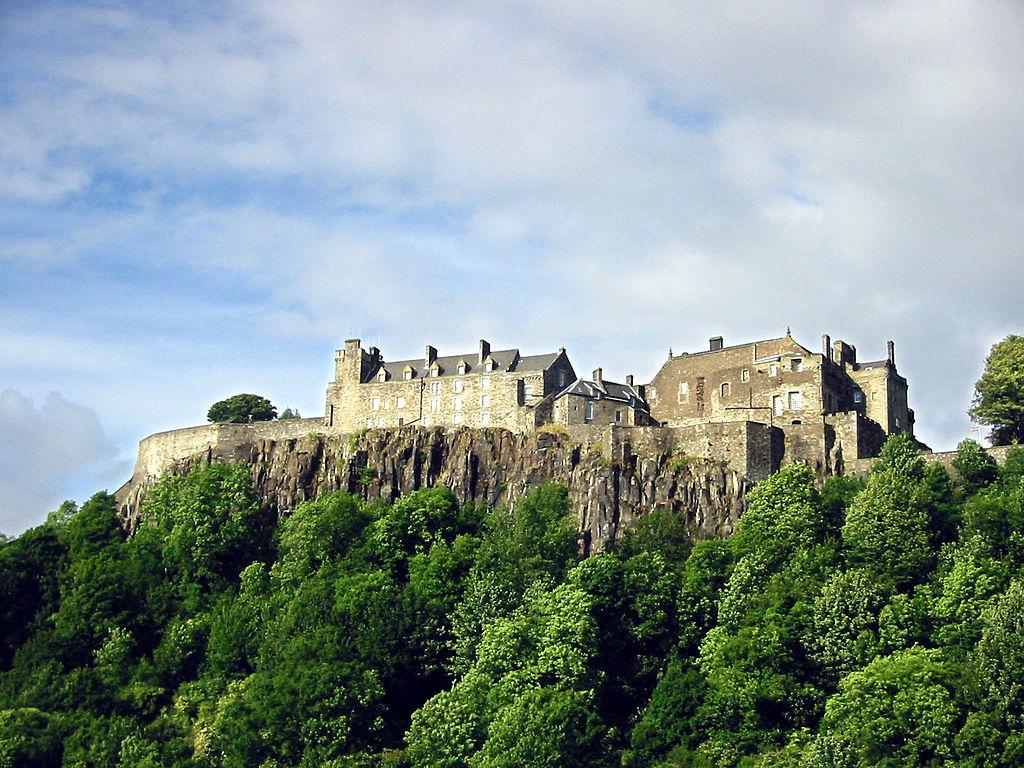
Looking beyond Loch Ard? Discover Stirling for broader travel guides, local hot-spots, and regional highlights.
Explore Stirling