
Inchmahome Priory
Step onto a secluded island in Scotland’s only lake to explore the atmospheric ruins of a 13th-century Augustinian priory, once a sanctuary for Robert the Bruce and the young Mary Queen of Scots.
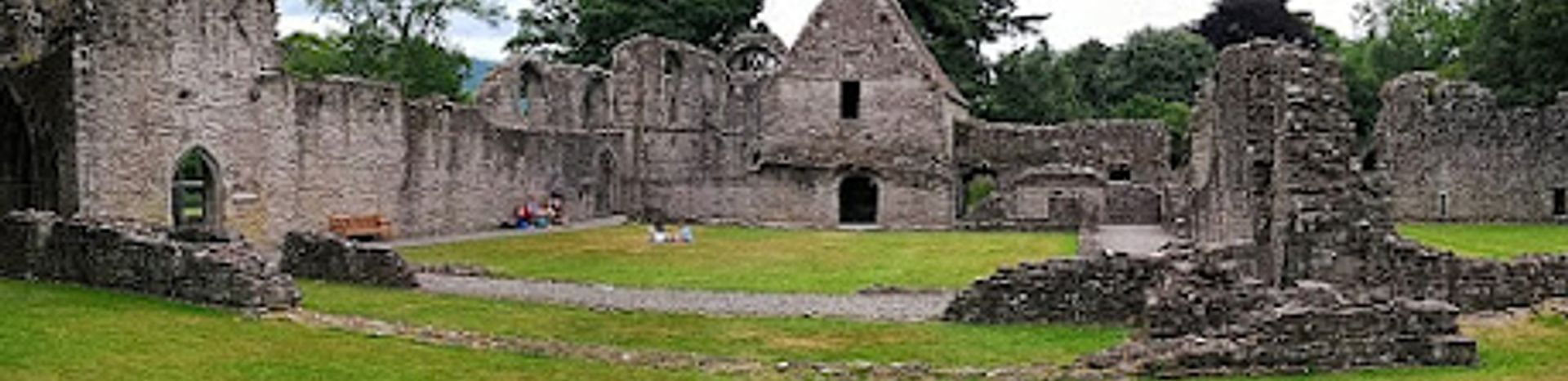
On a small, wooded island in the Lake of Menteith, Inchmahome Priory is a peaceful ruin of a 13th-century Augustinian monastery. Founded around 1238 by the Earl of Menteith, it became a sanctuary for figures like Robert the Bruce and the young Mary Queen of Scots. Today, visitors reach the island by a short boat ride and can explore the atmospheric cloisters, chapter house, and stone memorials amid ancient trees and birdlife. The site is managed by Historic Environment Scotland and is open seasonally from spring to autumn.
A brief summary to Inchmahome Priory
- Boatshed, Port of Menteith, By Kippen, Stirling, FK8 3RA, GB
- +441877385294
- Visit website
- Duration: 1 to 3 hours
- Mid ranged
-
 Outdoor
- Mobile reception: 3 out of 5
- Monday 10 am-4:30 pm
- Tuesday 10 am-4:30 pm
- Wednesday 10 am-4:30 pm
- Thursday 10 am-4:30 pm
- Friday 10 am-4:30 pm
- Saturday 10 am-4:30 pm
- Sunday 10 am-4:30 pm
Local tips
- Check the weather and site status before your visit, as boat services can be suspended in strong winds and the site may close at short notice due to conservation work or adverse conditions.
- Bring your own water and consider a picnic; there are no food or drink options on the island, but the peaceful glade and waterside setting make it a lovely spot to eat.
- Wear sturdy footwear; the paths on the island are grass and gravel, uneven in places, and can be slippery when wet.
- Look for the boxwood bower said to have been planted by Mary Queen of Scots, and take time to examine the finely carved medieval graveslabs and the rare double effigy in the chapter house.
- Visit early or late in the day to avoid the busiest periods and enjoy the priory at its most tranquil, with fewer visitors and softer light for photography.

For the on-the-go comforts that matter to you
- Restrooms
- Drink Options
- Food Options
- Seating Areas
- Trash Bins
- Information Boards
Getting There
-
By car
From Glasgow, take the A81 north through Balfron and Aberfoyle to the Lake of Menteith area; from Stirling, follow the A84 to Callander then the A811 and local roads to Port of Menteith. There is a small car park at the mainland boat landing, with rough tarmac and limited spaces. Parking is free, but the site can get busy in peak season, so arriving early is advisable.
-
By public transport
Take a train to Stirling or Callander, then a local bus or taxi to Port of Menteith. The nearest major stations are Stirling and Callander; from there, a taxi ride to the boat landing takes about 15–20 minutes. Bus services are limited, so checking timetables in advance is essential, especially outside summer months.
-
By boat
From the mainland pier at Port of Menteith, a small motorboat shuttles visitors to Inchmahome Island. The crossing takes about seven minutes and runs regularly during opening hours, with the last outward trip typically around 2.45pm in summer. Tickets are purchased at the boatshed; the service may be suspended in strong winds or rough water for safety.
-
On foot
From nearby villages like Port of Menteith or Kippen, the boat landing is reachable on foot via quiet country lanes and paths. The walk from Port of Menteith is short and level, suitable for most walkers, but paths can be muddy in wet weather. From Kippen, the route is about 2–3km along roads with some elevation change.
Inchmahome Priory location weather suitability
-
 Any Weather
-
 Rain / Wet Weather
-
 Clear Skies
-
 Mild Temperatures
Discover more about Inchmahome Priory
A Monastic Sanctuary on the Water
Inchmahome Priory stands on the largest of three islands in the Lake of Menteith, Scotland’s only true lake. Founded around 1238 by Walter Comyn, the powerful Earl of Menteith, it was established as a house for Augustinian canons seeking a life of prayer and contemplation. The island’s isolation made it an ideal spiritual retreat, far from the turmoil of the mainland. Much of the 13th-century church and cloister remains visible today, with the nave, choir, chapter house, and refectory clearly laid out. Interpretation panels help visitors understand the layout and function of each part of the monastic complex, from the processional doorway to the chapter house where the canons once gathered.Shelter for Kings and Queens
The priory’s remote location also made it a place of safety during times of conflict. Robert the Bruce is recorded as having visited Inchmahome three times during the Wars of Independence, seeking both spiritual solace and strategic refuge. Centuries later, in 1547, the four-year-old Mary Queen of Scots and her mother, Mary of Guise, were brought here for protection after the disastrous Battle of Pinkie Cleugh. The young queen spent several weeks on the island, and local tradition holds that she planted a boxwood bower, remnants of which can still be seen. These royal connections, combined with the Romantic revival of interest in the site by Sir Walter Scott, have cemented Inchmahome’s place in Scottish history.Life Among the Ruins
After the Scottish Reformation in the 1560s, the priory was abandoned and gradually fell into ruin. Over the centuries, the buildings became overgrown, but their outlines remained clear enough to inspire writers and artists. In the 19th century, the ruins were rediscovered as a tourist destination, and today they are carefully conserved by Historic Environment Scotland. Visitors can walk among the cloisters, examine finely carved medieval graveslabs, and enter the chapter house, which now houses a collection of stone memorials, including a rare 13th-century double effigy of a couple embracing. The atmosphere is one of quiet reflection, enhanced by the surrounding woodland and the gentle lap of water against the shore.Island of Nature and Tranquility
Beyond the priory itself, the island is a haven for wildlife and native plants. Spanish chestnuts and other mature trees shade the paths, and the undergrowth supports a variety of flowers and ferns. Birdlife is abundant, with oystercatchers, Canada geese, and, in recent years, ospreys nesting on the island during the summer months. The island’s rewilding during a recent closure has allowed nature to reclaim parts of the site, adding to its wild, secluded character. A short trail circles the shoreline, offering views back to the mainland and across the lake, while the main paths around the priory are grass and gravel, firm in dry weather but uneven in places.Visiting the Island Today
The priory is accessible only by a small motorboat that shuttles visitors from the mainland pier at Port of Menteith. The crossing takes about seven minutes and is included in the admission price. The site is open seasonally, typically from April to October, with longer hours in the summer months. Facilities on the island are minimal: a small shop and toilets are located near the landing point, but there is no drinking water, so visitors are advised to bring their own. The island is well suited for a short visit, but its peaceful atmosphere often encourages people to linger, whether reading in the cloisters, sketching the ruins, or simply enjoying the stillness of this ancient monastic retreat.Iconic landmarks you can’t miss

Grave of Rob Roy MacGregor
20.7 km
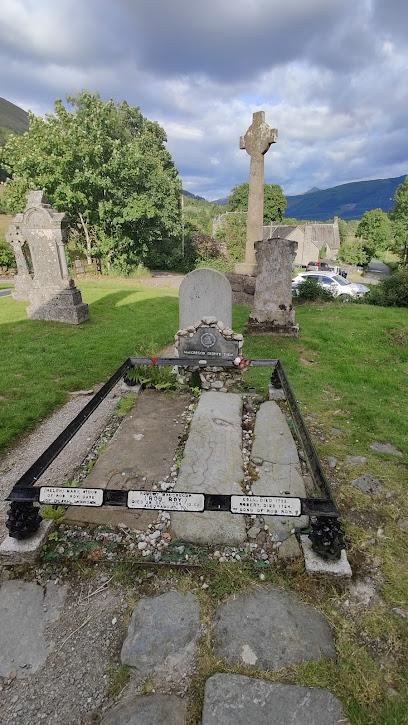
Discover the tranquil grave of Rob Roy MacGregor, Scotland’s legendary Highland outlaw and folk hero, nestled in the historic glen of Balquhidder.
Balquhidder Parish Church
20.7 km
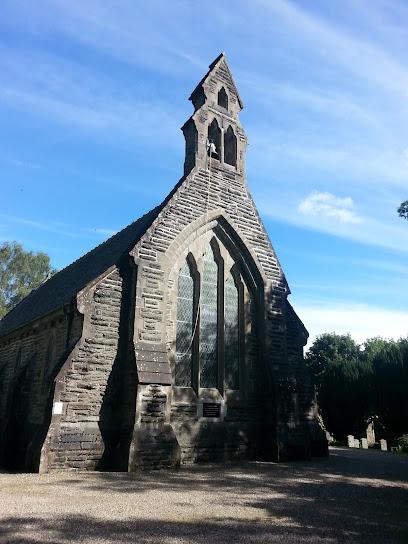
A Highland kirkyard where saints, clans, and the outlaw Rob Roy rest in a glen of ancient spiritual power and dramatic history.
Loch Lomond National Park Memorial
21.5 km
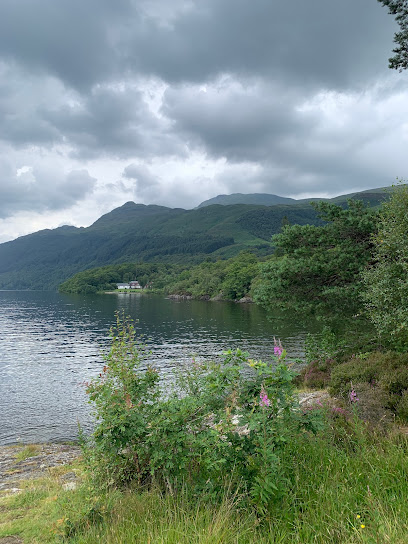
Explore the tranquil beauty of Loch Lomond National Park Memorial, a serene tribute nestled in Scotland's breathtaking landscapes.
Gillies Hill Hillfort
21.6 km
Discover the ancient history and breathtaking views of Gillies Hill Hillfort, a must-visit historical attraction in Stirling, Scotland.
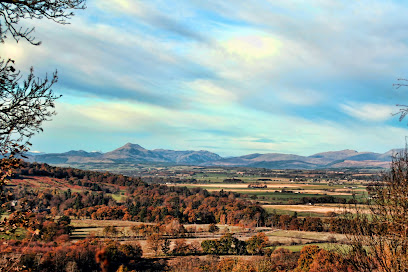
Loch Lomond
21.7 km
Discover the breathtaking beauty of Loch Lomond, Scotland's largest freshwater lake, offering stunning landscapes and endless outdoor adventures.
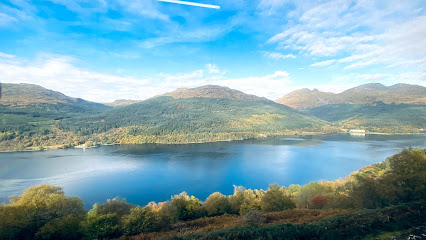
Argyll and Sutherland Highlanders Regimental Museum
22.4 km
Discover the legacy of the Argyll and Sutherland Highlanders at this captivating museum within Stirling Castle, showcasing Scotland's military heritage.
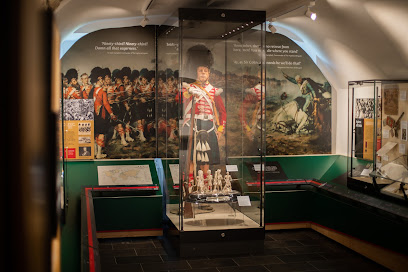
The King's Knot
22.5 km
Explore the historic allure of The King's Knot in Stirling, Scotland, a picturesque landmark rich in royal history and stunning gardens.
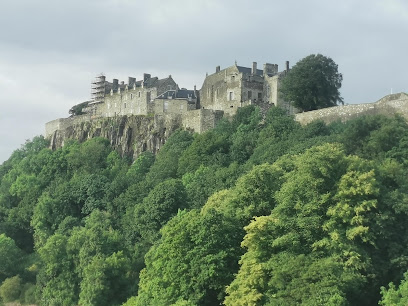
The Great Kitchens - Stirling Castle
22.5 km
Discover the culinary heritage of Scotland at The Great Kitchens of Stirling Castle, where history and gastronomy converge beautifully.
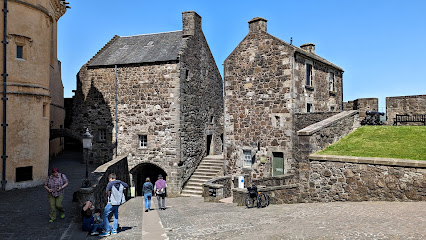
Luss View Point
22.5 km
Experience stunning landscapes and tranquil beauty at Luss View Point, a must-visit destination on the shores of Loch Lomond in Scotland.
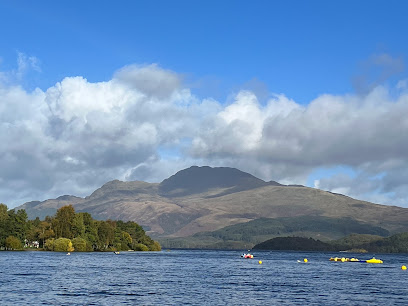
Robert the Bruce Statue
22.6 km
A towering stone tribute to Scotland’s warrior-king, standing guard over Stirling Castle and gazing toward the battlefield where he secured Scottish independence.
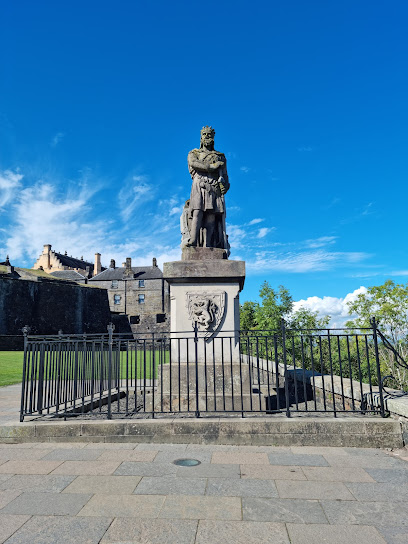
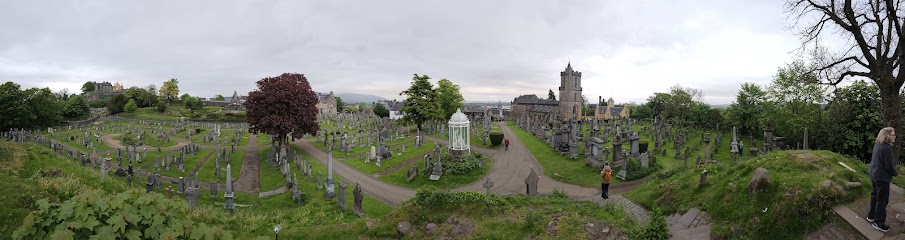
Old Town Cemetery
22.6 km
Discover the serene history and stunning views at Old Town Cemetery, a tranquil spot in Stirling that connects visitors with Scotland's past.
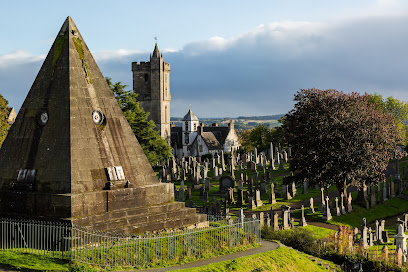
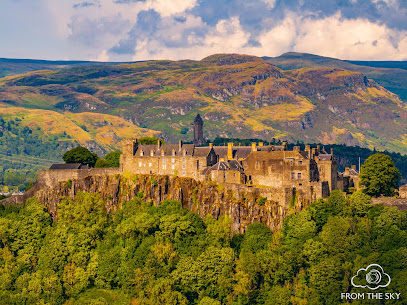
Stirling Castle
22.6 km
Explore Stirling Castle, a historic fortress that reveals Scotland's royal legacy through breathtaking architecture and immersive exhibitions.
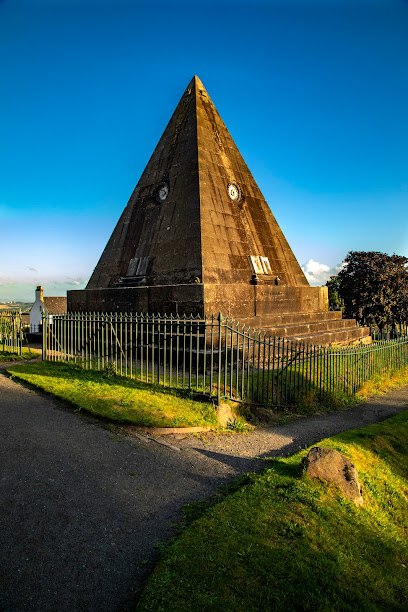
The Star Pyramid
22.7 km
A striking Victorian pyramid honouring Scottish Presbyterian heritage within an ornamental 19th-century cemetery.
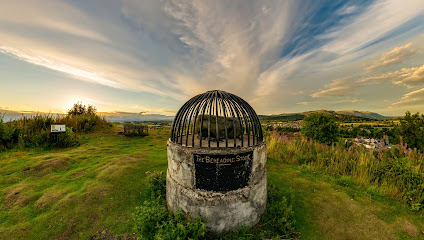
Beheading Stone.
22.7 km
Discover Stirling’s Beheading Stone, a haunting medieval execution site perched on Mote Hill with panoramic views and deep Scottish history.
The Statues
22.7 km
Historic statues in Stirling celebrating Scotland’s heroes and cultural legends, set amidst a rich urban heritage landscape.
Unmissable attractions to see

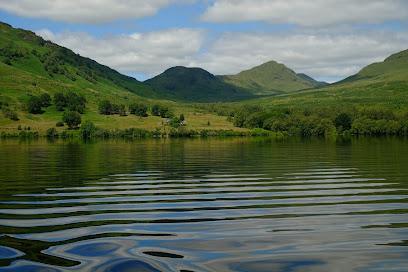
Lake Of Menteith
0.6 km
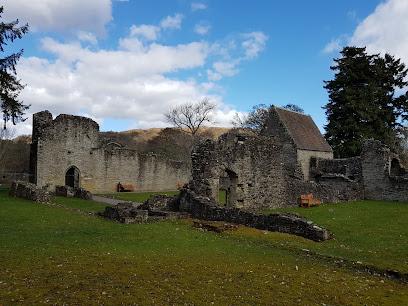
Scotland’s only natural lake, rich in history, wildlife, and tranquil beauty near Stirling.
Loch Venachar
5.0 km
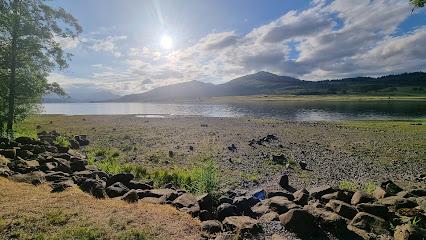
Discover Loch Venachar’s tranquil waters, rich history, and scenic trails in the heart of Scotland’s Trossachs National Park.
The Scottish Wool Centre
5.2 km
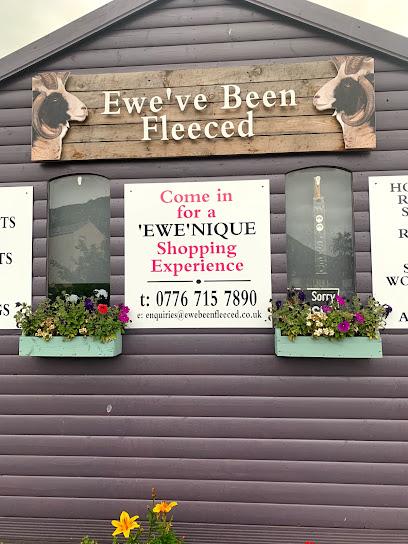
Discover authentic Scottish woollen crafts, country clothing, and seasonal animal shows at Aberfoyle’s vibrant Scottish Wool Centre.
VisitScotland Aberfoyle iCentre
5.3 km
Your former friendly gateway to exploring Aberfoyle and the stunning Trossachs National Park.
The Lodge Forest Visitor Centre
5.5 km
Explore the heart of the Trossachs from The Lodge, your gateway to forest trails, wildlife wonders, and thrilling treetop adventures.
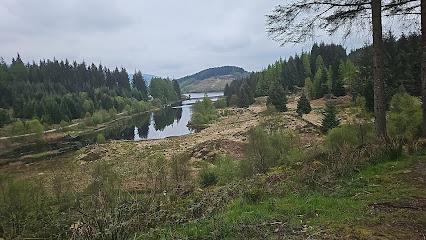
Three Lochs Forest Drive
6.5 km
Explore the tranquil beauty of Queen Elizabeth Forest Park on the scenic 7-mile Three Lochs Forest Drive, passing three stunning lochs and rich wildlife.
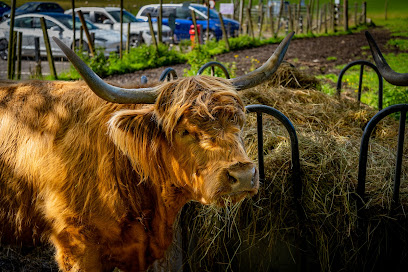
The Highland Cows
8.6 km
Meet Scotland’s iconic Highland cows at Trossachs Woollen Mill—friendly, photogenic, and steeped in Highland heritage.
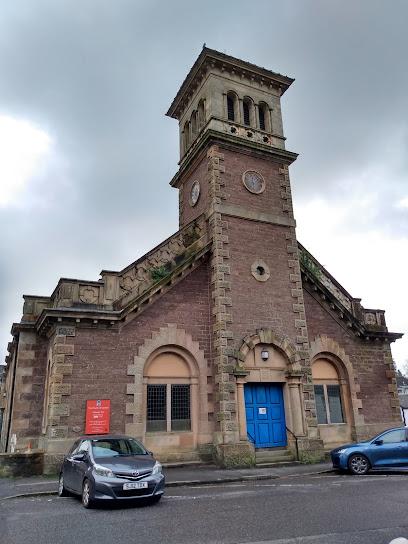
Callander Kirk
9.1 km
Historic 19th-century kirk in Callander with unique Italianate bell tower and rich spiritual heritage amid scenic Scottish surroundings.
Callander Drinks Company
9.1 km
Discover the essence of Scottish beverages at Callander Drinks Company, your go-to off-licence in the heart of Callander.

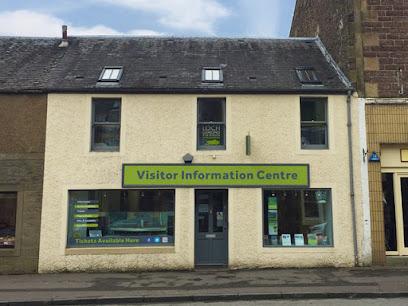
Callander Visitor Information Centre
9.1 km
Your friendly gateway to exploring Callander and the breathtaking Loch Lomond & The Trossachs National Park.
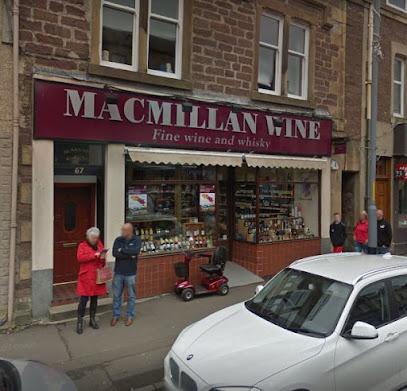
Macmillan Wine
9.1 km
Discover Scotland’s finest craft malts, gins, and beers at Macmillan Wine, Callander’s family-owned off-licence on Main Street.
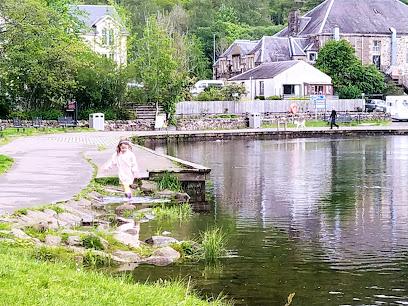
Callander
9.3 km
Charming gateway town to the Highlands, surrounded by stunning landscapes and rich Scottish heritage.
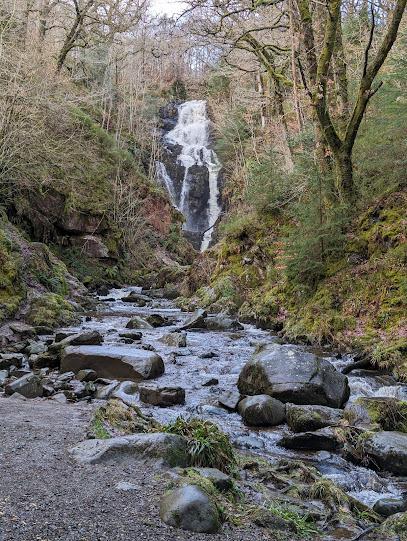
Queen Elizabeth Forest Park
9.5 km
Explore ancient woodlands, sparkling lochs, and thrilling treetop adventures in Scotland’s Queen Elizabeth Forest Park.
Trossachs Pier
10.3 km
Discover timeless Scottish beauty with historic cruises and stunning landscapes at Trossachs Pier on Loch Katrine.
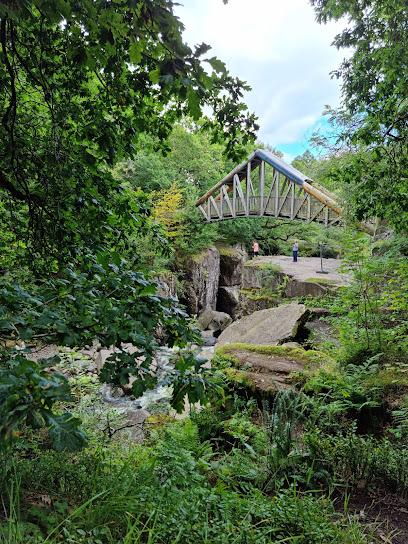
Bracklinn Falls Bridge
10.6 km
Experience the breathtaking Bracklinn Falls and its iconic steel bridge, a gateway to scenic woodland walks and majestic Scottish mountain views.
Essential places to dine

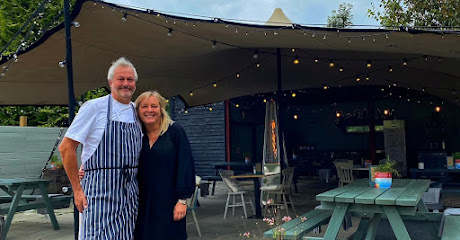
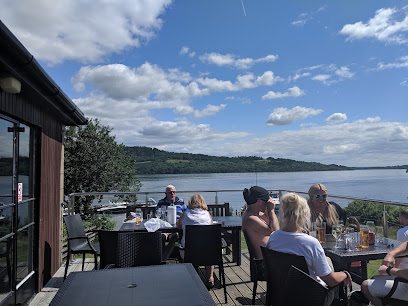
Nick's at Port of Menteith
2.0 km
Experience exceptional Scottish dining with woodfired pizzas and seasonal local produce in the serene setting of Port of Menteith.
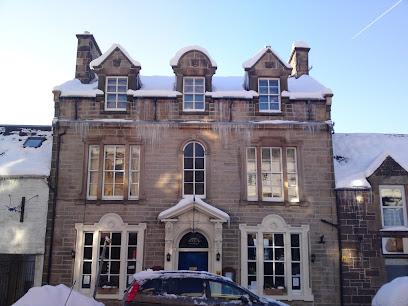
Callander Meadows
9.1 km
Charming Georgian B&B in Callander offering cozy rooms, gourmet Scottish cuisine, and a tranquil beer garden in the heart of Perthshire.
The Gargunnock Inn
14.4 km
Traditional Scottish village pub offering hearty meals, warm hospitality, and a cosy atmosphere in the heart of Gargunnock.
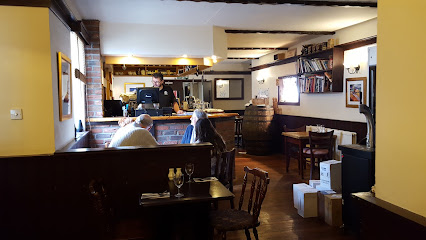
Clachan Inn
15.5 km
Historic Drymen pub and inn offering warm hospitality, hearty Scottish fare, and cozy lodging near Loch Lomond and The Trossachs National Park.
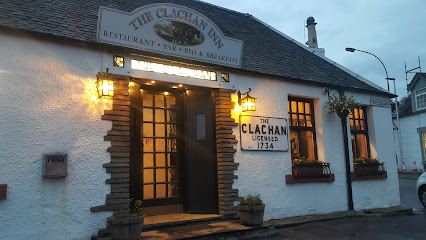
Oak Tree Inn
18.2 km
Cosy Scottish inn on Loch Lomond’s edge offering warm hospitality, hearty cuisine, and stunning natural beauty in Balmaha.

River House Stirling
21.3 km
Premier dining with stunning Stirling Castle views, local flavors, and a tranquil loch setting in a stylish, family-friendly venue.
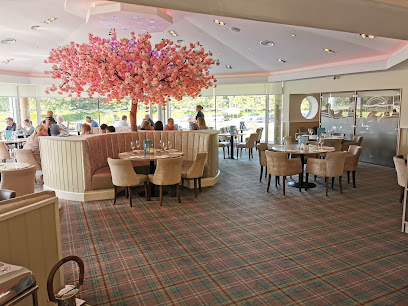
The Clansman Bar Restaurant
21.5 km
Savor delectable grilled dishes in a cozy setting at The Clansman Bar Restaurant in Glasgow - a must-visit for culinary enthusiasts.
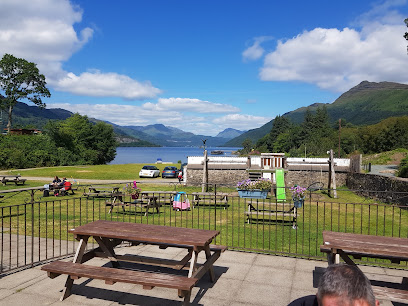
The Gallery Restaurant
21.5 km
Fine dining meets education with stunning views of Stirling’s iconic landmarks at The Gallery Restaurant.
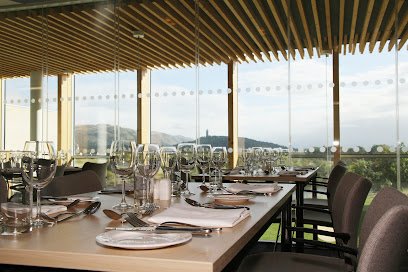
The Crook bar and Bistro
21.6 km
A lively tapas bar and bistro in Bridge of Allan blending friendly service with flavorful small plates in a vibrant setting.
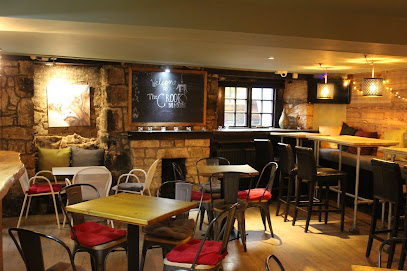
Nick's
21.7 km
A modern British restaurant in Bridge of Allan offering fresh, locally inspired dishes in a cozy, welcoming setting with attentive service.
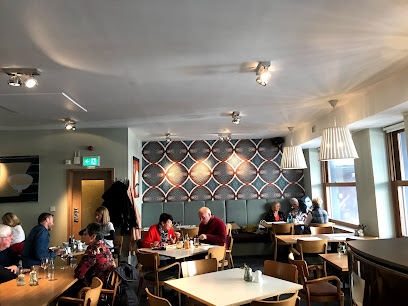
Nairn's
21.7 km
Contemporary Scottish cuisine led by acclaimed chef Nick Nairn in the heart of Bridge of Allan.
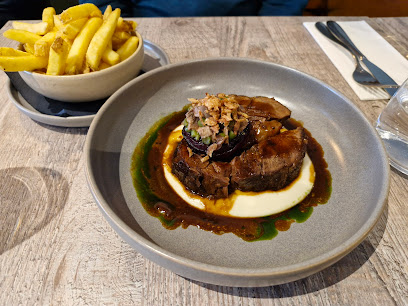
Friend Of Mine
21.8 km
A vibrant, modern restaurant in Bridge of Allan serving creative small plates, bao buns, and vegan delights in a welcoming, dog-friendly setting.
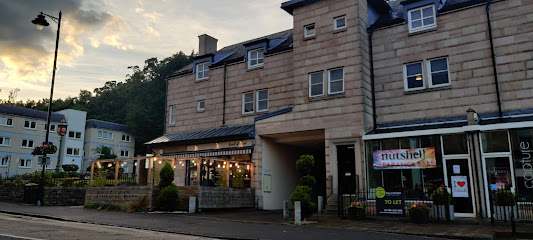
La Cucina
21.9 km
Experience authentic Italian flavors and warm hospitality in the heart of Bridge of Allan at La Cucina.
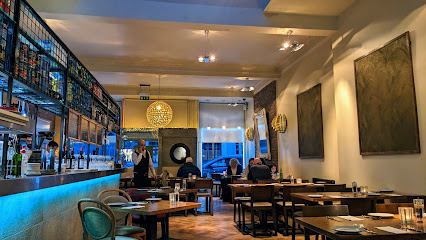
Colquhoun's Restaurant
22.6 km
Dine with panoramic views of Loch Lomond in a relaxed setting blending Scottish cuisine and stunning waterfront ambiance.
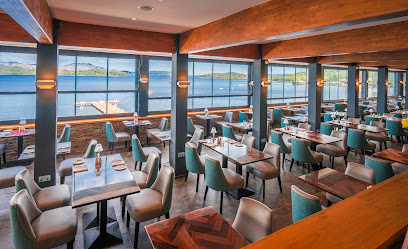
The Portcullis
22.7 km
Historic Scottish hotel beside Stirling Castle with authentic pub, hearty food, and genuine Highland hospitality.
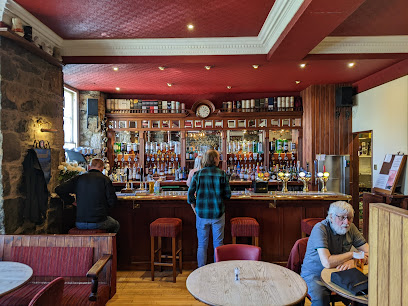
Markets, malls and hidden boutiques

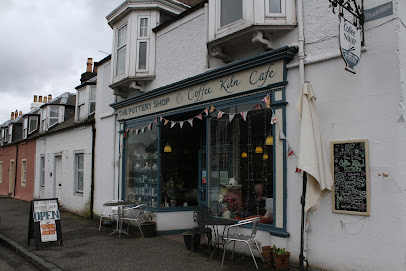
Buchlyvie Pottery Shop
6.8 km
Discover handcrafted Scottish pottery and enjoy cozy cafe delights in the heart of Buchlyvie village.
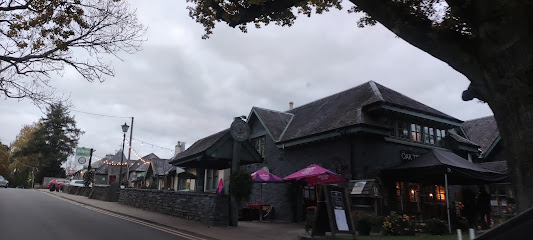
Balmaha Village Shop
18.1 km
Your friendly local shop in Balmaha offering essentials, hiking gear, and authentic Scottish gifts near Loch Lomond.
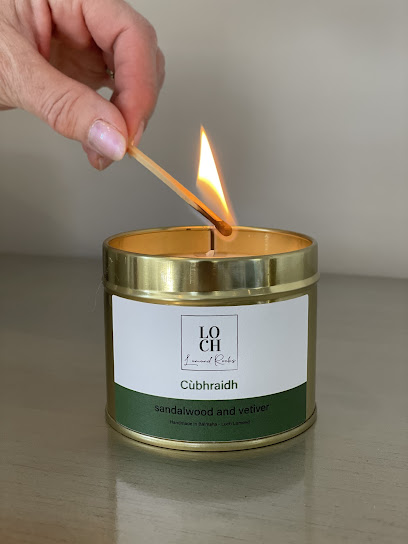
Loch Lomond Rocks
18.2 km
Discover handcrafted candles inspired by the natural beauty of Loch Lomond in a cozy artisan boutique in Moniack, Balmaha.
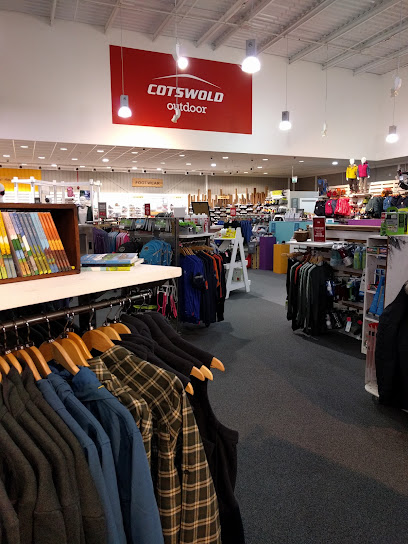
Cotswold Outdoor Stirling
20.1 km
Your trusted outdoor gear specialist in Stirling, offering expert advice and top brands for every adventure.
Lakeland
20.1 km
Discover innovative kitchenware and home essentials in a bright, accessible Lakeland store nestled within Stirling’s Dobbies Garden World.
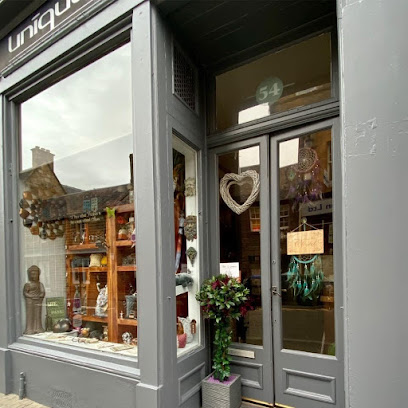
Unique
20.7 km
Discover Unique, Dunblane’s charming gift shop offering curated treasures and local charm on historic High Street.
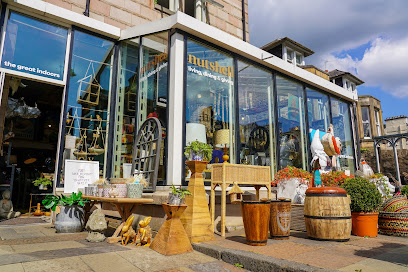
Nutshell | Homewares & Lifestyle
21.8 km
Discover unique homewares and lifestyle treasures at Nutshell, Bridge of Allan’s beloved boutique for charming and surprising décor.
Palace Gift Shop
22.5 km
Discover authentic Scottish gifts and souvenirs in the charming Palace Gift Shop nestled within historic Stirling Castle.
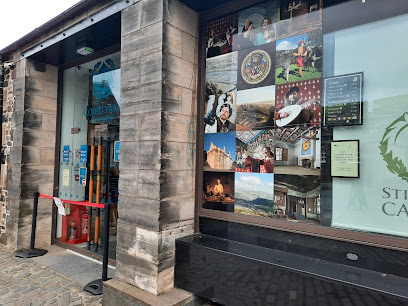
Courtyard Gift Shop
22.5 km
Discover authentic Scottish treasures and exclusive souvenirs in the charming Courtyard Gift Shop nestled within historic Stirling Castle.
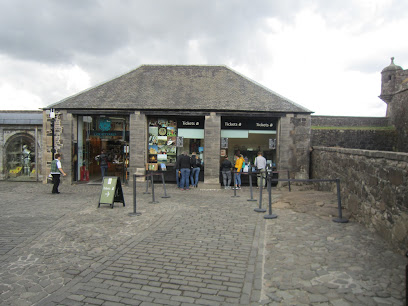
Highland Art Studios
22.6 km
Discover the charm of Scottish craftsmanship at Highland Art Studios in Luss, where unique gifts and local artistry await.
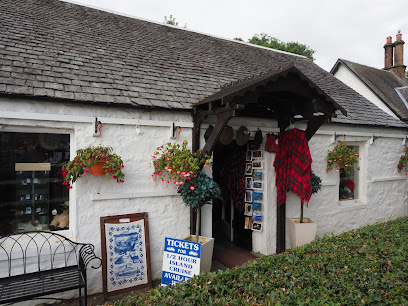
Coach House Coffee Shop and Store
22.6 km
Quirky Scottish coffee shop in scenic Luss, serving homemade treats and local produce in a warm, dog-friendly setting by Loch Lomond.
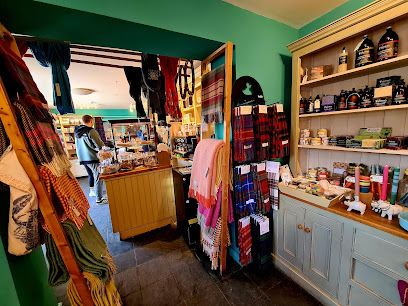
Luss General Store
22.7 km
Discover authentic Scottish gifts and local treasures in the charming heart of Luss village by Loch Lomond.
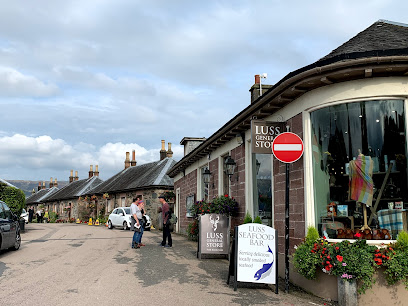
Village Shop
22.8 km
Discover the Village Shop in Luss: A charming convenience store offering local delights, gifts, and a taste of Scottish hospitality.
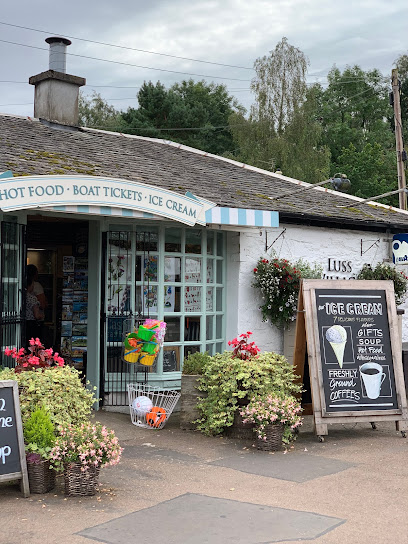
F&F Clothing
23.1 km
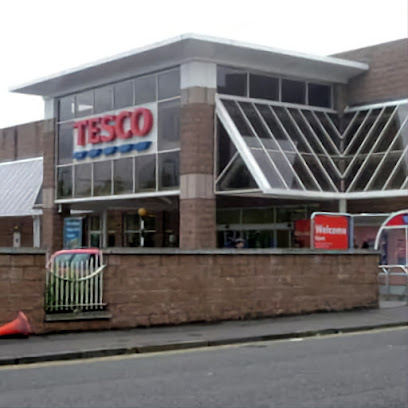
Affordable, stylish fashion for the whole family, conveniently located inside Tesco Stirling Superstore with extended hours and quality guarantees.
Only Scotland
23.1 km
Discover authentic Scottish gifts and craftsmanship at Only Scotland, a charming boutique in Stirling celebrating heritage and tradition.
Essential bars & hidden hideouts

The Bawbee
21.7 km
Vibrant cocktail bar and restaurant in Bridge of Allan, known for lively atmosphere, live music, generous portions, and expertly crafted drinks.
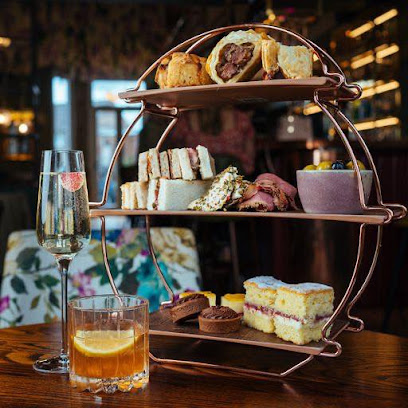
Vinney’s Bar
21.8 km
A friendly, budget-friendly bar in Raploch, Stirling, known for its welcoming vibe and lively local nights.

Westerton Arms
21.8 km
A cherished Bridge of Allan pub and restaurant blending hearty Scottish fare with warm hospitality and a cozy atmosphere.
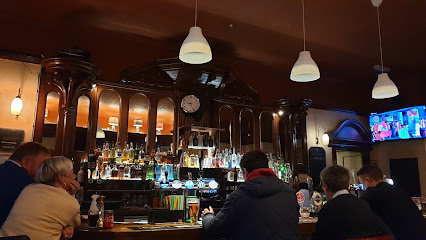
Settle Inn
22.8 km
Historic Stirling pub with cozy charm, lively folk music, and a welcoming atmosphere for ale lovers and locals alike.
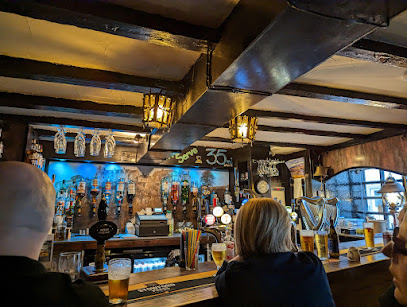
Cross Keys
23.0 km
A cozy historic pub and inn in Stirling offering hearty local fare, guest beers, and comfortable rooms with scenic views.
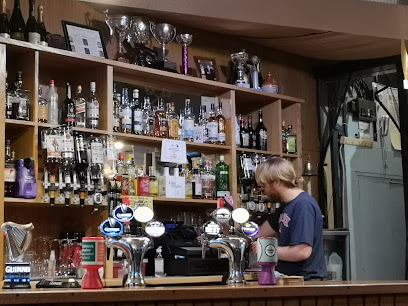
Curly Coo Bar
23.1 km
Discover Stirling’s cozy whisky sanctuary with over 130 malt whiskies, warm hospitality, and a quirky yet traditional atmosphere.
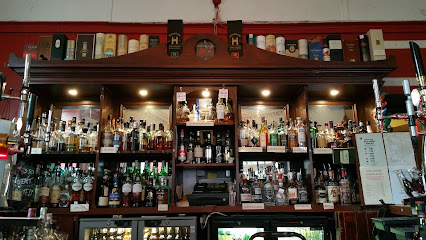
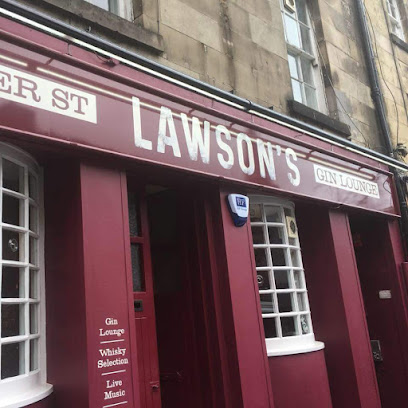
Lawsons
23.1 km
Discover Lawsons, Stirling’s cozy gin lounge with over 95 gins, craft cocktails, and warm Scottish hospitality in a lively, welcoming setting.
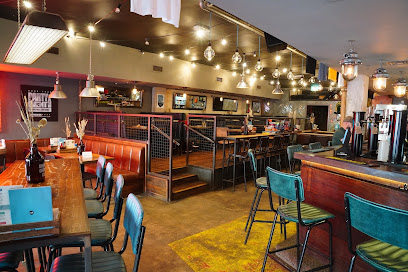
BrewDog Stirling
23.1 km
A lively craft beer bar and restaurant in Stirling offering 15 taps, classic bar food, and a vibrant atmosphere near the castle and station.
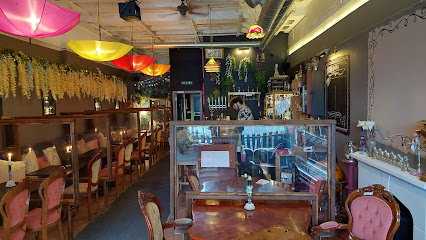
meraki
23.2 km
A vibrant and quirky cocktail bar in Stirling city centre, known for expertly crafted classics and innovative creations in a relaxed, friendly setting.
King Cons
23.2 km
Experience Stirling’s vibrant nightlife at King Cons, a lively bar offering great drinks, live music, and a welcoming atmosphere in the city centre.
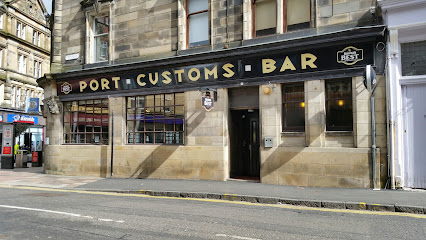
Port Customs Bar
23.4 km
A classic Stirling pub offering well-kept beers, fine whiskies, and a friendly, inviting atmosphere for locals and visitors alike.
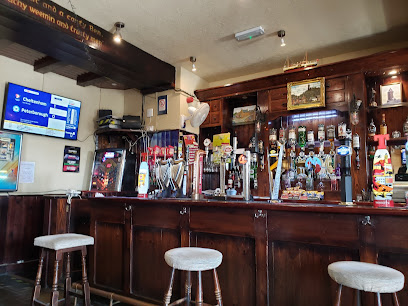
The William Wallace
23.6 km
A cosy, affordable Scottish pub near the Wallace Monument, offering hearty food, fresh beer, and a warm, friendly atmosphere in Stirling's Causewayhead.
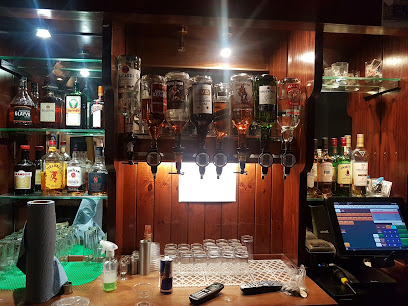
The Borestone Bar
23.9 km
A friendly and affordable Stirling pub with a spacious lounge, welcoming locals, and a lively atmosphere near Bannockburn Road.
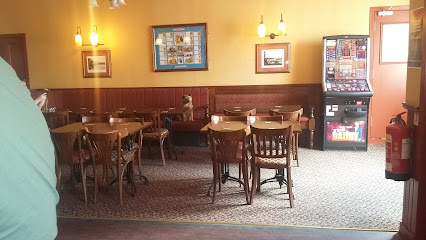
Anchor Bar
24.0 km
A friendly and affordable community pub in Stirling with pool, darts, live sports, and a spacious function room for vibrant local gatherings.
Inchmurrin Restaurant
24.2 km
Experience exquisite country cuisine at Inchmurrin Restaurant on Loch Lomond's enchanting Inchmurrin Island, surrounded by breathtaking landscapes.
Nightclubs & after hour spots

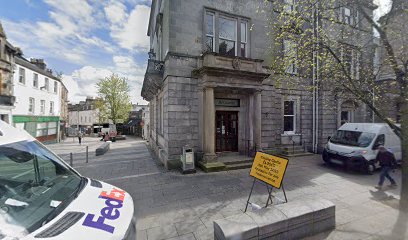
Castle Leisure Group
23.2 km
Discover the lively atmosphere of Castle Leisure Group in Stirling – a perfect blend of dining, nightlife, and entertainment for tourists.
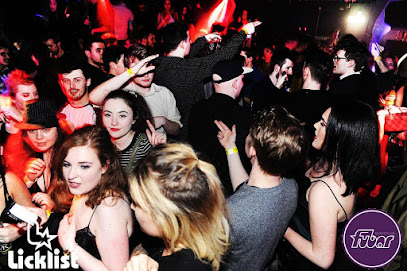
Fubar Nightclub
23.2 km
Experience Stirling’s energetic student nightlife at Fubar Nightclub, where music, lights, and lively crowds come alive late into the night.
Slanj-A-Va
23.4 km
Discover Slanj-A-Va: Stirling's premier live music venue offering an unforgettable night out filled with diverse musical experiences.
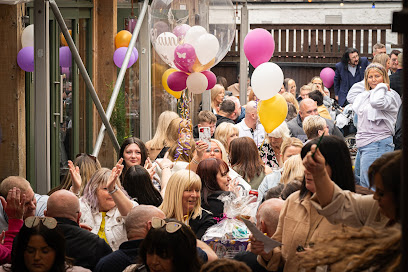
Desire Nightclub
26.2 km
Experience Balloch’s vibrant nightlife at Desire Nightclub, where energetic music and welcoming vibes create unforgettable evenings.
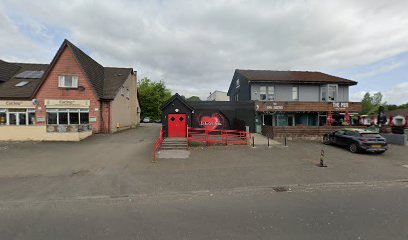
The Bobbing John
32.1 km
Historic Alloa pub with a Victorian charm, named after a local industrial pioneer, offering real ales, hearty food, and a large beer garden.
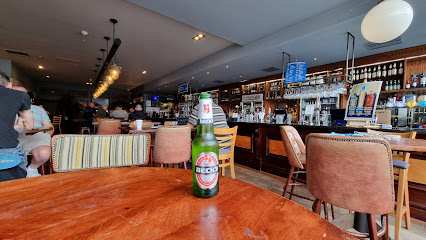
Crams Bar
32.1 km
Experience the vibrant atmosphere and warm hospitality of Crams Bar in Alloa, where every visit feels like a celebration.
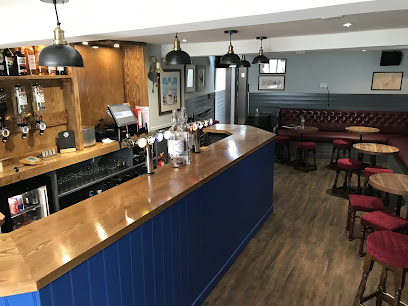
Thistle Bar
32.2 km
Discover the lively Thistle Bar in Alloa, where local culture meets a welcoming atmosphere, perfect for enjoying drinks and entertainment.
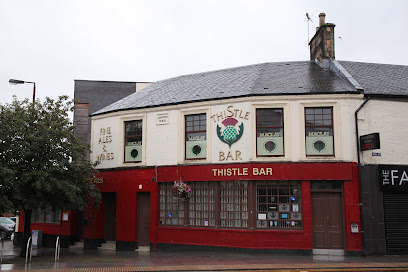
Old Brewery
32.2 km
Experience the vibrant atmosphere and rich flavors at Alloa's Old Brewery, where tradition meets modern pub culture.
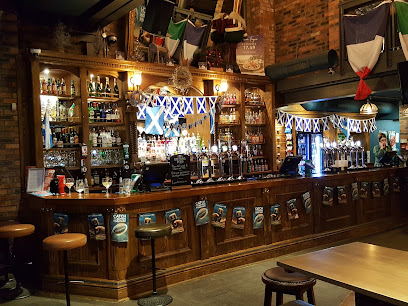
The Mansfield Arms
32.4 km
Experience local charm and hearty meals at The Mansfield Arms, a beloved pub and bar in Sauchie, Alloa, perfect for tourists and locals alike.
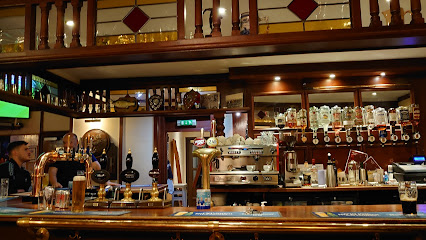
The Berkeley Suite
34.5 km
Discover Glasgow’s hidden vintage nightclub with top DJs, retro vibes, and an intimate dancehall atmosphere beneath a 1940s ballroom.
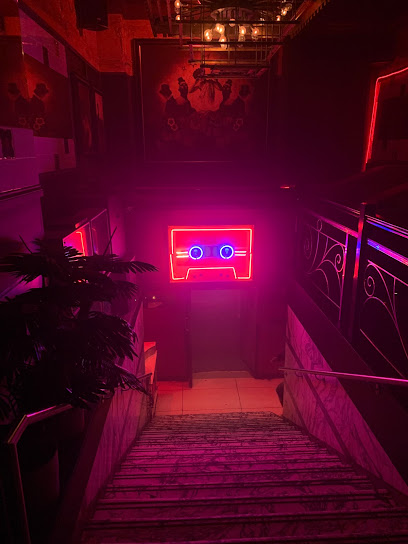
Firewater
34.6 km
Dive into Glasgow's indie nightlife at Firewater, where two rooms blast alternative anthems, cheap entry fuels the fun, and Sauchiehall Street's energy ignites until 2:30am Thu-Sat.
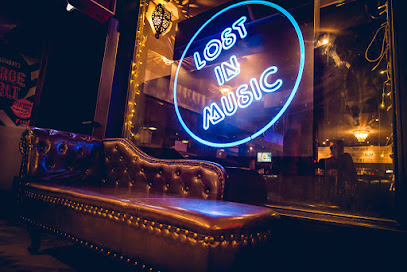
The Plug Glasgow
34.6 km
Experience Glasgow’s premier Afrobeat nightclub where Nigerian wedding vibes meet luxury nightlife and vibrant celebration.
Seventh Heaven Lap Dancing Club
34.6 km
Discover the vibrant nightlife of Glasgow at Seventh Heaven Lap Dancing Club, where entertaining performances meet a lively atmosphere.

The Savoy
34.7 km
Experience Glasgow’s vibrant weekend nightlife at The Savoy, a lively nightclub on Sauchiehall Street pulsing with music and energy until dawn.

Saint Judes After Dark
34.7 km
Glasgow's electrifying after-dark escape: pulsating DJ beats, craft cocktails, and retro club vibes fuel nights until 3am on Bath Street.

For the vibe & atmosphere seeker
- Relaxing
- Tranquil
- Zen
- Scenic
- Unique
For the design and aesthetic lover
- Rustic Designs
- Vintage Styles
For the architecture buff
- Historic
- Landmarks
- Sacred Sites
For the view chaser and sunset hunter
- Iconic Views
- Waterfront
For the social media creator & influencer
- Instagrammable
- Photo Spots
- Aesthetic Corners
For the eco-conscious traveler
- Protected Area
- Nature Reserve
- Public-Transport Accessible
- Leave-No-Trace Critical
- Wildlife Habitat
For the kind of experience you’re after
- Cultural Heritage
- Photowalk
- Nature Escape
- Day Trip
For how adventurous you want the journey to be
- Easy Access
- Seasonal Only
Location Audience
- Family Friendly
- Senior Friendly
- Child Friendly
- Teen Friendly
- Solo Friendly
- Couple Friendly
- Solo Female Friendly
- Vegetarian Friendly
- Vegan Friendly


