River Clyde, Stirling Travel Guide
Free Guide: Scotland’s iconic river that powered Glasgow’s rise as a shipbuilding giant and now flows through a vibrant cultural and urban landscape.


A brief summary of River Clyde
Scotland’s iconic river that powered Glasgow’s rise as a shipbuilding giant and now flows through a vibrant cultural and urban landscape.
The River Clyde, flowing through Glasgow and beyond, has been central to Scotland’s history, industry, and culture. Once the world’s leading shipbuilding hub, its deepened and engineered waters enabled Glasgow’s rise as a global industrial powerhouse. Today, the Clyde blends heritage with regeneration, offering scenic riverbanks, historic landmarks, and a vibrant urban waterfront that reflects both its industrial past and modern revitalization.
On-site amenities
 Restrooms
 Drink options
 Food options
 Seating areas
 Information boards
- Address
- River Clyde
Getting there
Train
Bus
Car
Walking
Discover more about River Clyde
Ancient Origins and Early Significance
The River Clyde’s story begins long before Glasgow emerged, with its waters shaping the lives of ancient Britons and Celtic tribes. Archaeological evidence suggests settlements along its banks dating back to prehistoric times, with the river serving as a vital lifeline and transportation route. The etymology of “Clyde” remains a subject of scholarly debate, underscoring the river’s deep-rooted cultural resonance. This ancient waterway witnessed the rise of early kingdoms and played a crucial role in the region’s early development.
Transformation Through Industrial Power
From the late 18th century, the Clyde underwent extensive engineering works—dredging, narrowing, and canalisation—to accommodate larger ocean-going vessels. These changes catalyzed Glasgow’s transformation from a modest town into a major industrial city. The riverbanks became home to world-renowned shipyards such as John Brown’s and Fairfield, producing over 30,000 ships, including iconic vessels like the Lusitania. The phrase “Clyde Built” became synonymous with quality and innovation in shipbuilding, with the river powering Glasgow’s economy and the British Empire’s maritime strength.
Industrial Decline and Urban Renewal
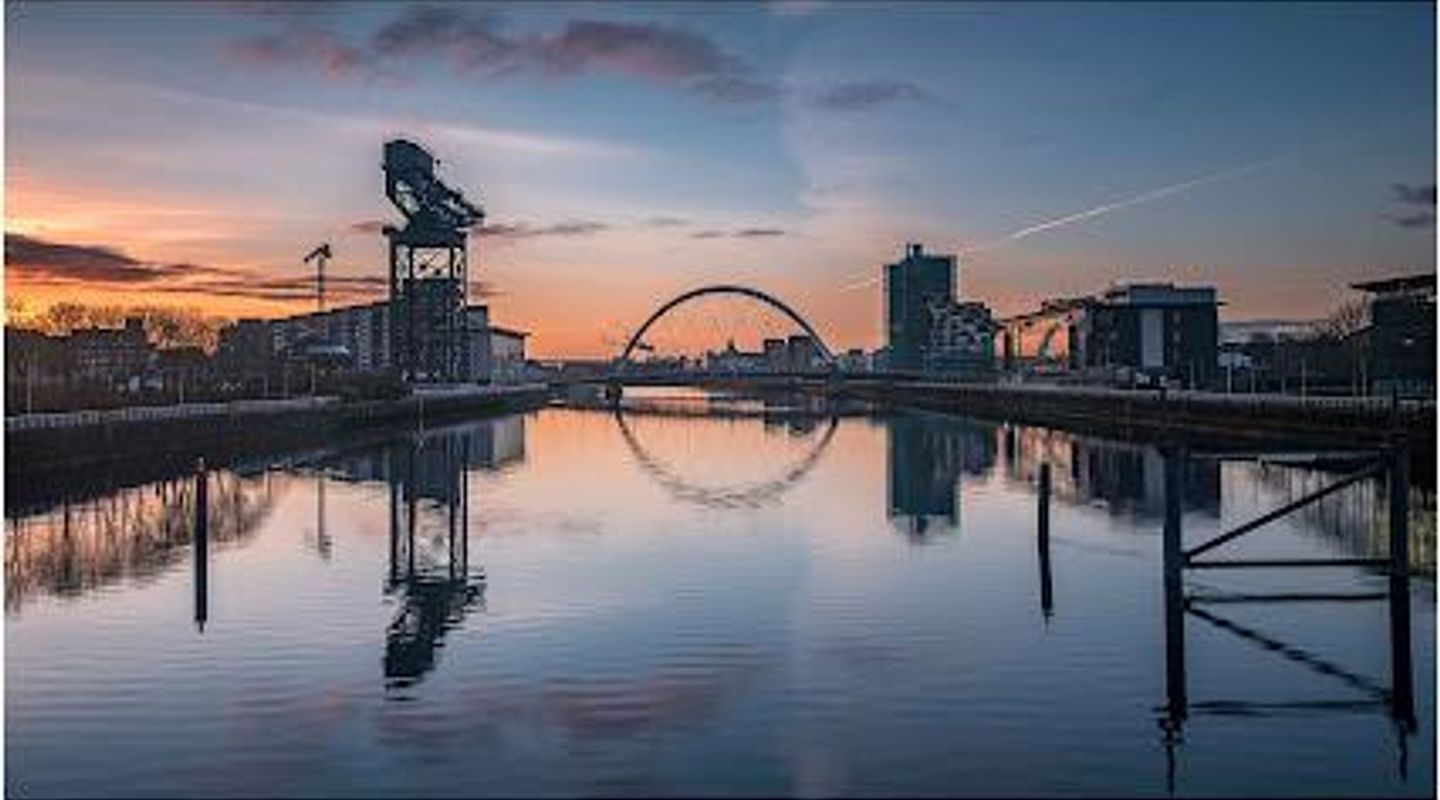
The mid-20th century marked a decline in shipbuilding and heavy industry along the Clyde, as global competition and technological shifts reduced demand. Shipyards closed, and the river’s role in commerce diminished. However, the riverbanks saw a new chapter of regeneration from the 1970s onward, with projects like the Glasgow Garden Festival and the Clyde Waterfront Regeneration transforming former industrial sites into cultural, residential, and leisure spaces. Landmarks such as the Finnieston Crane now stand as evocative reminders of the river’s industrial heritage.
Modern-Day Clyde: A Blend of Heritage and Innovation
Today, the River Clyde serves as a scenic and cultural centerpiece for Glasgow and its surroundings. While maritime activity has largely moved downstream, the river remains navigable and supports recreational boating and tourism. Developments like the Riverside Museum, Science Centre, and Pacific Quay digital media hub illustrate the shift towards a knowledge economy. The river’s banks offer walkways, parks, and vibrant urban spaces that celebrate its history while embracing contemporary life.
Environmental and Navigational Challenges
The Clyde’s management balances economic, recreational, and environmental interests. Navigational improvements continue to support safe boating, while efforts to protect wildlife habitats and maintain water quality are ongoing. The river’s estuary and surrounding landscapes are popular with tourists and locals alike, offering a blend of natural beauty and urban vibrancy.
Legacy and Cultural Identity
The River Clyde remains a powerful symbol of Scotland’s industrial past and cultural identity. Its influence extends beyond commerce to include social history, engineering achievements, and community resilience. The river’s story is woven into Glasgow’s fabric, reflecting centuries of change, challenge, and renewal that continue to shape the region’s future.
Evendo Review Centre
 Google
Guest reviews
Best time to go
Quietest: Jan, Feb & Dec · before 7am
Busy times are Evendo estimates for a typical year, to help you plan. Actual crowds vary with events, school holidays and the weather.
Explore River Clyde on the map
A handpicked selection of must-see spots near River Clyde, mapped for you.
Get your free copy of our complete guide to River Clyde, delivered straight to you.
Everything on this page, from opening hours and how to get there to Eve’s tips and the best time to go, in one PDF you can read offline, print or share.
Already have an account? Sign in
Your River Clyde guide is ready.
We'll send it to · Not you? Sign out

Getting your guide ready…
We are putting together a fresh copy of the River Clyde guide. This can take up to a minute.
This can take a few moments. If your browser asks, choose Allow so the download can start. You'll find the guide in your Downloads folder.
Nothing happened? Download it again
Sorry, the guide is taking longer than usual. Please try again in a minute, or get it by email instead.
Unlock the best of River Clyde
Skip-the-line tickets, guided tours with entry, and walking tours of the area, booked in a few clicks.
 Tour with entry
Ultimate Glasgow Highlights Bike or e-bike Tour with Great Route
from $61.51 Tour with entry
Glasgow Small Group E Bike Tour: Highlights & Hidden Corners
from $71.68 Tour with entry
Explore Glasgow: Scottish Rogue Whisky Bar Walking Tour
from $81.64 Tour with entry
Glasgow City Bike Tour and Craft Beer Experience
from $106.77


Other nearby places you may find interesting
The closest places of the same kind, if this one is not quite what you had in mind.
-
The King's Knot Explore the historic octagonal earthworks of the King's Knot, a royal garden legacy beneath Stirling Castle with stunning castle views and tranquil green space.
-
Beheading Stone. A haunting medieval execution site atop Stirling’s Mote Hill, bearing witness to Scotland’s turbulent past and royal justice.
-
King's Park King's Park in Stirling offers historic charm, scenic castle views, and vibrant green spaces for all ages near the town centre.
-
The Stirling Smith Art Gallery & Museum Explore Stirling’s rich history and vibrant culture in a Victorian museum set within beautiful gardens, featuring diverse exhibitions and family-friendly activities.
-
Airthrey Castle Airthrey Castle: A majestic 18th-century estate blending classical architecture with tranquil university grounds in Stirling.
Swipe for more places
More to explore near River Clyde

 Best experiences near River Clyde
 Best hotels near River Clyde
 Best landmarks near River Clyde
 Best attractions near River Clyde
 Best shops near River Clyde
 Best restaurants near River Clyde
 Best bars near River Clyde
Do you manage this location?
Take control to get all the benefits, like improved information, better appearance, and stronger visibility across AI-powered discovery.
Explore more

Explore more of Stirling
Discover Stirling: A city where history comes alive amidst stunning landscapes and cultural richness in the heart of Scotland.
Explore Stirling
Explore more of United Kingdom
Discover the United Kingdom: A blend of rich history, stunning landscapes, and vibrant cities, offering a unique travel experience for every visitor.
Explore United Kingdom