
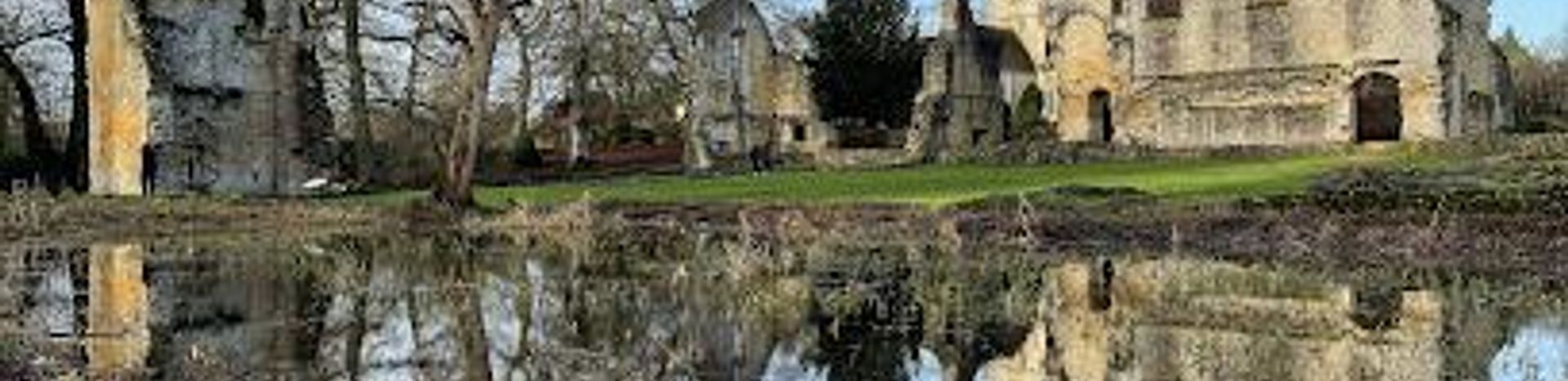
Minster Lovell Hall and Dovecote
Explore the evocative 15th-century ruins of Minster Lovell Hall and its rare dovecote nestled beside the River Windrush in the heart of the Cotswolds.
Minster Lovell Hall and Dovecote are evocative 15th-century ruins nestled beside the River Windrush in Oxfordshire’s Cotswolds. Built by William, Baron Lovell, the manor once showcased medieval wealth and power with its grand courtyard, towering walls, and ornate stonework. The nearby dovecote, historically home to hundreds of birds, adds to the site’s charm. Now cared for by English Heritage, the atmospheric ruins offer a glimpse into England’s aristocratic past amid tranquil rural surroundings.
A brief summary to Minster Lovell Hall and Dovecote
- Minster Riding, Witney, OX29 0RR, GB
- +443703331181
- Visit website
- Duration: 1 to 2.5 hours
- Free
-
 Outdoor
- Mobile reception: 4 out of 5
- Monday 12 am-12 am
- Tuesday 12 am-12 am
- Wednesday 12 am-12 am
- Thursday 12 am-12 am
- Friday 12 am-12 am
- Saturday 12 am-12 am
- Sunday 12 am-12 am
Local tips
- Parking is limited; use the small car park near St Kenelm’s Church and walk to the site to avoid blocking narrow village roads.
- The dovecote is exterior viewing only and located about 100 meters from the main hall ruins.
- There are no toilet facilities on site, so plan accordingly before your visit.
- Dogs on leads are welcome, making it a pleasant spot for pet owners to explore.
- A guidebook is available for purchase at St Kenelm’s Church or online for deeper historical context.

For the on-the-go comforts that matter to you
- Seating Areas
- Information Boards
Getting There
-
Car
Driving from Witney takes about 10-15 minutes via the A40 and local roads. Parking is available at a small car park near St Kenelm’s Church, approximately a 5-minute walk from the hall. Village streets are narrow with no parking at the site itself, so use the car park to avoid blocking access.
-
Bus
Local bus services connect Witney to Minster Lovell village, with a stop about a 10-minute walk from the hall. Service frequency varies, so check local timetables. The walk involves narrow village lanes with some uneven surfaces.
-
Walking
From Witney town centre, walking to Minster Lovell Hall is approximately 5 km and takes around 1 hour along country lanes and footpaths. Terrain is mostly flat but can be muddy after rain. Suitable for moderately fit walkers.
Minster Lovell Hall and Dovecote location weather suitability
-
 Any Weather
-
 Rain / Wet Weather
-
 Clear Skies
-
 Mild Temperatures
Discover more about Minster Lovell Hall and Dovecote
A Glimpse into Medieval Aristocracy
Minster Lovell Hall was constructed in the 1430s by William, Baron of Lovell and Holand, one of England’s wealthiest men of the era. It replaced an earlier 12th-century manor on the site, embodying the latest architectural style of the late medieval period. The manor was designed around a central courtyard, with buildings on three sides and a river-facing wall closing the fourth side. The great hall, with walls still standing up to 12 metres high, was the social and ceremonial heart of the estate, where feasts and gatherings were held. The hall’s vaulted porch and ornate stonework reflect the status and wealth of its owners.Historical Ties and Turbulence
The Lovell family were prominent figures in English history. William’s son John served Henry VI, while John’s son Francis, the ninth baron, was a close ally of Richard III and was created Viscount Lovell. After Richard III’s defeat at the Battle of Bosworth in 1485, Francis Lovell’s estates, including Minster Lovell Hall, were confiscated by the Crown. The manor later passed through several hands, including Henry VIII’s courtiers and the lawyer Sir Edward Coke, who acquired it in 1602. By the mid-18th century, the family had abandoned the hall in favor of their Norfolk estate, leading to the dismantling of much of the building around 1747.Architectural Remnants and Ruins
Today, the ruins reveal the manor’s original layout and grandeur. The surviving structures include the great hall, the four-storey southwest tower, and the north-west wing, whose roof collapsed in the 19th century during an attempted barn conversion. Foundations in the west wing suggest later adaptation as a tannery. The dovecote, located about 100 metres from the main ruins, is a rare surviving example of a 15th-century structure designed to house up to 700 birds, though it is only accessible for exterior viewing.Legends and Mysteries
Minster Lovell Hall is steeped in legend, including tales of a skeleton found in the basement in the early 18th century, thought to be Francis Lovell, who reportedly hid there after the Wars of the Roses. Though modern historians doubt this story, it adds to the site’s enigmatic allure. Another haunting tale tells of a girl found preserved in a leaden chest, believed to have hidden there and tragically unable to escape.Setting and Visitor Experience
Set beside the gentle River Windrush, the ruins lie in a peaceful rural landscape that enhances their romantic and tranquil atmosphere. Nearby St Kenelm’s Church, built by William Lovell in the 1450s, contains his alabaster tomb and is worth visiting for its medieval vaulting. The site offers a quiet place for reflection on England’s medieval past, with no facilities on site and dogs welcome on leads. The small car park near the church provides access, though parking is limited and the narrow village streets require considerate driving.Preservation and Access Today
Now managed by English Heritage as a Grade I listed building and scheduled monument, Minster Lovell Hall is free to explore during daylight hours. Visitors are encouraged to respect the fragile ruins by not climbing the walls. The site’s care relies on public support to maintain this historic landmark for future generations. The dovecote and hall together offer a rare insight into the lifestyle of medieval nobility within a beautifully preserved Cotswold setting.Iconic landmarks you can’t miss

Bliss Tweed Mill
15.5 km
A striking Victorian tweed mill in Chipping Norton, blending industrial heritage with elegant architecture and scenic Cotswold views.

Blue Plaque: J.R.R. Tolkien
18.9 km
The Oxford home where Tolkien wrote The Hobbit and The Lord of the Rings, marked by a historic blue plaque.
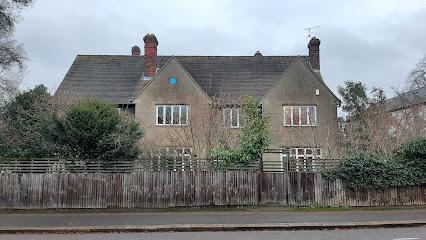
IF Oxford: The Oxford Science and Ideas Festival
19.2 km
Discover cutting-edge science and creative ideas at Oxford’s vibrant annual festival blending research, arts, and community engagement.
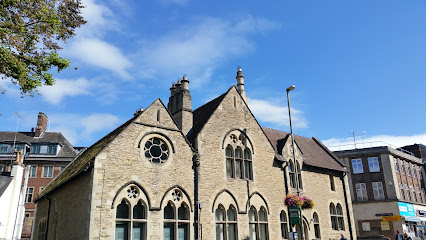
Oxford Castle Quarter
19.2 km
Discover the historical treasures of Oxford Castle Quarter, where rich heritage meets delightful dining in a vibrant setting.
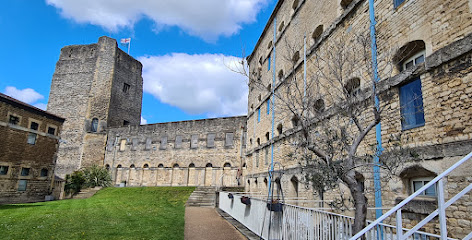
National Trust - Chastleton House
19.3 km
Explore the enchanting Chastleton House, a historical gem in the Cotswolds showcasing Jacobean architecture and stunning gardens.
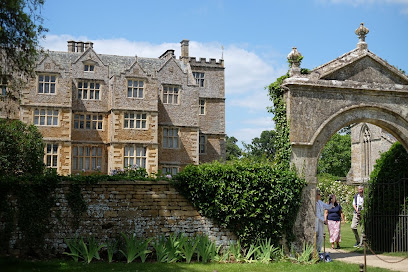
Oxford Ecclesia Walking Tours
19.4 km
Uncover the hidden gems of Oxford with Ecclesia Walking Tours, where history and culture converge in a captivating exploration of this iconic city.
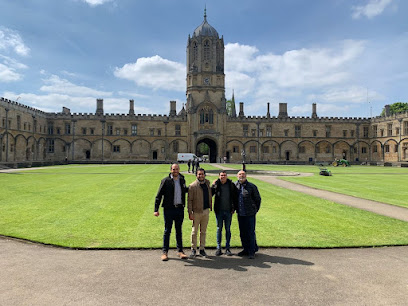
Martyrs' Memorial
19.4 km
A towering Gothic Revival monument in Oxford honoring three Reformation martyrs who stood firm in faith during religious upheaval.
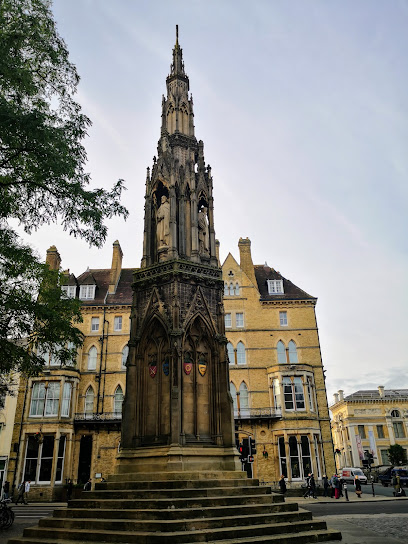
The Oxford Union Society
19.4 km
Explore the Oxford Union Society, an iconic venue for debates and learning, rich with history and cultural significance in the heart of Oxford.
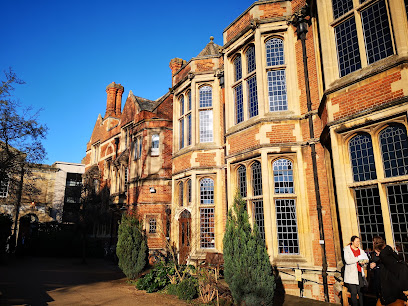
St Michael at the North Gate
19.4 km
Discover the historic charm of St Michael at the North Gate, Oxford's oldest Anglican church, where history and spirituality intertwine.
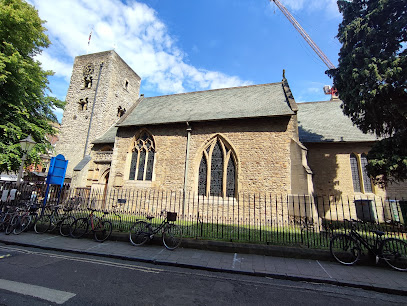
Oxford Preservation Trust
19.4 km
Discover the architectural beauty and cultural richness of Oxford through the dedicated efforts of the Oxford Preservation Trust.
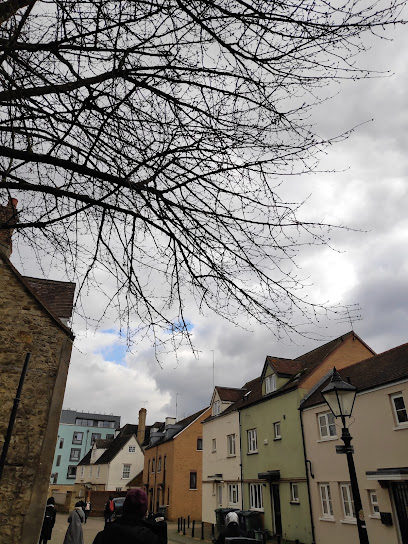
Modern Art Oxford
19.5 km
Explore contemporary art and cultural events at Modern Art Oxford, a vibrant gallery with a cozy café in the heart of Oxford.
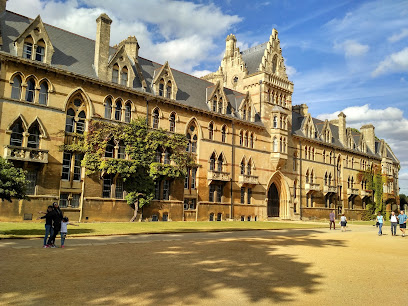
Oxford Magic Walking tours
19.5 km
Explore Oxford's hidden gems and rich history with expert-led Magic Walking Tours, revealing the city's enchanting past and vibrant present.
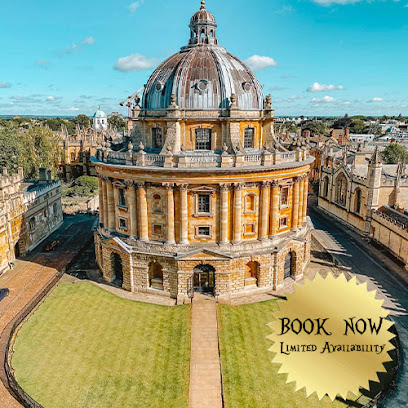
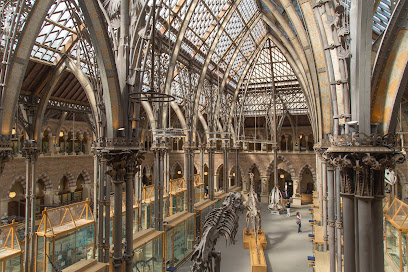
Oxford University Museum of Natural History
19.5 km
Explore the captivating Oxford University Museum of Natural History, where science and history come alive in a stunning architectural setting.
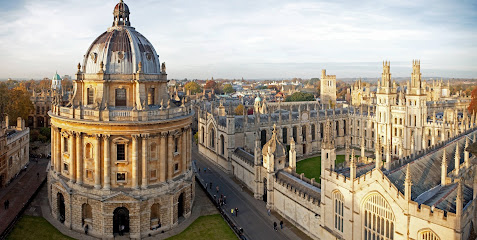
Visit Oxford Tours
19.5 km
Explore the captivating history and stunning architecture of Oxford with expert-guided tours for an unforgettable experience.
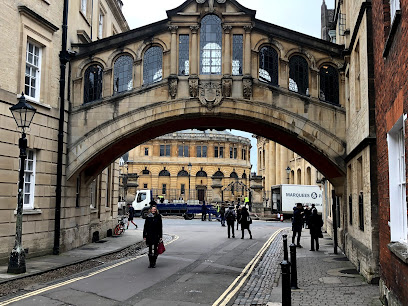
Oxford Tours UK
19.5 km
Discover Oxford’s rich history and literary heritage through personalized, expert-led walking tours in the city’s vibrant heart.
Unmissable attractions to see

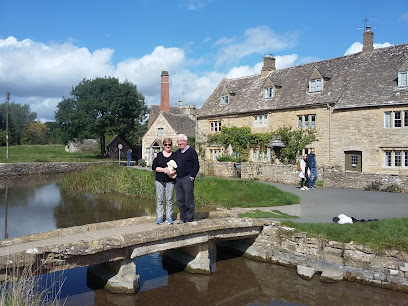
Undiscovered Cotswolds
0.4 km
Discover the hidden villages and timeless charm of the Cotswolds with personalized private tours from Minster Lovell.
The Woolgate Centre
3.6 km
Witney’s friendly open-air shopping hub, blending high-street brands, local services and Cotswold charm in the heart of town.
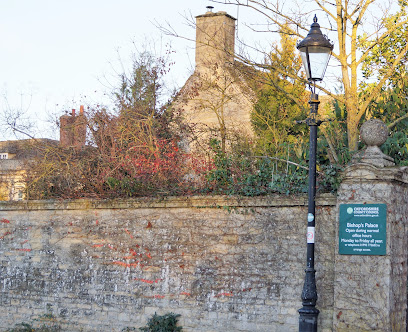
Bishop's Palace
3.9 km
Explore the tranquil ruins of Witney’s 12th-century Bishop’s Palace, a medieval gem nestled by Church Green.
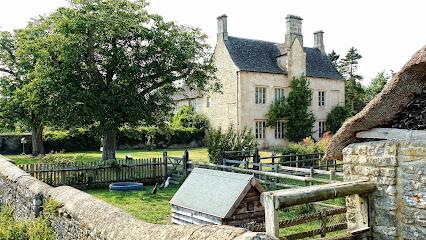
Cogges Manor Farm
4.2 km
Explore centuries of rural heritage and vibrant farm life at Cogges Manor Farm, a family-friendly gem in the Oxfordshire Cotswolds.
Crocodiles of the World
4.5 km
The UK's only crocodile zoo—encounter 130+ crocodiles, alligators, and caimans in a tropical setting.
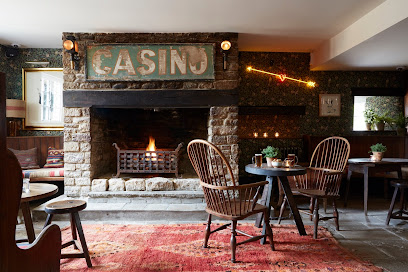
The Mason Arms
7.2 km
A charming 16th-century farmhouse boutique inn blending rustic English countryside with bohemian style and contemporary art near Oxford and the Cotswolds.
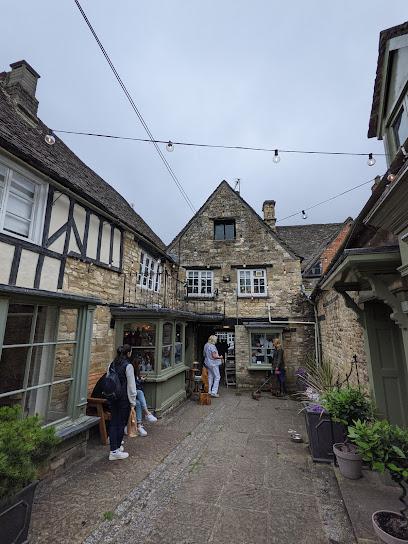
Burford
7.3 km
Discover Burford, the charming medieval gateway to the Cotswolds, with its historic streets, wool trade heritage, and scenic riverside setting.
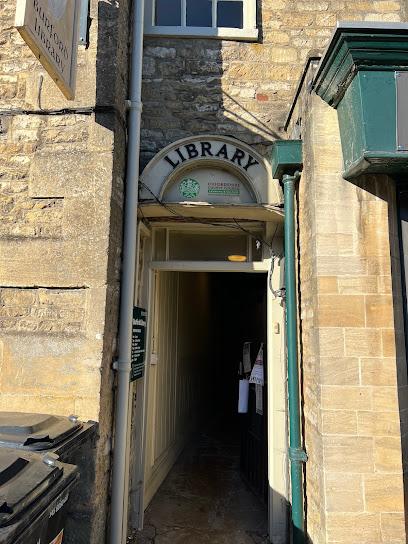
Burford Library
7.3 km
A welcoming community library in historic Burford, offering books, digital access, and a tranquil space for learning and culture.
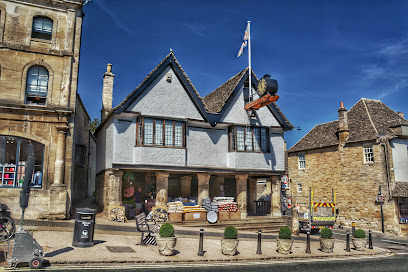
Tolsey Museum
7.4 km
Discover Burford’s rich heritage in a charming Tudor market building showcasing centuries of local history and culture.
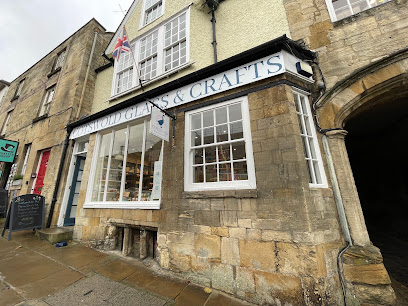
Cotswold Glass and Crafts
7.4 km
Discover exquisite handmade glass art and creative workshops in the charming market town of Burford, at Cotswold Glass and Crafts.
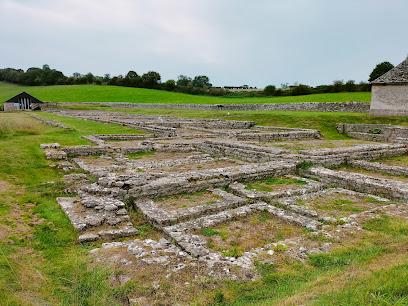
North Leigh Roman Villa
8.3 km
Explore one of Britain’s largest Roman villas nestled in a tranquil Oxfordshire valley, famed for its mosaics, baths, and ancient rural luxury.
Cotswold Wildlife Park & Gardens
8.9 km
Explore 160 acres of immersive wildlife and stunning gardens at Cotswold Wildlife Park, where nature and adventure meet in the heart of the Cotswolds.

Foxholes
11.6 km
Ancient woodland sanctuary famed for spring bluebells, diverse fungi, abundant wildlife, and tranquil riverside meadows in Oxfordshire.
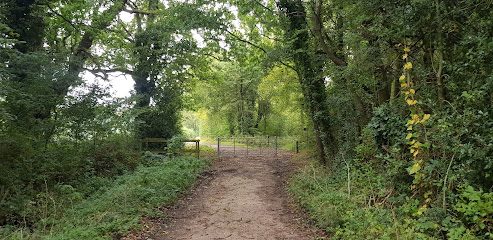
Blenheim Park
12.4 km
Explore Blenheim Park’s vast historic landscape, where heritage monuments and serene gardens meet the idyllic Oxfordshire countryside.
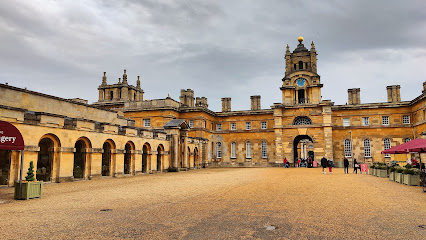
Blenheim Palace
12.6 km
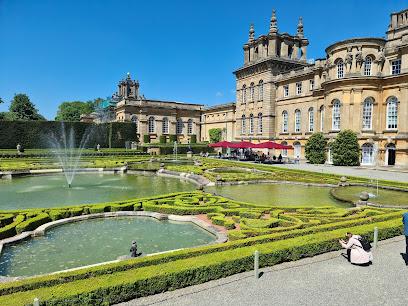
Explore Blenheim Palace’s grand Baroque architecture, vast Capability Brown parkland, and immersive historic experiences in Oxfordshire’s UNESCO World Heritage gem.
Essential places to dine

The Oak Tree Restaurant
9.1 km
Relax and refuel at The Oak Tree Restaurant, a family-friendly dining spot nestled within the scenic Cotswold Wildlife Park and Gardens.
The Chequers, Cotswolds
13.4 km
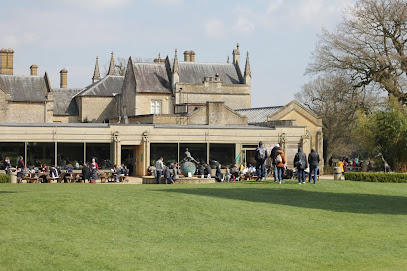
A stylish Cotswold gastropub in Churchill, serving elevated pub classics in a warm, lively atmosphere with a lovely garden and a strong local following.

The Wild Rabbit
14.1 km
Charming Georgian inn in Kingham offering refined British cuisine, eco-conscious hospitality, and stylish countryside retreats in the heart of the Cotswolds.
The Kingham Plough
14.3 km
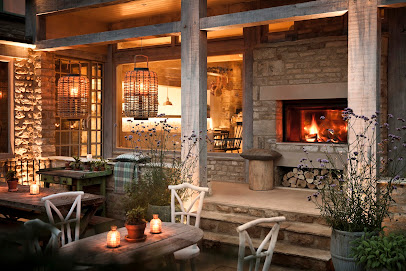
A charming Cotswold village inn blending traditional character with modern British cuisine and stylish comfort in the heart of Kingham.

The Ox Barn
14.7 km
Experience modern British countryside cuisine in a beautifully restored 19th-century oxen house nestled in the tranquil Cotswold village of Southrop.
The Bear & Ragged Staff
15.3 km
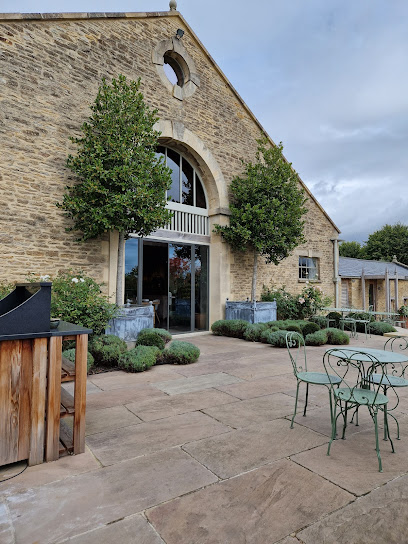
Historic 16th-century coaching inn in Cumnor offering cozy rooms, local British cuisine, and a welcoming village pub atmosphere near Oxford.
Whistlers Restaurant
15.9 km
Whistlers Restaurant offers vibrant modern British dining with fresh ingredients, lively atmosphere, and a welcoming bar in Chipping Norton.

The White Hart at Fyfield
16.0 km
Historic 15th-century pub in Fyfield blending vaulted halls and oak beams with refined Modern British cuisine and artisan cocktails.
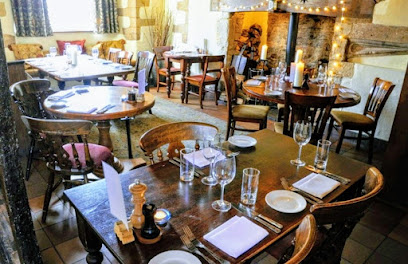
Restaurant 56
16.0 km
Elegant British fine dining in a historic 17th-century coaching inn set within tranquil gardens on the edge of the Cotswolds.
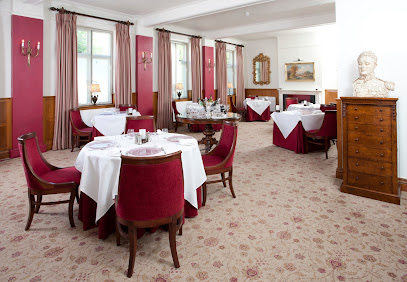
The Perch
17.2 km
A charming thatched pub by Oxford’s Port Meadow, blending historic ambiance with hearty British fare and riverside tranquility.
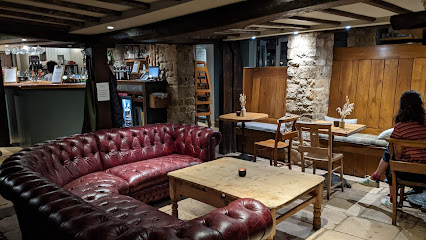
The Croft Restaurant
18.1 km
A charming riverside restaurant in Bourton-on-the-Water serving fresh, locally sourced English cuisine in a welcoming and scenic setting.

The Rose Tree Restaurant
18.2 km
Charming riverside British dining in a historic Cotswold cottage with cozy interiors and scenic garden views.

Pompette
18.3 km
Experience authentic French flavors and warm hospitality in Oxford’s charming Summertown at Pompette, a refined brasserie with seasonal delights.
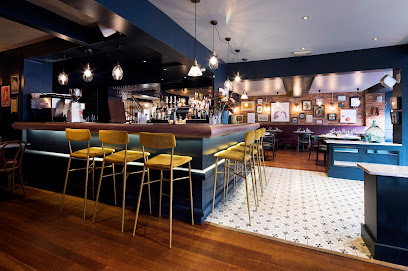
The Oxford Kitchen
18.5 km
Michelin-starred British fine dining in Oxford’s Summertown, blending seasonal ingredients with elegant ambiance and impeccable service.
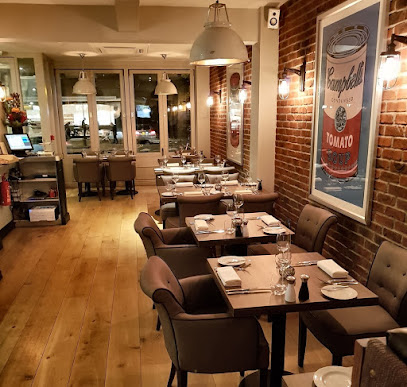
The Old Bookbinders Ale House
18.5 km
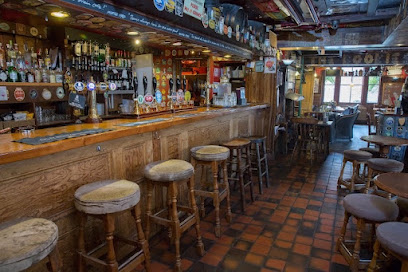
A charming Oxford pub blending traditional ales with authentic French bistro fare in Jericho’s quirky heart.
Markets, malls and hidden boutiques

Cotswold Hipster
10.6 km
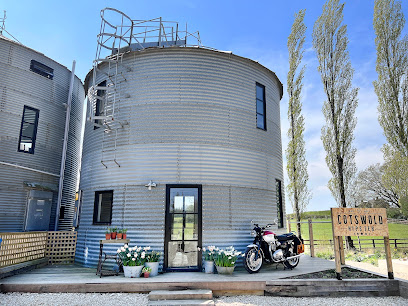
Handcrafted artisan leather bags and stylish dog accessories blending vintage charm with modern functionality in Chipping Norton.
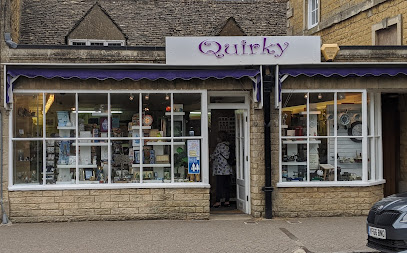
Quirky
18.1 km
Discover unique gifts and local artisan treasures in the heart of Bourton-on-the-Water’s charming High Street.
Caboodle
18.2 km
Handcrafted treasures and local artisan finds in the heart of picturesque Bourton-on-the-Water.
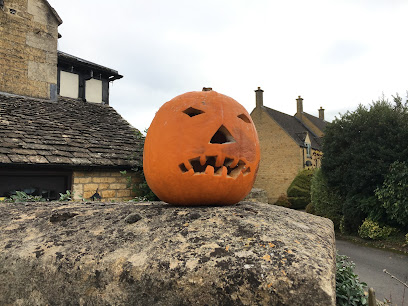
Chestnuts Fashion Fix
18.2 km
Discover unique vintage-inspired fashion and accessories in the heart of Bourton-on-the-Water’s charming High Street.

Cotswold Perfumery
18.2 km
Experience bespoke English fragrances, immersive perfume courses, and luxury riverside stays in the historic heart of Bourton-on-the-Water.

The Lodestone
18.2 km
Discover dazzling crystals and minerals with expert guidance in the heart of charming Bourton-on-the-Water.

The Cotswold Shop
18.2 km
Charming boutique offering handcrafted gifts and traditional sweets in one of Bourton-on-the-Water’s oldest buildings.
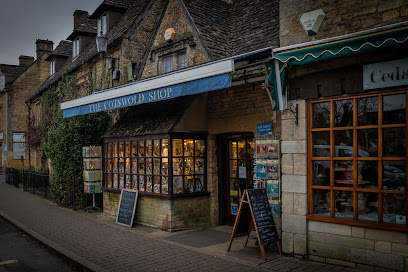
Cotswold China & Cookware
18.3 km
Discover exquisite British chinaware and cookware in a charming boutique nestled in the heart of Bourton-on-the-Water.

Gatineau Artisan Patisserie & Bakery
18.5 km
Authentic French artisan patisserie in Oxford’s Summertown, crafting exquisite pastries, breads, and bespoke cakes with premium ingredients.
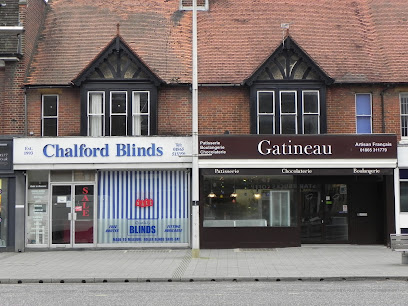
Cotswold Picture Shop
18.6 km
Discover authentic Cotswold art and unique gifts in a charming Bourton-on-the-Water boutique open daily until midnight.

Rainbow and Spoon Boutique - Ladies Fashion in Oxford
18.8 km
Discover Oxford’s beloved independent boutique offering ethically sourced, unique women’s fashion with a personal touch and timeless style.
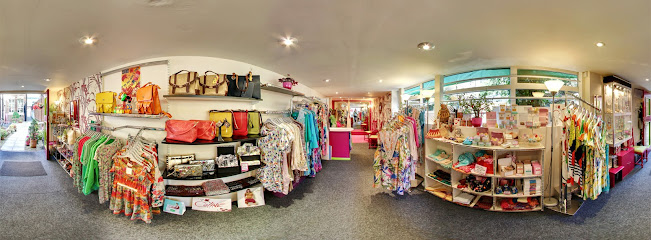
John Lewis & Partners
19.3 km
A spacious, three‑floor department store in Oxford’s Westgate Centre, offering fashion, beauty, home, and technology with helpful service and a relaxed atmosphere.
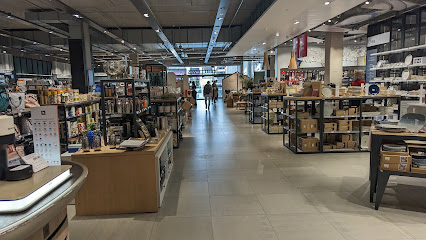
Oliver Bonas
19.4 km
Discover unique fashion and homeware with a joyful British spirit at Oliver Bonas in Oxford’s Westgate Shopping Centre.
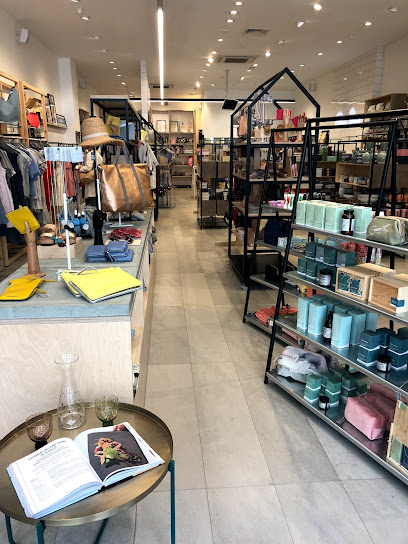
Westgate Oxford
19.4 km
A vibrant shopping and leisure destination in Oxford’s city centre, blending modern retail with festive charm and cultural events.
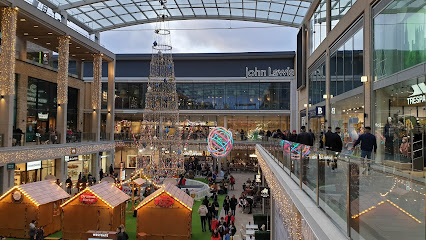
Flying Tiger Copenhagen
19.4 km
Discover quirky Danish design and colorful everyday essentials at Flying Tiger Copenhagen, Oxford’s lively variety store on Magdalen Street.
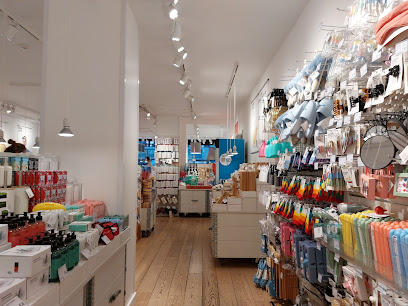
Essential bars & hidden hideouts

The Cotswold Arms
7.3 km
Historic 15th-century pub in Burford blending local ales, homemade food, live music, and a cozy beer garden for all ages.
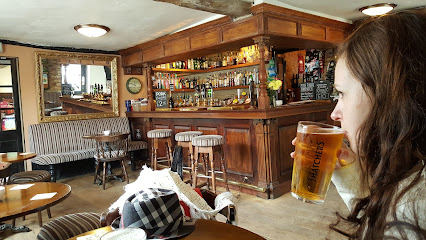
The Lamb Inn
7.7 km
Historic 17th-century coaching inn in Oxfordshire’s Cotswolds, blending rustic charm, hearty British cuisine, and cozy guest rooms.

The Fox at Oddington
17.3 km
Historic 16th-century Cotswold pub blending rustic charm with organic cuisine and cozy countryside stays in Lower Oddington.
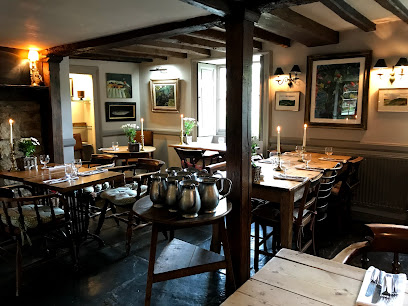
Kingsbridge
18.1 km
A classic riverside pub in Bourton-on-the-Water offering hearty British fare, cask ales, and warm hospitality in a scenic Cotswold village setting.

The Rickety Press
18.6 km
A lively Jericho pub blending funky vibes, quality pizzas, inventive burgers, and a welcoming community spirit in the heart of Oxford.
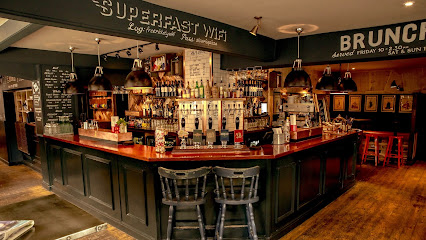
Jude The Obscure
18.7 km
A literary-inspired British pub in Oxford’s Jericho with award-winning food, lively sports viewing, and a dog-friendly heated beer garden.
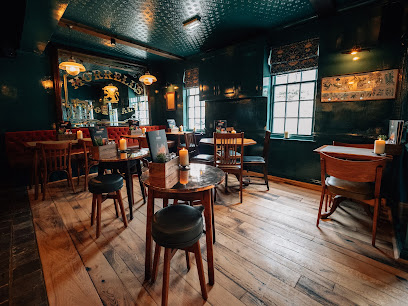
LJ - Love Jericho Cocktail Bar
19.0 km
Experience Oxford’s best cocktails and vibrant nightlife at LJ - Love Jericho, where expert mixology meets a lively, welcoming atmosphere.

Thirst Bar
19.0 km
Lively cocktail bar and nightclub in Oxford with expert bartenders, heated outdoor terrace, and a vibrant late-night atmosphere.
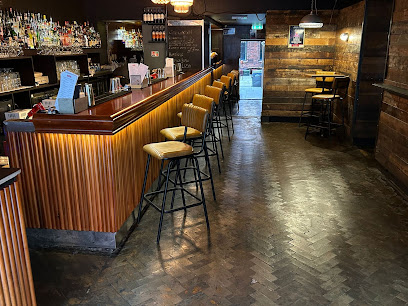
The Lighthouse
19.1 km
A stylish riverside cocktail bar and tapas restaurant blending classic charm with modern flair in the heart of Oxford.
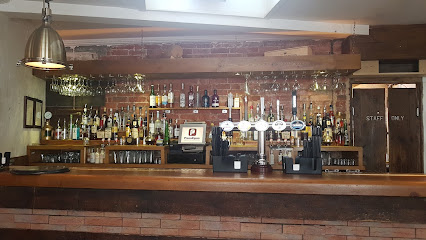
The Duke Of Cambridge
19.1 km
A stylish Oxford cocktail bar blending traditional pub charm with expert mixology and a lively, welcoming atmosphere.
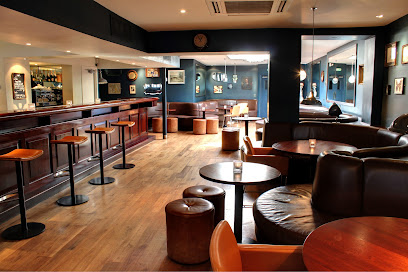
The Keepers Arms
19.1 km
Charming Cotswold pub and boutique inn offering warm hospitality, excellent food, and a peaceful village retreat near Cirencester.
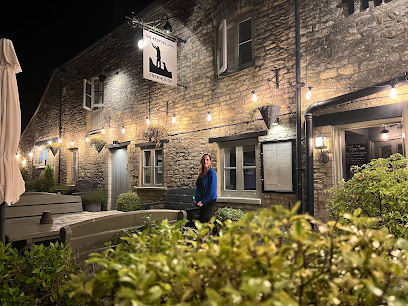
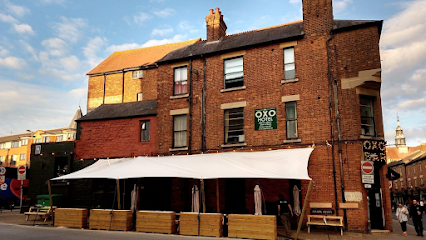
OXO BAR
19.2 km
A stylish and lively cocktail bar in Oxford’s heart, known for expertly crafted drinks and a vibrant social atmosphere.
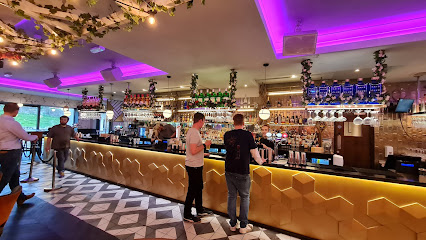
Slug & Lettuce - Oxford
19.2 km
Vibrant cocktail bar and restaurant set within historic Oxford Castle, offering stylish drinks, global cuisine, and lively brunches in a chic, welcoming atmosphere.
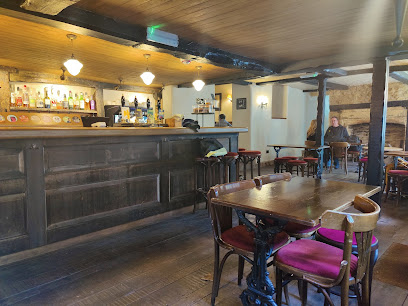
Lamb and Flag
19.3 km
Historic Oxford pub famed for its Inklings literary heritage, vibrant atmosphere, and excellent local ales since 1613.
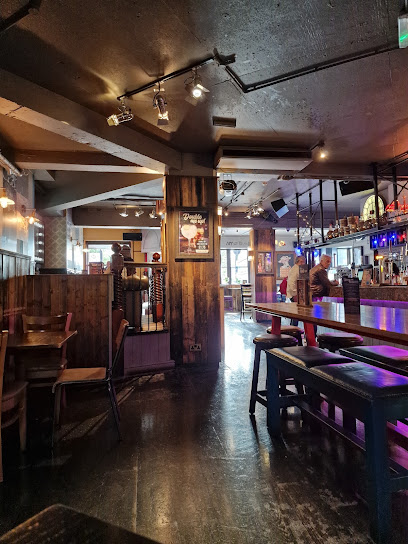
Cow & Creek
19.3 km
A vibrant Oxford pub blending funky neon vibes with hearty burgers, local brews, and a lively social scene for day and night enjoyment.
Nightclubs & after hour spots

The Bridge Nightclub
18.9 km
Oxford’s lively student-focused nightclub with diverse music, multiple dance floors, and a spacious pub garden for late-night socializing.
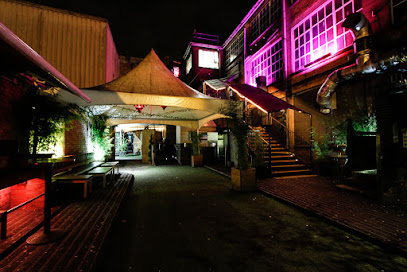
Oxford Leisure Ltd
19.0 km
Experience Oxford’s vibrant nightlife with dynamic music, themed events, and a lively dance floor at Oxford Leisure Ltd.

Kiss Bar
19.0 km
An intimate late-night club in Oxford known for its vibrant atmosphere and close-knit party scene until its recent closure.
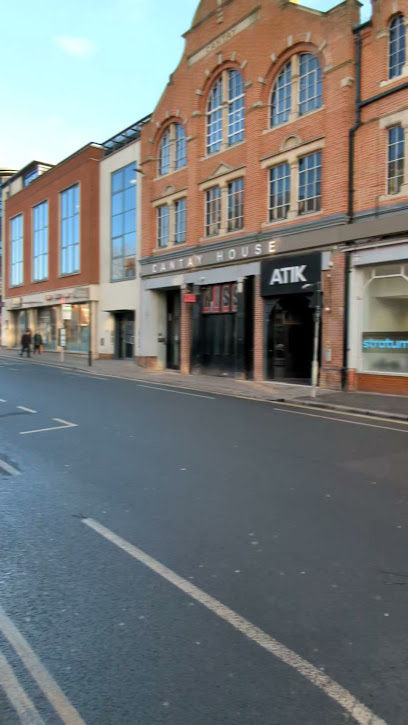
ATIK Oxford
19.0 km
Oxford’s largest nightclub with diverse music rooms, vibrant atmosphere, and strong security, offering a late-night hub for students and locals alike.
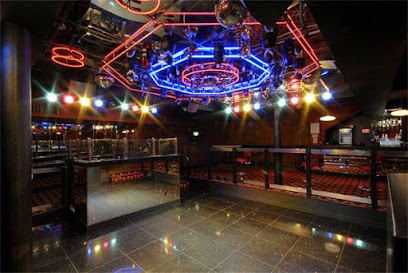
Fever Oxford
19.3 km
Experience Oxford’s vibrant nightlife at Fever, a multi-room nightclub blending live DJs, dynamic music, and a lively party atmosphere.

Plush Oxford
19.4 km
Experience Oxford’s vibrant, inclusive nightlife hotspot with great music, cocktails, and a welcoming atmosphere at Plush Oxford.
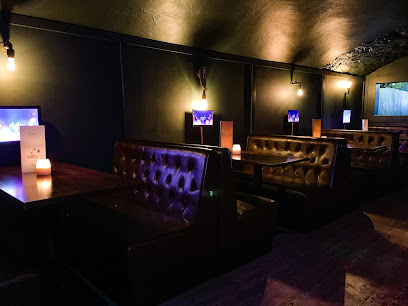
ReVA Nightclub
31.5 km
Cirencester’s largest nightclub offering electrifying music, stylish cocktails, and a vibrant atmosphere for unforgettable nights.
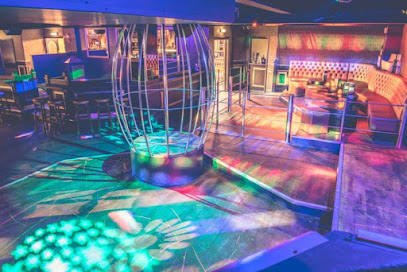
Venue Five-0 Night Club
38.4 km
Energetic weekend nights and diverse music await at Venue Five-0 Night Club, Royal Wootton Bassett’s lively nightlife hotspot.
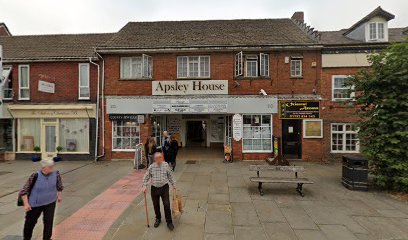
Coco
39.0 km
Cheltenham’s underground hotspot for vibrant nightlife, top DJs, and creative cocktails in a lively basement setting.
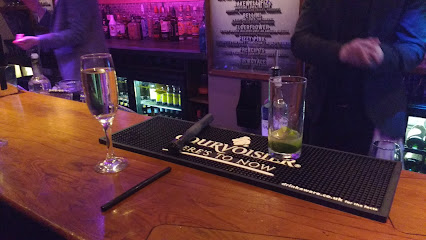
The 21 Club
39.0 km
Experience Cheltenham’s vibrant nightlife at The 21 Club, where music, dancing, and great drinks create unforgettable nights.
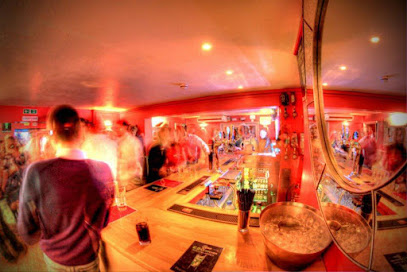
MooMoo Clubrooms Cheltenham
39.1 km
Experience Cheltenham’s vibrant nightlife with dynamic music, VIP vibes, and late-night energy at MooMoo Clubrooms.

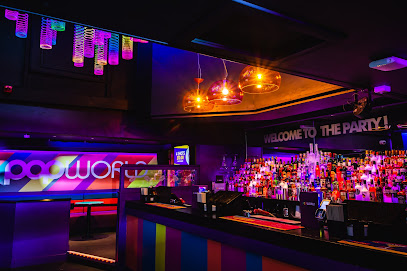
Popworld - Cheltenham
39.1 km
Cheltenham’s lively late-night hotspot where cheesy pop tunes and creative cocktails fuel unforgettable party nights.
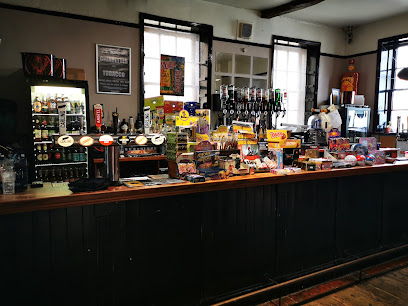
2 PIGS
39.1 km
A lively Cheltenham nightclub with dual rooms spinning rock, punk, indie, and classic hits, known for affordable drinks and an alternative vibe.
Under the Prom
39.2 km
Experience Cheltenham’s vibrant nightlife with premium drinks, three unique bars, and VIP service at Under The Prom nightclub.

Home and Botanic Nightclub
39.3 km
Historic charm meets vibrant nightlife at Cheltenham’s Home and Botanic, a multi-room club offering cocktails, live piano, DJs, and unforgettable nights.

For the vibe & atmosphere seeker
- Romantic
- Tranquil
- Scenic
- Unique
For the design and aesthetic lover
- Rustic Designs
- Vintage Styles
For the architecture buff
- Historic
- Landmarks
- Heritage Neighborhoods
For the view chaser and sunset hunter
- Iconic Views
- Waterfront
For the social media creator & influencer
- Instagrammable
- Photo Spots
- Architectural Shots
For the eco-conscious traveler
- Protected Area
- Public-Transport Accessible
- Locally Managed
For the kind of experience you’re after
- Cultural Heritage
- Photowalk
- Day Trip
- Weekend Getaway
- Myth & Legends
For how adventurous you want the journey to be
- Easy Access
Location Audience
- Family Friendly
- Senior Friendly
- Child Friendly
- Teen Friendly
- Wheelchair Access
- Pet Friendly
- Solo Friendly
- Couple Friendly
- Solo Female Friendly


