
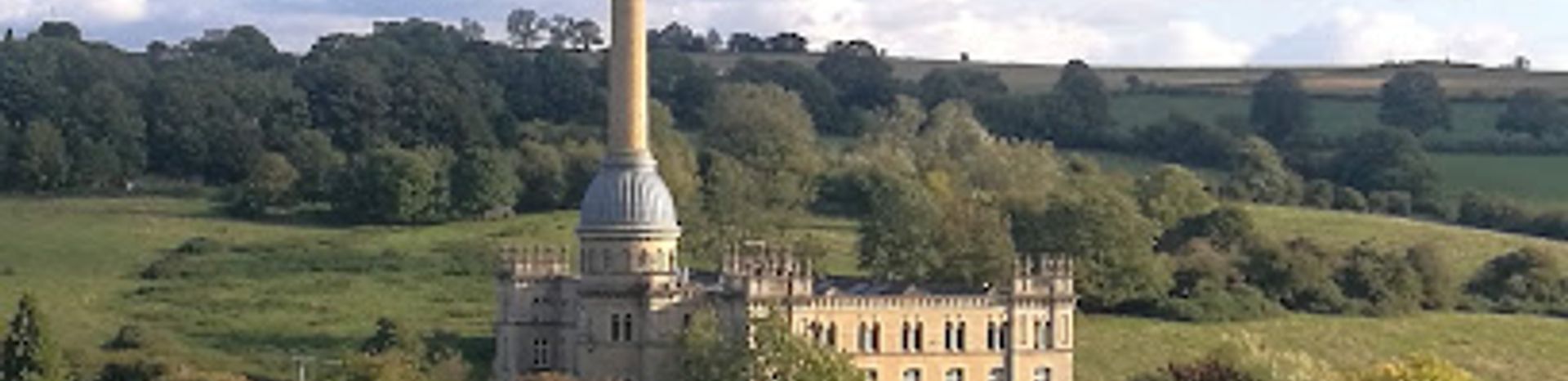
Bliss Tweed Mill: Cotswold Industrial Heritage in Chipping Norton
A striking Victorian tweed mill in Chipping Norton, blending industrial heritage with elegant architecture and scenic Cotswold views.
Bliss Tweed Mill, a striking Grade II* listed Victorian building on the edge of Chipping Norton, Oxfordshire, was built in 1872 to produce fine tweed from local wool. Designed by George Woodhouse, its mansion-like limestone façade and iconic domed chimney make it a distinctive landmark. Once a thriving industrial hub supplying military uniforms in WWI, the mill closed in 1980 and has since been converted into luxury apartments, preserving its historic character amidst scenic Cotswold countryside.
A brief summary to Bliss Tweed Mill
- 3 Station Rd, Chipping Norton, OX7 5HX, GB
- Duration: 0.5 to 1.5 hours
- Mid ranged
-
 Outdoor
- Mobile reception: 4 out of 5
Local tips
- Visit during daylight to fully appreciate the mill’s limestone façade and unique chimney design.
- Explore the surrounding Cotswold countryside for iconic views and photo opportunities.
- Learn about the mill’s labor history and the 1913–14 strike to understand its social significance.
- Note that the mill is now private residences; access is limited to public areas outside the building.

For the on-the-go comforts that matter to you
- Seating Areas
- Information Boards
Getting There
-
Train and Taxi
Take a train from London Paddington to Kingham station (approximately 1 hour 20 minutes), then a taxi to Bliss Tweed Mill in Chipping Norton (about 15 minutes). Taxi fares typically range from £20 to £30.
-
Bus Service
Use local bus services from Chipping Norton town center to the mill area; buses run several times daily with a journey time of around 10 minutes. Tickets cost approximately £2–£4. Note that service frequency may be limited on weekends.
-
Car Access
Driving from Oxford or surrounding areas takes about 30–40 minutes. Limited parking is available near the mill; visitors should be aware of residential restrictions and avoid blocking private access.
Bliss Tweed Mill location weather suitability
-
 Any Weather
-
 Clear Skies
-
 Mild Temperatures
Discover more about Bliss Tweed Mill
Origins and Industrial Legacy of Bliss Tweed Mill
Bliss Tweed Mill traces its roots back to the mid-18th century when Thomas Bliss established a cloth manufacturing business in Chipping Norton. The mill itself was constructed in 1872 by architect George Woodhouse for William Bliss to produce high-quality tweed from locally sourced wool. The mill rapidly grew into a major industrial enterprise, employing over 100 workers by the late 19th century and becoming a key part of Chipping Norton's woollen industry. Despite setbacks such as the devastating 1872 fire that destroyed the Lower Mill, it was rebuilt in grand Palladian style, reflecting the prosperity and social standing of the Bliss family.Architectural Distinction and Design Features
Bliss Tweed Mill is notable for its unique architectural style that blends industrial function with elegant design. The main five-storey spinning building is faced with local Cotswold limestone, styled to resemble a country house with square towers topped by stone urns. Its most distinctive feature is the large chimney rising from a dome atop a circular tower, fashioned as a Tuscan column—a rare design for a mill chimney. Inside, cast iron columns support brick vaults, showcasing Victorian industrial engineering with aesthetic refinement. This blend of form and function earned it Grade II* listing in 1980.Social History and Labor Struggles
The mill's workforce experienced significant social challenges, most notably the eight-month strike from late 1913 to mid-1914, centered on the right to unionize. Despite this prolonged industrial action, the mill prospered during World War I, producing khaki cloth for British military uniforms and horse blankets. Ownership changes followed financial difficulties in the late 19th century, with the Bliss family eventually relinquishing control. The mill passed through various hands, including Fox Brothers, until its closure in 1980.Transformation into Residential Heritage
After ceasing operations, Bliss Tweed Mill was sensitively converted into luxury apartments around 1988. The redevelopment preserved many original architectural features, such as the brick vaults and cast iron supports, while adapting the space for modern living. The top-floor apartments offer expansive views over the rolling Cotswold hills. The mill's grounds extend over six acres, including manicured gardens and communal amenities like a heated swimming pool, sauna, and sports courts, blending historic charm with contemporary comfort.Setting and Surrounding Environment
Situated on the outskirts of Chipping Norton, Bliss Tweed Mill occupies a scenic position within the Cotswolds, an Area of Outstanding Natural Beauty. The limestone building harmonizes with the rural landscape, offering iconic views of the surrounding countryside. Its proximity to the town preserves a connection to Chipping Norton's industrial past while providing a tranquil residential setting. The mill remains a landmark visible from miles around, symbolizing the region’s rich textile heritage.Legacy and Cultural Significance
Bliss Tweed Mill stands as a testament to the evolution of British textile manufacturing and industrial architecture. Its distinctive design and history of labor activism reflect broader social and economic changes in the 19th and early 20th centuries. Today, the mill’s adaptive reuse as residential apartments exemplifies heritage conservation, maintaining its presence as a cultural and architectural icon within Oxfordshire and the Cotswolds.Iconic landmarks you can’t miss

Bliss Tweed Mill
0.0 km
A striking Victorian tweed mill in Chipping Norton, blending industrial heritage with elegant architecture and scenic Cotswold views.

Cotswold Farm Park
18.9 km
Discover the enchanting Cotswold Farm Park, where children can explore a world of animals, play, and enjoy delicious local food in the stunning English countryside.
Cotswold Wildlife Park & Gardens
19.4 km
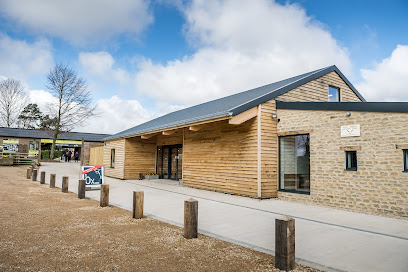
Discover Cotswold Wildlife Park & Gardens, a beautiful sanctuary for wildlife enthusiasts, families, and nature lovers in the heart of the Cotswolds.

Old Campden House
19.5 km
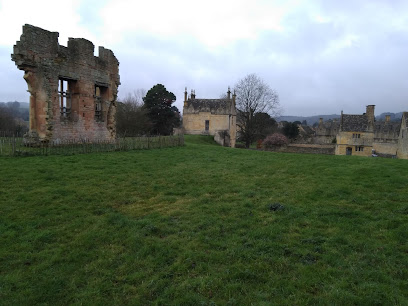
Explore the evocative ruins and Jacobean heritage of Old Campden House, a grand 17th-century mansion touched by history and time.
West Banqueting House
19.6 km
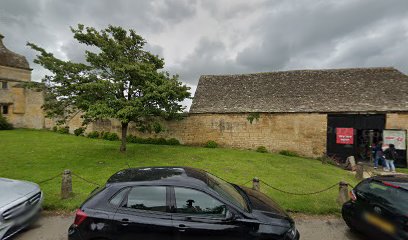
Experience the grandeur of Jacobean England in West Banqueting House, a beautifully preserved historic retreat in the heart of Chipping Campden.
Chipping Campden
19.8 km
Discover the enchanting beauty of Chipping Campden, a historic market town in the Cotswolds, with stunning architecture and scenic landscapes.
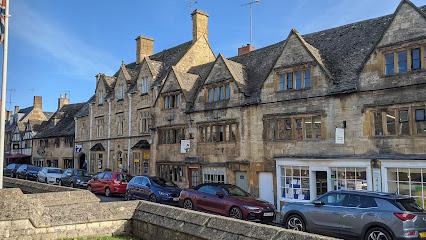
National Trust - Hidcote
20.6 km
Explore Hidcote Gardens, a masterpiece of garden design in the Cotswolds, featuring stunning landscapes and rich horticultural history.
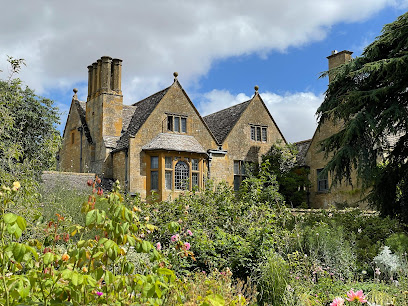
National Trust - Dover's Hill
21.2 km
Discover the breathtaking views and diverse wildlife at Dover's Hill, a hidden gem in the heart of the Cotswolds, perfect for hiking and exploration.
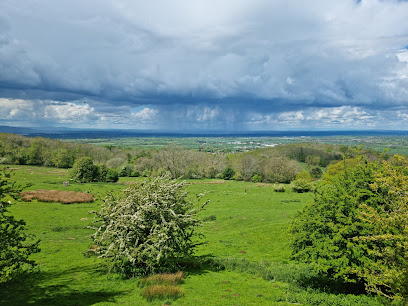
Broadway Tower
21.3 km
Experience breathtaking views and rich history at Broadway Tower, a stunning monument in the heart of the Cotswolds.
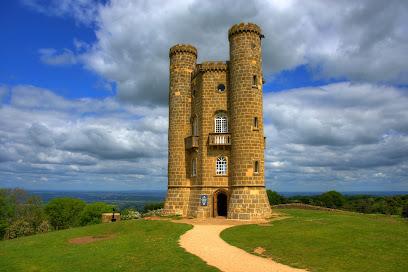
National Trust - Lodge Park and Sherborne Park Estate
21.5 km
Experience the beauty and history of Lodge Park and Sherborne Park Estate, a stunning historical landmark in the heart of Gloucestershire's countryside.

National Trust - Snowshill Manor and Garden
22.2 km
Explore the historical charm and natural beauty of Snowshill Manor and Garden, a hidden gem in the Cotswolds inviting travelers to experience English heritage.
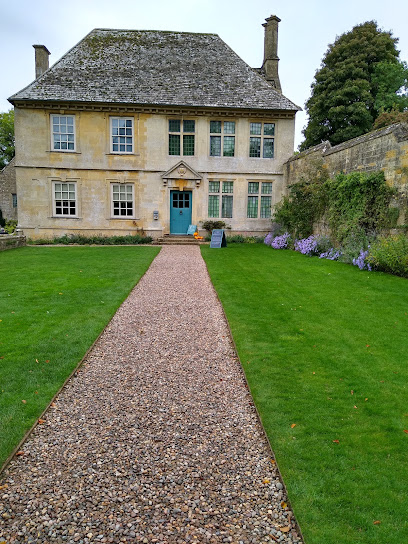
Church of St Peter and St Paul, Northleach
22.7 km
The 'Cathedral of the Cotswolds'—a 15th-century masterpiece built by wool merchants at the height of medieval prosperity.
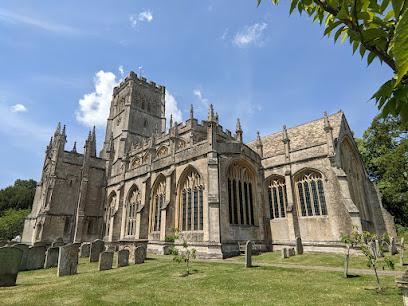
Godstow Abbey
25.1 km
Discover the serene beauty and rich history of Godstow Abbey, a tranquil ruin near Oxford, perfect for history enthusiasts and nature lovers alike.
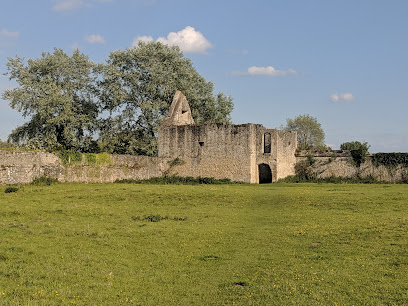
Wolvercote Cemetery
25.4 km
Explore the tranquil beauty and rich history of Wolvercote Cemetery in Oxford, where notable figures rest amidst serene landscapes.
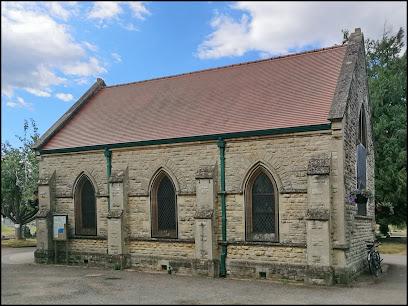
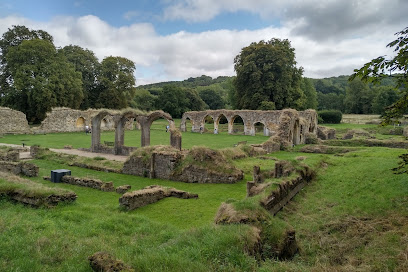
Hailes Abbey
25.5 km
Discover the serene beauty and rich history of Hailes Abbey, a stunning Cotswolds gem that transports visitors back to medieval times.
Unmissable attractions to see

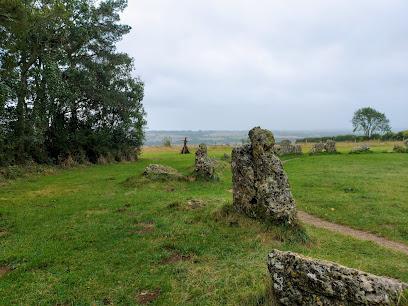
The Rollright Stones
4.3 km
Explore the enigmatic Rollright Stones, a trio of ancient megaliths steeped in legend and prehistoric ritual on the Oxfordshire-Warwickshire border.
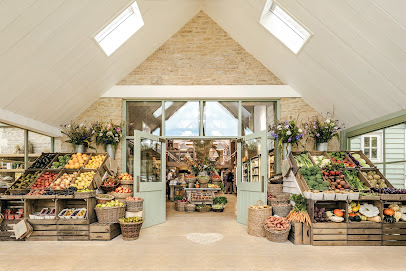
Daylesford Organic
5.8 km
Experience sustainable farming, organic dining, and wellness in the idyllic Cotswolds at Daylesford Organic Farm.
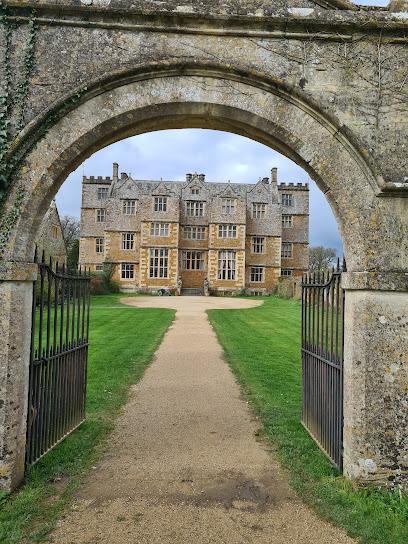
National Trust - Chastleton House
6.1 km
Step into a 400-year Jacobean time capsule at Chastleton House, where history, architecture, and gardens tell stories of English heritage and family legacy.
Foxholes
7.4 km
Ancient woodland sanctuary famed for spring bluebells, diverse fungi, abundant wildlife, and tranquil riverside meadows in Oxfordshire.
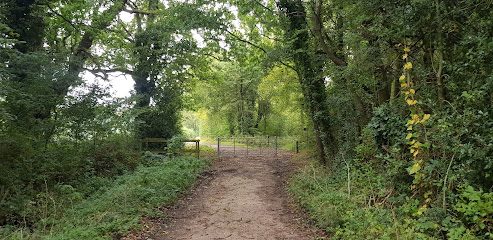
Cotswolds Distillery Visitor Centre
9.8 km
Discover the art of whisky and gin crafting at the scenic Cotswolds Distillery, where tradition meets innovation in the heart of Warwickshire.
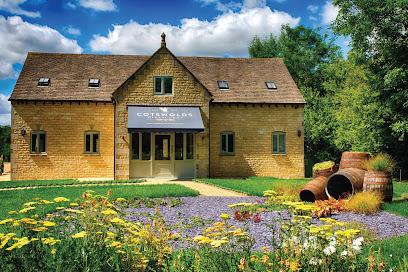
The Feathered Nest Country Inn
10.0 km
A charming country inn in Nether Westcote offering refined dining, cozy accommodations, and breathtaking Cotswold views.
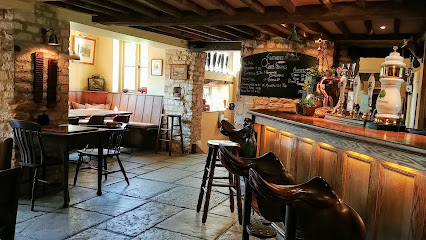
The Porch House
11.2 km
Experience England’s oldest inn, The Porch House, where medieval history meets modern comfort in the heart of the Cotswolds.
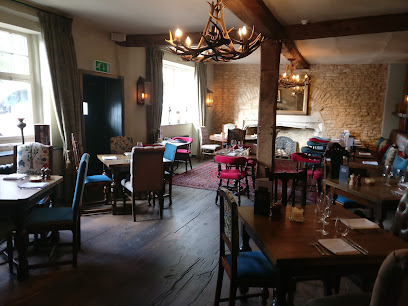
Cotswolds AONB
11.3 km
Explore the Cotswolds AONB: rolling hills, honey-hued villages, and timeless English countryside charm across nearly 800 square miles.
Market Square
11.3 km
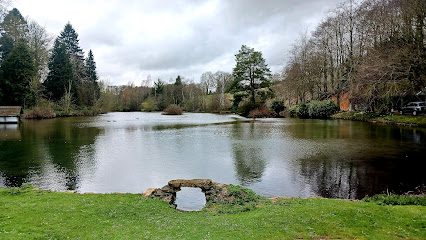
Historic Market Square at the heart of Stow-on-the-Wold, where centuries of trade, architecture, and English rural charm converge.

St Edward's Church
11.3 km
Discover the medieval charm and legendary Tolkien Door of St Edward's Church, a historic gem in the heart of Stow-on-the-Wold.
Lady’s Well
12.8 km
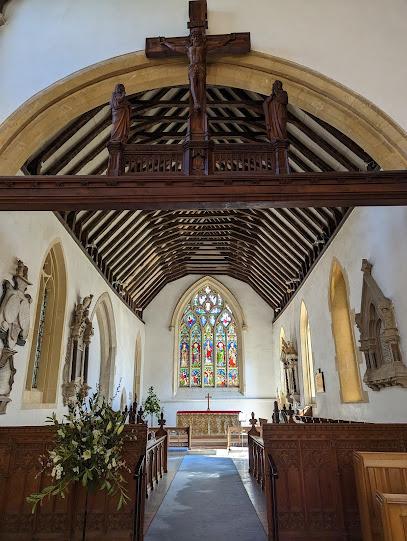
Discover the tranquil Lady’s Well in Lower Swell, a historic holy spring famed for its healing waters and timeless spiritual traditions.

Cotswold Barn
13.8 km
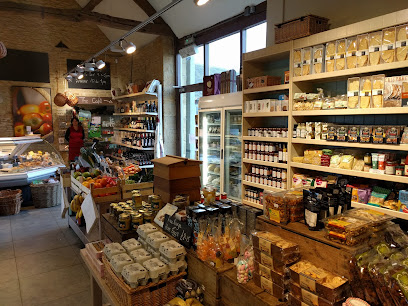
Charming family-run café and gift shop in a rustic barn with scenic countryside views and lively motor events in the North Cotswolds.
Cotswold Falconry Centre
13.8 km
Discover the majesty of birds of prey through thrilling displays and close encounters at the Cotswold Falconry Centre in scenic Batsford.
Bourton House Garden
13.9 km
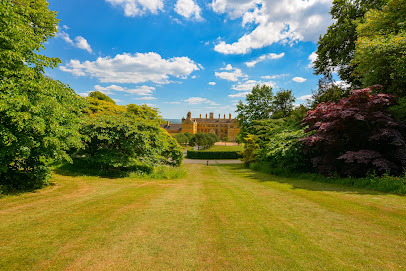
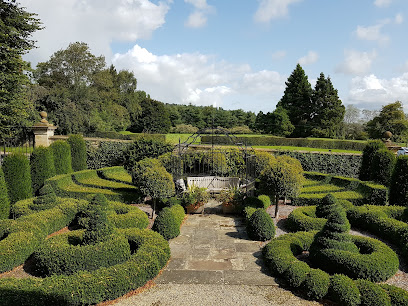
Explore the tranquil elegance of Bourton House Garden, a historic Cotswold gem with exquisite topiary, a White Garden, and stunning countryside views.
Sezincote House & Garden
13.9 km
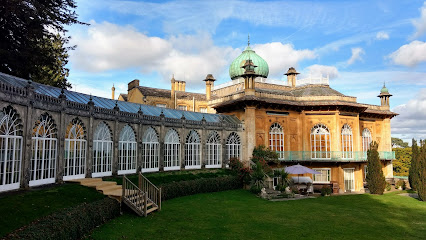
Discover Sezincote, a breathtaking Mughal-style Indian palace and romantic garden nestled in the heart of the Cotswolds.
Essential places to dine

Whistlers Restaurant
1.1 km
Whistlers Restaurant offers vibrant modern British dining with fresh ingredients, lively atmosphere, and a welcoming bar in Chipping Norton.

The Chequers, Cotswolds
3.4 km
A stylish Cotswold gastropub in Churchill, serving elevated pub classics in a warm, lively atmosphere with a lovely garden and a strong local following.

The Kingham Plough
5.1 km
A charming Cotswold village inn blending traditional character with modern British cuisine and stylish comfort in the heart of Kingham.

The Wild Rabbit
5.3 km
Charming Georgian inn in Kingham offering refined British cuisine, eco-conscious hospitality, and stylish countryside retreats in the heart of the Cotswolds.
The Old Butchers
11.1 km
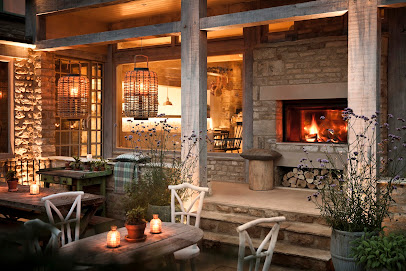
A family-run gem in Stow-on-the-Wold offering exquisite European cuisine in a warm, historic setting with exceptional seafood and steaks.
The Old Stocks Inn
11.3 km
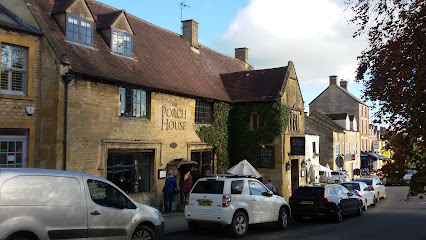
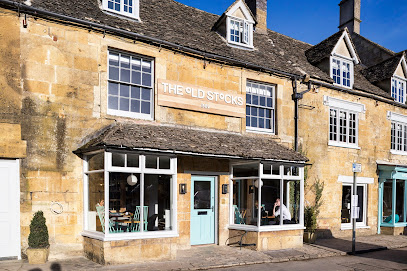
Charming 17th-century boutique inn with refined British dining, cozy bar, and elegant rooms in the heart of Stow-on-the-Wold’s historic market square.
the scenic supper
11.5 km
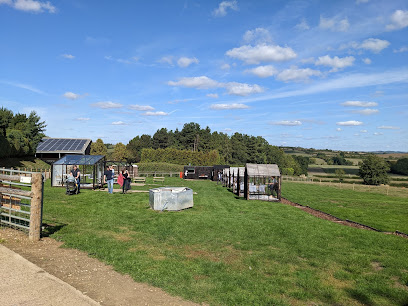
Experience farm-to-table dining in a stunning Cotswold glasshouse with seasonal menus and panoramic countryside views.
Horse and Groom
14.3 km
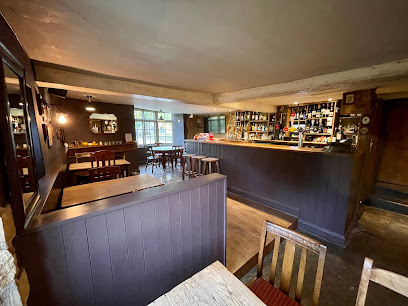
Quintessential Cotswolds pub with hearty British fare, cozy rooms, and stunning countryside views in Bourton-on-the-Hill.
The Croft Restaurant
14.9 km
A charming riverside restaurant in Bourton-on-the-Water serving fresh, locally sourced English cuisine in a welcoming and scenic setting.

The Rose Tree Restaurant
14.9 km
Charming riverside British dining in a historic Cotswold cottage with cozy interiors and scenic garden views.

The Ebrington Arms
17.8 km
A timeless Cotswold village pub offering rustic charm, gourmet dining, and cozy country accommodation in idyllic Ebrington.
The Royal Oak
17.9 km
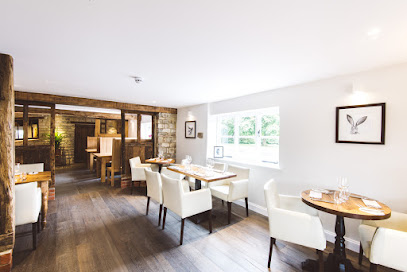
Michelin-starred Cotswolds gastropub where 800 years of history meets wild, foraged fine dining.
The Oak Tree Restaurant
19.5 km
Relax and refuel at The Oak Tree Restaurant, a family-friendly dining spot nestled within the scenic Cotswold Wildlife Park and Gardens.
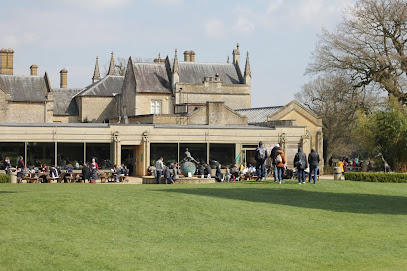
Fig Restaurant, Campden
19.7 km
A stylish modern European restaurant in Chipping Campden, serving seasonal dishes and elegant afternoon tea within the Cotswold House Hotel & Spa.
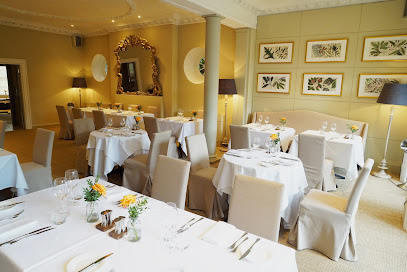
The Mason Arms
20.1 km
Discover The Mason Arms: A delightful pub and hotel in Oxfordshire offering delicious food and cozy accommodations amidst stunning countryside.
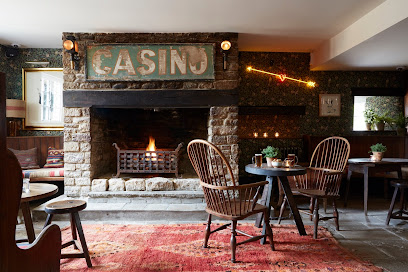
Markets, malls and hidden boutiques

Cotswold Hipster
8.7 km
Handcrafted artisan leather bags and stylish dog accessories blending vintage charm with modern functionality in Chipping Norton.
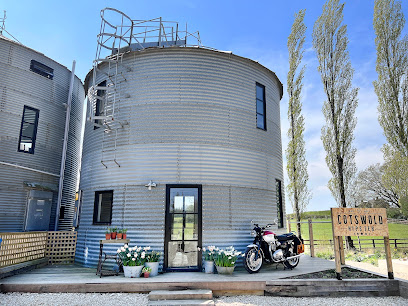
Ella's Emporium
11.2 km
A charming Cotswold gift shop with handmade fudge, unique homewares, and a warm, welcoming atmosphere in the heart of Stow-on-the-Wold.
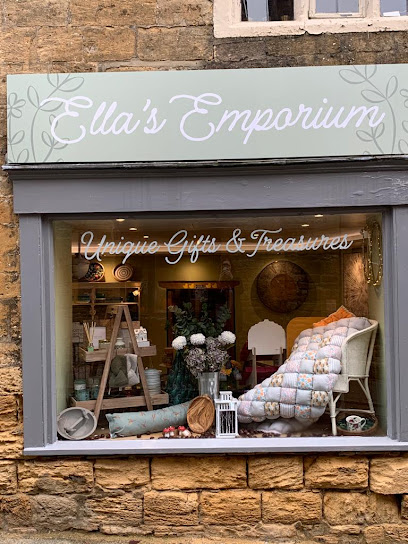
The Curated Store
11.3 km
Discover unique vintage fashion, artisan homewares, and timeless treasures in the heart of Stow-on-the-Wold’s charming market square.
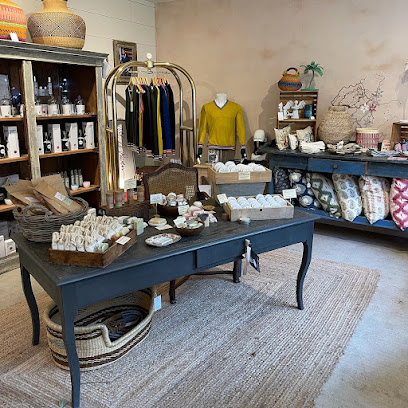
The Cotswold Company (Flagship Store)
11.4 km
Step into a beautifully styled Cotswold home at The Cotswold Company’s flagship store in Stow-on-the-Wold, where timeless furniture and homewares come to life.
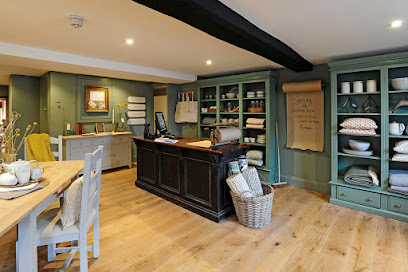
The Cotswold Snug
11.4 km
Discover authentic Cotswold crafts and gifts in a cozy, welcoming shop nestled in the heart of Moreton-in-Marsh’s historic High Street.
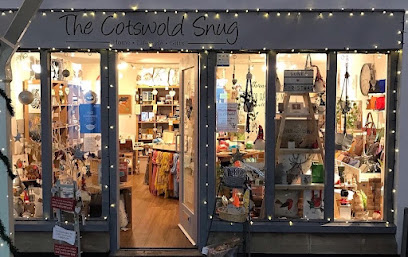
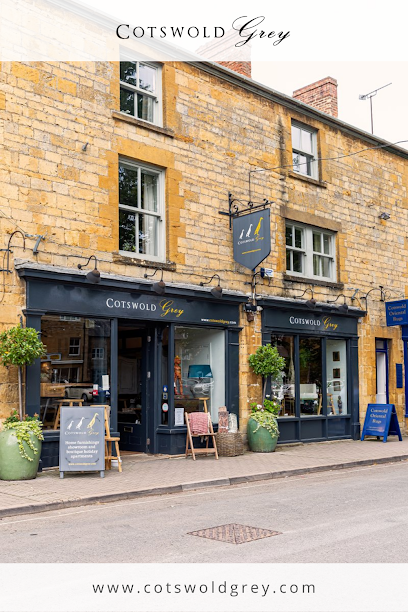
Cotswold Grey
11.5 km
Discover rustic elegance and expert interior design at Cotswold Grey, Moreton-in-Marsh’s premier home furniture and décor destination.
Cotswold Picture Shop
14.8 km
Discover authentic Cotswold art and unique gifts in a charming Bourton-on-the-Water boutique open daily until midnight.

Chestnuts Fashion Fix
14.8 km
Discover unique vintage-inspired fashion and accessories in the heart of Bourton-on-the-Water’s charming High Street.

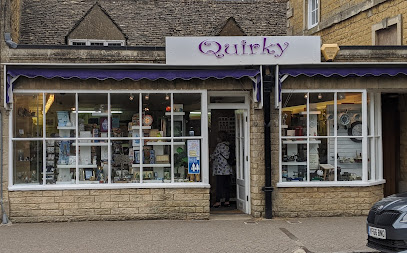
Quirky
14.9 km
Discover unique gifts and local artisan treasures in the heart of Bourton-on-the-Water’s charming High Street.
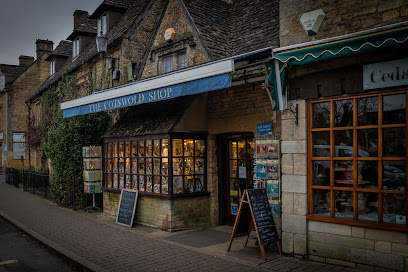
The Cotswold Shop
14.9 km
Charming boutique offering handcrafted gifts and traditional sweets in one of Bourton-on-the-Water’s oldest buildings.
Cotswold China & Cookware
14.9 km
Discover exquisite British chinaware and cookware in a charming boutique nestled in the heart of Bourton-on-the-Water.

The Lodestone
14.9 km
Discover dazzling crystals and minerals with expert guidance in the heart of charming Bourton-on-the-Water.

Cotswold Perfumery
14.9 km
Experience bespoke English fragrances, immersive perfume courses, and luxury riverside stays in the historic heart of Bourton-on-the-Water.

Caboodle
15.0 km
Handcrafted treasures and local artisan finds in the heart of picturesque Bourton-on-the-Water.
Cotswold Food Hampers
19.7 km
Discover premium handcrafted gourmet hampers celebrating the rich flavors and traditions of the Cotswolds in historic Chipping Campden.
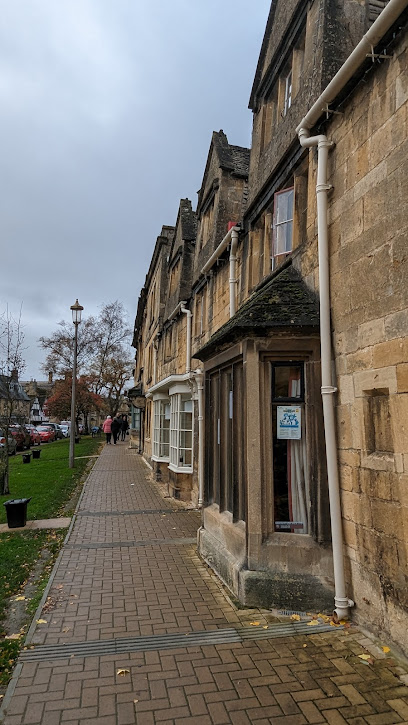
Essential bars & hidden hideouts

The Fox at Oddington
7.2 km
Historic 16th-century Cotswold pub blending rustic charm with organic cuisine and cozy countryside stays in Lower Oddington.
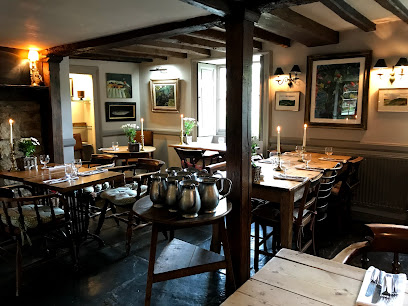
The Lamb Inn
9.7 km
Historic 17th-century coaching inn in Oxfordshire’s Cotswolds, blending rustic charm, hearty British cuisine, and cozy guest rooms.

Sheep on Sheep Street
11.2 km
Historic charm meets modern comfort at The Sheep on Sheep Street, a vibrant inn and pub in the heart of Stow-on-the-Wold.
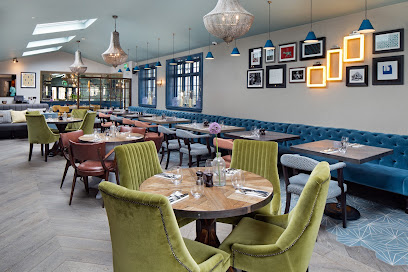
The Coach & Horses
12.9 km
A cosy, traditional Cotswold pub in Longborough serving hearty fare, local ales, and welcoming guests with charming B&B rooms.
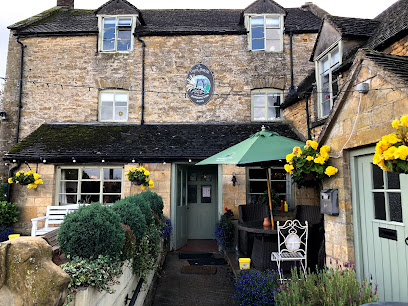
Kingsbridge
14.9 km
A classic riverside pub in Bourton-on-the-Water offering hearty British fare, cask ales, and warm hospitality in a scenic Cotswold village setting.

The Cotswold Arms
15.3 km
Historic 15th-century pub in Burford blending local ales, homemade food, live music, and a cozy beer garden for all ages.
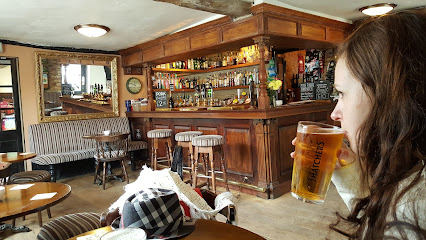
The Bakers Arms
18.4 km
A timeless Cotswold pub offering hearty fare and warm hospitality in the heart of Broad Campden’s historic village.
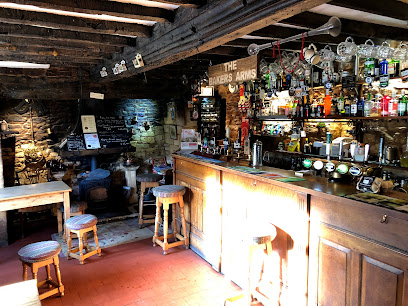
The Howard Arms Ilmington
19.3 km
A charming 400-year-old Cotswold inn blending historic warmth, fine dining, and stylish comfort in the heart of Ilmington village.
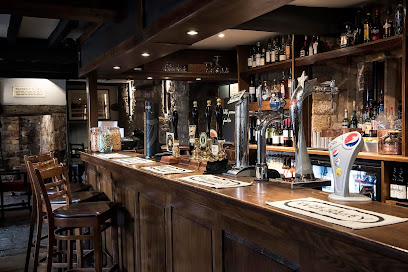
Eight Bells Inn
19.7 km
Historic 14th-century inn with cozy rooms, classic pub fare, and a warm, dog-friendly atmosphere in the heart of Chipping Campden.
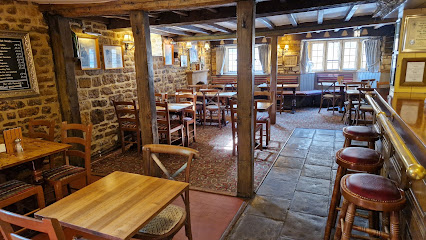
Hollow Bottom
21.3 km
A historic Cotswold pub blending hearty local fare, warm hospitality, and scenic countryside charm in the heart of Guiting Power.
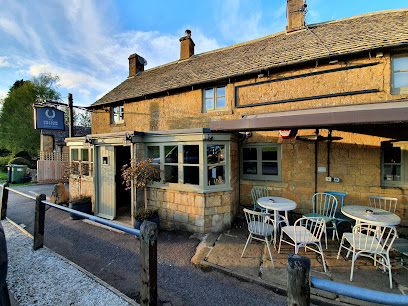
Snowshill Arms
21.9 km
Authentic Cotswold pub offering hearty fare, friendly service, and a welcoming atmosphere in the picturesque village of Snowshill.
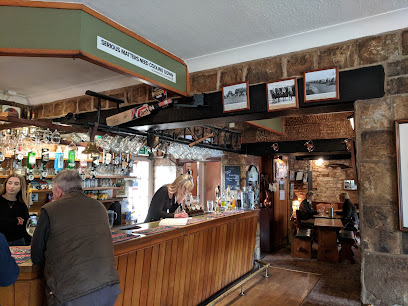
Broadway
23.0 km
A welcoming Bournemouth pub serving classic fare, live sports, and a vibrant community atmosphere with inclusive dining options.
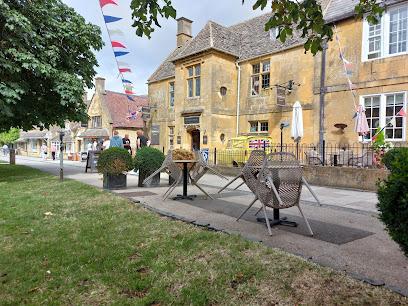
The Watering Hole - Event Bars
23.0 km
Discover The Watering Hole, where exceptional cocktails and event planning unite in the stunning Cotswolds, perfect for weddings and gatherings.
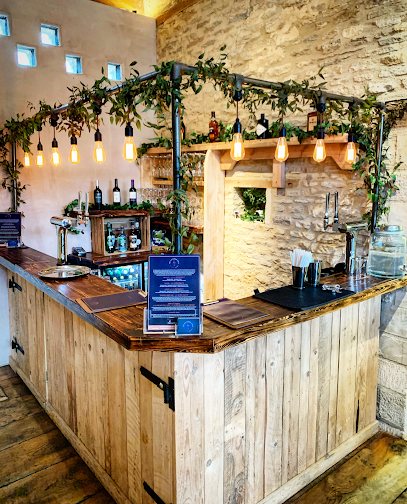
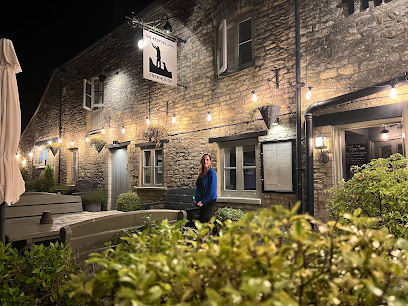
The Keepers Arms
27.5 km
Charming Cotswold pub and boutique inn offering warm hospitality, excellent food, and a peaceful village retreat near Cirencester.
The Lion Inn
27.9 km
Historic 15th-century coaching inn in Winchcombe offering cozy rooms, hearty British fare, and a warm, inviting atmosphere in the heart of the Cotswolds.

Nightclubs & after hour spots

The Bridge Nightclub
28.7 km
Oxford’s lively student-focused nightclub with diverse music, multiple dance floors, and a spacious pub garden for late-night socializing.
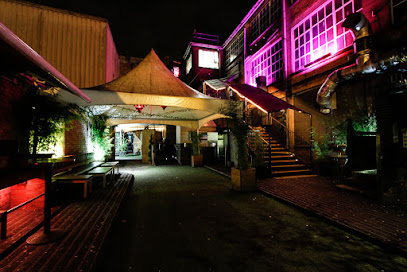
Oxford Leisure Ltd
28.8 km
Experience Oxford’s vibrant nightlife with dynamic music, themed events, and a lively dance floor at Oxford Leisure Ltd.

Kiss Bar
28.8 km
An intimate late-night club in Oxford known for its vibrant atmosphere and close-knit party scene until its recent closure.
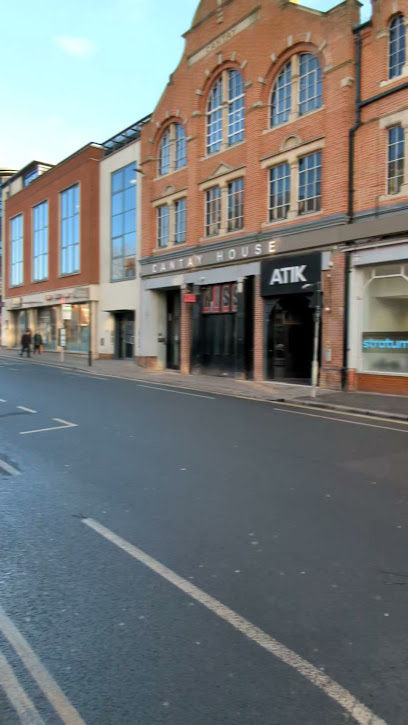
ATIK Oxford
28.8 km
Oxford’s largest nightclub with diverse music rooms, vibrant atmosphere, and strong security, offering a late-night hub for students and locals alike.
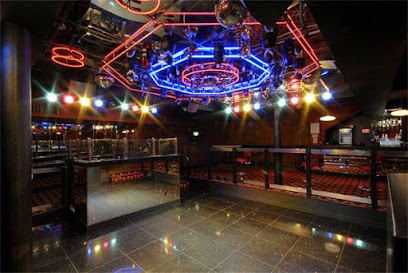
Fever Oxford
29.0 km
Experience Oxford’s vibrant nightlife at Fever, a multi-room nightclub blending live DJs, dynamic music, and a lively party atmosphere.

Plush Oxford
29.1 km
Experience Oxford’s vibrant, inclusive nightlife hotspot with great music, cocktails, and a welcoming atmosphere at Plush Oxford.
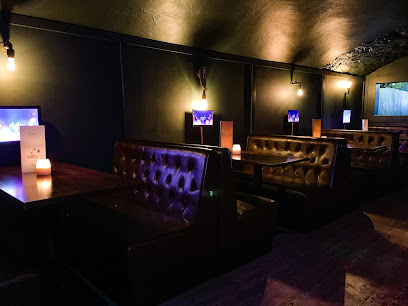
The Stratford Upon Avon Bridge Club
29.6 km
Explore the vibrant community of The Stratford Upon Avon Bridge Club, where bridge enthusiasts gather for games, camaraderie, and local culture in a picturesque setting.

Fat Cat Comedy Club
30.0 km
Discover the joy of laughter at Fat Cat Comedy Club in Stratford-upon-Avon, where each show promises an unforgettable night of entertainment.
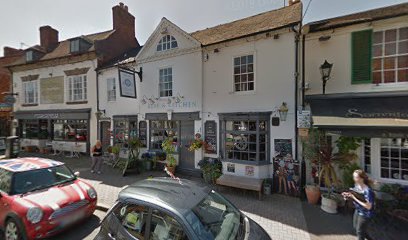
Stratford Play House
30.1 km
Discover the vibrant world of performing arts at Stratford Play House, where drama, comedy, and culinary delights come together in Stratford-upon-Avon.
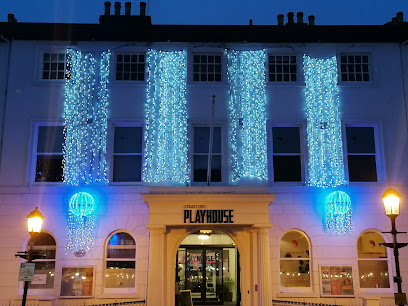
Caz Bar Nightclub
30.2 km
Experience Stratford-upon-Avon's glamorous late-night vibe at Caz Bar, a vintage cellar nightclub with live DJs, dancers, and premium drinks until dawn.
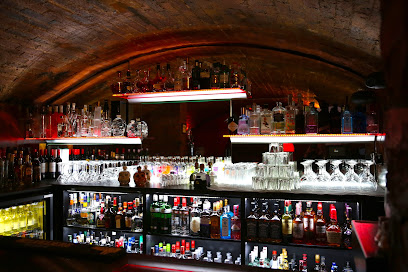
The Mad Hatter
30.3 km
Experience the whimsical atmosphere of The Mad Hatter, a unique bar and tea room in Oxford, perfect for cocktails, tea, and unforgettable moments.
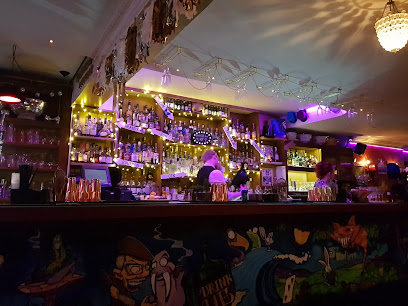
The Avenue Club
31.2 km
Experience the vibrant nightlife of Stratford-upon-Avon at The Avenue Club, where unique cocktails and a welcoming atmosphere await you.
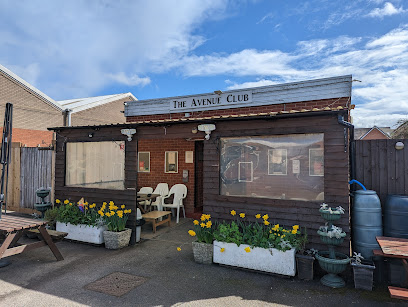
2 PIGS
35.7 km
A lively Cheltenham nightclub with dual rooms spinning rock, punk, indie, and classic hits, known for affordable drinks and an alternative vibe.
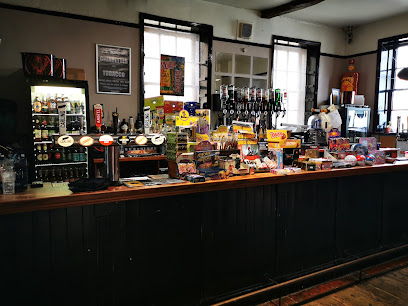
Coco
35.7 km
Cheltenham’s underground hotspot for vibrant nightlife, top DJs, and creative cocktails in a lively basement setting.

The 21 Club
35.7 km
Experience Cheltenham’s vibrant nightlife at The 21 Club, where music, dancing, and great drinks create unforgettable nights.
For the vibe & atmosphere seeker
- Historic
- Scenic
- Relaxing
- Unique
For the design and aesthetic lover
- Vintage Styles
- Rustic Designs
For the architecture buff
- Historic
- Landmarks
- Industrial
For the view chaser and sunset hunter
- Iconic Views
- Panoramas
For the social media creator & influencer
- Instagrammable
- Architectural Shots
- Photo Spots
For the eco-conscious traveler
- Protected Area
- Public-Transport Accessible
- Locally Managed
For the kind of experience you’re after
- Cultural Heritage
- Photowalk
- Day Trip
- Weekend Getaway
For how adventurous you want the journey to be
- Easy Access
Location Audience
- Family Friendly
- Senior Friendly
- Teen Friendly
- Solo Friendly
- Couple Friendly


