
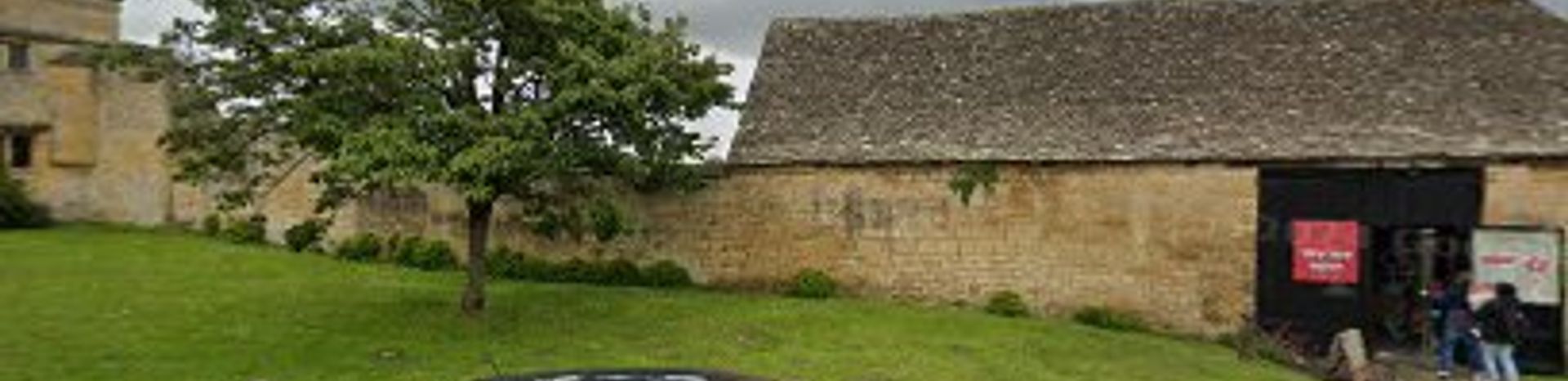
Old Campden House: Jacobean Grandeur and Ruins in Chipping Campden
Explore the evocative ruins and Jacobean heritage of Old Campden House, a grand 17th-century mansion touched by history and time.
Old Campden House, built in 1612 by the wealthy mercer Sir Baptist Hicks, was once a magnificent Jacobean mansion in Chipping Campden, Gloucestershire. Although largely destroyed by fire in 1645 during the English Civil War, remnants including banqueting houses, lodges with distinctive ogee domes, and garden terraces survive, offering a glimpse into its former splendor and historical significance.
A brief summary to Old Campden House
- Church St, Chipping Campden, GL55 6JE, GB
- Visit website
- Duration: 0.5 to 2 hours
- Free
-
 Outdoor
- Mobile reception: 4 out of 5
Local tips
- Visit during daylight hours to fully appreciate the garden terraces and architectural details of the surviving banqueting houses.
- Bring a camera for scenic views of Chipping Campden and the unique ogee-domed lodges.
- Combine your visit with a walk around Chipping Campden’s historic town center to contextualize the house within local history.
- Check for any guided tours or talks by local historians to deepen your understanding of Sir Baptist Hicks and the house’s history.

For the on-the-go comforts that matter to you
- Seating Areas
- Information Boards
- Trash Bins
Getting There
-
Bus
Take the Stagecoach Gold bus service from Stratford-upon-Avon to Chipping Campden, which runs approximately every hour. The journey takes around 40 to 50 minutes. From the town center, Old Campden House is a 10-minute walk. Bus tickets cost about £5-£7 one way.
-
Train and Taxi
Travel by train to Moreton-in-Marsh station, about 8 miles from Chipping Campden. Trains run regularly from London Paddington and take approximately 90 minutes. From Moreton-in-Marsh, take a taxi to Old Campden House, around a 15-minute drive, costing roughly £20-£25.
-
Car
Driving from Oxford or Stratford-upon-Avon takes about 40 minutes via A44 and A429. Parking is available near Chipping Campden town center. Note that some roads in the town are narrow and parking spaces limited during peak seasons.
Old Campden House location weather suitability
-
 Any Weather
-
 Clear Skies
-
 Mild Temperatures
-
 Rain / Wet Weather
Discover more about Old Campden House
Origins of a Jacobean Masterpiece
Old Campden House was commissioned by Sir Baptist Hicks, a self-made mercer and financier who rose to prominence in early 17th-century England. After acquiring the manors of Campden and surrounding lands in 1610, Hicks began construction of this grand mansion in 1612, reflecting his wealth and status. The house showcased the latest architectural fashions of the Jacobean era, built from local Cotswold stone, and was complemented by extensive ornamental gardens covering about ten acres.Architectural Features and Estate Layout
The mansion was notable for its Italianate style and elaborate details, including twisted spiral chimneys and a domed cupola with a lantern that served as a beacon for travelers. Flanking the main house were two separate banqueting houses with ornate strapwork parapets, designed as private retreats for family and guests. The estate also featured lodges crowned with distinctive ogee domes, and a smaller building known as the Almonry, whose exact purpose remains uncertain but may have served as a garden pavilion or household office.The Civil War and the House’s Demise
During the English Civil War, Old Campden House became a Royalist garrison under Colonel Henry Bard in 1643. Bard's troops occupied the house and caused considerable distress to the local population. In 1645, as Royalist forces withdrew, the house was deliberately set on fire, reportedly on orders from Prince Rupert, leaving only a shell of the original structure. The stone from the ruins was likely repurposed in local buildings, and the once-grand mansion was reduced to fragments.Surviving Remnants and Historical Legacy
Today, visitors can explore the remains of Old Campden House, including the banqueting houses, lodges with their ogee domes, and the raised garden terraces. These surviving elements provide valuable insight into the scale and style of the original estate. The site also holds archaeological interest, with earthworks and garden features hinting at the lost grandeur. The house’s history is intertwined with the rise of a mercantile elite in Jacobean England and the turbulent events of the mid-17th century.Sir Baptist Hicks: Merchant, Financier, and Patron
Sir Baptist Hicks was a key figure in early 17th-century England, known for his mercantile success supplying luxury textiles to the royal court and his investments in the American colonies. His acquisition and development of Campden reflected both his wealth and his desire to cement social status through grand architecture. Hicks’s legacy includes not only Old Campden House but also his contributions to the town’s history and the wider economic landscape of the period.Visiting and Appreciating the Site Today
While the main house no longer stands, the site of Old Campden House remains a poignant historical landmark. The surviving structures and garden terraces invite reflection on Jacobean architecture and the impact of the Civil War on English country houses. The location offers scenic views over Chipping Campden and the surrounding Cotswold countryside, making it a site of both cultural heritage and natural beauty.Iconic landmarks you can’t miss

Old Campden House
0.0 km
Explore the evocative ruins and Jacobean heritage of Old Campden House, a grand 17th-century mansion touched by history and time.
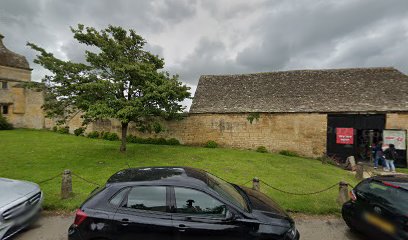
West Banqueting House
0.1 km
Experience the grandeur of Jacobean England in West Banqueting House, a beautifully preserved historic retreat in the heart of Chipping Campden.
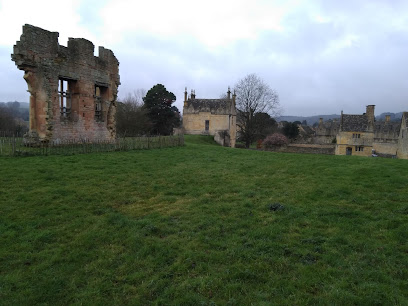
Anne Hathaway's Cottage
15.7 km
Discover the enchanting Anne Hathaway's Cottage, a historical museum celebrating Shakespeare's beloved wife in the heart of Stratford-upon-Avon.
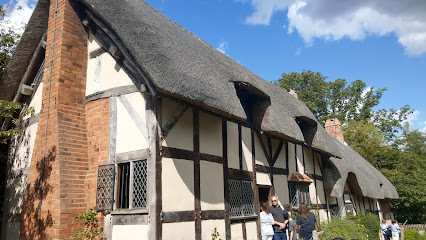
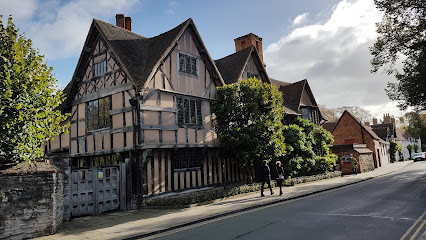
Hall's Croft
15.8 km
Explore Hall's Croft in Stratford-upon-Avon - a historical museum dedicated to Shakespeare's legacy with beautiful gardens and fascinating exhibitions.
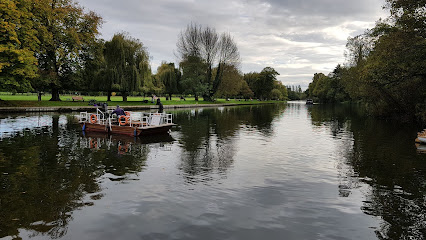
The Stratford Chain Ferry
16.0 km
Experience the charm of Stratford-upon-Avon on the Stratford Chain Ferry, where scenic views and history come together on the River Avon.
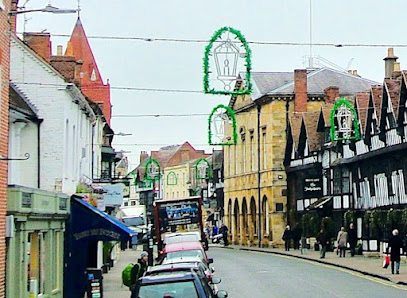
Shakespeare's England
16.0 km
Discover the enchanting world of Shakespeare's England in Stratford-upon-Avon, where literary history meets picturesque landscapes and rich culture.
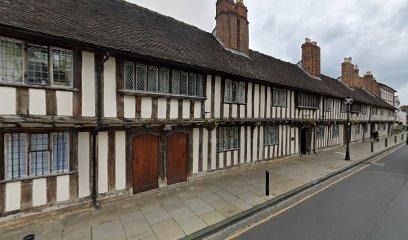
Almshouses
16.0 km
Explore the Almshouses of Stratford-upon-Avon, a historic site reflecting the town's rich heritage and commitment to community care.
Shakespeare's Schoolroom & Guildhall
16.1 km
Explore Shakespeare's Schoolroom & Guildhall: A historic site where the Bard's journey began, rich in culture and literary heritage.
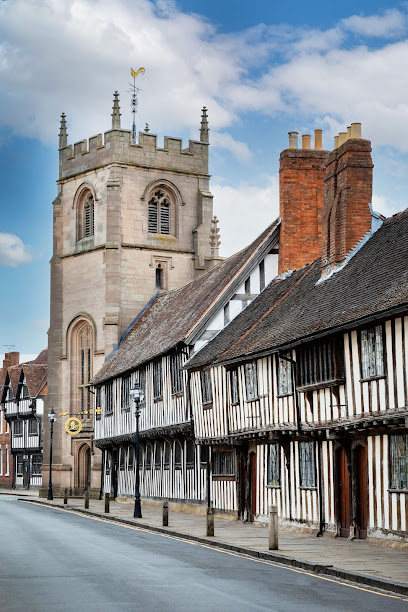
The Guild Chapel
16.1 km
Medieval masterpiece with rare wall paintings hidden for centuries—a window into pre-Reformation England.
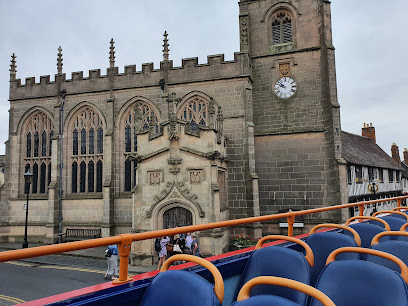
Stratford Upon Avon Bandstand
16.1 km
Historic bandstand in Stratford-upon-Avon offering free summer concerts and a vibrant community atmosphere in a scenic park setting.
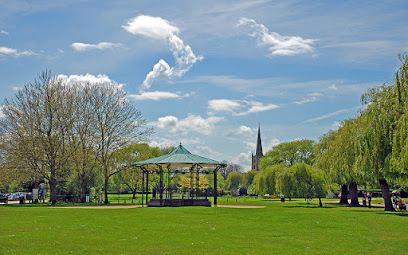
Shakespeare's New Place
16.1 km
Discover the rich history and stunning gardens at Shakespeare's New Place, a tribute to the life and works of the world's most famous playwright.
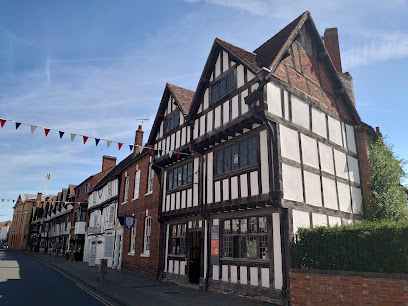
New Place Gardens
16.1 km
Discover the serene beauty and Shakespearean heritage at New Place Gardens in Stratford-upon-Avon, a perfect escape for nature and literature lovers alike.
Stratford Butterfly Farm
16.1 km
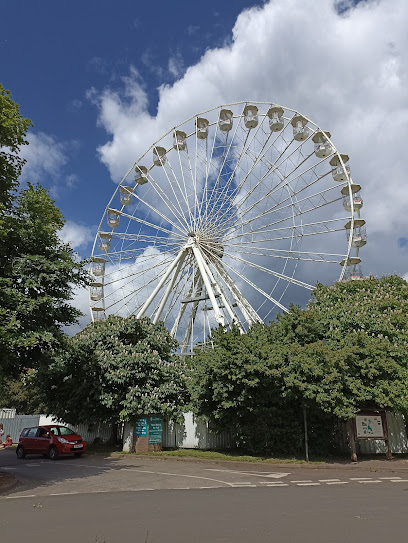
Explore the enchanting Stratford Butterfly Farm, where thousands of butterflies create a vibrant ecosystem in the heart of Stratford-upon-Avon.
First Church Of Christ Scientist, Stratford upon Avon
16.1 km
Experience tranquil reflection and architectural beauty at the First Church of Christ Scientist in historic Stratford upon Avon.
Royal Shakespeare Theatre
16.2 km
Discover the Royal Shakespeare Theatre in Stratford-upon-Avon, where the legacy of Shakespeare comes to life through captivating performances and stunning architecture.
Unmissable attractions to see

Chipping Campden
0.6 km
A timeless Cotswold market town blending medieval wool trade heritage, stunning limestone architecture, and scenic countryside trails.
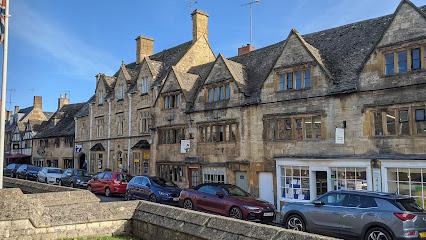
National Trust - Dover's Hill
1.9 km
Historic hilltop birthplace of the Cotswold Olimpick Games with sweeping Cotswold vistas.
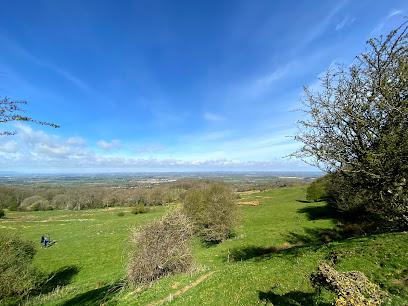
National Trust - Hidcote
4.0 km
Explore the enchanting Arts and Crafts garden rooms and sculptures of Hidcote Manor, a National Trust gem in the Cotswolds.
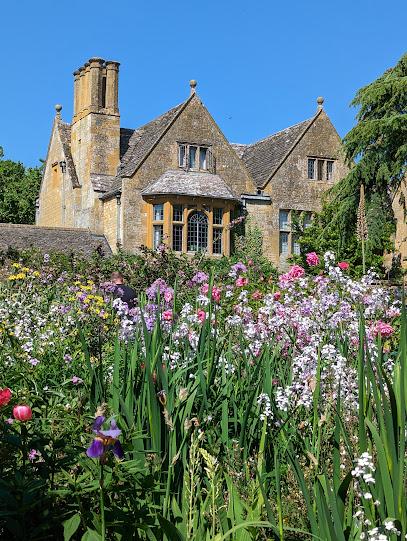
Kiftsgate Court Gardens
4.1 km
A legendary Cotswold garden where three generations of women gardeners cultivated rare plants and the world's largest rose.
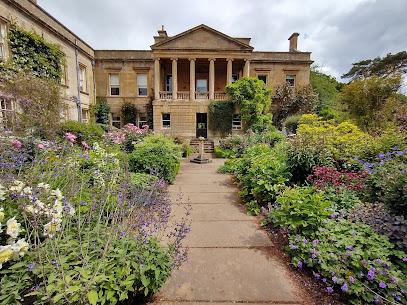
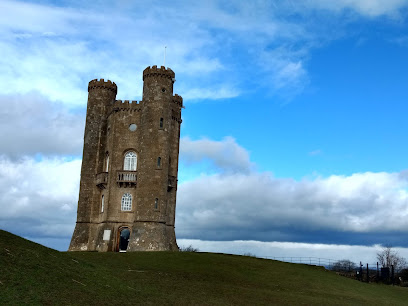
Broadway Tower
5.2 km
Explore Broadway Tower, a historical landmark in the Cotswolds offering stunning views and rich heritage in a picturesque setting.
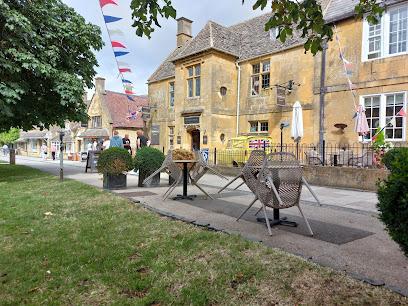
Broadway
5.7 km
Explore Broadway, the enchanting jewel of the Cotswolds, where history, stunning architecture, and natural beauty await every traveler.
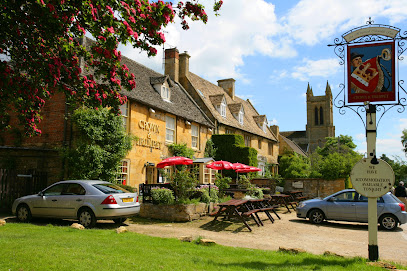
Broadway Museum & Art Gallery
5.9 km
Discover Broadway’s rich history and vibrant artistic heritage in a charming 17th-century coaching inn museum nestled in the heart of the Cotswolds.
Cotswold Falconry Centre
6.6 km
Discover the majesty of birds of prey through thrilling displays and close encounters at the Cotswold Falconry Centre in scenic Batsford.
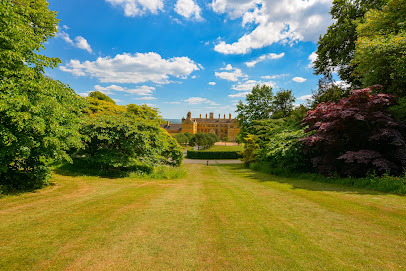
Bourton House Garden
7.3 km
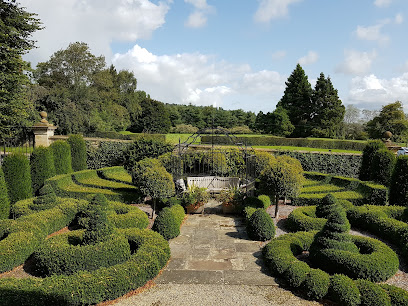
Explore the tranquil elegance of Bourton House Garden, a historic Cotswold gem with exquisite topiary, a White Garden, and stunning countryside views.
Cotswold Lavender
7.3 km
Immerse yourself in the fragrant, scenic lavender fields of Cotswold Lavender, a seasonal farm experience in the heart of Snowshill’s countryside.
National Trust - Snowshill Manor and Garden
7.9 km
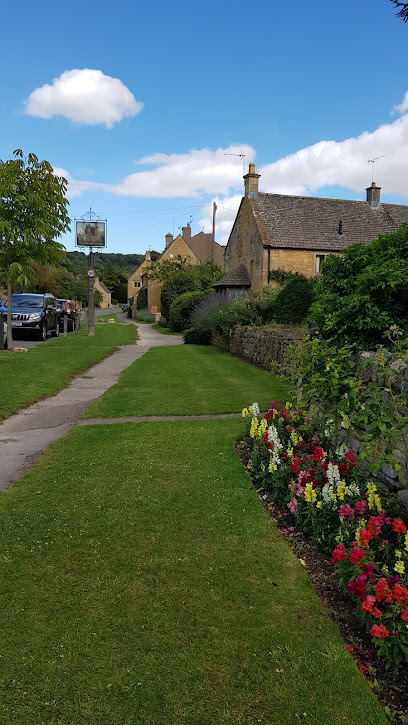
Discover the enchanting 16th-century manor and whimsical Arts and Crafts garden of Charles Wade’s eclectic collection in the heart of the Cotswolds.
Snowshill
8.1 km
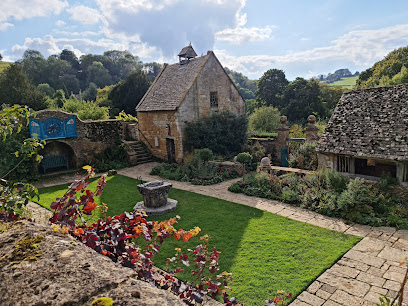
Discover Snowshill, a charming Cotswold village where historic manor, vibrant gardens, and lavender fields create a serene and captivating escape.
Sezincote House & Garden
8.4 km
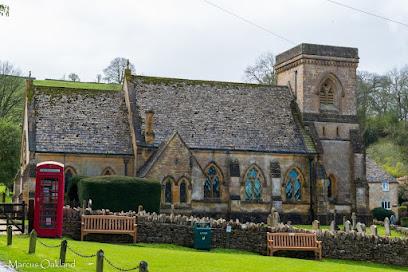
Discover Sezincote, a breathtaking Mughal-style Indian palace and romantic garden nestled in the heart of the Cotswolds.
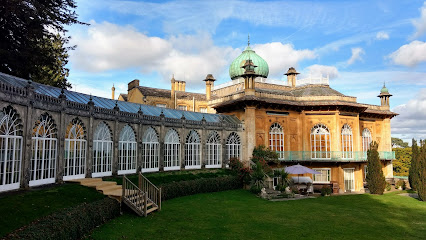
Shenberrow Hill
9.5 km
Discover Shenberrow Hill’s tranquil landscapes and charming village atmosphere on the scenic edge of the Cotswolds.
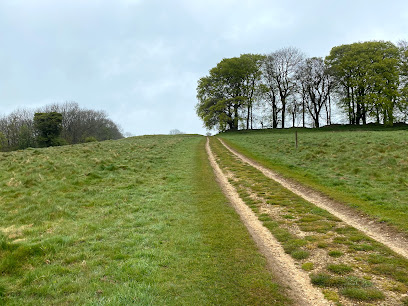
Cotswold Barn
9.8 km
Charming family-run café and gift shop in a rustic barn with scenic countryside views and lively motor events in the North Cotswolds.
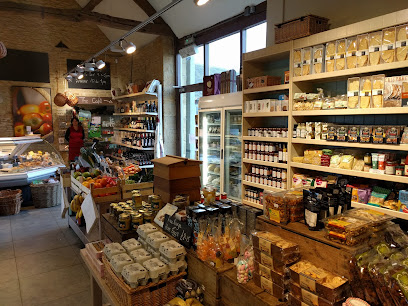
Essential places to dine

Fig Restaurant, Campden
0.5 km
A stylish modern European restaurant in Chipping Campden, serving seasonal dishes and elegant afternoon tea within the Cotswold House Hotel & Spa.
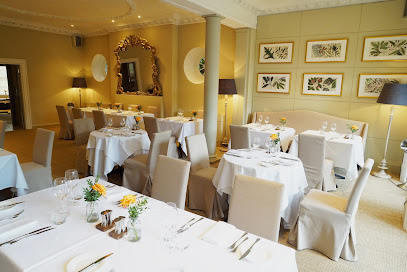
The Ebrington Arms
3.0 km
A timeless Cotswold village pub offering rustic charm, gourmet dining, and cozy country accommodation in idyllic Ebrington.
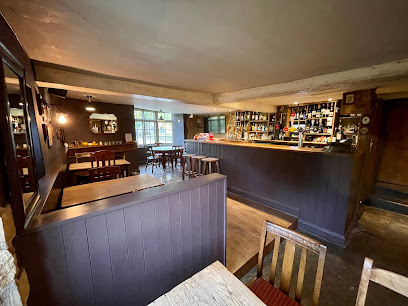
The Back Garden
3.8 km
Elegant garden-inspired dining at Dormy House, blending Cotswold produce with Mediterranean flair in a sunlit, serene setting.
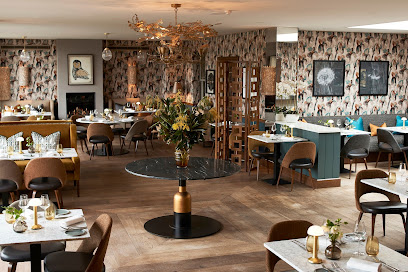
MO
3.8 km
Exclusive chef’s table dining with innovative seasonal cuisine in an intimate Cotswolds setting at Dormy House.
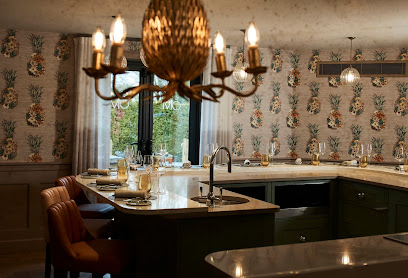
The Shed
3.8 km
A relaxed Cotswold bar and restaurant with roaring fires, local food, and a convivial atmosphere, perfect for drinks, light meals, and easygoing evenings.
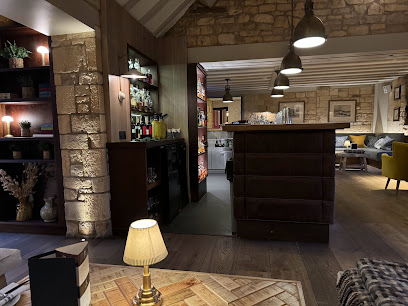
Russell’s of Broadway
6.2 km
Elegant boutique hotel and acclaimed restaurant blending historic charm with refined British cuisine in the heart of Broadway, Cotswolds.
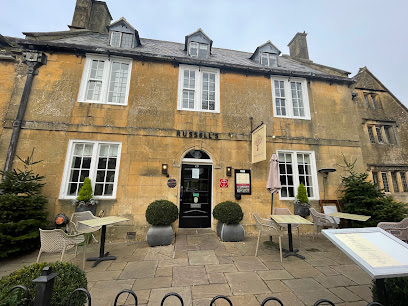
Horse and Groom
7.0 km
Quintessential Cotswolds pub with hearty British fare, cozy rooms, and stunning countryside views in Bourton-on-the-Hill.

Buckland Manor
8.1 km
Elegant historic manor hotel with fine dining and tranquil gardens in the heart of the Cotswolds’ charming Broadway village.
the scenic supper
9.6 km
Experience farm-to-table dining in a stunning Cotswold glasshouse with seasonal menus and panoramic countryside views.
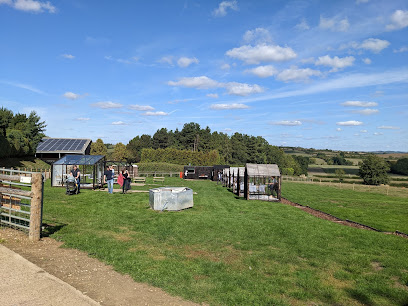
The Oak Room Restaurant
12.2 km
Elegant dining in a historic setting at Ettington Park, where refined British cuisine meets warm, attentive service.
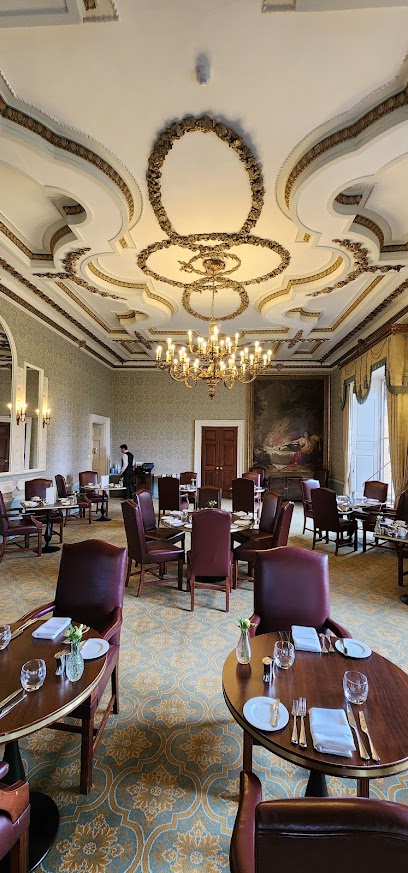
The Old Stocks Inn
14.0 km
Charming 17th-century boutique inn with refined British dining, cozy bar, and elegant rooms in the heart of Stow-on-the-Wold’s historic market square.
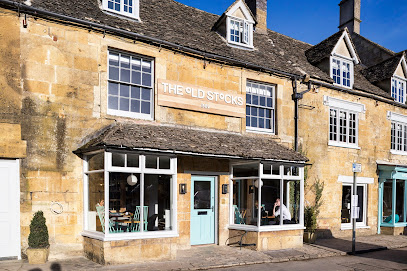
The Halfway at Kineton
14.0 km
A charming 17th-century Cotswold pub blending rustic ambiance with refined seasonal British cuisine and warm hospitality.
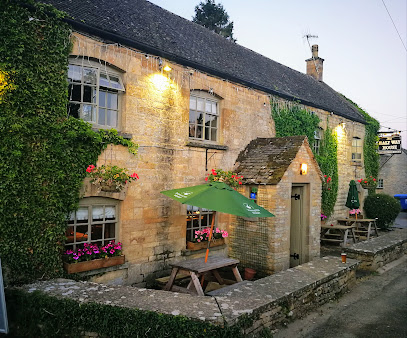
The Old Butchers
14.2 km
A family-run gem in Stow-on-the-Wold offering exquisite European cuisine in a warm, historic setting with exceptional seafood and steaks.
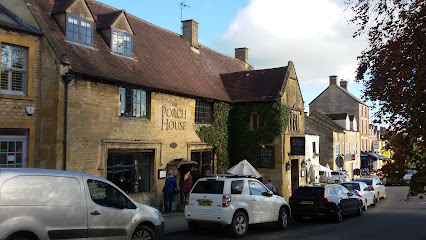
The Royal Oak
15.4 km
Michelin-starred Cotswolds gastropub where 800 years of history meets wild, foraged fine dining.
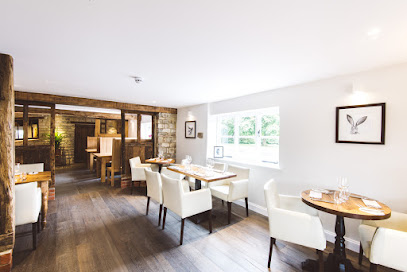
salt
16.0 km
Experience modern British fine dining in Stratford’s charming timbered setting, where seasonal flavors and artistic dishes create an unforgettable tasting journey.
Markets, malls and hidden boutiques

Cotswold Food Hampers
0.3 km
Discover premium handcrafted gourmet hampers celebrating the rich flavors and traditions of the Cotswolds in historic Chipping Campden.
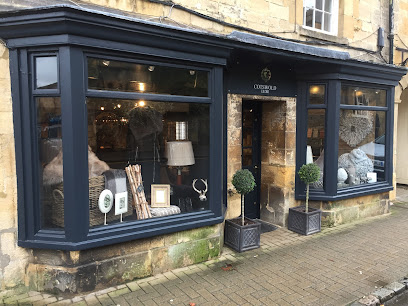
Cotswold Luxe
0.5 km
Luxury home furnishings and artisanal décor curated for timeless interior inspiration.
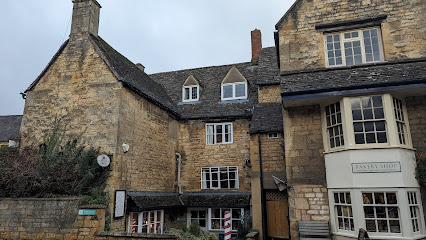
The Attic
0.5 km
Sustainable luxury fashion in the heart of the Cotswolds—designer pieces with character and conscience.
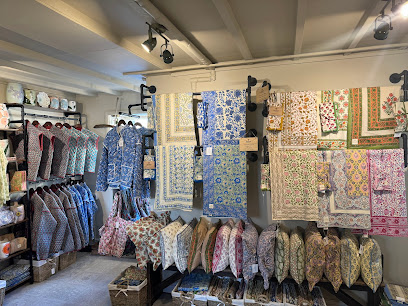
Mooch The Cotswolds - Handmade Homeware & Clothing
0.6 km
Discover handcrafted luxury sleepwear and homeware inspired by Cotswold heritage, crafted with passion and sustainable artistry.
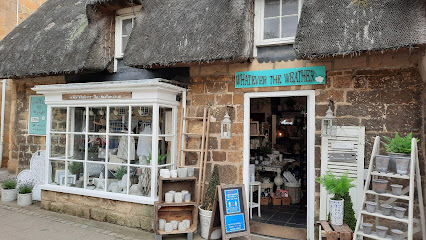
Whatever The Weather
6.0 km
Discover unique gifts and charming curiosities in a historic thatched cottage at the heart of Broadway’s picturesque High Street.
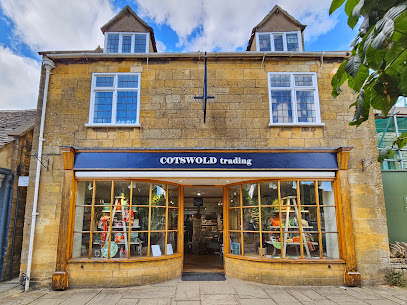
Cotswold Trading - Broadway
6.0 km
A stylish homewares and gift shop in the heart of Broadway, offering curated kitchenware, décor, and presents with a distinctly British flair.
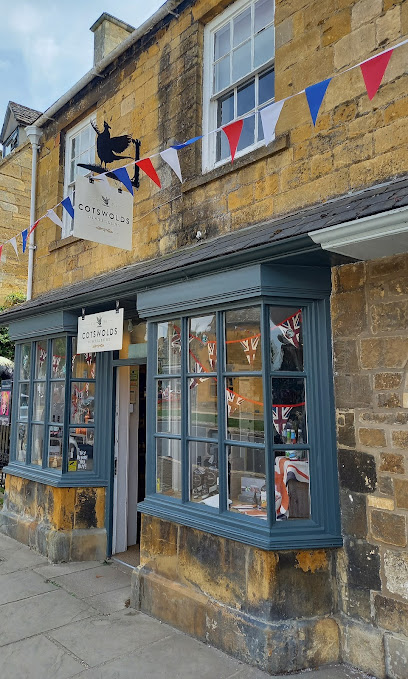
Cotswolds Distillery Shop
6.1 km
Discover the heart of Cotswolds spirits craftsmanship at the Broadway shop, home to award-winning whiskies and gins.
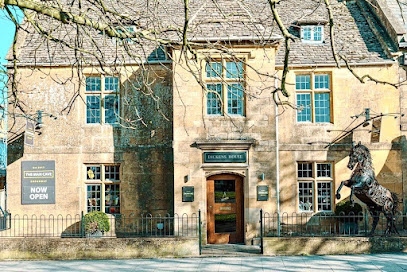
The Man Cave Broadway
6.2 km
Eclectic collectibles and gifts in a historic Cotswolds village setting.
Wild at Heart
6.2 km
Discover unique contemporary jewellery and gifts from local artisans at Wild at Heart, Broadway’s family-run boutique with a personal touch.
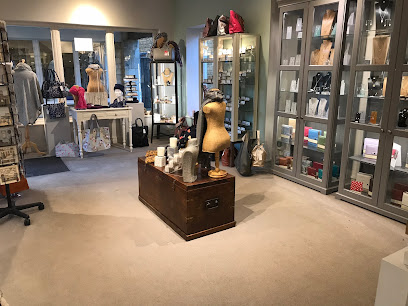
Betty & Violet
6.2 km
Vintage treasures and handmade goods celebrating independent makers in the heart of the Cotswolds.
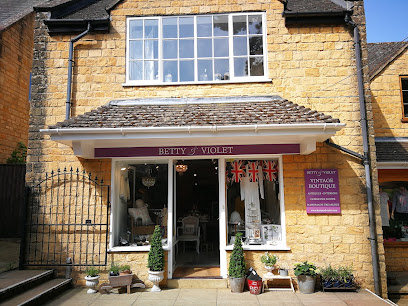
Cotswold Grey
8.4 km
Discover rustic elegance and expert interior design at Cotswold Grey, Moreton-in-Marsh’s premier home furniture and décor destination.
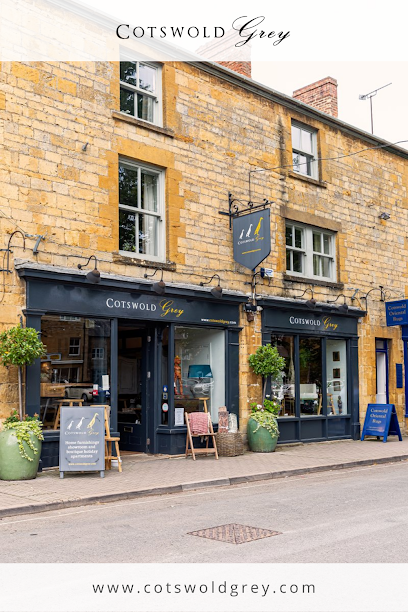
The Cotswold Snug
8.5 km
Discover authentic Cotswold crafts and gifts in a cozy, welcoming shop nestled in the heart of Moreton-in-Marsh’s historic High Street.
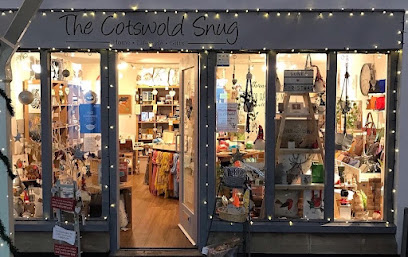
The Cotswold Company (Flagship Store)
14.1 km
Step into a beautifully styled Cotswold home at The Cotswold Company’s flagship store in Stow-on-the-Wold, where timeless furniture and homewares come to life.
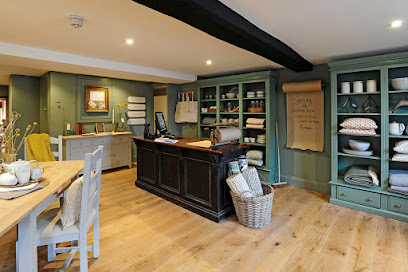
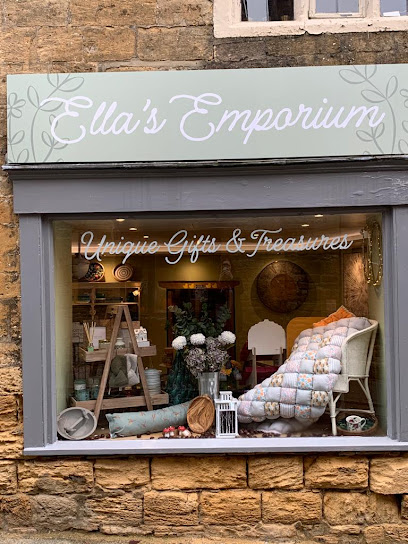
Ella's Emporium
14.1 km
A charming Cotswold gift shop with handmade fudge, unique homewares, and a warm, welcoming atmosphere in the heart of Stow-on-the-Wold.
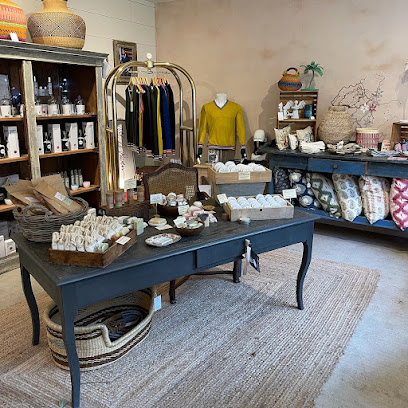
The Curated Store
14.1 km
Discover unique vintage fashion, artisan homewares, and timeless treasures in the heart of Stow-on-the-Wold’s charming market square.
Essential bars & hidden hideouts

Eight Bells Inn
0.2 km
Historic 14th-century inn with cozy rooms, classic pub fare, and a warm, dog-friendly atmosphere in the heart of Chipping Campden.
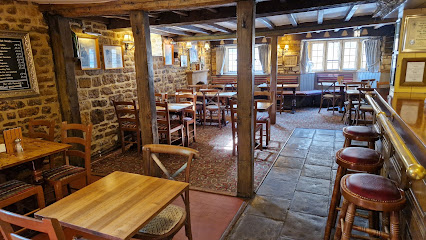
The Bakers Arms
1.5 km
A timeless Cotswold pub offering hearty fare and warm hospitality in the heart of Broad Campden’s historic village.
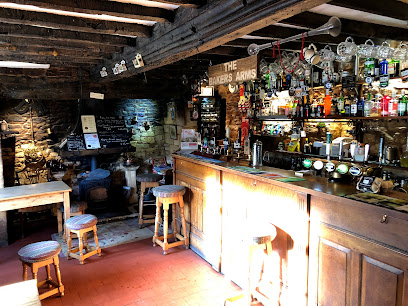
The Watering Hole - Event Bars
3.8 km
Discover The Watering Hole, where exceptional cocktails and event planning unite in the stunning Cotswolds, perfect for weddings and gatherings.
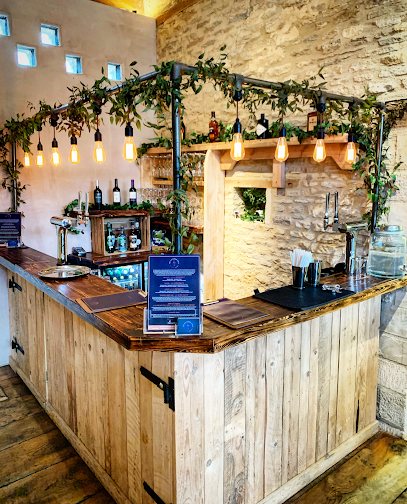
The Howard Arms Ilmington
7.3 km
A charming 400-year-old Cotswold inn blending historic warmth, fine dining, and stylish comfort in the heart of Ilmington village.
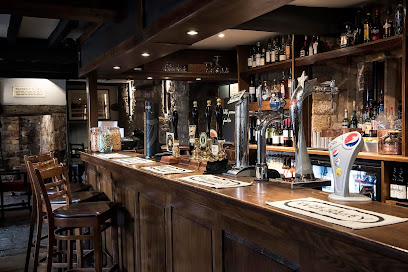
Snowshill Arms
8.1 km
Authentic Cotswold pub offering hearty fare, friendly service, and a welcoming atmosphere in the picturesque village of Snowshill.
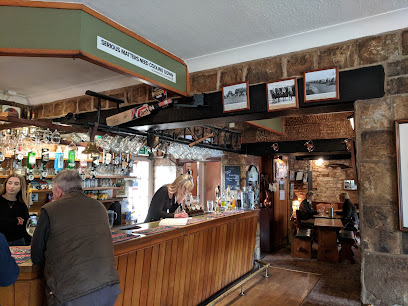
The Coach & Horses
10.0 km
A cosy, traditional Cotswold pub in Longborough serving hearty fare, local ales, and welcoming guests with charming B&B rooms.
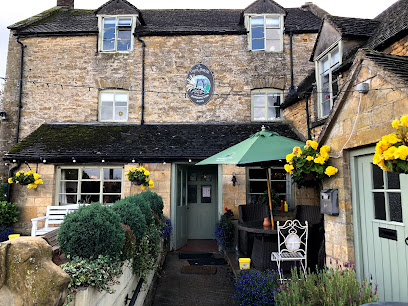
Sheep on Sheep Street
14.2 km
Historic charm meets modern comfort at The Sheep on Sheep Street, a vibrant inn and pub in the heart of Stow-on-the-Wold.
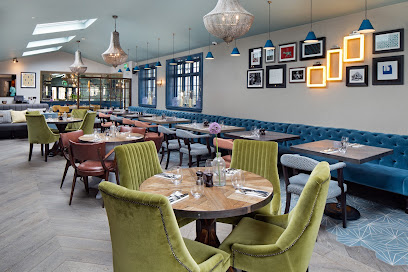
The Fox at Oddington
15.4 km
Historic 16th-century Cotswold pub blending rustic charm with organic cuisine and cozy countryside stays in Lower Oddington.
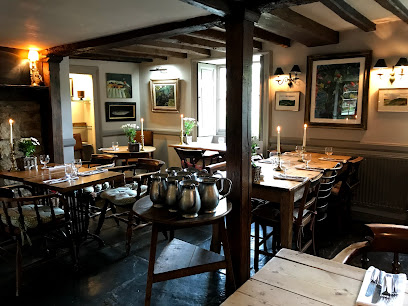
The Bull - El Toro | Stratford-Upon-Avon
15.7 km
A lively fusion of Spanish tapas and English pub charm in Stratford-upon-Avon, serving exceptional food and drink in a warm, inviting atmosphere.
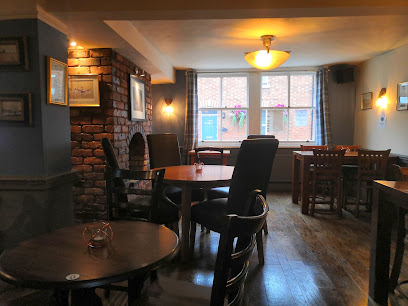
Hollow Bottom
15.7 km
A historic Cotswold pub blending hearty local fare, warm hospitality, and scenic countryside charm in the heart of Guiting Power.
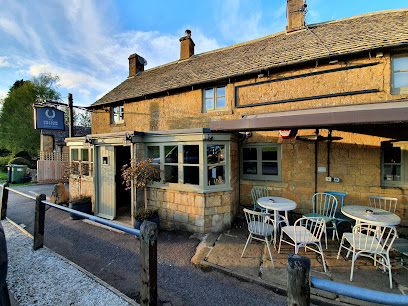
Windmill
16.0 km
A welcoming traditional British pub in Warwickshire serving classic dishes and local brews in a cozy, community-focused setting.
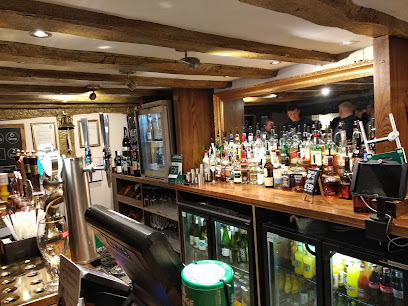
The Keys
16.2 km
A friendly and inviting pub in Stratford-upon-Avon with a quirky garden, great drinks, and classic pub fare in a relaxed atmosphere.
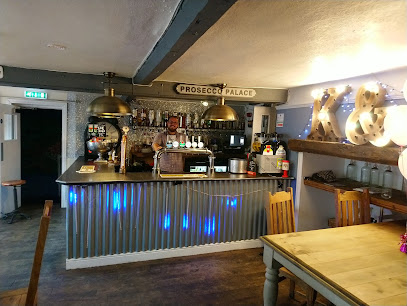
Rose & Crown
16.2 km
Classic English pub charm with hearty fare, friendly service, and a spacious garden in the heart of Stratford-upon-Avon.
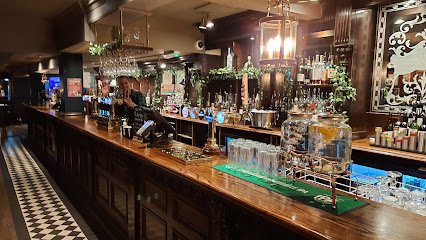
All Bar One Stratford Upon Avon
16.2 km
Stylish wine bar in Stratford offering diverse dining, full bar, and a relaxed, accessible atmosphere near Shakespeare’s birthplace.
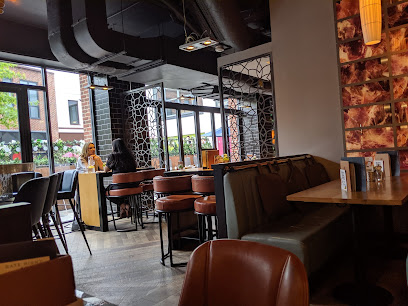
The Avon Lounge
16.2 km
A lively cocktail bar in Stratford-upon-Avon known for friendly hosts, great music, and a welcoming atmosphere perfect for evening socializing.
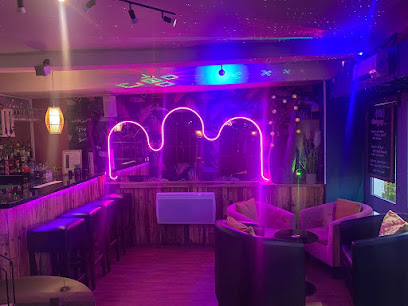
Nightclubs & after hour spots

The Stratford Upon Avon Bridge Club
15.6 km
Explore the vibrant community of The Stratford Upon Avon Bridge Club, where bridge enthusiasts gather for games, camaraderie, and local culture in a picturesque setting.
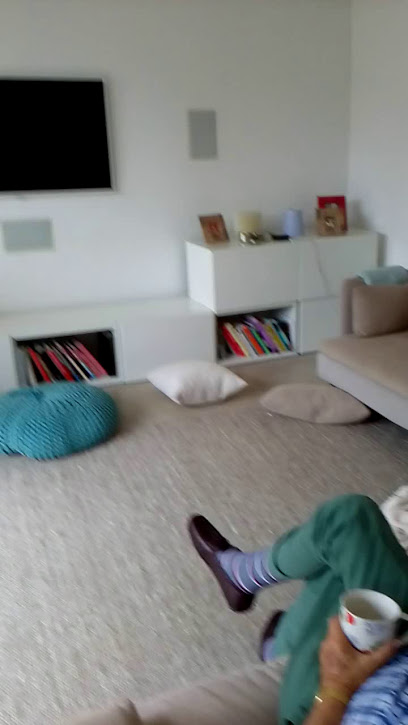
Fat Cat Comedy Club
16.2 km
Discover the joy of laughter at Fat Cat Comedy Club in Stratford-upon-Avon, where each show promises an unforgettable night of entertainment.
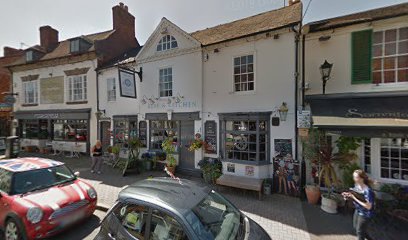
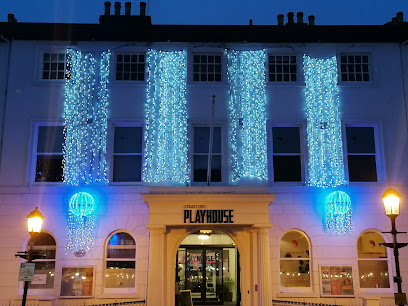
Stratford Play House
16.2 km
Discover the vibrant world of performing arts at Stratford Play House, where drama, comedy, and culinary delights come together in Stratford-upon-Avon.
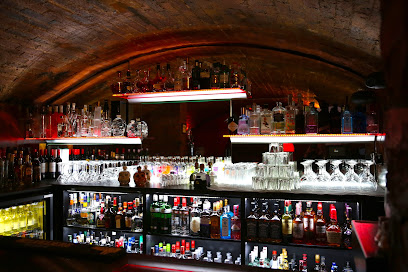
Caz Bar Nightclub
16.4 km
Experience Stratford-upon-Avon's glamorous late-night vibe at Caz Bar, a vintage cellar nightclub with live DJs, dancers, and premium drinks until dawn.
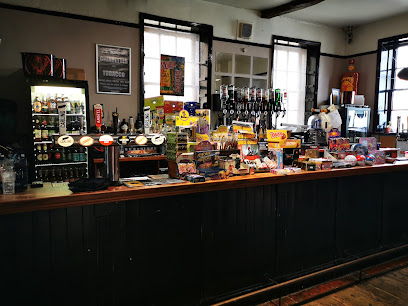
2 PIGS
26.5 km
A lively Cheltenham nightclub with dual rooms spinning rock, punk, indie, and classic hits, known for affordable drinks and an alternative vibe.
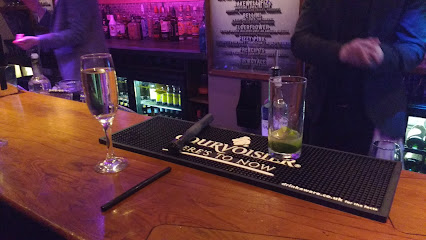
Coco
26.7 km
Cheltenham’s underground hotspot for vibrant nightlife, top DJs, and creative cocktails in a lively basement setting.
The 21 Club
26.7 km
Experience Cheltenham’s vibrant nightlife at The 21 Club, where music, dancing, and great drinks create unforgettable nights.
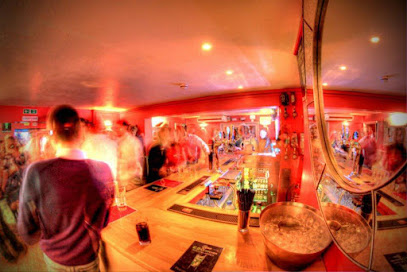
Popworld - Cheltenham
26.8 km
Cheltenham’s lively late-night hotspot where cheesy pop tunes and creative cocktails fuel unforgettable party nights.
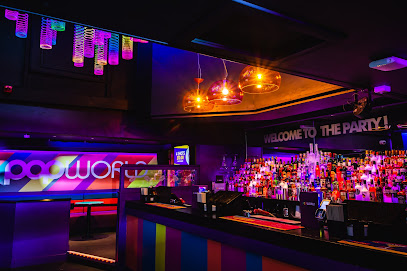
MooMoo Clubrooms Cheltenham
26.8 km
Experience Cheltenham’s vibrant nightlife with dynamic music, VIP vibes, and late-night energy at MooMoo Clubrooms.

Home and Botanic Nightclub
26.9 km
Historic charm meets vibrant nightlife at Cheltenham’s Home and Botanic, a multi-room club offering cocktails, live piano, DJs, and unforgettable nights.

Thirteen Degrees
26.9 km
Cheltenham’s late-night hotspot for dancing, cocktails, and private events in a central urban setting.
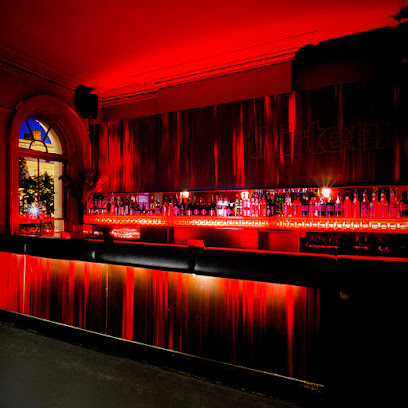
Under the Prom
27.0 km
Experience Cheltenham’s vibrant nightlife with premium drinks, three unique bars, and VIP service at Under The Prom nightclub.

The Cavern
29.3 km
A vibrant night club in Warwick offering energetic music, lively dancing, and a social atmosphere for unforgettable nights out.
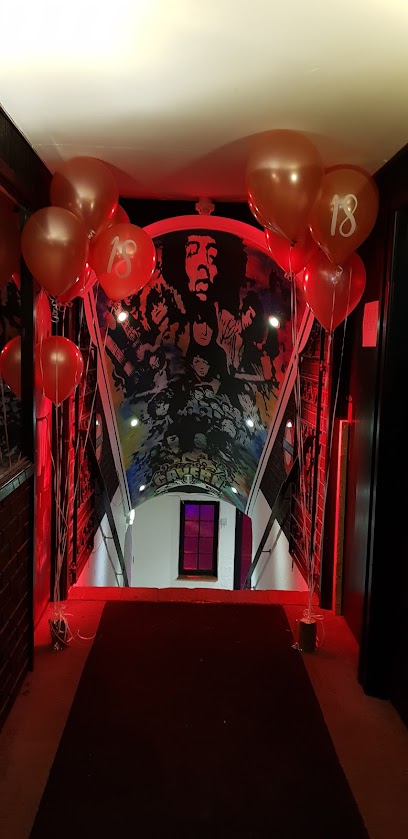
Neon
30.7 km
Leamington Spa’s largest nightclub, Neon delivers vibrant music, themed nights, and a dynamic party atmosphere every Friday until dawn.

Altoria Nightclub
31.2 km
Experience Leamington Spa’s vibrant nightlife at Altoria Nightclub with diverse music floors, VIP service, and a unique rooftop terrace open till 3 am.
For the vibe & atmosphere seeker
- Tranquil
- Scenic
- Historic
- Unique
For the design and aesthetic lover
- Vintage Styles
- Rustic Designs
For the architecture buff
- Historic
- Landmarks
- Parks & Gardens
For the view chaser and sunset hunter
- Iconic Views
- Panoramas
- Sunset Spots
For the social media creator & influencer
- Instagrammable
- Photo Spots
- Architectural Shots
For the eco-conscious traveler
- Public-Transport Accessible
- Low Impact
- Locally Managed
For the kind of experience you’re after
- Cultural Heritage
- Photowalk
- Day Trip
- Nature Escape
For how adventurous you want the journey to be
- Easy Access
Location Audience
- Family Friendly
- Senior Friendly
- Child Friendly
- Couple Friendly
- Solo Friendly


