St Vedast alias Foster Travel Guide
Free Guide: Historic City of London church rebuilt by Wren, dedicated to a French saint, with a striking baroque spire and rich wartime resilience.


A brief summary of St Vedast alias Foster
Historic City of London church rebuilt by Wren, dedicated to a French saint, with a striking baroque spire and rich wartime resilience.
St Vedast-alias-Foster, located at 4 Foster Lane in London, is a historic Anglican church with origins dating back to the 12th century. Rebuilt by Sir Christopher Wren after the Great Fire of London and restored following severe damage in the Blitz, this church is notable for its distinctive baroque spire and collegiate-style interior seating. It honors Saint Vedast, a French bishop and miracle worker, whose name evolved into 'Foster' over centuries.
On-site amenities
 Restrooms
 Seating areas
 Information boards
Opening hours
- Mon10 am–3 pm
- Tue10 am–3 pm
- Wed10 am–3 pm
- Thu10 am–3 pm
- Fri10 am–3 pm
- SatClosed
- Sun11 am–12 pm
Opening hours as listed on the venue’s Google Business Profile. Hours can change for services and special events, so check with the venue before you go.
- Address
- 4 Foster Ln, London EC2V 6HH
- Phone
- Website
Getting there
London Underground
Bus
Walking
Discover more about St Vedast alias Foster
Origins and Dedication to a French Saint
St Vedast-alias-Foster traces its roots back to at least the 12th century, established by 1170. The church is dedicated to Saint Vedast (also known as Vaast), a French bishop and saint renowned for miracles involving the blind and lame during the early medieval period. The dedication likely reflects the influence of the Flemish community in medieval London. The name 'Foster' is an Anglicisation of Vedast, evolving through various forms such as Vastes, Fastes, and Fauster, which led to the church's unusual dual name.
Architectural Evolution and Wren’s Rebuilding
Although the original medieval church survived until the Great Fire of London in 1666, it suffered extensive damage. Sir Christopher Wren’s office rebuilt the main body of the church between 1670 and 1673, incorporating parts of the medieval south wall. The tower, originally medieval, was replaced in the 1690s, and its striking three-tier baroque spire was added in the early 18th century, possibly designed by Nicholas Hawksmoor. This spire is considered one of the most ornate in the City of London.
Destruction and Restoration in the 20th Century
The church endured severe damage during the London Blitz of 1940-41, when incendiary and high-explosive bombs gutted the interior. The tower survived but bore scars and early graffiti. Post-war restoration led by architect Stephen Dykes Bower in the 1950s rebuilt the roof and interior, preserving the historic walls. A Georgian-style rectory and parish room were added nearby, featuring notable artworks such as a mural by Hans Feibusch and a carved stone head by Jacob Epstein.
Interior Character and Worship Style
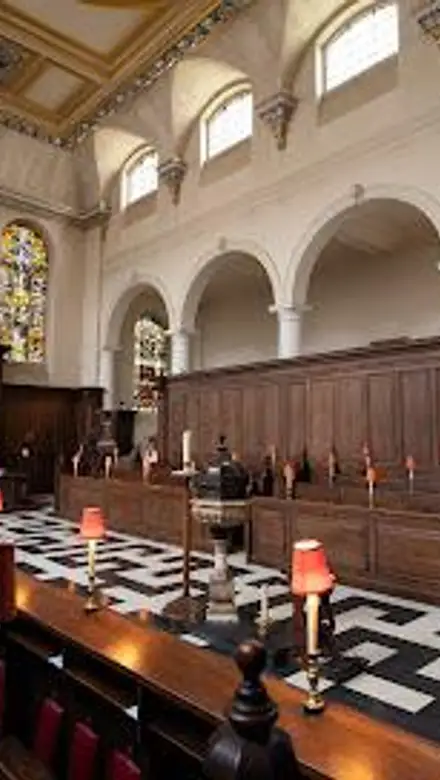
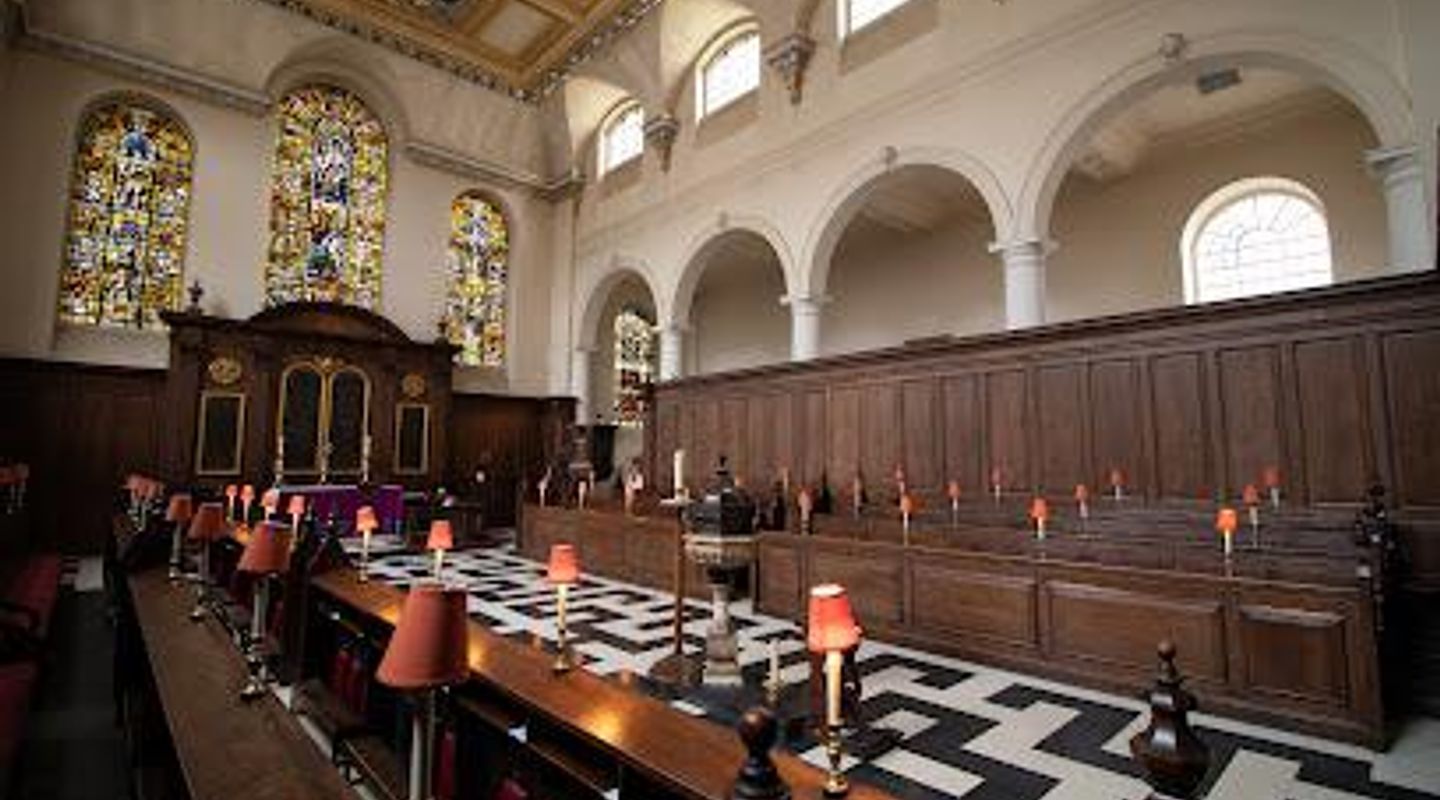
The church interior is arranged in a collegiate style, with pews facing each other rather than the pulpit, fostering a communal atmosphere reminiscent of a choir. This layout reflects its historical liturgical practices. The church’s windows once featured painted transparent blinds depicting scriptural scenes instead of stained glass, a unique feature noted in the 19th century.
Location and Surroundings
Situated on Foster Lane near Gresham Street, St Vedast-alias-Foster stands close to other City landmarks such as Goldsmiths’ Hall. Its location in the dense urban fabric of the City of London places it among a cluster of historic churches and commercial buildings, offering a quiet spiritual refuge amid the bustling financial district.
Legacy and Cultural Significance
St Vedast-alias-Foster is not only a place of worship but also a symbol of London’s resilience through centuries of fire, war, and urban change. Its rare dedication and architectural features make it a unique heritage site. The involvement of figures like poet Robert Herrick, Sir John Betjeman, and artists such as Feibusch and Epstein enrich its cultural tapestry, linking it to broader narratives of English literature, art, and history.
Evendo Review Centre
 Google
Guest reviews
Best time to go
Quietest: Jan, Feb & Mar · before 6am or at 9pm
Busy times are Evendo estimates for a typical year, to help you plan. Actual crowds vary with events, school holidays and the weather.
Explore St Vedast alias Foster on the map
A handpicked selection of must-see spots near St Vedast alias Foster, mapped for you.
Get your free copy of our complete guide to St Vedast alias Foster, delivered straight to you.
Everything on this page, from opening hours and how to get there to Eve’s tips and the best time to go, in one PDF you can read offline, print or share.
Already have an account? Sign in
Your St Vedast alias Foster guide is ready.
We'll send it to · Not you? Sign out

Getting your guide ready…
We are putting together a fresh copy of the St Vedast alias Foster guide. This can take up to a minute.
This can take a few moments. If your browser asks, choose Allow so the download can start. You'll find the guide in your Downloads folder.
Nothing happened? Download it again
Sorry, the guide is taking longer than usual. Please try again in a minute, or get it by email instead.
Unlock the best of St Vedast alias Foster
Skip-the-line tickets, guided tours with entry, and walking tours of the area, booked in a few clicks.

Other nearby places you may find interesting
The closest places of the same kind, if this one is not quite what you had in mind.
-
-
-
-
-


Swipe for more places
More to explore near St Vedast alias Foster

 Best experiences near St Vedast alias Foster
 Best hotels near St Vedast alias Foster
 Best landmarks near St Vedast alias Foster
 Best attractions near St Vedast alias Foster
 Best shops near St Vedast alias Foster
 Best restaurants near St Vedast alias Foster
 Best bars near St Vedast alias Foster
Do you manage this location?
Take control to get all the benefits, like improved information, better appearance, and stronger visibility across AI-powered discovery.
Explore more
Explore more of Surrey
Explore the picturesque landscapes, historic landmarks, and charming villages of Surrey, a quintessential English countryside retreat just a stone's throw from London.
Explore Surrey
Explore more of United Kingdom
Discover the United Kingdom: A blend of rich history, stunning landscapes, and vibrant cities, offering a unique travel experience for every visitor.
Explore United Kingdom