Bushy Park Travel Guide
Free Guide: Explore Bushy Park’s majestic deer, historic fountains, ancient trees, and serene gardens in London’s royal green sanctuary.


A brief summary of Bushy Park
Explore Bushy Park’s majestic deer, historic fountains, ancient trees, and serene gardens in London’s royal green sanctuary.
Bushy Park, London’s second-largest Royal Park, spans 445 hectares of historic parkland featuring ancient trees, free-roaming herds of red and fallow deer, and serene water and woodland gardens. With landmarks like the Grade I-listed Diana Fountain and the winding Longford River, the park offers a rich blend of natural beauty, wildlife habitats, and centuries of royal heritage. Ideal for outdoor activities, wildlife spotting, and peaceful walks, Bushy Park is a treasured green oasis near Hampton Court Palace.
On-site amenities
 Restrooms
 Drink options
 Food options
 Seating areas
 Trash bins
 Information boards
 Visitor centre
Opening hours
- Every dayOpen 24 hours
Opening hours as listed on the venue’s Google Business Profile. Hours can change for services and special events, so check with the venue before you go.
- Address
- Bushy Park
- Phone
- Website
Getting there
Train
Bus
Car
Cycling
Discover more about Bushy Park
Royal Origins and Historical Legacy
Bushy Park’s origins trace back over a thousand years, evolving from farmland and medieval settlements into a royal hunting ground under King Henry VIII in the 16th century. The park was enclosed and stocked with deer for royal sport, a tradition that continues today with herds of red and fallow deer roaming freely. The landscape preserves ancient oak and sweet chestnut trees dating back to Tudor times, offering a living connection to the past. Notably, during World War II, Bushy Park served as a strategic military base where the D-Day landings were planned, marked now by a commemorative plaque.
Natural Beauty and Wildlife Sanctuary
As a designated Site of Special Scientific Interest (SSSI), Bushy Park supports a diverse ecosystem. It hosts London’s highest concentration of veteran and ancient trees, which provide vital habitats for rare insects, birds, fungi, and plants, including the significant mistletoe population. The park’s acid grasslands and extensive network of anthills, some over 200 years old, create unique microhabitats. Wildlife thrives here beyond the iconic deer, with sightings of skylarks, owls, kingfishers, bats, hedgehogs, and water voles enriching the natural tapestry.
Scenic Water Features and Gardens
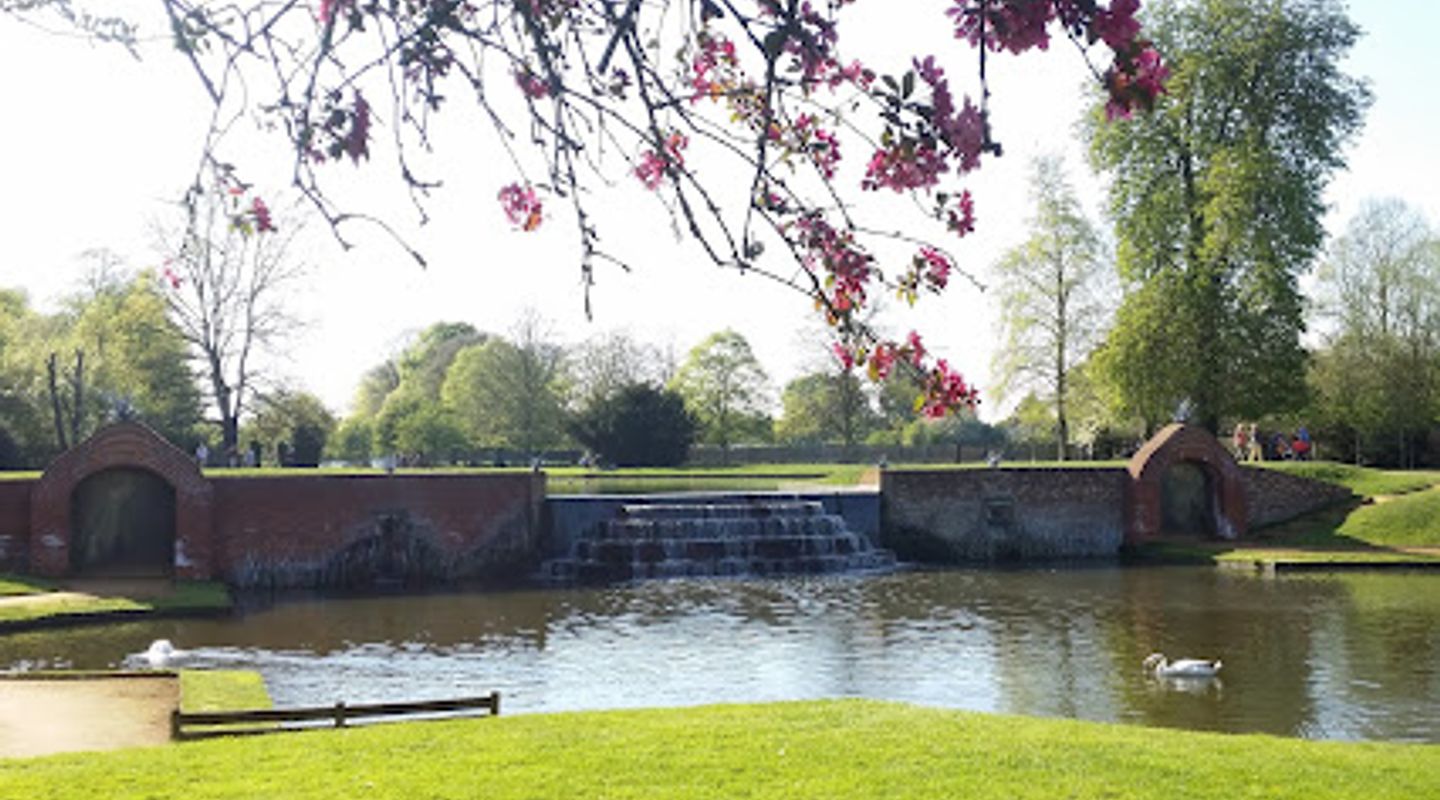
The park is graced by the Longford River, a 17th-century man-made waterway engineered to supply Hampton Court Palace. This historic canal meanders through the landscape, enhancing the park’s tranquil atmosphere. The Upper Lodge Water Gardens, recently restored to their 17th-century design, showcase cascades, ponds, and basins that reflect the grandeur of Stuart-era hydraulic engineering. The Waterhouse Woodland Gardens, spanning 60 acres, offer peaceful glades, willow plantations, and serene ponds, making them a perfect spot for mindful walks and nature appreciation.
Iconic Landmarks and Landscape Design
At the heart of Bushy Park stands the Grade I-listed Diana Fountain, a masterpiece designed by Sir Christopher Wren in 1637. The fountain features a bronze statue of Arethusa, a Greek nymph, surrounded by water nymphs, boys, and shells, symbolizing classical mythology rather than the modern namesake. The park’s grand avenues, such as Chestnut Avenue and Lime Avenue, exemplify baroque landscape architecture with their stately tree-lined vistas. These design elements create a majestic setting that blends natural beauty with artistic heritage.
Recreation, Community, and Visitor Experience
Bushy Park is a vibrant hub for outdoor activities including walking, running, cycling on designated roads, horse riding, and sports such as tennis, football, cricket, and bowls. It is home to the original Parkrun, a popular 10K running event. Families enjoy the upgraded playgrounds, while the Pheasantry Café and other kiosks provide refreshments. The park hosts free monthly guided walks and talks that explore its natural and historical significance, fostering community engagement and education.
Conservation and Sustainable Management
Conservation efforts focus on protecting the park’s rare species and habitats, maintaining its status as a wildlife haven. The Royal Parks organization manages the delicate balance between public access and ecological preservation, including seasonal restrictions during deer culls to ensure safety and animal welfare. Visitors are encouraged to respect wildlife by keeping a safe distance from deer and adhering to park guidelines, supporting the ongoing stewardship of this treasured green space.
Evendo Review Centre
 Google
Guest reviews
Best time to go
Quietest: Jan, Feb & Dec · before 6am or from 11pm
Busy times are Evendo estimates for a typical year, to help you plan. Actual crowds vary with events, school holidays and the weather.
Explore Bushy Park on the map
A handpicked selection of must-see spots near Bushy Park, mapped for you.
Get your free copy of our complete guide to Bushy Park, delivered straight to you.
Everything on this page, from opening hours and how to get there to Eve’s tips and the best time to go, in one PDF you can read offline, print or share.
Already have an account? Sign in
Your Bushy Park guide is ready.
We'll send it to · Not you? Sign out

Getting your guide ready…
We are putting together a fresh copy of the Bushy Park guide. This can take up to a minute.
This can take a few moments. If your browser asks, choose Allow so the download can start. You'll find the guide in your Downloads folder.
Nothing happened? Download it again
Sorry, the guide is taking longer than usual. Please try again in a minute, or get it by email instead.
Unlock the best of Bushy Park
Skip-the-line tickets, guided tours with entry, and walking tours of the area, booked in a few clicks.

Other nearby places you may find interesting
The closest places of the same kind, if this one is not quite what you had in mind.
-
-
-
-
-


Swipe for more places
More to explore near Bushy Park

 Best experiences near Bushy Park
 Best hotels near Bushy Park
 Best landmarks near Bushy Park
 Best attractions near Bushy Park
 Best shops near Bushy Park
 Best restaurants near Bushy Park
 Best bars near Bushy Park
Do you manage this location?
Take control to get all the benefits, like improved information, better appearance, and stronger visibility across AI-powered discovery.
Explore more
Explore more of Surrey
Explore the picturesque landscapes, historic landmarks, and charming villages of Surrey, a quintessential English countryside retreat just a stone's throw from London.
Explore Surrey
Explore more of United Kingdom
Discover the United Kingdom: A blend of rich history, stunning landscapes, and vibrant cities, offering a unique travel experience for every visitor.
Explore United Kingdom