Dornoch Cathedral Travel Guide
Free Guide: Scotland's northernmost mainland cathedral: 800 years of faith, fire, and restoration in stone.


A brief summary of Dornoch Cathedral
Scotland's northernmost mainland cathedral: 800 years of faith, fire, and restoration in stone.
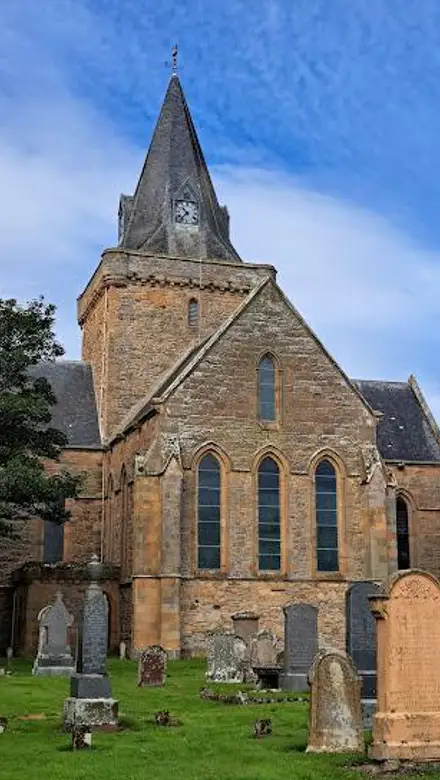
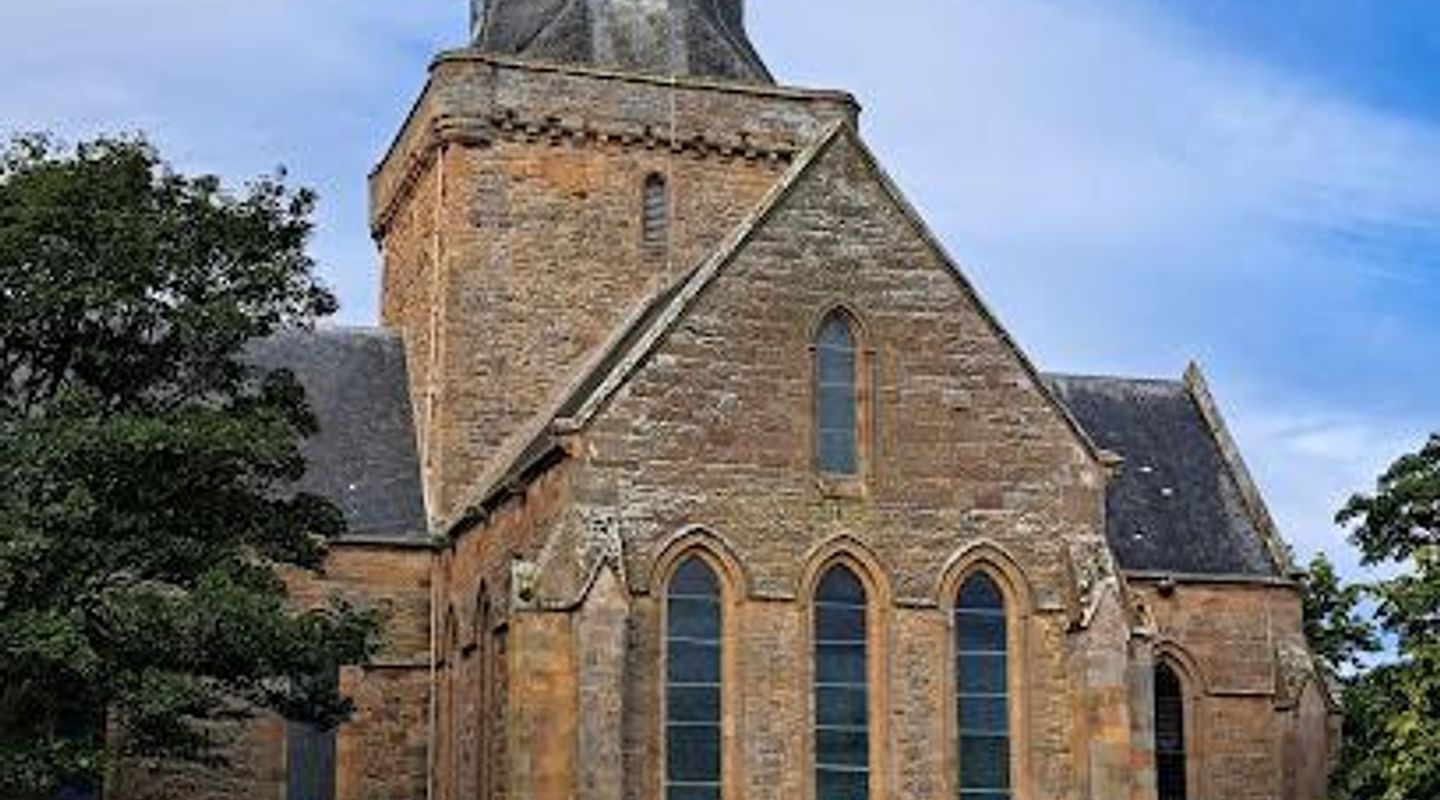
Scotland's most northerly mainland cathedral, Dornoch Cathedral is a 13th-century architectural gem set in the heart of the Highland town of Dornoch. Founded in 1224 by Bishop Gilbert de Moravia and first used in 1239, this cruciform stone structure showcases remarkable resilience through centuries of conflict, destruction, and restoration. Today, it serves as an active Church of Scotland parish church, welcoming visitors to admire its 27 stunning stained-glass windows, intricate woodwork, and peaceful interior. The cathedral's honey-coloured sandstone exterior and serene ambiance make it a compelling stop for history enthusiasts and those seeking spiritual reflection.
On-site amenities
 Restrooms
 Drink options
 Food options
 Seating areas
 Information boards
Opening hours
- Every day10 am–8 pm
Opening hours as listed on the venue’s Google Business Profile. Hours can change for services and special events, so check with the venue before you go.
- Address
- Dornoch IV25 3SH
- Website
Getting there
Car from Inverness
Bus from Inverness
Guided Tour from Inverness or Invergordon
Walking within Dornoch
Discover more about Dornoch Cathedral
A Bishop's Ambitious Vision in the Highlands
Dornoch Cathedral stands as a testament to one man's determination to establish a seat of ecclesiastical power in the remote Scottish Highlands. Bishop Gilbert de Moravia, descended from the influential Freskyn family and a kinsman of the Earl of Sutherland, founded the cathedral in 1224 after relocating the bishopric from Halkirk—a decision driven partly by safety concerns, as his predecessors had been murdered or maimed at that location. Gilbert personally funded the construction using his own wealth and land, choosing Dornoch for its strategic proximity to his powerful relatives and its position on the coastal strip of Sutherland he controlled. The first service took place in 1239, and upon Gilbert's natural death in 1245, he was canonised as a saint—the last pre-Reformation Scotsman to receive this honour. His achievement in erecting such a substantial building in this isolated corner of the Highlands remains remarkable even by modern standards.
Medieval Grandeur and Architectural Character
The cathedral's original design followed a traditional cruciform plan with a choir, transepts, a massive tower over the crossing, and an aisled nave. Built from warm honey-coloured Dornoch sandstone, the exterior presents a solid, bulky appearance dominated by its broad tower and cruciform shape, yet the material's natural beauty lends considerable charm to the structure. Inside, the cruciform layout creates an unexpected sense of spaciousness and grandeur despite the building's modest absolute size. A subtle architectural quirk adds to its character: none of the four arches at the central crossing are quite the same height, and the four main piers are not uniformly spaced—details that contribute to an intimate, underlying sense of character rather than rigid perfection. The cathedral's most striking interior feature is its collection of 27 magnificent stained-glass windows, which flood the space with ever-changing light as the sun moves throughout the day, creating a magical interplay of colour and illumination.
Destruction, Ruin, and Centuries of Neglect
The cathedral's history took a devastating turn in 1570 when a clan feud between the Murrays of Dornoch and the MacKays of Strathnaver resulted in the latter setting the building ablaze. The fire completely destroyed the nave and the roof of the remainder, leaving only the chancel and transept walls standing. The destruction extended beyond the structure itself: Bishop Gilbert's tomb was desecrated, with William Sutherland of Evelix reportedly bursting the old bishop's coffin open with his foot and scattering his remains. For over two centuries, the cathedral lay in ruins, serving as a grim reminder of the violence that had torn through the Highlands. A partial re-roofing in 1616 allowed the building to function as a parish church, but comprehensive restoration remained distant. The cathedral's Presbyterian transformation occurred following the Reformation, when it ceased to be literally a cathedral—a term foreign to Presbyterian practice—yet the historic name persisted to honour its medieval origins.
Victorian Transformation and Modern Restoration
The cathedral's most transformational restoration occurred between 1835 and 1837, commissioned by the enormously wealthy Elizabeth Sutherland Leveson-Gower, Duchess of Sutherland, at a cost of £15,000—equivalent to approximately £1.7 million in modern currency. This ambitious project, overseen by architect William Burn, rebuilt the ruined medieval nave with a new narrow nave without pillars and created a new Sutherland family burial vault beneath the chancel. The Duchess placed her husband, who had died in 1833, in the vault and joined him there in 1839; the vault remains sealed to this day. A further significant reordering occurred between 1924 and 1926, when Victorian lath and plaster were removed to reveal the original stonework beneath, creating the bright, airy interior visible today. The plain stone walls and creamy-white painted ceiling enhance the cathedral's luminosity, allowing light to radiate from all corners and complementing rather than overwhelming the space.
Artistic and Spiritual Treasures
The cathedral's interior showcases exceptional craftsmanship across multiple mediums. The organ, first installed in 1893 as the first organ in Sutherland County—a gift from Scottish-American steel magnate Andrew Carnegie—was enlarged and fitted with hydraulic power in 1909, also funded by Carnegie. The wonderfully carved pulpit, matching oak pews, and communion table, installed in 1911, add majesty and warmth to the worship space. Among the 27 stained-glass windows are several dedicated to Andrew Carnegie, blending traditional and modern designs. Hidden throughout the cathedral are charming wooden carvings, including works by the renowned craftsman Robert Thompson, known as the Mouse Man for his signature carved mouse signature. The graveyard adjacent to the cathedral houses the Plaiden Ell, an 18th-century market measuring stone unique to Dornoch—one of only three such examples remaining in Scotland—offering a tangible connection to the town's commercial past. Medieval gargoyles adorn the exterior, hinting at the craftsmanship of centuries past, while an internal piscina speaks to the building's former Catholic traditions.
A Living Parish Church and Welcoming Sanctuary
Today, Dornoch Cathedral functions as an active Church of Scotland parish church serving the Dornoch Firth congregation. Visitors are welcome to explore the building during daylight hours, with entry entirely free, though donations support ongoing maintenance and preservation. The cathedral's peaceful ambiance and warm welcome extend to all visitors, regardless of religious affiliation. Knowledgeable volunteers often provide insights into the building's history and hidden details, enriching the experience. The cathedral's location in the centre of Dornoch, adjacent to the reconstructed remains of the medieval Bishop's Palace (now the Castle Hotel), places it at the heart of the town's historic core. Whether attending a Sunday service at 11am or simply seeking a moment of quiet reflection, visitors discover a space that seamlessly bridges centuries of Scottish history, faith, community resilience, and architectural endurance.
Evendo Review Centre
 Google
Guest reviews
Best time to go
Quietest: Jan, Feb & Nov · before 8am or from 8pm
Busy times are Evendo estimates for a typical year, to help you plan. Actual crowds vary with events, school holidays and the weather.
Explore Dornoch Cathedral on the map
A handpicked selection of must-see spots near Dornoch Cathedral, mapped for you.
Get your free copy of our complete guide to Dornoch Cathedral, delivered straight to you.
Everything on this page, from opening hours and how to get there to Eve’s tips and the best time to go, in one PDF you can read offline, print or share.
Already have an account? Sign in
Your Dornoch Cathedral guide is ready.
We'll send it to · Not you? Sign out

Getting your guide ready…
We are putting together a fresh copy of the Dornoch Cathedral guide. This can take up to a minute.
This can take a few moments. If your browser asks, choose Allow so the download can start. You'll find the guide in your Downloads folder.
Nothing happened? Download it again
Sorry, the guide is taking longer than usual. Please try again in a minute, or get it by email instead.
Unlock the best of Dornoch Cathedral
Skip-the-line tickets, guided tours with entry, and walking tours of the area, booked in a few clicks.
 Tour with entry
Secret Loch Ness with Cawdor Castle and Clava Cairns
from $200.31 Tour with entry
Fine Dram, Dornoch Charm and Picts Folklore from INVERGORDON
from $207.87 Tour with entry
Legendary Glenmorangie Whisky tasting and more
from $341.68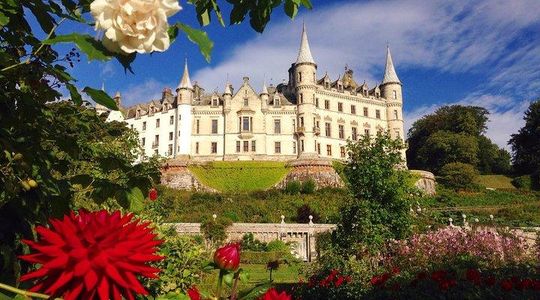 Tour with entry
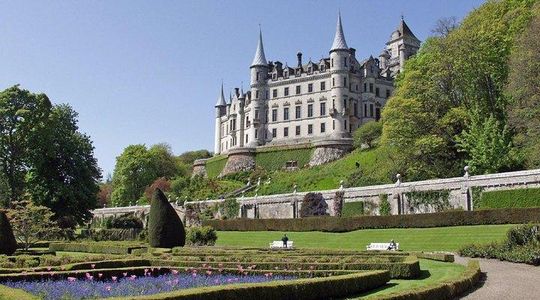
Invergordon Cruise Excursion to Dunrobin Castle, Dornoch and more
from $342.68
Other nearby places you may find interesting
The closest places of the same kind, if this one is not quite what you had in mind.
-
-

-
-
-


Swipe for more places
More to explore near Dornoch Cathedral

 Best experiences near Dornoch Cathedral
 Best hotels near Dornoch Cathedral
 Best landmarks near Dornoch Cathedral
 Best attractions near Dornoch Cathedral
 Best shops near Dornoch Cathedral
 Best restaurants near Dornoch Cathedral
 Best bars near Dornoch Cathedral
Do you manage this location?
Take control to get all the benefits, like improved information, better appearance, and stronger visibility across AI-powered discovery.
Explore more
Explore more of Sutherland
Discover Sutherland, the untamed beauty of the Scottish Highlands, where rugged landscapes, serene lochs, and dramatic coastlines await the adventurous traveler.
Explore Sutherland
Explore more of United Kingdom
Discover the United Kingdom: A blend of rich history, stunning landscapes, and vibrant cities, offering a unique travel experience for every visitor.
Explore United Kingdom