

Duke of Sutherland Monument, Golspie
A towering Highland landmark blending breathtaking views with the complex legacy of the Duke of Sutherland’s era.
The Duke of Sutherland Monument, locally known as 'The Mannie', is a towering 30-meter statue atop Ben Bhraggie hill near Golspie in the Scottish Highlands. Erected in 1837 to commemorate the first Duke of Sutherland, it stands as a prominent landmark visible for miles around, offering panoramic views of the surrounding landscape. The monument is entwined with the complex history of the Highland Clearances, reflecting both grandeur and controversy.
A brief summary to Duke Of Sutherland Monument
- Golspie, GB
- Duration: 1 to 2 hours
- Budget
-
 Outdoor
- Mobile reception: 4 out of 5
Local tips
- Wear sturdy footwear as the trail to the monument includes steep and uneven sections.
- Visit on a clear day to enjoy panoramic views reportedly stretching across seven counties.
- Bring water and dress in layers; weather on the hill can be unpredictable and windy.
- Allow about 1 to 2 hours for the round trip hike and time to explore the monument.

For the on-the-go comforts that matter to you
- Restrooms
- Drink Options
- Food Options
- Seating Areas
- Trash Bins
- Information Boards
Getting There
-
Bus
Take the Stagecoach bus service from Inverness to Golspie, which runs approximately every 1-2 hours; the journey takes around 1 hour 30 minutes. From Golspie village, the monument is accessible by a 2.5 km hike uphill. Bus fares range from £10 to £15 one way.
-
Car
Drive from Inverness to Golspie via the A9, a scenic route taking about 1 hour 15 minutes. Parking is available near the trailhead but can be limited during peak seasons. There is no parking directly at the monument. Expect to pay a small parking fee of around £2.
-
Walking
From Golspie village center, embark on a well-marked 2.5 km trail to the monument. The path includes woodland and a steep stepped ascent near the summit. The hike typically takes 45 minutes to 1 hour one way and requires moderate fitness and good footwear.
Duke Of Sutherland Monument location weather suitability
-
 Any Weather
-
 Clear Skies
-
 Windy Conditions
-
 Mild Temperatures
Discover more about Duke Of Sutherland Monument
A Monument of Grandeur and Visibility
The Duke of Sutherland Monument, affectionately called 'The Mannie' by locals, is a striking statue standing approximately 9 meters tall atop a 24-meter plinth, reaching a total height of about 33 meters. It crowns Ben Bhraggie hill, which rises to 397 meters, dominating the skyline near Golspie. This engineering feat, completed in 1837 by the Duke’s widow, was funded by the estate’s remaining tenants and is visible from land and sea for many miles, including travelers on the busy A9 road and the Highland rail line.Historical Legacy and Controversy
The monument commemorates George Granville Leveson-Gower, the first Duke of Sutherland, a figure whose legacy is deeply entwined with the Highland Clearances. These clearances, spanning from the late 18th century into the 19th, involved the forced eviction of thousands of tenants to make way for large-scale sheep farming, profoundly reshaping the social and economic fabric of the Highlands. While the monument celebrates the Duke’s influence and estate consolidation, it also stands as a reminder of the displacement and hardship experienced by many Highland communities.Landscape and Visitor Experience
Visitors reach the monument via a moderately challenging trail ascending Ben Bhraggie, passing through picturesque woodland before a steep, stepped final approach. The effort is rewarded with spectacular panoramic views reportedly encompassing up to seven counties on clear days. The site offers a unique blend of natural beauty and historical reflection, making it a compelling destination for walkers and history enthusiasts alike.Architectural and Cultural Significance
The monument is classified as a historical landmark and is considered a significant piece of 19th-century heritage architecture. Its imposing presence and elevated position symbolize the power and wealth of the Sutherland estate during that era. Beyond its physical attributes, the statue invites contemplation on the complex narratives of memory, commemoration, and contested histories within Scotland’s cultural landscape.Local Perspectives and Interpretations
Locally, the monument is both a point of pride and a subject of debate. It embodies the duality of the Duke’s legacy—his role in modernizing agriculture and estate management, and the social upheaval caused by the clearances. Discussions around the monument reflect broader themes of historical interpretation, postcolonial critique, and the challenges of representing difficult pasts in public spaces.Engagement and Conservation
The monument continues to attract visitors year-round, supported by local conservation efforts to maintain the site and its surrounding trails. It serves as an educational resource, encouraging thoughtful engagement with Scotland’s history and landscape. The statue’s visibility and prominence ensure it remains a landmark of both historical significance and scenic allure in the Highlands.Iconic landmarks you can’t miss

Duke Of Sutherland Monument
0.0 km
A towering Highland landmark blending breathtaking views with the complex legacy of the Duke of Sutherland’s era.
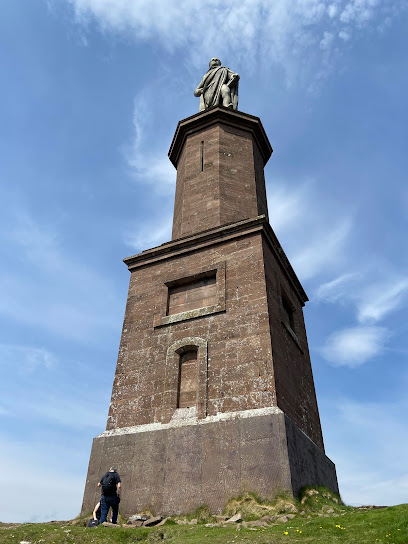
Monument to Harriet, Duchess of Sutherland
3.2 km
A dignified monument in Golspie honoring Harriet, Duchess of Sutherland, a Victorian political hostess and social reformer with a lasting Highland legacy.

Ardgay Bespoke Tours
23.8 km
Experience the Scottish Highlands like never before with personalized tours that celebrate nature, history, and culture in Ardgay.
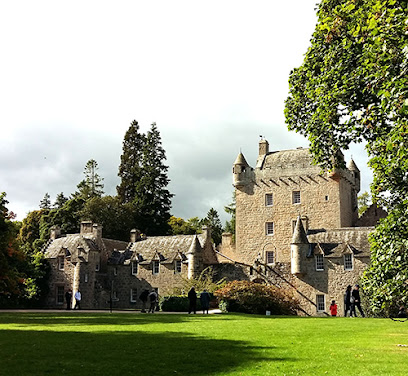
Craig Castle
41.3 km
Explore the evocative ruins of Craig Castle, a 16th-century fortress overlooking the scenic Cromarty Firth on Scotland’s historic Black Isle.
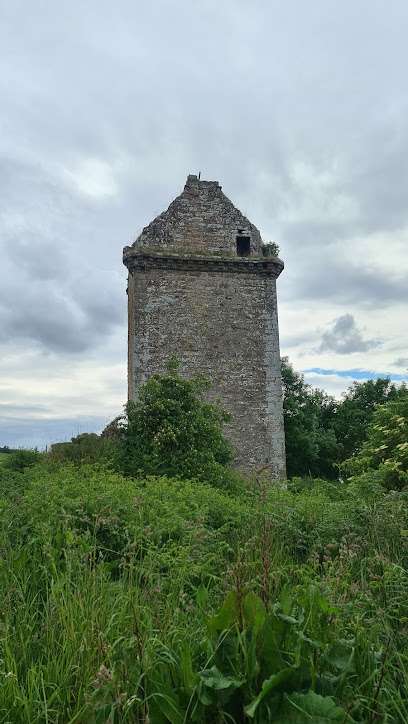
Sueno's Stone
47.4 km
Scotland's tallest Pictish monument—a 6.5-metre enigma carved with battle scenes and royal ceremony.
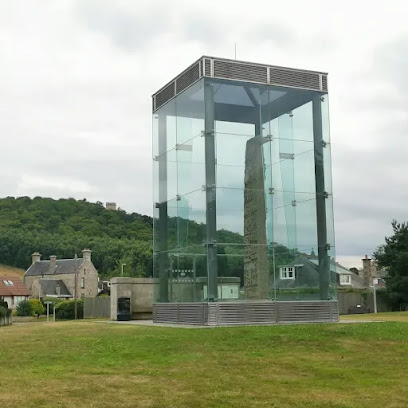
Walkhighlands
48.0 km
Explore Scotland step by step with Walkhighlands, your comprehensive guide to hiking and walking routes across the Highlands and beyond.

St. Peter's Kirk & Parish Cross
48.3 km
Medieval kirk and rare surviving mercat cross spanning eight centuries of Scottish history.
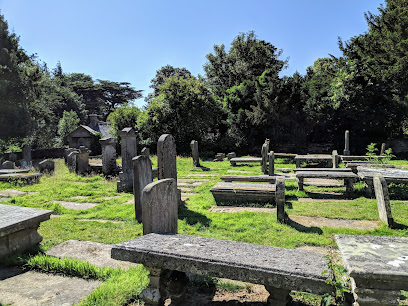
Crook of Alves (historical placename)
50.1 km
Discover the Crook of Alves, a cultural landmark in Elgin, where history meets stunning natural beauty in Scotland's captivating landscapes.
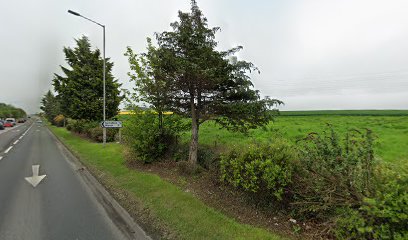
Asliesk Castle (remains)
50.5 km
Explore the ivy-clad ruins of Asliesk Castle, a 16th-century Scottish tower house steeped in history and legend near Elgin, Moray.
Knock of Alves
51.4 km
Explore the tranquil wooded hill and ancient stone circle of Knock of Alves, a historic landmark rich in Scottish legend and heritage near Elgin.
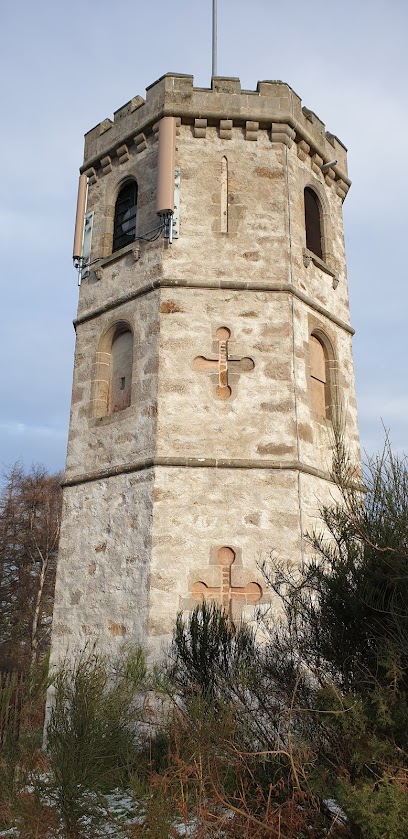
Castle Leod
52.9 km
Explore Castle Leod, a stunning Scottish castle in Strathpeffer, rich in history and surrounded by breathtaking nature.
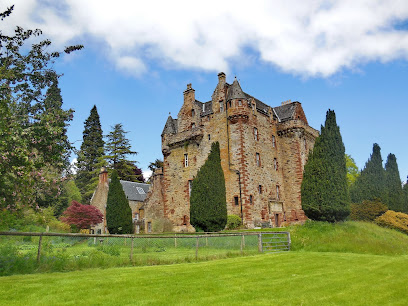
Eagle Stone Path
53.6 km
Explore the enchanting Eagle Stone Path in Strathpeffer - a historical landmark that combines natural beauty with rich Scottish heritage.
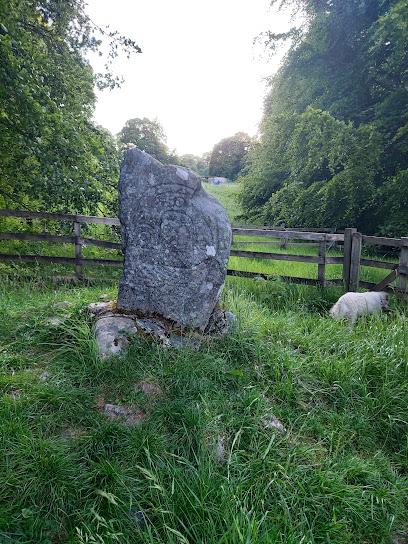
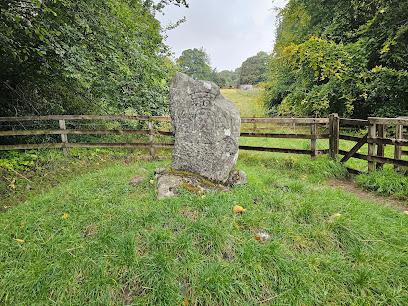
Clach an Tiompain
53.6 km
Explore Clach an Tiompain, a historic stone landmark in Strathpeffer, and immerse yourself in the captivating tales of Scotland's ancient past amidst stunning landscapes.
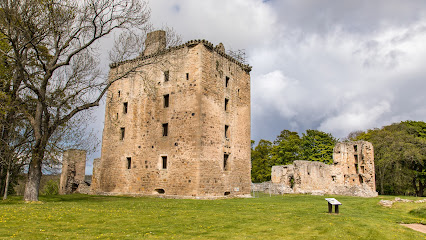
Spynie Palace
54.3 km
Explore Spynie Palace, a magnificent historical site in Elgin, Scotland, showcasing medieval architecture amidst breathtaking landscapes.
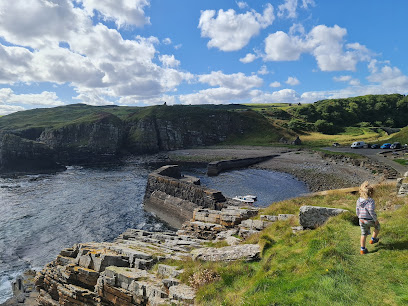
Lybster Harbour
54.6 km
Discover Lybster Harbour’s historic fishing charm and serene coastal beauty nestled in Scotland’s rugged Caithness coastline.
Unmissable attractions to see

Carn Liath
5.6 km
Explore Carn Liath Broch, a remarkably preserved Iron Age stone tower overlooking the Moray Firth, showcasing ancient Scottish ingenuity and coastal beauty.
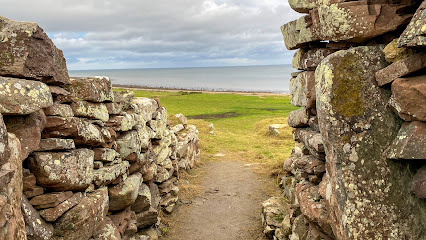
Skelbo Castle
6.1 km
Explore the evocative ruins of Skelbo Castle, a 14th-century Highland fortress with commanding views over Loch Fleet and a rich Scottish heritage.
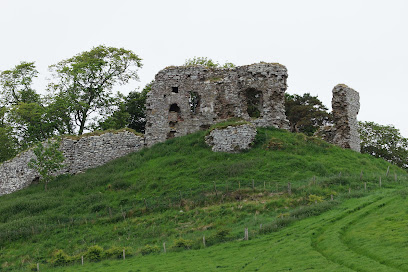
Co-op Food - Dornoch - St Gilbert Street
11.3 km
Conveniently located in Dornoch’s Cathedral Square, Co-op Food offers fresh essentials, delivery, and accessibility daily from 7am to 10pm.
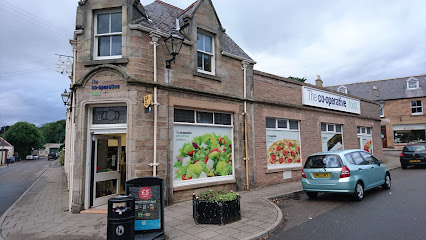
Dornoch Cathedral
11.3 km
Discover the tranquil beauty and deep history of Dornoch Cathedral, the northernmost medieval sanctuary on mainland Britain.
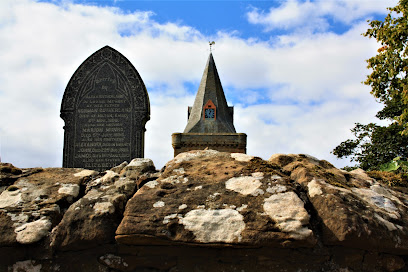
The Carnegie Whisky Cellars
11.4 km
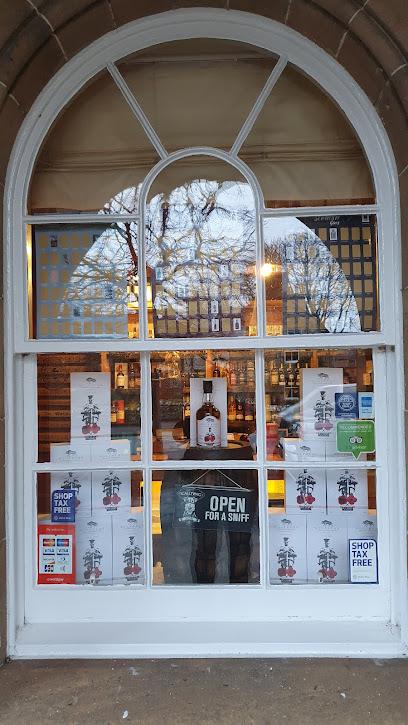
Discover rare whiskies and expert tastings in the heart of historic Dornoch at The Carnegie Whisky Cellars.
Dornoch Beach
11.5 km
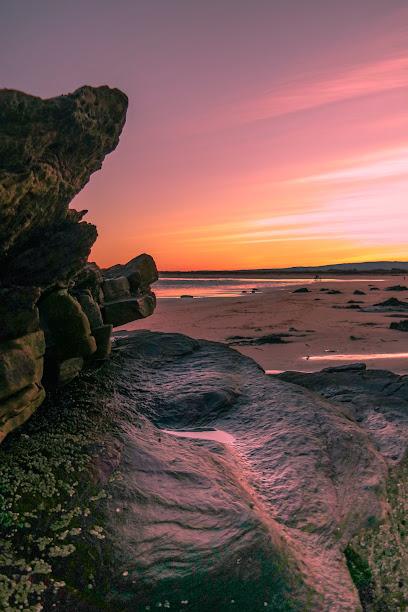
Expansive golden sands and serene coastal views await at Dornoch Beach, a tranquil escape on Scotland’s scenic east coast.
The Sutherland Show
12.2 km
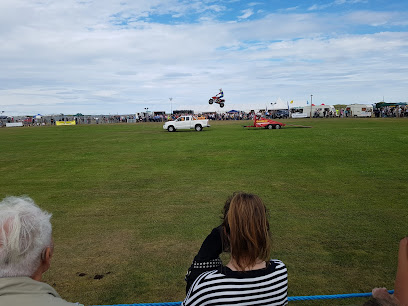
Experience the vibrant agricultural heritage and community spirit of the Scottish Highlands at The Sutherland Show in Dornoch.
The Carnegie Club, Skibo Castle
14.2 km
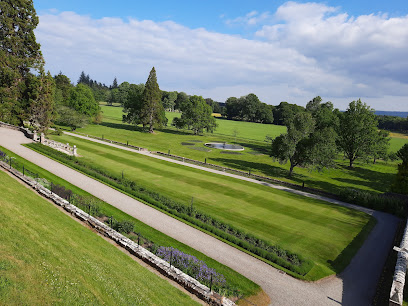
Experience timeless Edwardian luxury and world-class golf at Scotland’s most exclusive private members’ club nestled in the breathtaking Highlands.
The Glenmorangie Distillery Co
17.8 km
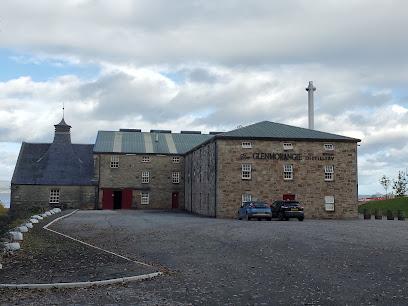
Explore Scotland’s tallest copper stills and innovative whisky craftsmanship at Glenmorangie Distillery by the serene Dornoch Firth.
Balblair Distillery
18.7 km
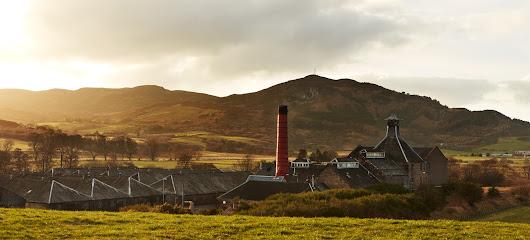
Historic Highland whisky distillery since 1790, offering vintage single malts and warm, intimate tours in scenic Edderton.
Tesco Superstore
18.9 km
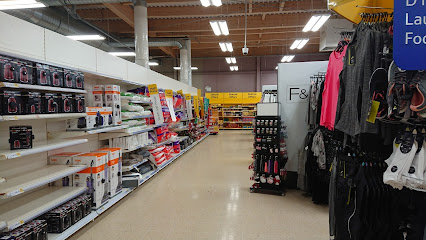
A modern, accessible supermarket in Tain offering fresh produce, everyday essentials, and community-focused services from 8 AM to 10 PM daily.
Tain Museum
19.1 km
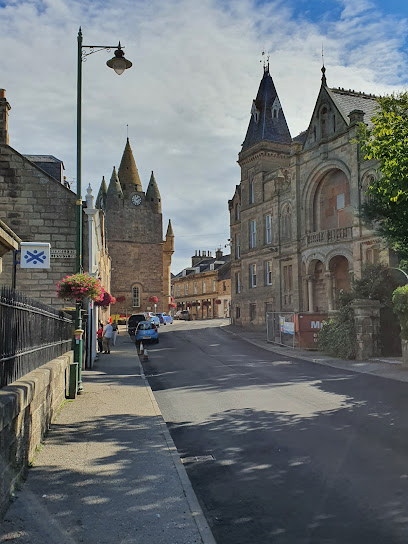
Discover the rich heritage of Easter Ross and Clan Ross at Tain Museum, a charming volunteer-run gem in the Scottish Highlands.
Tarbat Discovery Centre
19.6 km
Explore the rich Pictish heritage and medieval mysteries of the Tarbat Peninsula at this unique museum set within an ancient Highland church.
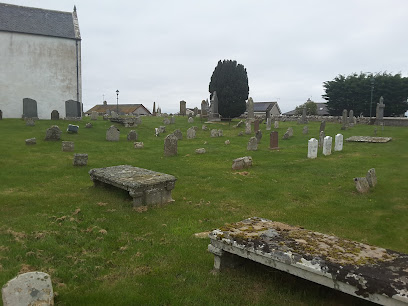
Fearn Abbey [Church Of Scotland]
23.7 km
Discover Fearn Abbey, the northernmost Premonstratensian church in Scotland, blending medieval heritage with serene rural beauty near Tain.
![Fearn Abbey [Church Of Scotland]](https://evendo-location-media.s3.amazonaws.com/AttractionImages/bed067fb-a20e-4395-ada1-8a9a8830ed46)
The Wee Hoose
23.9 km
Charming stone cottage retreat in peaceful Lairg with stunning Highland views and cozy traditional comforts.
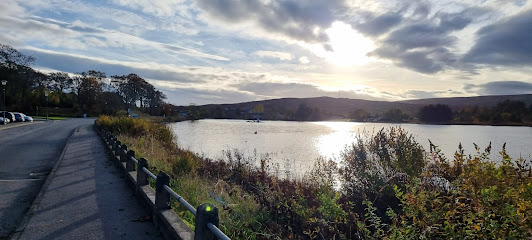
Essential places to dine

Sutherland House (Dornoch) Ltd
11.3 km
Refined Scottish dining in the heart of historic Dornoch, where local flavours meet modern style in a warm, welcoming setting.
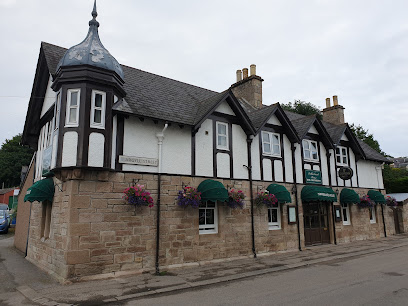
Luigi
11.3 km
Experience authentic Italian and seafood cuisine in the heart of historic Dornoch, where warm hospitality meets coastal flavors.
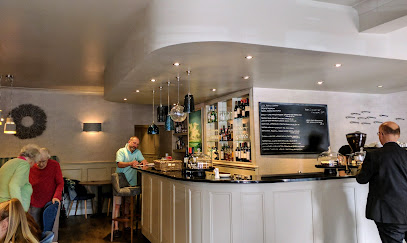
Dornoch Castle Hotel - Whisky Bar & Dining. Takeaway Pizza!
11.4 km
Historic Scottish castle hotel in Dornoch offering luxury stays, fine dining, and an acclaimed whisky bar with private tastings.
Coach House Bar & Restaurant
11.4 km
A cozy, dog-friendly bar and restaurant in Dornoch serving fresh, locally sourced Scottish dishes with warm Highland hospitality.
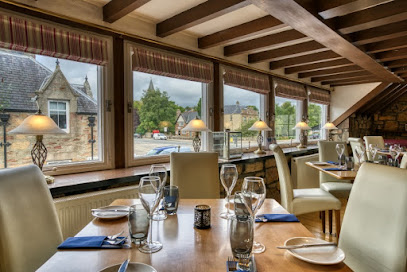
Links House at Royal Dornoch
11.4 km
Luxury boutique hotel at Royal Dornoch with exquisite dining, spa, and world-class golf just steps from the legendary links course.
Highland Larder
11.5 km
Fresh Scottish seafood served with coastal charm beside Dornoch’s scenic Links Beach car park.
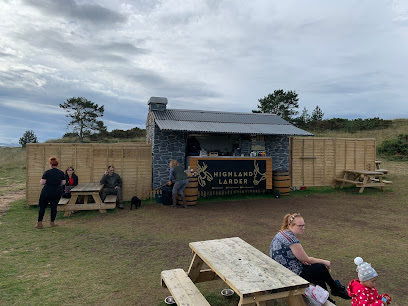
Meikle Ferry Station
17.8 km
Historic railway charm meets traditional Scottish fare and cozy lodging near Tain, a welcoming stop on the scenic NC500 route.
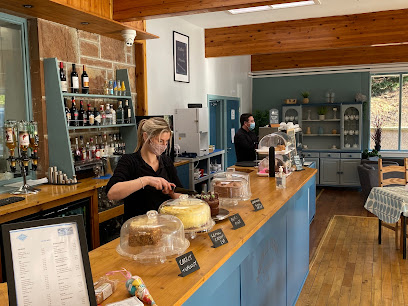
The Pier
24.0 km
A charming lakeside café in Lairg offering local produce, panoramic Loch Shin views, and a warm, family-friendly atmosphere.
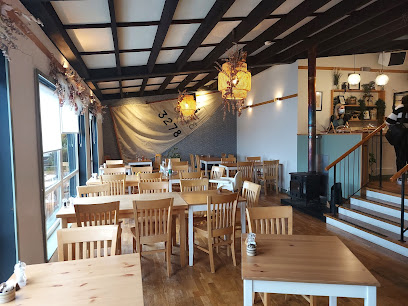
Thyme and Plaice
25.7 km
Cozy Helmsdale eatery serving fresh local seafood, hearty dishes, and gluten-free options in a welcoming BYO setting.
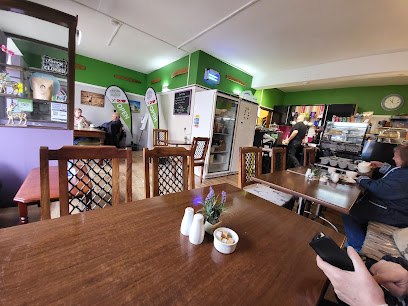
The Bannockburn Inn
25.8 km
Experience authentic Highland warmth, comfort, and home-cooked flavors at The Bannockburn Inn in scenic Helmsdale.
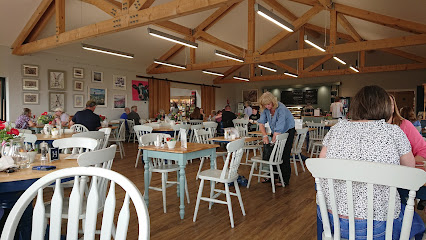
Dalmore Farm Shop & Restaurant
35.2 km
A charming Highland farm destination blending fresh local produce, home-cooked meals, and stunning views over the Cromarty Firth.
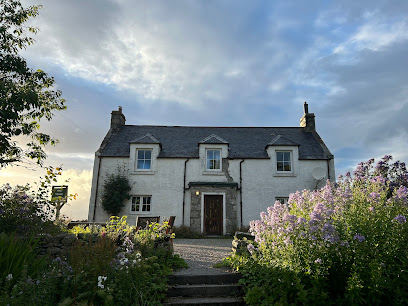
The Crask Inn
37.4 km
A remote Highland inn where simple rooms, hearty home-cooked meals, and genuine hospitality meet wild moorland and Munro country.
The Captain's Table
42.3 km
Fresh seafood and scenic views meet friendly service at Findhorn’s beloved coastal dining spot.
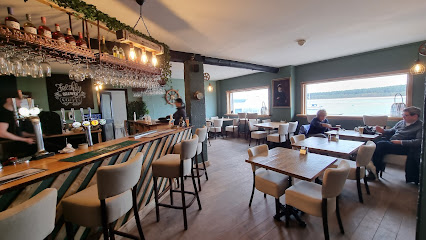
Kimberley Inn
42.8 km
Cozy waterfront pub and seafood restaurant in Findhorn offering diverse menus, warm ambiance, and stunning bay views.
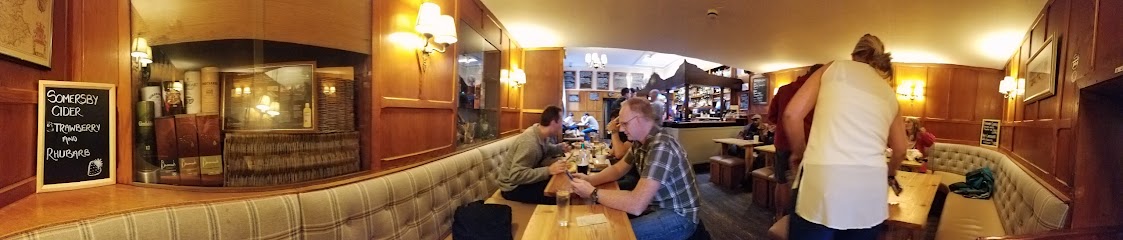
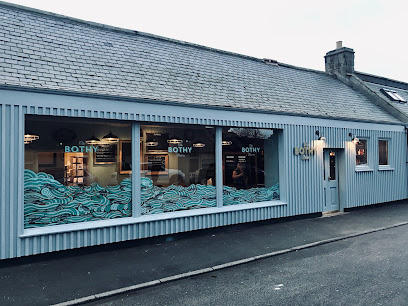
The Bothy Bistro
43.6 km
Burghead's beloved bistro serving locally sourced Scottish cuisine in an intimate, welcoming village setting.
Markets, malls and hidden boutiques

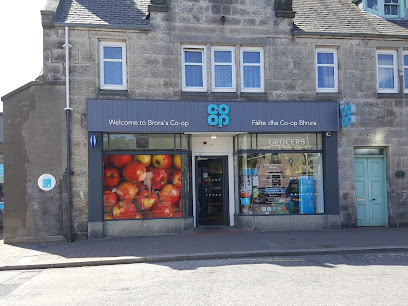
Co-op Food - Brora - Gower Street
9.5 km
Discover the convenience of Co-op Food in Brora, the perfect stop for all your travel essentials and local products.
Jail Dornoch
11.4 km
Discover a historic former jail transformed into a charming gift shop with authentic Highland spirit and unique local treasures.
Simply The Best Fair Trade Gifts
11.6 km
Discover ethically crafted fair trade gifts supporting global artisans in the heart of Dornoch Retail Park.
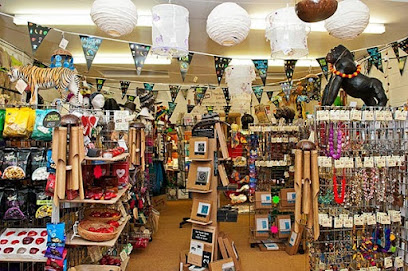
McRaes of Scotland
33.9 km
Discover authentic Scottish souvenirs and cashmere treasures at McRaes of Scotland, Invergordon’s premier gift shop on High Street.

Tanstar Gifts
34.0 km
Discover authentic Scottish crafts and unique souvenirs at Tanstar Gifts, a charming boutique in the heart of Invergordon’s High Street.

The Storehouse
43.0 km
Explore The Storehouse for exquisite gifts, local delicacies, and a charming café experience by the Foulis Ferry.
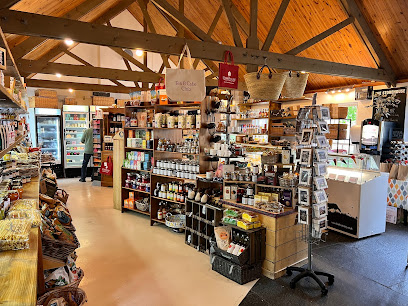
Nisa Local
44.4 km
Explore the charm of Nairn with Nisa Local, your go-to spot for unique gifts, local treats, and everyday essentials.
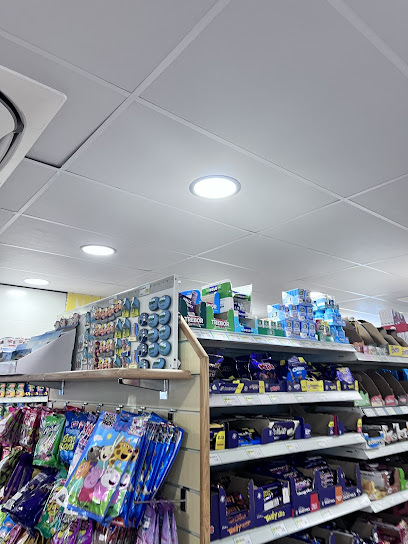
Grace Lily Lingerie
44.4 km
Discover elegant, comfortable lingerie with expert fittings at Grace Lily Lingerie, Nairn’s charming boutique for intimate apparel.
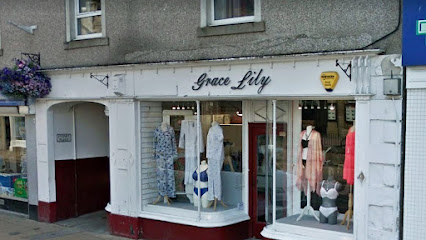
On The Upside
44.4 km
Discover unique handcrafted Scottish furniture blending traditional charm with contemporary style in Nairn’s welcoming boutique store.
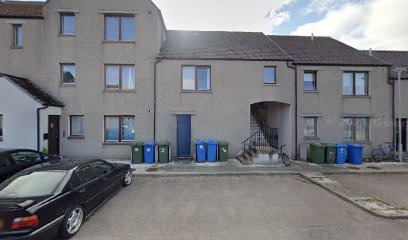
In Stitches
44.5 km
Expert dressmaking and alteration services in Nairn, delivering impeccable fit and craftsmanship for every occasion.

Caora Air Mara
44.5 km
Discover authentic Highland crafts and handmade treasures at Caora Air Mara, Nairn’s beloved artisan shop.
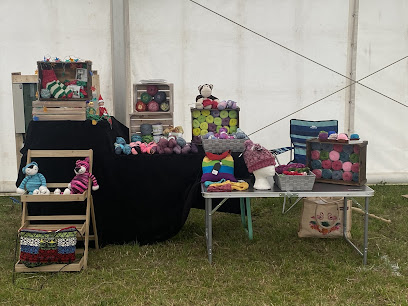
Preloved Designer Fashion Boutique
44.8 km
Explore unique, sustainable designer fashion treasures in Nairn’s charming boutique, where style meets eco-consciousness.
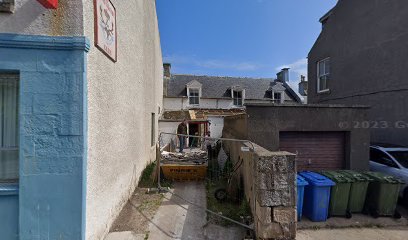
Crafty Wee Birdie
44.8 km
Discover unique local crafts and heartfelt gifts in the welcoming charm of Nairn’s Crafty Wee Birdie boutique.
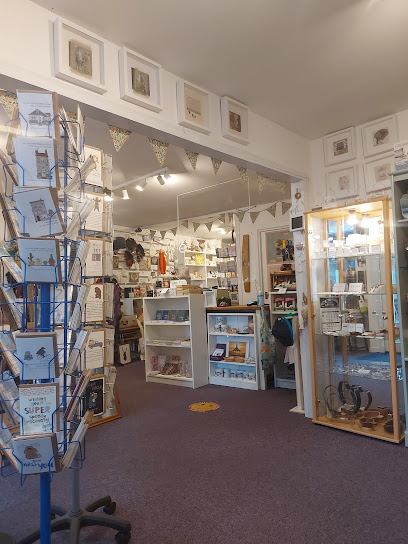
The Nairn Bookshop
44.8 km
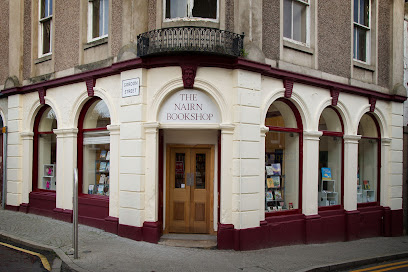
A long‑standing independent bookshop on Nairn’s High Street, with a wide, thoughtful selection of fiction, non‑fiction, children’s books, and local interest titles.
Bridgemill Direct
44.9 km
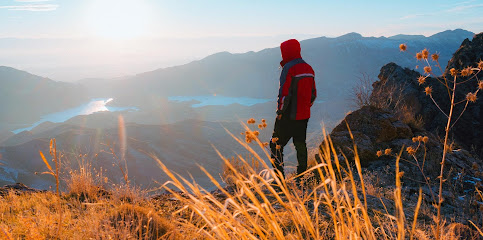
Your trusted source for quality outdoor clothing and gear in Nairn, bridging adventure with reliable equipment for all ages.
Essential bars & hidden hideouts

Platform 1864
18.8 km
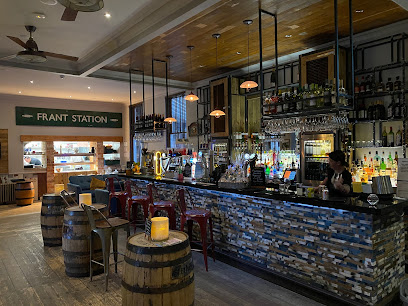
Historic charm meets contemporary dining at Platform 1864, Tain’s beloved bar and restaurant in a stunning old train station.
The Inver Inn
18.9 km
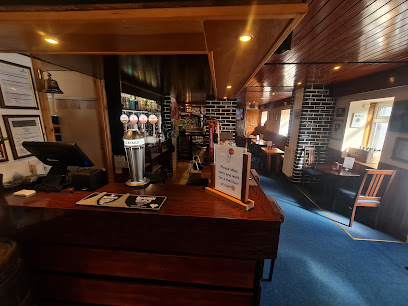
Cozy, dog-friendly pub in Tain’s Inver village serving fresh Scottish fare with warm hospitality and scenic Highland charm.
The Fishertown Inn
33.5 km
A cozy Georgian pub in Cromarty offering exceptional food, local ales, and a warm Highland welcome on historic Church Street.
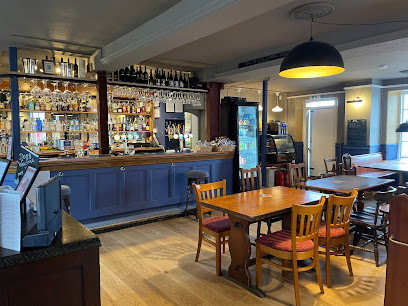
The Ship Inn
34.2 km
Experience warm Highland hospitality and home-cooked meals at The Ship Inn, your cozy retreat in Invergordon by the Cromarty Firth.
The Clubhouse B&B
44.6 km
Boutique coastal B&B in Nairn offering modern comfort, friendly service, and easy beach access for a peaceful Highland getaway.
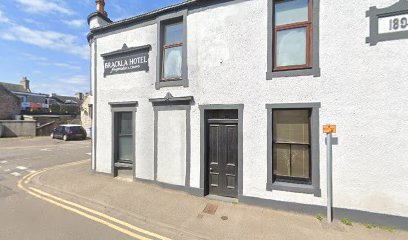
Brackla Hotel
44.7 km
A friendly and lively bar with comfortable hotel rooms, perfect for relaxing and socializing in the heart of Nairn.
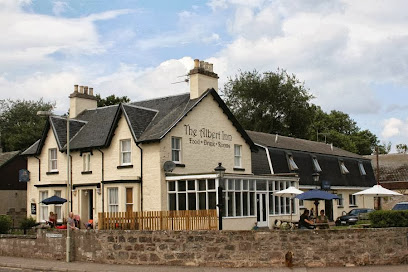
The Albert Inn
44.9 km
Cozy Scottish pub and hotel in Nairn offering exceptional steaks, warm hospitality, and a charming Highland atmosphere.
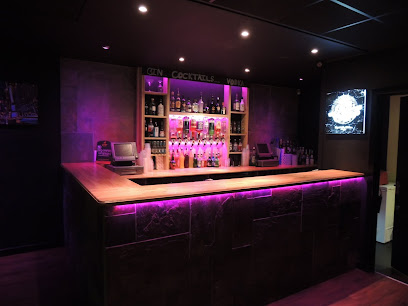
The Play House
44.9 km
Experience Nairn’s vibrant nightlife at The Play House, a lively nightclub and bar known for energetic music, dancing, and social fun.
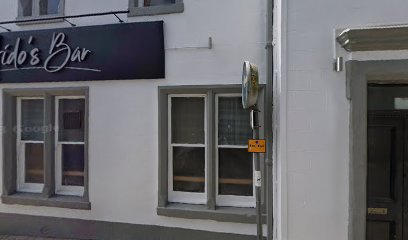
Aido's bar
44.9 km
Aido's Bar offers a cozy, friendly pub experience in Nairn with local ales, live music, and a welcoming atmosphere for all visitors.
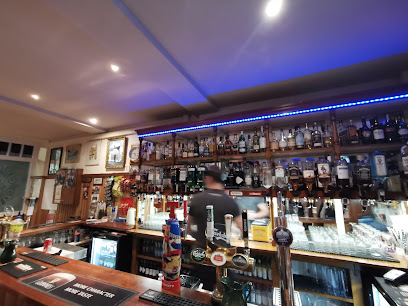
The Union Tavern
45.1 km
A cozy Fortrose pub offering local ales, live traditional music, and a warm, welcoming atmosphere on the Black Isle.
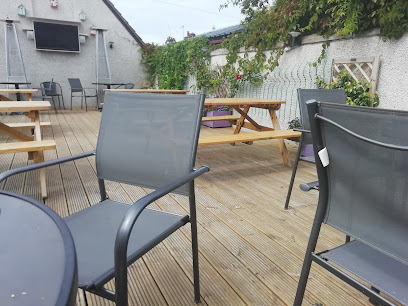
Braemou Inn
45.6 km
A cozy, welcoming pub and inn in Hopeman offering hearty homemade food, comfortable rooms, and a true taste of Scottish coastal hospitality.
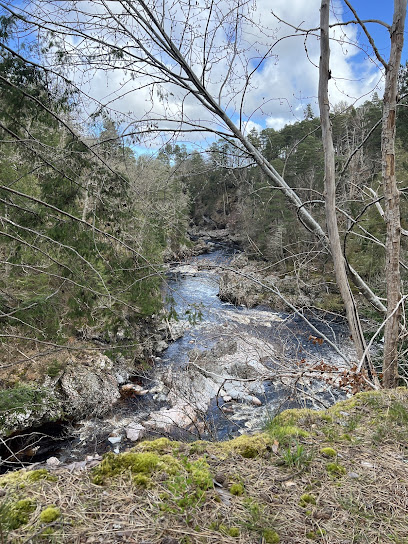
Sloe & Steady
47.4 km
Discover Forres’ cozy cocktail haven where creative drinks and a warm atmosphere blend for an unforgettable night out.
Legends
47.5 km
Lively pub with hearty fare, live weekend music, and a welcoming atmosphere in the heart of Forres.
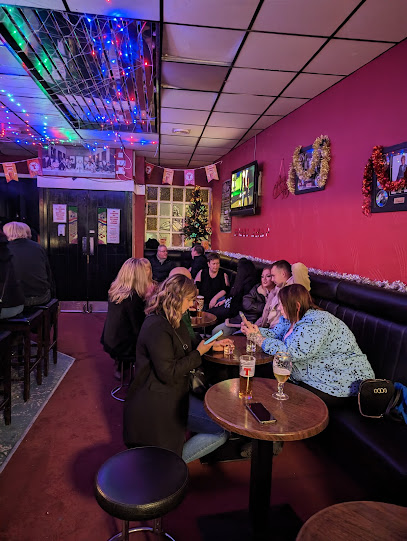
Thistle Bar
47.5 km
Cozy and friendly bar on Forres High Street, offering affordable drinks and a warm local atmosphere every day from 11am to 10pm.
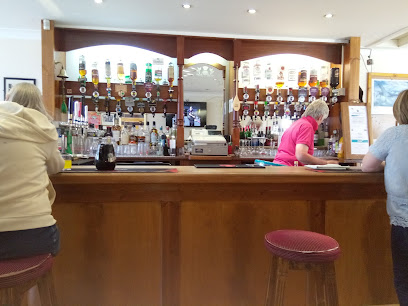
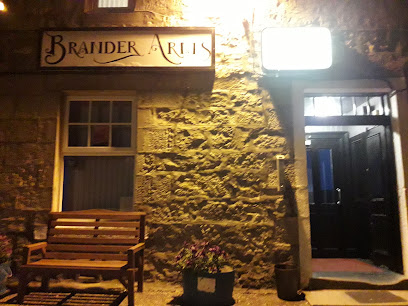
Brander Arms
51.6 km
A welcoming harbourside pub in Lossiemouth offering friendly service, scenic sea views, and a cozy atmosphere for relaxed drinks.
Nightclubs & after hour spots

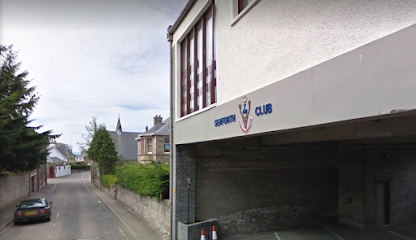
Seaforth Club
44.8 km
Experience Nairn’s vibrant social heart at Seaforth Club, where community spirit meets lively nightlife in a welcoming setting.
Xplosive Discos
45.9 km
Experience the vibrant nightlife at Xplosive Discos in Nairn, where unforgettable music and karaoke fun await every visitor.
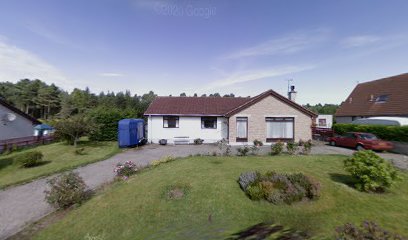
The Ross Shire Club
49.7 km
Experience Dingwall’s vibrant nightlife with a welcoming vibe, BYOB policy, and lively social scene at The Ross Shire Club.
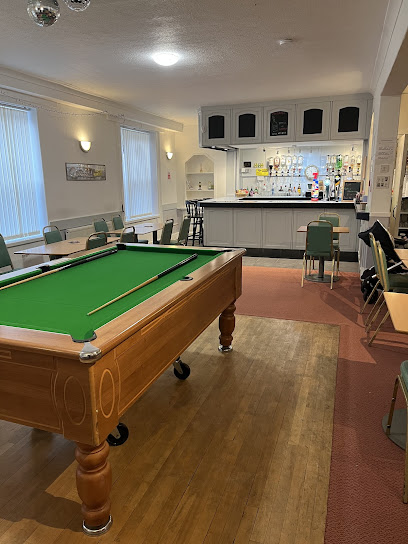
Moray Jazz Club
54.8 km
Discover the vibrant live music scene at Moray Jazz Club in Elgin, where talented musicians create unforgettable performances in an intimate setting.

Joannas Nightclub
55.1 km
Lively and casual nightclub in Elgin’s town centre, offering weekend late-night music, dancing, and social vibes in a friendly local setting.
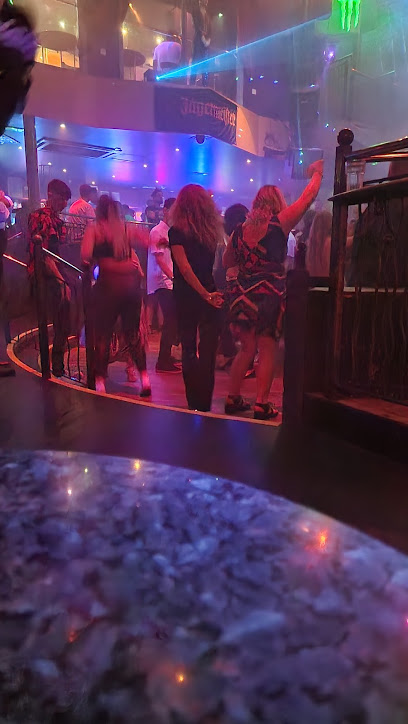
Zed Bar
55.1 km
Experience the vibrant nightlife at Zed Bar in Elgin, where great drinks and lively atmosphere await every visitor.
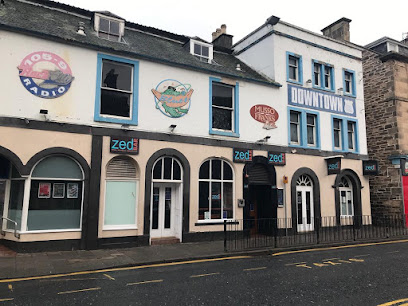
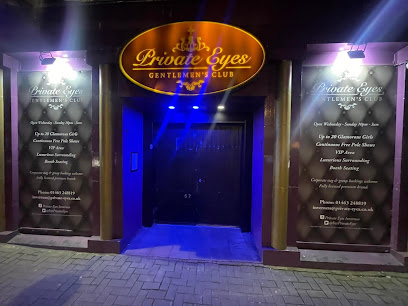
Private Eyes Inverness
57.3 km
Experience Inverness’s vibrant nightlife at Private Eyes, where stylish decor meets great music and a welcoming party atmosphere.
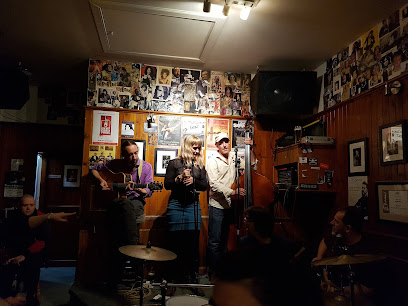
Market Bar
57.4 km
Experience the vibrant atmosphere of Market Bar in Inverness, where live music and local brews create the perfect Scottish pub experience.
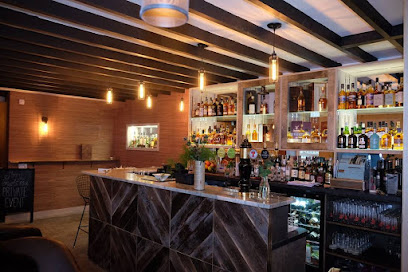
The Malt Room
57.4 km
Discover The Malt Room in Inverness, a cozy bar with an extensive whisky selection and a welcoming atmosphere perfect for relaxation.
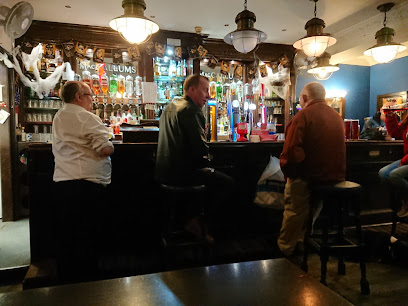
MacCallums Bar
57.4 km
Discover the heart of Inverness at MacCallums Bar, your go-to spot for drinks, live music, and a cozy atmosphere.
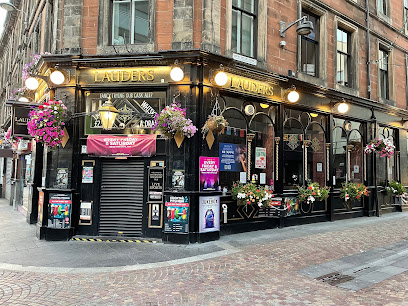
Lauders
57.5 km
Experience the lively spirit of Inverness at Lauders, where great food, drinks, and live music create unforgettable moments.
Revolution Inverness
57.5 km
Discover Revolution Inverness: A vibrant lounge and restaurant offering cocktails, delicious food, and an unforgettable nightlife experience in the heart of the city.
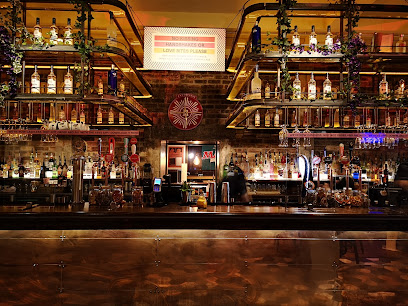
Gellions Bar
57.6 km
Experience the heart of Inverness at Gellions Bar, where live music, local drinks, and vibrant atmosphere create unforgettable nights.
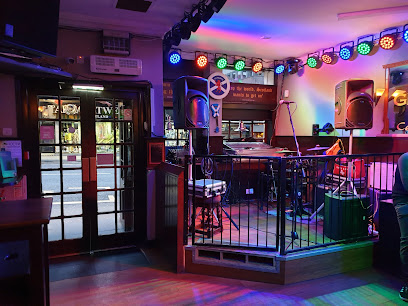
Johnny Foxes
57.6 km
Experience the heart of Inverness nightlife at Johnny Foxes - a delightful pub with cocktails, local flavors, and live music.
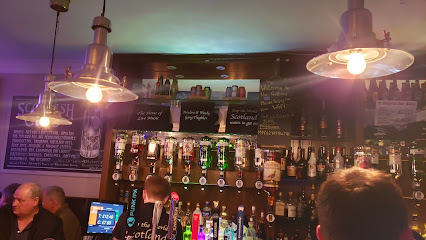
The Piano and Whisky Bar Inverness
58.1 km
Experience the enchanting blend of live piano music and exquisite whisky at The Piano and Whisky Bar in Inverness, a perfect night out.
For the vibe & atmosphere seeker
- Scenic
- Tranquil
- Unique
- Relaxing
For the design and aesthetic lover
- Rustic Designs
For the architecture buff
- Historic
- Landmarks
- Viewpoints
For the view chaser and sunset hunter
- Iconic Views
- Panoramas
- Sunset Spots
For the social media creator & influencer
- Instagrammable
- Photo Spots
- Selfie Spots
For the eco-conscious traveler
- Public-Transport Accessible
- Leave-No-Trace Critical
For the kind of experience you’re after
- Cultural Heritage
- Photowalk
- Nature Escape
- Day Trip
- Weekend Getaway
For how adventurous you want the journey to be
- Easy Access
Location Audience
- Family Friendly
- Senior Friendly
- Child Friendly
- Teen Friendly
- Wheelchair Access
- Solo Friendly
- Couple Friendly
- Solo Female Friendly


