St Vedast alias Foster, Sutherland Travel Guide
Discover St Vedast-alias-Foster, a historic Wren church with a rare dedication, baroque spire, and tranquil courtyard in London’s bustling financial district.
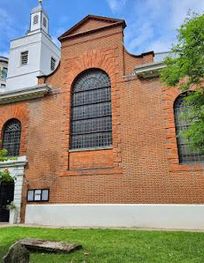
St Vedast-alias-Foster is a historic Anglican church located at 4 Foster Lane in London’s City. Dedicated to the French saint Vedast, it dates back to the 12th century and was rebuilt by Sir Christopher Wren after the Great Fire of 1666. The church’s distinctive baroque spire, post-war restoration, and tranquil courtyard offer a unique blend of history, architecture, and peaceful urban retreat in the bustling financial district.
A brief summary to St Vedast alias Foster
- 4 Foster Ln, London, EC2V 6HH, GB
- Click to display
- Click to display
- Duration: 0.5 to 1.5 hours
- Free
-
 Indoor
- Mobile reception: 4 out of 5
- Monday 10 am-3 pm
- Tuesday 10 am-3 pm
- Wednesday 10 am-3 pm
- Thursday 10 am-3 pm
- Friday 10 am-3 pm
- Sunday 11 am-12 pm

Know before you go
Hi, I'm Eve. Here are a few practical things to know before exploring St Vedast alias Foster.
- Visit the peaceful courtyard garden for a quiet moment away from the busy City streets.
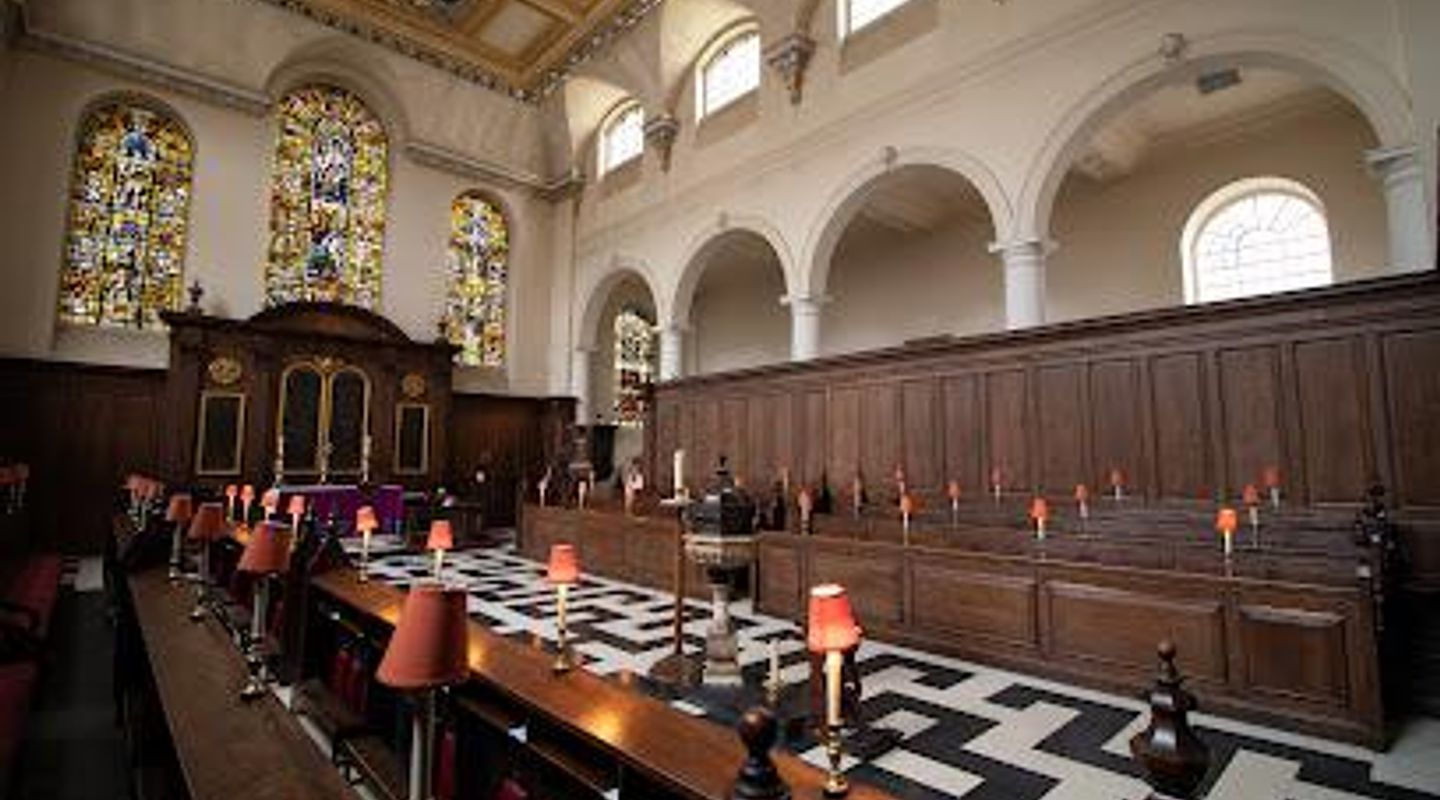
- Explore the church’s collegiate-style seating and notice the blend of medieval and Wren architecture.
- Check service times in advance, as the church typically closes at 3 PM on weekdays.
- Look for the mural by Hans Feibusch and the carved stone head of Canon Mortlock in the rectory.
Do you manage this location?
Take control to get all the benefits, like improved information, better appearance, and stronger visibility across AI-powered discovery. Learn more about listing your business on Evendo
Activate your presenceOther nearby places you may find interesting
The closest places of the same kind, if this one is not quite what you had in mind.




Explore St Vedast alias Foster on the Map
A handpicked selection of must-see spots near St Vedast alias Foster, mapped for you.
Unlock the Best of St Vedast alias Foster
Buy tickets
-
No tickets available
Book tours with entry

Book tours without entry
-
No tours available
Getting There
-
Public Transport
Take the London Underground to St Paul’s Station, served by the Central Line. From there, it is a 7-10 minute walk to 4 Foster Lane. The station is well connected and accessible, with frequent services costing approximately £2.50–£5.00 depending on travel zone and ticket type.
-
Bus
Bus routes 8, 25, and 242 stop near St Paul’s Cathedral, about a 10-minute walk from St Vedast. Buses run regularly throughout the day with fares around £1.75–£2.50 using an Oyster card or contactless payment.
-
Taxi or Ride-Hailing
A taxi or ride-hailing service from central London locations typically takes 10–20 minutes depending on traffic. Fares vary but expect £10–£20. Note that parking near Foster Lane is limited and expensive.
-
Walking
If you are in the City of London area, walking to St Vedast is pleasant and straightforward, with flat terrain and accessible pavements. Walking times vary but expect 5–15 minutes from nearby landmarks such as St Paul’s Cathedral or the Bank of England.
For the on-the-go comforts that matter to you
-
 Restrooms
-
 Seating Areas
-
 Information Boards
Discover more about St Vedast alias Foster
Origins and Dedication to a Rare Saint
The Parish of St Vedast is known from the 12th century, traditionally established by 1170. The church is dedicated to St Vedast (also known as Vaast), a French bishop and miracle worker renowned for aiding the blind and lame during the reign of Clovis. This dedication is unusual in the UK, likely introduced by the Flemish community in medieval London. The name Foster is an Anglicisation of Vedast, evolving through forms such as Vastes, Fastes, and Fauster, which also gave Foster Lane its name.Destruction and Rebirth: The Great Fire and Wren’s Influence
Though the original medieval church survived for centuries, it was severely damaged in the Great Fire of London in 1666. Sir Christopher Wren’s office rebuilt the main body of the church between 1670 and 1673, incorporating parts of the medieval south wall. The tower was reconstructed from 1695 to 1698, and the three-tier baroque spire, one of the most ornate in the City, was added between 1709 and 1712, possibly designed by Nicholas Hawksmoor. This reconstruction was the least costly among Wren’s City churches, yet it stands as a fine example of post-fire ecclesiastical architecture.War Damage and Post-War Restoration
St Vedast was gutted again during the Blitz in December 1940, when incendiary bombs destroyed the roof, pews, and fittings, leaving only the stone shell and tower intact. The church was saved from ruin by volunteer firefighters, much like nearby St Paul’s Cathedral. Restoration began in 1953 under architect Stephen Dykes Bower, who rebuilt the roof and interior, including collegiate-style seating that faces inward, creating an intimate worship space. Adjacent additions include a parish room and a Georgian-style rectory featuring a notable mural by Hans Feibusch and a carved stone head of Canon Mortlock by Jacob Epstein.A Serene Sanctuary Amidst the City’s Bustle
Today, St Vedast-alias-Foster stands as the oldest building in its immediate area, surrounded by modern office blocks. Its quiet courtyard garden, accessed through blue doors on Foster Lane, offers a peaceful refuge with benches under cloisters overlooking a tidy garden. The atmosphere is contemplative, enhanced by birdsong and distant city sounds, providing a rare moment of calm in London’s financial district.Architectural and Cultural Significance
The church’s architectural features blend Wren’s baroque style with medieval remnants and mid-20th-century restoration work. Its spire is a distinctive landmark in the City skyline. The church also holds cultural importance as the baptism site of poet Robert Herrick and as a symbol of resilience through London’s turbulent history, including the Great Fire and World War II bombings.Community and Worship Today
St Vedast remains an active Anglican parish church with regular services, including Sunday worship. Its intimate interior and historical legacy continue to attract worshippers and visitors interested in London’s ecclesiastical heritage. The church’s website and phone contact provide information for those wishing to learn more or attend services.












Your all‑in‑one travel companion app
Explore expert travel guides, compare and book tours, experiences, hotels, and more—all from the palm of your hand. Download now for seamless trip planning wherever your wanderlust takes you.


Explore More of Sutherland

Looking beyond St Vedast alias Foster? Discover Sutherland for broader travel guides, local hot-spots, and regional highlights.
Explore Sutherland