

Cornhill Fountain
A Victorian monument to public health and civic enterprise, standing where medieval wells once quenched medieval London.
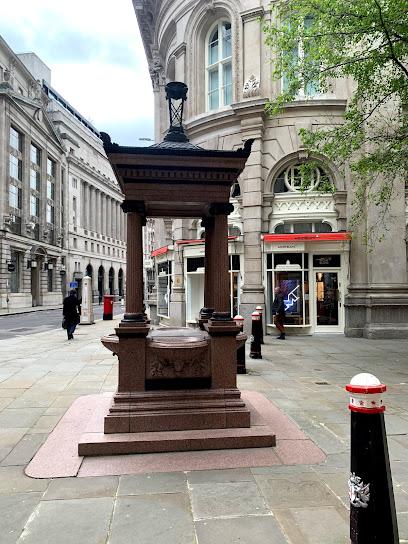
A striking cast-iron and bronze monument standing outside the Royal Exchange, the Cornhill Fountain represents two centuries of London's commitment to public welfare. Originally erected in 1911 to commemorate the jubilee of the Metropolitan Drinking Fountain and Cattle Trough Association, this Grade II listed structure replaced an earlier drinking fountain from 1859. The fountain's ornate design, crafted from polished granite and bronze, serves as a tangible reminder of Victorian philanthropy and the city's pioneering efforts to provide clean, accessible water to all residents.
A brief summary to Cornhill Fountain
- 5-6 Royal Exchange, London, EC3V 3LT, GB
- Visit website
- Duration: 0.25 to 1 hours
- Free
-
 Outdoor
- Mobile reception: 5 out of 5
Local tips
- Examine the inscriptions on all four sides of the fountain carefully. The roadside inscription records the well's medieval origins from 1282, while the reverse side documents its 18th-century resurrection in 1799. The emblems of the four fire insurance companies—Sun, Phoenix, London, and Royal Exchange—tell the story of Victorian corporate sponsorship.
- Visit during weekday mornings (9–11 AM) when the surrounding area is less crowded, allowing for unobstructed viewing and photography. The fountain's nougat-coloured cast iron photographs particularly well in natural daylight.
- Combine your visit with exploration of the Royal Exchange building itself, located immediately adjacent. The fountain's location at this historic junction provides context for understanding London's medieval street layout and the importance of this crossroads.
- Research the history of the fire insurance plaques that once adorned London properties. Several surviving examples can still be spotted on buildings throughout the City, and understanding this system enriches appreciation of the fountain's emblems.
- Note the three protective spikes above the fountain's spout—a Victorian design feature that served both practical and humorous purposes, reflecting the sensibilities of the era in which it was created.

For the on-the-go comforts that matter to you
- Restrooms
- Drink Options
- Food Options
- Seating Areas
- Information Boards
Getting There
-
London Underground (Tube)
Bank station (Northern, Central, and District lines) is approximately 150 metres away, with a walking time of 2–3 minutes. Exit towards the Royal Exchange and follow signs to Cornhill. This is the most frequent and reliable option, with trains running every 2–5 minutes during peak hours and every 5–10 minutes off-peak. No additional cost beyond your Travelcard or contactless payment.
-
Walking from Liverpool Street
Liverpool Street station is approximately 400 metres away, with a walking time of 5–7 minutes. Head south from the station towards Bishopsgate, then turn west onto Cornhill. The route is entirely on level pavement through busy commercial streets. This option is free and allows you to experience the surrounding historic City of London architecture.
-
Bus
Multiple bus routes serve the area, including routes 8, 11, 25, 40, 42, 47, 48, and 133, which stop near the Royal Exchange on Cornhill. Journey times vary from 10–25 minutes depending on traffic and starting point. Buses run frequently throughout the day. Cost is included in your Travelcard or approximately £1.75 for a single cash fare.
-
Taxi or Rideshare
Taxis and rideshare services can drop you directly at the Royal Exchange on Cornhill. Journey times from central London typically range from 10–20 minutes depending on traffic conditions. Costs vary widely but expect £8–20 from nearby locations. Parking is extremely limited in this area; rideshare is more practical than driving your own vehicle.
Cornhill Fountain location weather suitability
-
 Any Weather
Discover more about Cornhill Fountain
A Monument to Public Health Innovation
The Cornhill Fountain stands as a physical embodiment of Victorian-era social reform and public health advancement. Unveiled on May 3, 1911, by Sir T. Vezey Strong, the Lord Mayor of London, this special-design fountain was erected to commemorate the 50th jubilee of the Metropolitan Drinking Fountain and Cattle Trough Association. The structure represents a pivotal moment in London's history when providing free, clean drinking water to the working classes was considered a revolutionary act of civic responsibility. During the mid-19th century, London's water supply was notoriously contaminated. The River Thames, while essential for trade, was heavily polluted, and water drawn from wells often passed beneath graveyards, picking up dangerous bacteria from decomposing remains. Cholera outbreaks and waterborne diseases claimed countless lives, particularly among the poor who had no access to alternative sources. The establishment of the Metropolitan Drinking Fountain and Cattle Trough Association in 1859 by philanthropists Samuel Gurney and Edward Wakefield marked a turning point in public health policy.Medieval Origins and Centuries of Forgotten History
The site itself carries far deeper historical significance than the fountain's 1911 date suggests. Historical records indicate that a well was first established on this spot in 1282 by Henry Wallis, the Mayor of London. Alongside the well stood a House of Correction, a facility where vagrants and the idle poor were sent to reform their character through labour. For nearly a century, both structures served the local community, but by around 1380, both the well and the House of Correction fell into disrepair and were demolished. For more than four centuries, the ancient well lay buried beneath the pavement, its existence erased from collective memory. The location remained unremarkable until 1799, when workmen sinking the pavement near the Royal Exchange's front gate made an extraordinary discovery: the medieval well, still containing water of excellent quality. This rediscovery sparked immediate action. The ward of Cornhill seized the opportunity to erect a pump at the site, financing the project through an unprecedented collaboration of major institutions including the Bank of England, the East India Company, local bankers, traders, and four fire insurance companies—the Sun, Phoenix, London, and Royal Exchange.Victorian Craftsmanship and Symbolic Emblems
The fountain's design reflects the architectural ambitions and commercial pride of the Victorian era. Crafted from polished granite and bronze, the structure cost £1,000 to erect—a substantial sum in 1911—with additional expenses of £199 and 10 shillings. The four sides of the fountain display the emblems of the fire insurance companies that had sponsored the original 1799 pump. These logos served a dual purpose: they commemorated the institutions' civic contribution while functioning as a form of 18th-century corporate sponsorship. The fire insurance companies represented on the fountain operated private firefighting brigades, and property owners who insured with these companies received cast-iron plaques displaying the company's emblem to affix to their buildings. If a fire occurred, the brigades would check for the appropriate plaque before extinguishing the blaze. This system, while seemingly mercenary by modern standards, represented an innovative approach to fire prevention and property protection in an era before municipal fire services existed. The London Fire Engine Establishment was not formed until 1833, and the government did not assume control of firefighting until 1865, establishing the London Fire Brigade.Restoration and Contemporary Significance
By the early 2000s, the fountain had deteriorated significantly, its condition reflecting centuries of exposure to London's weather and urban environment. A comprehensive restoration undertaken in 2015 returned the structure to its former splendour. The work revealed details that had been obscured by age and neglect, restoring the fountain's original nougat-coloured cast iron—a striking contrast to the blue livery it had worn in more recent decades. In 1989, the bronze sculptural figure adorning the fountain was stolen. A replacement figure was commissioned and sculpted by Stephen Melton, unveiled by the Lord Mayor in November 1993 at a cost of £25,000. This restoration effort underscored the community's commitment to preserving this Grade II listed monument for future generations.A Landmark at a Historic Crossroads
The fountain's location at the junction of four major thoroughfares—Cornhill, Gracechurch Street, Bishopsgate, and Leadenhall Street—has made it a significant landmark for centuries. Cornhill itself ranks among London's most ancient streets, possibly with Roman origins, and was named after the historic corn market that once operated here during the medieval period. The junction served as a major hub for travel across the country, with routes leading south to London Bridge, east towards the coast, north into the Midlands, and west into the heart of the City. The fountain continues to function as a symbol of London's evolution from a city plagued by contaminated water and preventable disease to a modern metropolis with comprehensive public health infrastructure. Though it no longer delivers water from the ancient well, it remains a tangible link to London's medieval past and Victorian civic pride, inviting visitors to pause and reflect on the progress achieved through collective commitment to public welfare.Iconic landmarks you can’t miss

Cornhill Fountain
0.0 km
A historic cast-iron water pump outside the Royal Exchange, symbolizing centuries of London's civic pride and public health innovation.
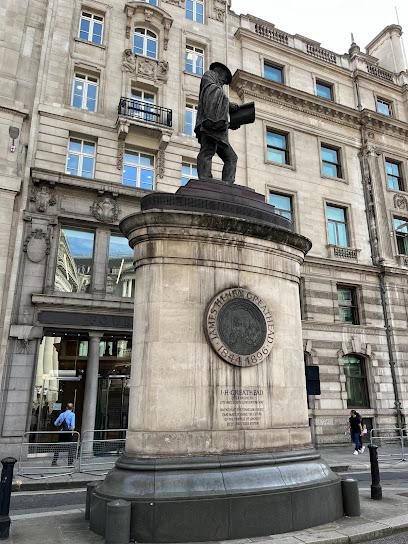
Statue of James Henry Greathead
0.1 km
Discover the statue honoring James Henry Greathead, the engineer whose invention shaped London's iconic Underground tunnels.
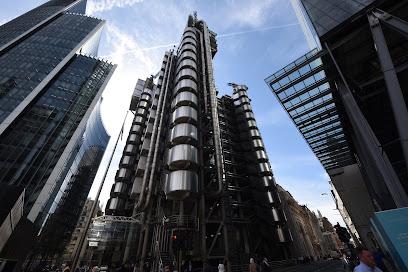
Lloyd's of London
0.3 km
A high-tech architectural masterpiece blending tradition and innovation in the heart of London’s financial district.
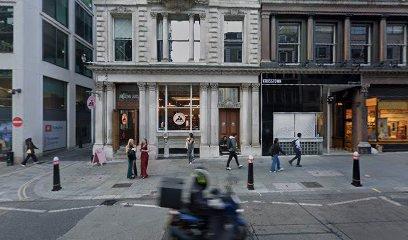
113 Cannon St
0.3 km
A distinguished Grade II listed classical building in London’s financial district, showcasing early 20th-century architectural elegance.
London Stone (remaining part)
0.3 km
Discover London Stone, the ancient and mysterious limestone relic at 111 Cannon Street, a symbol of London's enduring history and legend.

Monument to the Great Fire of London
0.4 km
An iconic Doric column commemorating the Great Fire of London, offering panoramic city views from its historic 311-step climb.

Historic England
0.4 km
Discover the rich tapestry of England's history at Historic England, a key organization dedicated to preserving the nation’s architectural treasures.
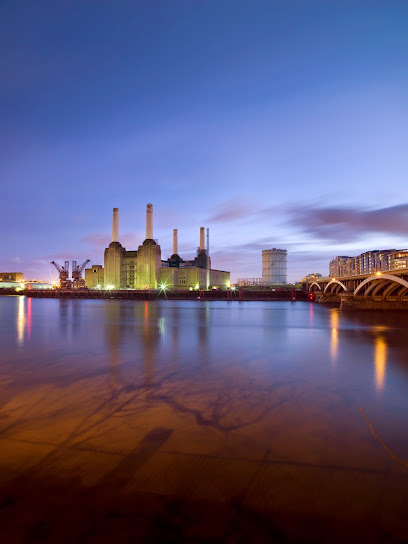
30 St Mary Axe (The Gherkin)
0.4 km
A striking, sustainable skyscraper in London’s financial heart, blending innovative design with panoramic city views and historic roots.
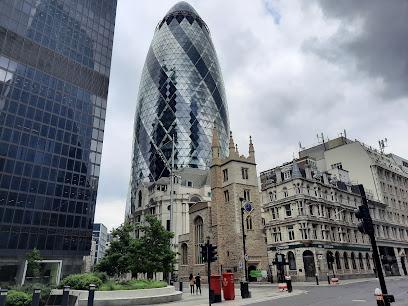
30 Saint Mary Axe - Swiss Re
0.4 km
Discover The Gherkin, London’s pioneering eco-friendly skyscraper with its iconic spiraling glass façade and panoramic city views.
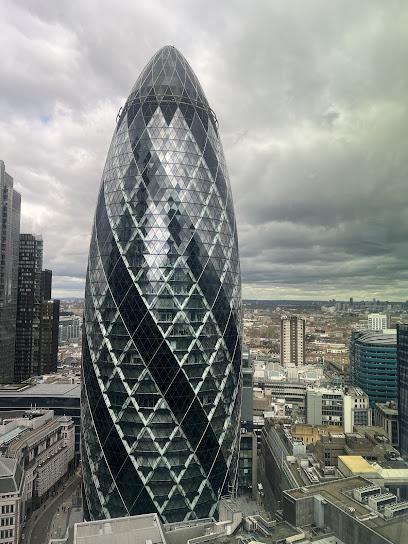
St Michael's Church : Paternoster Royal
0.5 km
Historic Anglican church on College Hill, rebuilt by Wren and linked to Dick Whittington, featuring stunning stained glass and a Hawksmoor spire.

Custom House
0.5 km
Historic Custom House on London’s Thames waterfront, a grand 19th-century customs hub echoing centuries of maritime trade and empire.
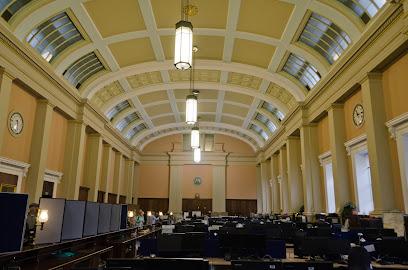
St James Garlickhythe
0.6 km
Wren's luminous masterpiece on Garlick Hill, where medieval history meets architectural brilliance and mystery.

Mitre Square
0.6 km
Mitre Square: A serene retreat in London’s financial district, blending rich history with beautiful landscapes for an unforgettable city experience.
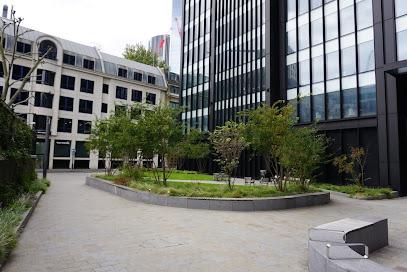
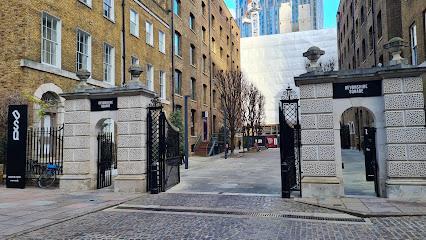
Devonshire Square
0.6 km
A vibrant historic campus blending heritage, modern workspaces, and lively lifestyle spaces in central London’s City.
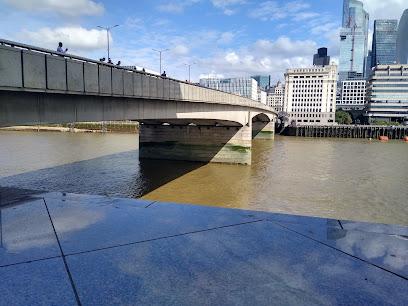
London Bridge
0.6 km
Historic London Bridge, a vital Thames crossing blending centuries of engineering with modern urban life.
Unmissable attractions to see

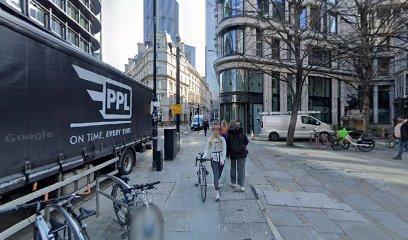
Threadneedle St & Royal Exchange
0.1 km
Historic crossroads where London’s financial legacy meets neoclassical grandeur and luxury shopping in the heart of the City.
St Michael Cornhill
0.1 km
Discover centuries of history, architecture, and music at St Michael Cornhill, a serene medieval church standing atop Roman London’s ancient basilica.
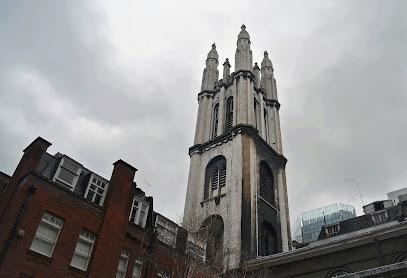
Change Alley
0.1 km
Historic passageway in London’s financial heart, where coffee houses sparked the birth of modern stock trading and commerce.
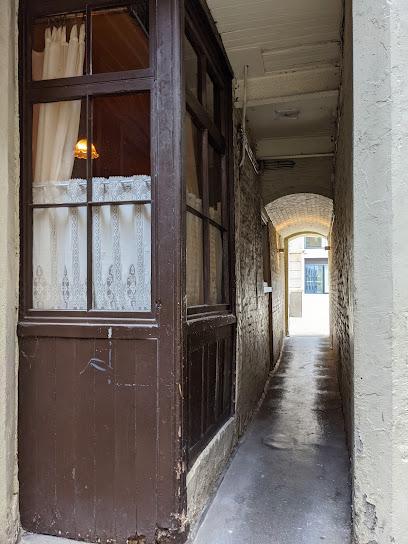
Threadneedle St
0.1 km
Discover Threadneedle Street, the historic financial artery of London, home to the Bank of England and centuries of economic heritage.
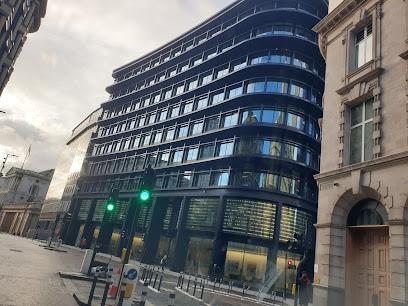
The Royal Exchange
0.1 km
A historic neoclassical landmark in London’s financial heart, blending centuries of commerce with luxury shopping and fine dining.
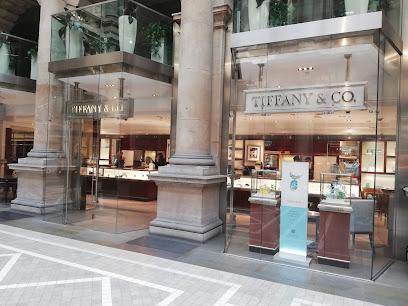
Lombard St
0.1 km
Discover Lombard Street, London’s medieval banking hub where historic signs and financial legacy meet in the heart of the City.
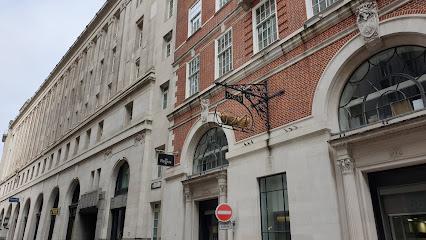
Bank of England Museum
0.1 km
Explore over 300 years of British financial history and try lifting a real gold bar at this free, interactive museum in the heart of London’s financial district.
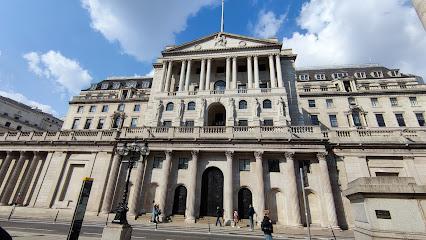
IMPRINT Church London: St Mary Woolnoth
0.1 km
Historic Anglican church in London’s financial district, blending striking Baroque architecture with rich heritage and vibrant community life.
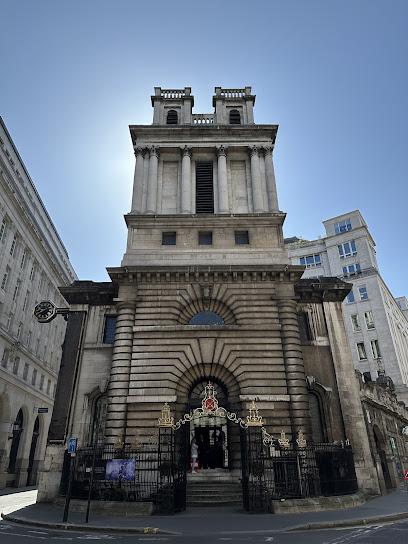
Leadenhall Market
0.2 km
Discover Leadenhall Market’s stunning Victorian architecture and vibrant heritage in the heart of London’s financial district.
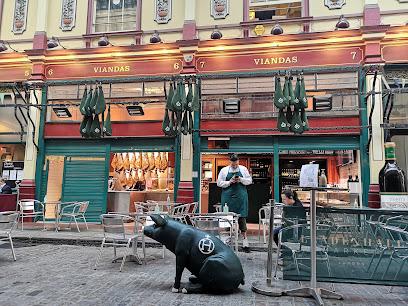
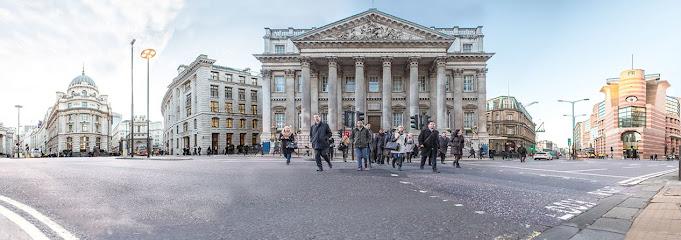
Mansion House
0.2 km
Explore Mansion House, the grand Palladian residence of the Lord Mayor of London, rich with history, art, and ceremonial splendor.
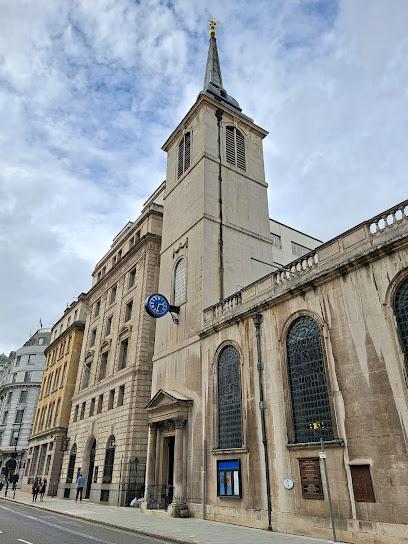
St Margaret Lothbury
0.2 km
Discover St Margaret Lothbury, a Baroque masterpiece by Christopher Wren nestled in London's financial heart, rich with history and exquisite woodwork.
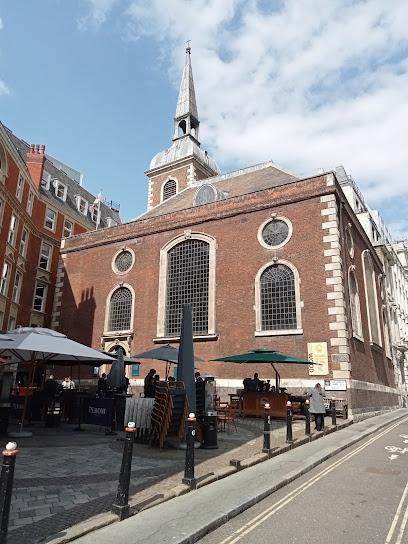
St Mary Abchurch
0.2 km
Discover the tranquility of St Mary Abchurch, a historic church designed by Sir Christopher Wren in London's financial district, perfect for a peaceful retreat.
St Stephen Walbrook
0.3 km
Discover the serene beauty and historic grandeur of St Stephen Walbrook, Wren’s architectural gem with its iconic dome and modern artistic altar.

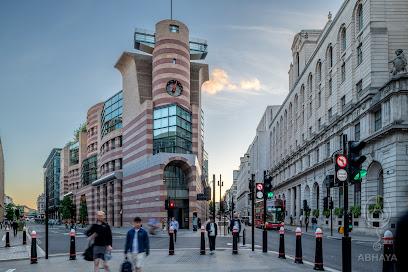
1 Poultry
0.3 km
A striking postmodern landmark in London’s financial heart, blending bold design, rich history, and panoramic rooftop views.
London Mithraeum Bloomberg SPACE
0.3 km
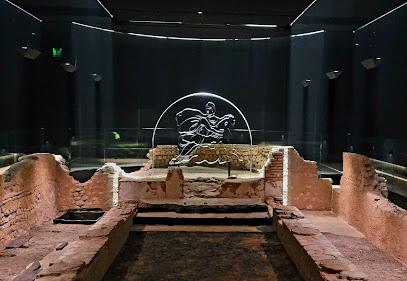
Discover the ancient Roman Temple of Mithras beneath Bloomberg’s headquarters in a captivating blend of archaeology, immersive art, and history in London’s heart.
Essential places to dine

14 Hills
0.4 km
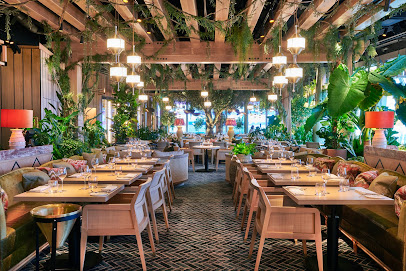
Experience modern British cuisine in a lush, sky-high garden with breathtaking panoramic views over London’s iconic skyline.
Madison
0.6 km
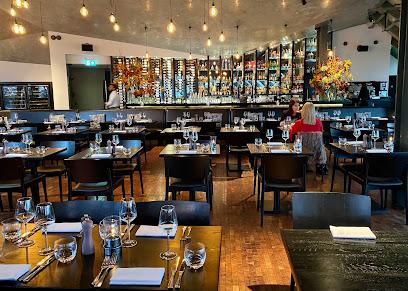
Stylish rooftop dining and cocktails with breathtaking views of St Paul’s Cathedral and London’s skyline.
La Dame de Pic London
0.7 km
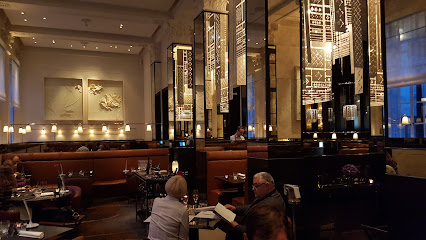
Discover refined French gastronomy and elegant dining in a historic London landmark with two Michelin stars and innovative cuisine.
Marugame Udon Middlesex Street
0.8 km
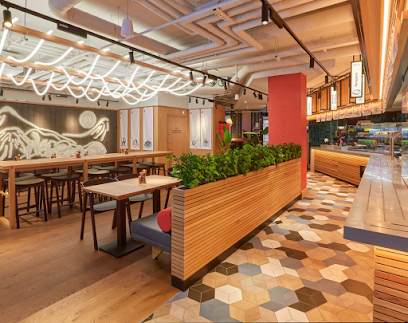
Experience freshly handcrafted Japanese udon and crispy tempura in a lively open kitchen setting at Marugame Udon Middlesex Street, London’s authentic udon destination.
Barcelona Tapas Bar & Restaurant
0.8 km
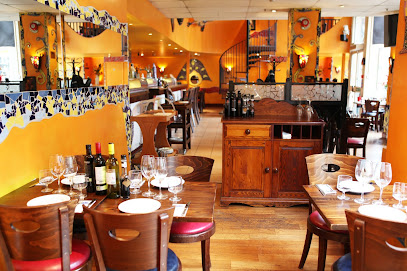
Authentic Spanish tapas and warm hospitality in the heart of London’s City since 1991.
Mattarello Chiodo Bolognese Restaurant
0.8 km
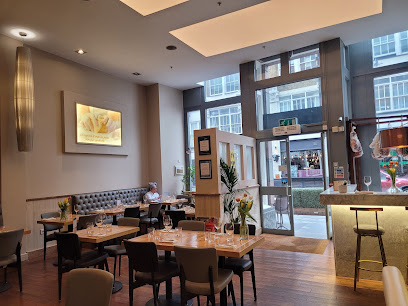
Authentic Bolognese pasta and gluten-free Italian delights in the heart of London’s Middlesex Street.
George
1.1 km
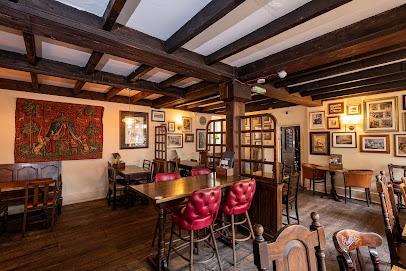
Step into London’s last galleried coaching inn, where history, hearty ales, and a lively courtyard blend in a timeless pub experience.
St. John
1.3 km
Experience authentic British nose-to-tail dining in the heart of London’s Barbican at St. John, where tradition meets modern culinary artistry.
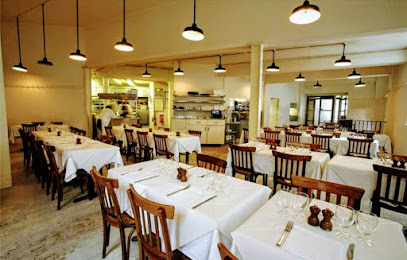
Restaurant Story
1.3 km
Experience a two Michelin-starred culinary journey where storytelling meets British fine dining in the heart of London Bridge.
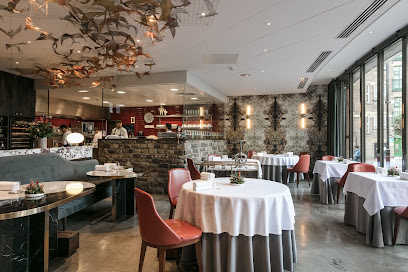
Lyle's
1.3 km
Michelin-starred Lyle's serves innovative, seasonal British cuisine in a minimalist Shoreditch setting with a relaxed, refined atmosphere.
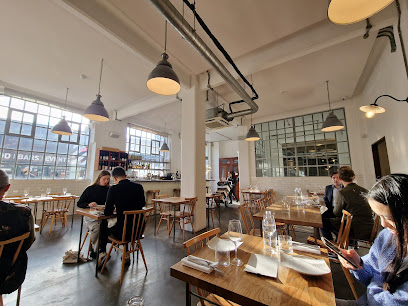
Dans le Noir ? London Restaurant
1.4 km
Experience dining like never before in total darkness, guided by visually impaired waitstaff in a sensory adventure at Dans le Noir ? London.
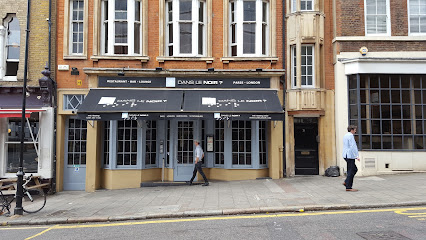
Sea Containers Restaurant
1.5 km
Stylish Modern British dining with iconic Thames views on London’s vibrant Southbank, perfect for brunch, dinner, and special occasions.
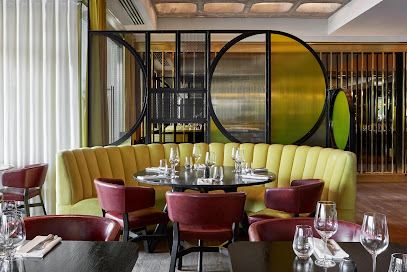
Nest Restaurant Old Street
1.6 km
Intimate Shoreditch gem offering creative British seasonal tasting menus in a cozy, historic setting with a sustainable ethos.
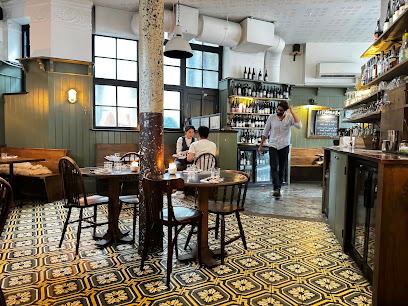
The Clove Club
1.6 km
Two Michelin stars meet innovative modern British cuisine in a historic Shoreditch Town Hall setting with a unique urban garden.
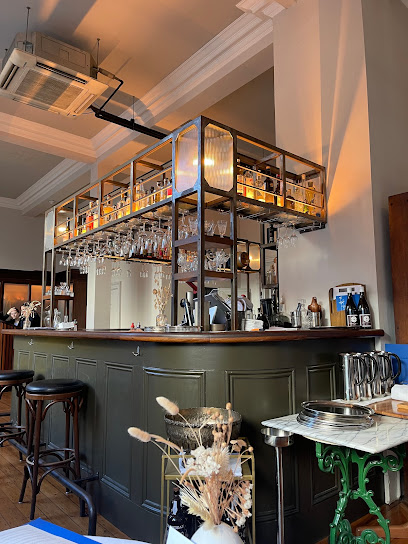
Nomadic community
1.6 km
A colorful, community-driven urban garden near Brick Lane, blending street art, creativity, and green space in East London’s vibrant cultural scene.
Markets, malls and hidden boutiques

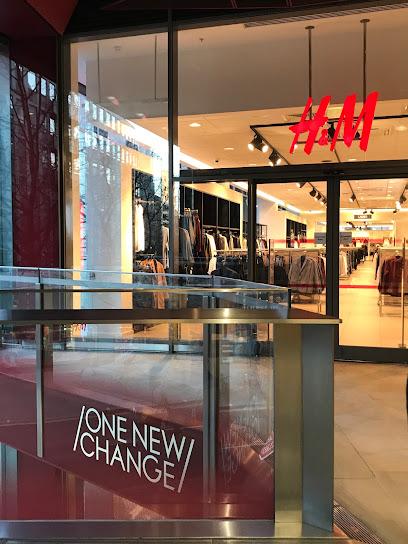
One New Change
0.6 km
Modern glass landmark with free rooftop views of St Paul's Cathedral and London skyline.
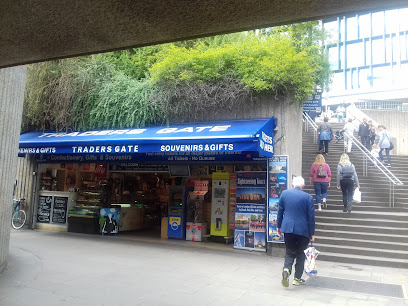
Traders Gate
0.7 km
A long-standing family-run gift shop on Tower Hill, offering classic London souvenirs and local charm just steps from the Tower of London.
Middlesex Textiles
0.7 km
Discover London’s premier West African fabric store offering vibrant, high-quality textiles with unmatched variety and service since 1969.
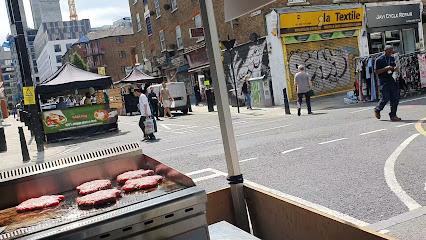
Petticoat Lane Market
0.8 km
London's historic street market where 370 years of commerce, migration, and East End character converge.
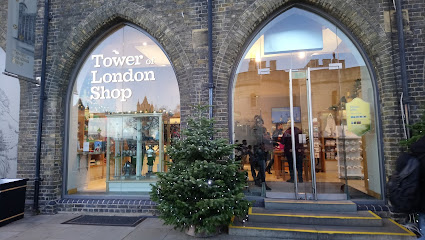
Tower of London Shop
0.8 km
Explore the Tower of London Shop for unique souvenirs that celebrate British heritage and history in the heart of London.
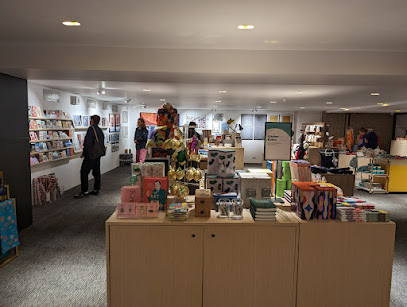
Barbican Shop
0.9 km
Discover curated art, design, music, and unique gifts at the Barbican Shop, a creative retail haven within London’s iconic Barbican Centre.
Hay's Galleria
0.9 km
Historic riverside warehouse transformed into a vibrant shopping and dining destination beneath a stunning glass roof.
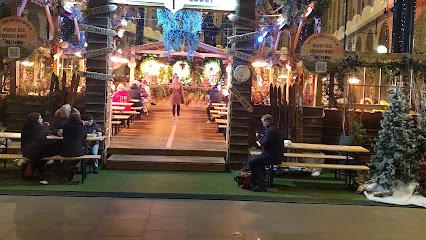
Borough Yards
0.9 km
Discover Borough Yards, a lively London district blending historic railway arches with cutting-edge shopping, dining, and culture near Borough Market.
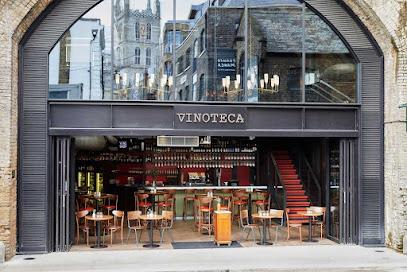
Spitalfields Market
1.0 km
Historic yet vibrant, Spitalfields Market blends East London’s rich heritage with a lively mix of food, art, and shopping all week long.
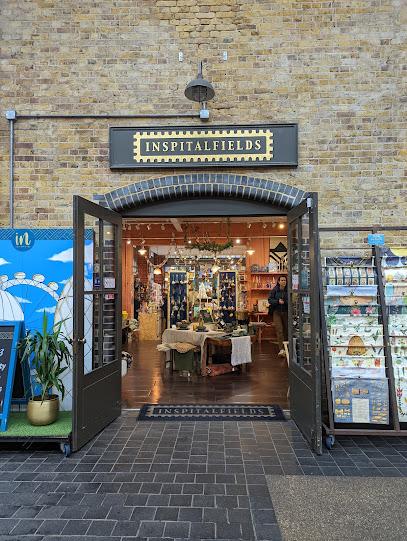
Commercial St
1.0 km
Historic East London artery blending industrial heritage, vibrant markets, and cultural landmarks in the heart of Spitalfields.
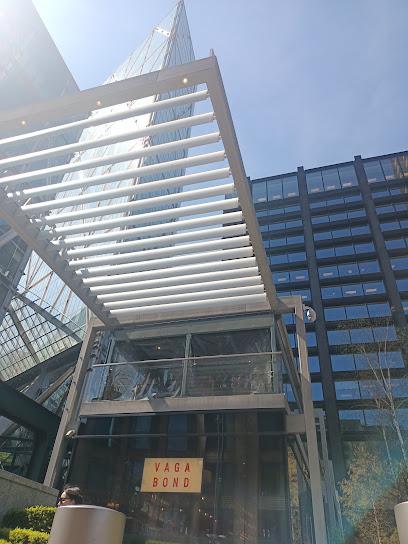
Fashion St
1.1 km
A historic East London street where Victorian architecture meets modern creativity, surrounded by boutiques, cafés, and vibrant community life.
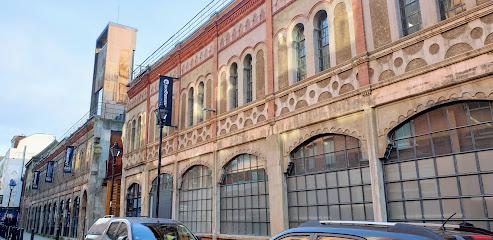
Sclater Street Market
1.1 km
Vintage treasures and eclectic finds in the heart of Shoreditch's bohemian marketplace.
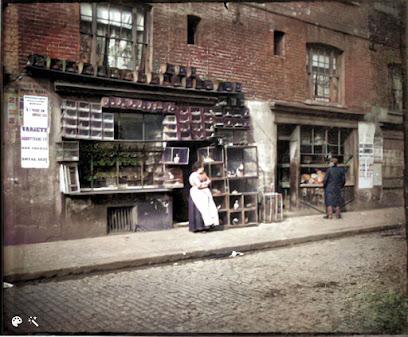
DPUS Designer Outlet
1.2 km
Authentic designer fashion outlet in Shoreditch’s historic Old Truman Brewery, blending luxury style with urban culture and unbeatable prices.
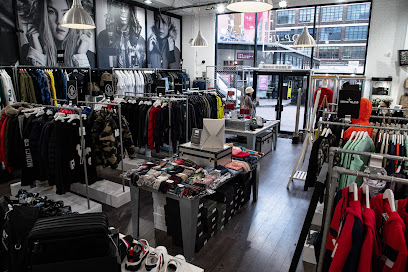
Smithfield Market
1.2 km
London’s oldest wholesale meat market, where history and commerce meet in the heart of the city.
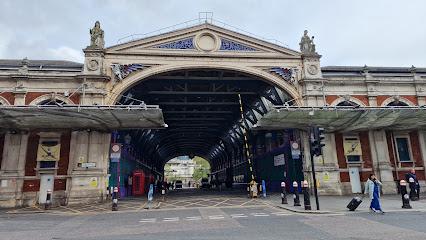
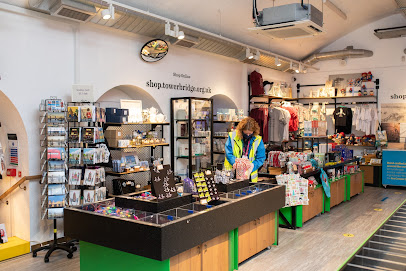
Tower Bridge - Engine Rooms and Official Gift Shop
1.2 km
Explore the fascinating history of Tower Bridge at the Engine Rooms and shop for unique gifts at the Official Gift Shop.
Essential bars & hidden hideouts

Demon, Wise & Partners
0.2 km
Classic basement cocktail bar blending historic City charm with expert mixology in London’s financial district.
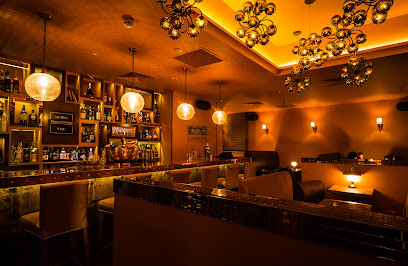
The Bootlegger
0.3 km
Step into The Bootlegger’s hidden Lime Street basement for expertly crafted cocktails, live jazz, and a true 1920s speakeasy vibe in the heart of London.
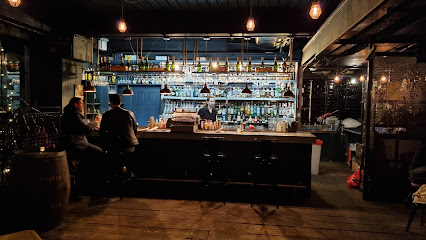
The Cocktail Club - Cocktail Bar near Monument
0.3 km
Vibrant underground cocktail bar near Monument, blending creative drinks with a lively, speakeasy-style party atmosphere.
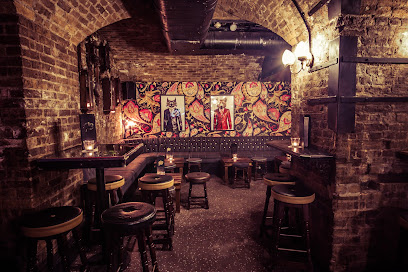
The Alchemist Bevis Marks
0.5 km
Experience London’s theatrical cocktail haven blending molecular mixology with Victorian charm and all-day dining in Aldgate.
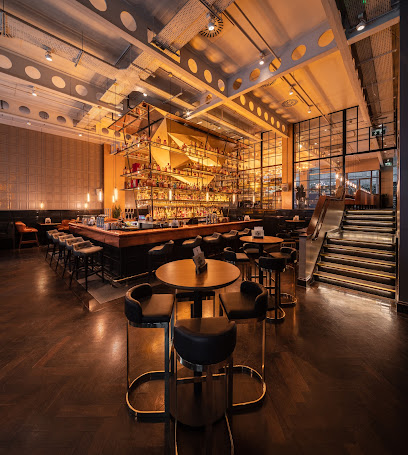
The Hung Drawn & Quartered, EC3
0.6 km
Historic pub near Tower Hill, blending dark medieval history with refined ales and classic British fare in a Grade II listed building.
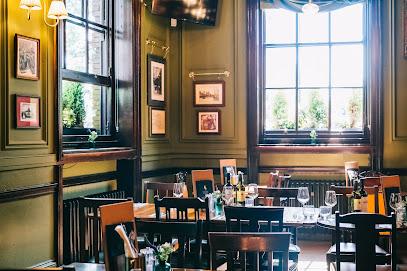
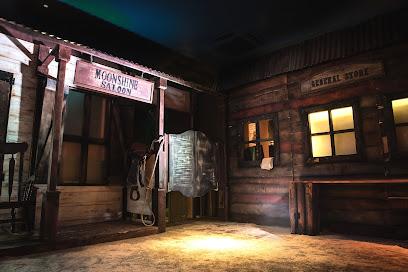
Moonshine Saloon
0.6 km
Step into London’s Moonshine Saloon for an immersive Wild West cocktail adventure with live actors, games, and bespoke drinks made from your own spirits.
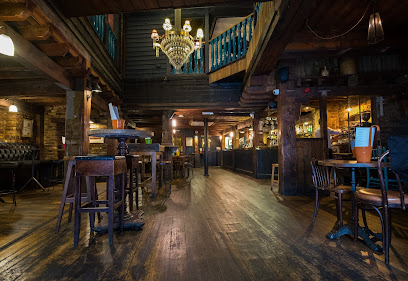
Dirty Dicks
0.7 km
Historic London pub with quirky charm, classic ales, and lively atmosphere near Liverpool Street Station.
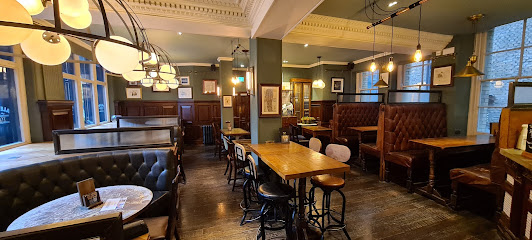
The Astronomer, EC1
0.7 km
A traditional London pub with a cosmic twist, offering hearty pies, craft ales, and a welcoming atmosphere near Liverpool Street.
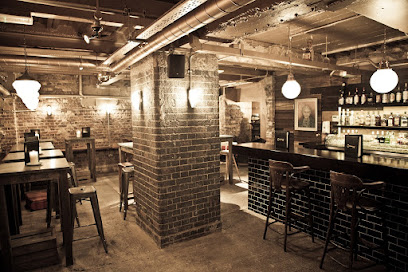
The Mayor of Scaredy Cat Town
0.8 km
Discover Shoreditch’s secret speakeasy behind a fridge door, where quirky vintage charm meets expertly crafted cocktails and lively 80s beats.
The Bell
0.8 km
A historic East End pub blending traditional charm and local spirit near Petticoat Lane Market.
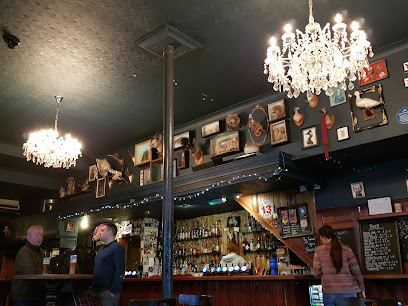
Discount Suit Company
0.8 km
Discover a hidden vintage cocktail bar beneath Spitalfields, blending bespoke drinks with a cozy speakeasy atmosphere in London’s historic tailoring district.
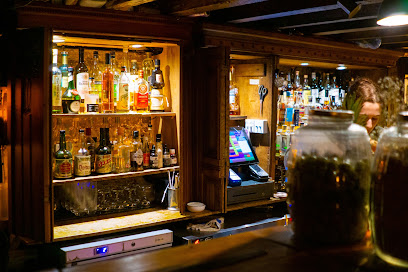
Aviary
0.9 km
Elegant rooftop dining with botanical cocktails and panoramic London skyline views in the heart of Finsbury Square.
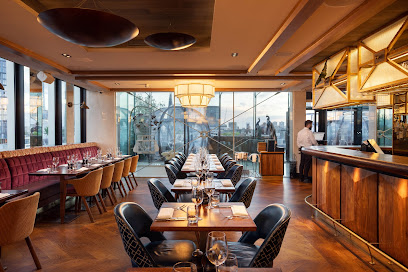
Flight Club Shoreditch
0.9 km
Experience the vibrant social darts scene with great food, cocktails, and fun at Flight Club Shoreditch in East London.
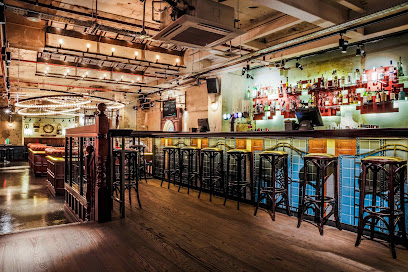
The Cocktail Club - Cocktail Bar near Old Street
1.0 km
A vibrant and stylish cocktail bar in London’s Old Street area, known for creative drinks and a lively urban atmosphere.
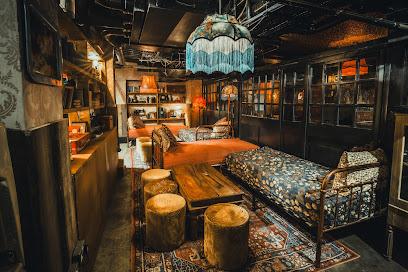
Nine Lives
1.2 km
A subterranean Bermondsey bar blending Mexican spirits, sustainable craft cocktails, and vibrant sharable dishes in a boho-chic setting.
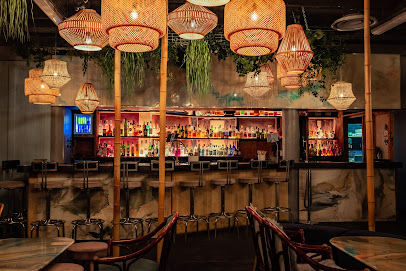
Nightclubs & after hour spots

The Steel Yard
0.5 km
Experience London’s premier industrial-chic nightclub set in historic Victorian railway arches, with world-class sound and late-night energy until 6am.
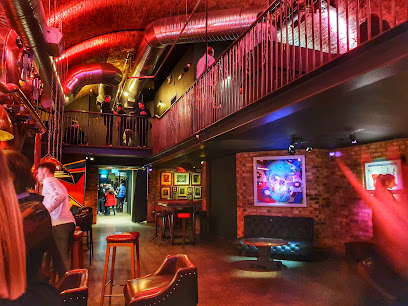
XOYO LONDON
1.3 km
Experience Shoreditch’s iconic XOYO, where cutting-edge DJs and vibrant nightlife create an unforgettable London clubbing atmosphere.

The Hoxton Pony
1.4 km
Edgy Shoreditch cocktail bar and nightclub blending vintage style with vibrant nightlife energy in East London.
London Best Night Clubs
1.5 km
Experience London’s legendary Ministry of Sound, where cutting-edge sound meets dynamic club culture in a multi-room dance haven.
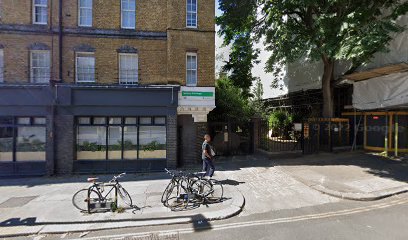
Trafik
1.6 km
Shoreditch’s dynamic nightclub with underground beats, two floors of dancing, and a late licence for unforgettable nights.

E1
1.8 km
Experience East London’s underground pulse with E1’s cutting-edge sound, immersive visuals, and vibrant club nights.
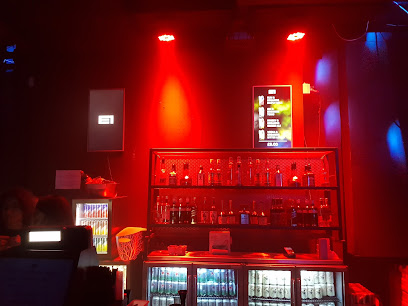
Basing House - Shoreditch
1.8 km
An intimate Shoreditch nightclub with top electronic beats, a Funktion One sound system, and a lively rooftop bar under the London skyline.
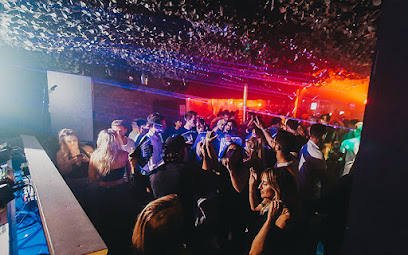
Ministry of Sound
2.0 km
London's legendary dance music cathedral since 1991, where world-class sound systems and global DJs fuel euphoric nights across four pulsing rooms.
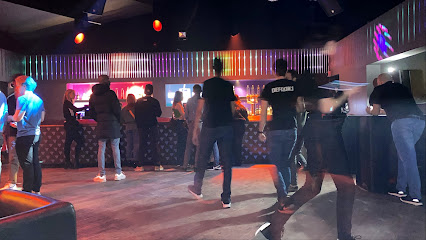
Proud Late
2.2 km
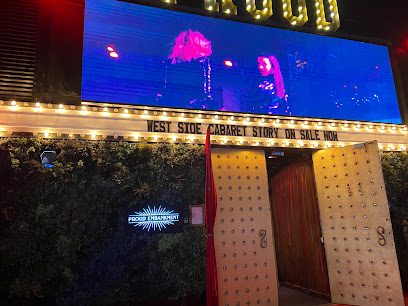
Dive into two-storey glamour under Waterloo Bridge: cabaret acrobatics, burlesque dazzle, supper feasts, and non-stop clubbing till 5am in London's West End nightlife epicenter.
Carwash Nightclub
2.4 km
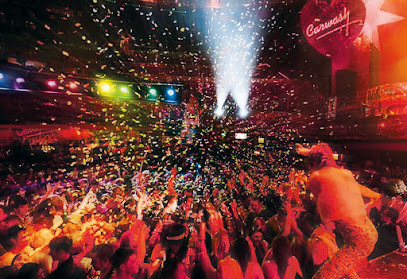
Experience Europe’s longest-running disco club in London’s West End, where retro beats, vibrant crowds, and themed parties create unforgettable nights.
Corsica Studios
2.4 km
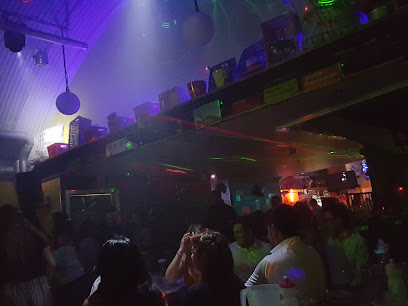
Experience London’s underground music pulse at Corsica Studios, where intimate vibes meet exceptional sound beneath historic railway arches.
STRAWBERRY SUNDAE
2.4 km
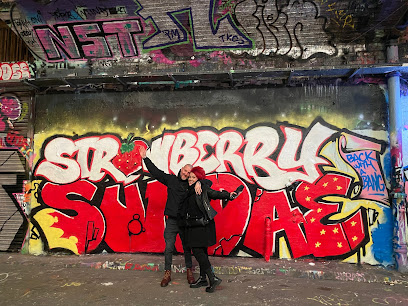
Retro rave haven in Waterloo Arches: Daytime hardcore beats, 90s DJ legends, and industrial euphoria from midday to midnight.
Cirque Du Soul
2.4 km
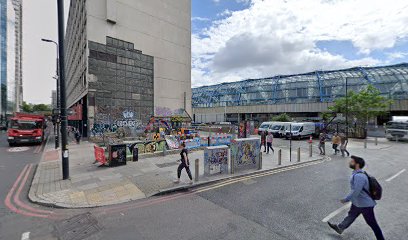
Dive into Leake Street's graffiti tunnel for soul-stirring electronic nights at this underground nightclub haven.
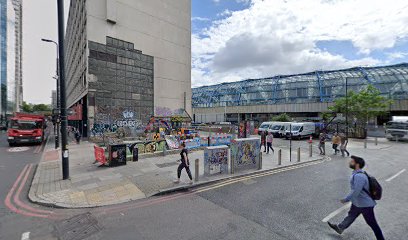
We Are Waterloo
2.4 km
Dive into Leake Street's graffiti heart where street art meets thumping beats in London's ultimate underground nightclub haven.
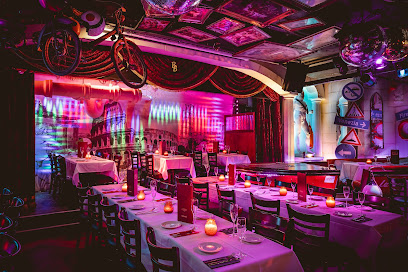
Bunga Bunga Covent Garden
2.5 km
A neon-soaked, pizza-and-karaoke supper club under Drury Lane — 90s nostalgia, stage shows and shareable Italian feasts.
For the vibe & atmosphere seeker
- Unique
- Scenic
- Casual
For the design and aesthetic lover
- Vintage Styles
- Industrial Designs
For the architecture buff
- Historic
- Landmarks
- Heritage Neighborhoods
For the view chaser and sunset hunter
- Iconic Views
- Architectural Shots
For the social media creator & influencer
- Instagrammable
- Photo Spots
- Architectural Shots
For the eco-conscious traveler
- Protected Area
For the kind of experience you’re after
- Cultural Heritage
- Photowalk
- Day Trip
For how adventurous you want the journey to be
- Easy Access
Location Audience
- Family Friendly
- Senior Friendly
- Child Friendly
- Wheelchair Access
- Solo Friendly
- Couple Friendly


