

Cirencester Roman Amphitheatre
Step into the grassy oval of one of Roman Britain’s largest amphitheatres, where 8,000 spectators once roared for gladiators and games.
On the outskirts of Cirencester lies the impressive earthwork remains of one of Britain’s largest Roman amphitheatres. Built in the early 2nd century, this open-air site once held around 8,000 spectators for gladiatorial contests, games and public events. Today, it’s a free-to-enter historical monument where visitors can walk the arena and imagine the roar of the ancient crowd. Well-signposted and managed by English Heritage, it offers a quiet, atmospheric glimpse into Roman Britain, surrounded by trees and open grassland.
A brief summary to Cirencester Amphitheatre
- 1xw, 30 Cotswold Ave, Cirencester, GL7 1XW, GB
- +441285655646
- Visit website
- Duration: 0.5 to 1.5 hours
- Free
-
 Outdoor
- Mobile reception: 4 out of 5
- Monday 9 am-4:30 pm
- Tuesday 9 am-4:30 pm
- Wednesday 9 am-4:30 pm
- Thursday 9 am-4:30 pm
- Friday 9 am-4:30 pm
- Saturday 10 am-4 pm
Local tips
- Visit early in the day or on a weekday to enjoy the site in near-silence, when the atmosphere is most evocative and the grassy arena feels truly ancient.
- Bring a good pair of shoes – the ground can be uneven and muddy after rain, and there are steps at the entrance.
- Combine your visit with the Corinium Museum in Cirencester town centre to see Roman mosaics, inscriptions and artefacts from the amphitheatre and the wider Roman town.
- Dogs are welcome on leads, making this a good stop for dog walkers; just stick to the paths and avoid damaging the earthworks.
- Take a moment to stand in the centre of the arena and look out over the banks – closing your eyes, you can almost hear the roar of the ancient crowd.

For the on-the-go comforts that matter to you
- Seating Areas
- Information Boards
Getting There
-
On foot from Cirencester town centre
From the centre of Cirencester, follow signs for the amphitheatre along Cotswold Avenue. The walk takes about 15–20 minutes on paved and tarmac paths, passing residential streets and green spaces. The route is well marked but includes some uneven surfaces and a small flight of steps at the site entrance.
-
By car
Drive to Cotswold Avenue in Cirencester and use the free car park at the eastern end of the road. The site is a short walk from the car park, but the approach includes steps and uneven ground, so it may not suit those with limited mobility.
-
By local bus
Take a local bus to Cirencester and alight near the town centre. From there, follow signs for the amphitheatre along Cotswold Avenue. The final approach is on foot and includes steps and uneven surfaces, so allow 20–25 minutes from the bus stop.
-
By bicycle
Cycle from Cirencester town centre along Cotswold Avenue, using the cycle lane where available. There are no dedicated cycle racks at the site, but bikes can be left nearby. The route is mostly flat, but the final approach includes steps and uneven ground.
Cirencester Amphitheatre location weather suitability
-
 Any Weather
-
 Clear Skies
-
 Mild Temperatures
Discover more about Cirencester Amphitheatre
Where Rome Once Roared
Standing in the grassy oval of Cirencester’s Roman amphitheatre, it’s easy to imagine the thunder of thousands of spectators. Built in the early 2nd century AD, this was one of the largest amphitheatres in Roman Britain, capable of holding about 8,000 people. At the time, Cirencester (known as Corinium) was the second most important town in Roman Britain after London, and this arena served as a major centre for public entertainment, from gladiatorial contests and beast hunts to athletic games and possibly executions. The amphitheatre was constructed just outside the town’s defensive walls, a common practice to keep such large, potentially rowdy gatherings separate from the main urban area. After the Romans left Britain, the site was abandoned and later reused as a defensive earthwork against Saxon invaders, adding another layer to its long history. Today, only the earthworks remain, but their scale and layout clearly reveal the original structure.Walking the Ancient Arena
What you see now is a large, grass-covered oval surrounded by low banks that once supported tiered seating. The central arena is clearly defined, and the surrounding banks give a strong sense of how the amphitheatre was laid out. Information panels around the site explain its history, construction and use, helping visitors visualise the original stone and timber seating that once rose above the earthworks. Paths allow you to walk around the perimeter and into the arena itself, offering different perspectives of the space. From the edge, you can appreciate the sheer size of the venue; from the centre, you can look out over the banks and imagine the crowd that once filled them. The site is open and grassy, with trees and woodland around the edges, creating a peaceful contrast with its violent past.A Quiet Corner of Roman Britain
Unlike many Roman sites, Cirencester’s amphitheatre is not a fenced-off ruin with ticket barriers, but a free, open-air monument that feels more like a local park than a formal attraction. This makes it ideal for a quiet, reflective visit, especially on a weekday or early in the day when it’s often deserted. The surrounding area is wooded and gently rolling, with paths leading into nearby green spaces. It’s a place where history and nature blend: the earthworks are clearly man-made, yet they’ve been softened by centuries of grass, trees and weather. Dogs on leads are welcome, and the site is popular with walkers and locals as well as tourists, adding to its relaxed, everyday atmosphere.Planning Your Visit
There is no admission fee to visit the amphitheatre, and it’s open any reasonable time during daylight hours, making it easy to fit into a wider trip to Cirencester. The site is managed by Cirencester Town Council on behalf of English Heritage, and there are clear signs and information boards explaining the history and layout. Access is via a small flight of steps at the entrance, and parts of the site are uneven, so it may not be suitable for wheelchairs or pushchairs. Facilities such as toilets, shops and cafes are not on-site but are a short walk or drive into Cirencester town centre. For a deeper dive into Roman Corinium, the Corinium Museum in the town centre houses many finds from the amphitheatre and the wider Roman town, including mosaics, inscriptions and everyday objects.Iconic landmarks you can’t miss

Things To Do In The Cotswolds
4.4 km
Explore the enchanting Cotswolds, where rolling hills, charming villages, and rich history create the perfect getaway for travelers seeking beauty and adventure.

Cotswold Trails
4.4 km
Experience the breathtaking beauty and rich heritage of the Cotswolds with Cotswold Trails, where every journey is an adventure.
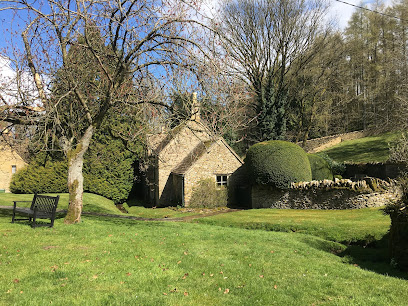
Roundhouse Lake Nature Reserve
17.8 km
Explore the scenic beauty and wildlife at Roundhouse Lake Nature Reserve, a peaceful retreat in Lechlade-on-Thames that promises tranquility and natural splendor.
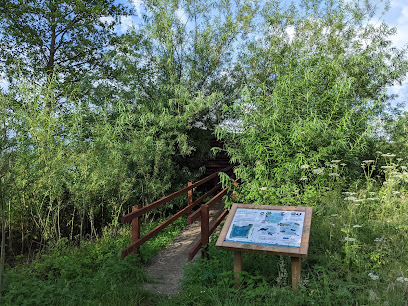
Walk The Cotswolds
18.1 km
Explore the Cotswolds' breathtaking landscapes and charming villages with Walk The Cotswolds, your gateway to England's picturesque countryside adventures.
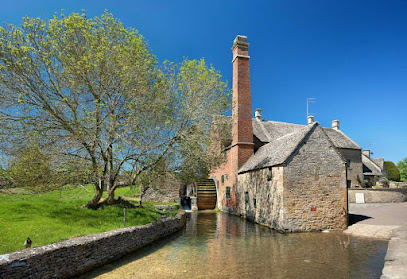
Painswick Rococo Garden
18.2 km
Explore the beauty of Painswick Rococo Garden, a stunning 18th-century garden showcasing the art of landscape design in the heart of the Cotswolds.
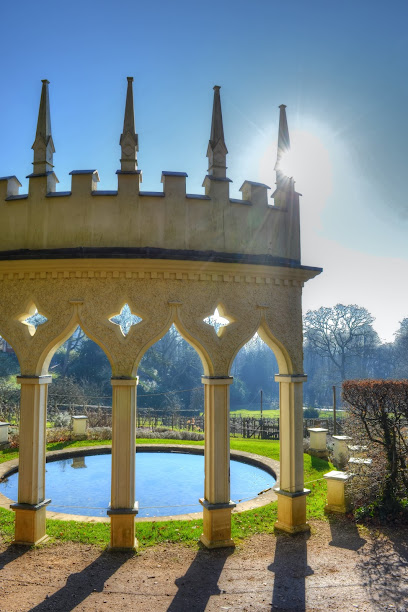
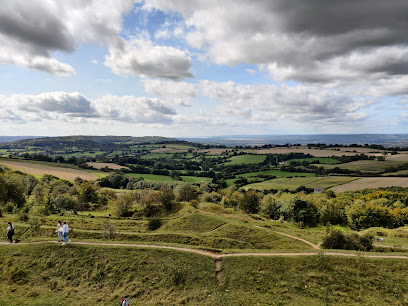
Painswick Beacon
18.5 km
Explore the ancient hillfort summit of Painswick Beacon with stunning 360-degree views across the iconic Cotswold Hills and beyond.
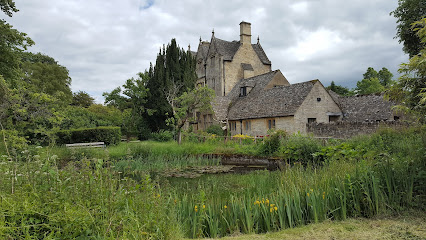
Whittington Court
19.2 km
Explore the enchanting Whittington Court, a historical landmark in Cheltenham, offering stunning architecture and serene gardens perfect for a leisurely visit.
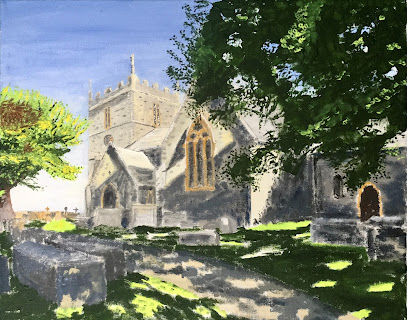
Gloucestershire Historic Churches Trust
19.3 km
Explore the rich ecclesiastical heritage of Gloucestershire through its historic churches, showcasing stunning architecture and engaging community initiatives.
Visit Cotswolds Online
19.3 km
Explore the enchanting Cotswolds, where rolling hills, historic villages, and breathtaking landscapes await every traveler seeking an unforgettable adventure.

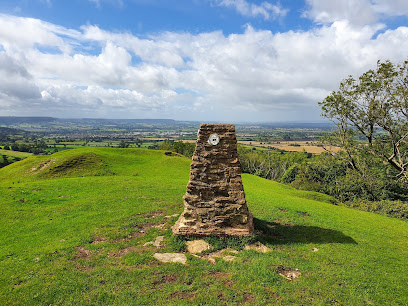
Haresfield Topograph
20.4 km
A three-dimensional map landmark on the Cotswold escarpment with panoramic views toward Wales.
Historic England Archive
20.6 km
Discover England's architectural history at the Historic England Archive in Swindon, a cultural gem for tourists and history lovers alike.
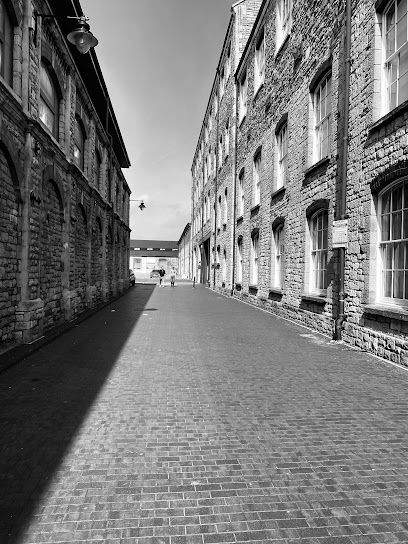
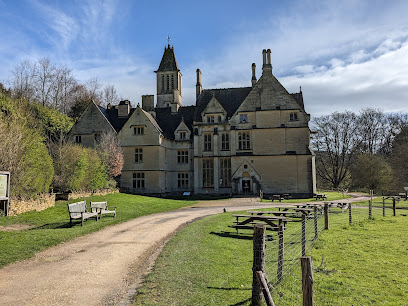
Woodchester Mansion Trust
21.1 km
Explore the intriguing Woodchester Mansion, a historical gem showcasing Victorian architecture and enchanting landscapes in the heart of Gloucestershire.
Montpellier Gardens
21.7 km
Explore the beauty and tranquility of Montpellier Gardens, a charming park in Cheltenham adorned with stunning floral displays and serene pathways.
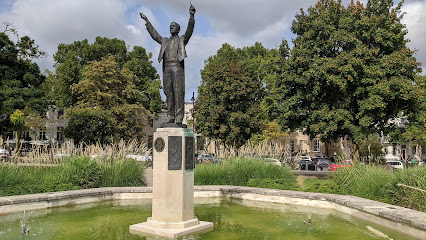
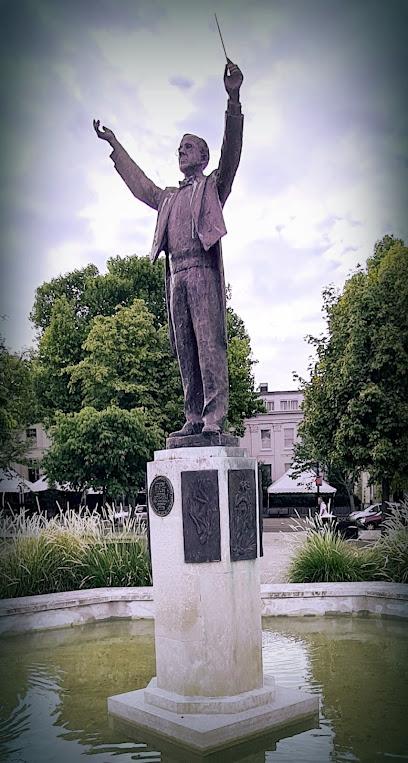
Gustav Holst Statue & Planets Fountain
21.9 km
Experience the artistic charm of Cheltenham at the Gustav Holst Statue & Planets Fountain, a tribute to the composer and his celestial works.
The Neptune Fountain
22.0 km
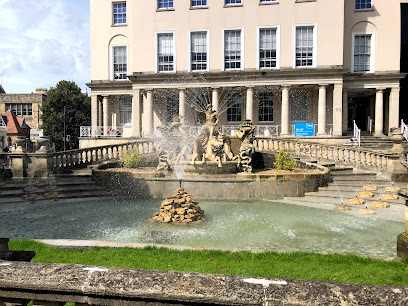
Experience the beauty and history of The Neptune Fountain, a stunning landmark in Cheltenham that enchants visitors with its artistic elegance.
Unmissable attractions to see

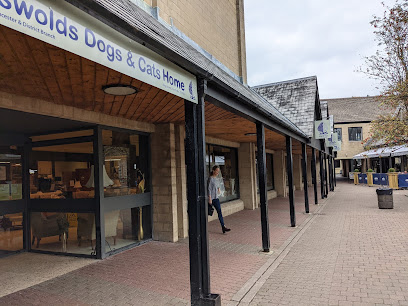
The Cotswolds Dogs & Cats Home
0.5 km
A compassionate sanctuary in Cirencester dedicated to rescuing, rehoming, and caring for vulnerable dogs and cats across the Cotswolds.
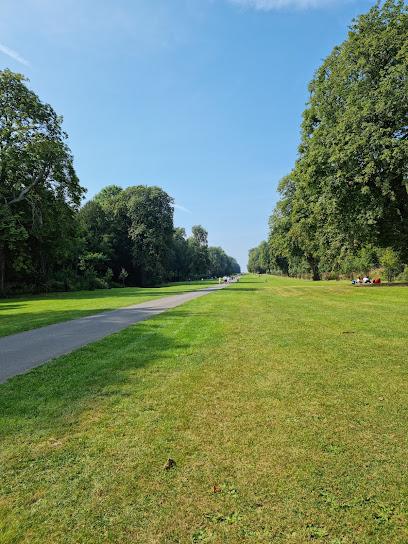
Cirencester Park
0.6 km
Explore the historic grandeur and serene landscapes of Cirencester Park, the ancestral Bathurst Estate in the heart of the Cotswolds.
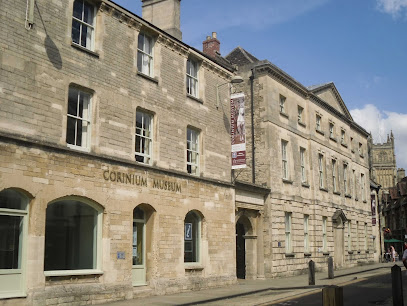
Corinium Museum
0.7 km
Explore the rich history of the Cotswolds from prehistoric times to Roman Britain at Corinium Museum, Cirencester’s award-winning cultural landmark.
Corn Hall Market Place
0.7 km
Historic 19th-century Corn Hall in Cirencester’s Market Place, vibrant with markets, artisan fairs, and a welcoming café.

The Cotswold Craft Market
0.7 km
Handmade treasures from local artisans in a historic Victorian market hall.
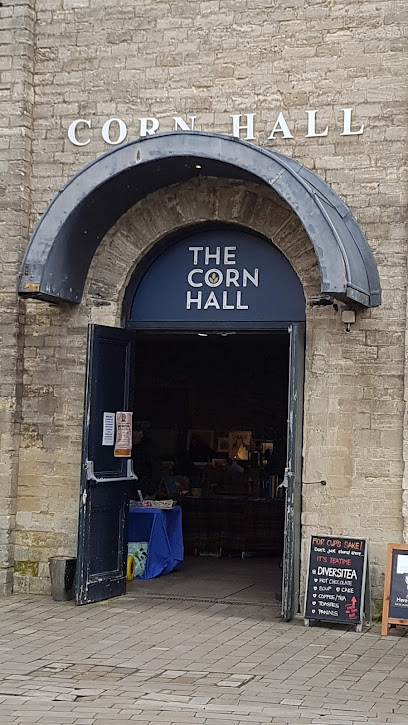
Abbey Grounds Park
1.0 km
Historic green oasis in Cirencester with a lake, playground, and medieval abbey remnants for family-friendly relaxation and exploration.
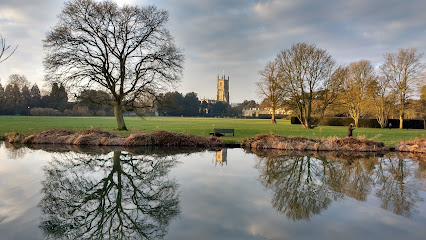
The Organic Farm Shop
3.2 km
A vibrant organic farm shop and cafe offering fresh, farm-grown produce and wholesome meals in a tranquil Cotswolds setting.
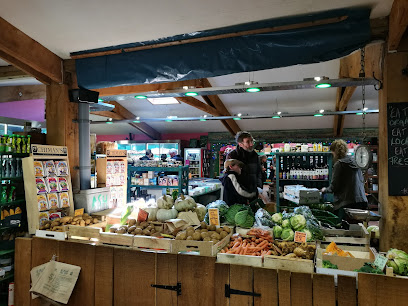
hotcotswolds.uk
4.4 km
Your friendly gateway to Chipping Campden and the Cotswolds, offering maps, local advice, and Cotswold crafts in a historic town centre setting.
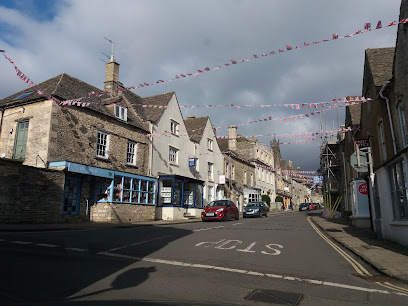
Gloucestershire Annual Vintage and Country Extravaganza
4.6 km
Step back in time at Gloucestershire’s vibrant vintage and country fair, celebrating rural heritage with classic vehicles, live shows, and family fun.
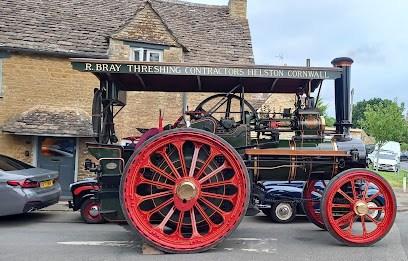
Cotswold Sculpture Park
5.7 km
Discover over 175 unique sculptures set in 10 acres of stunning Cotswold woodland and gardens, blending art and nature in a tranquil outdoor gallery.
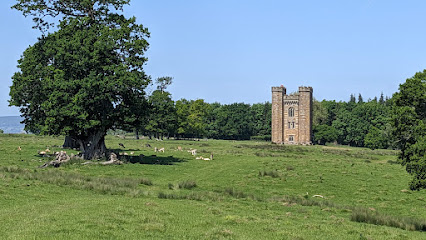
Cerney House Gardens
6.2 km
A romantic Victorian walled garden where time stands still amid old-fashioned roses, organic kitchen gardens, and woodland trails.
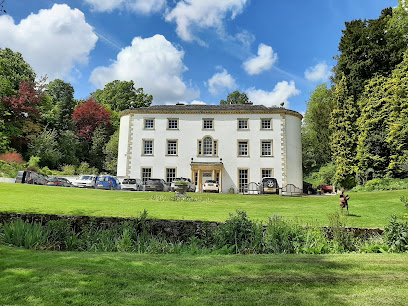
Lower Mill Estate Activity Hub
7.0 km
Experience lakeside luxury, outdoor adventure, and wellness in the heart of the Cotswold Water Park at Lower Mill Estate Activity Hub.
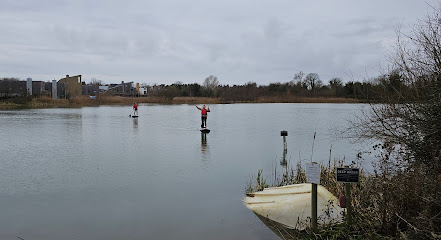
Swillbrook Lakes Nature Reserve
7.6 km
A serene wetland sanctuary within the Cotswold Lakes, perfect for tranquil walks and rich wildlife encounters near Cirencester.

Barnsley Park
7.8 km
Explore Barnsley Park, a Georgian Baroque estate with historic gardens and tranquil Cotswolds parkland near Cirencester.
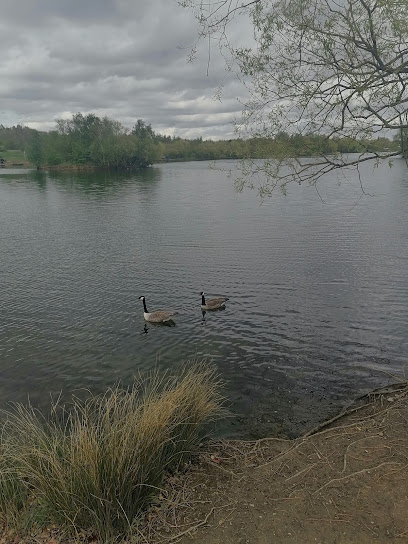
Siccaridge Wood
8.5 km
Explore the tranquil ancient coppiced woodland of Siccaridge Wood, alive with bluebells, rare orchids, and rich wildlife in Gloucestershire's Golden Valley.
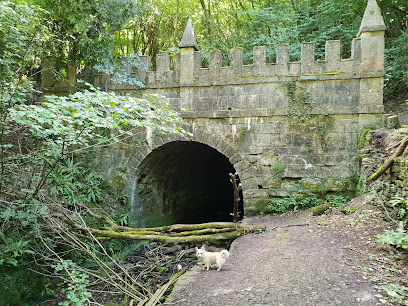
Essential places to dine

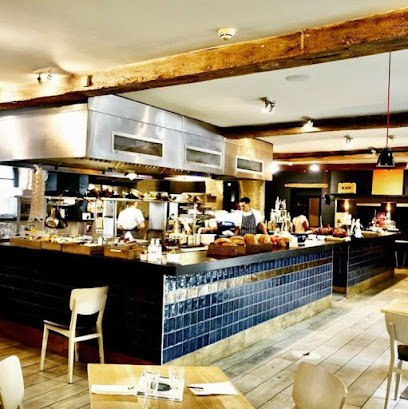
MBB BRASSERIE
0.7 km
Stylish modern British brasserie in Cirencester’s historic Corn Hall, serving classic and contemporary dishes in a vibrant open kitchen setting.
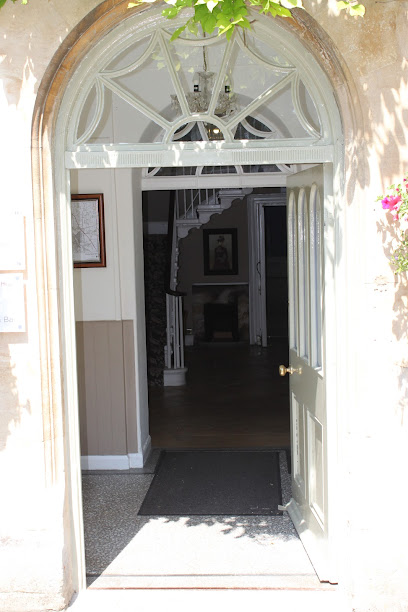
The Garden Restaurant
2.1 km
Refined modern British dining with scenic walled garden views in the heart of historic Stratton House Hotel, Cirencester.
The Old Boathouse
6.8 km
Charming lakeside gastropub offering hearty British and European dishes with scenic views at Cotswold Water Park.
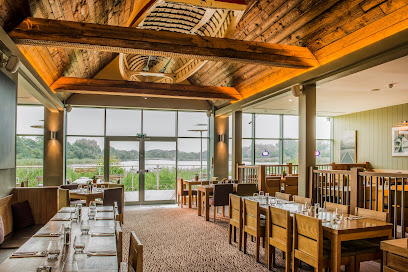
The Bell at Sapperton
7.4 km
Historic Cotswold inn blending seasonal British fare, a renowned wine wall, and cozy accommodations in the heart of picturesque Sapperton village.
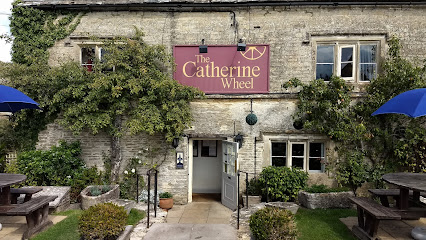
The Catherine Wheel
10.6 km
A family-run pub and inn in Bibury serving fresh local food with warm hospitality in the heart of the Cotswolds.
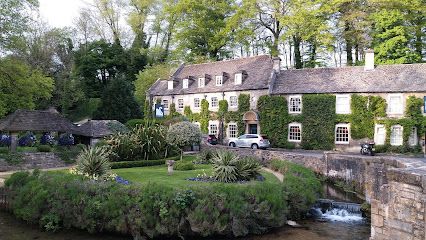
The Gallery Restaurant
10.9 km
Modern European dining in the heart of Bibury, blending local Cotswold produce with elegant country charm at The Swan Hotel.
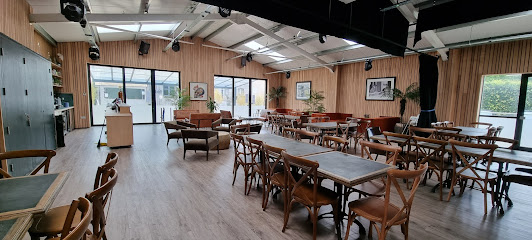
The Old Smokery
14.0 km
A lively Cotswolds hub blending rustic dining, vibrant events, and welcoming atmosphere at Far Peak Camping.
The Long Table
15.3 km
A pay-as-you-can community restaurant in Stroud serving locally sourced meals that nourish both body and spirit.
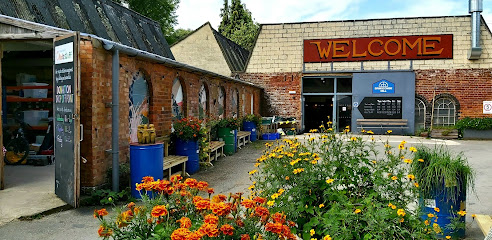
Wilder
17.1 km
Discover an intimate fine dining adventure in Nailsworth with inventive tasting menus and expertly paired wines at Wilder.
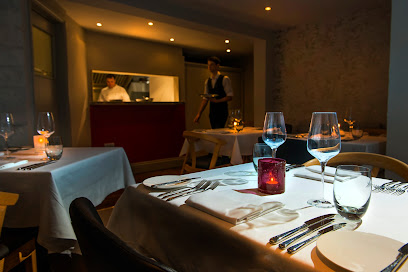
The Ox Barn
18.2 km
Experience modern British countryside cuisine in a beautifully restored 19th-century oxen house nestled in the tranquil Cotswold village of Southrop.
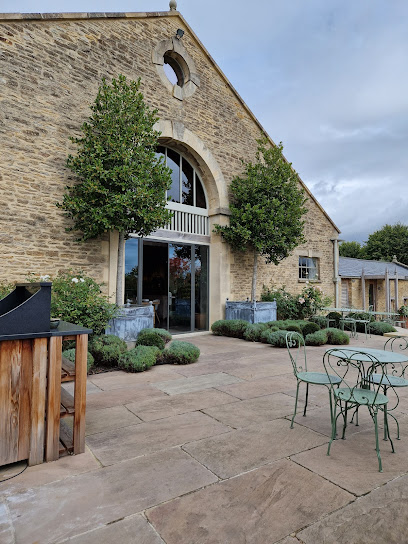
Grey's Brasserie
18.8 km
Sophisticated yet relaxed dining at Whatley Manor, featuring globally inspired small plates and traditional Sunday roasts in a stunning Cotswolds setting.
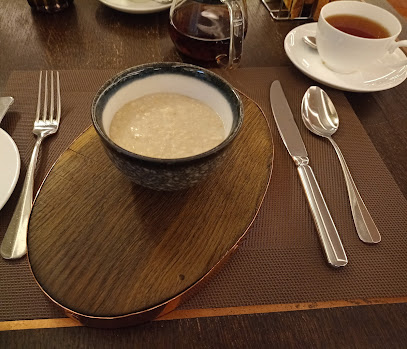
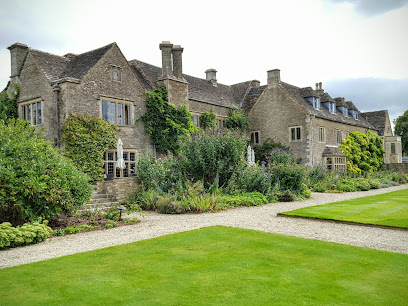
The Dining Room at Whatley Manor
18.8 km
Discover unparalleled fine dining at The Dining Room in Whatley Manor, where creativity meets exquisite taste in an elegant setting.
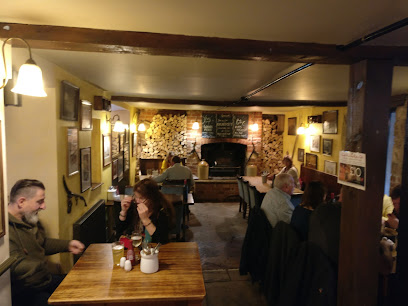
Fagin's
21.2 km
A charming family-friendly English pub in Brookthorpe serving hearty steaks, classic carveries, and warm hospitality in a relaxed setting.
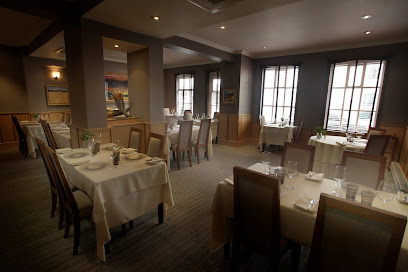
Le Champignon Sauvage
21.3 km
A serene Michelin-starred haven in Cheltenham offering inventive Anglo-French cuisine with exceptional service and a celebrated wine list.
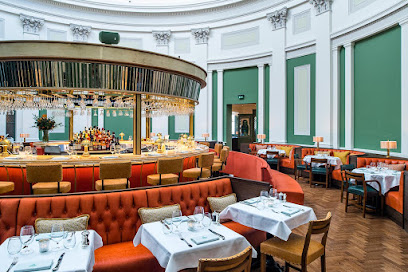
The Ivy Montpellier Brasserie Cheltenham
21.8 km
Elegant dining in Cheltenham’s historic Montpellier Rotunda, blending modern British cuisine with iconic Ivy style and grand architectural charm.
Markets, malls and hidden boutiques

#now_vintage
0.6 km
Curated vintage treasures and antique finds in the heart of Cirencester's charming market town.
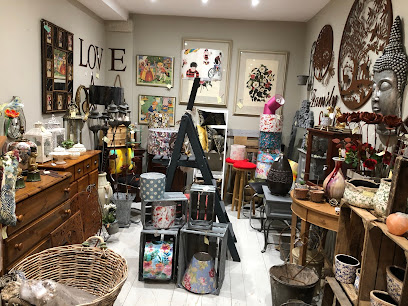
White Stuff Cirencester
0.6 km
Discover stylish, sustainable fashion for all ages at White Stuff Cirencester, nestled in the heart of historic Castle Street.
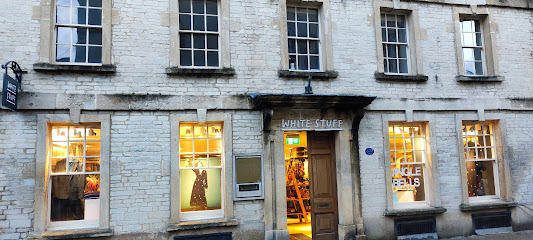
m.a.d.e.
0.6 km
British design and ethical craftsmanship in an eclectic Cotswolds emporium.
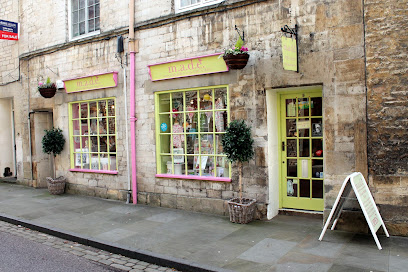
Landmark Cirencester
0.7 km
Premier British country clothing in the heart of Cirencester's historic market square.
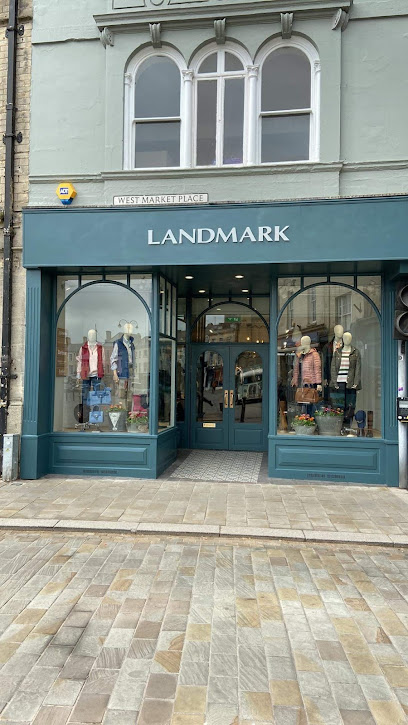
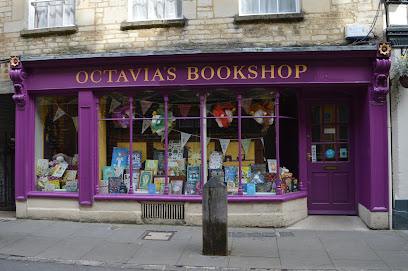
Octavia's Bookshop
0.7 km
Discover a tranquil independent bookshop in Cirencester offering a curated selection and warm, personal service in a charming setting.
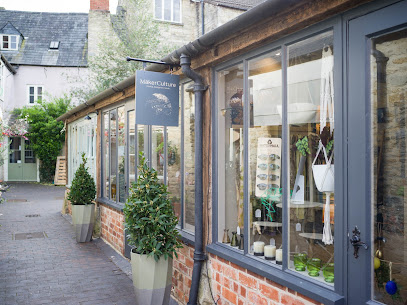
MākerCulture
0.7 km
Discover eco-friendly, handmade gifts and art crafted from recycled materials in the heart of Cirencester’s historic Stable Yard.
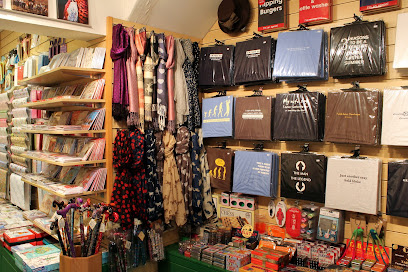
Surprises
0.7 km
Discover unique gifts and local charm at Surprises, Cirencester’s beloved Market Place gift shop open six days a week.
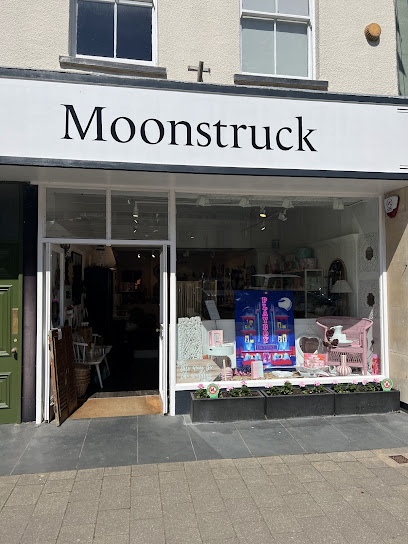
Moonstruck
0.7 km
Discover unique gifts and stylish homewares in the heart of Cirencester’s charming Market Place at Moonstruck.
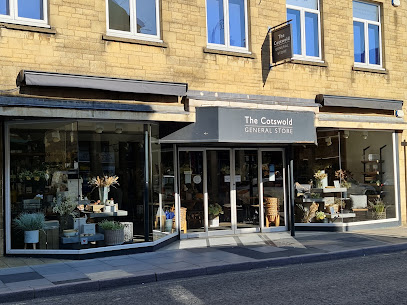
The Cotswold General Store
0.8 km
Discover unique gifts and local crafts at The Cotswold General Store, a charming boutique in the heart of historic Cirencester.
Cotswold Candle Hut
0.8 km
Discover handcrafted candles and natural fragrances in the heart of historic Cirencester at the charming Cotswold Candle Hut.

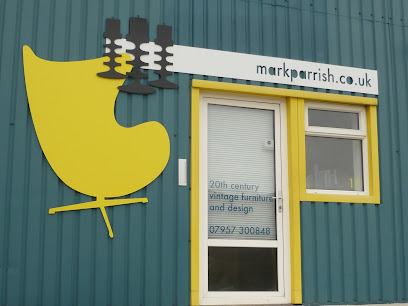
Mark Parrish mid century modern
1.2 km
Discover authentic mid-century modern furniture and timeless design treasures in Cirencester’s Love Lane Industrial Estate.
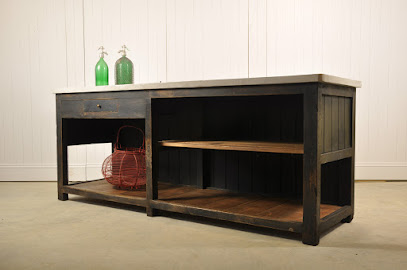
Original House
7.8 km
Discover authentic vintage and industrial furniture treasures in Cirencester’s Original House, a haven for unique statement pieces.
THINGS
11.1 km
Explore Cricklade's fabric shop for a world of crafting possibilities with a variety of fabrics, haberdashery, and creative inspiration.

Handmade Cotswolds
12.3 km
Discover exquisite handmade crafts and unique artisan gifts in the heart of Stroud’s vibrant Cotswolds community.
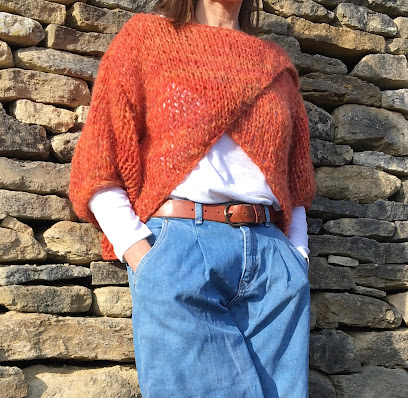
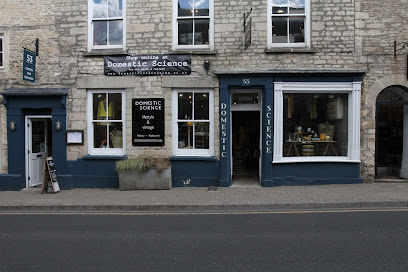
Domestic Science
15.4 km
Discover curated vintage treasures and contemporary homewares in a charming Georgian townhouse at the heart of Tetbury.
Essential bars & hidden hideouts

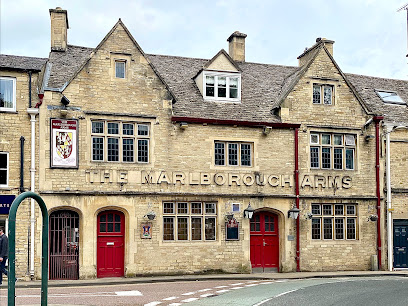
The Marlborough Arms
0.5 km
Historic Cirencester pub offering a rich selection of ales, traditional ciders, live music, and a warm, inviting atmosphere.
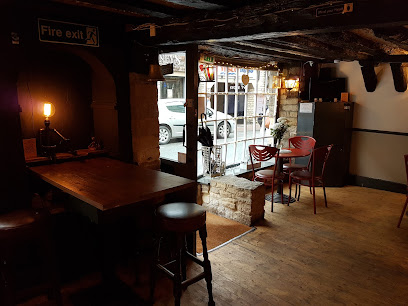
Mad Hatter Wine Bar
0.5 km
A lively wine bar in Cirencester blending whimsical charm, quality wines, and live music for memorable evenings.
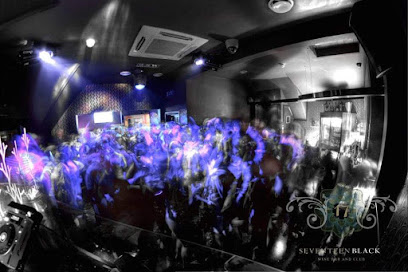
17 Black Restaurant, Cocktail and Wine Bar complete with Nightclub and Karaoke Room.
0.7 km
A stylish Cirencester hotspot offering award-winning seafood, crafted cocktails, a buzzing nightclub, and a private karaoke room for unforgettable nights.
The Bear Inn, Cirencester
0.7 km
Historic 14th-century pub in Cirencester offering award-winning beers, seasonal local dishes, cosy ambiance, and a welcoming atmosphere for all.
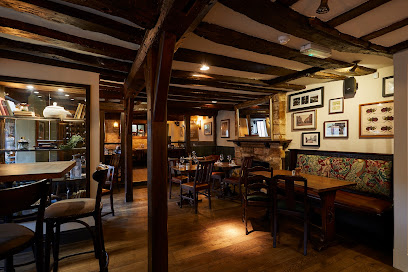
Bee's Knees
1.0 km
Authentic smoked BBQ and hearty British pub fare in a welcoming, rustic setting at Cirencester’s beloved Bee's Knees.
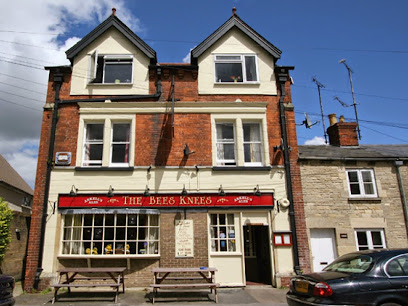
Drillmans Arms
1.8 km
Experience authentic British pub culture with real ales and timeless charm at the Drillmans Arms in Stratton, Cirencester.
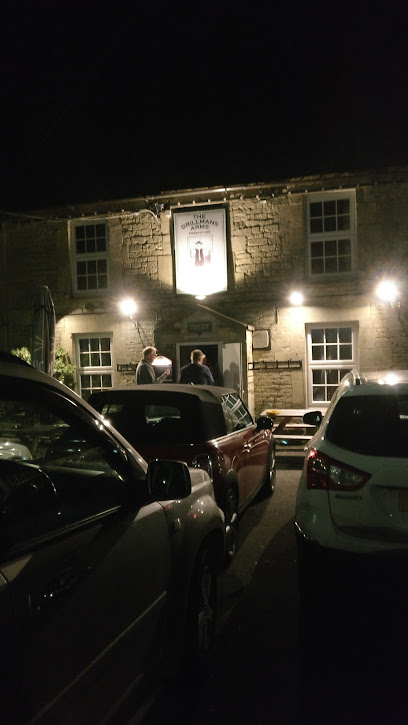
Bathurst Arms
6.5 km
A cozy riverside Cotswold pub and inn offering excellent local food, warm hospitality, and scenic charm in North Cerney.
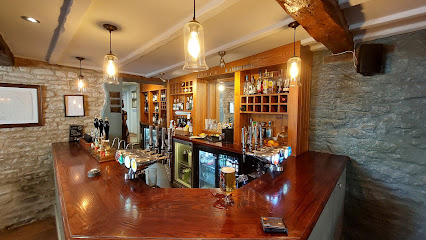
The Crown @ Cerney Wick
7.9 km
A charming Cotswolds pub blending British tradition with authentic Anglo-Indian flavors and warm hospitality.
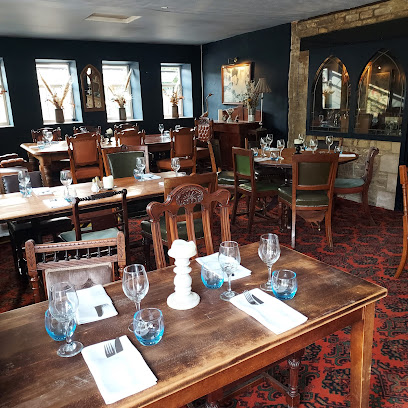
THE STUMP
9.4 km
A historic Cotswolds coaching inn blending rustic charm, acclaimed wood-fired pizzas, and cozy rooms for a quintessential English countryside experience.
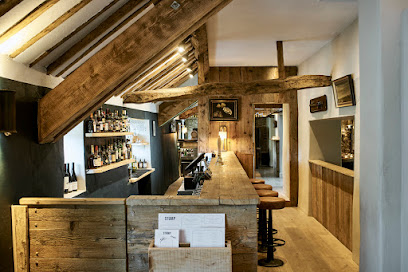
The Keepers Arms
12.9 km
Charming Cotswold pub and boutique inn offering warm hospitality, excellent food, and a peaceful village retreat near Cirencester.
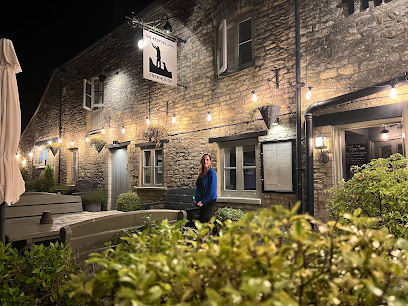
Cotswold Mobile Bar Hire
12.9 km
Bringing bespoke, fully stocked mobile bars with rustic charm and quirky inflatable pubs to your Cotswold events.
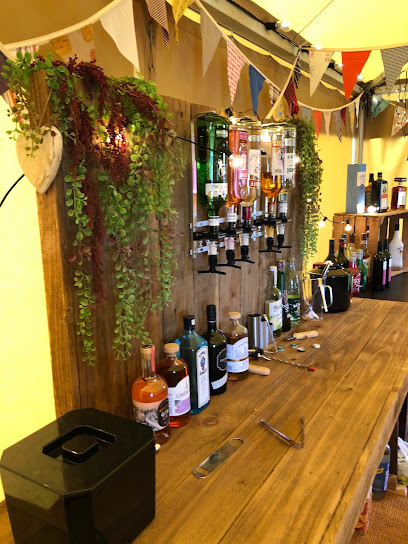
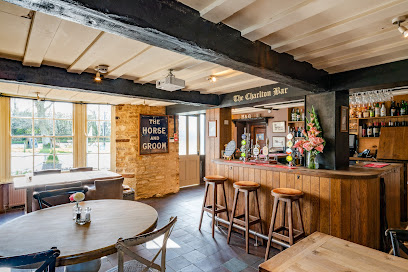
The Horse & Groom, Charlton
13.5 km
A historic 16th-century Wiltshire pub and inn blending cosy charm, seasonal British cuisine, and luxury rooms in a tranquil countryside setting.
The Green Dragon Inn Pub & Shop
13.8 km
A historic 17th-century Cotswold inn blending rustic charm, fine dining, and countryside comfort in tranquil Cockleford near Cheltenham.
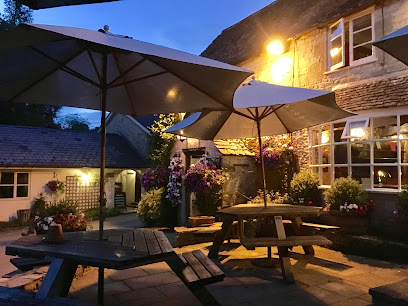
Experimental Cocktail Club Cotswolds
14.4 km
Sophisticated cocktails and vibrant DJ nights in the heart of the Cotswolds at Cowley Manor’s stylish Experimental Cocktail Club.
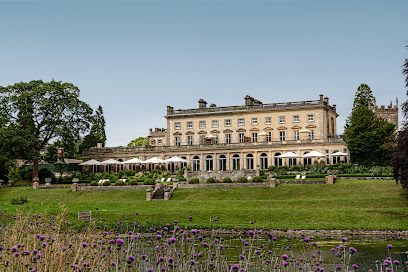
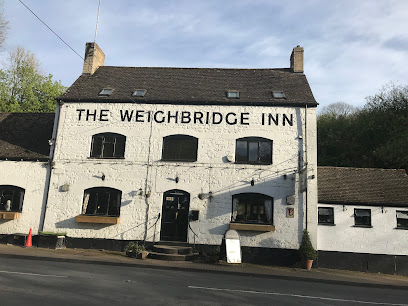
The Weighbridge Inn
15.9 km
Historic 17th-century Cotswolds pub famed for its unique 2in1 pies, local ales, and warm, rustic charm.
Nightclubs & after hour spots

ReVA Nightclub
0.6 km
Cirencester’s largest nightclub offering electrifying music, stylish cocktails, and a vibrant atmosphere for unforgettable nights.
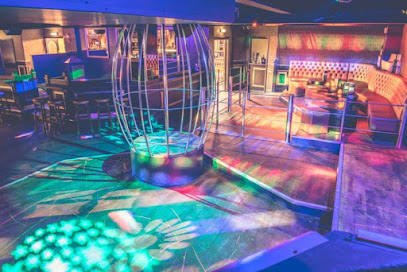
Trio Nightclub
17.3 km
Experience Stroud’s vibrant nightlife at Trio Nightclub, where music, dancing, and energetic vibes light up weekend nights.

Venue Five-0 Night Club
19.3 km
Energetic weekend nights and diverse music await at Venue Five-0 Night Club, Royal Wootton Bassett’s lively nightlife hotspot.
MooMoo Clubrooms Cheltenham
22.0 km
Experience Cheltenham’s vibrant nightlife with dynamic music, VIP vibes, and late-night energy at MooMoo Clubrooms.

Popworld - Cheltenham
22.0 km
Cheltenham’s lively late-night hotspot where cheesy pop tunes and creative cocktails fuel unforgettable party nights.
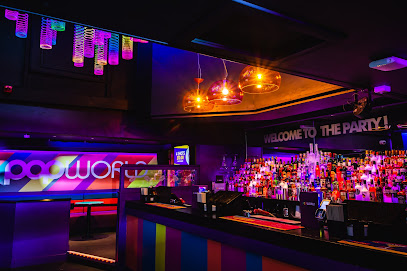
Under the Prom
22.0 km
Experience Cheltenham’s vibrant nightlife with premium drinks, three unique bars, and VIP service at Under The Prom nightclub.

The 21 Club
22.0 km
Experience Cheltenham’s vibrant nightlife at The 21 Club, where music, dancing, and great drinks create unforgettable nights.
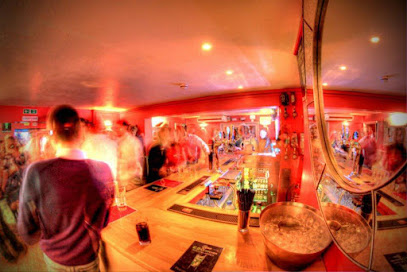
Coco
22.1 km
Cheltenham’s underground hotspot for vibrant nightlife, top DJs, and creative cocktails in a lively basement setting.

Thirteen Degrees
22.1 km
Cheltenham’s late-night hotspot for dancing, cocktails, and private events in a central urban setting.
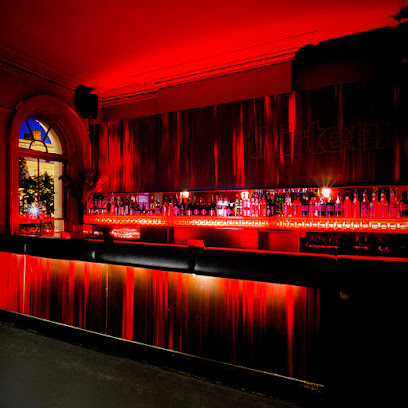
Home and Botanic Nightclub
22.1 km
Historic charm meets vibrant nightlife at Cheltenham’s Home and Botanic, a multi-room club offering cocktails, live piano, DJs, and unforgettable nights.

2 PIGS
22.3 km
A lively Cheltenham nightclub with dual rooms spinning rock, punk, indie, and classic hits, known for affordable drinks and an alternative vibe.
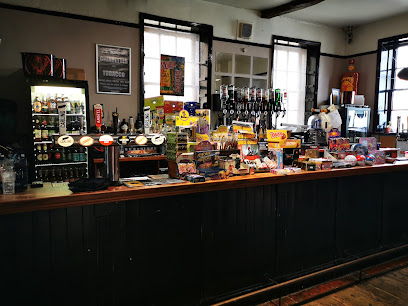
ATIK Gloucester
24.9 km
Gloucester’s largest nightclub, ATIK pulses with vibrant music, student nights, and an energetic party atmosphere until the early hours.

Bar Fever Gloucester
25.1 km
Experience Gloucester’s vibrant nightlife at Bar Fever, a trendy nightclub with dynamic music, stylish interiors, and a welcoming atmosphere.
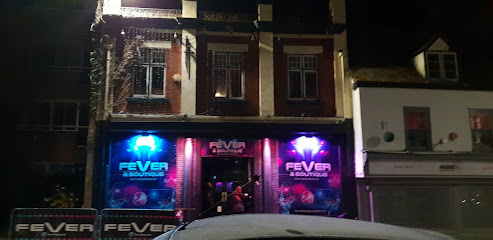
Jax Nightclub Gloucester
25.2 km
Energetic nightclub in Gloucester offering diverse music, two dance floors, and a welcoming atmosphere for late-night fun.

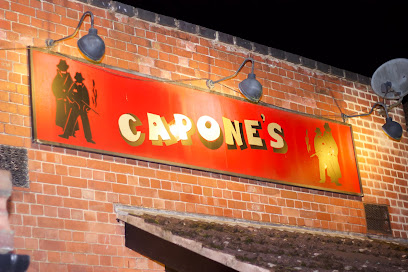
Capones
26.5 km
Historic nightclub in Dursley with legendary ties to Al Capone, offering vibrant weekend nightlife and pulsating music.
For the vibe & atmosphere seeker
- Relaxing
- Tranquil
- Scenic
- Unique
For the design and aesthetic lover
- Rustic Designs
- Vintage Styles
For the architecture buff
- Historic
- Landmarks
- Parks & Gardens
For the view chaser and sunset hunter
- Panoramas
- Iconic Views
For the social media creator & influencer
- Photo Spots
- Aesthetic Corners
- Instagrammable
For the eco-conscious traveler
- Public-Transport Accessible
- Low Impact
- Locally Managed
For the kind of experience you’re after
- Cultural Heritage
- Mindfulness
- Photowalk
- Day Trip
For how adventurous you want the journey to be
- Easy Access
- Requires Hike
Location Audience
- Family Friendly
- Senior Friendly
- Child Friendly
- Teen Friendly
- Solo Friendly
- Couple Friendly
- Solo Female Friendly
- Vegetarian Friendly
- Vegan Friendly


