Cotswolds, East Midlands Travel Guide
Explore the rolling hills, golden stone villages, and timeless charm of England’s largest Area of Outstanding Natural Beauty.
The Cotswolds is a vast and enchanting region in South West England, spanning nearly 800 square miles across six counties. Renowned for its rolling limestone hills, picturesque honey-colored stone villages, historic market towns, and extensive network of walking trails, it is England’s largest Area of Outstanding Natural Beauty. Visitors can explore charming villages like Bourton-on-the-Water and Stow-on-the-Wold, enjoy scenic hikes on the Cotswold Way, and experience quintessential English rural life amid tranquil valleys and ancient woodlands.
A brief summary to Cotswolds
- Click to display
- Duration: 2 to 8 hours
- Mid ranged
-
 Outdoor
- Mobile reception: 4 out of 5
- Monday 10 am-7 pm
- Tuesday 10 am-7 pm
- Wednesday 10 am-7 pm
- Thursday 10 am-7 pm
- Friday 10 am-7 pm
- Saturday 10 am-7 pm
- Sunday 10 am-7 pm

Know before you go
Hi, I'm Eve. Here are a few practical things to know before exploring Cotswolds.
- Rent a car for the most flexible way to explore the widespread villages and countryside, as public transport is limited.
- Wear sturdy walking shoes and waterproof clothing to enjoy the extensive footpaths and the unpredictable Cotswold weather.
- Visit popular villages like Bourton-on-the-Water early in the day to avoid crowds and experience their peaceful charm.
- Take a section of the Cotswold Way trail for a day hike to enjoy stunning views without committing to the full 102-mile route.
- Sample local cheeses, meats, and ales at village pubs and farmers’ markets to experience the region’s rich culinary heritage.
Do you manage this location?
Take control to get all the benefits, like improved information, better appearance, and stronger visibility across AI-powered discovery. Learn more about listing your business on Evendo
Activate your presenceOther nearby places you may find interesting
The closest places of the same kind, if this one is not quite what you had in mind.

Explore Cotswolds on the Map
A handpicked selection of must-see spots near Cotswolds, mapped for you.
Getting There
-
By Car
Driving is the most convenient way to explore the Cotswolds’ widespread villages and countryside. From London, the journey typically takes around 2 to 2.5 hours via the M40 and A40. Parking is available in most towns but can be limited during peak seasons. Car hire prices range from £30 to £70 per day.
-
By Train and Bus
Trains from London Paddington to Moreton-in-Marsh take about 1.5 to 2 hours, with onward bus services connecting to key villages like Stow-on-the-Wold and Bourton-on-the-Water. Train fares vary from £20 to £50 one-way depending on booking time. Bus services are less frequent and may require planning.
-
By Coach Tour
Full-day coach tours from London offer visits to multiple Cotswold villages and attractions in 8 to 10 hours. These tours provide guided commentary and include stops for meals. Prices typically range from £60 to £100 per person.
For the on-the-go comforts that matter to you
-
 Restrooms
-
 Drink Options
-
 Food Options
-
 Seating Areas
-
 Information Boards
-
 Visitor Center
Discover more about Cotswolds
A Landscape Shaped by Jurassic Limestone and Ancient Traditions
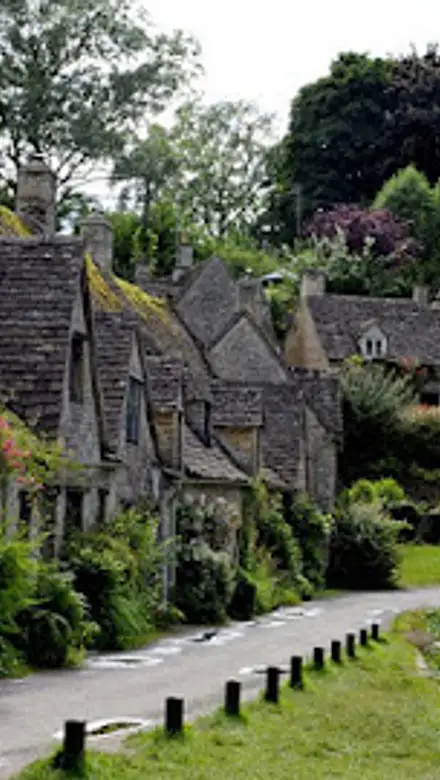
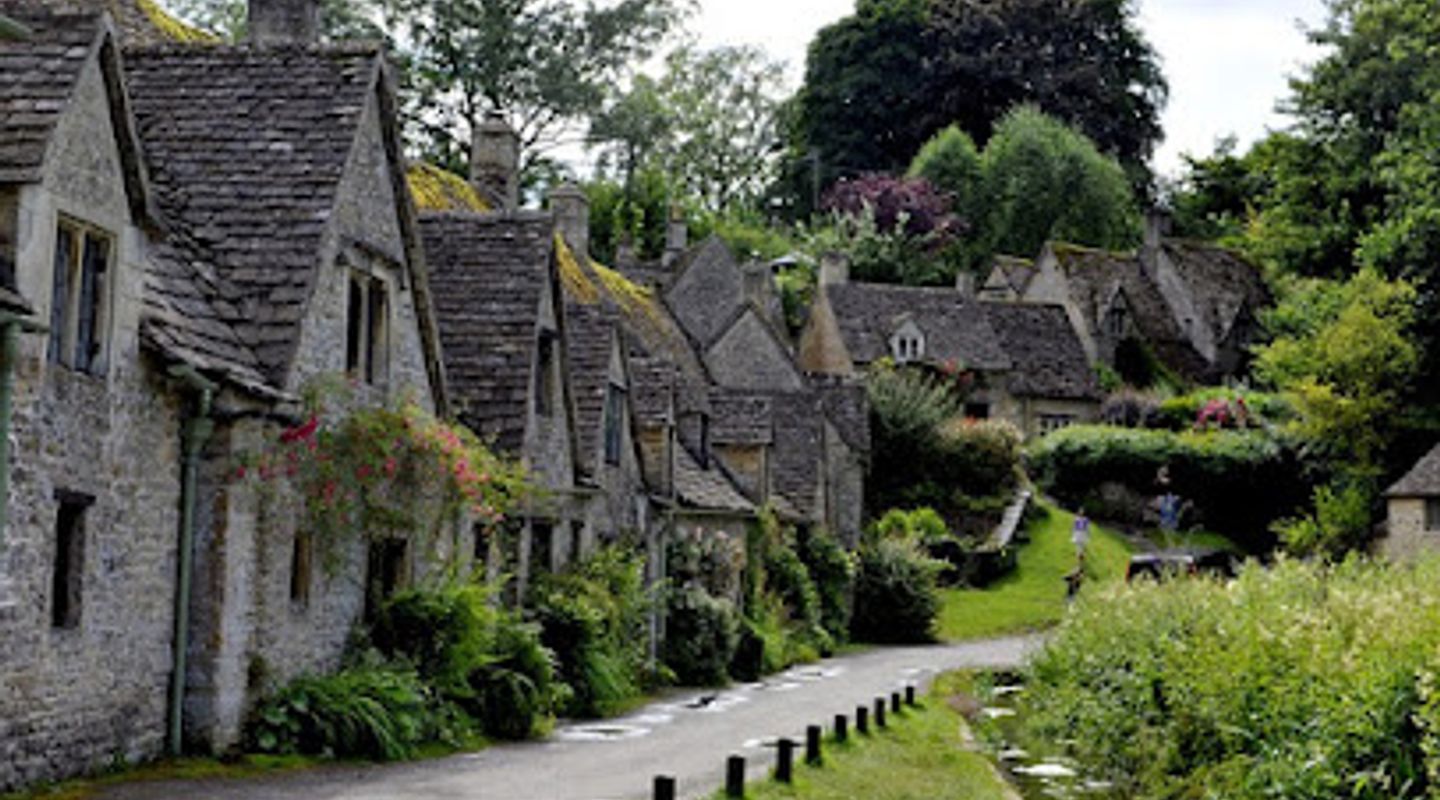
The Cotswolds region stretches approximately 25 miles across and 90 miles long, covering parts of Gloucestershire, Oxfordshire, Warwickshire, Wiltshire, Worcestershire, and Somerset. Its defining feature is the golden Jurassic limestone, known as Cotswold stone, which gives the villages and towns their warm, honey-colored appearance. The rolling hills, or 'wolds,' create a gently undulating landscape of tranquil valleys, ancient woodlands, and wildflower meadows. Dry stone walls crisscross the countryside, marking historic boundaries and adding to the timeless rural charm.Quintessential Villages and Market Towns Rich in Heritage
The Cotswolds is dotted with picture-perfect villages and bustling market towns, each with its own character and history. Highlights include Bourton-on-the-Water, often called the 'Venice of the Cotswolds' for its serene river and stone bridges; Stow-on-the-Wold, a historic market town famed for its antique shops and the legendary church door linked to Tolkien’s lore; Bibury, with its iconic Arlington Row cottages; and Castle Combe, a fairytale village frequently featured in films. These settlements showcase traditional Cotswold stone architecture and offer cozy pubs, artisan shops, and local markets.The Cotswold Way and Outdoor Adventures
A major draw for visitors is the Cotswold Way, a 102-mile National Trail running from Chipping Campden to Bath. This scenic long-distance footpath winds along the escarpment, offering panoramic views over the Severn Valley and the Vale of Evesham. The region boasts over 3,000 miles of footpaths and bridleways, ideal for walking, cycling, and horse riding. The varied terrain ranges from gentle valley strolls to more challenging hill climbs, making the Cotswolds a premier destination for outdoor enthusiasts seeking both adventure and tranquility.Historic Estates, Gardens, and Cultural Treasures
Beyond its natural beauty, the Cotswolds is home to numerous stately homes, castles, and gardens. Notable sites include Blenheim Palace, a UNESCO World Heritage Site and birthplace of Winston Churchill, and Chastleton House, a Jacobean manor with rich family history. The area also features acclaimed arboretums and country gardens that highlight the region’s horticultural heritage. Cultural heritage is further celebrated through local museums, craft centers, and festivals that preserve and showcase traditional arts and rural life.Gastronomy and Local Produce in a Rural Setting
The Cotswolds’ fertile landscape supports a thriving food culture, with local cheeses, meats, and beverages featured prominently in gastro pubs, inns, and fine dining establishments. Visitors can savor traditional English fare made with regional ingredients, often served in historic settings that enhance the dining experience. Farmers’ markets and food festivals provide opportunities to sample and purchase fresh local produce, reflecting the area’s commitment to sustainable and artisanal food traditions.Accessibility and Visitor Experience
While the Cotswolds spans a large area, it is best explored by car due to limited public transport coverage. Key towns such as Moreton-in-Marsh and Cheltenham offer rail connections, with onward bus services to smaller villages. The region’s welcoming atmosphere, combined with its scenic landscapes and rich heritage, makes it ideal for day trips, weekend getaways, and extended stays. Visitors are encouraged to prepare for variable weather and enjoy the peaceful countryside ambiance that defines the Cotswolds experience.












Your all‑in‑one travel companion app
Explore expert travel guides, compare and book tours, experiences, hotels, and more—all from the palm of your hand. Download now for seamless trip planning wherever your wanderlust takes you.


Explore More of East Midlands
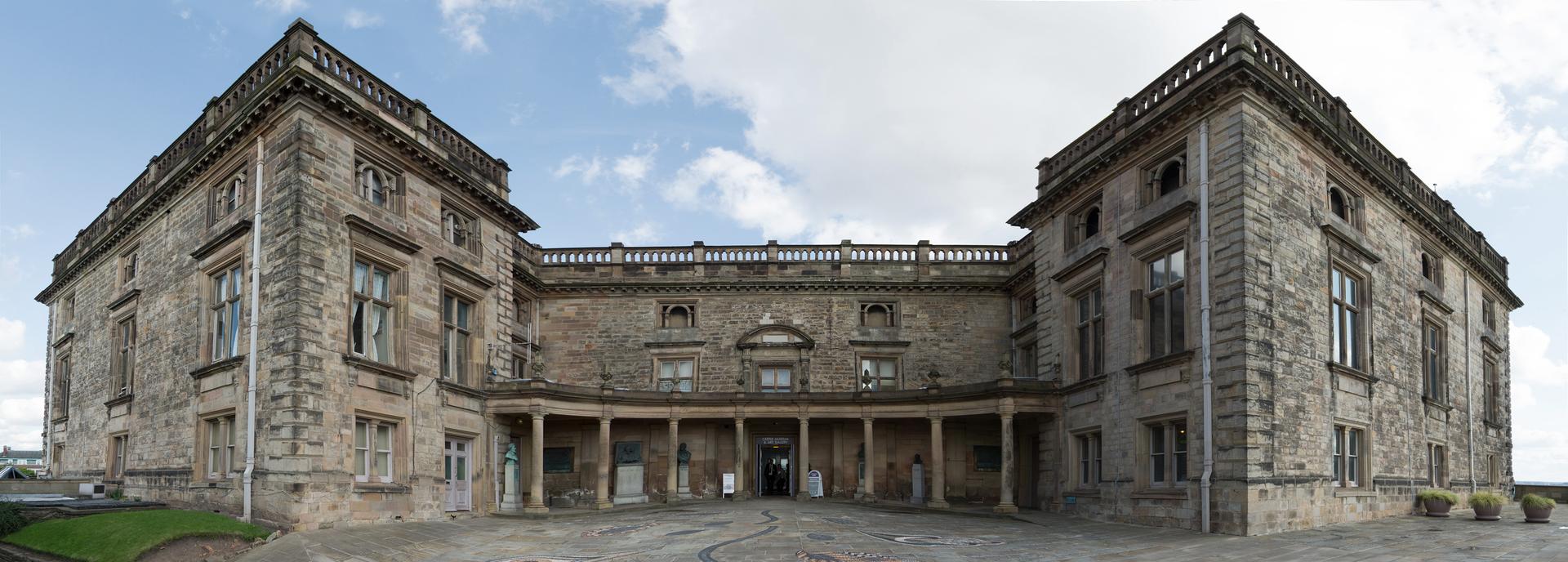
Looking beyond Cotswolds? Discover East Midlands for broader travel guides, local hot-spots, and regional highlights.
Explore East Midlands