
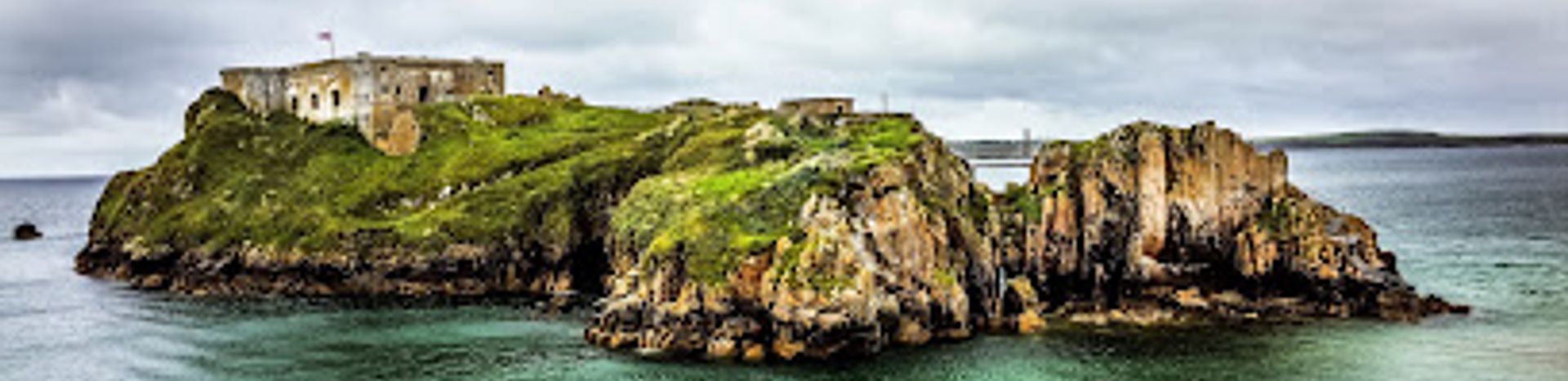
St Catherine's Island & Fort: A Coastal Sentinel of Welsh Heritage
Explore St Catherine's Island & Fort, a dramatic Victorian coastal fortress blending rich military history with stunning Pembrokeshire sea views.
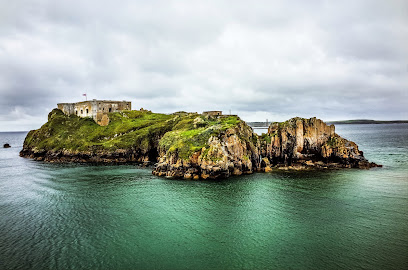
St Catherine's Island & Fort is a striking 19th-century Palmerston Fort perched on a limestone island off Tenby, Pembrokeshire, Wales. Built between 1867 and 1870 to defend against potential French invasion, the fort features imposing granite walls, historic artillery placements, and dramatic sea views. The island’s layered history includes a medieval chapel, wartime garrison, and a brief period as a zoo, making it a unique blend of military heritage and natural beauty accessible at low tide.
A brief summary to St Catherine's Island & Fort
- +447766384748
- Visit website
- Duration: 1 to 3 hours
- Mid ranged
-
 Outdoor
- Mobile reception: 4 out of 5
Local tips
- Visit at low tide to safely walk across the causeway from Tenby’s Castle Beach to the island.
- Wear sturdy footwear for climbing steps and uneven terrain within the fort.
- Bring binoculars for birdwatching; the island is a habitat for peregrine falcons and choughs.
- Check tide times in advance to plan your visit and avoid being stranded.

For the on-the-go comforts that matter to you
- Restrooms
- Drink Options
- Food Options
- Seating Areas
- Information Boards
Getting There
-
Public Bus
Take the local bus service to Tenby town center, which typically takes 1 to 1.5 hours from nearby hubs like Pembroke Dock. From Tenby, Castle Beach is a short walk to access the island at low tide. Bus fares range from £3 to £6 depending on the starting point. Services run regularly but check schedules for seasonal variations.
-
Train and Walk
Travel by train to Tenby station from major Welsh cities, with journey times between 2 to 3 hours. From the station, it is a 20-minute walk to Castle Beach. The walk involves some uneven coastal paths, so suitable footwear is recommended. Train tickets cost approximately £10 to £25 one way.
-
Car and Walking Access
Drive to Tenby where parking is available in public car parks about 10 to 15 minutes’ walk from Castle Beach. Parking fees vary from £5 to £10 per day. From the beach, access the island on foot at low tide via the natural causeway. Note that access is tide-dependent and the terrain can be slippery.
St Catherine's Island & Fort location weather suitability
-
 Any Weather
-
 Clear Skies
-
 Mild Temperatures
-
 Rain / Wet Weather
-
 Windy Conditions
Discover more about St Catherine's Island & Fort
Origins and Strategic Importance
St Catherine's Island, a limestone outcrop measuring approximately 200m by 60m and rising 28m above sea level, has long held strategic significance. In medieval times, a chapel dedicated to St Catherine stood here, evidencing early religious use. The island’s military chapter began in the mid-19th century when the Royal Commission on the Defence of the United Kingdom, responding to fears of a French invasion under Napoleon III, recommended a chain of coastal defenses. St Catherine's Fort was constructed between 1867 and 1870 to protect the Pembroke Dock naval shipyards and Milford Haven anchorage from amphibious assault. Its position allowed artillery to cover key beaches and the approach to Tenby Harbour, making it a critical sentinel on the Welsh coast.Architectural Features and Military Use
The fort’s design embodies Victorian military engineering, with thick granite walls, a dry moat accessed by a drawbridge, and flanking galleries (caponiers) for small arms defense. The fort originally housed heavy artillery, including seven- and nine-inch guns facing north and south to cover potential landing zones. Although the guns were later deemed obsolete, the fort remained militarily active through the First World War and was reactivated during the Second World War with added anti-aircraft defenses. The fort’s imposing black metal doors and prison-like atmosphere reflect its defensive purpose, while the interior once accommodated a garrison of 150 men.Transition and Later Uses
After military decommissioning in the early 20th century, the fort passed into private hands and was transformed into a summer residence by the Windsor-Richards family. However, most original interiors were auctioned off in 1940. Between 1968 and 1979, the fort hosted a zoo with a variety of animals, including monkeys and an alligator, adding an unusual chapter to its history. Today, the island is a designated Site of Special Scientific Interest (SSSI), home to peregrine falcons and choughs, underscoring its ecological as well as historical value.Visitor Experience and Cultural Significance
Accessible on foot at low tide from Tenby’s Castle Beach, St Catherine's Island offers visitors a captivating blend of military heritage and natural beauty. Exploring the fort’s dimly lit passageways, moats, and lookout towers reveals layers of history and stunning panoramic views of the Pembrokeshire coastline. The island’s dramatic setting and evocative ruins have also attracted media attention, featuring as a filming location in popular television. Its unique story from medieval chapel to coastal fortress, private home, wartime garrison, and zoo invites reflection on the evolving relationship between landscape, defense, and community.Natural Environment and Conservation
Beyond its historical structures, the island’s cliffs and surrounding waters support diverse wildlife. The SSSI designation protects the marine and bird habitats, ensuring the preservation of species such as peregrine falcons and choughs. Visitors can appreciate the island’s rugged natural scenery, which complements its cultural heritage. The tidal nature of access adds to the sense of adventure and exclusivity, making a visit to St Catherine's Island a memorable encounter with both history and nature.Legacy and Ongoing Preservation
St Catherine's Island & Fort stands as a testament to Victorian military foresight and the layered history of Pembrokeshire’s coast. Efforts to maintain and interpret the site continue, with local organizations promoting awareness of its historical and ecological importance. The fort’s imposing silhouette against the sea remains a powerful symbol of coastal defense and Welsh heritage, inviting visitors to explore and connect with a remarkable chapter of Britain's past.Iconic landmarks you can’t miss

Manx Nostalgia
0.0 km
Explore Manx Nostalgia for a unique blend of local fashion and vintage charm, perfect for tourists seeking a distinctive shopping experience.
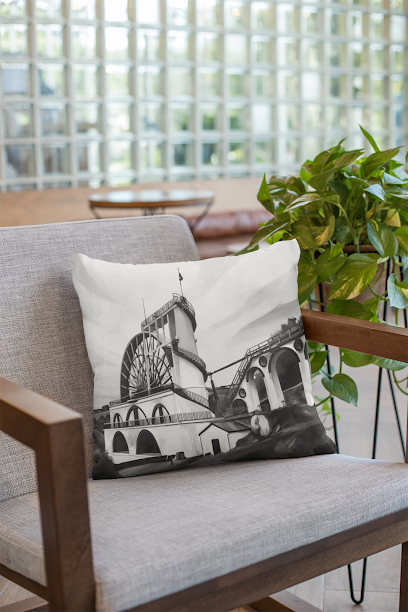
Wanderungen - Schottland
0.0 km
Discover Scotland's stunning landscapes with expert-guided hiking tours from Wanderungen - Schottland, your adventure awaits!
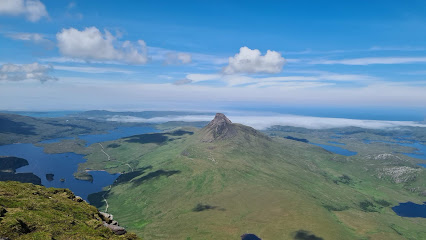
City of Stirling
0.0 km
Explore the historic City of Stirling, where stunning landscapes and rich cultural heritage create an unforgettable travel experience.
Ankh Tomb
0.0 km
Discover the unique blend of fashion and heritage at Ankh Tomb, a clothing shop that captures the essence of local culture and style.

Cotswold Walks & Hikes and Bikes
0.0 km
Discover the serene beauty of the Cotswolds through unforgettable walks, hikes, and biking adventures in this stunning English landscape.
Old Midlothian Memory Lane
0.0 km
Uncover the rich historical narratives of Midlothian at Old Midlothian Memory Lane, where history comes alive through engaging exhibits and stories.
England's North
0.0 km
Explore the best of England's North at the Tourist Information Centre—your essential hub for travel tips, maps, and local attractions.
Visit West
0.0 km
Experience the best of nature and culture at Visit West, a must-visit destination for tourists seeking adventure and local charm.

Visit Gloucestershire
0.0 km
Experience the stunning landscapes and rich history of Gloucestershire, your gateway to the Cotswolds and beyond.
Dundee Culture
0.0 km
Dundee Culture: Celebrating and amplifying the vibrant creative spirit of Dundee through dynamic media and storytelling.

Entenlochklamm
10.2 km
Discover the breathtaking Entenlochklamm, a natural gorge on the Bavarian-Tyrolean border with hiking, history, and stunning views.
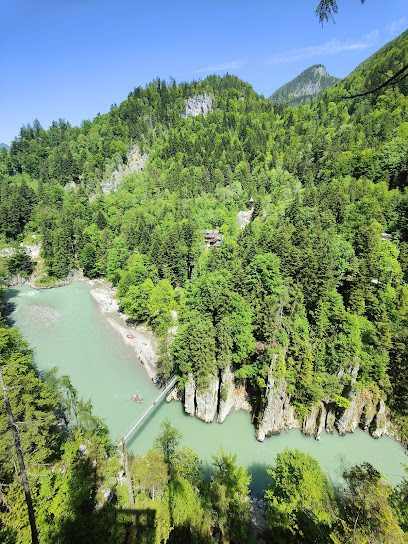
Griesbachklamm
17.6 km
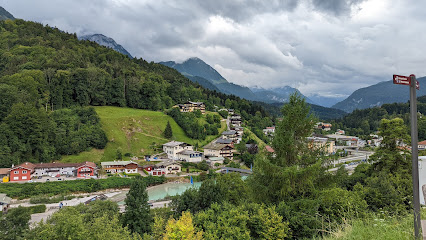
Discover the breathtaking beauty of Griesbachklamm, a natural gorge in the Austrian Alps with scenic trails, waterfalls, and lush landscapes.
Teufelsklamm in St. Ulrich am Pillersee
20.9 km
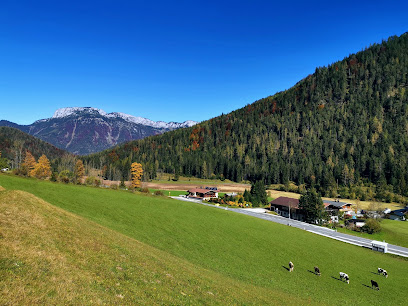
Experience the breathtaking beauty of Teufelsklamm in St. Ulrich am Pillersee, a stunning hiking area perfect for outdoor enthusiasts and nature lovers.
Ursulablick
23.0 km
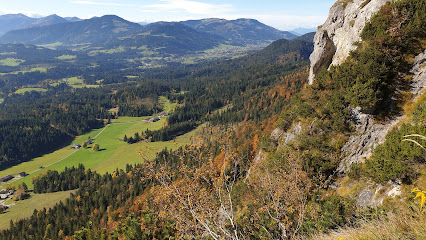
Experience breathtaking views and serene hikes at Ursulablick, a scenic spot in Kirchdorf in Tirol, surrounded by the stunning Austrian Alps.
Stripsenjochhaus
23.3 km
Discover the Stripsenjochhaus, a charming mountain cabin in the Tyrolean Alps, offering stunning views, local cuisine, and excellent hiking trails.
Unmissable attractions to see

City Break UK by Cluecation: The App where Guide meets Game!
0.0 km
Explore the unique blend of adventure and culture with interactive city tours by City Break UK by Cluecation.

Kilmartin Glen Spirits
0.0 km
Explore Kilmartin Glen Spirits: Where Artisanal Gin Meets Scenic Beauty in an Unforgettable Distillery Experience.
Tasting History Scotland
0.0 km
Experience Ayrshire’s rich heritage through immersive storytelling, historic sites, and authentic Scottish tastes with Tasting History Scotland.

Abandoned Pictures
0.0 km
Discover the haunting beauty of forgotten spaces with Abandoned Pictures, a film company turning abandonment into art.

Cotswolds
0.0 km
Explore the rolling hills, golden stone villages, and timeless charm of England’s largest Area of Outstanding Natural Beauty.
Visit Dundee
0.0 km
Explore 400 million years of art, history, and nature in Dundee’s stunning Gothic Revival museum with free admission and vibrant galleries.
St Catherine's Island & Fort
0.0 km
Explore St Catherine's Island & Fort, a dramatic Victorian coastal fortress blending rich military history with stunning Pembrokeshire sea views.
All of the Beautiful Things
0.0 km
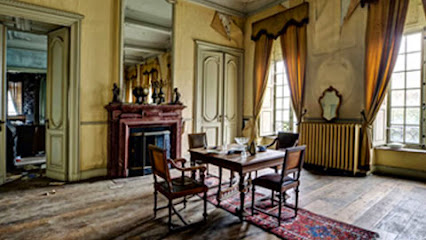
Discover timeless elegance and stories from the past at All of the Beautiful Things, a serene antique shop with a curated collection of vintage treasures.
Ardingly Antiques Fair
0.0 km
Explore one of southern England’s largest antiques fairs with thousands of vintage treasures and collectibles under one roof.
Circus Extreme
0.0 km
Experience the ultimate adrenaline-fueled circus with death-defying stunts, world-class performers, and electrifying live rock music.
Flutter.Buys - Artist - Thrive in the Art of Surviving
0.0 km
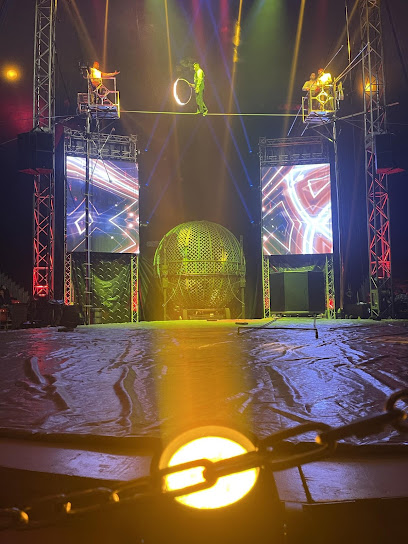
Discover vibrant acrylic art and sculptures in a serene Alpine studio blending tradition, innovation, and sustainability.

Klobenstein Felsen
10.1 km
Discover the breathtaking views and serene beauty of Klobenstein Felsen in Kössen, Austria, a premier destination for nature lovers and outdoor enthusiasts.
Kunst in Kössen
11.6 km
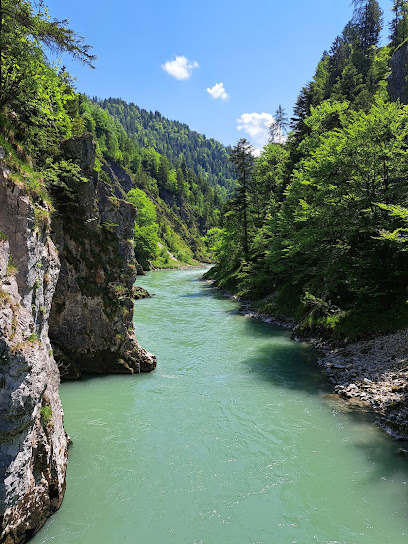
Explore the vibrant art scene at Kunst in Kössen, a unique tourist attraction showcasing local talents and cultural heritage in a stunning setting.
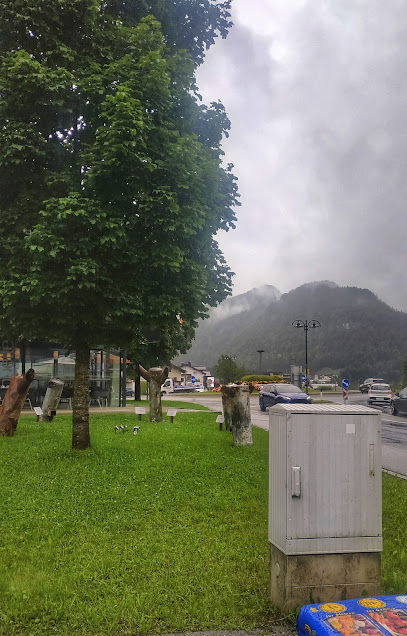
Rudersburg
12.1 km
Explore Rudersburg, an enchanting tourist attraction in Kossen, Austria, renowned for its stunning landscapes and vibrant cultural heritage.
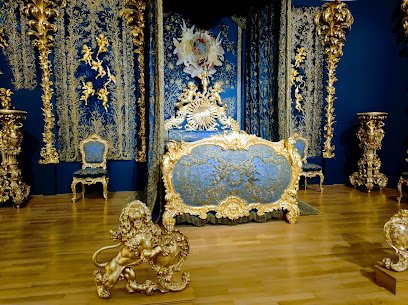
King Ludwig II Museum
15.7 km
Explore the life and eccentric world of Bavaria's 'Mad King' Ludwig II within the opulent setting of Herrenchiemsee Palace.
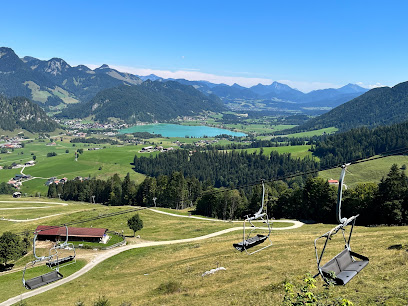
Essential places to dine

Zahmer Kaiser Restaurant
20.7 km
Discover Zahmer Kaiser Restaurant in Walchsee: Authentic Austrian cuisine amidst breathtaking mountain views.
Restaurant Crystal
25.3 km
Experience the best of Austrian cuisine with a modern twist at Restaurant Crystal in Sankt Johann in Tirol.
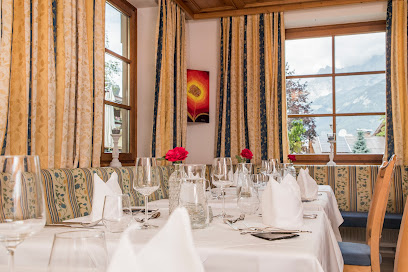
Graspoint Niederalm
25.3 km
Discover authentic Austrian cuisine at Graspoint Niederalm while soaking in breathtaking alpine views in Sonnseite.
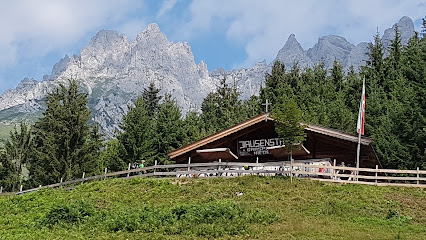
Wochenbrunner Alm
26.2 km
Experience authentic Austrian cuisine at Wochenbrunner Alm in Ellmau amidst stunning alpine scenery.
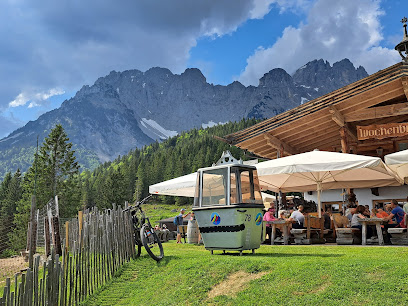
Berggasthaus Grander Schupf
26.2 km
Discover culinary excellence at Berggasthaus Grander Schupf with stunning alpine views and authentic Tyrolean cuisine.
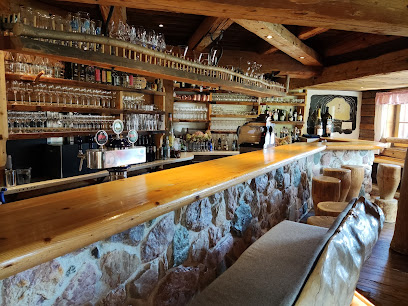
Koasastadl
26.7 km
Discover Koasastadl: A Culinary Haven Offering Authentic Tyrolean Dishes Amidst Breathtaking Alpine Scenery.
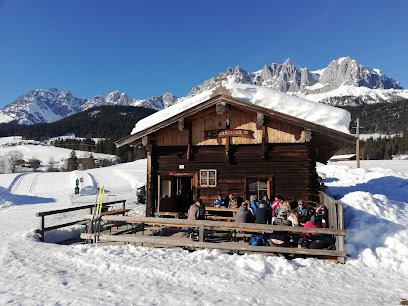
Reischerwirt
27.0 km
Discover authentic Austrian flavors at Reischerwirt in Going am Wilden Kaiser - where tradition meets breathtaking alpine beauty.
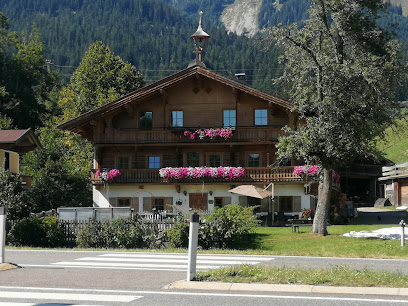
Restaurant Esskultur
27.1 km
Discover culinary artistry at Restaurant Esskultur in St. Jakob in Haus - a fine dining experience blending local flavors with elegance.
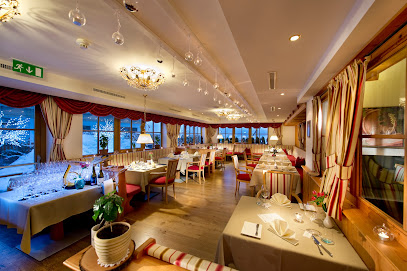
Steinberg Alm
27.6 km
Experience authentic Austrian cuisine amidst breathtaking alpine scenery at Steinberg Alm in Scheffau am Wilden Kaiser.
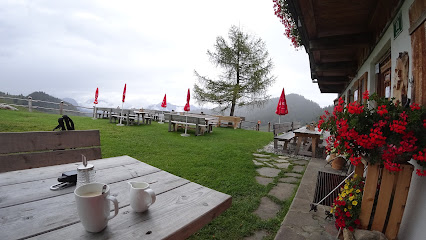
Restaurant Gasthof Stanglwirt
27.7 km
Discover authentic Austrian cuisine amidst breathtaking alpine scenery at Gasthof Stanglwirt in Going am Wilden Kaiser.
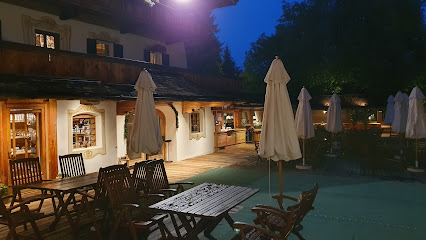
Kaiseralm, bewirtschaftet
28.1 km
Experience exquisite Austrian cuisine at Kaiseralm in Scheffau am Wilden Kaiser, where breathtaking mountain views meet culinary excellence.
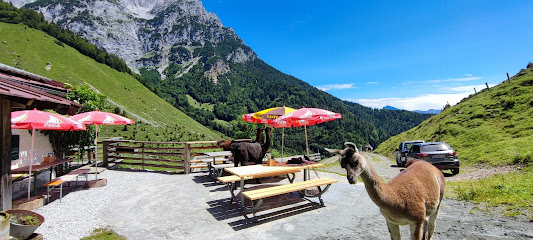
Restaurant Alexandra Going am Wilden Kaiser
28.6 km
Experience authentic European cuisine in the heart of Going am Wilden Kaiser at Restaurant Alexandra – where every dish tells a story.
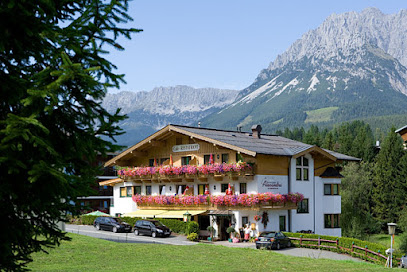
Restaurant Kaiserbad
28.7 km
Experience authentic Austrian cuisine amidst breathtaking alpine views at Restaurant Kaiserbad in Ellmau.
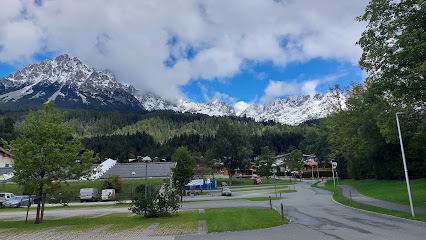
Restaurant und Boutique Pension Jägerwirt
28.9 km
Experience authentic Tyrolean cuisine and cozy accommodations at Restaurant und Boutique Pension Jägerwirt in Scheffau am Wilden Kaiser.
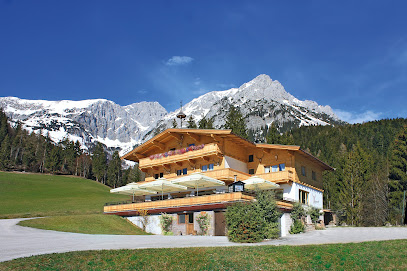
Hollenauer-Kreuz Jausenstation
29.0 km
Experience authentic Austrian cuisine with breathtaking views at Hollenauer-Kreuz Jausenstation in Going am Wilden Kaiser.
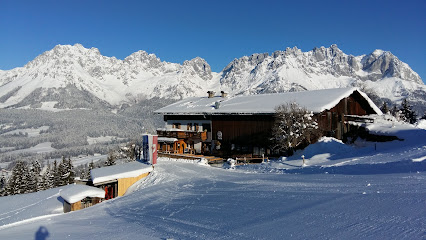
Markets, malls and hidden boutiques

Seasons of the Glens
0.0 km
Discover the charm of local craftsmanship at Seasons of the Glens – a unique store celebrating the beauty of the region through artisanal products.

Coastal Cushions
0.0 km
Explore Coastal Cushions for unique home goods that embody the charm of coastal living, perfect for adding a seaside touch to your home decor.
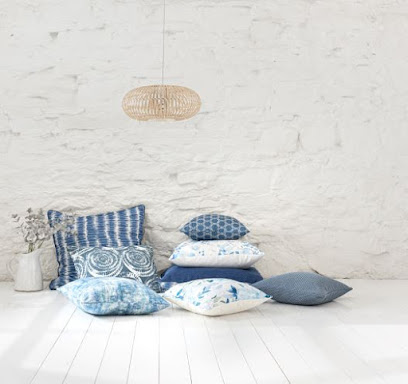
Curios Variety Shop
0.0 km
Explore Curios Variety Shop, your go-to destination for unique gifts and quirky treasures that make your visit unforgettable.

UK Shopping Guide
0.0 km
Discover the vibrant retail landscape of the UK with our comprehensive shopping guide, perfect for savvy tourists seeking unique finds.

One Bay
0.0 km
Explore One Bay, a unique kitchen supply shop offering exquisite home essentials and local craftsmanship for every culinary enthusiast.
Enchanted Planet
0.0 km
Discover ethically crafted gifts and sustainable living essentials at Enchanted Planet, a family-run shop dedicated to a greener future.

Aspire Art Glass
0.0 km
Discover exquisite handmade glass gifts crafted with passion by a dedicated mother-daughter team in the UK’s Aspire Art Glass online boutique.
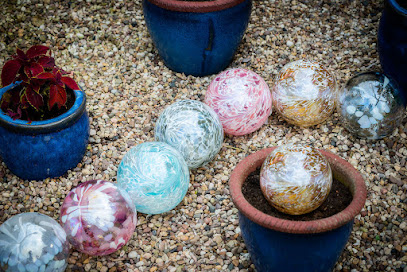
The Cute Stuff UK
0.0 km
Discover charming kawaii treasures and playful collectibles at The Cute Stuff UK, Bavaria’s cozy shop for all things cute and delightful.

The Barn | Cotswold Home Decor Shop
0.0 km
Discover unique home decor treasures blending rustic charm and modern style in the heart of the Cotswolds at The Barn.
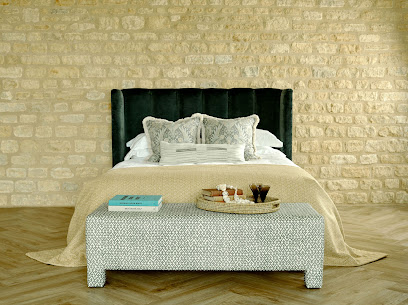
A Touch of Quirk
0.0 km
Discover quirky, handcrafted gifts and local artisan creations at A Touch of Quirk, a boutique shop full of unique treasures and creative charm.
Pure Favours
0.0 km
Elegant bespoke party favours and personalized gifts crafted to make your special celebrations unforgettable.
Bespoke Vintage UK
0.0 km
Discover timeless vintage treasures and unique antique gifts with Bespoke Vintage UK’s curated collection and eco-friendly ethos.
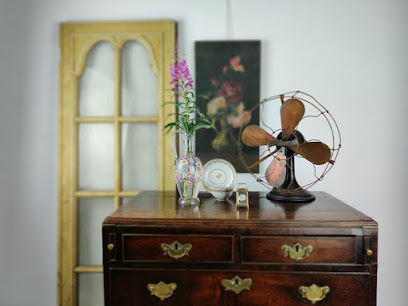
The Cotswold Baby Box
0.0 km
Luxury curated baby boxes and bespoke gifts from the heart of the Cotswolds, handpicked with care.

Bafoo Shop
0.0 km
Bafoo Shop offers expert pet supplies and services in a serene Alpine setting, blending quality care with natural beauty.

Unique clothing
0.0 km
Discover distinctive apparel from global brands in Bavaria’s Unique Clothing boutique, where style meets quality and curated fashion awaits.

Essential bars & hidden hideouts

The Brunton Arms
0.0 km
Experience the rich craftsmanship of local brews at The Brunton Arms, where tradition meets taste in a charming setting.
Town & Country Bars
0.0 km
Experience a refreshing twist on nightlife with oxygen-infused cocktails in a calm, health-focused setting at Town & Country Bars.
Dagnbar - Crazy Horse
17.4 km
Experience the vibrant nightlife of Walchsee at Dagnbar - Crazy Horse, where local charm meets lively entertainment in a cozy bar setting.
Feierabend by Liane
24.8 km
Discover the perfect blend of relaxation and local flavor at Feierabend by Liane, Sankt Johann's charming bar and café.
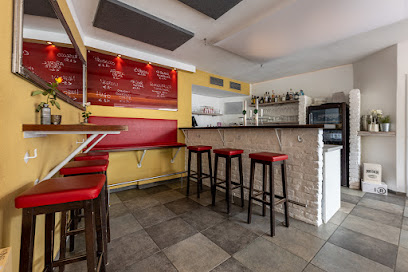
Post Bar
24.9 km
Experience the vibrant nightlife at Post Bar in St. Johann in Tirol, where innovative cocktails meet a lively atmosphere.
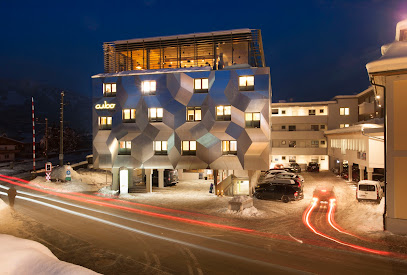
Cubo Skylounge
25.2 km
Experience gourmet dining with breathtaking mountain views at Cubo Skylounge, the perfect spot in Sankt Johann in Tirol.
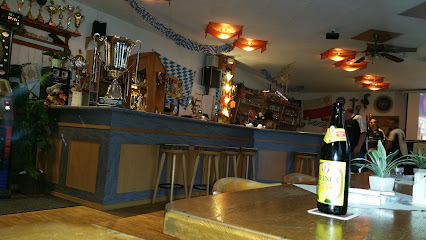
Bayernstüberl
26.1 km
Discover the charm of Bayernstüberl in Traunreut, where Bavarian hospitality meets fun-filled evenings of darts and local brews.
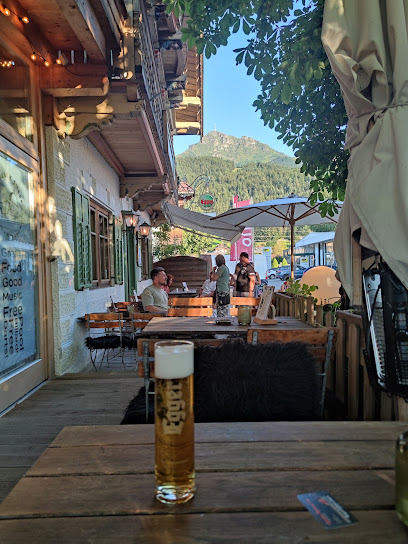
Getränke-Brunnen
28.2 km
Experience the enchanting atmosphere of Getränke-Brunnen, a serene bar in Scheffau am Wilden Kaiser, perfect for unwinding after alpine adventures.
The Black Sheep
28.3 km
Experience the vibrant atmosphere and delicious offerings at The Black Sheep, a must-visit gastropub in Oberndorf in Tirol.
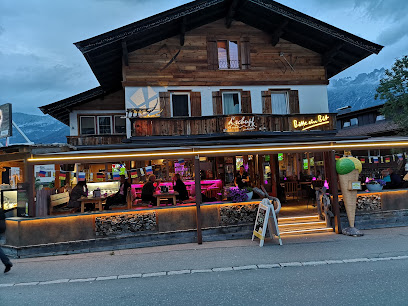
Luna Bar
28.9 km
Discover the warm ambiance of Luna Bar in Ebbs, a perfect retreat for drinks and local culture amidst stunning surroundings.

d'schupf
29.3 km
Discover the delightful flavors of Tyrol at d'schupf, where grilled delicacies meet warm hospitality in the heart of Ellmau.
Irish Pub Paddy´s Shebeen
29.7 km
Discover the charm of Ireland at Paddy's Shebeen, a cozy pub in Ellmau offering traditional Irish cuisine and a vibrant atmosphere.
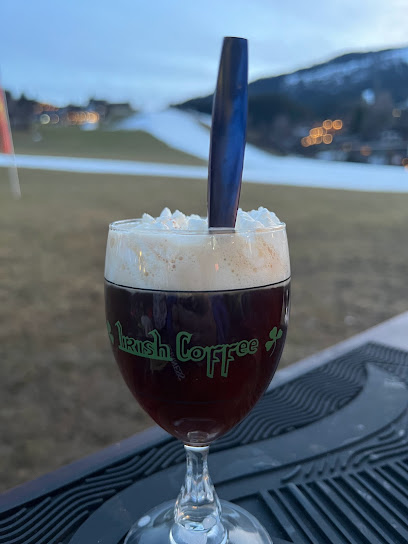
Sternbar
30.3 km
Experience the charm of Sternbar, a cozy bar in Scheffau am Wilden Kaiser, blending local culture with stunning alpine views.
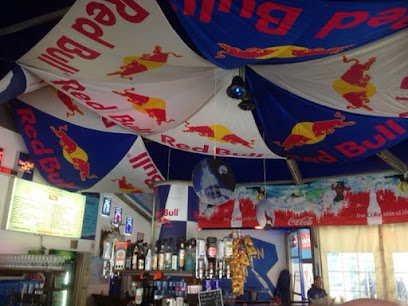
Fabels Ellmau
30.3 km
Experience the flavors of Tyrol at Fabels Ellmau, a charming restaurant and bar offering a delightful selection of local and international cuisine.
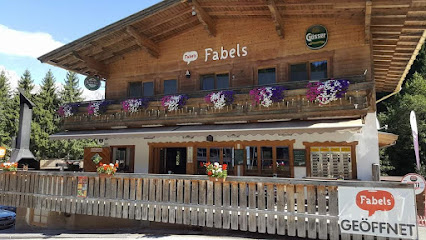
TOPBar Ellmau
30.3 km
Discover the charm of TOPBar Ellmau, where alpine beauty meets refreshing drinks in a cozy atmosphere.
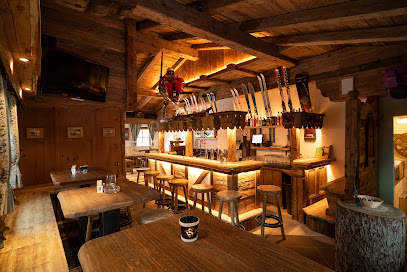
Nightclubs & after hour spots

Fatsoma
0.0 km
Explore the excitement of local events with Fatsoma, your go-to platform for discovering and booking unforgettable experiences.
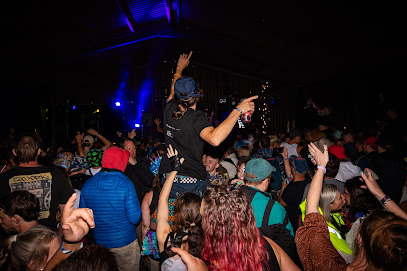
La Vie Night Club
20.1 km
Dance the night away at La Vie Night Club in Lofer, where vibrant music and unforgettable experiences await every night.
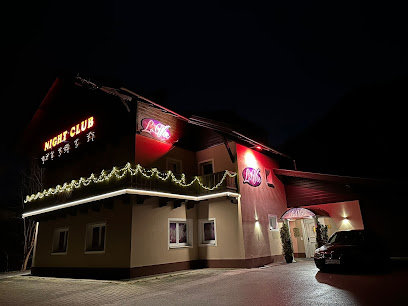
Braunei Hittn
30.6 km
Discover the vibrant nightlife at Braunei Hittn, Piding's premier night club, where unforgettable moments and electrifying entertainment await.
Club Baamhakke Piding
30.7 km
Discover the pulse of Piding's nightlife at Club Baamhakke, where great music and a vibrant atmosphere await.

Tschin
30.8 km
Dive into Kufstein's nightlife at Tschin, where electrifying beats and vibrant crowds create unforgettable experiences every weekend.
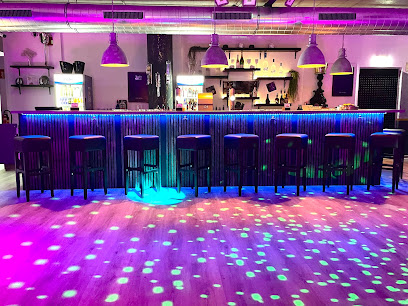
Q-West Club
30.8 km
Discover Kufstein's nightlife at Q-West Club, where electrifying music and vibrant crowds create an unforgettable party experience.
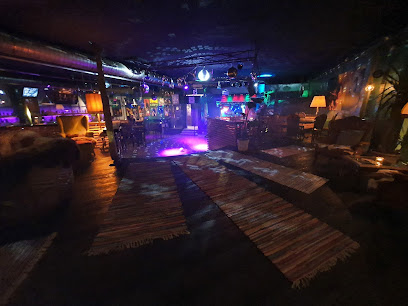
SEGABAR Kufstein
30.8 km
Discover the pulsating nightlife of Kufstein at SEGABAR, where music, drinks, and unforgettable moments come alive every night.
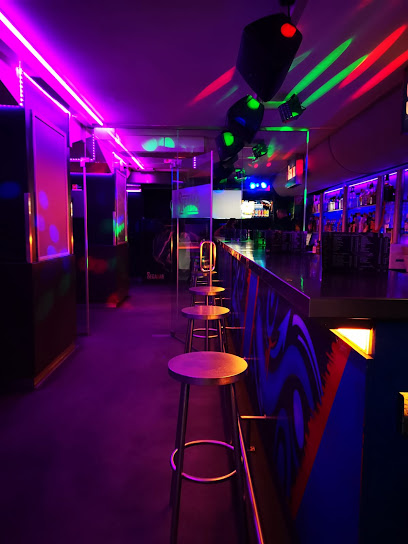
Kaiseralm - Tanzbar
30.9 km
Discover Kaiseralm - Tanzbar, Scheffau am Wilden Kaiser’s premier night club, where vibrant nights and stunning alpine views come together.
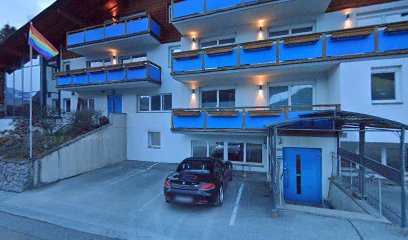
Babylon Salzburg
32.7 km
Discover Babylon Salzburg, a vibrant night club in Walserberg offering exhilarating music and an unforgettable nightlife experience.
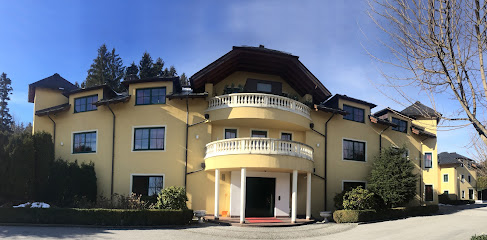
The LaRossas
32.8 km
Experience the magic of live jazz at The LaRossas, a premier jazz club in Kitzbühel known for its captivating performances and warm atmosphere.
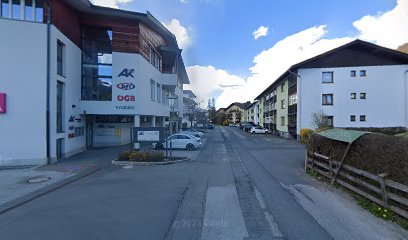
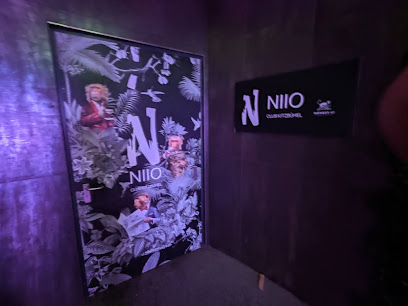
NIIO Club Kitzbühel
33.6 km
Discover the vibrant nightlife of NIIO Club Kitzbühel, where lively music and unforgettable experiences await every night.
Stefan Hetzenauer
34.6 km
Immerse yourself in the vibrant nightlife at Stefan Hetzenauer, a premier night club in Kirchberg in Tirol, surrounded by breathtaking alpine views.
Fuchslöchl
35.4 km
Experience the thrill of nightlife at Fuchslöchl, Kirchberg in Tirol's premier disco club offering vibrant music and unforgettable memories.
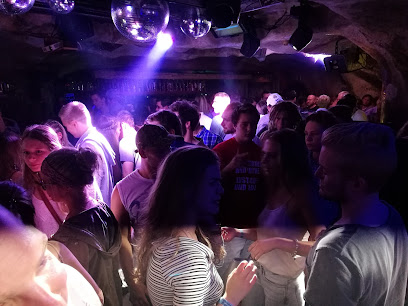
Space Club
36.2 km
Discover Salzburg's nightlife at Space Club, a pulsating night club offering electrifying music and vibrant atmosphere for an unforgettable evening.
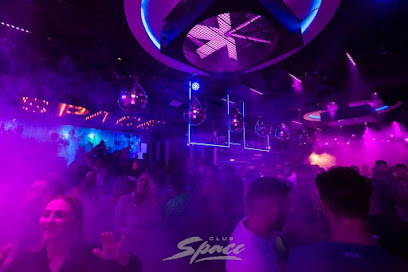
Eventhouse
36.2 km
Dive into the electrifying nightlife of Freilassing at Eventhouse, a disco club that promises unforgettable moments and vibrant dance floors.
For the vibe & atmosphere seeker
- Scenic
- Tranquil
- Unique
- Relaxing
For the design and aesthetic lover
- Rustic Designs
For the architecture buff
- Historic
- Landmarks
For the view chaser and sunset hunter
- Iconic Views
- Panoramas
- Waterfront
- Sunset Spots
For the social media creator & influencer
- Instagrammable
- Photo Spots
- Selfie Spots
- Aesthetic Corners
For the eco-conscious traveler
- Protected Area
- Nature Reserve
- Public-Transport Accessible
- Leave-No-Trace Critical
- Locally Managed
- Wildlife Habitat
For the kind of experience you’re after
- Cultural Heritage
- Photowalk
- Nature Escape
- Day Trip
- Weekend Getaway
For how adventurous you want the journey to be
- Easy Access
Location Audience
- Family Friendly
- Senior Friendly
- Child Friendly
- Teen Friendly
- Couple Friendly
- Solo Friendly
- Vegetarian Friendly
- Vegan Friendly


