
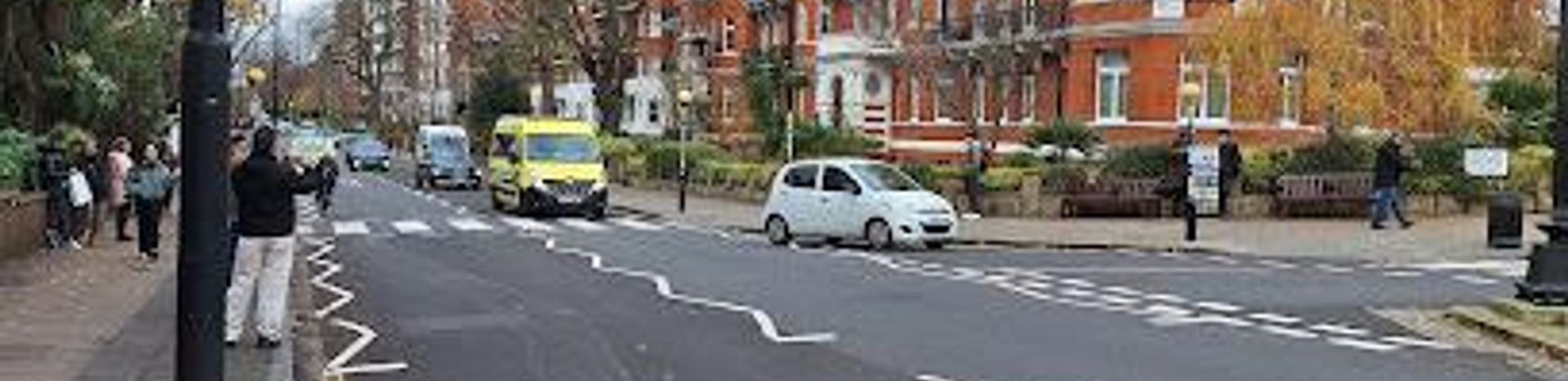
Abbey Road Studios: The Legendary Birthplace of Modern Music Recording
The world’s first purpose-built recording studio, immortalized by The Beatles and a beacon of musical innovation since 1931.
Abbey Road Studios, located at 3 Abbey Road in London, is the world's first purpose-built recording studio, established in 1931. Renowned for its pivotal role in music history, it is famously linked to The Beatles, who recorded most of their iconic albums here. The studio pioneered recording innovations and hosted classical legends, jazz greats, and rock pioneers, making it a symbol of musical evolution and creativity.
A brief summary to Abbey Road Studios
- 3 Abbey Rd., London, NW8 9AY, GB
- +442072667000
- Visit website
- Duration: 0.5 to 2 hours
- Mid ranged
-
 Outdoor
- Mobile reception: 5 out of 5
- Monday 9:30 am-7 pm
- Tuesday 9:30 am-7 pm
- Wednesday 9:30 am-7 pm
- Thursday 9:30 am-7 pm
- Friday 9:30 am-7 pm
- Saturday 9:30 am-7 pm
- Sunday 10 am-6 pm
Local tips
- Visit early in the day to avoid crowds at the famous Abbey Road zebra crossing.
- Explore the official Abbey Road website for virtual tours and exclusive studio history.
- Respect the recording sessions by keeping noise levels down when near the studios.
- Combine your visit with a walk through nearby St John’s Wood to enjoy its historic charm.

For the on-the-go comforts that matter to you
- Restrooms
- Drink Options
- Food Options
- Seating Areas
- Trash Bins
- Information Boards
Getting There
-
Public Transport
Take the London Underground Jubilee Line to St John’s Wood station, then enjoy a 15-minute walk along Abbey Road to reach the studios. The station is well-serviced with frequent trains, and the walk is flat and accessible.
-
Bus
Bus routes 13, 113, and 139 serve the area near Abbey Road Studios. From the nearest stops, it is a 5-10 minute walk to the studios. Buses run regularly throughout the day, providing an affordable and convenient option.
-
Taxi or Ride-Hailing
Taxis and ride-hailing services can drop you directly at 3 Abbey Road. Travel times vary from 15 to 30 minutes depending on traffic. Note that parking near the studios is limited and often restricted.
-
Walking
If staying nearby in St John’s Wood or central London, walking to Abbey Road Studios offers a scenic route through leafy residential streets. The terrain is mostly flat and suitable for all fitness levels, taking approximately 20-40 minutes depending on your starting point.
Abbey Road Studios location weather suitability
-
 Any Weather
-
 Clear Skies
-
 Mild Temperatures
-
 Rain / Wet Weather
Discover more about Abbey Road Studios
Origins and Architectural Significance
Abbey Road Studios began as a nine-bedroom Georgian townhouse built in 1831, situated in St John's Wood, London. Purchased in 1929 by the Gramophone Company, it was transformed over two years into the world's first purpose-built recording studio, officially opening in November 1931. The original house was adapted for administration, while three state-of-the-art studios were constructed at the rear. The opening session featured Sir Edward Elgar conducting the London Symphony Orchestra, marking the start of a new era in sound recording.Classical Roots and Early Innovations
Initially, Abbey Road was a hub for classical music, hosting eminent artists such as Sir Thomas Beecham, Pablo Casals, and Maria Callas. The studio was at the forefront of technological advancement, with EMI engineer Alan Blumlein leading the first stereo recording in 1932. The studio's technical teams developed pioneering mixing desks, custom speakers, and outboard gear, setting standards that shaped recording practices worldwide.The Beatles and the Studio's Golden Era
Abbey Road’s global fame is inseparable from The Beatles, who recorded nearly 190 of their 210 songs here between 1962 and 1970. Studio Two became their creative playground, where they pushed the boundaries of music production with innovative techniques and unlimited studio time. Their 1969 album, "Abbey Road," immortalized the studio’s name. Producer George Martin and engineers collaborated closely with the band, fostering an environment of experimentation that revolutionized popular music.Rock, Jazz, and Beyond
Beyond The Beatles, Abbey Road nurtured British rock ‘n’ roll’s rise in the late 1950s with artists like Cliff Richard and The Shadows. It also hosted jazz legends such as Fats Waller and Glenn Miller. In later decades, the studios accommodated diverse genres and artists including Pink Floyd, U2, and Coldplay, maintaining its status as a cutting-edge recording facility that adapts to evolving musical styles.Preservation and Cultural Impact
In 2010, Abbey Road Studios and its iconic zebra crossing were granted Grade II listed status by English Heritage, protecting them as historic landmarks. The studios remain a pilgrimage site for music lovers worldwide, symbolizing the evolution of recorded sound and cultural transformation. The Abbey Road Institute, opened in 2015, continues the legacy by educating future generations of music professionals.Visitor Experience and Atmosphere
Visitors are drawn not only to the studios but also to the legendary zebra crossing outside, which has become a cultural icon. The atmosphere blends reverence for its rich musical heritage with a vibrant creative energy that still pulses within its walls. The studios balance historic charm with modern technology, offering a unique glimpse into the past and present of music recording innovation.Iconic landmarks you can’t miss

5 Abbey Rd.
0.0 km
World’s oldest purpose-built recording studio and iconic Beatles landmark in London’s St John’s Wood.
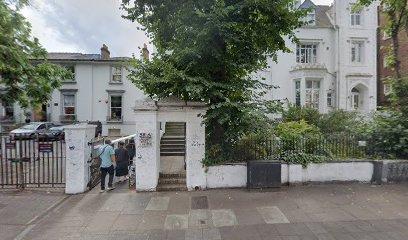
3 Abbey Rd.
0.0 km
World-famous recording studio in London where The Beatles and many legends crafted music history since 1931.
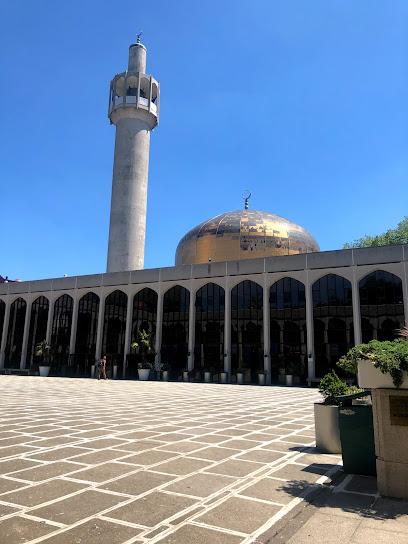
London Central Mosque
1.0 km
London's iconic Islamic cultural landmark blending spiritual tradition with modern community engagement.
The Paddington Partnership
1.6 km
Experience the vibrant community and rich culture of Paddington through the initiatives of The Paddington Partnership, a hub for local engagement and development.
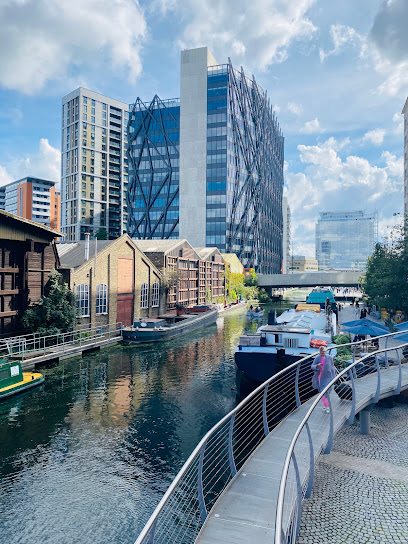
Sussex Gardens
2.1 km
A serene Victorian garden oasis nestled in the historic Tyburnia district, blending lush greenery with elegant architecture in central London.
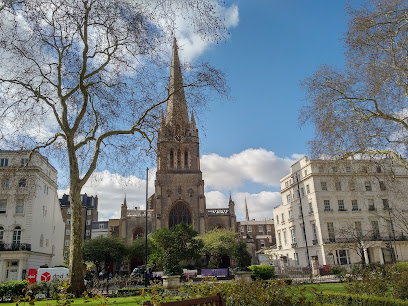
Space Apart Hotel
2.2 km
Modern serviced apartments in historic Kensington Gardens Square, offering stylish comfort and easy access to London’s top attractions.

Iron Footbridge over Regent’s Canal (Camden)
2.4 km
Historic iron footbridge offering scenic canal views and vibrant access to Camden’s lively markets and cultural heart.
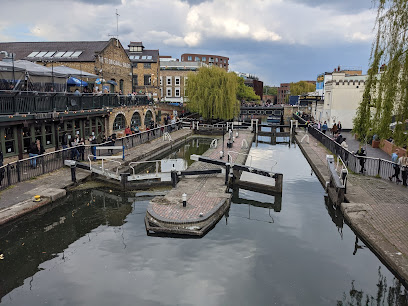
Edward Jenner Memorial
2.4 km
Victorian marble tribute to the physician who conquered smallpox and invented vaccination.
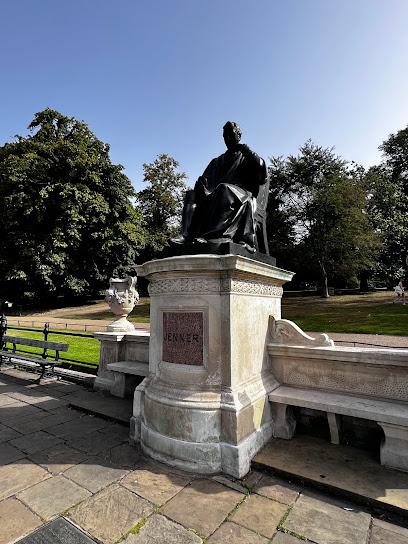
Former EMI House (Beatles album cover photo)
2.4 km
Where The Beatles' iconic Please Please Me album cover was photographed in 1963.
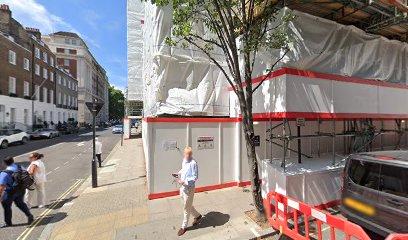
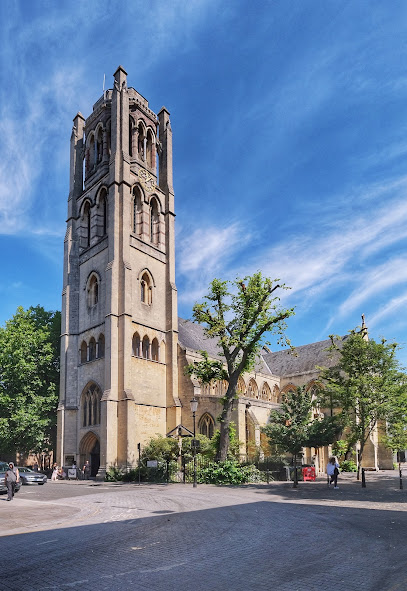
All Saints' Church, Notting Hill
2.5 km
Explore the architectural beauty and serene atmosphere of All Saints' Church, a must-visit Anglican church and cultural hub in Notting Hill, London.
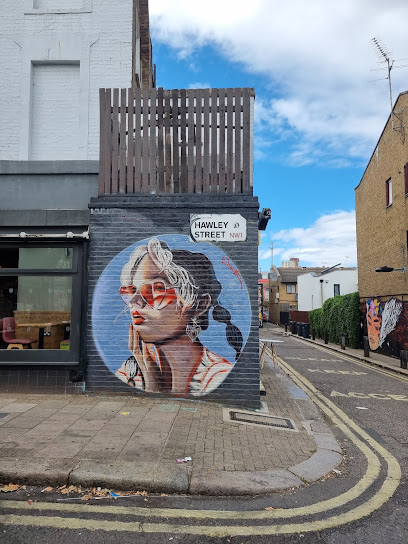
Hawley Street Art
2.5 km
Discover Camden’s vibrant Hawley Street Art, a dynamic outdoor gallery celebrating creativity, culture, and iconic urban murals.
Royal Free Hospital
2.5 km
Discover the Royal Free Hospital, a historic healthcare institution in London, blending tradition with modern medical excellence.
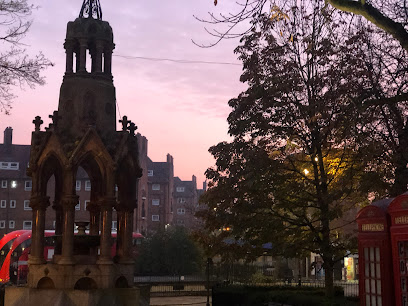
The Music Walk of Fame
2.5 km
Explore the Music Walk of Fame in Camden, honoring iconic artists with unforgettable tributes in the heart of London's music scene.
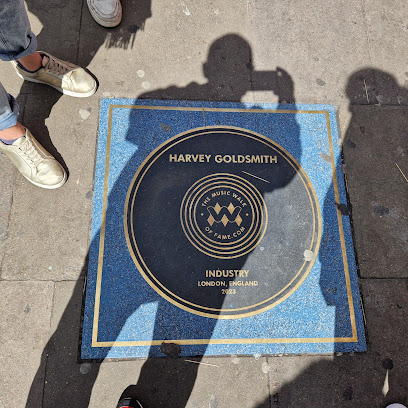
Camden point
2.6 km
Discover Camden Point in London, a vibrant tourist attraction where scenic beauty meets rich culture, making it a must-visit destination for all travelers.
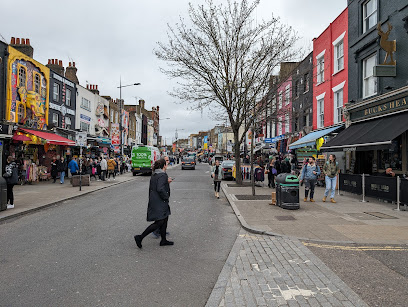
Portobello Road Market
2.6 km
Discover London’s vibrant Portobello Road Market, a historic treasure trove of antiques, vintage fashion, and street food in the heart of Notting Hill.
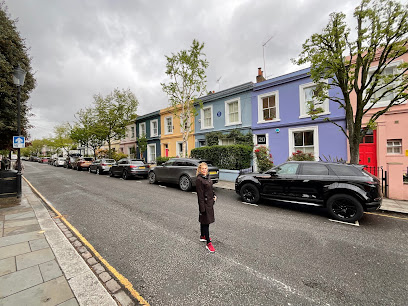
Unmissable attractions to see

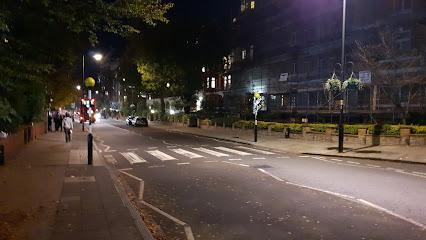
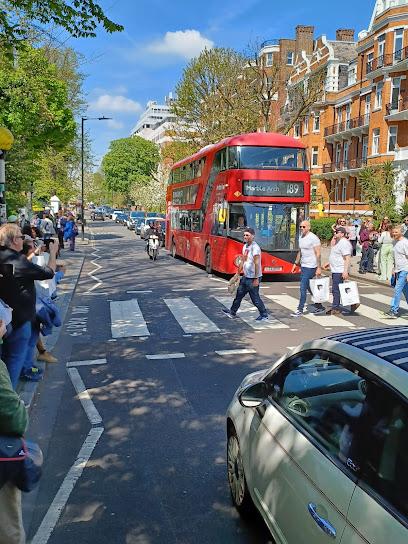
Abbey Road crossing
0.0 km
The world-famous zebra crossing where The Beatles immortalized their legacy on Abbey Road in London’s St John’s Wood.
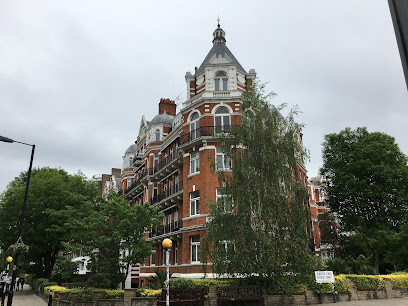
St. John's Wood
0.4 km
Elegant village charm meets iconic landmarks and green spaces just minutes from central London in St John's Wood.
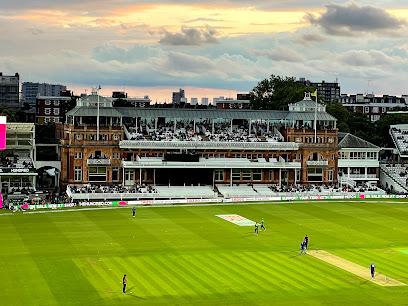
Lord's Cricket Ground
0.5 km
Immerse yourself in the rich heritage of cricket at Lord's Cricket Ground, the world's oldest and most famous cricket venue in London.
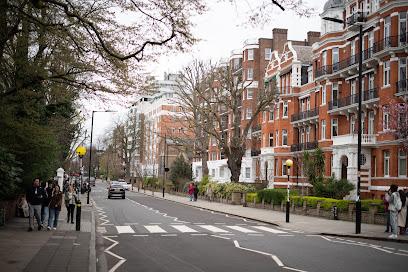
Abbey Rd.
0.7 km
Iconic London street and world-famous recording studios where The Beatles made history and music innovation thrives.
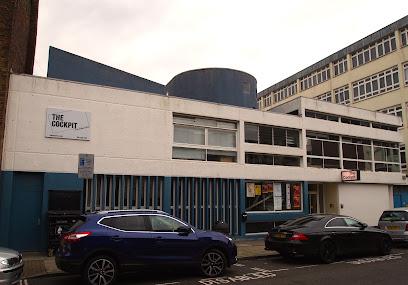
The Cockpit
1.0 km
Intimate in-the-round theatre in Marylebone offering cutting-edge performances and a vibrant creative community.
Jason's Trips Ltd
1.3 km
Historic narrowboat cruises reveal London's hidden waterways and 200 years of canal heritage.
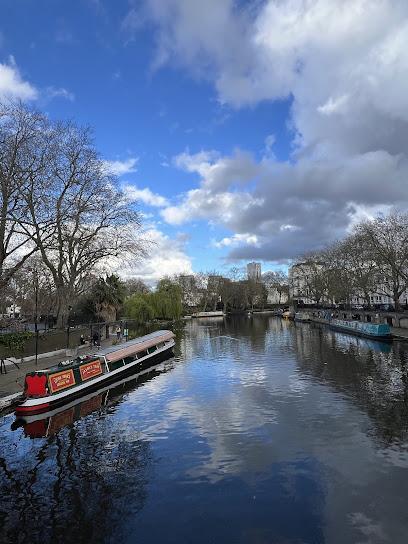
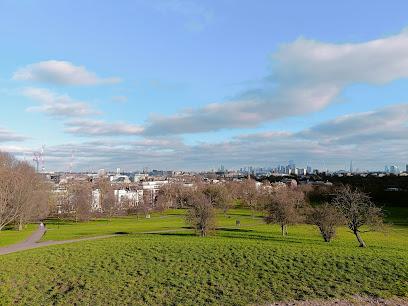
Primrose Hill
1.4 km
Historic hilltop park in London offering stunning city views, Victorian charm, and a rich tapestry of cultural heritage.
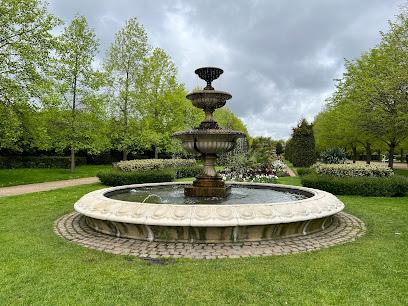
The Regent's Park
1.4 km
A grand Regency park in central London, with rose gardens, a boating lake, Primrose Hill views, and London Zoo, all within easy reach of the city centre.
The Fan Bridge
1.6 km
A captivating kinetic footbridge at Paddington Basin that opens like a Japanese fan, blending engineering brilliance with artistic design.
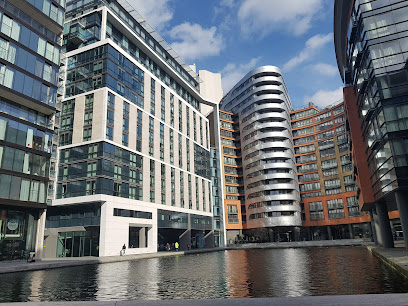
Paddington Basin
1.6 km
A modern canal basin in west London where historic waterways meet sleek architecture, waterside dining, and a relaxed urban vibe.
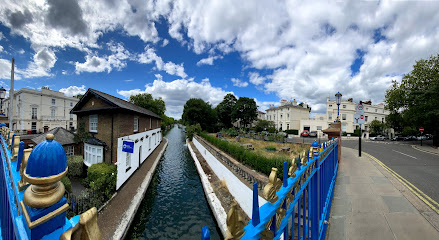
The Sherlock Holmes Museum
1.6 km
Step inside the legendary detective’s Victorian home and immerse yourself in the world of Sherlock Holmes at 221B Baker Street.
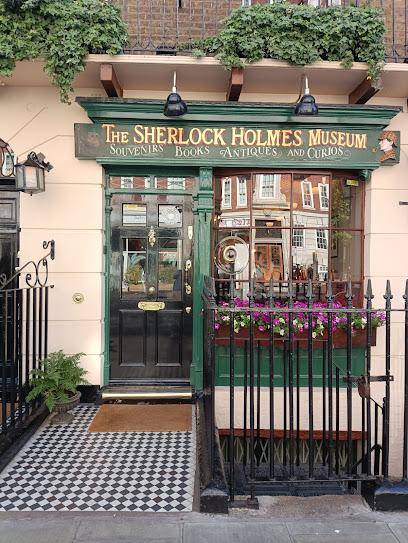
221B Baker St
1.6 km
Step into the legendary Victorian home of Sherlock Holmes at 221B Baker Street, London’s iconic address of mystery and literary heritage.
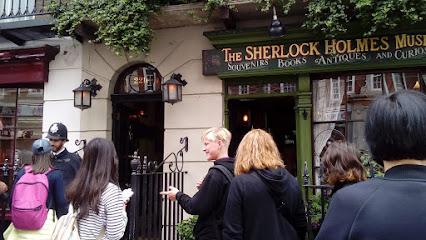
2 Eastbourne Terrace
1.6 km
Prime Paddington office space with flexible work environments, top amenities, and unbeatable transport links opposite Paddington Station.
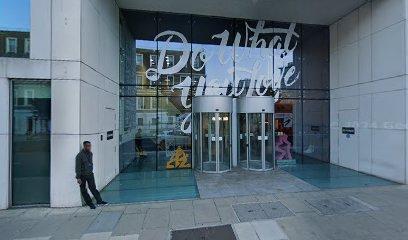
The Queens
1.7 km
Experience the heart of London at The Queens, a vibrant pub in Primrose Hill offering delicious food, craft drinks, and a welcoming atmosphere.
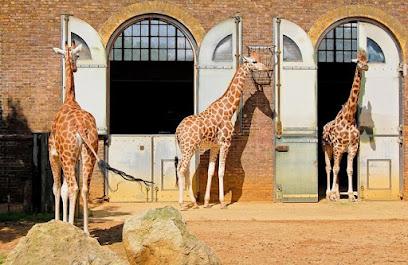
London Zoo
1.7 km
Discover London Zoo’s rich heritage, immersive habitats, and global conservation mission in the heart of Regent’s Park.
Essential places to dine

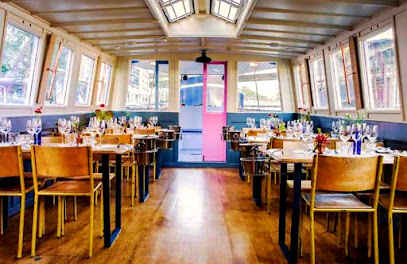
London Shell Co. - The Prince Regent
1.4 km
Savor exceptional British seafood aboard a charming canal barge cruising the historic Regent's Canal in Central London.
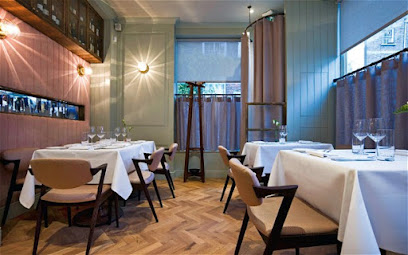
104 Restaurant by Richard Wilkins
1.9 km
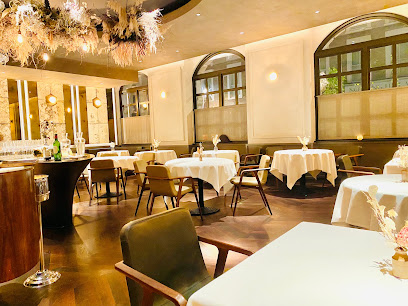
A refined modern French gem in Notting Hill offering intimate dining, exquisite tasting menus, and impeccable service in a cozy setting.
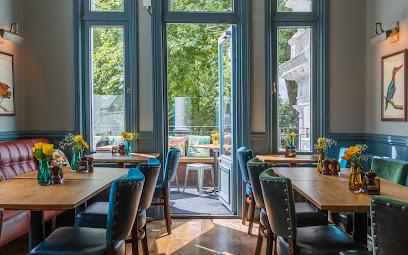
Cocotte Notting Hill
2.2 km
Experience authentic French rotisserie chicken in a cozy, farm-to-table setting on vibrant Westbourne Grove, Notting Hill.
The Ledbury
2.3 km
Experience world-class Modern European fine dining in Notting Hill at The Ledbury, a 3-Michelin-starred culinary gem blending British ingredients with French elegance.
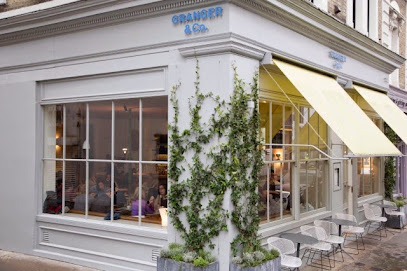
Granger and Co. Notting Hill
2.4 km
Experience vibrant Australian flavors all day in a sunny, welcoming setting at Granger and Co. Notting Hill on Westbourne Grove.
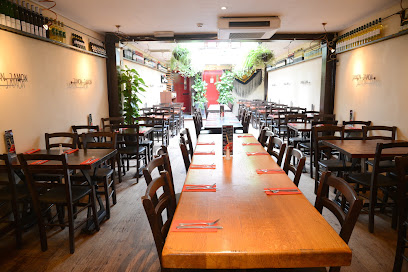
Jamon Jamon
2.4 km
Experience authentic Spanish tapas and vibrant Mediterranean flavors in a lively NW1 London setting with rustic charm and inviting atmosphere.
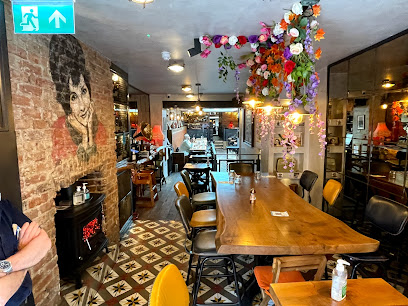
Laz @Camden
2.4 km
Discover authentic Turkish cuisine and warm hospitality in Camden’s cozy Laz restaurant, where tradition meets vibrant London vibes.
Goodfare Italian Restaurant
2.4 km
Cozy Camden Italian eatery serving authentic pizzas, pastas, and seafood with warm hospitality and a lively street-side vibe.
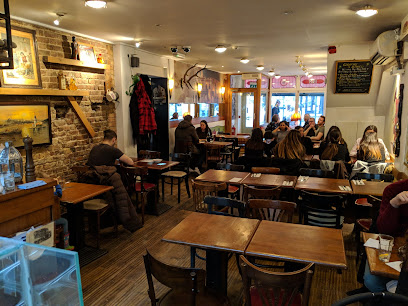
wagamama camden
2.4 km
Fresh Japanese-inspired dishes and vibrant communal dining in the heart of Camden’s eclectic market scene.
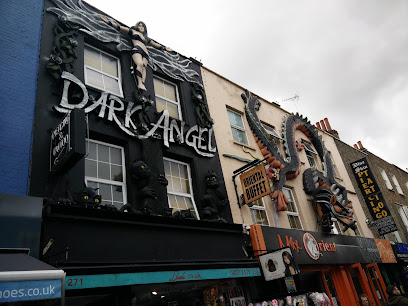
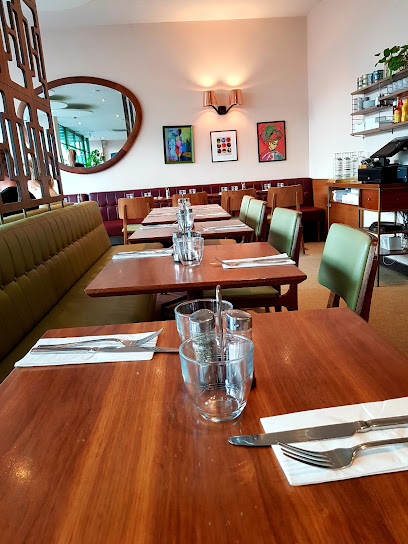
Mildreds Camden
2.4 km
Discover vibrant international vegan cuisine and lively atmosphere at Mildreds Camden, a cornerstone of London’s plant-based dining scene.
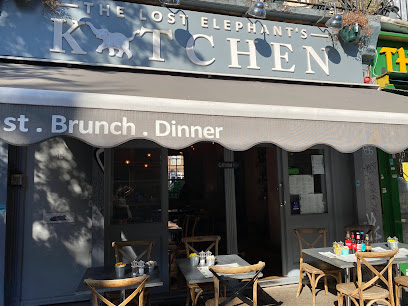
The Lost Elephant's Kitchen
2.5 km
Discover the vibrant flavors of London at The Lost Elephant's Kitchen - your destination for delightful bistro dining in the heart of the city.
Rossopomodoro Camden
2.5 km
Experience authentic Neapolitan pizza and classic Italian dishes in the vibrant heart of Camden, London.
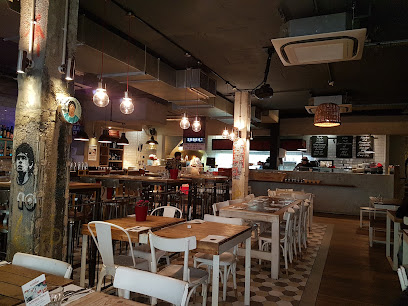
Portobello Garden Arcade Italian Restaurant
2.6 km
Authentic Italian dining in a rustic, cozy setting nestled in the heart of vibrant Notting Hill’s Portobello Road.
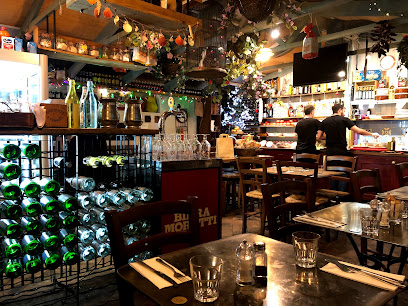
The Sushi Co - Notting Hill
2.6 km
Fresh, flavorful sushi and Asian dishes served late in a casual Portobello Road spot with friendly service and gluten-free options.
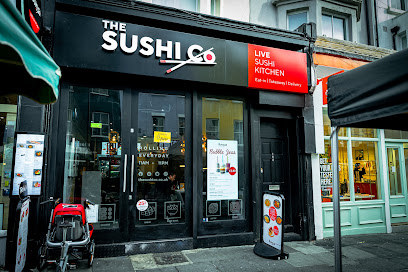
Il Sugo
2.6 km
A cozy family-run Italian restaurant in Camden serving hearty, authentic dishes with generous portions and warm hospitality.
Markets, malls and hidden boutiques

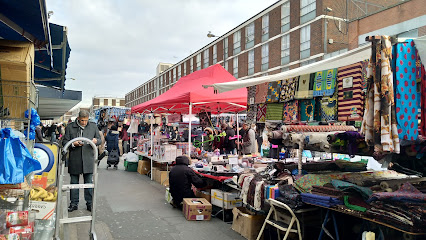
Church Street Market
1.1 km
A bustling multicultural market in Westminster offering fresh produce, antiques, street food, and vibrant local culture from Monday to Saturday.
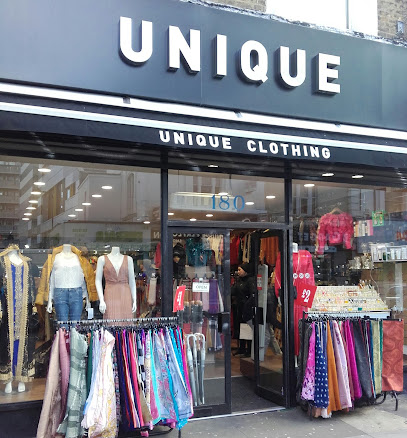
Unique London
1.6 km
A vibrant clothing boutique on Kilburn High Road, offering unique fashion finds and personal service in a diverse, lively London neighbourhood.
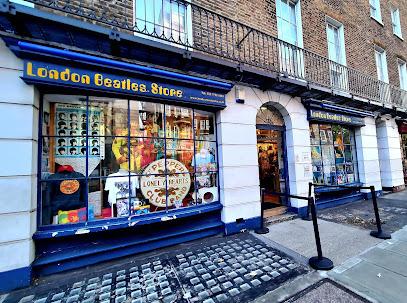
London Beatles Store
1.6 km
A vibrant Beatles memorabilia haven on Baker Street celebrating the timeless legacy of the Fab Four.
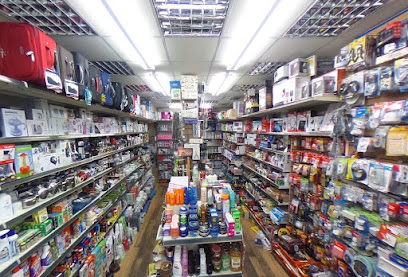
Gift Centre London
2.2 km
Discover a unique blend of gifts, souvenirs, and practical items at Gift Centre London, your one-stop shop for memorable finds.
The London Shop
2.3 km
Friendly and affordable gift shop in vibrant Queensway, London, open daily with a welcoming atmosphere and great souvenirs.
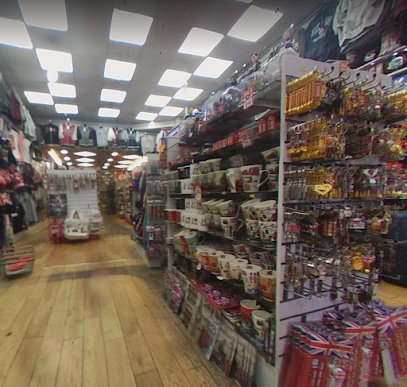
Zakka Camden
2.4 km
Discover artist-designed cushions and design-led gifts at this quirky Camden Market gem, blending Japanese zakka charm with London's creative pulse.

Shop
2.4 km
A compact, ever-changing Camden Market shop serving eclectic vintage, designer finds and small-run curios in the Stables’ maze-like atmosphere.
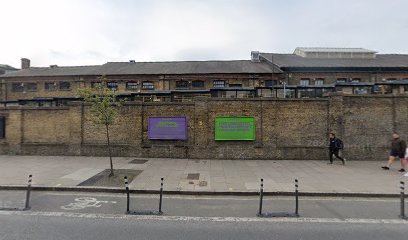
Cyberdog
2.4 km
Step into Cyberdog, Camden’s neon-lit rave shop where futuristic fashion meets pounding techno beats in a vibrant club-like setting.
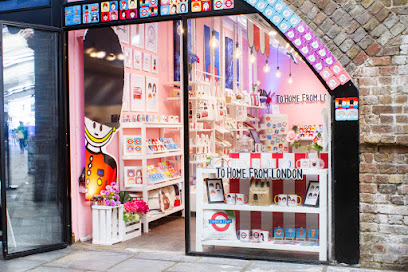
To Home From London
2.4 km
Camden's go-to for handcrafted London souvenirs: witty mugs, sturdy totes, and homewares that pack whimsy and quality into every piece.
Camden Threads - An online shop for the best independent brands and vintage boutiques
2.4 km
Discover curated vintage and indie fashion treasures in Camden Stables Market's historic heart – where retro meets rebellious style. (112 characters)
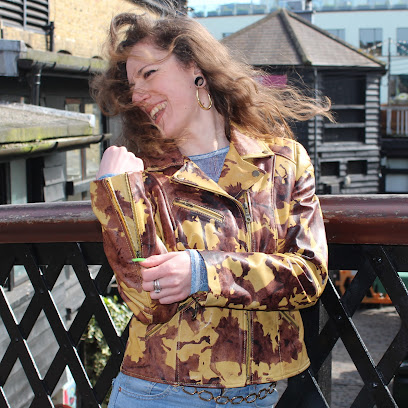
What Goes Around Comes Around
2.4 km
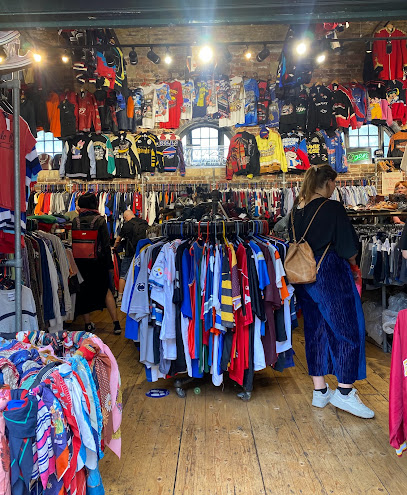
Dive into Camden's retro Americana vault at What Goes Around Comes Around, where vintage varsity jackets, Levi’s, and 80s tracksuits await in the Stables Market.
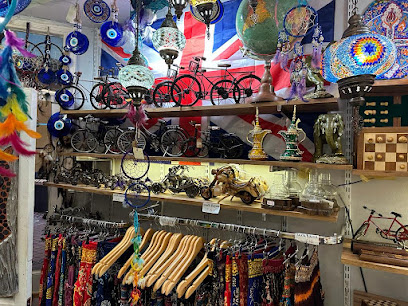
KESKIN GIFT
2.4 km
Discover handmade wonders at Keskin Gift, where Camden's craft spirit shines through chess sets, masks, and artisanal jewelry in the iconic Lock Market.
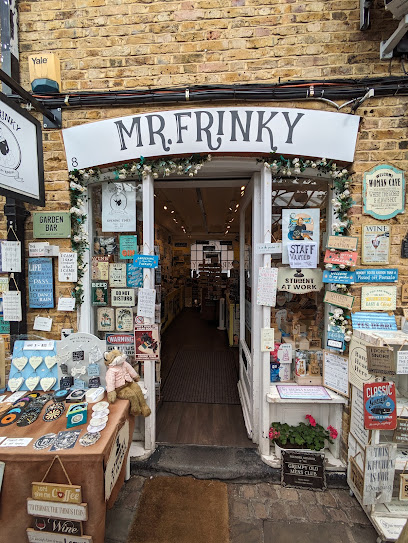
Mr Frinky
2.5 km
Compact, colourful and cheeky — a Camden Lock stall for witty signs, magnets and small‑batch souvenirs with retro flair.
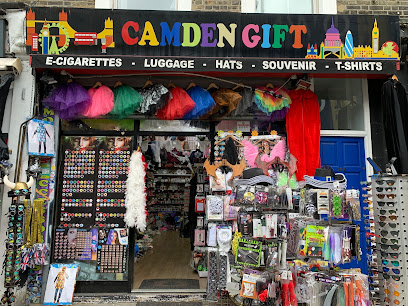
Camden Gift
2.5 km
Quirky Camden souvenirs, stylish gear, and luggage relief on vibrant Chalk Farm Road—a slice of alternative London in one eclectic stop.
Camden Lock Market
2.5 km
Discover Camden Lock Market, a vibrant blend of history, culture, and eclectic shopping by London’s iconic Regent’s Canal.
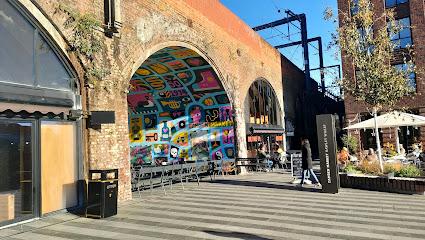
Essential bars & hidden hideouts

The Dickens Tavern
1.8 km
Classic British pub with hearty fare and ales, nestled in Paddington’s vibrant heart near London Paddington Station.
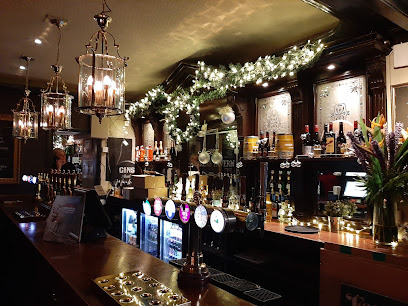
The Quiet Night Inn
2.0 km
Lively Notting Hill pub with roof terrace, local brews, games, live sports, and open mic nights—perfect for casual hangs and private events.
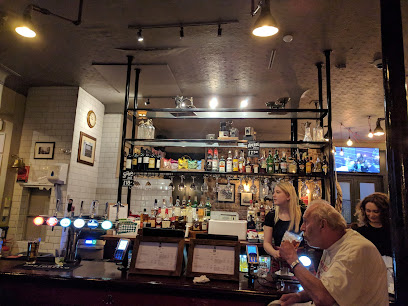
The Victoria, Paddington
2.1 km
Step into The Victoria, Paddington, a historic Victorian pub blending timeless charm, rich heritage, and refined British dining in a warm, inviting setting.
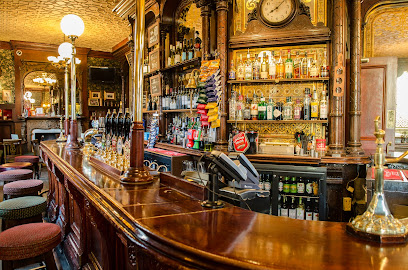
Purl London
2.2 km
Discover Purl London, a speakeasy-style cocktail bar in Marylebone offering expertly crafted drinks in a cozy vintage setting.
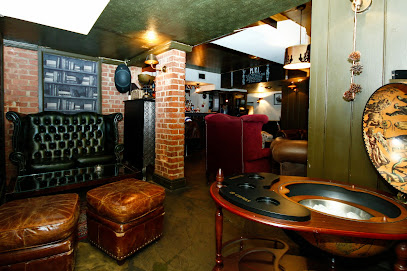
Bobby Fitzpatrick
2.3 km
Step into a vibrant 1970s-themed cocktail bar in West Hampstead, where expertly crafted rum drinks meet retro charm and playful culinary twists.
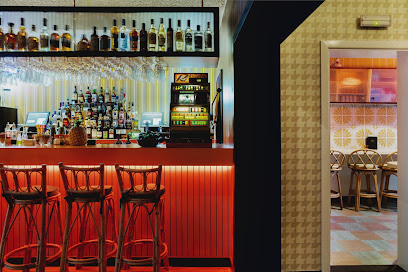
The Churchill Bar & Terrace
2.4 km
Sophisticated cocktail bar and terrace in central London, blending classic British charm with modern elegance and a vibrant social scene.
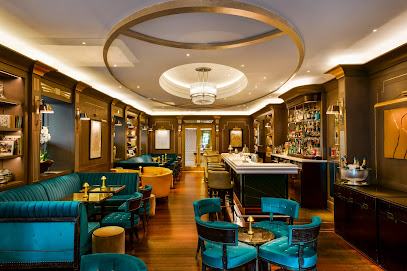
The Pelican
2.4 km
Notting Hill's gastropub gem: robust British plates, craft ales, and sustainable flair in a revived 150-year-old corner boozer.
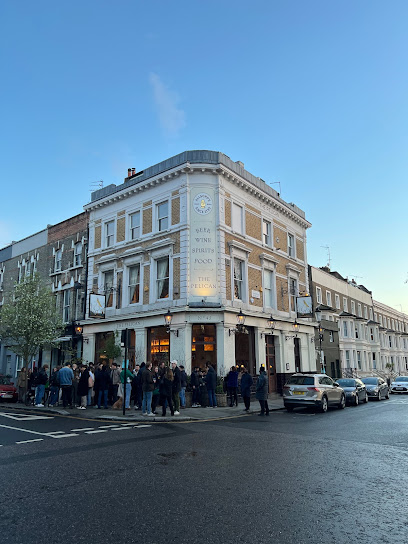
The Little Yellow Door
2.4 km
Notting Hill's quirky flatshare bar where cocktails flow from teacups, games spark laughs, and every night feels like a spontaneous house party in a colorful home.
The Walmer Castle
2.4 km
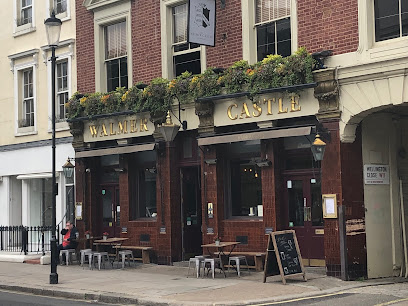
Historic Notting Hill pub revived with cosy fires, seasonal British dishes, and a stellar drinks list – a true neighbourhood gem since 1845.
All About Eve
2.4 km
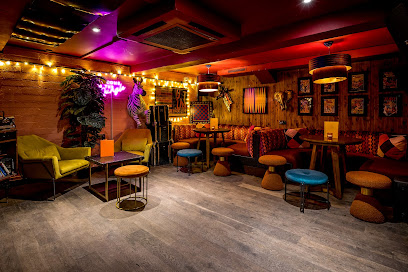
1950s cocktail glamour meets Camden's karaoke chaos in this retro-inspired bar with inventive drinks and heated terrace vibes.
Canalside Bar
2.5 km
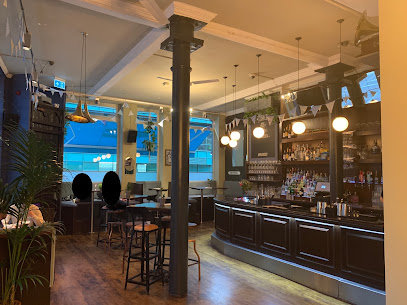
Sip cocktails by the Regent's Canal in King's Cross, where trendy lounge vibes meet waterside serenity in London's revitalized heart.
The Hawley Arms
2.5 km
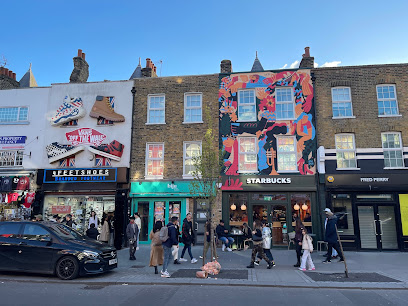
Camden’s intimate music pub — cosy sofas, punters and live gigs in a scuffed, music-filled setting.
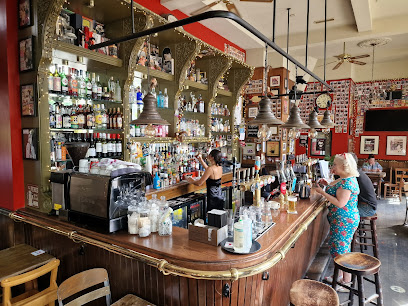
The Elephants Head
2.5 km
Scruffy Victorian boozer on Camden High Street: jukebox rock anthems, Full English feasts, and late-night singalongs in London's alternative epicenter.
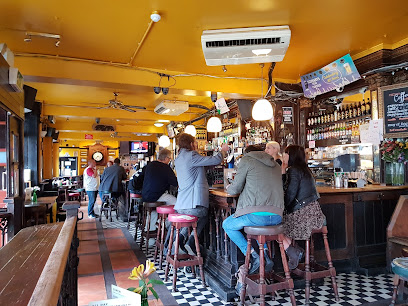
Bucks Head
2.5 km
Lively Camden pub with roof terrace views, pub grub, real ales, and festive vibes opposite Buck Street Market—perfect for soaking up the neighborhood's electric energy.
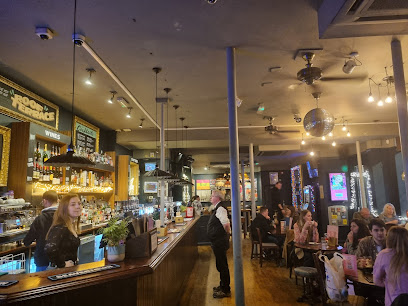
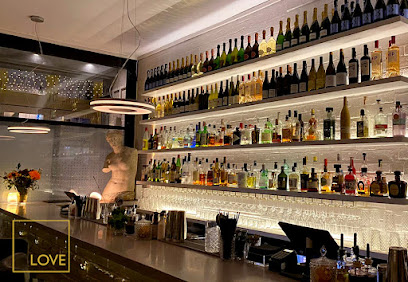
Love
2.6 km
Intimate Portobello Road cocktail bar with polished service, crafted drinks and a warm, late‑night Notting Hill atmosphere.
Nightclubs & after hour spots

Privilege Entertainment Ltd
2.2 km
Discover the pulsating nightlife at Privilege Entertainment Ltd, London's premier entertainment agency and nightclub, where unforgettable experiences await.

Subteranian
2.3 km
A compact underground club on Acklam Road delivering dense, DJ-led electronic nights with an intimate, bass-heavy atmosphere.
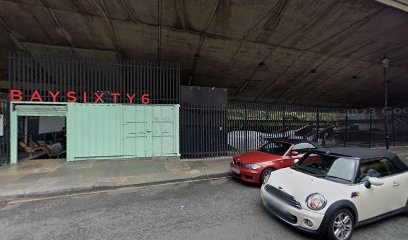
Monster Queen
2.3 km
Dive into Camden's dark heart at Monster Queen: intimate club nights pulsing with goth electronica, historic vibes, and non-stop energy till dawn.

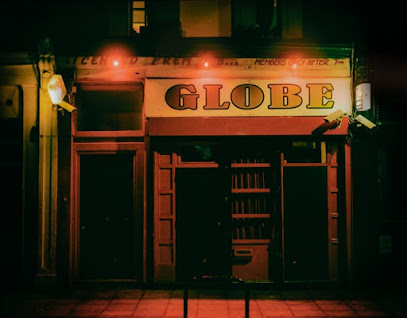
The Globe
2.3 km
Traditional London pub by day, lively late‑night bar and club by night—large, hireable rooms and a warm, characterful interior.
Club Stable
2.3 km
Historic Camden stables turned electrifying nightclub: dance in Victorian horse stalls amid live music, cabaret, and pulsing beats in London's nightlife epicenter.
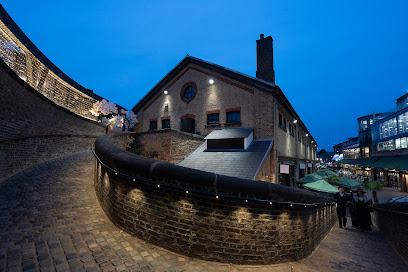
Lockside
2.4 km
Canal views, craft cocktails, and DJ-fueled nights atop Camden Market's vibrant West Yard—a daytime diner turned electric nightlife escape.
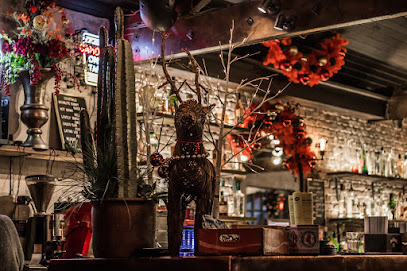
Club Swizzle
2.5 km
Dive into acrobatic cabaret mayhem at the Roundhouse: Swizzle Boys flip chairs, Reuben Kaye slays with wit, and the bar becomes your front-row thrill ride in Camden's hottest 2018 spectacle.
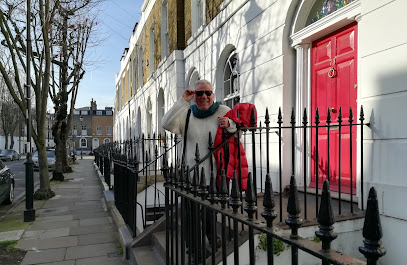
Soul City
2.5 km
A Saturday-night Camden basement party celebrating soul, disco and funk with DJ-led, record-minded sets in The Jazz Cafe’s atmospheric room.
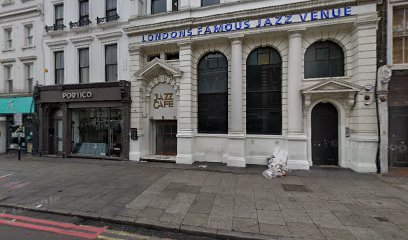
Electric Ballroom
2.6 km
A gritty, multi-level Camden music hall where loud live bands and club nights collide beneath theatrical lighting and raised balconies.
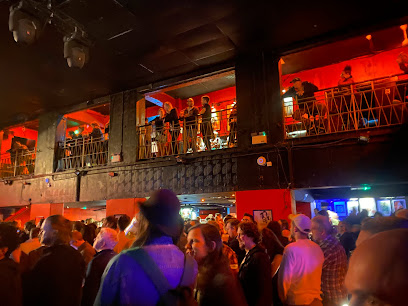
The Underworld
2.6 km
Dive into Camden's throbbing heart of rock and metal at this legendary basement club, where intimate gigs unleash mosh pits and unforgettable riffs.
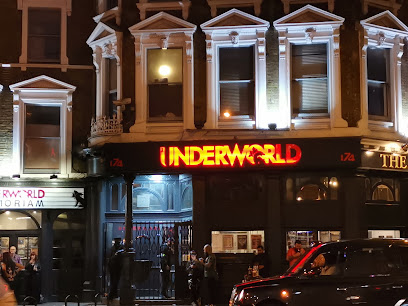
Electric House
2.6 km
Experience the vibrant social scene at Electric House, a chic social club in Notting Hill, London, blending style, comfort, and culinary delights.
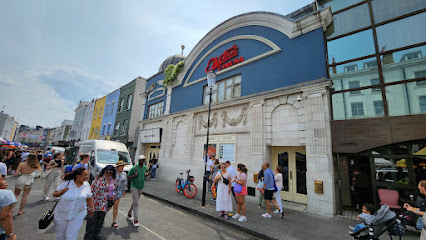
Max's Other Flat
2.6 km
Discover a vibrant nightlife experience at Max's Other Flat, a must-visit nightclub in London offering electrifying music and unforgettable moments.
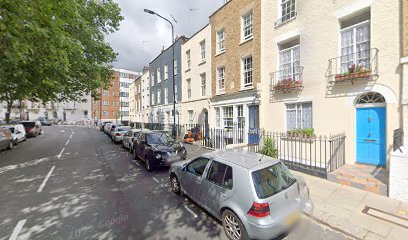
The Duke of Wellington
2.7 km
Historic Young's pub on Portobello Road: Victorian screens, market views, British roasts, and Notting Hill legends in every pint.
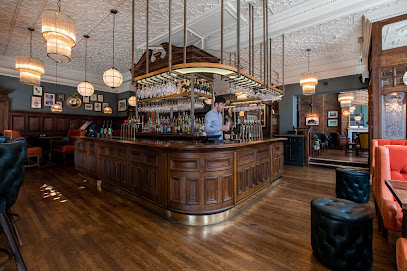
Notting Hill Arts Club
2.8 km
West London's sweaty basement cradle of music legends since '97—coffee by day, live gigs and club nights till 2am in an intimate den of funk, jazz, and raw talent.
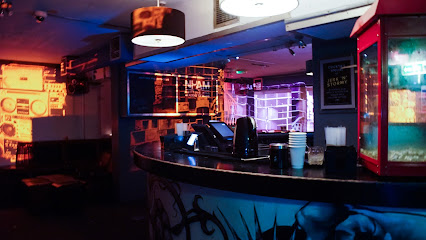
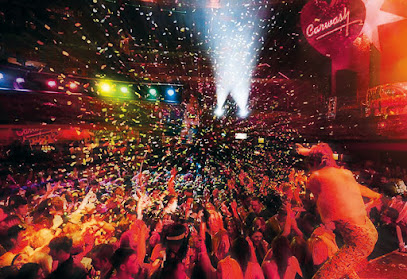
Carwash Nightclub
3.0 km
Europe's longest-running disco since 1989: sequins, funk beats, and joyful dancing in Mayfair's retro heart. Join the glitter-fueled party!
For the vibe & atmosphere seeker
- Historic
- Unique
- Scenic
- Relaxing
- Lively
For the design and aesthetic lover
- Vintage Styles
- Modern Designs
For the architecture buff
- Historic
- Landmarks
- Art & Design
For the view chaser and sunset hunter
- Iconic Views
- Photo Spots
For the social media creator & influencer
- Instagrammable
- Selfie Spots
- Photo Spots
For the eco-conscious traveler
- Protected Area
- Public-Transport Accessible
- Locally Managed
For the kind of experience you’re after
- Cultural Heritage
- Photowalk
- Weekend Getaway
For how adventurous you want the journey to be
- Easy Access
Location Audience
- Family Friendly
- LGBT Friendly
- Senior Friendly
- Child Friendly
- Teen Friendly
- Wheelchair Access
- Solo Friendly
- Couple Friendly
- Solo Female Friendly


