
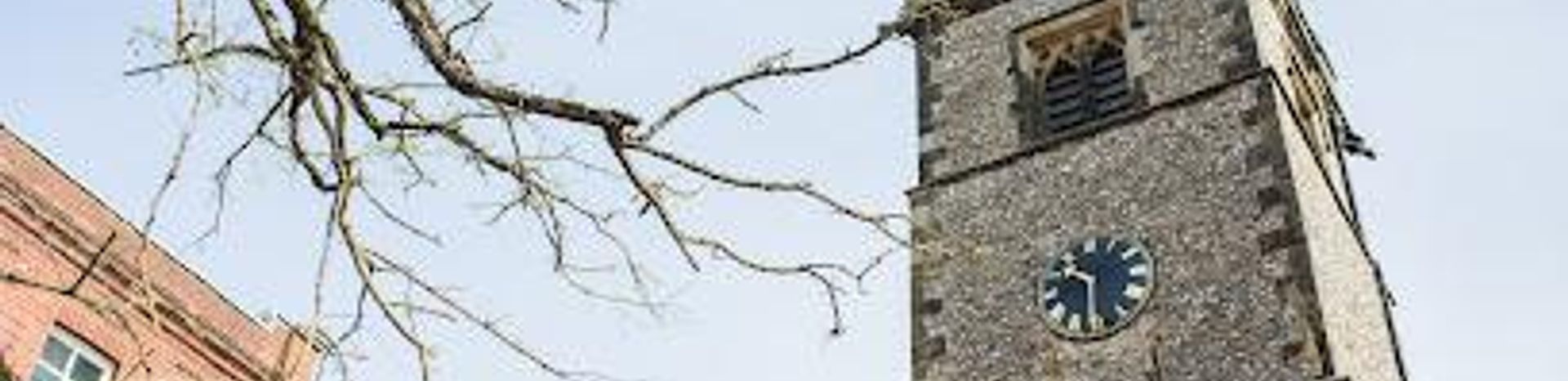
The Clock Tower of St Albans: A Medieval Symbol of Civic Pride
Explore England’s only medieval town belfry, a symbol of St Albans’ independence and rich history with panoramic city views.
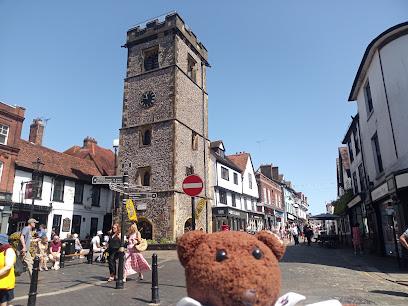
The Clock Tower in St Albans, built between 1403 and 1412, stands as England's only medieval town belfry. Erected by townsfolk as a bold statement against the powerful St Albans Abbey, it served multiple roles—from sounding curfews and alarms to acting as a semaphore station during the Napoleonic Wars. Visitors can explore its five floors, each revealing layers of history, and enjoy panoramic views of the historic city and surrounding landscapes.
A brief summary to The Clock Tower
- High St, St Albans, AL3 4EL, GB
- Visit website
- Duration: 0.5 to 1.5 hours
- Budget
-
 Outdoor
- Mobile reception: 4 out of 5
Local tips
- Prepare for a climb of 93 narrow spiral steps; the tower is not wheelchair accessible.
- Visit between Easter and late September on weekends or bank holidays for public access.
- Look out for the original 1335 bell and the Victorian clock designed by Lord Grimthorpe.
- Enjoy panoramic views of St Albans Cathedral and the Roman Verulamium from the rooftop.
- Learn about the tower’s role in the Napoleonic Wars as a semaphore telegraph station.

For the on-the-go comforts that matter to you
- Restrooms
- Drink Options
- Food Options
- Seating Areas
- Information Boards
Getting There
-
Train and Walking
Take a train to St Albans City station from London St Pancras, with journey times of approximately 20 to 30 minutes. From the station, enjoy a 15-20 minute walk through the historic town center to reach the Clock Tower. The walk includes cobbled streets and some slight inclines, so comfortable footwear is recommended.
-
Bus
Use local bus services such as routes 300 or 602 that connect St Albans with surrounding towns. The bus stop at St Albans High Street is about a 5-minute walk from the Clock Tower. Buses run frequently during weekdays and weekends, with fares typically between £2 and £4.
-
Car
Driving to St Albans is possible with several public car parks near the city center, including the Verulamium Park car park. Parking fees range from £2 to £5 per hour. Note that the Clock Tower is in a pedestrianized zone, so you will need to park and walk approximately 5-10 minutes to the site.
The Clock Tower location weather suitability
-
 Any Weather
-
 Clear Skies
-
 Mild Temperatures
Discover more about The Clock Tower
A Defiant Medieval Landmark Rooted in Civic Independence
Constructed between 1403 and 1412 by Thomas Wolvey, a former Royal Mason, the Clock Tower was more than a timekeeper—it was a powerful political symbol. The townspeople of St Albans commissioned it as a statement of their autonomy and resistance against the dominant Benedictine Abbey, which wielded heavy control over local trade and taxation. Positioned prominently on higher ground, the tower literally looked the Abbey in the eye, asserting the town’s right to govern its own affairs and sound its own hours and curfew.Multifunctional Heritage Through the Centuries
Over its long history, the tower has served diverse functions. It was a lookout post, sounding alarms for fires or attacks, including the first Battle of St Albans in 1455 during the Wars of the Roses. The ground and first floors housed shops and shopkeepers’ lodgings until around 1900, while the second floor was home to the clock keeper and his family from 1412 to 1866. The third floor features a Victorian clock mechanism designed by Lord Grimthorpe, famed for his work on Big Ben. The original one-ton bell, cast in 1335, still hangs on the fourth floor, bearing witness to centuries of local history.Strategic Role in National Communications
During the Napoleonic Wars, the tower became part of a cutting-edge semaphore telegraph system. A shutter telegraph installed on its roof linked St Albans with coastal outposts like Great Yarmouth, enabling messages to travel nearly 300 miles in just five minutes on clear days. This network was vital for naval communications, connecting the Admiralty in London with the North Sea Fleet.Architectural and Cultural Significance
The Clock Tower is the only surviving medieval town belfry in England, a rare architectural gem that combines Gothic medieval design with Victorian restorations. Its five-story structure offers a unique glimpse into the evolving functions of civic buildings over centuries. The tower also stands near the site of the Eleanor Cross, marking where Queen Eleanor’s funeral procession rested on its way to Westminster Abbey in 1290, adding layers of royal history to the location.Visitor Experience and Views
Climbing the 93 narrow spiral steps to the rooftop rewards visitors with sweeping views of St Albans Cathedral, the Roman town of Verulamium, and the Hertfordshire countryside. The tower’s interior reveals historical exhibits on each floor, from medieval living quarters to the Victorian clockworks. Though access is limited by the narrow staircase, the immersive experience connects visitors directly with centuries of local heritage.Preservation and Community Engagement
Maintained by volunteers from the Civic Society and the St Albans and Hertfordshire Architectural & Archaeological Society, the Clock Tower remains a cherished landmark. It is open seasonally, typically from Easter to late September on weekends and bank holidays. Ongoing conservation efforts ensure this emblem of St Albans’ civic pride continues to educate and inspire future generations.Iconic landmarks you can’t miss

Premier Inn London Elstree / Borehamwood hotel
11.9 km
Comfortable, accessible 3-star hotel near Elstree Studios with great dining and easy London connections.

Pinner Hill Golf Club
16.1 km
Discover Pinner Hill Golf Club, a beautiful golfing haven in Middlesex offering a stunning course and welcoming atmosphere for all golf enthusiasts.

The Weald Stone
16.3 km
An ancient sarsen stone marking centuries of history and identity at the heart of Harrow Wealdstone.

Panshanger Park
16.7 km
Explore the beauty of Panshanger Park in Hertford, a natural paradise perfect for relaxation, adventure, and breathtaking scenic views.
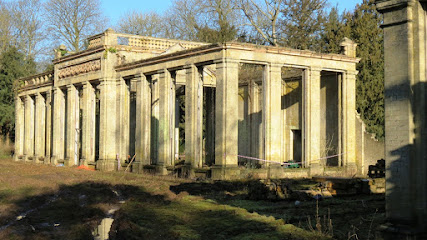
Whitewebbs Museum of Transport
18.6 km
Explore the rich history of transportation at Whitewebbs Museum of Transport, featuring vintage vehicles and fascinating memorabilia in Enfield.
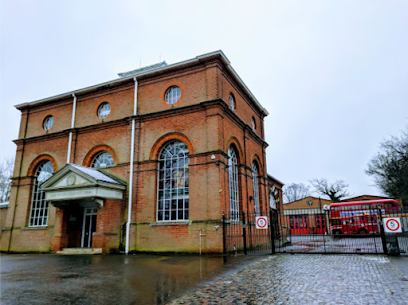
Middlesex University London
19.5 km
Discover Middlesex University London, where education meets culture in a vibrant campus setting, just a stone's throw from the heart of the city.
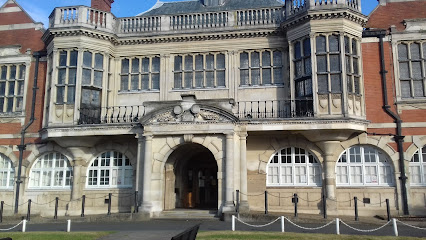
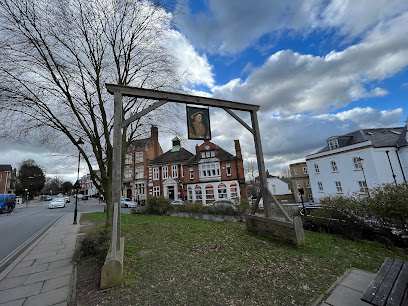
The King's Head Gantry
20.1 km
Historic King's Head Gantry in Harrow on the Hill, a royal relic and iconic village landmark steeped in centuries of heritage.
Manor Farm Library
20.2 km
Discover the hidden gem of Ruislip at Manor Farm Library, where literature meets community in a picturesque setting.

St Martin's
20.3 km
Experience the serene beauty and community spirit at St Martin's Church in Ruislip, a perfect blend of history and tranquility.

Pynchester Moated site
21.7 km
Explore the historical charm of Pynchester Moated Site in Ickenham, a serene retreat into England's medieval heritage amidst picturesque landscapes.

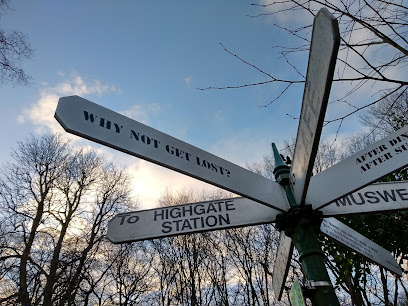
Queen's Wood
23.2 km
Explore the tranquility of Queen's Wood, a serene nature reserve in London perfect for leisurely walks and wildlife spotting amidst stunning greenery.
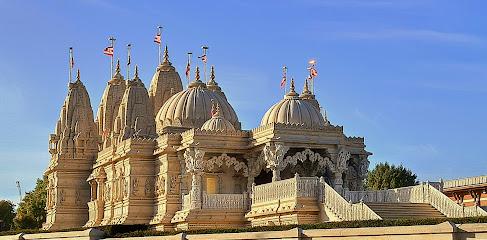
BAPS Shri Swaminarayan Mandir, London
23.3 km
Europe's first traditional Hindu stone temple: a masterpiece of faith, craftsmanship, and community in North London.
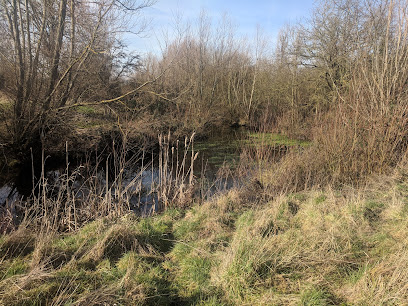
Down Barns Moated Site
23.7 km
Discover the Down Barns Moated Site, a hidden historical gem in Northolt, rich in medieval history and surrounded by tranquil nature.
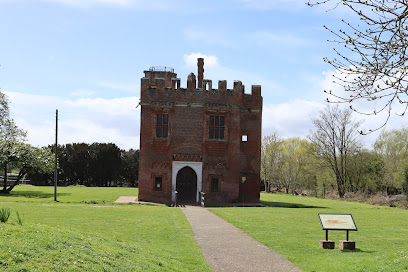
Rye House Gatehouse
24.0 km
Discover the historical essence of England at the Rye House Gatehouse, a captivating landmark and museum in Hoddesdon, showcasing its rich heritage.
Battle of Britain Bunker
24.9 km
Explore the Battle of Britain Bunker: a historical museum in Uxbridge revealing the courage and strategies that changed the course of World War II.

Unmissable attractions to see

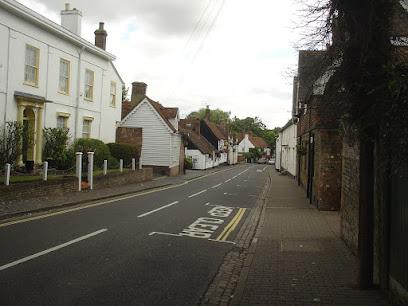
St Albans
0.1 km
Explore St Albans, a historic cathedral city blending Roman heritage, medieval grandeur, and vibrant market life just outside London.
St Albans Cathedral
0.2 km
Discover the historic St Albans Cathedral, a majestic blend of architecture, history, and spirituality in the heart of England.

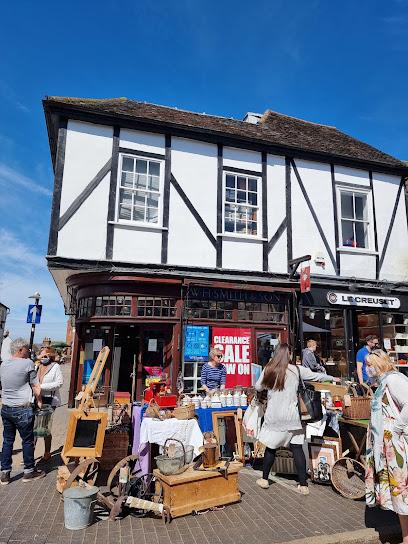
St Albans Market
0.2 km
A historic and bustling outdoor market in St Albans offering fresh produce, artisan goods, and vibrant community spirit every Wednesday and Saturday.
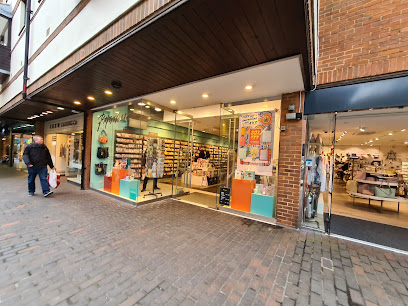
The Maltings
0.2 km
A historic and vibrant shopping centre blending heritage charm with modern retail in the heart of St Albans.
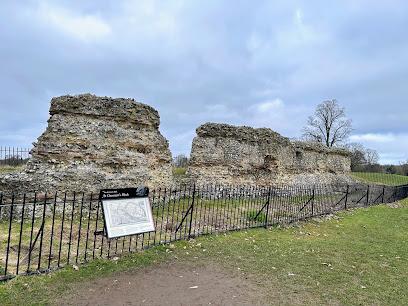
Roman Wall of St Albans
0.8 km
Explore the enduring Roman Wall of St Albans, a monumental relic enclosing the ancient city of Verulamium within scenic Verulamium Park.
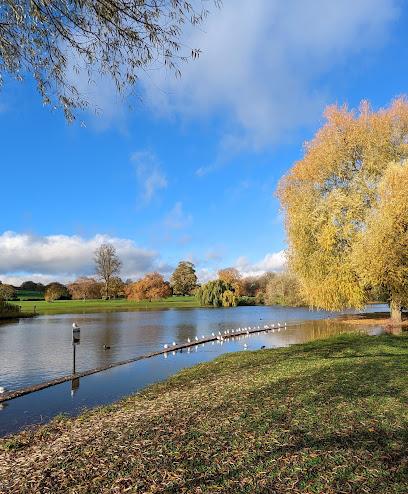
Verulamium Park
0.9 km
Explore 100 acres of Roman history, scenic lakes, and family fun in the heart of St Albans at award-winning Verulamium Park.
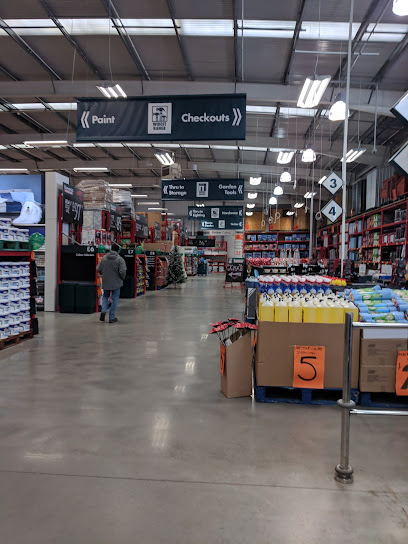
Abbey View Retail Park
1.0 km
Modern retail park with major stores, free parking, and convenient access south of St Albans town centre.
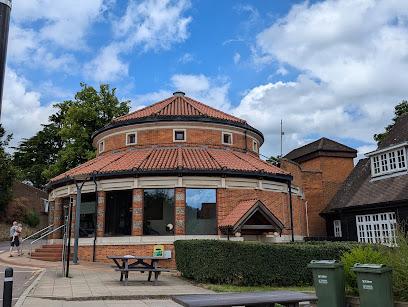
Verulamium Museum
1.0 km
Step into Roman Britain at Verulamium Museum, where history, mosaics, and ancient ruins bring St Albans’ past vividly to life.
St Michael's Church
1.1 km
Discover the oldest Anglo-Saxon church in Hertfordshire, built on Roman ruins and steeped in over a millennium of history and artistry.
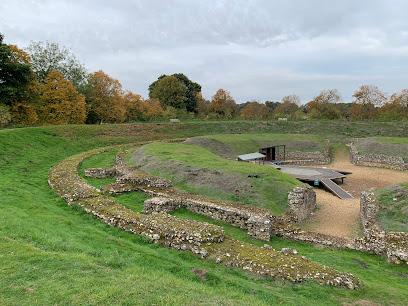
Roman Theatre of Verulamium
1.3 km
Britain's only Roman theatre with a stage, blending ancient ruins with live summer performances in historic St Albans.
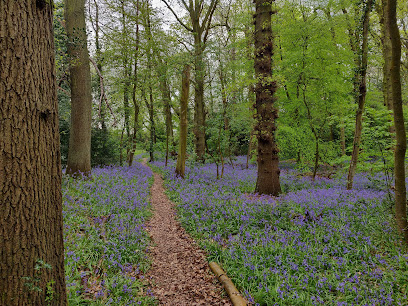
Longspring Wood
6.8 km
A serene 1.2-hectare woodland retreat in Kings Langley, famed for its bluebell carpets and rich local wildlife.
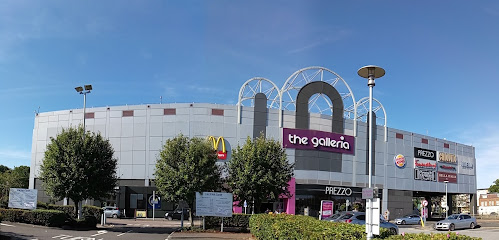
The Galleria
7.0 km
Hatfield’s covered outlet hub with 80+ stores, dining, cinema and family play, all under one roof just off the A1(M).
Warner Bros. Studio Tour London
8.6 km
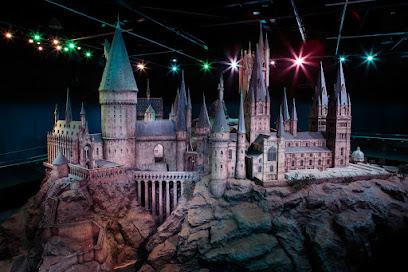
Walk the actual sets where Harry Potter magic came to life—an immersive journey through eight films' worth of filmmaking brilliance.
Enchanted England Tours
8.9 km
Discover England’s magic and history with bespoke private tours from Hatfield, blending folklore, royal heritage, and scenic beauty.

Hatfield House, Park and Gardens
9.1 km
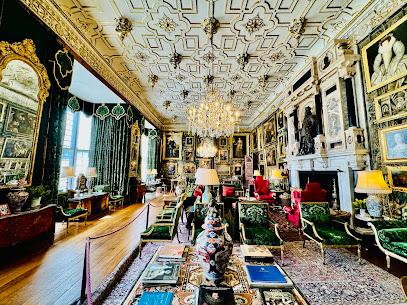
A grand Jacobean mansion set in 420 acres of parkland and gardens, once home to Elizabeth I and now a captivating blend of history, architecture, and nature.
Essential places to dine

Lussmanns Sustainable Kitchen
0.1 km
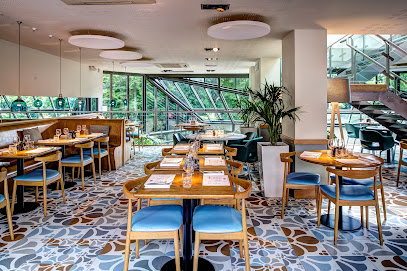
Savor modern British cuisine with a sustainable focus in a stylish, welcoming setting in the heart of St Albans.
The Ivy St Albans Brasserie
0.1 km
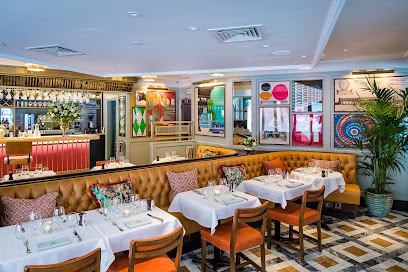
Sophisticated British brasserie with Art Deco charm, generous portions, and a welcoming atmosphere in the heart of historic St Albans.
Loft St Albans
0.1 km
Stylish Mediterranean and Greek dining in St Albans with fresh seasonal dishes, a cozy lounge, and a welcoming wine bar atmosphere.
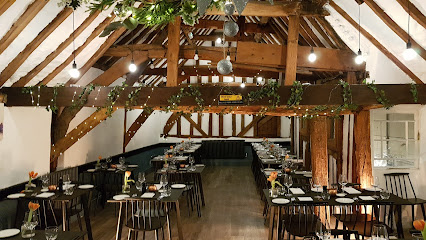
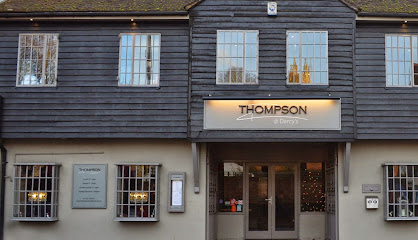
Thompson St Albans
0.5 km
Experience refined modern European cuisine in a stylish, relaxed setting with seasonal dishes and expertly paired wines at THOMPSON St Albans.
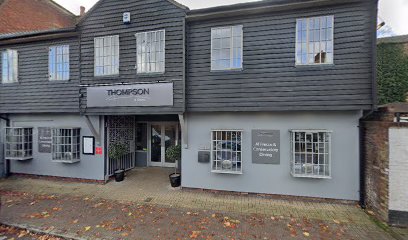
Phil Thompson Dining Ltd
0.5 km
Refined British fine dining with seasonal flair and impeccable service at Darcy's in St Albans.
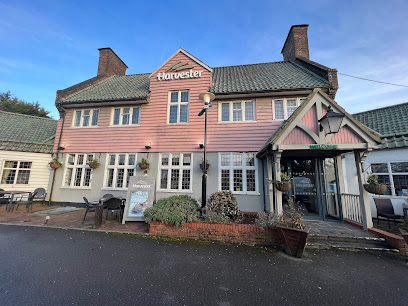
Harvester Ancient Briton St Albans
1.6 km
Family-friendly British dining with hearty grills, fresh salads, and a welcoming atmosphere in St Albans’ charming Harvester Ancient Briton.
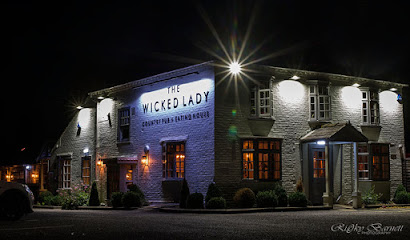
The Wicked Lady
6.2 km
A charming Hertfordshire gastropub blending rustic tradition with modern British cuisine in a warm, inviting countryside setting.
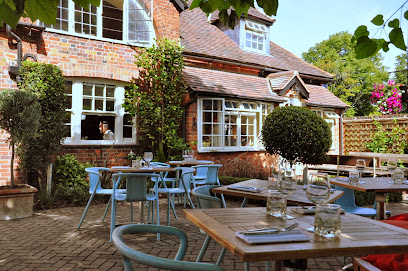
Lussmanns Sustainable Kitchen & Garden
7.0 km
Historic coach house dining with a sustainable British menu, charming garden, and warm hospitality in Harpenden’s heart.
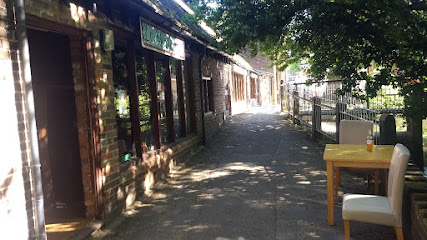
Le Moulin Restaurant
7.7 km
Experience authentic French fine dining in the cozy charm of Wheathampstead at Le Moulin Restaurant.
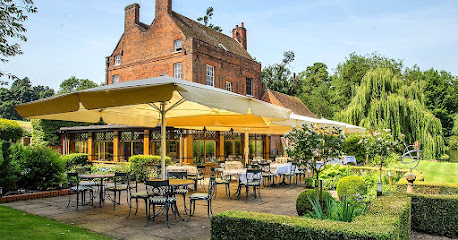
Auberge du Lac
8.7 km
Elegant Modern British dining with estate-grown ingredients in a historic lakeside lodge at Brocket Hall Estate.
The Waggoners
10.1 km
A charming French bistro nestled in a traditional English country pub setting, offering authentic cuisine and warm hospitality in Ayot Green.
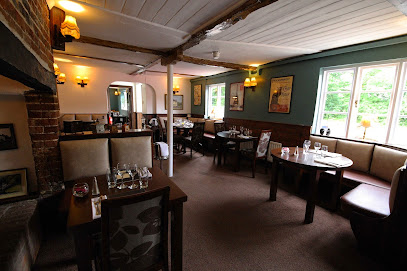
Cock o’ the North
10.8 km
A charming English pub in Bell Bar offering classic British fare, cozy fires, and a spacious beer garden near Hatfield.
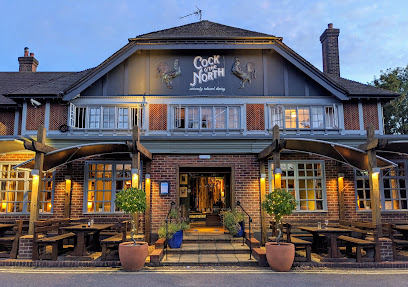
St James Restaurant
11.9 km
Creative Modern British dining with exceptional service in the heart of Bushey’s vibrant High Street.

Roy's Restaurant
12.3 km
A warm, modern British restaurant in Welwyn offering diverse dishes, attentive service, and a cozy yet sophisticated atmosphere.
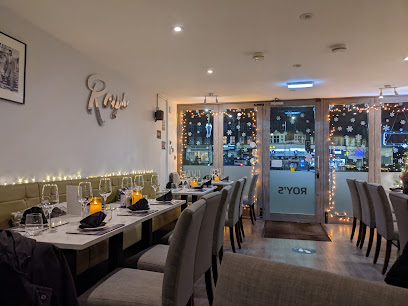
Hatche Bistro Grill & Bar
12.9 km
Family-owned Mediterranean bistro with charcoal-grilled specialties and warm hospitality on Potters Bar High Street.
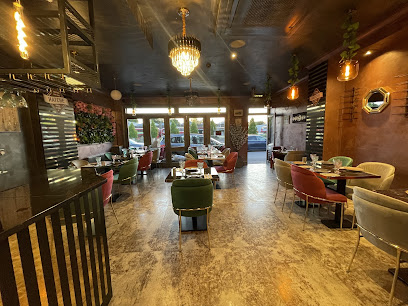
Markets, malls and hidden boutiques

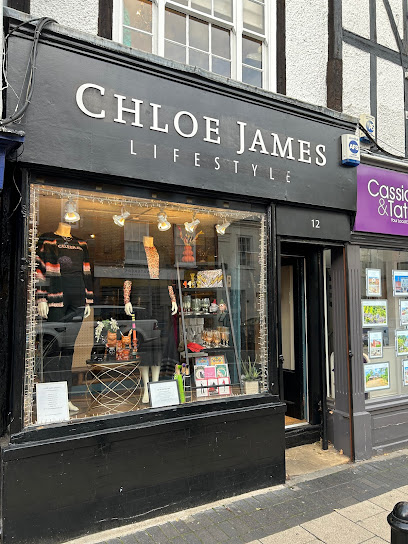
Chloe James Lifestyle
0.0 km
Discover ethical fashion, unique jewellery, and curated gifts in the heart of St Albans at Chloe James Lifestyle boutique.
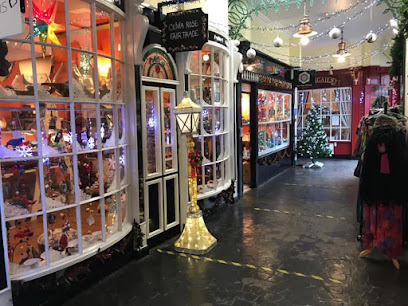
Olivia Rose Fairtrade
0.0 km
A colourful fair-trade gift shop in St Albans’ charming Village Arcade, offering handmade jewellery, bags, toys and homewares with a conscience.
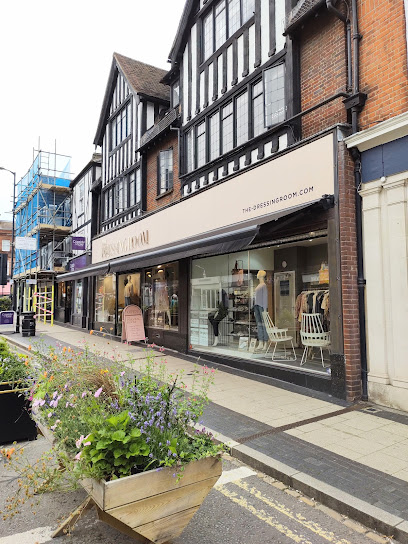
The Dressing Room
0.0 km
Discover contemporary women's fashion and personalized service at The Dressing Room, a stylish boutique in the heart of St Albans.
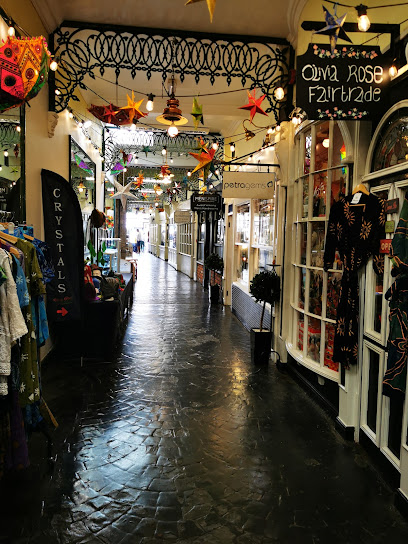
Christopher Place Shopping Centre
0.1 km
A stylish open-air shopping and dining destination at the heart of historic St Albans with top brands and family-friendly charm.
Im Fine Wellbeing - St. Albans
1.7 km
A unique St. Albans wellness centre blending holistic therapies, mental health support, and mindful shopping under one welcoming roof.
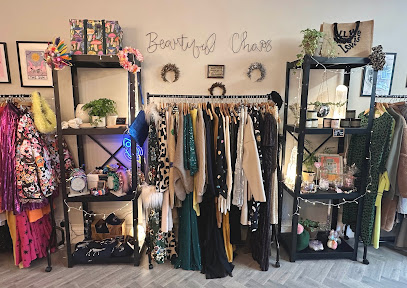
Pebble Home Interiors
4.5 km
A charming boutique blending rustic charm with stylish homewares and gifts, perfect for thoughtful decorating and gifting.
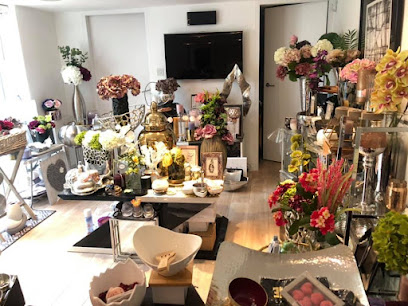
Dela's Gift Shop
8.9 km
Discover unique handcrafted gifts and spiritual treasures in a warm, welcoming boutique at the heart of Hemel Hempstead.

The Marlowes Shopping Centre
9.0 km
A spacious and accessible shopping hub blending popular brands with unique local stores in the heart of Hemel Hempstead.
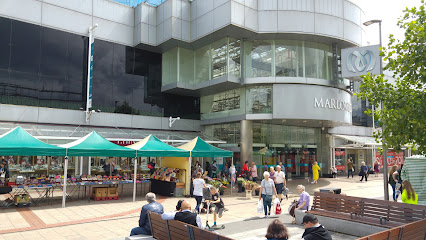
The Howard Centre
10.9 km
Welwyn Garden City’s vibrant shopping centre offering diverse stores, dining, and community events in a welcoming, accessible setting.
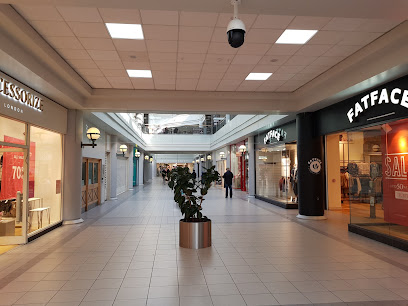
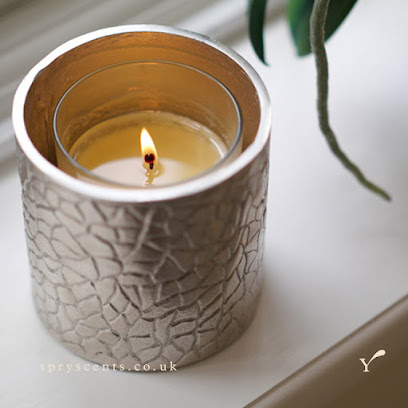
Spry Scents
11.9 km
Explore the enchanting world of fragrances at Spry Scents in Welwyn Garden City, where every scent tells a story.
The Copper Collection
16.4 km
Discover unique handcrafted treasures and local artistry at The Copper Collection, a charming gift shop in Pinner open daily.

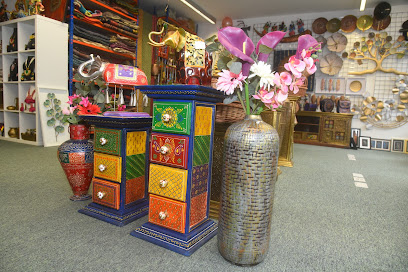
Chamak Craft Art & Decor | Handmade Gifts for Home and Business | Stanmore, Harrow
16.6 km
Discover authentic Indian handmade crafts and unique gifts at Chamak Craft Art & Decor, a vibrant cultural hub in Stanmore.
Miss Boutique
16.7 km
Discover curated fashion and unique gifts in Knebworth’s cozy and stylish Miss Boutique on London Road.
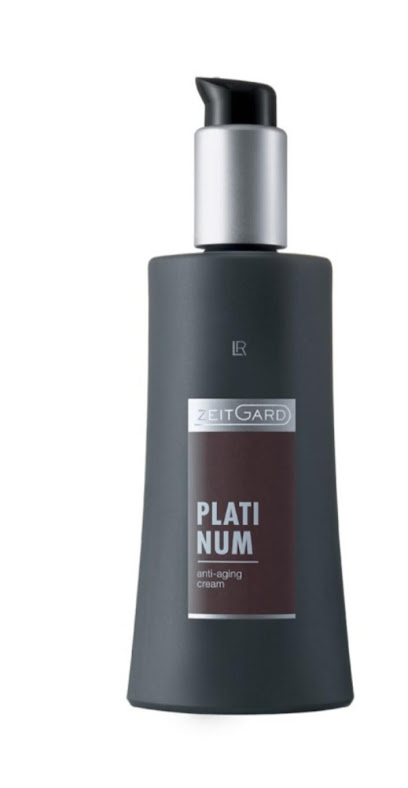
Fabulous Woman Limited
18.3 km
Explore luxurious beauty and wellness at Fabulous Woman Limited, the ultimate health and beauty destination for tourists seeking rejuvenation.
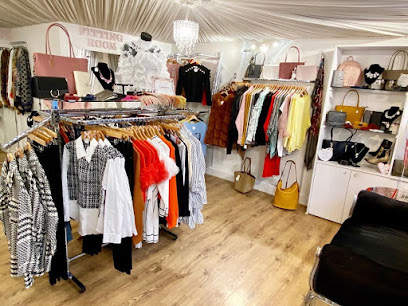
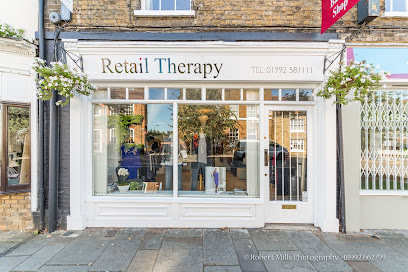
Retail Therapy
18.5 km
Discover unique, stylish women's fashion curated globally in Hertford’s charming boutique since 2003.
Essential bars & hidden hideouts

Ye Olde Fighting Cocks
0.5 km
Step into England’s oldest pub, where medieval heritage meets riverside charm and authentic British ales in St Albans.
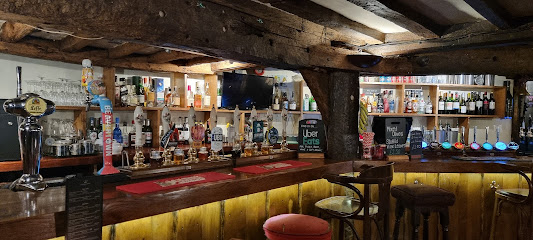
The Elephant and Castle
6.4 km
Historic 18th-century pub with spacious gardens, unique tepees, and a welcoming atmosphere in the heart of Wheathampstead.
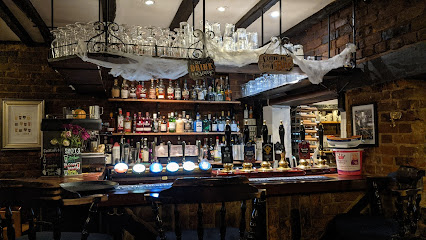
The Crooked Chimney
8.2 km
A cozy, rustic country pub in Lemsford offering hearty British fare and a warm, inviting atmosphere near Welwyn Garden City.
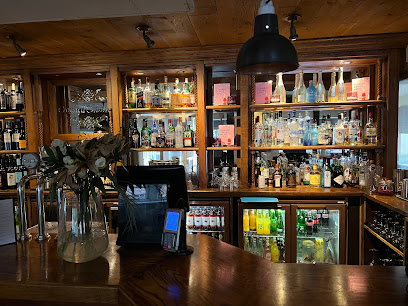
The Great Northern
8.8 km
A vibrant Hatfield pub blending classic fare, lively events, and a welcoming community atmosphere near the Odyssey cinema.
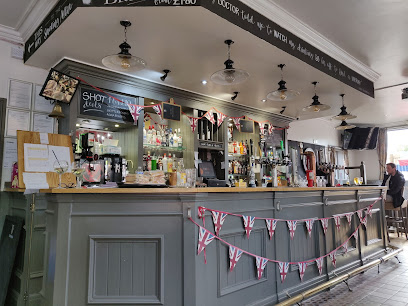
Red Lion
8.8 km
A lively Hatfield pub-restaurant blending hearty British classics, quirky charm, and a welcoming atmosphere for families and friends.
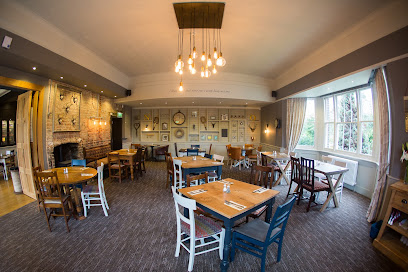
Horse and Groom
8.8 km
Historic 17th-century pub in Old Hatfield offering cozy ambiance, real ales, and classic British fare in a charming timber-framed setting.
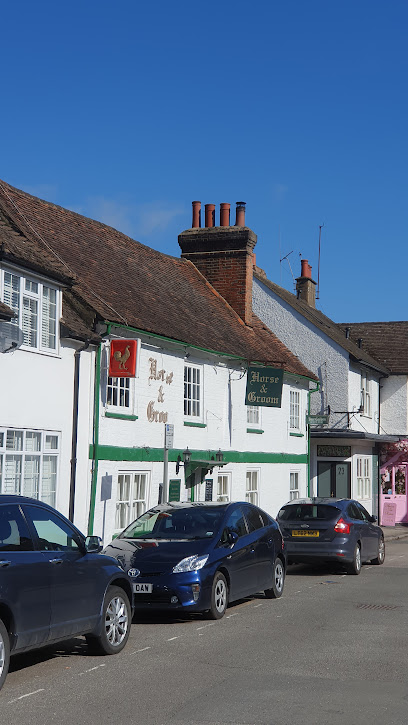
The Woodman Wildhill
11.7 km
A cherished Hertfordshire country pub famed for its real ales, hearty fare, sunny garden, and warm, welcoming atmosphere.
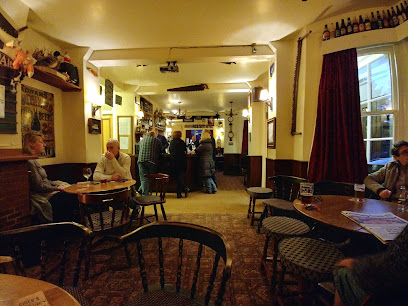
Alford Arms
13.2 km
A charming Victorian gastropub in the Chilterns offering seasonal British fare, local ales, and warm community spirit in a scenic rural setting.
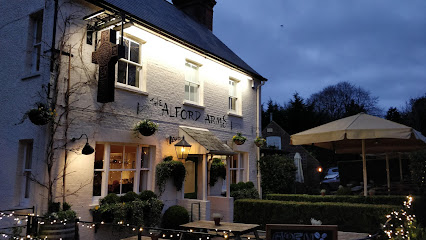
The Beehive
14.9 km
A charming Hertford country pub offering hearty British fare, warm hospitality, and a cozy rural atmosphere in Epping Green.
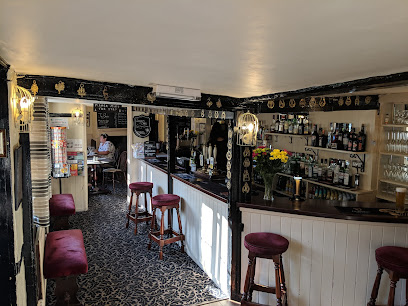
Plume of Feathers
14.9 km
Historic 400-year-old country pub in Tewin offering traditional British fare, family-friendly gardens, and lively community events.
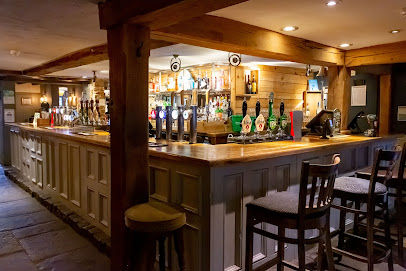
Coach & Horses
15.7 km
Quintessential British pub in Hertford offering traditional fare, local ales, live music, and a warm, welcoming atmosphere every day from noon till late.
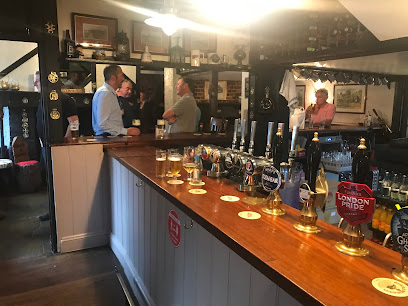
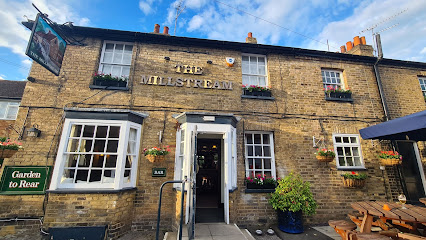
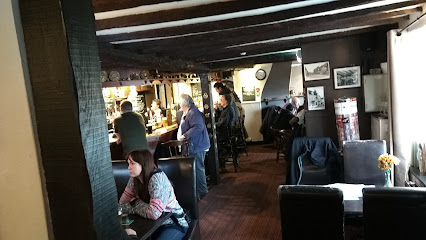
The Millstream
18.3 km
Classic British pub charm meets quality dining and warm hospitality in Hertford’s welcoming Millstream.
The Black Horse Hertford
18.4 km
Historic 1642 timbered pub in Hertford with wood-fired pizzas, real ales, a large garden, and a lively, family-friendly atmosphere.
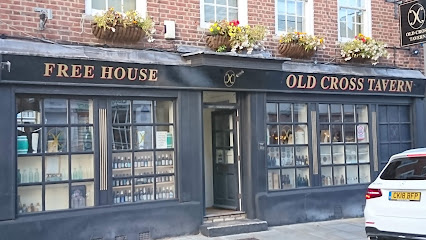
Old Cross Tavern
18.5 km
Historic Hertford pub renowned for award-winning ales, traditional charm, and a welcoming community atmosphere in a Grade II-listed setting.
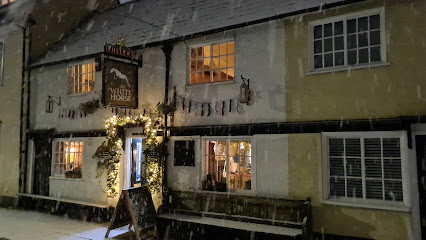
The White Horse Hertford
18.6 km
Classic British pub charm meets modern dining and lively atmosphere in the heart of Hertford’s Castle Street.
Nightclubs & after hour spots

Havana
0.3 km
Vibrant late-night nightclub and bar in St Albans offering energetic music and lively weekend entertainment.
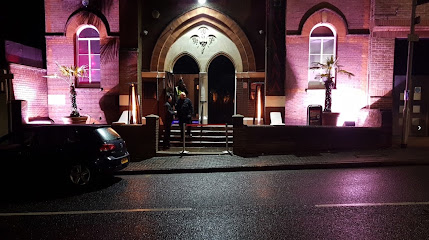
The Forum Hertfordshire
6.8 km
A lively nightclub and live music venue at University of Hertfordshire, hosting diverse cultural events and vibrant nightlife in Hatfield.

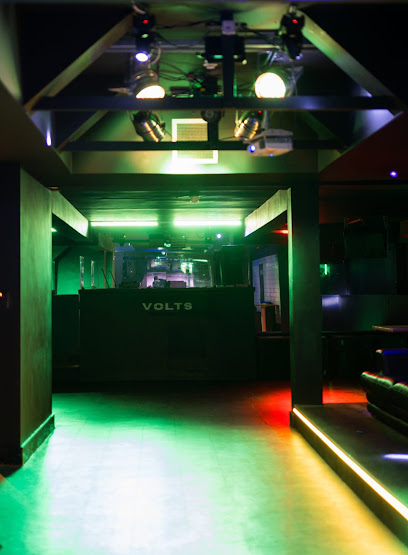
VOLTS NIGHT CLUB/ COPPER BAR
9.2 km
A vibrant nightlife hotspot in Hemel Hempstead, Volts Night Club offers energetic music, friendly staff, and a lively dance floor for unforgettable nights out.
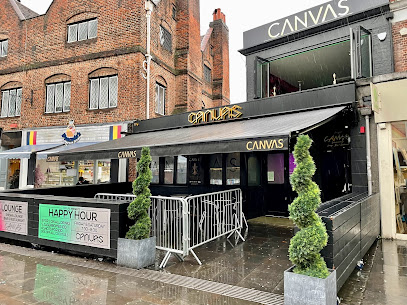
Canvas Bar & Nightclub
11.2 km
Experience vibrant nights of music, dancing, and cocktails at Canvas Bar & Nightclub in the heart of Watford’s High Street.
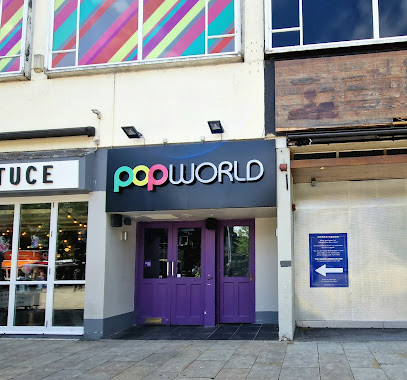
Popworld Watford
11.2 km
A vibrant late-night hotspot in Watford playing all your favorite 90s and 2000s pop classics with fun cocktails and a lively dancefloor.
Mia Musica
14.7 km
Luton’s lively Romanian-themed night club and sports bar with authentic football culture and late-night weekend vibes.
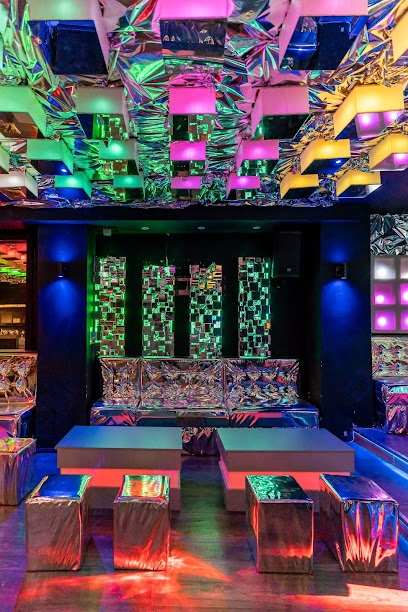
—
18.7 km
Vibrant nightclub and Asian fusion lounge blending historic charm with lively nightlife in Hertford’s Parliament Square.
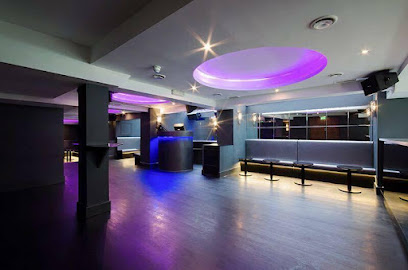
The Hertford Club
18.8 km
A historic private members’ club in Hertford, renowned for real ales, hearty home-cooked meals, and a vibrant social scene.
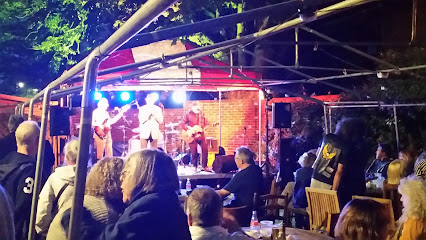
Penthouse Playrooms
20.3 km
A vibrant adult nightclub in Dunstable offering themed events and lively weekend entertainment for an energetic night out.
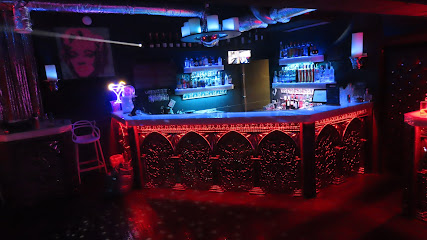
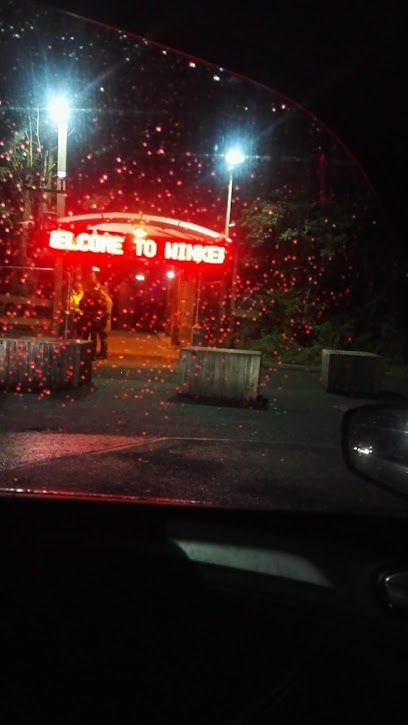
Winkers Nightclub
21.1 km
A lively, budget-friendly nightclub in Gerrards Cross offering energetic music and a casual local vibe for weekend partygoers.
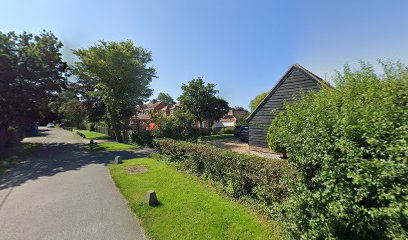
Monster Queen
26.6 km
Dive into Camden's dark heart at Monster Queen: intimate club nights pulsing with goth electronica, historic vibes, and non-stop energy till dawn.

TWC
26.7 km
Experience the vibrant nightlife and energetic party scene at TWC, Aylesbury’s premier nightclub destination.
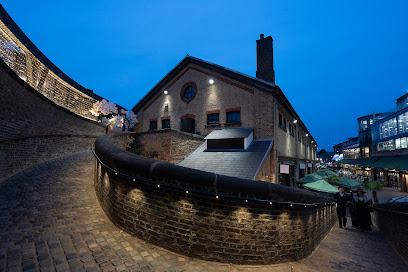
Club Stable
26.7 km
Historic Camden stables turned electrifying nightclub: dance in Victorian horse stalls amid live music, cabaret, and pulsing beats in London's nightlife epicenter.
Lockside
26.9 km
Canal views, craft cocktails, and DJ-fueled nights atop Camden Market's vibrant West Yard—a daytime diner turned electric nightlife escape.
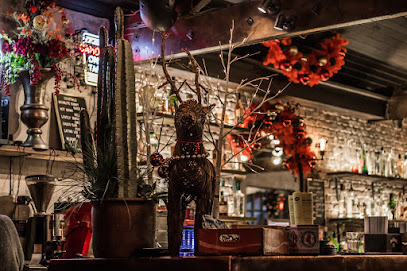
Electric Ballroom
27.2 km
A gritty, multi-level Camden music hall where loud live bands and club nights collide beneath theatrical lighting and raised balconies.
For the vibe & atmosphere seeker
- Historic
- Scenic
- Unique
- Tranquil
For the design and aesthetic lover
- Historic
For the architecture buff
- Historic
- Landmarks
For the view chaser and sunset hunter
- Iconic Views
- Panoramas
For the social media creator & influencer
- Instagrammable
- Photo Spots
- Selfie Spots
For the eco-conscious traveler
- Public-Transport Accessible
- Locally Managed
For the kind of experience you’re after
- Cultural Heritage
- Photowalk
- Day Trip
- Weekend Getaway
- Myth & Legends
For how adventurous you want the journey to be
- Easy Access
Location Audience
- Family Friendly
- Senior Friendly
- Child Friendly
- Teen Friendly
- Solo Friendly
- Couple Friendly
- Vegetarian Friendly
- Vegan Friendly


