
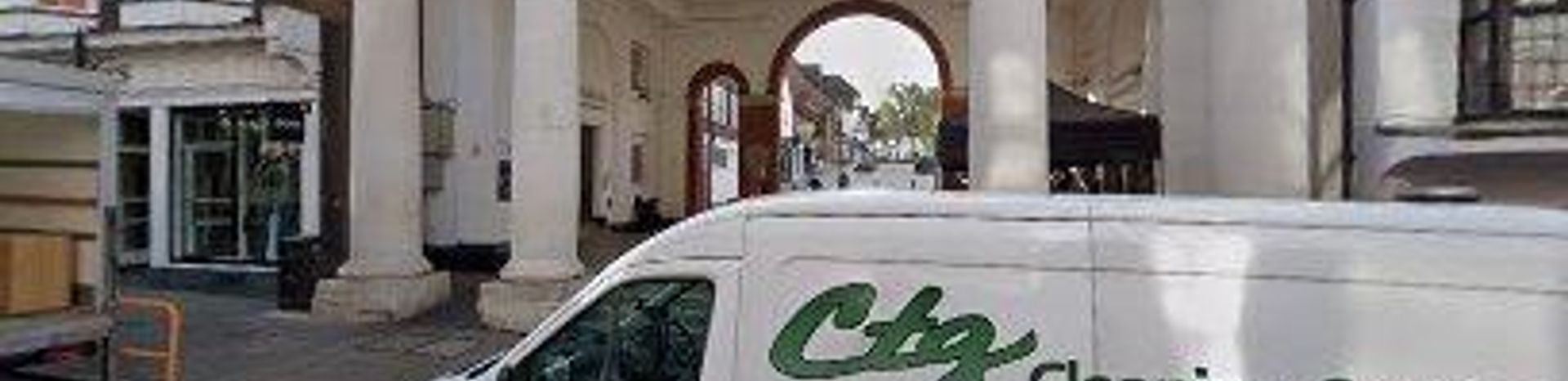
Tunsgate Arch, Guildford
Historic neoclassical arch on Guildford’s High Street, once a bustling cornmarket gateway and now a cherished civic landmark.
Tunsgate Arch is a neoclassical landmark on Guildford’s High Street, originally built in 1818 as part of the town’s cornmarket and assize court. Featuring a Portland stone portico with Tuscan columns and the borough’s coat of arms, it marks a historic trading site and now serves as a striking entrance to a shopping quarter. The arch reflects Guildford’s rich agricultural past and civic history, blending heritage with modern urban life.
A brief summary to Tunsgate Arch
- High St, Guildford, GU1 3AA, GB
- Duration: 0.5 to 1.5 hours
- Free
-
 Outdoor
- Mobile reception: 5 out of 5
Local tips
- Visit the mosaic under the arch celebrating Guildford’s twinning with Freiburg to appreciate local and international heritage.
- Look for the borough coat of arms and agricultural symbols in the pediment to understand the arch’s symbolic significance.
- Explore the nearby Guildhall and High Street for a fuller sense of Guildford’s historical market area.
- Visit during quieter hours to enjoy the architectural details and peaceful atmosphere beneath the arch.

For the on-the-go comforts that matter to you
- Restrooms
- Drink Options
- Food Options
- Seating Areas
- Information Boards
Getting There
-
Train and Walk
From Guildford railway station, a 15-20 minute walk along North Street and High Street brings you to Tunsgate Arch. The route is mostly flat and accessible, passing through the town centre. No cost involved.
-
Bus
Local buses from Guildford bus station serve stops near High Street, with a 5-10 minute walk to Tunsgate Arch. Services run frequently throughout the day. A single fare costs approximately £2-£4 GBP.
-
Car
Driving to Guildford town centre involves parking in nearby public car parks such as Tunsgate multi-storey. Parking fees range from £1.50 to £3 per hour. From the car park, Tunsgate Arch is a 2-5 minute walk.
Tunsgate Arch location weather suitability
-
 Any Weather
-
 Clear Skies
-
 Rain / Wet Weather
-
 Mild Temperatures
Discover more about Tunsgate Arch
Origins of Guildford’s Market Heritage
Guildford’s markets have roots stretching back to Saxon times, when farmers from the surrounding countryside brought produce to town for sale. Unlike many towns, Guildford never had a dedicated market square; instead, markets were held along the High Street. Among these were weekly corn, cattle, and general food markets. To protect sacks of grain from the weather, the cornmarket was held under shelter, initially in front of the Guildhall and later beneath a wooden canopy by the Three Tuns Inn.Construction of the Neoclassical Arch
In 1818, the Three Tuns Inn was demolished to make way for a more substantial structure designed by Henry Garling in the neoclassical style. Built of Portland stone, the new building featured a grand portico with four Tuscan columns supporting an entablature and pediment. The pediment proudly displays Guildford’s coat of arms, flanked by symbolic motifs: the sword of justice representing the law court and a horn of plenty symbolizing the cornmarket’s agricultural prosperity. This structure housed the cornmarket beneath its arch and a courtroom for the annual assizes behind it.Transformation and Preservation Through Time
By the late 19th century, the cornmarket’s importance waned due to agricultural depression, and the assizes moved to a new County Hall. In 1937, most of the original building was demolished to create a road, with the portico retained as a standalone arch. The two central columns were moved apart to allow traffic to pass through, an early example of sympathetic architectural reuse praised by historians. Later, the area evolved into a shopping centre, with the arch serving as its iconic entrance.Symbolism and Civic Pride
Underneath the arch, a mosaic installed in 1992 celebrates Guildford’s twinning with Freiburg im Breisgau, Germany, symbolizing international friendship. The arch’s historical role as a cornmarket is commemorated by the display of agricultural symbols and the story of corn porters who collected tolls, which funded the town’s corporation. This blend of commerce, justice, and civic identity is embodied in the arch’s design and location.Architectural and Urban Context
Situated halfway up Guildford’s bustling High Street, Tunsgate Arch stands opposite the Guildhall and forms a focal point in the town’s historic core. Its neoclassical elegance contrasts with surrounding medieval and Georgian buildings, contributing to Guildford’s distinctive skyline. The arch’s Portland stone gleams against the backdrop of the Surrey Hills, linking the town’s heritage with its natural landscape.Modern Role and Visitor Experience
Today, Tunsgate Arch is more than a historic relic; it is a vibrant urban landmark framing the entrance to the Tunsgate Quarter shopping centre. Visitors encounter a blend of past and present, where the echoes of market traders mingle with contemporary retail life. Informational plaques nearby provide context, inviting exploration of Guildford’s rich history through this enduring architectural symbol.Iconic landmarks you can’t miss

Tunsgate Arch
0.0 km
Historic neoclassical arch on Guildford’s High Street, once a bustling cornmarket gateway and now a cherished civic landmark.
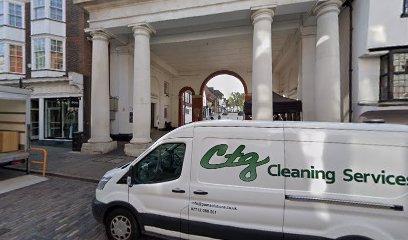
Staines War Memorial
22.3 km
A dignified Portland stone monument in Staines Market Square honoring local heroes of both World Wars with annual Remembrance ceremonies.
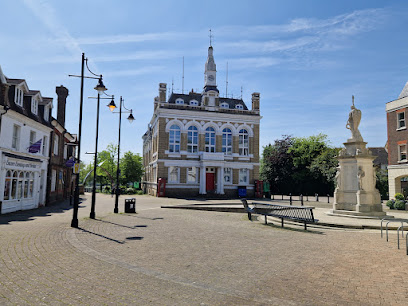
King George III & His Horse Statue
23.4 km
Majestic bronze statue of King George III atop Snow Hill, crowned by stunning views along Windsor Great Park’s historic Long Walk.
St Anne's Well
25.2 km
Discover the tranquil historic spring of St Anne's Well, a sacred site famed for its healing waters and medieval spiritual heritage.
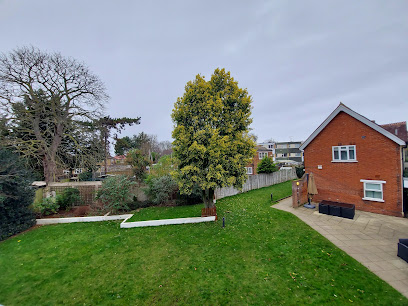
The White House
26.6 km
An 18th-century white mansion anchoring a historic estate near Windsor Castle.

Freddie Mercury Blue Plaque
26.8 km
Discover the modest Feltham home where Freddie Mercury’s legendary musical journey began and his legacy is forever commemorated.
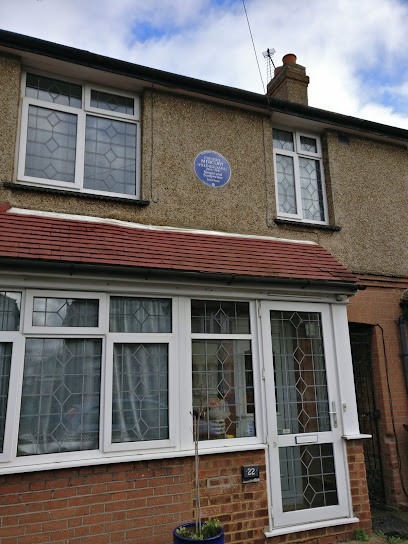
Heathrow Airport
27.1 km
Explore Heathrow Airport, a world-class international hub that combines travel convenience with unique shopping and dining experiences for every traveler.
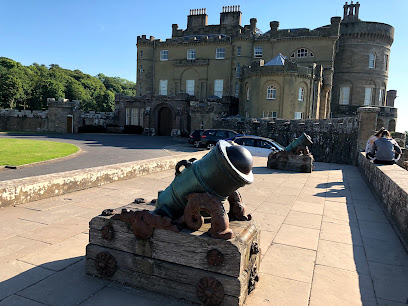
The Long Walk
27.1 km
Explore Windsor's Long Walk: A Historic Avenue of Beauty, Nature, and Royal Heritage Perfect for Relaxation and Scenic Views.
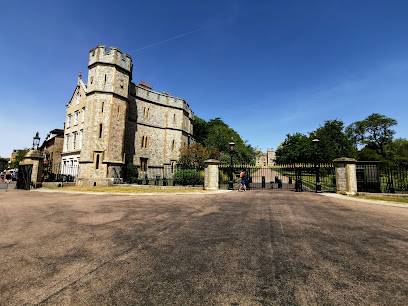
Harry Greenwood Blue Plaque
27.2 km
Discover the legacy of WWI hero Lt Col Harry Greenwood at his birthplace marked by a blue plaque in historic Windsor.
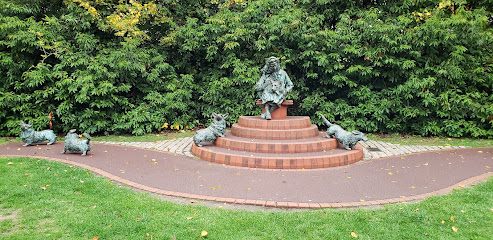
The Windsor Lady (The Queen and her Corgis)
27.3 km
Celebrate Queen Elizabeth II’s enduring love for her iconic corgis at Windsor’s charming historical landmark, The Windsor Lady.
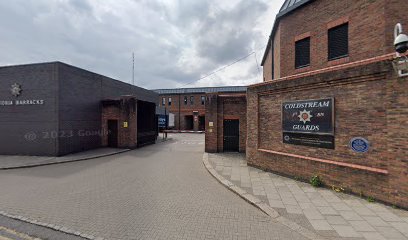
Soldier's Statue
27.4 km
A solemn tribute to Irish Guardsmen, this statue in Windsor honors military service amidst a rich historic townscape.

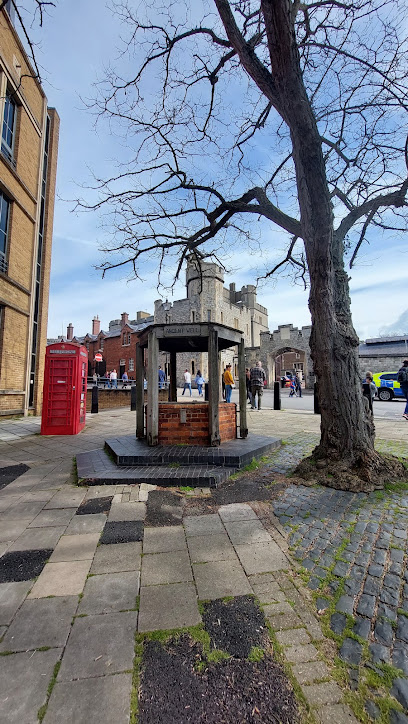
Ancient well
27.4 km
A humble medieval water source steeped in Windsor's royal heritage and local legend.
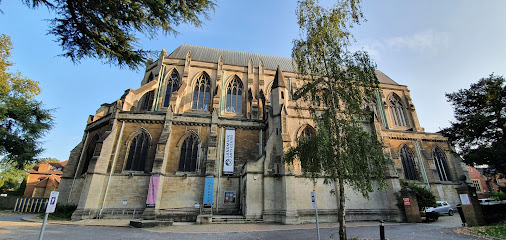
Landmark Arts Centre
27.5 km
Explore the Landmark Arts Centre in Teddington, a cultural hotspot for art exhibitions, performances, and workshops in a stunning Victorian setting.
Historical Windsor
27.5 km
Discover unique souvenirs and gifts at Historical Windsor, the perfect shop to capture the essence of this royal town's heritage.
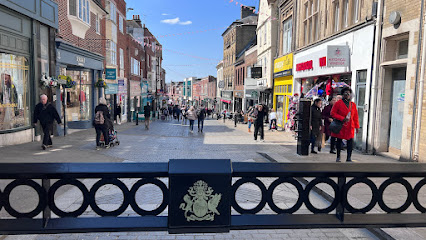
Windsor & Royal Borough Museum
27.5 km
Explore Windsor's rich history at the Windsor & Royal Borough Museum, featuring captivating exhibits on local heritage and royal connections.
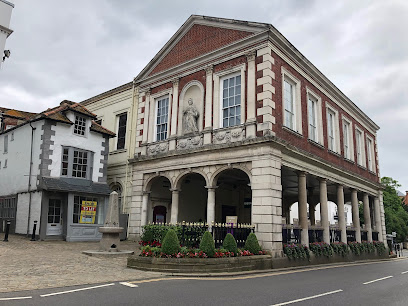
Unmissable attractions to see

Guildford Castle
0.2 km
Explore Guildford Castle’s Norman Great Tower, scenic gardens, and rich history in the heart of Surrey’s charming town.
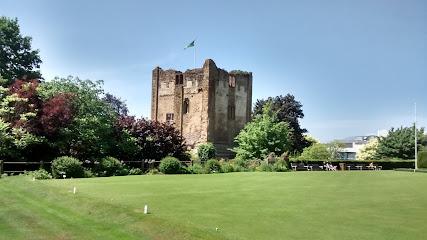
Castle Grounds
0.2 km
Historic Norman castle with stunning gardens and panoramic views, a peaceful heritage oasis in the heart of Guildford.
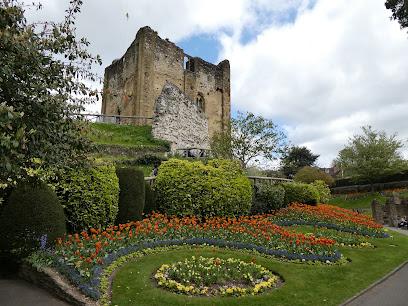
The White House, Guildford
0.4 km
Discover The White House in Guildford - a charming pub offering delightful food, local ales, and a welcoming atmosphere for a true taste of British culture.
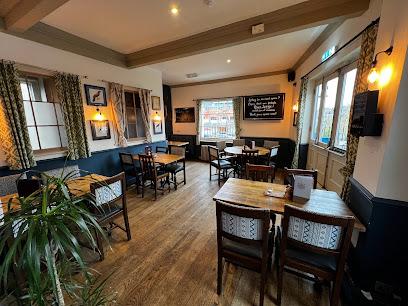
Newlands Corner
4.6 km
Experience stunning Surrey Hills panoramas, rich history, and accessible trails at Newlands Corner’s iconic nature reserve.
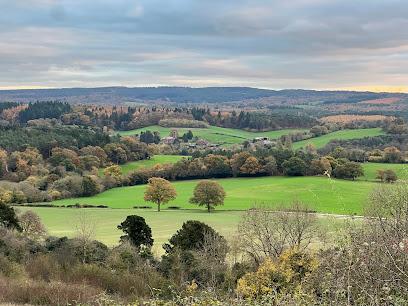
Silent Pool Distillers
6.4 km
Discover handcrafted artisan spirits at Silent Pool Distillers, nestled beside the legendary Surrey Hills’ Silent Pool.

Shere
7.7 km
Discover Shere, a historic Surrey village where timeless Tudor charm meets tranquil riverside beauty in the heart of the Surrey Hills.
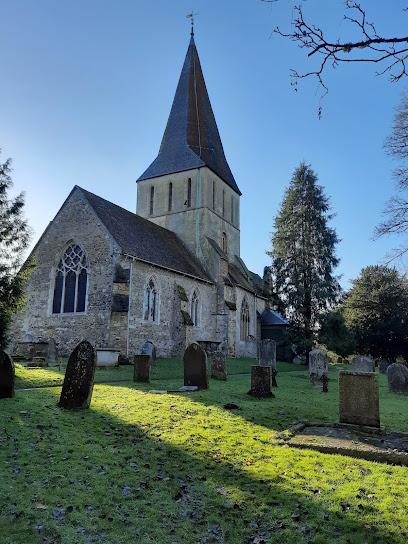
RHS Garden Wisley
11.2 km
Explore 240 acres of horticultural brilliance at RHS Garden Wisley, Surrey’s premier botanical garden blending science, beauty, and year-round inspiration.
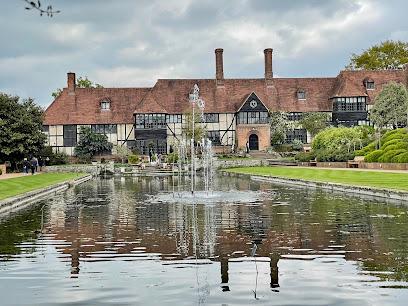
Thundry Meadows
11.4 km
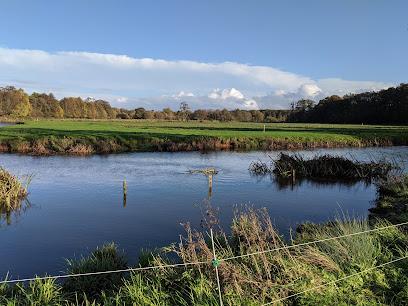
Discover Surrey’s tranquil wetland haven at Thundry Meadows, where diverse habitats and rich wildlife thrive along the River Wey.
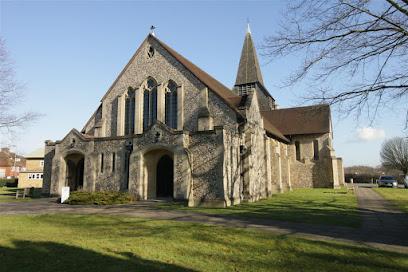
Parish Church of Saint John the Baptist
12.4 km
A historic and serene Anglican church in West Byfleet, blending early 20th-century architecture with a warm community spirit and rich traditions.
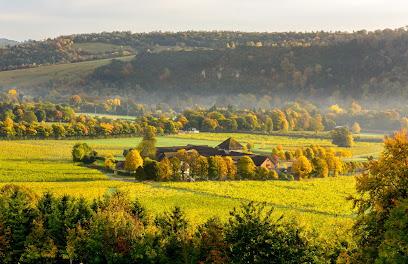
Denbies Wine Estate
16.8 km
Explore England’s largest single-estate vineyard with award-winning wines, panoramic Surrey Hills views, immersive tours, and fine dining.
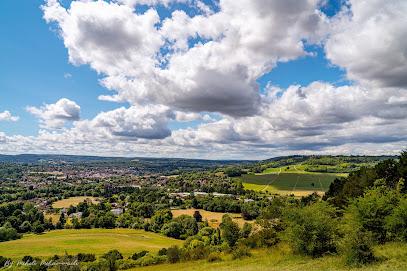
Box Hill
18.5 km
Explore Surrey’s iconic Box Hill with breathtaking views, diverse trails, rich wildlife, and family-friendly nature play in a stunning chalk landscape.
Thorpe Park Resort
19.3 km
Experience the UK’s most thrilling theme park with record-breaking rides, family fun, and unforgettable seasonal events just outside London.
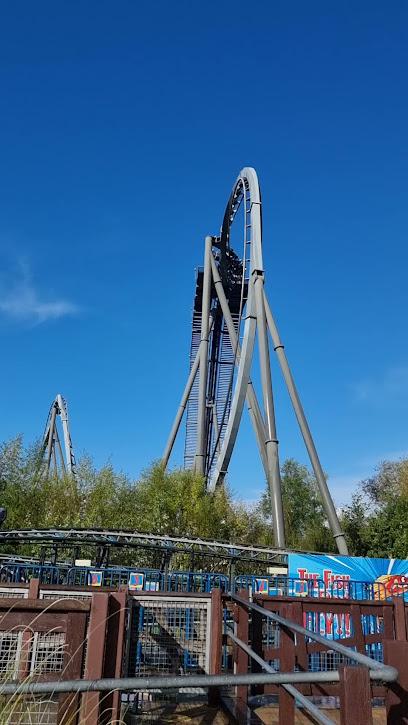
Plunket Memorial Viewpoint
20.1 km
Discover serene panoramic views and royal heritage at Plunket Memorial Viewpoint in Surrey’s scenic Valley Gardens.
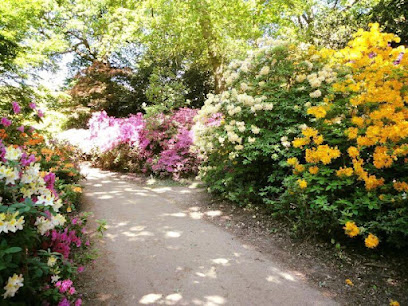
The Tudor Pass at Great Fosters
20.3 km
Exclusive Michelin-starred dining at Great Fosters, blending historic Tudor charm with seasonal, locally sourced culinary artistry in an intimate setting.
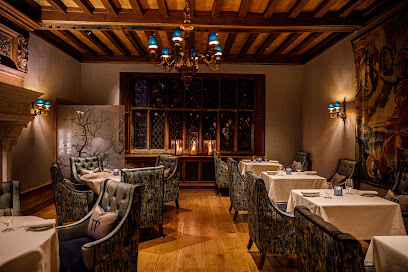
Truss's Island
20.8 km
A tranquil Thames river island blending 18th-century heritage with natural beauty near Staines.
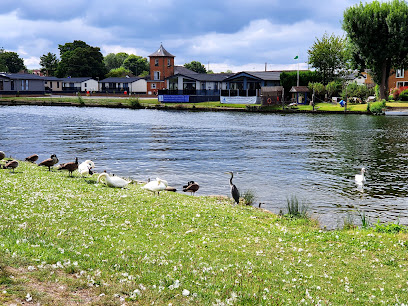
Essential places to dine

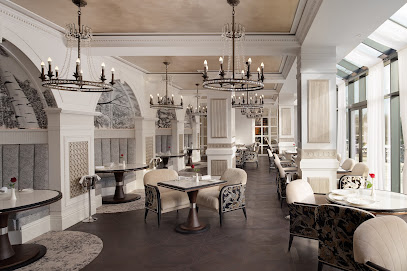
1215 Restaurant
22.2 km
Refined British fine dining inspired by history, local produce, and seasonal elegance in the heart of Surrey’s Fairmont Windsor Park.
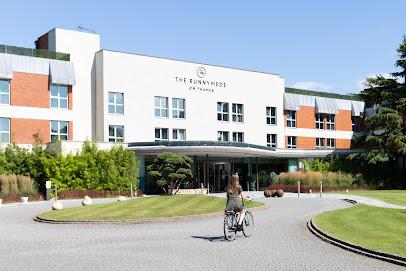
The Runnymede on Thames Hotel and Spa
22.6 km
Tranquil riverside luxury with spa, pools, and scenic views near historic Runnymede in Egham.
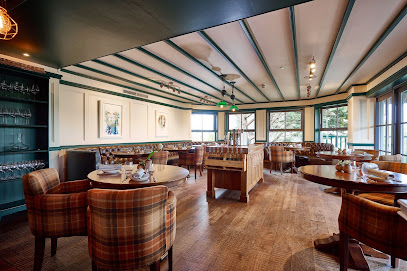
The Loch & The Tyne by Adam Handling Old Windsor
24.6 km
A refined yet relaxed modern British gastropub in Old Windsor, blending bold flavors, sustainable sourcing, and rustic charm under chef Adam Handling.
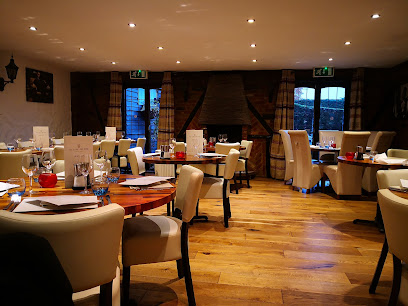
The Yorkshire Rose
25.1 km
A warm, independent Mediterranean restaurant and bar in Warfield, blending traditional charm with modern dining and a spacious beer garden.
Winning Post Pub & Dining
25.2 km
Quintessential English country pub in Winkfield offering refined British fare, cosy charm, and welcoming hospitality in a historic 18th-century setting.
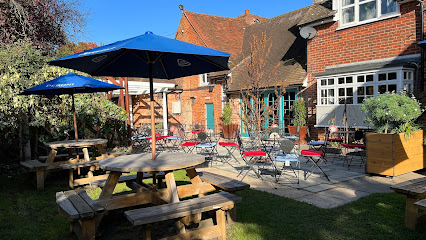
Humble Thali
25.3 km
Experience authentic Indian thali dining with fresh, vibrant flavors and warm service in the heart of Feltham.
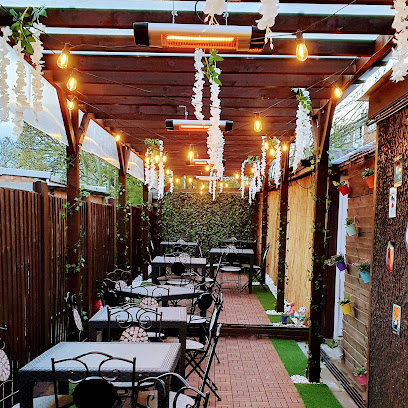
Le Taj
25.5 km
Experience authentic and innovative Indian cuisine with warm hospitality in the heart of Feltham at Le Taj.
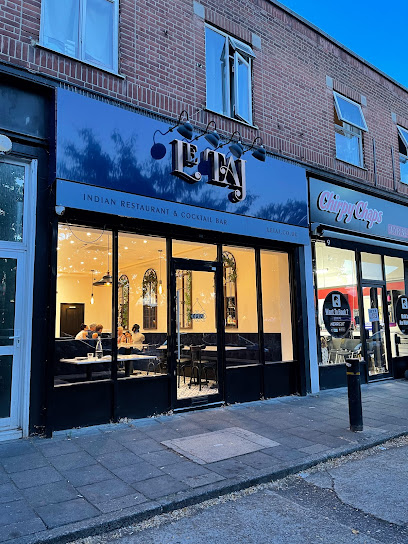
The Bell On The Green - Pub, Bar and Indian Restaurant
25.7 km
A vibrant Feltham pub blending classic British charm with authentic Indian flavors and a welcoming beer garden.
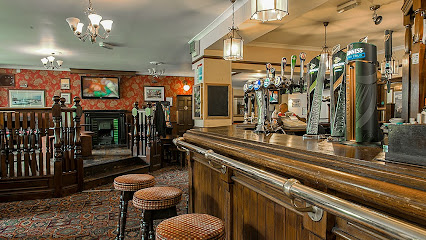
Plaza Premium Lounge London Heathrow (Departures, Terminal 4)
26.5 km
A spacious, modern lounge at Heathrow Terminal 4 offering diverse dining, apron views, and comfortable amenities for travelers seeking relaxation before departure.
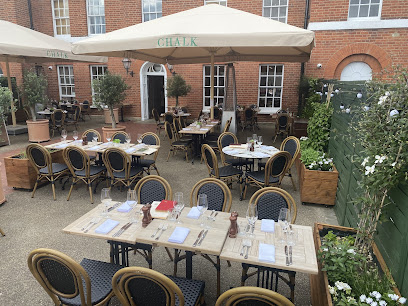
Chalk
26.8 km
Chalk Restaurant offers warm, stylish dining with quality modern English cuisine and a welcoming atmosphere in central Wokingham.
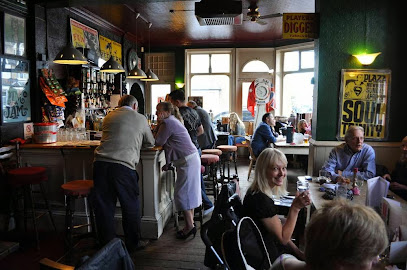
The Alma
26.8 km
A cozy and friendly British pub in Windsor offering classic fare, lively atmosphere, and a welcoming space for families and pets alike.
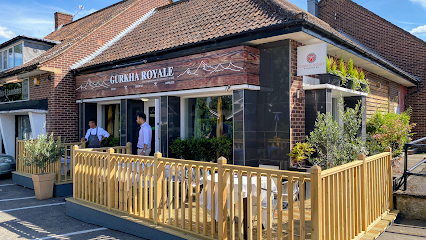
Gurkha Royale Restaurant & Bar
26.9 km
Authentic Himalayan, Indian, and Oriental flavors served in a vibrant, welcoming Windsor venue with exceptional service and a lively atmosphere.
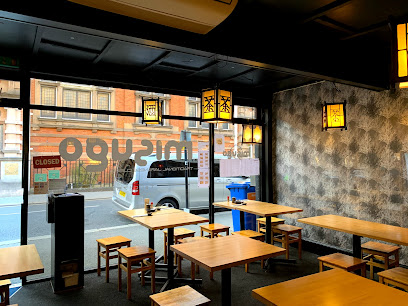
Misugo Japanese Windsor
27.0 km
Authentic Japanese flavors and fresh sushi crafted with passion in a warm, family-run setting in Windsor.
Best Meze Grill
27.0 km
Experience the rich, authentic flavors of Turkish meze and grilled specialties in a warm, inviting atmosphere in the heart of Windsor.
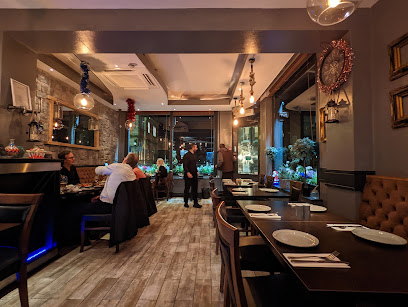
Windsor Grill
27.1 km
Experience expertly grilled British and European classics in a relaxed, elegant setting at Windsor Grill in the heart of Windsor.
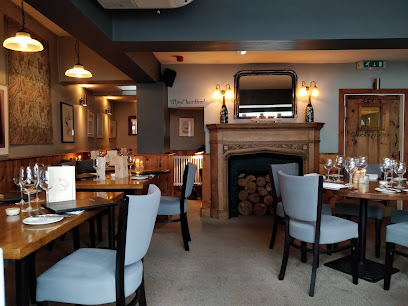
Markets, malls and hidden boutiques

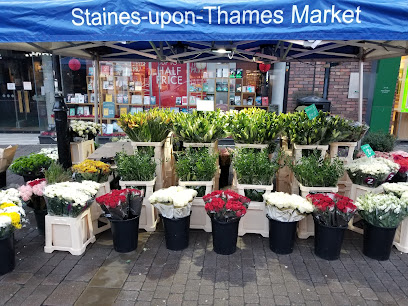
Staines Market
22.5 km
Experience the vibrant tradition of Staines Market, where fresh local produce and diverse stalls bring community spirit to Staines High Street.
The Old Grain Barn Antiques, Berkshire
26.5 km
Discover vintage treasures and artisan crafts in a charming antique barn nestled in Berkshire’s Moss End Garden Village.
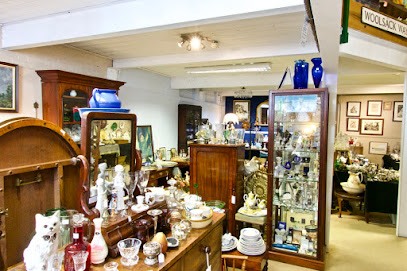
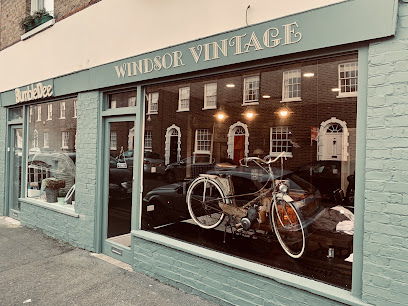
Windsor Vintage
27.0 km
Explore Windsor Vintage, a captivating antique shop in Windsor, showcasing a unique collection of treasures from the past, perfect for collectors and curious visitors.
Louis Vuitton Heathrow T3
27.2 km
Experience timeless luxury and impeccable style at Louis Vuitton Heathrow Terminal 3, your elegant travel companion.
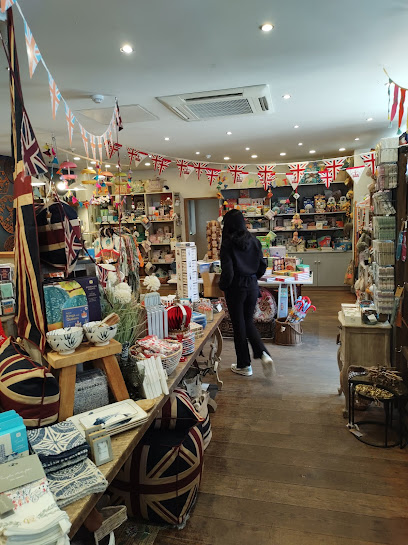
Vinegar Hill
27.2 km
A curated lifestyle shop in Windsor offering stylish homewares, gifts, and fashion in a warm, boutique setting.
Roz Clarke
27.2 km
Discover chic elegance and personalized style at Roz Clarke, Windsor’s premier boutique for women’s fashion, accessories, and expert styling advice.

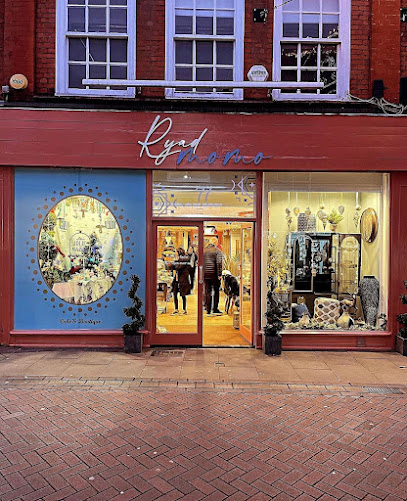
Ryad Momo
27.3 km
Discover Moroccan elegance and unique handcrafted gifts at Ryad Momo, Windsor’s charming boutique for exquisite homeware and candles.
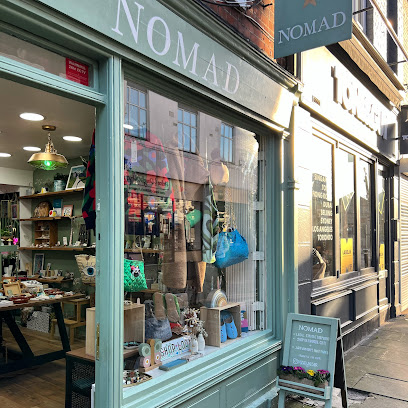
Nomad Concept Store
27.3 km
A vibrant concept store and art studio in Windsor, blending vintage fashion, handmade crafts, and spiritual curiosities in a colorful, bohemian space.
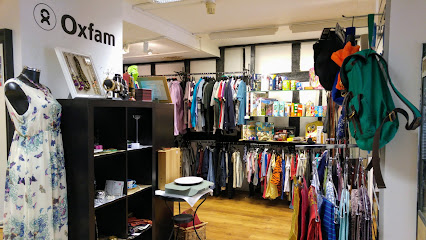
Oxfam
27.4 km
Discover unique second-hand treasures and support global causes in Windsor’s historic Oxfam charity shop near Windsor Castle.
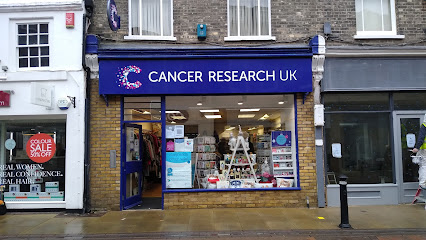
Cancer Research UK
27.4 km
Secondhand treasures with purpose—sustainable shopping that funds life-saving cancer research.
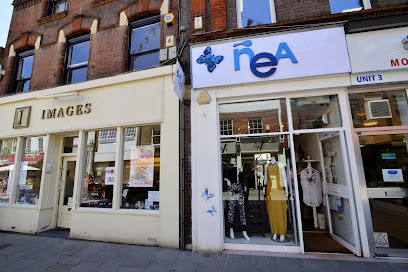
Nea Boutique
27.4 km
Discover unique, stylish women's fashion and accessories at Nea Boutique, a charming Windsor boutique with a curated collection and personal service.
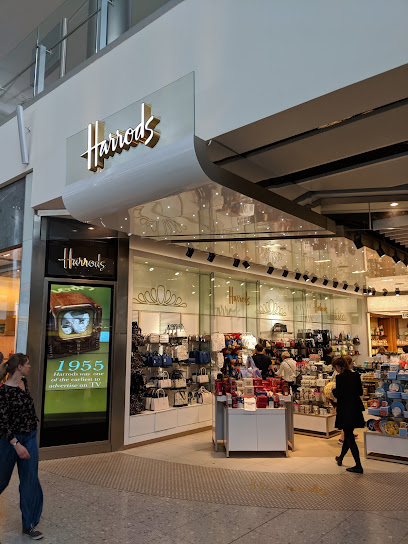
Harrods
27.4 km
Experience the pinnacle of luxury shopping and festive magic at Harrods, London’s iconic department store in Knightsbridge.
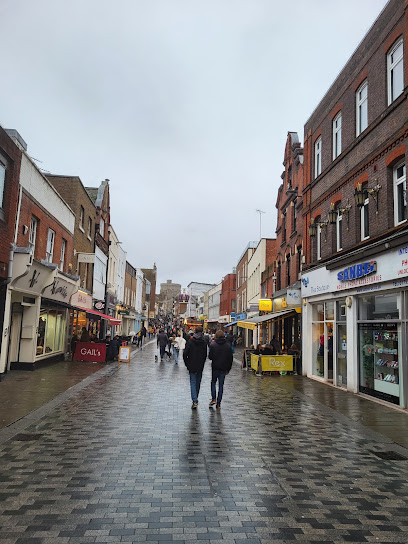
Warwicks
27.4 km
A premier men's clothing store nestled in Windsor’s historic Peascod Street, blending classic style with modern shopping charm.
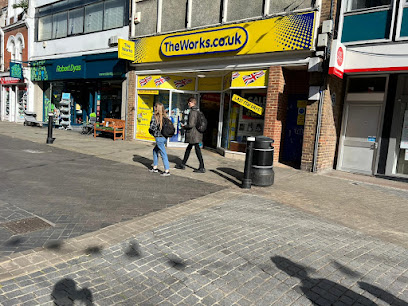
The Works
27.4 km
Affordable books, crafts, toys, and stationery in the heart of Windsor’s vibrant shopping district.
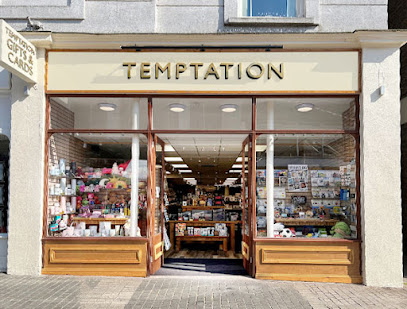
Temptation Gifts
27.5 km
Discover unique gifts and over 1,000 greeting cards in Windsor’s welcoming and ever-changing Temptation Gifts store on Peascod Street.
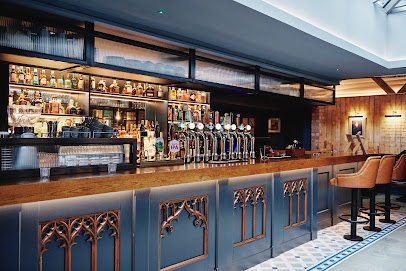
Essential bars & hidden hideouts

The Kings Arms
21.8 km
Award-winning boutique pub, restaurant, and inn in Egham offering elevated British classics, stylish rooms, and warm hospitality near Windsor.
Turtle Bay Staines
22.4 km
Experience vibrant Caribbean flavors, tropical cocktails, and lively island vibes in the heart of Staines-upon-Thames.
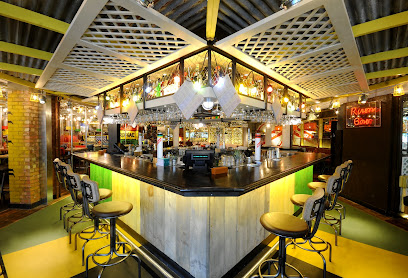
The Bull
23.7 km
A vibrant blend of traditional British pub charm and modern hospitality in the heart of Bracknell’s town centre.
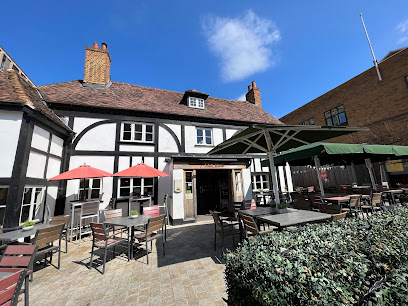
The Foundry Bell
25.6 km
A stylish gastropub in Wokingham blending classic British fare, craft ales, and a warm, inviting atmosphere for all occasions.
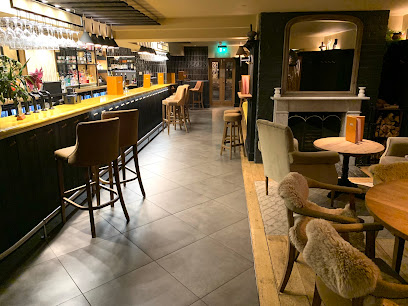
The Lord Raglan
26.6 km
A vibrant gastropub in Wokingham blending hearty meals, quality drinks, and lively atmosphere in a welcoming setting.
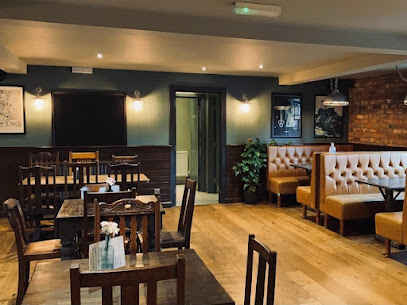
The Windsor Castle
26.6 km
Discover the charm of The Windsor Castle Pub in Windsor - where traditional British cuisine meets a welcoming atmosphere.
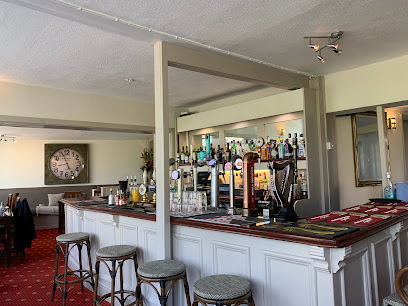
The Corner House
27.3 km
A lively two-floor pub and sports bar in Windsor, offering great drinks, live sports on HD screens, and versatile event spaces.
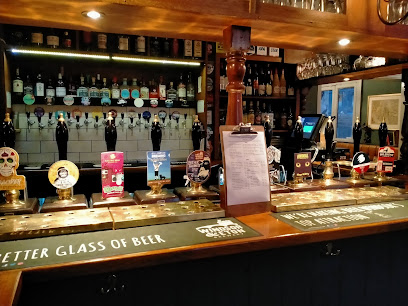
No5 St Leonards Road
27.3 km
Elegant cocktails, sparkling chandeliers, and a welcoming atmosphere combine at No5 St Leonards Road, Windsor’s premier cocktail bar.
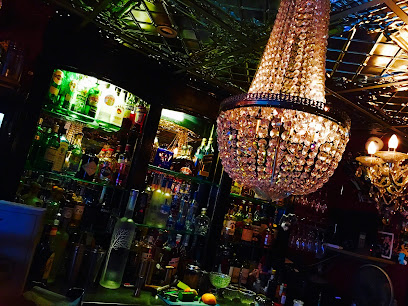
The Acre
27.3 km
A lively Windsor bar with engaging karaoke, live music, and a welcoming atmosphere for locals and visitors alike.
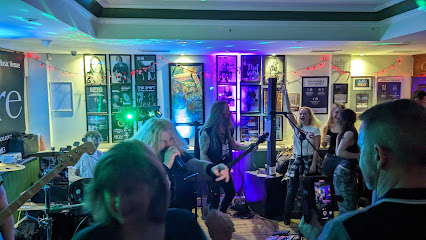
The Two Brewers
27.3 km
Historic 18th-century pub near Windsor Castle offering classic British ales, cozy ambiance, and a charming floral exterior.
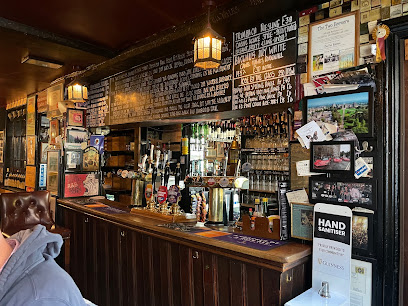
The Queen Victoria
27.3 km
Step into The Queen Victoria for an authentic 18th-century English pub experience with hearty food, real ales, and a welcoming, dog-friendly atmosphere in Windsor.
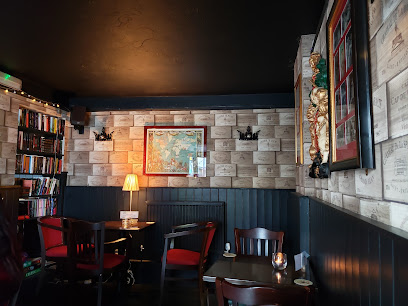
The Sinner Bar
27.3 km
A stylish cocktail bar in Windsor offering vibrant nightlife, expertly crafted drinks, and an intimate, seductive atmosphere.
The Piper Art Bar
27.4 km
Discover a vibrant Scottish-themed bar and contemporary art space in the heart of Windsor, offering an extensive whisky selection and eclectic ambiance.
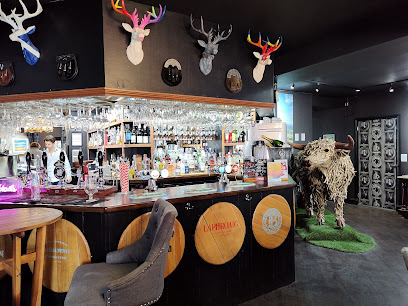
The Prince Harry
27.5 km
Historic pub steps from Windsor Castle, serving traditional British fare and real ales in a charming, centuries-old setting.
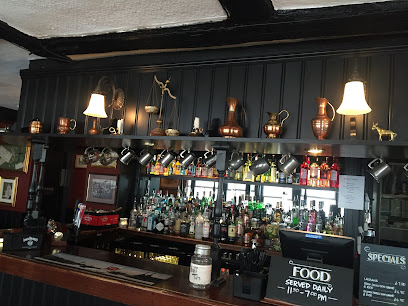
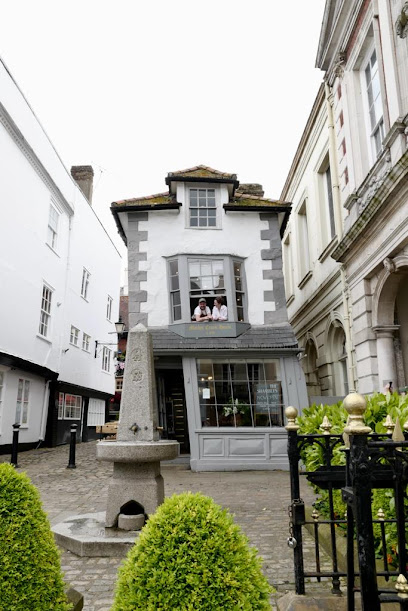
The Shambles
27.5 km
Discover Windsor’s award-winning bar housed in a charmingly tilted historic building, famed for creative cocktails and warm hospitality.
Nightclubs & after hour spots

The Binfield Club
26.5 km
Historic social club in Binfield offering vibrant nightlife, live music, sports, and community events in a welcoming atmosphere.
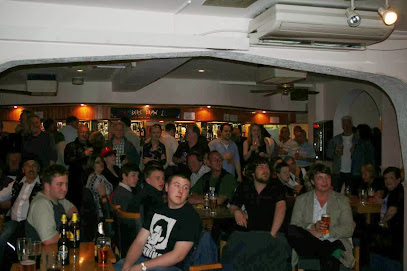
Pink Gentleman's Club.
27.4 km
Sophisticated adult entertainment with exclusive VIP rooms and topless pole shows in the heart of Windsor’s nightlife scene.
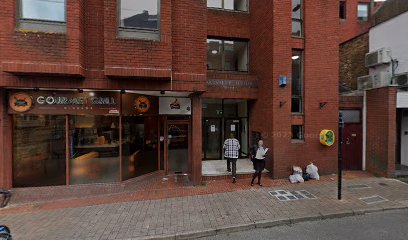
The Music & Words Club
27.5 km
Discover the heartbeat of Windsor at The Music & Words Club, where live performances and creative energy come alive in a cozy atmosphere.

Labyrinth Nightclub Windsor
27.6 km
Experience Windsor’s vibrant nightlife with live DJs, multiple bars, and an electrifying atmosphere at Labyrinth Nightclub.
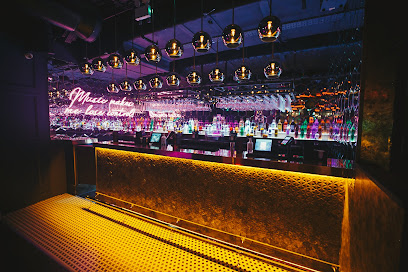
The Scotch
27.6 km
Windsor’s iconic Victorian arch nightclub blending historic charm with eclectic music and circus-themed nightlife.
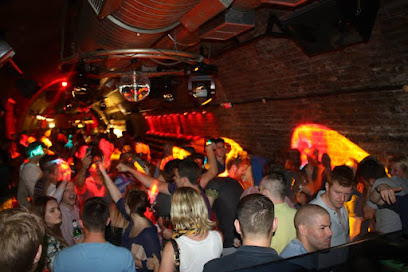
The Boom
27.6 km
Historic arches meet vibrant beats at The Boom, Windsor’s energetic nightclub and bar for unforgettable nights.
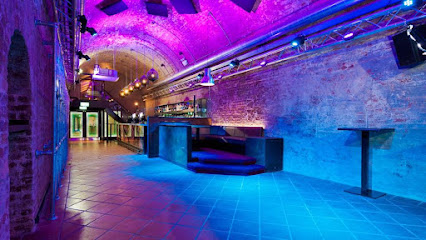
3sixty
34.4 km
Experience vibrant student nightlife and live events at 3sixty, the University of Reading’s premier nightclub and entertainment venue.
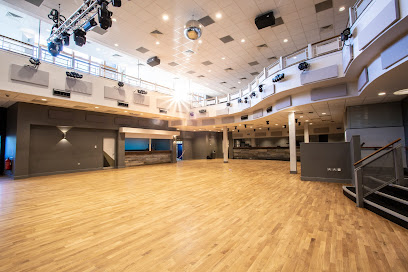
Le Fez
35.2 km
Experience Putney’s premier Moroccan-inspired nightclub with lush lounges, vibrant dancefloors, and unforgettable late-night entertainment.
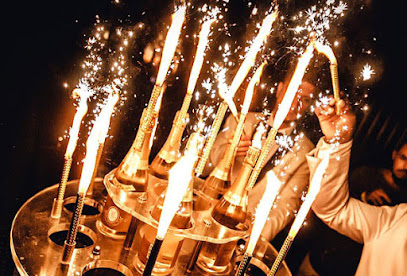
Gun Street Garden
36.9 km
Experience Reading’s vibrant nightlife in an urban jungle-themed club with diverse music, rooftop bar, and VIP lounges.
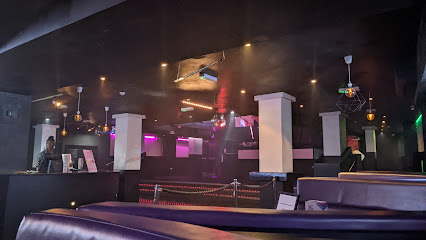
Q Club
37.1 km
Experience Reading’s energetic nightlife at Q Club, a lively nightclub and bar offering music, drinks, and late-night fun on Friar Street.
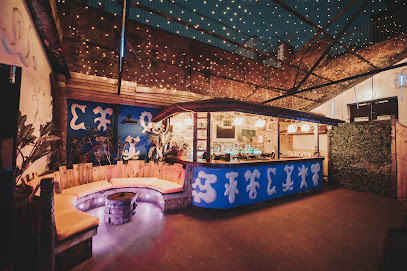
Reading Lola Lo
37.2 km
Experience Reading’s premier tiki-themed nightclub with vibrant cocktails, lively music, and a unique Polynesian atmosphere on Friar Street.
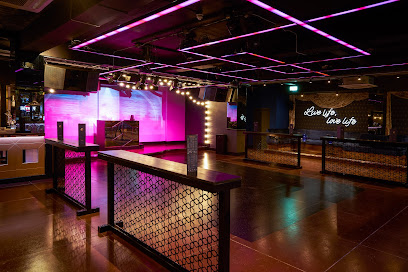
Popworld - Reading
37.2 km
A vibrant pop-themed nightclub in Reading’s city centre, where retro beats meet neon-lit fun for unforgettable nights.

The Clapham Grand
37.7 km
Experience the vibrant nightlife of London at The Clapham Grand, a premier events venue offering live music, comedy, and unforgettable parties.
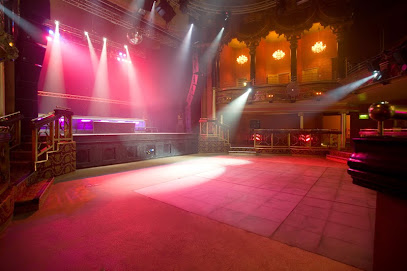
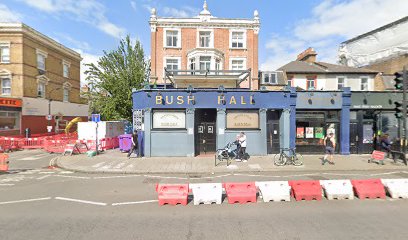
Lost In Disco
38.3 km
An intimate West London disco night celebrating 1970s–80s funk, soul and floor-filling classics with DJs, guest singers and a glittering dancefloor.
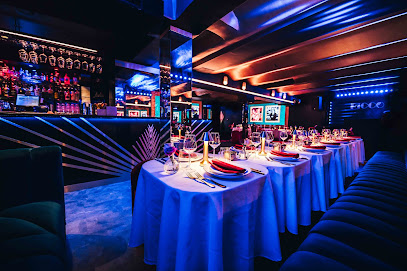
Ricco London
38.6 km
A plush, performance‑led lounge in Kensington Olympia where cocktails, Mediterranean sharers and cabaret create theatrical late‑night nights.
For the vibe & atmosphere seeker
- Historic
- Scenic
- Unique
- Casual
For the design and aesthetic lover
- Neoclassical
For the architecture buff
- Historic
- Landmarks
For the view chaser and sunset hunter
- Iconic Views
For the social media creator & influencer
- Instagrammable
- Photo Spots
For the eco-conscious traveler
- Public-Transport Accessible
For the kind of experience you’re after
- Cultural Heritage
- Photowalk
- Day Trip
For how adventurous you want the journey to be
- Easy Access
Location Audience
- Family Friendly
- Senior Friendly
- Child Friendly
- Teen Friendly
- Wheelchair Access
- Pet Friendly
- Solo Friendly
- Couple Friendly
- Solo Female Friendly


