

Harvington Hall Travel Guide
Free Guide: Discover Harvington Hall, a moated Elizabethan manor famed for its secret priest hides and rich recusant Catholic history in Worcestershire.


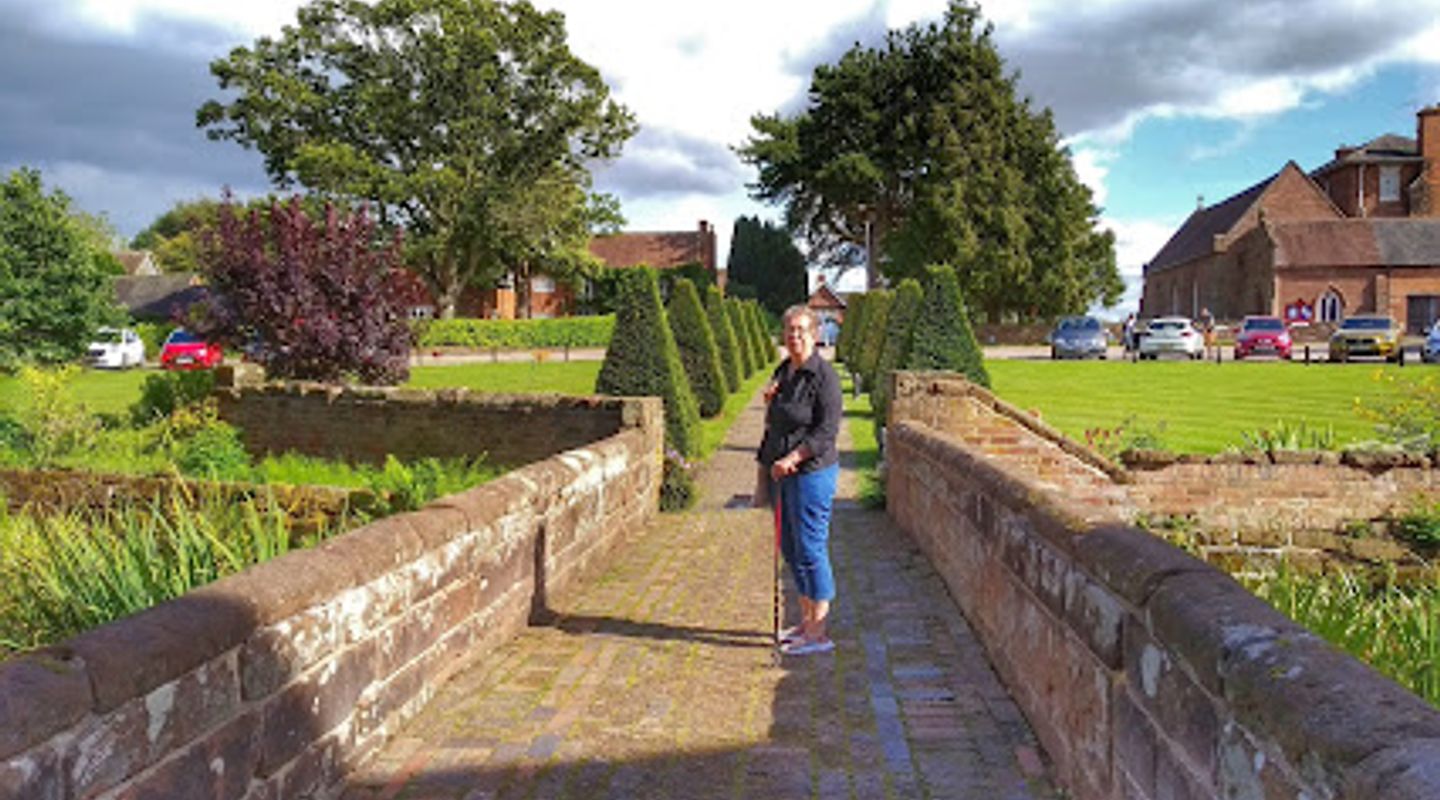
A brief summary of Harvington Hall
Discover Harvington Hall, a moated Elizabethan manor famed for its secret priest hides and rich recusant Catholic history in Worcestershire.
Harvington Hall is a moated Elizabethan manor house near Kidderminster, Worcestershire, famed for its seven priest hides—the highest number in England. Built in the 1580s by Humphrey Pakington, a recusant Catholic, it served as a secret refuge for priests during a time when Catholic worship was outlawed. The house also features remarkable original Elizabethan wall paintings and a medieval core, offering a rare glimpse into Tudor religious history and architecture.
On-site amenities
 Restrooms
 Drink options
 Food options
 Seating areas
 Picnic areas
 Information boards
 Visitor centre
Opening hours
- Mon10:30 am–4 pm
- TueClosed
- Wed10:30 am–4 pm
- Thu10:30 am–4 pm
- Fri10:30 am–4 pm
- Sat10:30 am–4 pm
- Sun10:30 am–4 pm
Opening hours as listed on the venue’s Google Business Profile. Hours can change for services and special events, so check with the venue before you go.
- Address
- Harvington Hall Ln, Harvington, Kidderminster DY10 4LR
- Phone
- Website
Getting there
Bus
Train and Taxi
Car
Discover more about Harvington Hall
Historic Foundations and Architectural Evolution
Harvington Hall stands on an artificial island surrounded by a moat dating back to the 13th century, with archaeological finds suggesting occupation since at least the early 1200s. The core of the Hall includes a 14th-century timber-framed structure, later encased in brickwork. Ownership passed through notable hands, including Adam de Harvington, Chancellor of the Exchequer in the 1300s, and the Earls of Warwick, before being acquired by Sir John Pakington in 1529. The present Elizabethan manor was primarily constructed in the 1580s by Humphrey Pakington, whose recusant Catholic faith influenced the house’s secretive design. Though once larger, two wings were demolished around 1700, leaving the Hall at roughly half its original size.
Priest Hides: Ingenious Sanctuaries of Faith
Harvington Hall is renowned for its seven priest hides, the greatest number found in any English residence. These secret compartments were built to protect Catholic priests during Elizabeth I’s reign when Catholic worship was banned and priest presence was punishable by death. Master builder Nicholas Owen, later canonized as the patron saint of illusionists, crafted several of these ingenious hiding places. They include concealed attic cubbies accessed through false chimneys, secret chambers behind swinging beams, and hidden rooms beneath staircases. The hides exemplify the perilous conditions faced by recusants and the lengths taken to preserve their faith.
Elizabethan Wall Paintings and Interior Features
Beneath layers of whitewash, original Elizabethan wall paintings were uncovered in 1936, revealing intricate arabesque designs and depictions of the Nine Worthies. The Small Chapel features symbolic red and white drops representing the blood and water of the Passion, alongside traces of medieval artwork. The interior retains original panelling, floorboards, and a distinctive oak staircase, though much of the original furniture was removed during the 19th century. The Hall’s staircases and passages create a disorienting effect, enhancing the sense of mystery and secrecy intrinsic to the building’s history.
Legacy of Recusancy and Restoration
Humphrey Pakington’s recusancy—refusing to attend Anglican services—led to heavy fines and the necessity for clandestine worship. After his death in 1631, the Hall passed through his family but gradually fell into neglect. Two wings were demolished around 1700, and the house remained largely untouched for centuries, preserving its historic fabric. In 1923, Mrs Ellen Ryan Ferris purchased and gifted Harvington Hall to the Roman Catholic Archdiocese of Birmingham, which has since restored and maintained the property as a heritage site and pilgrimage destination.
Modern-Day Significance and Visitor Experience
Today, Harvington Hall offers visitors a rare opportunity to explore a Tudor manor steeped in religious history and architectural intrigue. The Hall hosts an annual History Festival featuring talks by historians and authors. Its gardens and grounds provide a tranquil setting, complemented by the Malt House coffee shop serving local seasonal produce. The Hall’s educational programs illuminate the Reformation era through the lens of recusant Catholics. Accessibility features include ground-floor wheelchair access and facilities suitable for families and groups.
Preservation and Cultural Importance
Recognized as a Scheduled Monument and Grade I Listed Building, Harvington Hall is a nationally important heritage asset. The Archdiocese of Birmingham continues to invest in conservation and research to deepen understanding of the Hall’s role in English Catholic history. The site remains a place of pilgrimage and remembrance, commemorating the sacrifices of Catholic martyrs and celebrating a unique chapter of Tudor England’s religious landscape.
Evendo Review Centre
 Google
Guest reviews
Best time to go
Quietest: Jan, Feb & Dec · before 8am or from 8pm
Busy times are Evendo estimates for a typical year, to help you plan. Actual crowds vary with events, school holidays and the weather.
Explore Harvington Hall on the map
A handpicked selection of must-see spots near Harvington Hall, mapped for you.
Get your free copy of our complete guide to Harvington Hall, delivered straight to you.
Everything on this page, from opening hours and how to get there to Eve’s tips and the best time to go, in one PDF you can read offline, print or share.
Already have an account? Sign in
Your Harvington Hall guide is ready.
We'll send it to · Not you? Sign out

Getting your guide ready…
We are putting together a fresh copy of the Harvington Hall guide. This can take up to a minute.
This can take a few moments. If your browser asks, choose Allow so the download can start. You'll find the guide in your Downloads folder.
Nothing happened? Download it again
Sorry, the guide is taking longer than usual. Please try again in a minute, or get it by email instead.
Other nearby places you may find interesting
The closest places of the same kind, if this one is not quite what you had in mind.
-
National Trust - Greyfriars House and Garden Discover the rich history and timeless charm of Greyfriars, a late-medieval timber-framed house nestled in Worcester’s historic heart.
-
Witley Court & Gardens Explore the haunting ruins and exquisite Victorian gardens of Witley Court, a historic jewel in Worcestershire with stunning fountains and woodland walks.
-
The Commandery Explore Worcester’s iconic Civil War headquarters with immersive history, beautiful gardens, and a cozy canal-side café.
-
Museum of Royal Worcester Discover 250 years of exquisite Worcester porcelain craftsmanship and creativity in the historic heart of Worcester.
-
National Trust - The Firs: Elgar's Birthplace Step into the serene birthplace of Sir Edward Elgar, where history, music, and nature blend in a charming Worcestershire cottage and garden.
Swipe for more places
More to explore near Harvington Hall

 Best experiences near Harvington Hall
 Best hotels near Harvington Hall
 Best landmarks near Harvington Hall
 Best attractions near Harvington Hall
 Best shops near Harvington Hall
 Best restaurants near Harvington Hall
 Best bars near Harvington Hall
Do you manage this location?
Take control to get all the benefits, like improved information, better appearance, and stronger visibility across AI-powered discovery.
Explore more

Explore more of Worcestershire
Discover Worcestershire: Immerse yourself in a blend of historical landmarks, stunning landscapes, and local culinary delights in the heart of England.
Explore Worcestershire
Explore more of United Kingdom
Discover the United Kingdom: A blend of rich history, stunning landscapes, and vibrant cities, offering a unique travel experience for every visitor.
Explore United Kingdom
