

Free Worcestershire Travel Guide & Mobile App
Explore Worcestershire with free travel guides. Discover regional history, expert tips, proposed trips, and audio guides on web or mobile app.


Explore Worcestershire for Worcester Cathedral, Malvern Hills walks, orchard country, historic estates, market towns and Severn Valley landscapes.
Read more about Worcestershire
When is the best time to visit Worcestershire?
Best: June–August · 19–22°C| Month | High (°C) | Rainfall (mm) |
|---|---|---|
| January | 7 | 50 |
| February | 8 | 40 |
| March | 10 | 50 |
| April | 13 | 50 |
| May | 17 | 50 |
| June (best) | 19 | 50 |
| July (best) | 22 | 50 |
| August (best) | 21 | 50 |
| September | 18 | 50 |
| October | 14 | 50 |
| November | 10 | 50 |
| December | 8 | 50 |
Getting to and around Worcestershire
How to get there
Transportation
Top city travel guides in Worcestershire
The cities of Worcestershire, and the easiest places to base yourself.
-

-


Swipe for more cities
Best attractions in Worcestershire
Worcestershire's attractions range from major historic interiors and ruined estates to open landscapes and working heritage. Worcester Cathedral and the Commandery provide the county's strongest urban history, while museums in Worcester, Bromsgrove and Kidderminster explore archaeology, industry, local life and design. The Malvern Hills are the principal outdoor attraction, offering ridge walks, commons and views rather than a single enclosed visitor site. Around the Severn Valley, Bewdley, the Wyre Forest and the Severn Valley Railway bring together woodland, riverside recreation and preserved railway heritage. Country-house landscapes include Croome, Hanbury Hall and Witley Court, each presenting a different combination of architecture, gardens and social history. Families may also consider West Midland Safari Park near Bewdley and the Avoncroft Museum of Historic Buildings near Bromsgrove. The Vale of Evesham and Pershore adds a more agricultural dimension, with orchards, market gardens, seasonal produce and villages that are best experienced by car, bicycle or carefully planned walks.
-
Tourist attraction
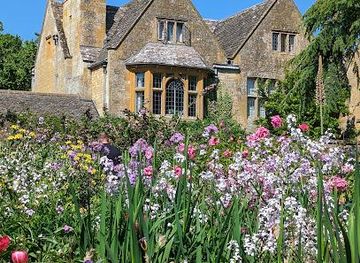
National Trust - Hidcote
Explore the enchanting Arts and Crafts garden of Hidcote Manor, a masterpiece of horticultural design nestled in the scenic Cotswolds countryside.
-
Tourist attraction
National Trust - Hanbury Hall
Explore Hanbury Hall’s exquisite 18th-century art, gardens, and festive charm nestled in Worcestershire’s tranquil countryside.
-
Shopping Centre
Crowngate Shopping Centre
Worcester’s vibrant city-centre shopping and dining destination with over 60 stores and diverse eateries in a modern, accessible setting.
-
Tourist attraction
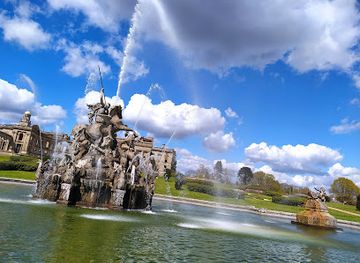
Witley Court & Gardens
Explore the haunting ruins and exquisite Victorian gardens of Witley Court, a historic jewel in Worcestershire with stunning fountains and woodland walks.


Best landmarks in Worcestershire
Worcester Cathedral is Worcestershire's most recognisable architectural landmark, its medieval structure rising above the Severn and containing royal tombs, an ancient crypt and important stained glass. The Malvern Hills form the county's defining natural landmark, with the ridge and summits of Worcestershire Beacon and Great Malvern providing a visual reference across the surrounding plain. Witley Court's shell and monumental Perseus and Andromeda fountain preserve the scale of a country house damaged by fire, while Croome's parkland demonstrates the designed landscape tradition associated with Capability Brown. In the north, the timber-framed streets and riverside setting of Bewdley show the importance of Severn commerce, and Droitwich's salt heritage is rooted in its brine springs and canal landscape. Worcester's surviving medieval and Tudor buildings, together with the remains of Evesham Abbey, add urban and ecclesiastical landmarks that help explain the county's long development.
-
Historical landmark
Wychbury Obelisk
A towering 18th-century neoclassical monument atop historic Wychbury Hill, offering panoramic views and a touch of local mystery.
-
Sculpture
Sir Edward Elgar
Celebrate the legacy of England’s iconic composer Sir Edward Elgar in the heart of Worcester with this distinguished statue.
-
Historical landmark
Edgar Tower
Explore Edgar Tower, a medieval fortified gatehouse guarding Worcester Cathedral’s historic precincts with timeless stone architecture and rich history.


Explore Worcestershire on the map
Plan your trip on one map. See where the top cities, national parks and sights are, and book hotels and experiences in a few clicks.
Best hotels in Worcestershire
Best restaurants in Worcestershire
Worcestershire's food reflects fertile soils, orchard country and a strong tradition of brewing and preserving. The Vale of Evesham is associated with asparagus, fruit and market-garden produce, while apples and pears support cider and perry making across the county. Farm shops, producers' markets and village stores are useful places to look for seasonal goods, although availability changes throughout the year. Worcester and the larger towns offer the widest choice of modern British cooking, international food, cafés and bakeries; in rural districts, traditional pubs, tea rooms and country inns remain important parts of the dining scene. Local menus may feature game, vegetables, orchard fruit and cheeses from the wider West Midlands rather than a single exclusive county dish. Droitwich, Worcester and Malvern also have long connections with brewing and mineral-water culture, while the county's historic association with Lea and Perrins Worcestershire Sauce is reflected in Worcester's food heritage.
-
Barbecue
Hickory's - Worcester
Savor authentic American barbecue flavors in a lively, family-friendly smokehouse set in Worcester’s scenic Cripplegate Park.
-
Steak
Miller & Carter Worcester
Savor expertly grilled steaks in the heart of Worcester’s Cathedral Square, where classic charm meets modern dining excellence.
-
Hamburger
Burger Shop Worcester
Creative, locally sourced gourmet burgers served in a unique railway arch setting in the heart of Worcester.
-
Modern European
Browns at the Quay
Elegant modern European dining with riverside views, attentive service, and a refined atmosphere in the heart of Worcester.


Best bars in Worcestershire
Evening life is concentrated in Worcester, with pubs, wine bars, restaurants, live-music spaces and a modest selection of late venues around the city centre. Great Malvern has a more cultural evening scene shaped by theatres, concerts, restaurants and traditional pubs, while towns such as Kidderminster, Bromsgrove, Evesham and Droitwich Spa provide local bars and public houses rather than a large club circuit. Bewdley and Stourport-on-Severn are appealing for relaxed riverside evenings, although atmosphere and opening patterns vary by season. Across rural Worcestershire, historic inns, village pubs, breweries and food-led venues are generally more characteristic than nightclubs. Visitors should check current arrangements for performances and late events, and should plan transport in advance when staying outside the main towns because rural buses and taxis may be limited at night.
-
Cocktail bar
Slug & Lettuce - Worcester
Historic charm meets vibrant cocktails in a lively converted church at the heart of Worcester.
-
Pub
Barn Owl
A vibrant, family- and dog-friendly pub in Worcester offering classic pub fare, great ales, and a welcoming community atmosphere.
-
Pub
The King Charles House
Historic charm meets hearty pies and warm hospitality at Worcester’s beloved King Charles House pub.
-
Beer hall
The Firefly Beer Haus
A spacious, quirky beer hall in Worcester offering an exceptional craft beer selection, great burgers, and a vibrant social scene.


Best nightclubs in Worcestershire
Evening life is concentrated in Worcester, with pubs, wine bars, restaurants, live-music spaces and a modest selection of late venues around the city centre. Great Malvern has a more cultural evening scene shaped by theatres, concerts, restaurants and traditional pubs, while towns such as Kidderminster, Bromsgrove, Evesham and Droitwich Spa provide local bars and public houses rather than a large club circuit. Bewdley and Stourport-on-Severn are appealing for relaxed riverside evenings, although atmosphere and opening patterns vary by season. Across rural Worcestershire, historic inns, village pubs, breweries and food-led venues are generally more characteristic than nightclubs. Visitors should check current arrangements for performances and late events, and should plan transport in advance when staying outside the main towns because rural buses and taxis may be limited at night.
-
Nightclub
Sin
Experience Worcester’s vibrant nightlife at Sin, a lively nightclub known for energetic music, salsa nights, and a bustling dance floor in the city centre.
-
Nightclub
Bushwackers
Experience Worcester’s vibrant nightlife at Bushwackers, a dynamic nightclub with diverse music, multiple bars, and a popular outdoor chill-out area.
-
Nightclub
Tramps Nightclub
Worcester’s vibrant late-night hotspot offering energetic dance floors, diverse music, and a lively social scene in the heart of the city.
-
Nightclub
The Flag
Worcester’s vibrant LGBT nightclub and gay bar, The Flag offers lively late-night entertainment and a welcoming community atmosphere.


Best shops in Worcestershire
Shopping in Worcestershire is primarily town-centred and independent rather than dominated by large luxury districts. Worcester has the broadest choice, combining national retailers with historic streets, independent food shops, galleries, booksellers and local craft businesses. Great Malvern is known for smaller shops, antiques, art, books and specialist goods, while Bewdley, Pershore, Droitwich Spa and Evesham offer market-town high streets with distinct local character. Farmers' markets, farm shops and seasonal stalls are good places to seek asparagus, orchard fruit, cider, perry, preserves and other Worcestershire produce, though market days and stallholders vary. Craft shopping may include ceramics, artworks, textiles and handmade gifts rather than a single county-wide tradition. Bromsgrove and Kidderminster provide practical retail centres and services, while villages around the Malvern Hills and Vale of Evesham tend to offer occasional galleries, garden-related shops and small producers rather than extensive retail.
-
Shopping Centre
Cathedral Square
Worcester’s vibrant city centre destination for shopping, dining, and entertainment just steps from the historic Cathedral.
-
Clothing Shop
House of Fraser
Discover a diverse selection of fashion, beauty, and homeware essentials at House of Fraser Worcester in the heart of Crown Gate.
-
Toy Shop
Toys & Games Of Worcester UK
A traditional Worcester toy shop offering a vast range of toys, games, and trading card tournaments for all ages since 1994.
-
Hobby shop
The Birders Store
Worcester’s dedicated birdwatching store offering expert advice, premium optics, and a welcoming community for bird enthusiasts.


Get your free copy of our complete guide to Worcestershire, delivered straight to you.
Everything on this page, from attractions and restaurants to essentials and local phrases, in one PDF you can read offline, print or share.
Already have an account? Sign in
Your Worcestershire guide is ready.
We'll send it to · Not you? Sign out

Getting your guide ready…
We are putting together a fresh copy of the Worcestershire guide. This can take up to a minute.
This can take a few moments. If your browser asks, choose Allow so the download can start. You'll find the guide in your Downloads folder.
Nothing happened? Download it again
Sorry, the guide is taking longer than usual. Please try again in a minute, or get it by email instead.
Worcestershire essentials
Currency and Payment
Safety
Emergency Situations
Do's and Don'ts
Local Tips
From Eve
Local phrases worth knowing
You don't need to get them perfect. A few words go a long way, and locals appreciate the effort.
Basics
| English | Local | Say it |
|---|---|---|
| Hello | Ay up | [eɪ ʌp] |
| Goodbye | Ta-ra | [tɑːrɑː] |
| Yes | Yeh | [jɛ] |
| No | Nah | [nɑː] |
| Please/You're welcome | Please | [pliːz] |
| Thank you | Cheers | [tʃɪrz] |
| Excuse me/Sorry | Sorry | [sɒri] |
| How are you? | How do? | [haʊ duː] |
| Fine. And you? | Reet. An' thee? | [riːt. ənd ðiː] |
| Do you speak English? | Do yer talk English? | [duː jər tɔːk ˈɪŋɡlɪʃ] |
| I don't understand | I dunnit get it | [aɪ ˈdʌnɪt ɡɛt ɪt] |
Eating & Drinking
| English | Local | Say it |
|---|---|---|
| I'd like to see the menu, please | Can I 'ave a look at the menu, please? | [kæn aɪ hæv ə lʊk æt ðə ˈmɛnjuː pliːz] |
| I don't eat meat | I don’t eat meat | [aɪ doʊnt iːt miːt] |
| Cheers! | Cheers! | [tʃɪrz] |
| I would like to pay, please | Can I pay, please? | [kæn aɪ peɪ pliːz] |
Emergencies
| English | Local | Say it |
|---|---|---|
| Help! | Help! | [hɛlp] |
| Go away! | Clear off! | [klɪə ɔf] |
| Call the Police! | Ring the coppers! | [rɪŋ ðə ˈkɒpəz] |
| Call a doctor! | Get a doctor! | [ɡɛt ə ˈdɒktə] |
| I'm lost | I’m lost | [aɪm lɒst] |
| I'm ill | I’m poorly | [aɪm ˈpʊəli] |
Shopping
| English | Local | Say it |
|---|---|---|
| I'd like to buy... | I’d like to buy... | [aɪd laɪk tə baɪ...] |
| I'm just looking | I'm just having a gander | [aɪm dʒʌst ˈhævɪŋ ə ˈɡændə] |
| How much is it? | How much's that? | [haʊ mʌtʃz ðæt] |
| That's too expensive | That’s well dear | [ðæts wɛl dɪə] |
| Can you lower the price? | Can yer knock a bit off? | [kæn jər nɒk ə bɪt ɔf] |
Time & Numbers
| English | Local | Say it |
|---|---|---|
| What time is it? | Wot time is it? | [wɒt taɪm ɪz ɪt] |
| It's one o'clock | It’s one o’clock | [ɪts wʌn əˈklɒk] |
| Half past (10) | Half past ten | [hɑːf pɑːst tɛn] |
| Morning | Mornin' | [ˈmɔːrnɪn] |
| Afternoon | Afternooon | [ɑːftəˈnuːn] |
| Evening | Eve'nin' | [ˈiːvnɪn] |
| Yesterday | Yest'day | [ˈjɛstdeɪ] |
| Today | Today | [təˈdeɪ] |
| Tomorrow | T'morrow | [təˈmɒroʊ] |
| 1 | One | [wʌn] |
| 2 | Two | [tuː] |
| 3 | Three | [θriː] |
| 4 | Four | [fɔːr] |
| 5 | Five | [faɪv] |
| 6 | Six | [sɪks] |
| 7 | Seven | [ˈsɛvən] |
| 8 | Eight | [eɪt] |
| 9 | Nine | [naɪn] |
| 10 | Ten | [tɛn] |
Transport & Directions
| English | Local | Say it |
|---|---|---|
| Where's a/the...? | Where's the...? | [wɛrz ðə] |
| What's the address? | Wot’s the address? | [wɒts ði əˈdrɛs] |
| Can you show me (on the map)? | Can yer show me (on the map)? | [kæn jər ʃoʊ mi (ɒn ðə mæp)] |
| When's the next (bus)? | Wen's the next (bus)? | [wɛnʲz ðə nɛkst (bʌs)] |
| A ticket (to ....) | A ticket (to ....) | [ə ˈtɪkɪt (tə ....)] |
History of Worcestershire
Prehistoric and Roman Worcestershire
Worcestershire's landscape was occupied long before written history, with prehistoric activity reflected in earthworks, burial remains and hilltop sites across the county. The Malvern Hills and the Severn corridor provided prominent locations and natural routes. Roman influence became especially important around the settlement that developed into Worcester, known as Viroconium? No: the Roman settlement at Worcester was Viroconium? Actually Viroconium was Wroxeter, so avoid. The Roman town at Worcester was Vertis? Need accurate. Rewrite: Roman Worcester, known as Vertis or Vertis? Roman Worcester was probably Vertis, uncertain. Say a Roman settlement developed at Worcester around a fort and later civilian occupation. Salt production at Droitwich was a major Roman industry, exploiting brine springs that had been used earlier. Roads, pottery, farming and administration connected the area to wider Britannia, leaving archaeological evidence beneath later towns and fields.
Medieval Worcester and the Severn Valley
After the end of Roman rule, Worcester became an important ecclesiastical and administrative centre. Its cathedral community grew from the early medieval period, and the city occupied a strategic crossing and trading position on the River Severn. Medieval fortifications, markets and religious institutions shaped Worcester, while castles and manor houses controlled parts of the surrounding countryside. The river supported movement of goods, although navigation was difficult in places. Towns such as Bewdley and Evesham developed through commerce, agriculture and religious foundations, while salt-making at Droitwich remained an enduring source of local wealth.
The Dissolution and Tudor Transformation
The sixteenth century brought major religious and economic change. The Dissolution of the Monasteries ended the power of institutions such as Evesham Abbey, whose ruins remain a major reminder of the county's medieval religious landscape. Former ecclesiastical lands were redistributed, often creating or enlarging estates owned by influential families. Worcester and other market centres continued to trade in agricultural goods, cloth and river-borne commodities. The period also left a visible architectural legacy in timber-framed houses, altered monastic buildings and substantial rural estates.
The Battle of Worcester, 1651
The Battle of Worcester on 3 September 1651 was the final major engagement of the English Civil Wars. Royalist forces commanded by Charles II were defeated by the Parliamentarian army led by Oliver Cromwell after fighting around the city and its approaches. Charles escaped through the west of England and eventually to France, while Worcester endured the political and material consequences of defeat. The Commandery and other sites around the city interpret the battle, which remains one of the defining episodes in Worcestershire's national history.
Canals, Railways and Industrial Growth
From the eighteenth century onwards, canals and later railways reshaped movement across Worcestershire. The Worcester and Birmingham Canal connected the county to Birmingham and the national waterway network, while the Staffordshire and Worcestershire Canal linked routes near Kidderminster and Stourport-on-Severn. Droitwich's salt industry expanded and then adapted to changing technology; carpet manufacture became central to Kidderminster; and engineering, glove-making, ceramics and food processing supported industrial towns. The surviving canals, warehouses, mills and railway heritage reflect a transition from local river trade to an integrated industrial economy.
The Victorian Spa and Orchard Economy
The nineteenth century brought new investment, transport links and social patterns. Malvern developed as a fashionable spa after the reputed health benefits of its spring water attracted visitors, leading to hotels, villas, gardens and cultural institutions around Great Malvern. Elsewhere, improved railways helped Worcestershire's horticultural economy reach larger markets. The Vale of Evesham became particularly associated with fruit growing, market gardening and asparagus, while cider and perry production drew on the county's orchards. These industries remain important to the visual and culinary identity of rural Worcestershire.
Worcestershire in the Modern Era
The twentieth and twenty-first centuries brought both industrial decline and economic diversification. Traditional manufacturing in places such as Kidderminster contracted, while Worcester expanded as an administrative, educational and service centre. Historic estates acquired new public roles, and former industrial infrastructure became part of the county's heritage and leisure landscape. Worcestershire's contemporary identity combines agriculture and food production with tourism, countryside recreation, technology, education and heritage conservation. The preservation of the Malvern Hills, orchard landscapes, canals and historic buildings has become central to managing growth and maintaining the county's character.
Worcestershire in Photos
Browse through our photo collection highlighting the charm and character of the destination.
Neighbouring regions of Worcestershire
The closest regions to Worcestershire, if you have time for more than one.
-

-

-
-

-


Swipe for more regions
Explore more

Explore more of United Kingdom
Discover the United Kingdom: A blend of rich history, stunning landscapes, and vibrant cities, offering a unique travel experience for every visitor.
Explore United Kingdom