
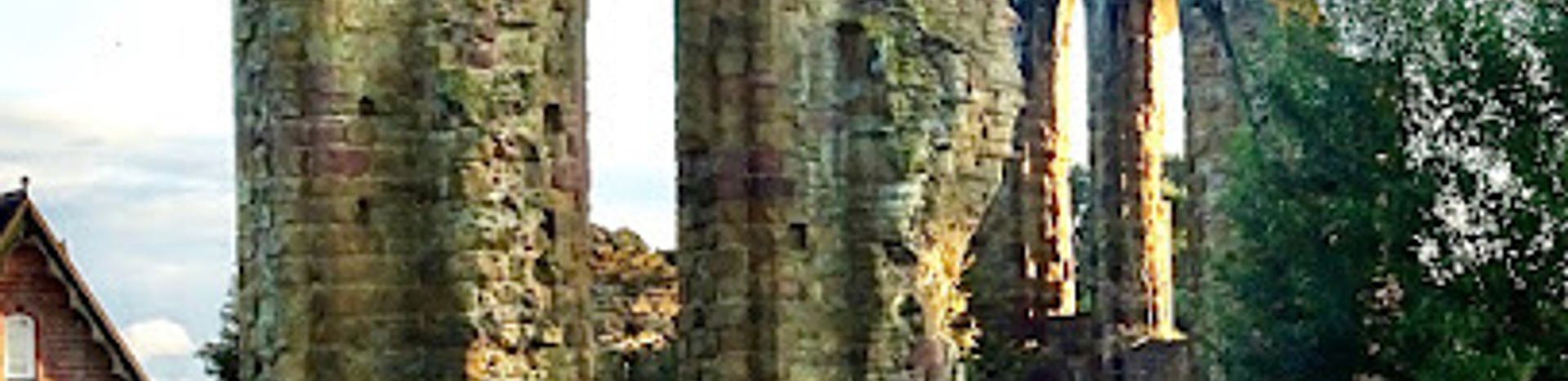
Halesowen Abbey
A quiet, evocative ruin of a 13th-century Premonstratensian abbey, visible from a footpath in the West Midlands countryside.
Halesowen Abbey is the evocative ruin of a 13th-century Premonstratensian abbey in the West Midlands, founded by King John and established by Peter des Roches, Bishop of Winchester. Today, only atmospheric stone fragments remain, including parts of the presbytery, transept and cloister buildings, set within a former monastic precinct now surrounded by farmland. The site is in the care of English Heritage and can be viewed from a nearby public footpath, offering a quiet, contemplative glimpse into medieval monastic life and the dramatic story of the Dissolution.
A brief summary to English Heritage - Halesowen Abbey
- Manor Wy, Halesowen, B62 8RJ, GB
- +443703331181
- Visit website
- Duration: 0.5 to 1.5 hours
- Free
-
 Outdoor
- Mobile reception: 4 out of 5
- Monday 9 am-5 pm
- Tuesday 9 am-5 pm
- Wednesday 9 am-5 pm
- Thursday 9 am-5 pm
- Friday 9 am-5 pm
- Saturday 9 am-5 pm
- Sunday 9 am-5 pm
Local tips
- Visit on a clear day when the light highlights the red sandstone of the ruins and the surrounding fields are dry, as the footpath can be muddy and uneven after rain.
- Bring binoculars to see architectural details of the standing walls and the abbot’s lodging more clearly from the footpath.
- Combine your visit with a walk along the nearby Kings Way or Illey Way footpaths for a longer countryside stroll through the Clent Hills area.
- Read about the abbey’s history before you go – knowing about the White Canons, the Dissolution and the local rebellions adds depth to the experience.
- Be mindful of livestock in adjacent fields; keep dogs on a lead and respect the private farmland around the site.

For the on-the-go comforts that matter to you
- Restrooms
- Drink Options
- Drinking Water
- Food Options
- Seating Areas
- Trash Bins
- Information Boards
Getting There
-
On foot from Halesowen
From Halesowen town centre, follow footpaths south along the A456 towards the Black Horse pub. From there, a footpath leads west towards the abbey ruins, taking about 30–40 minutes on a mix of pavements and rural paths, including a stile and potentially muddy sections.
-
By car from Birmingham
From central Birmingham, drive south on the A456 towards Halesowen, then continue past the town towards the Black Horse pub. Park in residential streets near the pub and cross the dual carriageway with care to reach the footpath leading to the abbey, a journey of around 20–25 minutes.
-
By bus from Halesowen
Local bus services run to Halesowen town centre; from there, walk south along the A456 towards the Black Horse pub and pick up the footpath to the abbey, a walk of about 30 minutes on pavements and rural paths.
-
From the Clent Hills
From the Clent Hills car park, follow footpaths north-west via the Kings Way or Illey Way towards Halesowen, then join the A456 and the path to the Black Horse pub and the abbey, a walk of about 45–60 minutes across varied terrain.
English Heritage - Halesowen Abbey location weather suitability
-
 Any Weather
-
 Clear Skies
-
 Mild Temperatures
Discover more about English Heritage - Halesowen Abbey
Medieval Origins and Royal Patronage
Halesowen Abbey began in 1214 when King John granted the manor of Hales in Shropshire to Peter des Roches, Bishop of Winchester, to found a religious house of his chosen order. The abbey was formally established a few years later, in 1218, as a house of the Premonstratensian canons, also known as the ‘White Canons’ for their undyed habits. Dedicated to the Virgin Mary and St John the Evangelist, it was colonised by canons from Welbeck Abbey in Nottinghamshire, forming a community of priests living under the Augustinian rule in an austere, secluded life. For over 300 years, the abbey controlled a large estate around Halesowen, acting as both a spiritual and economic centre. It acquired daughter houses and priories, and its canons administered churches and lands across the region. The abbey also played a role in local pilgrimage, serving as a resting point for those journeying to St Kenelm’s Church at Romsley, where a healing spring was believed to have miraculous properties.Life, Conflict and Dissolution
The abbey’s history was not without tension. Records show that local tenants sometimes resisted the abbot’s authority, challenging his right to rule and refusing to pay heavy taxes. In one notable episode, tenants even fished in the abbey’s fishponds without permission, and in 1293 children from Romsley famously knocked down the abbey’s gallows in an act of defiance. Despite these conflicts, Halesowen remained a moderately prosperous house and survived the initial wave of monastic suppressions. The end came in 1538, during Henry VIII’s Dissolution of the Monasteries. The last abbot, William Taylor, surrendered the abbey and all its possessions to the Crown. Two years later, the monastic buildings were partially demolished, and the estate was granted to Sir John Dudley, later passing to his servant George Tuckey. Parts of the abbey’s fabric were later reused in the north barn of Manor Farm, a reminder of how medieval stone was often repurposed in later centuries.What Remains Today
Today, Halesowen Abbey survives as a Grade I listed ruin and Scheduled Ancient Monument, cared for by English Heritage. The main abbey buildings lie within the 19th-century farm complex of Manor Farm, which is not in English Heritage’s care. The standing remains include sections of the presbytery, south transept, east end and south aisle of the monastic church, built from local red sandstone and dating from the early 13th century. To the south of the church, fragments of the cloister’s south range survive, including the south wall of the refectory and its undercroft. To the south-east, a two-storeyed building from the second half of the 13th century may have been the abbot’s lodging. The original precinct was defined by artificial fishponds and water-filled ditches, whose earthworks are still visible in the surrounding fields, giving a sense of the abbey’s former scale and layout.Visiting the Site
The abbey ruins are not open for direct access; the land immediately around them is privately owned. However, the exterior can be viewed from a nearby public footpath, which approaches from the A456, just west of the Black Horse pub. The path includes a stile and can be uneven, especially after rain, but offers clear views of the standing walls and the surrounding earthworks. Because the site is visible only from a distance, it is best appreciated with a sense of imagination and some prior knowledge of its history. The quiet, rural setting and the contrast between the medieval stonework and the working farm buildings create a poignant atmosphere, making it a rewarding stop for those interested in medieval history, archaeology and the legacy of England’s monastic past.Iconic landmarks you can’t miss

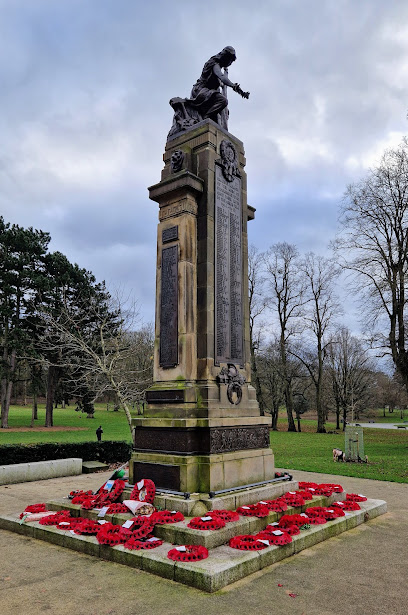
War Memorial
7.8 km
A solemn and artistically rich memorial in Mary Stevens Park honoring Stourbridge’s fallen heroes of the World Wars.
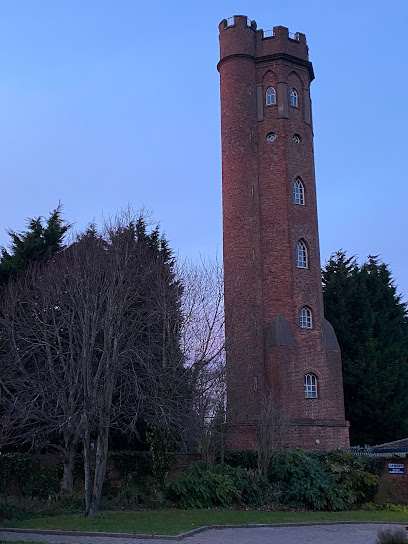
Perrott's Folly
7.9 km
An 18th-century tower in Birmingham, steeped in history and Tolkien lore, now a cultural beacon for art and community.
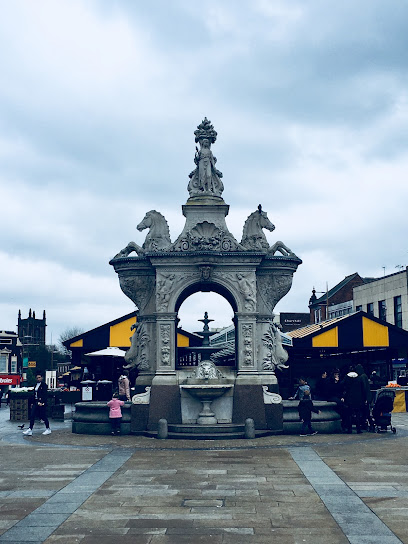
The Fountain
8.1 km
Discover The Fountain, Dudley’s iconic historical landmark nestled in the vibrant Market Place, where heritage meets lively community spirit.
Historic England
9.3 km
Uncover Birmingham's rich history and heritage at Historic England, a cornerstone of cultural preservation and education in the heart of the city.
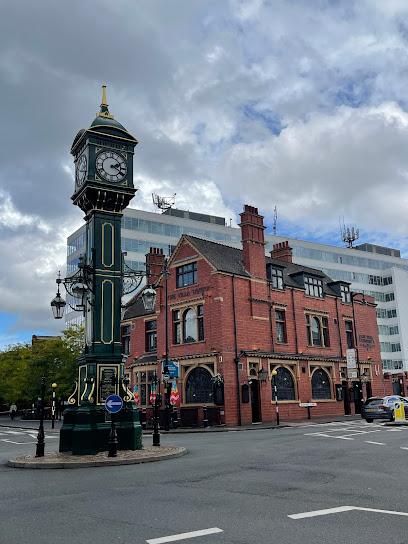
Chamberlain Clock
9.7 km
An elegant Edwardian clock tower at the heart of Birmingham’s Jewellery Quarter, built in 1903 as a memorial to Joseph Chamberlain and recently restored to its former glory.
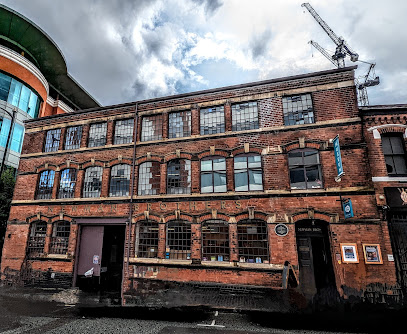
The Coffin Works
9.8 km
Uncover the hidden history of coffin-making in Birmingham at The Coffin Works, a unique museum offering engaging insights into the trade's past.
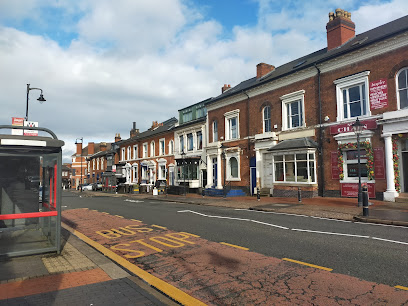
Jewellery Quarter
9.8 km
Explore the historic Jewellery Quarter in Birmingham, where craftsmanship meets culture in a vibrant, artistic atmosphere filled with unique shops and dining options.
The Jewellery Quarter Birmingham
9.8 km
Birmingham's glittering historic heart where Victorian workshops craft timeless jewels amid cobblestone charm and creative revival.
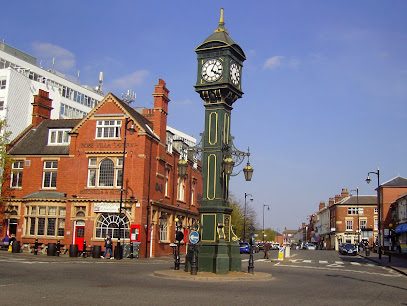
The Jewellery Quarter
9.8 km
Explore Birmingham's historic Jewellery Quarter, a vibrant district filled with artisan shops, exquisite craftsmanship, and rich heritage.
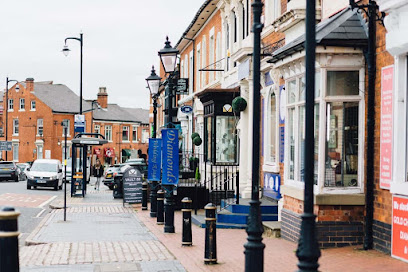
Chamberlain Sq
9.8 km
Explore Chamberlain Square in Birmingham, a vibrant cultural hub with stunning architecture, rich history, and lively events in the city's heart.
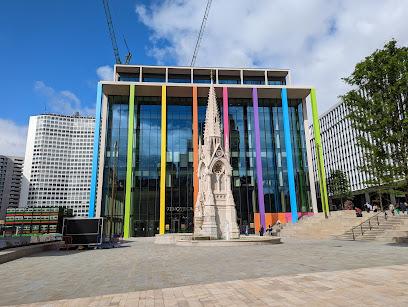
Chamberlain Memorial
9.9 km
A striking neo-Gothic monument in Birmingham’s Chamberlain Square honoring Joseph Chamberlain’s legacy of public service and city transformation.
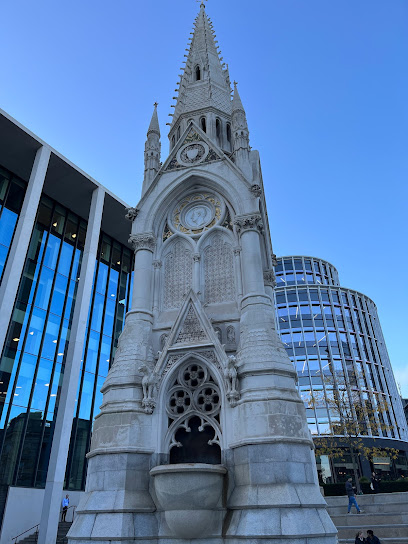
Chamberlain Square
9.9 km
Explore Chamberlain Square, a historical landmark in Birmingham with stunning architecture and vibrant cultural life in the heart of the city.
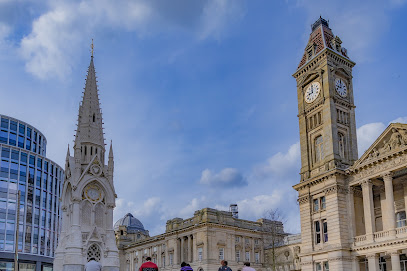
The Best of Birmingham Trail
9.9 km
Explore Birmingham’s rich heritage through 20 iconic sites on this free, immersive city centre trail blending history, art, and urban renewal.
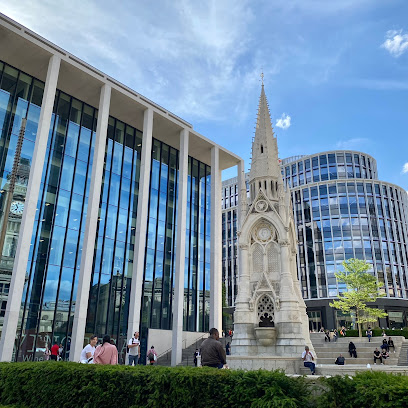
Victoria Square
9.9 km
Discover the vibrancy of Victoria Square, Birmingham's cultural heart, surrounded by stunning architecture, events, and delightful eateries.
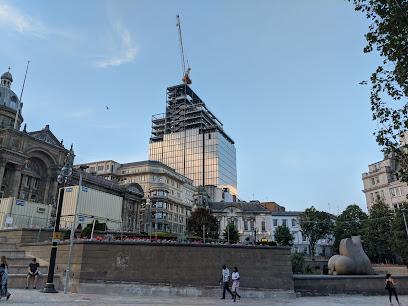
Birmingham Museum & Art Gallery
9.9 km
Explore the Birmingham Museum & Art Gallery, where art, history, and culture converge in a stunning setting that captivates visitors of all ages.
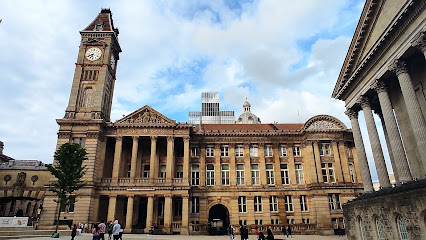
Unmissable attractions to see

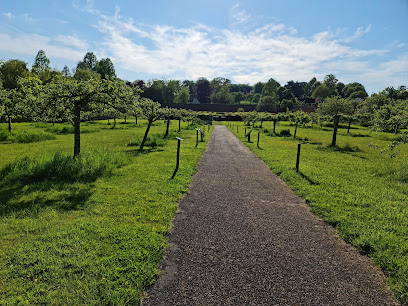
Woodgate Valley Country Park
1.9 km
Discover Birmingham’s tranquil 450-acre country park with scenic trails, wildlife habitats, an urban farm, and horse riding adventures.
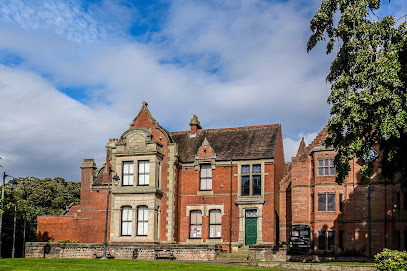
Haden Hill House
3.2 km
A late-Victorian house museum and 17th-century hall set in 55 acres of award-winning parkland, offering history, hands-on activities and peaceful green space in the Black Country.
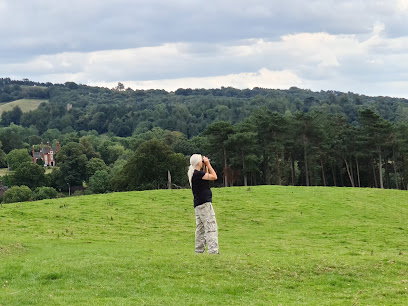
Wychbury Obelisk
5.6 km
Discover the Wychbury Obelisk in Hagley, a historical landmark with breathtaking views and a rich heritage waiting to be explored by tourists.
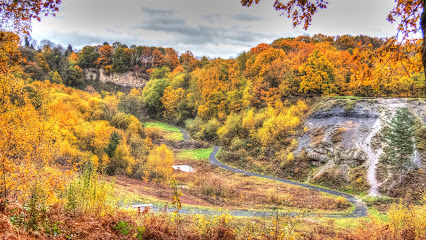
Saltwells Local Nature Reserve
6.0 km
Explore one of the UK’s largest urban nature reserves, where ancient woodlands and rich geology meet the legacy of coal mining.
Bumble Hole Local Nature Reserve
6.0 km
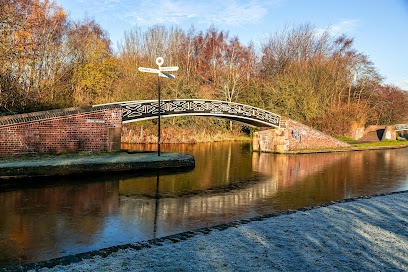
Industrial heritage meets ecological recovery at this transformed canal-side nature reserve.
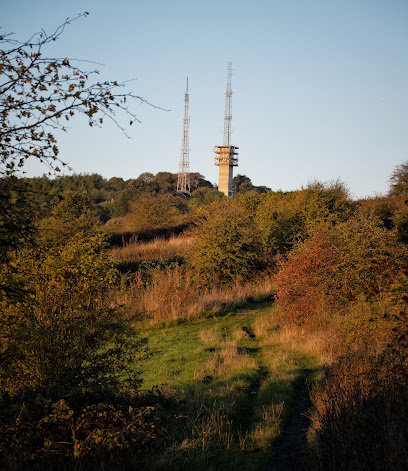
Rowley Hills
6.3 km
Explore the highest hills in West Midlands, rich in nature, history, and panoramic views in the heart of Oldbury’s green landscape.
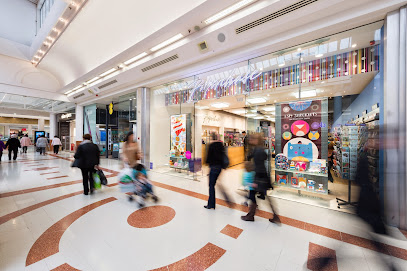
Merry Hill
6.7 km
West Midlands' premier shopping and entertainment destination with 180+ retailers, dining, and leisure.
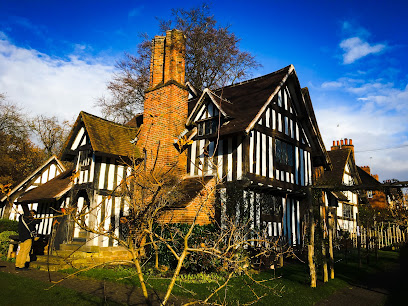
Selly Manor Museum
7.1 km
Step back into Tudor England at Selly Manor Museum, a lovingly preserved timber-framed manor with rich Cadbury family heritage and charming gardens.
Lapworth Museum of Geology
7.1 km
Explore 4.6 billion years of Earth’s history through fossils, minerals, and interactive exhibits in Birmingham’s historic geological museum.
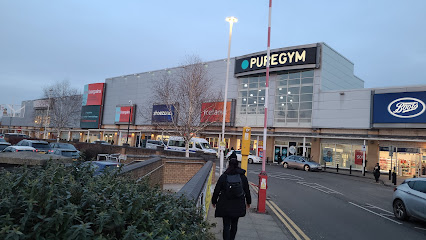
Windmill Shopping Centre
7.1 km
A vibrant retail hub in Smethwick offering diverse stores, extended hours, and ample parking for a convenient shopping experience.
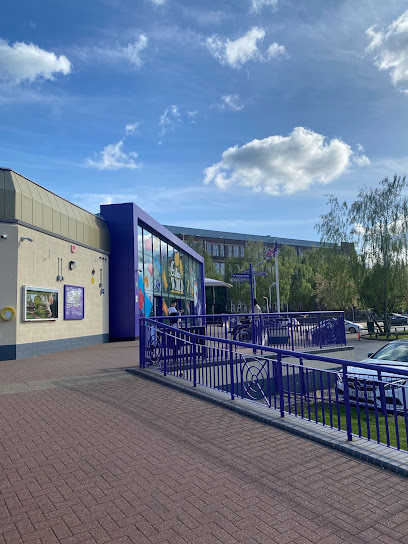
Bournville Experience
7.3 km
Discover the rich heritage of Bournville village and the Cadbury family legacy in this immersive chocolate-themed experience.
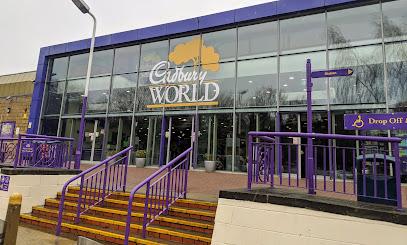
Cadbury World
7.3 km
Discover the magic of chocolate at Cadbury World, Birmingham’s immersive family attraction celebrating over a century of Cadbury heritage.
Lickey Hills Country Park
7.5 km
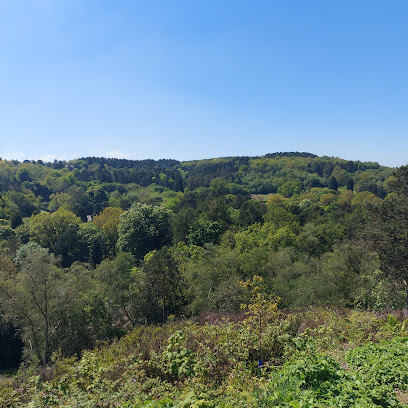
Sprawling woodland escape with panoramic views, free parking, and trails for every ability.
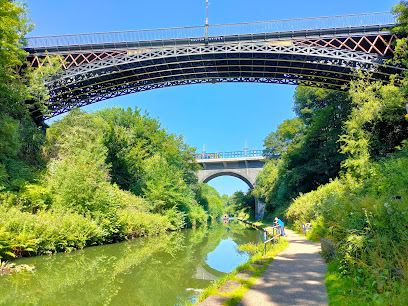
Galton Bridge
7.6 km
Discover Galton Bridge, an iconic historical landmark in Smethwick, offering picturesque views and rich industrial heritage for all tourists.
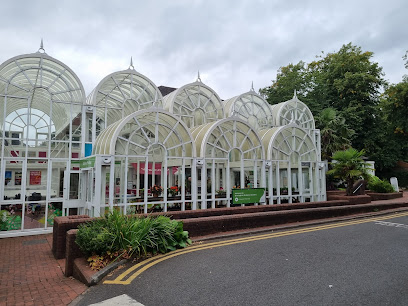
The Birmingham Botanical Gardens
7.7 km
Explore 15 acres of historic Victorian gardens with diverse plants, iconic glasshouses, and peaceful walking paths in the heart of Birmingham.
Essential places to dine

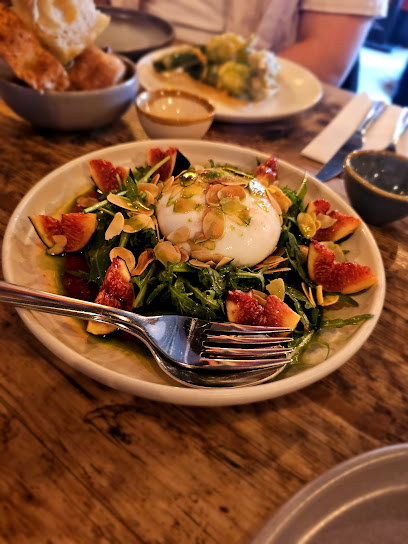
Tropea
5.6 km
Discover Tropea, a modern Italian gem in Birmingham’s Harborne, where seasonal dishes and warm hospitality create an unforgettable dining experience.
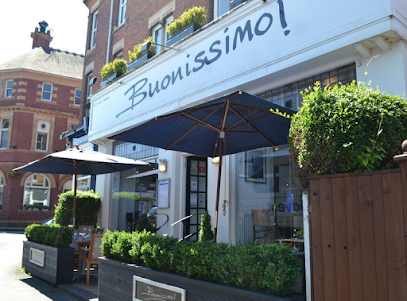
Buonissimo Restaurant Birmingham
6.1 km
Authentic Italian dining in Harborne, Birmingham, blending warm hospitality with classic flavors in a cozy setting.
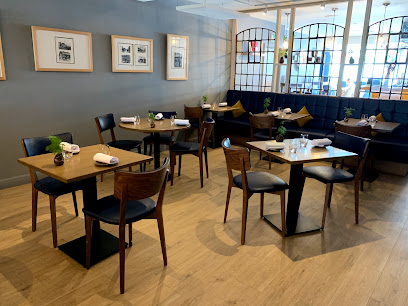
Harborne Kitchen
6.1 km
Experience innovative fine dining with seasonal tasting menus in a vibrant, relaxed setting at Harborne Kitchen, Birmingham’s culinary jewel.
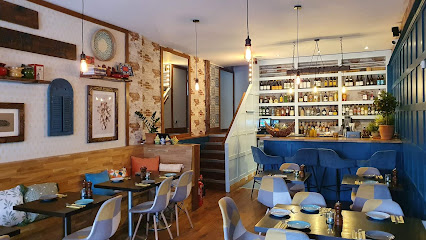
Rustic Table
6.3 km
A warm, intimate tapas gem in Harborne, serving vibrant Mediterranean small plates and creative cocktails in a relaxed, convivial setting.
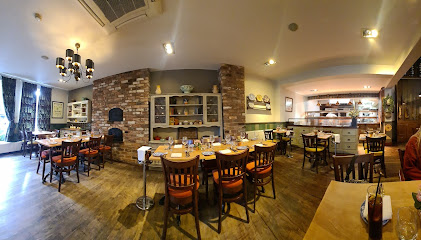
Fiesta del Asado - Edgbaston
7.3 km
Experience the finest Argentinian flame-grilled steaks and vibrant Latin flavors in the heart of Birmingham’s Edgbaston district.
The White Swan
7.4 km
Classic British gastropub reimagined: cozy fires, gourmet comfort food, and stylish vibes in Edgbaston's heart.
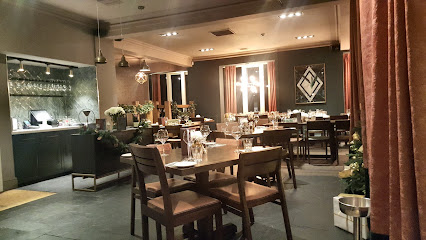
The Mermaid Bar And Kitchen
7.5 km
A vibrant student dining spot within the historic University of Birmingham Guild of Students, fostering community and casual socialising.
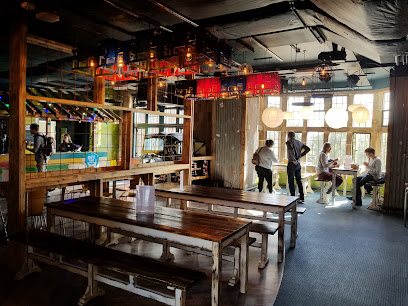
1900 Restaurant and Bar
7.5 km
Refined British dining and elegant drinks in a tranquil Edgbaston hotel setting near Birmingham’s University campus.
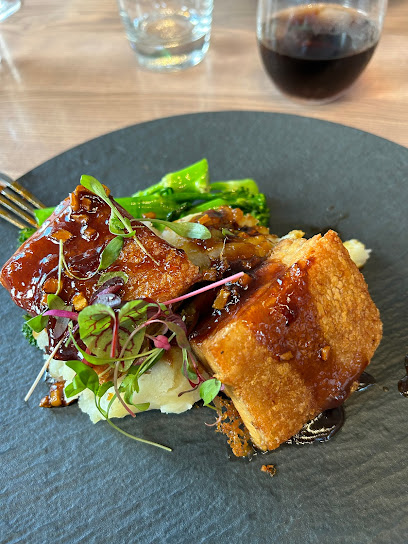
Praza Edgbaston
7.9 km
Refined Indian dining and innovative cocktails in a stylish Georgian setting in Birmingham’s elegant Edgbaston district.
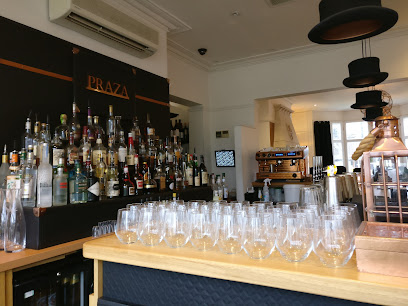
Cylla
8.2 km
Experience modern Greek cuisine with vibrant Mediterranean flavors in Birmingham’s elegant and inviting Cylla restaurant.
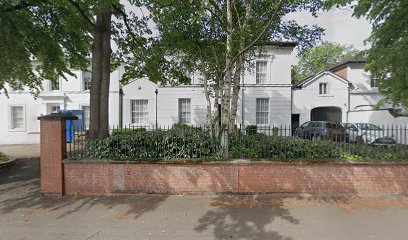
Simpsons Restaurant
8.2 km
Michelin-starred fine dining in a historic Georgian mansion, blending British tradition with modern culinary artistry in Birmingham's Edgbaston.
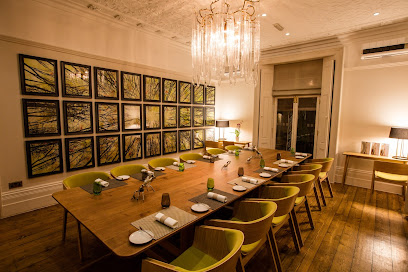
Three Church Road Restaurant
8.2 km
Elegant Georgian dining in Edgbaston offering seasonal British cuisine in an intimate, historic setting with attentive service.
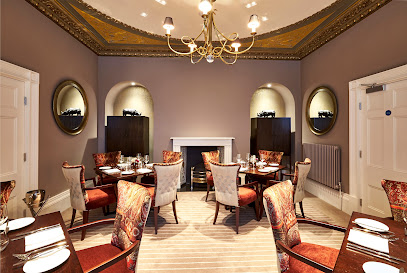
Chapter Edgbaston
8.3 km
Stylish British dining with seasonal, locally sourced dishes and a vibrant bar in the heart of Edgbaston.
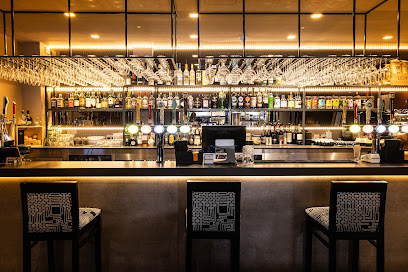
The Blue Piano
8.3 km
A vibrant Asian-inspired restaurant and bar in Birmingham with live music, eclectic flavors, and cozy lodging in Edgbaston.
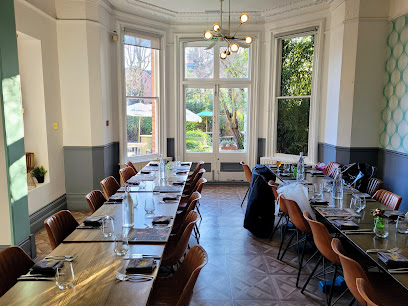
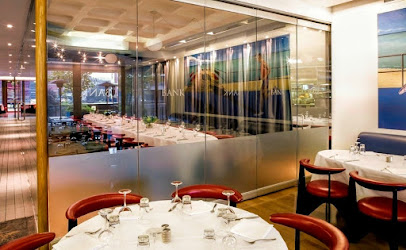
Bank Restaurant Bar & Grill
9.2 km
Sophisticated grill classics and fresh seafood in a stylish Brindleyplace setting with scenic canal terraces and vibrant atmosphere.
Markets, malls and hidden boutiques

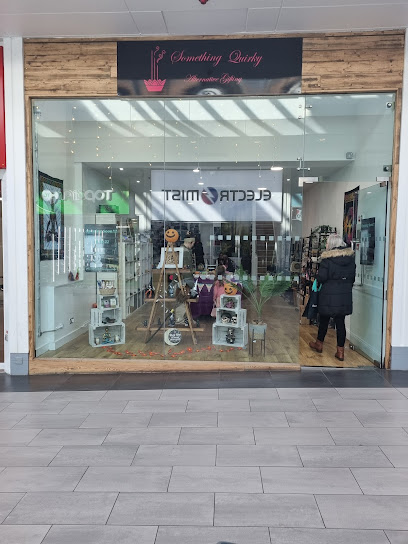
Something Quirky
1.2 km
Eclectic gift shop brimming with unique treasures and one-of-a-kind finds in Halesowen.
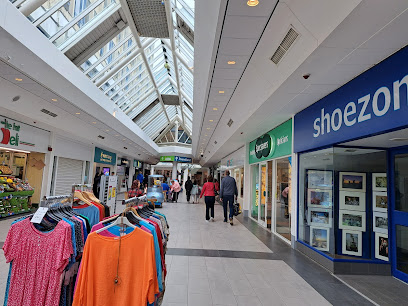
Cornbow Shopping Centre
1.2 km
A modernized shopping hub in Halesowen blending major retailers, independent shops, and community amenities for a vibrant retail experience.
Gem Unique Crafts
5.5 km
Explore Gem Unique Crafts in Northfield, Birmingham, for an exceptional selection of handmade gifts and local treasures that capture the essence of creativity.

Sheanies
7.1 km
Discover authentic vintage streetwear and timeless American workwear in Birmingham’s vibrant Sheanies boutique.

Unique
7.1 km
Campus cornerstone for gifts, gear, and errands: Unique blends Birmingham uni pride with postal, cleaning, and courier ease in the lively University Centre.

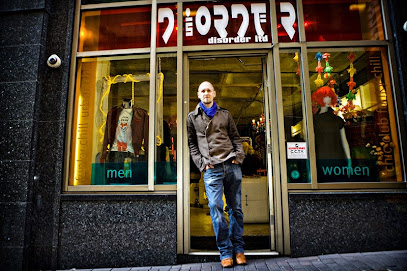
Disorder Boutique
7.3 km
Discover Birmingham’s exclusive sustainable fashion boutique, where bespoke craftsmanship meets bold, original British designs.
Store '94
9.1 km
Cricket's soul in memorabilia: Exclusive Bears gear and Edgbaston treasures await at Store '94, Birmingham's fan-favorite sports haven.

Harvey Nichols
9.6 km
Discover luxury fashion, beauty, and gourmet delights at Harvey Nichols Birmingham, a premier designer department store in The Mailbox.
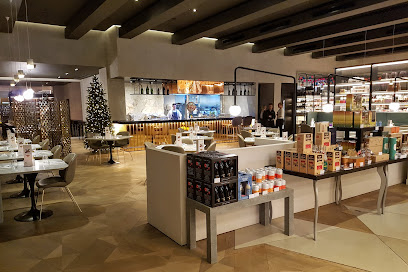
Fine Jewellery Collections & Bespoke Design Service
9.6 km
Discover bespoke brilliance in Birmingham's Jewellery Quarter, where custom gems and fine collections craft heirlooms with personal stories etched in gold.
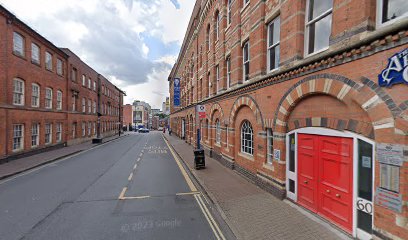
Top Banana
9.7 km
Discover authentic retro sportswear and vintage treasures at Top Banana, King’s Heath’s vibrant hub for unique fashion finds.
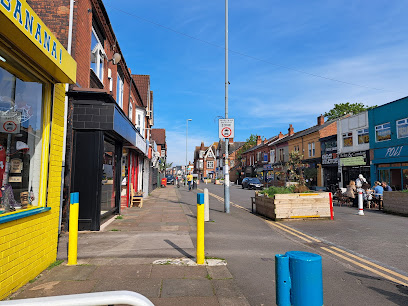
Living The Dream Antique Shop
9.8 km
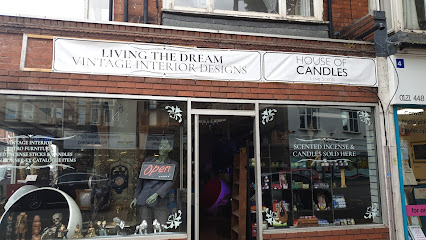
Discover timeless treasures and vintage charm at Living The Dream Antique Shop in Birmingham’s vibrant King's Heath.
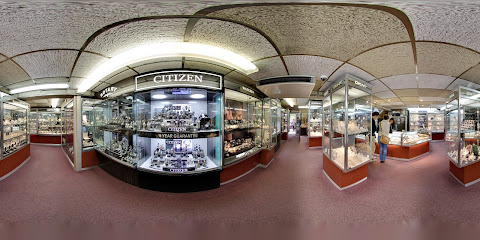
Design Centre
9.8 km
Family-crafted diamonds and luxury watches in Birmingham's historic Jewellery Quarter since 1977—timeless elegance for life's milestones.
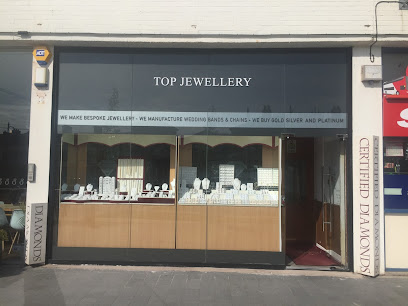
Top Jewellery UK
9.8 km
Discover bespoke brilliance in Birmingham's Jewellery Quarter at Top Jewellery, where family expertise crafts diamonds, gold, and silver into timeless treasures.
SACET
9.8 km
Ethical elegance awaits at SACET, Birmingham's sustainable jewellery gem in the heart of the Jewellery Quarter—where timeless craft meets modern conscience.
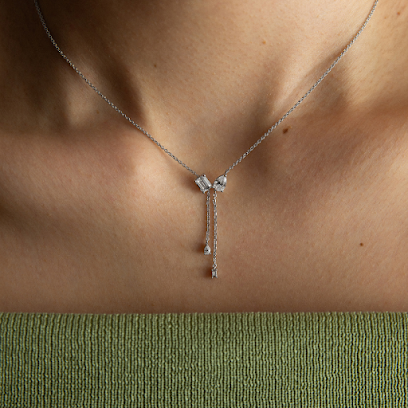
THE JEWELLERY TRUNK BIRMINGHAM
9.8 km
Bespoke bridal and custom jewelry crafted with care and elegance in Birmingham’s Handsworth district.

Essential bars & hidden hideouts

Garden House
7.4 km
Cozy Edgbaston pub with roaring fires, hearty British grub, and a sunny beer garden—perfect for roasts, pints, and gatherings any day of the week.
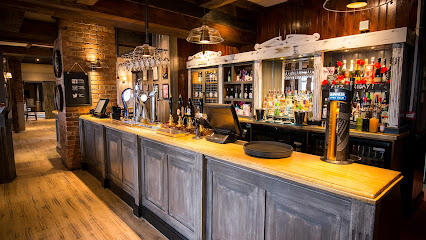
Joe's Bar
7.5 km
Vibrant student bar in Birmingham's University Guild, serving affordable pints, burgers, and campus camaraderie from noon daily.
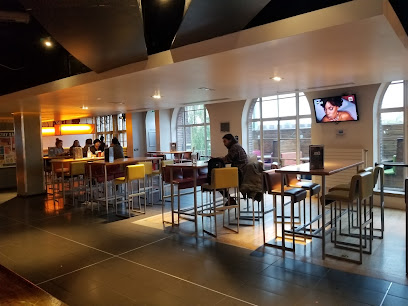
Duck and Scholar
7.9 km
Lively student bar in Birmingham's Vale Village: cheap drinks, evening vibes, and endless campus camaraderie from 6pm—your go-to for pints and post-lecture laughs.
The Physician
8.2 km
Gracious Harborne Road pub with polished wood interiors, a lengthy bar and several cosy dining rooms serving classic British fare in a convivial setting.
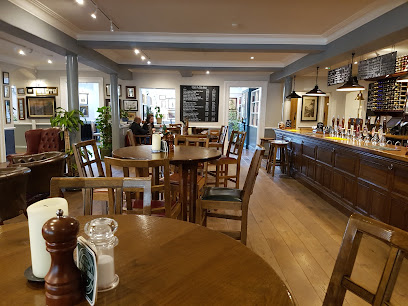
Loki Wine Bar & Shop Edgbaston
8.3 km
Self-service wine wonderland in Edgbaston: Taste 32 global vintages, sip craft beers, savor charcuterie amid bottle-lined walls—a Birmingham gem for oenophiles.
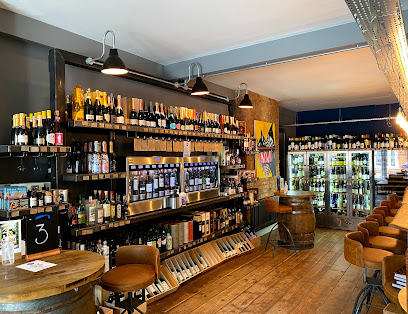
Boom Battle Bar Birmingham Broad Street
8.9 km
A lively Broad Street bar mixing axe throwing, karaoke, and games with cocktails for unforgettable nights out in Birmingham.
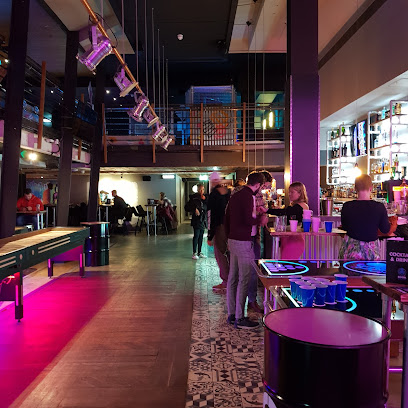
The Distillery
9.0 km
Birmingham's canal-side gin distillery pub: rotisserie feasts, wood-fired pizzas, house gins, and terrace vibes from brunch to late-night drinks.
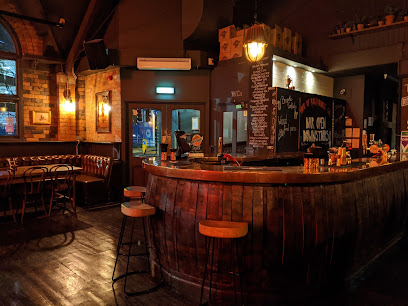
Pitcher & Piano Birmingham
9.3 km
Vibrant waterside bar with retro charm, scenic canal views, and lively brunches in Birmingham’s Brindleyplace.
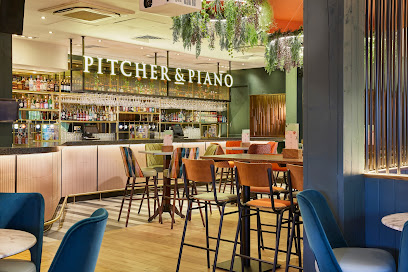
Malt House
9.3 km
A vibrant British pub in Birmingham city centre offering classic dishes, lively atmosphere, and a great spot for social gatherings near the arena.
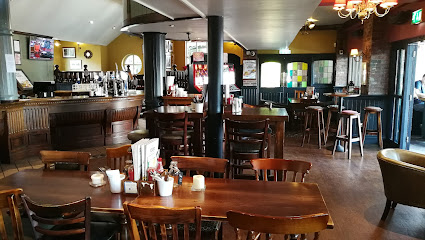
The Alchemist Brindleyplace
9.3 km
Experience Birmingham’s theatrical cocktail bar and restaurant at Brindleyplace, where molecular mixology meets creative cuisine above the canal.
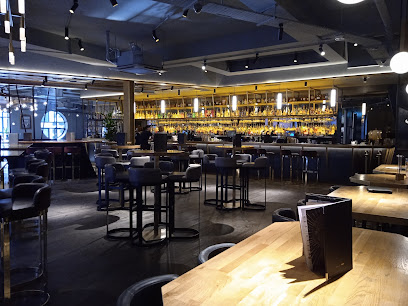
Slug & Lettuce - Birmingham
9.3 km
Lively cocktail bar and restaurant at Brindley Place offering vibrant drinks, tasty bites, and late-night fun in Birmingham’s city centre.
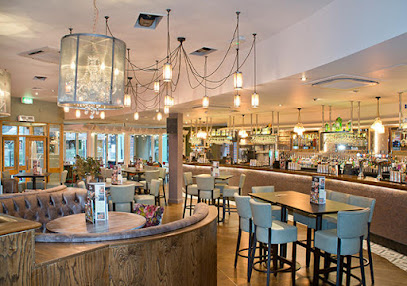
All Bar One Brindleyplace
9.3 km
Stylish canal-side wine bar and cocktail lounge in Birmingham’s vibrant Westside, perfect for bottomless brunches and lively evenings.
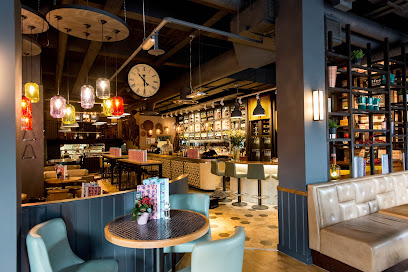
Be At One - Brindley Place Birmingham
9.3 km
Lively cocktail bar in Birmingham’s Brindley Place offering extensive drinks, vibrant atmosphere, and expert bartenders for unforgettable nights.
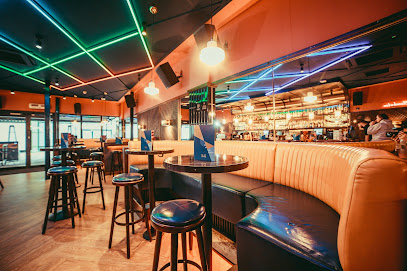
The Botanist Gas Street Basin
9.5 km
A lush botanical bar and restaurant with canal views, seasonal menus, and live music in Birmingham’s vibrant Gas Street Basin.
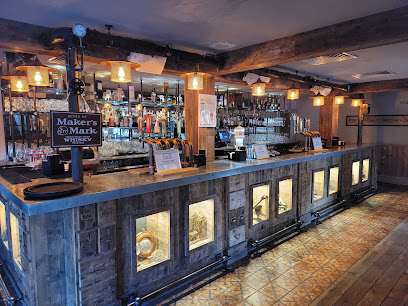
The Pig & Tail
9.5 km
Victorian charm with a punchy, colourful gastropub vibe — British small plates, rotating craft beer and lively evenings in the Jewellery Quarter.
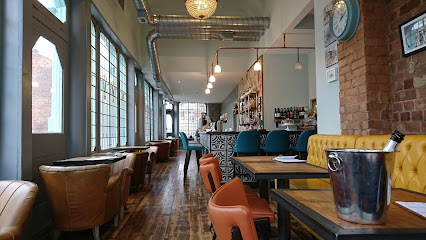
Nightclubs & after hour spots

Snobs
9.0 km
Birmingham's 40-year indie-retro nightclub legend: cheap drinks, themed dance floors, and non-stop beats on Broad Street.
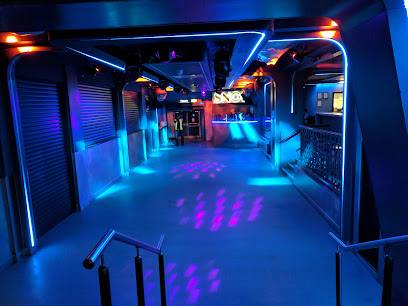
Popworld - Birmingham
9.2 km
Broad Street's ultimate pop party hub: 90s-00s hits, neon dance floors, cocktails, and celebration packages until 3am.

Rosies - Birmingham
9.3 km
Birmingham's ultimate super club: five themed rooms, killer cocktails, and non-stop beats on Broad Street for epic nights out.
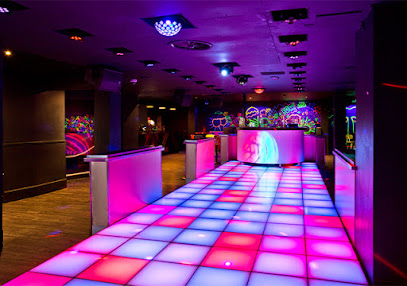
Reflex - Birmingham
9.4 km
Spin into 80s-00s nostalgia at Reflex Birmingham: revolving dance floor, karaoke booths, neon vibes, and epic sing-alongs on Broad Street's party strip.
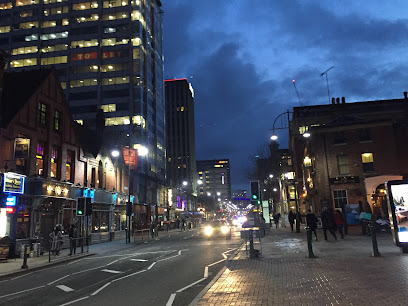
PAVO Birmingham
9.8 km
Vibrant African fusion lounge and nightclub in Birmingham's Jewellery Quarter, where bold flavors meet electrifying beats until 4am on weekends.
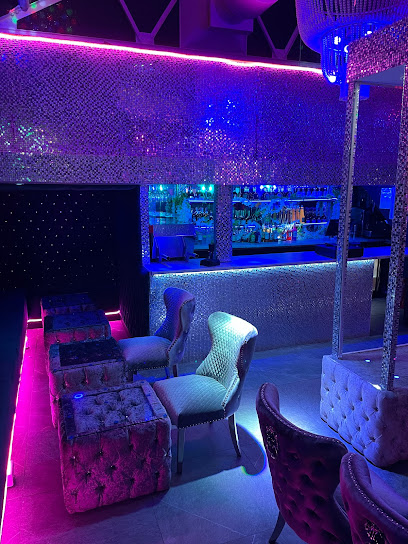
Mango Night Club
9.9 km
A high‑energy Bristol Street nightclub serving Afrobeats, hip‑hop and R&B for late‑night dancers and party crowds in central Birmingham.
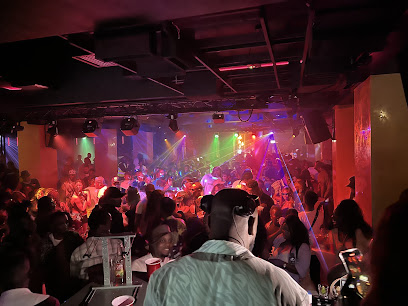
King of clubs
10.0 km
Compact late‑night Birmingham club for high‑energy R&B, hip‑hop and DJ nights, pulsing into the small hours with neon, bass and bar-driven parties.

101 Night Club
10.1 km
Unleash your nightlife spirit at 101 Night Club, Birmingham's vibrant center for music, dancing, and unforgettable experiences.

Nightingale Club
10.1 km
Birmingham's legendary LGBTQIA+ superclub: three floors of pulsating beats, go-go glamour, and five decades of unapologetic queer joy in the Gay Village.
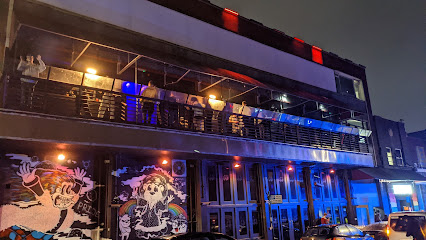
Bambu Nightclub
10.1 km
Experience Birmingham’s chic nightlife hotspot with stylish vibes, eclectic music, and late-night dancing at Bambu Nightclub.
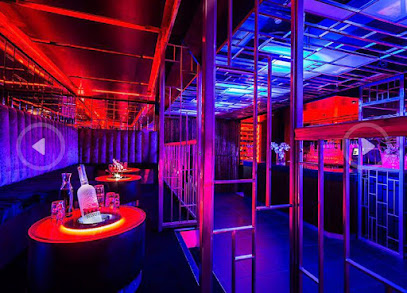
What do you mean
10.1 km
Dive into Birmingham’s vibrant nightlife at What Do You Mean, a premier nightclub known for electrifying music, creative cocktails, and an unforgettable party vibe.
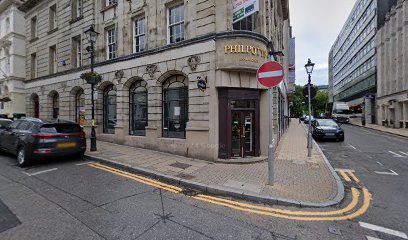
Sobar
10.1 km
Dive into Birmingham's electric nightlife at Sobar, where R&B beats, masterful cocktails, and inclusive vibes fuel unforgettable weekend revelry in the heart of the Arcadian.
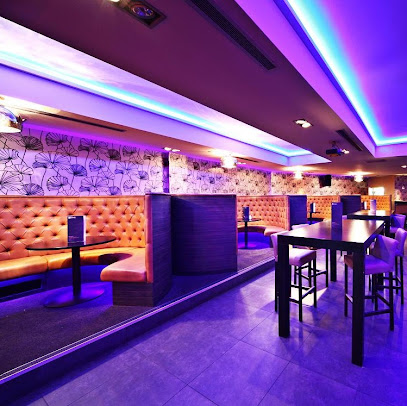
Dreams Night club and Shisha
10.2 km
Birmingham's Jewellery Quarter gem fusing aromatic shisha clouds with thumping club beats until 5am—pure late-night energy on Barr Street.
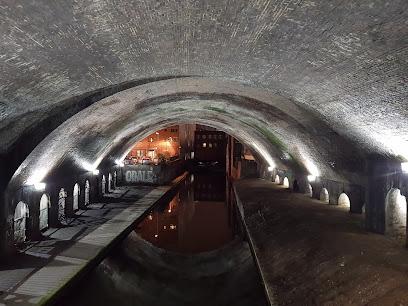
Tunnel Club Birmingham
10.2 km
Dive under Birmingham's arches into Tunnel Club's seven-room warehouse wonderland, where house, techno, and hip-hop fuel all-night dances amid pounding bass and vivid lights.
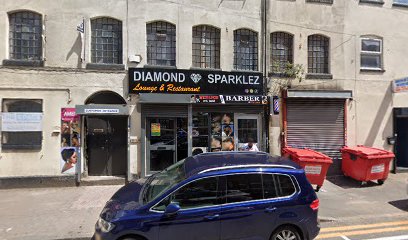
DIAMOND SPARKLEZ
10.4 km
Ignite your night in Birmingham's diamond district at this glittering nightclub, where top DJs, stunning lights, and electric crowds create pure nightlife magic.
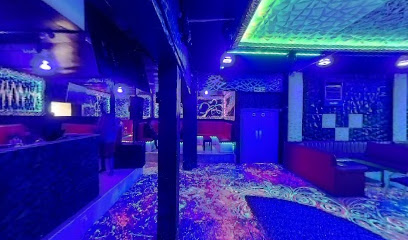
For the vibe & atmosphere seeker
- Relaxing
- Tranquil
- Scenic
- Historic
- Unique
For the design and aesthetic lover
- Rustic Designs
- Vintage Styles
For the architecture buff
- Historic
- Landmarks
- Sacred Sites
- Heritage Neighborhoods
For the view chaser and sunset hunter
- Iconic Views
- Panoramas
For the social media creator & influencer
- Photo Spots
- Aesthetic Corners
For the eco-conscious traveler
- Protected Area
- Public-Transport Accessible
- Leave-No-Trace Critical
For the kind of experience you’re after
- Cultural Heritage
- Photowalk
- Nature Escape
- Day Trip
For how adventurous you want the journey to be
- Easy Access
- Requires Hike
Location Audience
- Family Friendly
- Senior Friendly
- Child Friendly
- Teen Friendly
- Solo Friendly
- Couple Friendly
- Solo Female Friendly
- Business Friendly


