

Free Ephraim Travel Guide & Mobile App
Plan your Ephraim trip with Evendo. Get free guides to top attractions, restaurants, hotels, and bars. Web access or download the mobile app.


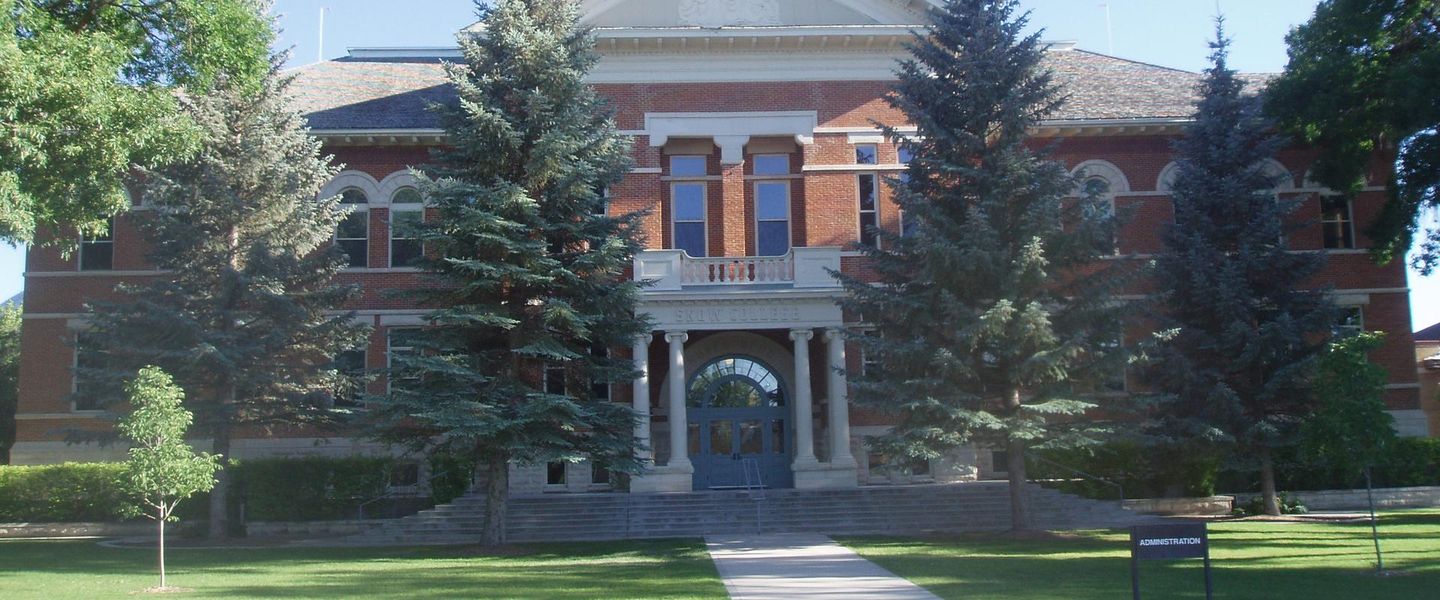


Ephraim, Utah, pairs Sanpete Valley pioneer heritage with Snow College culture, mountain scenery, historic buildings and central Utah’s outdoors.
A Sanpete Valley Town
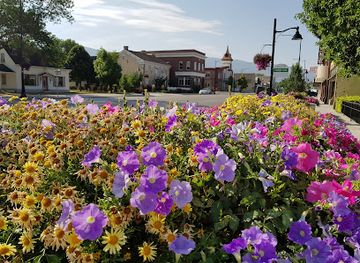
Ephraim lies in central Utah’s Sanpete Valley, where irrigated farmland meets the steep eastern escarpment of the Wasatch Plateau. The town’s broad streets, modest civic centre and historic buildings reflect its origins as a nineteenth-century agricultural settlement, while the surrounding mountains provide an immediate sense of scale. Ephraim is a small community rather than a conventional tourism hub, and its appeal rests on the combination of local history, college life and access to open country.Read more about Ephraim
Heritage and Education
Mountain Access
When is the best time to visit Ephraim?
Best: May–June, September · 22–27°C| Month | High (°C) | Rainfall (mm) |
|---|---|---|
| January | 4 | 31 |
| February | 7 | 27 |
| March | 12 | 32 |
| April | 18 | 36 |
| May (best) | 22 | 37 |
| June (best) | 27 | 26 |
| July | 31 | 27 |
| August | 29 | 30 |
| September (best) | 24 | 30 |
| October | 17 | 32 |
| November | 10 | 30 |
| December | 4 | 28 |
Getting to and around Ephraim
How to get there
Transportation
Best attractions in Ephraim
Ephraim’s attractions are modest in scale but closely connected to its setting and history. Snow College provides the town’s principal cultural focus, with a campus of historic and modern buildings, public events and a collegiate atmosphere unusual for a community of this size. In the centre, older streets, the Ephraim Tabernacle and the pioneer cemetery reveal the settlement’s nineteenth-century roots. Ephraim Canyon begins close to town and leads towards forest, open slopes and recreation areas on the Wasatch Plateau, with opportunities for hiking, wildlife observation and scenic driving when conditions permit. Ephraim City Park offers a simple local space for walking and community activity, while a drive through the agricultural valley places the town in its wider landscape. Nearby Manti and Spring City, reached by road rather than located within Ephraim, add historic architecture, arts and regional context to a Sanpete Valley itinerary.
-
Tourist attraction
Canyon View Park
Discover the beauty of Canyon View Park in Ephraim, Utah, where nature meets tranquility and adventure awaits for all ages.
14 min walk · 1.1 km from city centre
-
Park
Ephraim Sports Complex & Family Park
Experience outdoor fun and family-friendly activities at Ephraim Sports Complex & Family Park, Utah's ideal destination for sports and recreation.
12 min walk · 1.0 km from city centre
-
Park
Heritage Park
Discover the beauty and tranquility of Heritage Park in Ephraim, Utah, a picturesque haven for relaxation and family fun amidst nature.
6 min walk · 0.5 km from city centre
-
Memorial park
Ephraim Pioneer Park
Discover the tranquility and historical significance of Ephraim Pioneer Park in Utah, a perfect spot for relaxation and reflection.
8 min walk · 0.7 km from city centre



Best landmarks in Ephraim
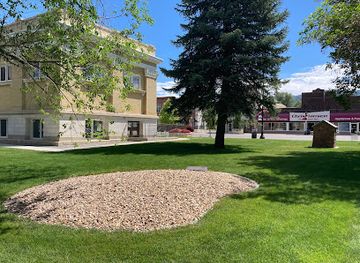
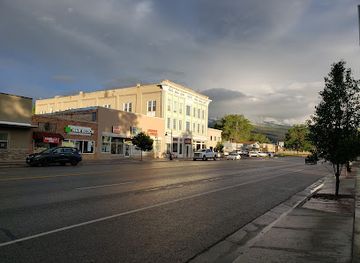
Ephraim’s landmarks express the town’s religious, educational and pioneer history. The Ephraim Tabernacle is a prominent Latter-day Saint building and a reminder of the organised settlement that shaped Sanpete Valley communities during the nineteenth century. Snow College’s campus forms another major landmark group, combining institutional buildings with the continuing presence of an educational foundation established as Sanpete Stake Academy in 1888. Ephraim Pioneer Cemetery provides a quieter historical reference, linking present-day streets with the families who developed farms, irrigation and civic institutions here. Around the central area, older residences and civic buildings contribute to the town’s historic streetscape without the monumental scale found in Utah’s larger cities. Their significance lies in the way they document community formation, Scandinavian immigration, religious organisation and the transition from pioneer settlement to modern college town.
-
Hamburger
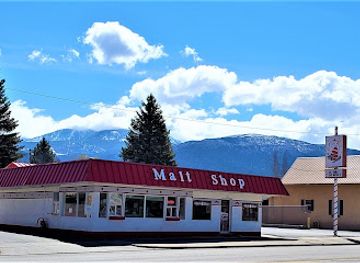
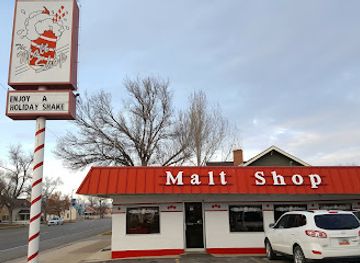
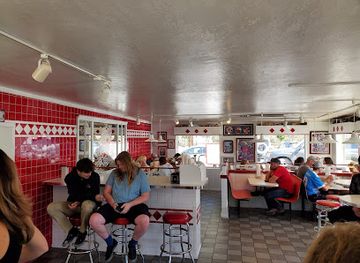
The Malt Shop
Indulge in classic American flavors at The Malt Shop in Ephraim, where juicy burgers and delicious desserts create unforgettable dining experiences.
8 min walk · 0.7 km from city centre
-
Pizza
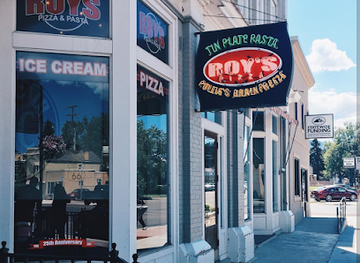
Roy's Pizza
Discover Roy's Pizza in Ephraim, Utah, where delicious flavors and a welcoming atmosphere come together for an unforgettable dining experience.
5 min walk · 0.4 km from city centre
-
Mexican
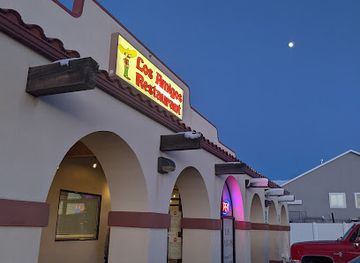
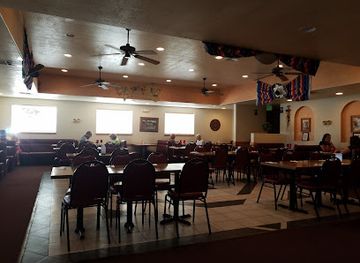
Los Amigos Mexican Restaurant
Experience the vibrant flavors of Mexico at Los Amigos Mexican Restaurant in Ephraim, Utah. Authentic cuisine and warm hospitality await you.
16 min walk · 1.3 km from city centre
-
Chinese
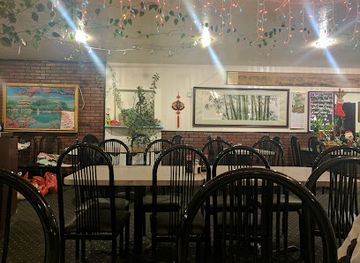
Snow Dragon Chinese Restaurant
Experience authentic Chinese cuisine at Snow Dragon Chinese Restaurant in Ephraim, Utah, where flavor meets tradition in a cozy setting.
9 min walk · 0.8 km from city centre
Explore Ephraim on the map
Plan your Ephraim trip on one map. See where the top attractions, landmarks, restaurants, bars and hotels are, find what's near where you're staying, and book hotels and experiences in a few clicks.
Best hotels in Ephraim
Best restaurants in Ephraim
Ephraim’s food scene reflects its role as a small college and agricultural town rather than a destination for elaborate gastronomy. Independent cafés, casual restaurants and familiar American dining provide practical choices around the central streets and campus area, with demand shaped by Snow College’s academic calendar. Regional Utah food traditions are most evident in straightforward home-style cooking, baked goods, burgers, sandwiches and meals built around locally familiar produce rather than a sharply defined signature cuisine. Visitors may also find seasonal fruit, farm products and community events that reveal the valley’s agricultural character. Dining options can be limited compared with Salt Lake City or Provo, especially outside normal meal periods, so travelling groups should check current opening arrangements. The nearby towns of Manti and Spring City offer additional small-scale choices, but should be treated as separate communities rather than extensions of Ephraim’s restaurant district.
-
Hamburger
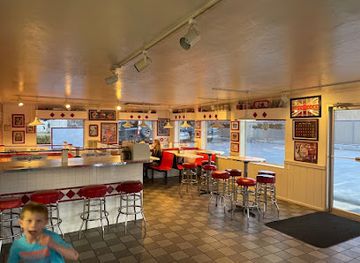
The Malt Shop
Experience the best of classic American fast food at The Malt Shop in Ephraim, Utah - burgers, desserts & nostalgia await!
8 min walk · 0.7 km from city centre
-
Pizza
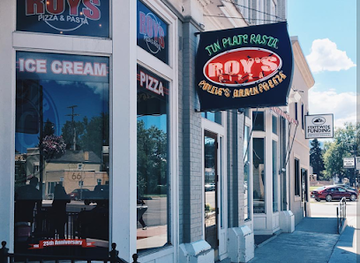
Roy's Pizza
Discover Roy's Pizza in Ephraim: where every slice tells a story and every meal is made with love.
5 min walk · 0.4 km from city centre
-
Fast Food
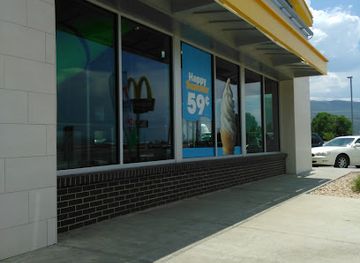
McDonald's
Discover the comforting taste of fast food at McDonald's in Ephraim – perfect for breakfast, lunch, or dinner during your travels!
13 min walk · 1.0 km from city centre
-
Mexican
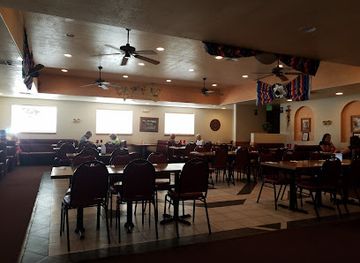
Los Amigos Mexican Restaurant
Experience authentic Mexican flavors at Los Amigos Mexican Restaurant in Ephraim - where every meal is a fiesta of taste!
16 min walk · 1.3 km from city centre
Best bars in Ephraim
Ephraim has a restrained evening scene shaped by its small population, family-oriented community and Snow College. Nightlife is more likely to involve cafés, informal college social events, community programmes, live performances or an evening meal than a concentration of bars and nightclubs. Snow College can add lectures, theatre, music, sport and other scheduled entertainment, although programmes vary with the academic calendar. After dark, the town’s appeal often lies in its quiet streets and broad mountain sky rather than late-night venues. Visitors seeking a larger choice of bars, clubs or concerts generally need to travel to a bigger Utah centre, while those staying in Ephraim should respect residential surroundings and local social norms. Outdoor evenings also require practical preparation, since temperatures can fall quickly and mountain roads may become difficult in poor weather.
-
Hamburger
The Malt Shop
Discover The Malt Shop in Ephraim, Utah, where classic hamburgers meet irresistible desserts in a nostalgic diner setting.
8 min walk · 0.7 km from city centre
-
Pizza
Roy's Pizza
Discover the heart of Ephraim at Roy's Pizza, where every slice tells a story of flavor and tradition in a cozy atmosphere.
5 min walk · 0.4 km from city centre
-
Mexican
Los Amigos Mexican Restaurant
Experience authentic Mexican cuisine at Los Amigos Mexican Restaurant in Ephraim, Utah, where flavor meets tradition in a vibrant setting.
16 min walk · 1.3 km from city centre
-
Chinese
Snow Dragon Chinese Restaurant
Experience the rich flavors of authentic Chinese cuisine at Snow Dragon Chinese Restaurant in Ephraim, Utah, perfect for families and food lovers.
9 min walk · 0.8 km from city centre

Best nightclubs in Ephraim
Ephraim has a restrained evening scene shaped by its small population, family-oriented community and Snow College. Nightlife is more likely to involve cafés, informal college social events, community programmes, live performances or an evening meal than a concentration of bars and nightclubs. Snow College can add lectures, theatre, music, sport and other scheduled entertainment, although programmes vary with the academic calendar. After dark, the town’s appeal often lies in its quiet streets and broad mountain sky rather than late-night venues. Visitors seeking a larger choice of bars, clubs or concerts generally need to travel to a bigger Utah centre, while those staying in Ephraim should respect residential surroundings and local social norms. Outdoor evenings also require practical preparation, since temperatures can fall quickly and mountain roads may become difficult in poor weather.
-
Hamburger
The Malt Shop
Discover The Malt Shop in Ephraim, Utah, where delicious burgers and creamy shakes meet a nostalgic diner atmosphere.
8 min walk · 0.7 km from city centre
-
Chinese
Snow Dragon Chinese Restaurant
Experience the authentic flavors of China at Snow Dragon Chinese Restaurant in Ephraim, Utah, where every dish tells a delicious story.
9 min walk · 0.8 km from city centre
-
Bowling alley
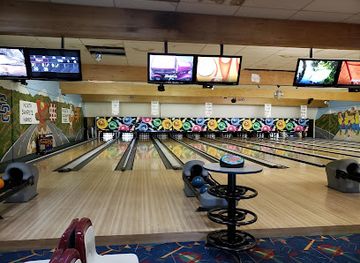
Sno Cap Lanes
Discover the fun at Sno Cap Lanes, a premier bowling alley and diner in Ephraim, Utah, where great food and entertainment come together.
12 min walk · 1.0 km from city centre
-
 Hotel
HotelWillow Creek Inn
Experience the perfect blend of comfort and nature at Willow Creek Inn in Ephraim, Utah—a tranquil hotel for your next getaway.
11 min walk · 0.9 km from city centre
Best shops in Ephraim
Shopping in Ephraim is practical and locally scaled, centred on everyday services, independent businesses and the needs of residents and Snow College students rather than a concentrated tourist retail quarter. The central streets and US 89 corridor provide the main places to browse, with opportunities to look for local gifts, small-town merchandise, books, food provisions and seasonal products. Sanpete Valley’s agricultural identity may be reflected in locally produced foods and community sales, while antique and craft finds are more likely to appear through individual businesses or events than in a large permanent market. Visitors interested in heritage-related purchases can also explore nearby Manti and Spring City, where historic settings and local creative activity add regional context. Because retail hours and stock can change, Ephraim rewards unhurried browsing rather than a tightly planned shopping itinerary.
-
Department store
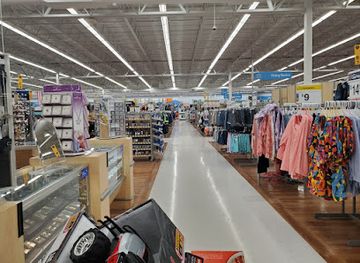
Walmart Supercenter
Explore the Walmart Supercenter in Ephraim, Utah: a budget-friendly destination for all your shopping needs from groceries to clothing.
6 min drive · 1.9 km from city centre
-
Hamburger
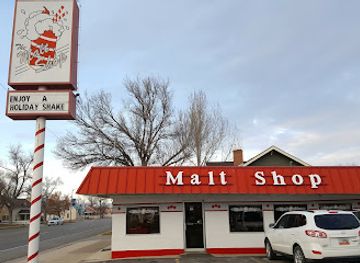
The Malt Shop
Experience the taste of classic American burgers and delightful desserts at The Malt Shop in Ephraim, Utah, a family-friendly dining destination.
8 min walk · 0.7 km from city centre
-
Fro-Yo
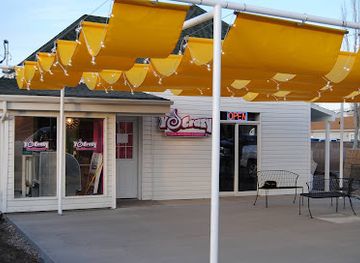
YoCrazy
Discover YoCrazy in Ephraim, Utah - Your go-to spot for delicious frozen yogurt and ice cream with endless flavor combinations.
7 min walk · 0.6 km from city centre
-
Coffee shop
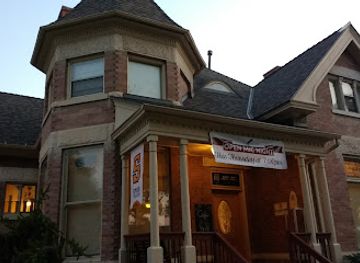
Solid Rock Cafe
Discover Solid Rock Cafe, a cozy coffee shop in Ephraim, Utah, serving premium coffee and delicious bagels in a welcoming atmosphere.
3 min walk · 0.3 km from city centre
Get your free copy of our complete guide to Ephraim, delivered straight to you.
Everything on this page, from attractions and restaurants to essentials and local phrases, in one PDF you can read offline, print or share.
Already have an account? Sign in
Your Ephraim guide is ready.
We'll send it to · Not you? Sign out

Getting your guide ready…
We are putting together a fresh copy of the Ephraim guide. This can take up to a minute.
This can take a few moments. If your browser asks, choose Allow so the download can start. You'll find the guide in your Downloads folder.
Nothing happened? Download it again
Sorry, the guide is taking longer than usual. Please try again in a minute, or get it by email instead.
Ephraim essentials
Currency and Payment
Safety
Emergency Situations
Do's and Don'ts
Local Tips
From Eve
Local phrases worth knowing
You don't need to get them perfect. A few words go a long way, and locals appreciate the effort.
Basics
| English | Local | Say it |
|---|---|---|
| Hello | Howdy | [haw-dee] |
| Goodbye | See ya | [see yah] |
| Yes | Yep | [yep] |
| No | Nope | [nope] |
| Please/You're welcome | Please/You're welcome | [Please/You're welcome] |
| Thank you | Thanks | [thanks] |
| Excuse me/Sorry | Pardon me | [par-dun me] |
| How are you? | Howdy | [haw-dee] |
| Fine. And you? | Fine. And you? | [Fine. And you?] |
| Do you speak English? | Speak English? | [speek ing-glish] |
| I don't understand | I don't get it | [I don't get it] |
Eating & Drinking
| English | Local | Say it |
|---|---|---|
| I'd like to see the menu, please | I'd like to see the menu, please | [I'd like to see the menu, please] |
| I don't eat meat | I don't eat meat | [I don't eat meat] |
| Cheers! | Cheers! | [Cheers!] |
| I would like to pay, please | I would like to pay, please | [I would like to pay, please] |
Emergencies
| English | Local | Say it |
|---|---|---|
| Help! | Help! | [Help!] |
| Go away! | Get lost! | [Get lost!] |
| Call the Police! | Call the Sheriff! | [Call the Sheriff!] |
| Call a doctor! | Call a doctor! | [Call a doctor!] |
| I'm lost | I'm lost | [I'm lost] |
| I'm ill | I'm sick | [I'm sick] |
Shopping
| English | Local | Say it |
|---|---|---|
| I'd like to buy... | I'd like to buy... | [I'd like to buy...] |
| I'm just looking | I'm just looking | [I'm just looking] |
| How much is it? | How much is it? | [How much is it?] |
| That's too expensive | That's too much | [That's too much] |
| Can you lower the price? | Can you lower the price? | [Can you lower the price?] |
Time & Numbers
| English | Local | Say it |
|---|---|---|
| What time is it? | What time is it? | [What time is it?] |
| It's one o'clock | It's one o'clock | [It's one o'clock] |
| Half past (10) | Half past ten | [Half past ten] |
| Morning | Morning | [Morning] |
| Afternoon | Afternoon | [Afternoon] |
| Evening | Evening | [Evening] |
| Yesterday | Yesterday | [Yesterday] |
| Today | Today | [Today] |
| Tomorrow | Tomorrow | [Tomorrow] |
| 1 | One | [One] |
| 2 | Two | [Two] |
| 3 | Three | [Three] |
| 4 | Four | [Four] |
| 5 | Five | [Five] |
| 6 | Six | [Six] |
| 7 | Seven | [Seven] |
| 8 | Eight | [Eight] |
| 9 | Nine | [Nine] |
| 10 | Ten | [Ten] |
Transport & Directions
| English | Local | Say it |
|---|---|---|
| Where's a/the...? | Where's the...? | [Where's the...?] |
| What's the address? | What's the address? | [What's the address?] |
| Can you show me (on the map)? | Can you show me (on the map)? | [Can you show me (on the map)?] |
| When's the next (bus)? | When's the next (bus)? | [When's the next (bus)?] |
| A ticket (to ....) | A ticket (to ....) | [A ticket (to ....)] |
History of Ephraim
Indigenous Sanpete Valley
Before Euro-American settlement, the Sanpete Valley was home to Ute peoples whose seasonal movement, hunting and relationships with the valley’s rivers and uplands predated the arrival of Mormon colonists. The name Sanpete is generally connected with Indigenous history, although interpretations of its linguistic origins vary. Settlement in the nineteenth century brought agriculture, irrigation and permanent towns, but also disease, land pressure and conflict. Understanding Ephraim’s later history therefore requires recognising that the town developed within a landscape already occupied and used by Indigenous communities.
Settlement by Mormon Pioneers
Ephraim was established in 1854 as part of the Mormon settlement of central Utah. Many of its early colonists were immigrants from Scandinavia, particularly Denmark, and their agricultural knowledge helped shape the community’s farms, irrigation channels and domestic architecture. The town was named Ephraim after the biblical figure, following a naming tradition common among early Latter-day Saint settlements. Its position near the mouth of Ephraim Canyon provided water and access to timber, while the fertile valley supported grain, livestock and later diversified farming.
Conflict and Fortified Settlement
The Black Hawk War, fought in Utah Territory between 1865 and 1872, affected Sanpete Valley communities through raids, fear, disrupted travel and the curtailment of some agricultural activity. Ephraim and neighbouring settlements relied on defensive measures and local organisation during this period. The conflict grew from mounting tensions over land, resources, livestock and the effects of expanding colonisation on Ute and other Indigenous communities. Its legacy remains part of the region’s difficult history, alongside the later consolidation of farming towns and transport links.
Snow College Begins
Education became a defining part of Ephraim’s identity when Sanpete Stake Academy opened in 1888. The institution later developed into Snow College, named for Lorenzo Snow, a prominent Latter-day Saint leader. Its growth connected the small agricultural town with wider intellectual, cultural and professional networks, while its campus architecture added an institutional dimension to the local streetscape. Snow College remains central to Ephraim’s contemporary character, bringing students, performances, lectures, sporting events and seasonal movement to a community otherwise shaped by farming and regional services.
Agriculture, Roads and Modern Ephraim
During the twentieth century, Ephraim continued to function as a service and agricultural centre for the Sanpete Valley. Improvements to roads strengthened links with central Utah, while mechanised farming and changing employment patterns reduced the dominance of small-scale agriculture without removing it from the landscape. Snow College became an increasingly important economic and cultural institution, and the town retained a built environment of civic, religious and residential structures associated with earlier generations. Today, Ephraim combines this layered local heritage with outdoor access to the Wasatch Plateau and the practical character of a small college town.
Ephraim in Photos
Browse through our photo collection highlighting the charm and character of the destination.
Cities near Ephraim
The closest cities to Ephraim, if you have time for more than one stop.
-

-
 Richfield
Discover Richfield, Utah: Your gateway to breathtaking landscapes, small-town charm, and year-round festivities in the heart of Utah.
1 h 38 min drive · 78 km from city centre
Richfield
Discover Richfield, Utah: Your gateway to breathtaking landscapes, small-town charm, and year-round festivities in the heart of Utah.
1 h 38 min drive · 78 km from city centre
-

-
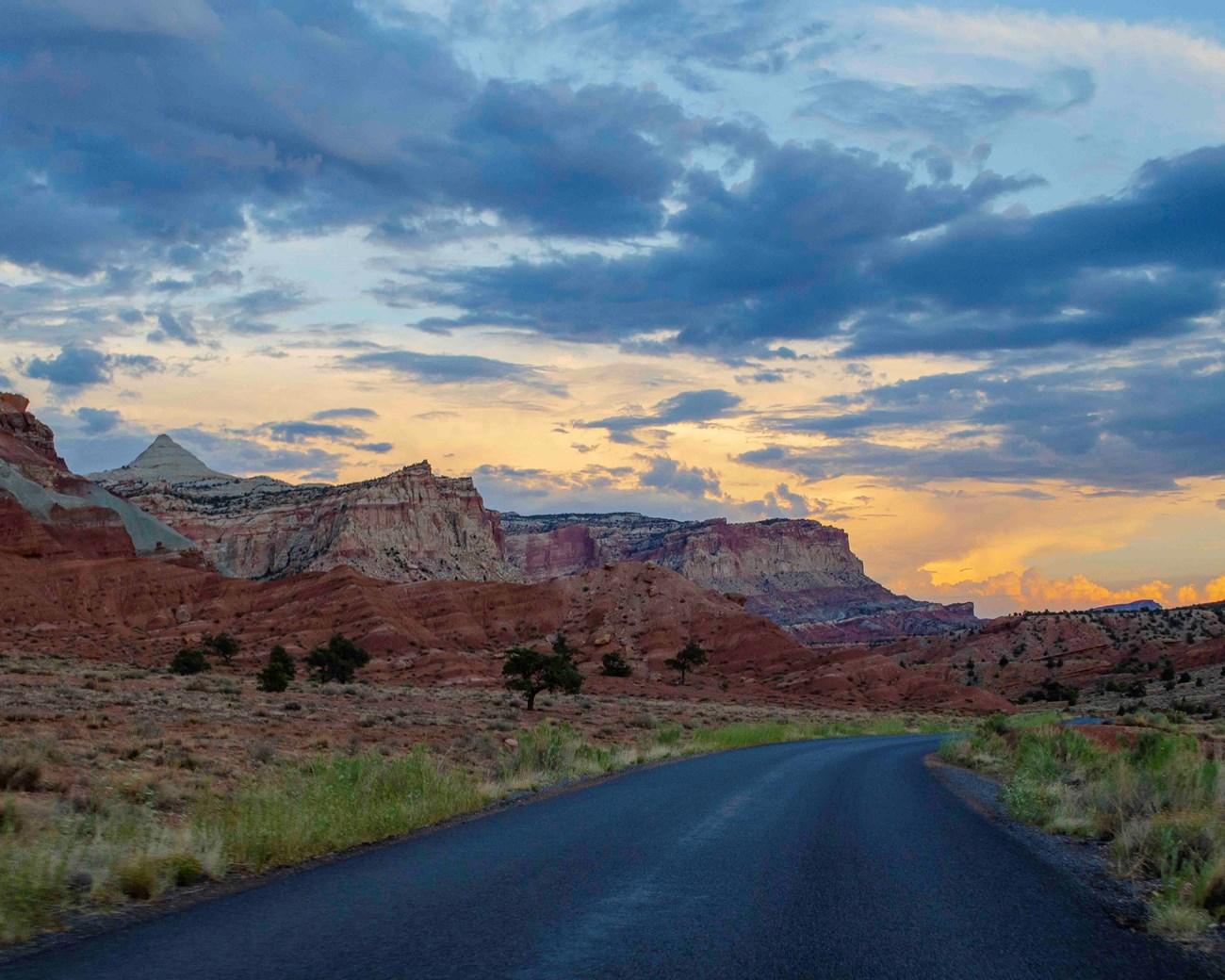
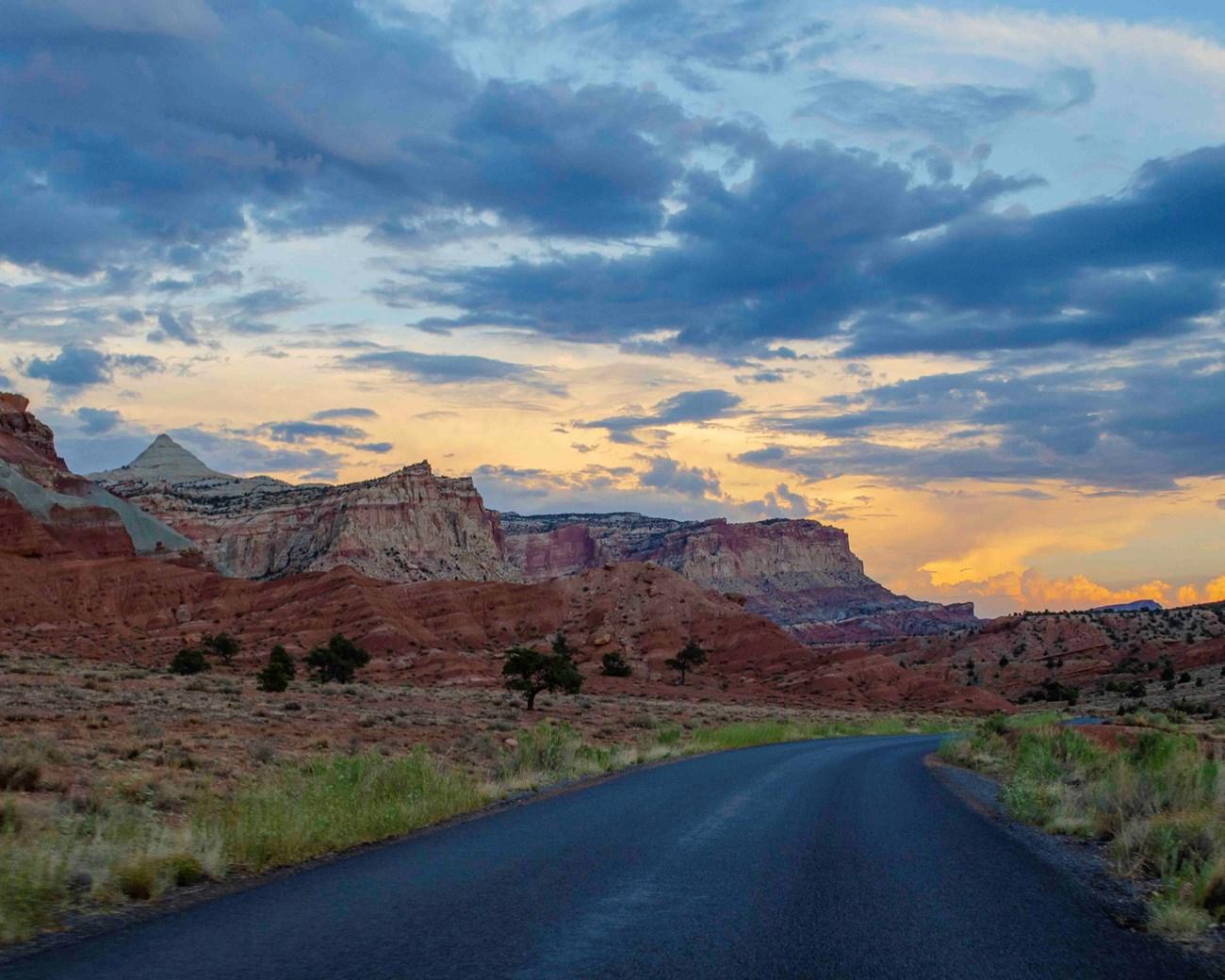 Torrey
, Utah, pairs a welcoming high-desert town with Capitol Reef scenery, red-rock hikes, Scenic Byway 12, dark skies and memorable outdoor adventures.
2 h 19 min drive · 119 km from city centre
Torrey
Torrey, Utah, pairs a welcoming high-desert town with Capitol Reef scenery, red-rock hikes, Scenic Byway 12, dark skies and memorable outdoor adventures.
2 h 19 min drive · 119 km from city centre
-


Swipe for more cities
Explore more

Explore more of Utah
Explore Utah's stunning national parks, rich cultural heritage, and year-round outdoor adventures. Discover why this diverse state is a top destination for travelers.
Explore Utah