

Free Price Travel Guide & Mobile App
Plan your Price trip with Evendo. Get free guides to top attractions, restaurants, hotels, and bars. Web access or download the mobile app.


Price, Utah, pairs Carbon County coal-mining history with dinosaur fossils, red-rock scenery, museums and a welcoming base for eastern Utah exploration.
Eastern Utah’s Carbon County Centre
Price stands in the high desert of eastern Utah, where the broad Price River valley is framed by the Book Cliffs and dry, open country. As the seat of Carbon County and home to Utah State University Eastern, it functions as a practical regional centre while retaining the approachable scale of a small western American city. Wide streets, low-rise buildings and the distant escarpments give Price a landscape-led character, with the surrounding geology always close to view.Read more about Price
Mining Heritage and Deep Time
A Base for Open-Country Exploration
When is the best time to visit Price?
Best: May–June, September · 21–26°C| Month | High (°C) | Rainfall (mm) |
|---|---|---|
| January | 4 | 25 |
| February | 7 | 23 |
| March | 11 | 28 |
| April | 16 | 25 |
| May (best) | 21 | 31 |
| June (best) | 26 | 18 |
| July | 30 | 25 |
| August | 29 | 31 |
| September (best) | 23 | 20 |
| October | 16 | 25 |
| November | 8 | 25 |
| December | 4 | 23 |
Getting to and around Price
How to get there
Transportation
Best attractions in Price
The USU Eastern Prehistoric Museum is Price’s principal attraction, combining dinosaur fossils from Utah with displays on regional geology, archaeology and Indigenous history. In the central city, Main Street and nearby civic buildings offer a glimpse of Price’s role as Carbon County’s commercial and administrative centre, while Utah State University Eastern adds educational and cultural interest. The surrounding Book Cliffs create an imposing natural backdrop and lead towards drives, viewpoints and outdoor areas beyond the urban limits. Nine Mile Canyon, east of Price, is a major regional excursion known for archaeological sites and rock art, although it is not within the city and requires careful planning. Nearby Helper adds a contrasting mining-town atmosphere, with heritage buildings and museums connected to the coal era. Together, these places give sightseeing in Price a distinctive focus: fossils, mining history, open desert scenery and the layered human stories of eastern Utah.
-
Tourist attraction
Prehistoric Museum, Utah State University Eastern
Explore the fascinating prehistoric past at the Prehistoric Museum, featuring fossils, dinosaur skeletons, and unique exhibits in Price, Utah.
3 min walk · 0.2 km from city centre
-
Tourist attraction
Pioneer Park
Explore Pioneer Park in Price, Utah: A serene park offering lush greenery, picturesque trails, and perfect picnic spots for families and outdoor lovers.
13 min walk · 1.1 km from city centre
-
Park
Basso Dino-Mine Adventure Park
Discover endless adventure at Basso Dino-Mine Adventure Park in Price, Utah—where family fun, outdoor exploration, and imaginative play come together.
5 min drive · 1.8 km from city centre
-
Tourist attraction
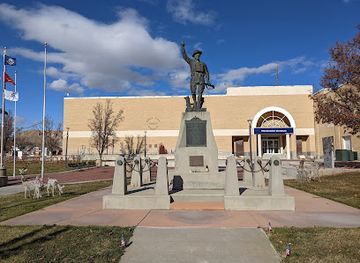
Coal Miner's Memorial
Explore the Coal Miner's Memorial in Price, Utah: A tribute to the miners whose hard work shaped the region's history and culture.
2 min walk · 0.2 km from city centre


Best landmarks in Price
The USU Eastern Prehistoric Museum is both a cultural institution and a landmark of Price’s identity, its collections linking the city with Utah’s internationally important fossil-bearing formations. The Carbon County Courthouse and other civic buildings in the central area represent Price’s long-standing role as the county seat, while Main Street preserves the scale and commercial character of an eastern Utah railway town. Religious buildings, including Notre Dame de Lourdes Catholic Church, reflect the varied immigrant communities drawn to Carbon County’s mines. Utah State University Eastern provides another important institutional presence, connecting the city’s mining-era development with its modern educational role. Beyond Price, the Castle Gate mining landscape and memorial history are closely associated with Carbon County, although Castle Gate is not within the city. Taken together, these landmarks express civic administration, faith, education, migration, science and the coal industry that shaped the valley.
-
Fast Food
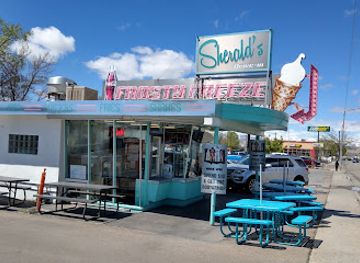
Sherald's Drive-in
Discover the charm of Sherald's Drive-In in Price, Utah, where classic fast food meets friendly service in a nostalgic setting.
8 min walk · 0.7 km from city centre
-
Restaurant
The Tangerine Eatery
Discover The Tangerine Eatery in Price, Utah, where gourmet sandwiches, fresh salads, and delightful frozen yogurt come together in a cozy atmosphere.
13 min walk · 1.1 km from city centre
-
Museum
Prehistoric Museum, Utah State University Eastern
Explore the rich history of dinosaurs and ancient life at the Prehistoric Museum, Utah State University Eastern in Price, Utah.
3 min walk · 0.2 km from city centre
-
 Hotel
HotelThe Greenwell Inn
Discover comfort and convenience at The Greenwell Inn in Price, Utah, your ideal base for exploring local attractions and enjoying family-friendly amenities.
12 min walk · 1.0 km from city centre
Explore Price on the map
Plan your Price trip on one map. See where the top attractions, landmarks, restaurants, bars and hotels are, find what's near where you're staying, and book hotels and experiences in a few clicks.
Best hotels in Price
Best restaurants in Price
Price’s dining scene reflects its role as a working regional town rather than a highly specialised culinary destination. Along Main Street and the central commercial area, visitors find independent cafés, family-run restaurants, casual grills and familiar American fare, with Mexican influences also part of the local dining landscape. The area’s mining history and immigrant communities have contributed to a practical, substantial food culture shaped by generations of workers and families. Bakeries, coffee shops and everyday eateries are useful for breakfast, provisions and an informal meal before a drive into the surrounding country. Supermarkets and convenience stores provide supplies for longer excursions, particularly where remote destinations have few services. Dining choices are generally concentrated in Price and nearby Helper, so travellers planning a full-day canyon or desert outing should arrange food and water in town rather than assume that facilities will be available along the route.
-
Fast Food
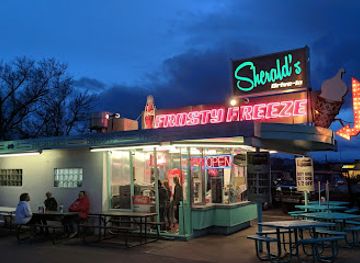
Sherald's Drive-in
Experience classic American fast food at Sherald's Drive-in in Price, Utah - where delicious hamburgers meet nostalgic vibes.
8 min walk · 0.7 km from city centre
-
American
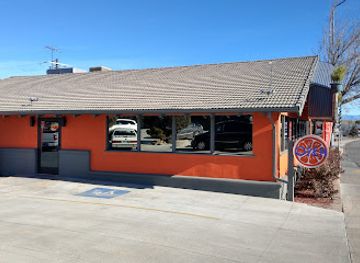
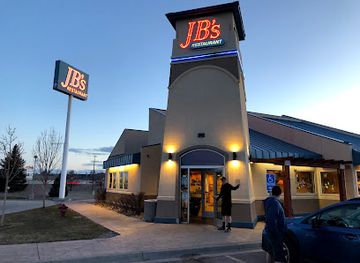
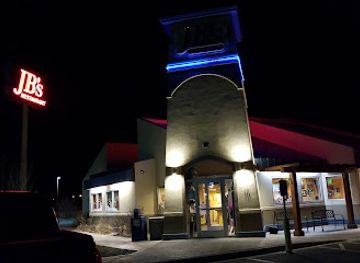
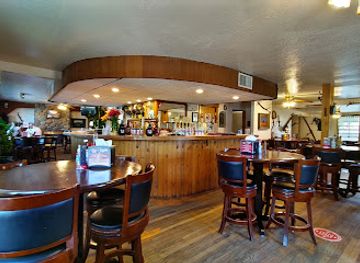
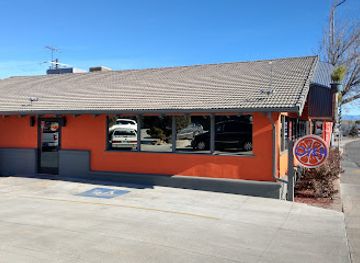
JB's
Savor delicious American cuisine at JB's in Price, Utah – your go-to spot for breakfast and more in a welcoming atmosphere.
15 min walk · 1.2 km from city centre
-
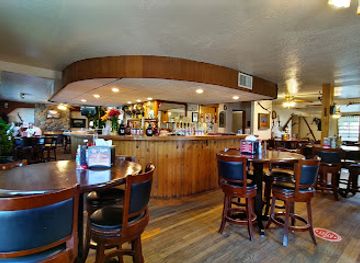
Brewpub
Groggs Pinnacle Brewing
Experience craft beer excellence at Groggs Pinnacle Brewing in Helper, Utah – where every sip tells a story.
12 min drive · 3.9 km from city centre
-
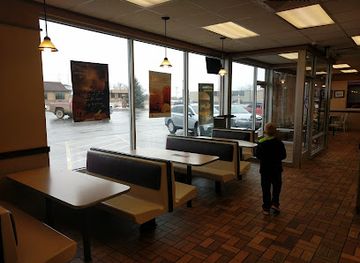
Fast Food
McDonald's
Experience quick service and delicious comfort food at McDonald's in Price, Utah - perfect for tourists seeking convenience and familiarity.
8 min walk · 0.7 km from city centre
Best bars in Price
Price has a modest evening scene shaped by its small population, university community and role as a regional service centre. Local bars and casual establishments provide opportunities for conversation and a relaxed drink, while restaurants and cafés offer quieter evening options. Utah State University Eastern contributes occasional campus events, performances and sporting activity, although the scale and schedule of entertainment vary. The nearby town of Helper has a distinct historic main-street atmosphere and may offer community events or live music, but it is separate from Price and should be treated as a short regional outing. Visitors should not expect a dense nightclub district or late-night entertainment quarter; evenings are more often centred on local venues, seasonal community programmes, university activities and the clear skies of the high desert. Responsible drinking and a planned drive are particularly important when travelling between communities or returning from rural areas.
-
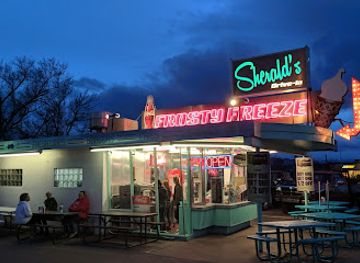
Fast Food
Sherald's Drive-in
Experience the timeless charm of Sherald's Drive-in in Price, Utah, where delicious burgers and shakes await in a nostalgic setting.
8 min walk · 0.7 km from city centre
-
American
JB's
Discover JB's in Price, Utah, your ideal breakfast destination for delicious American cuisine and a warm, inviting atmosphere.
15 min walk · 1.2 km from city centre
-
Brewpub
Groggs Pinnacle Brewing
Experience the best of Utah's craft brewing at Groggs Pinnacle Brewing, where local flavors and a cozy atmosphere come together.
12 min drive · 3.9 km from city centre
-
Restaurant
The Tangerine Eatery
Experience the vibrant flavors of The Tangerine Eatery in Price, Utah, where fresh ingredients meet creative culinary delights for every palate.
13 min walk · 1.1 km from city centre
Best nightclubs in Price
Price has a modest evening scene shaped by its small population, university community and role as a regional service centre. Local bars and casual establishments provide opportunities for conversation and a relaxed drink, while restaurants and cafés offer quieter evening options. Utah State University Eastern contributes occasional campus events, performances and sporting activity, although the scale and schedule of entertainment vary. The nearby town of Helper has a distinct historic main-street atmosphere and may offer community events or live music, but it is separate from Price and should be treated as a short regional outing. Visitors should not expect a dense nightclub district or late-night entertainment quarter; evenings are more often centred on local venues, seasonal community programmes, university activities and the clear skies of the high desert. Responsible drinking and a planned drive are particularly important when travelling between communities or returning from rural areas.
-
Restaurant
WINGERS Restaurant
Savor delicious American cuisine at WINGERS Restaurant, known for its famous chicken wings and inviting atmosphere in Price, Utah.
5 min drive · 1.8 km from city centre
-
Restaurant
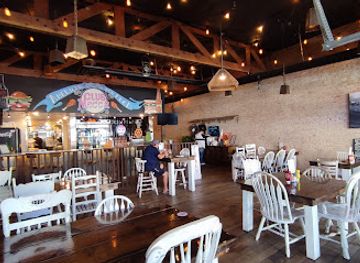
Club Mecca
Experience the vibrant nightlife of Price, Utah at Club Mecca – where delicious dining meets electrifying entertainment.
2 min walk · 0.2 km from city centre
-
Sports bar
Toby’s Bar & Grill
Discover Toby’s Bar & Grill in Price, Utah: the premier sports bar for food, drinks, and an unbeatable atmosphere.
5 min drive · 1.8 km from city centre
-
Sports bar
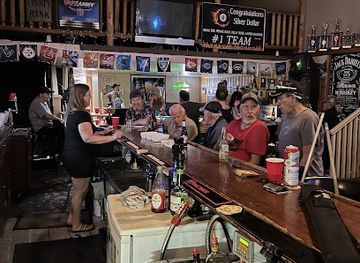
Silver Dollar Sports Club
Discover the spirited ambiance of Silver Dollar Sports Club, a top sports bar in Price, Utah, where games, great food, and lively entertainment come together.
2 min walk · 0.1 km from city centre
Best shops in Price
Shopping in Price is concentrated around Main Street and the city’s everyday commercial areas, where independent businesses, cafés, practical retailers and services serve both residents and visitors. The town is a useful place to buy food, fuel, outdoor supplies and provisions before travelling into the Book Cliffs, Nine Mile Canyon or the San Rafael country. Souvenir opportunities are more closely connected with local museums, regional geology and dinosaur imagery than with a large specialist craft market. Visitors may also find locally produced food, handmade goods or seasonal community sales, depending on the time of year. Nearby Helper offers additional small-town shopping and heritage-oriented browsing along its historic main street. Price is not a major luxury or fashion destination; its retail character is functional and local, with the strongest sense of place found in independent businesses and products related to Carbon County’s mining, fossil and desert heritage.
-
Department store
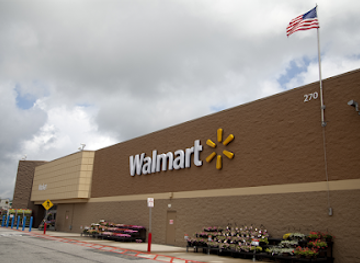
Walmart Supercenter
Explore Walmart Supercenter in Price, UT for a diverse shopping experience with unbeatable prices on groceries, clothing, and home goods.
6 min drive · 1.9 km from city centre
-
Grocery store
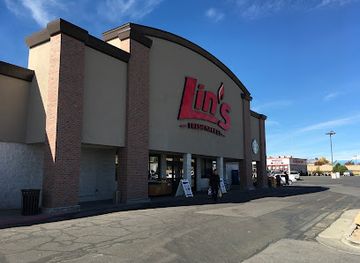
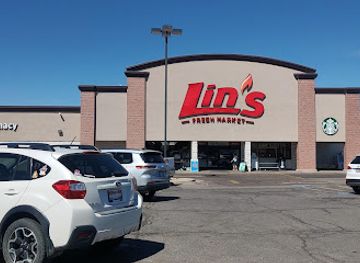
Lin's Price
Explore Lin's Price, a community grocery store in Price, UT, offering fresh produce, bakery delights, and local flavors for the perfect shopping experience.
14 min walk · 1.1 km from city centre
-
Shopping mall
Creekview plaza
Explore Creekview Plaza in Price, Utah – your ultimate shopping destination featuring diverse shops, delicious dining, and family-friendly entertainment.
14 min walk · 1.1 km from city centre
-
Shopping mall
Castle Rock Square
Explore Castle Rock Square: a vibrant shopping mall in Price, Utah, featuring diverse stores and dining options for a perfect retail experience.
18 min walk · 1.5 km from city centre
Get your free copy of our complete guide to Price, delivered straight to you.
Everything on this page, from attractions and restaurants to essentials and local phrases, in one PDF you can read offline, print or share.
Already have an account? Sign in
Your Price guide is ready.
We'll send it to · Not you? Sign out

Getting your guide ready…
We are putting together a fresh copy of the Price guide. This can take up to a minute.
This can take a few moments. If your browser asks, choose Allow so the download can start. You'll find the guide in your Downloads folder.
Nothing happened? Download it again
Sorry, the guide is taking longer than usual. Please try again in a minute, or get it by email instead.
Price essentials
Currency and Payment
Safety
Emergency Situations
Do's and Don'ts
Local Tips
From Eve
Local phrases worth knowing
You don't need to get them perfect. A few words go a long way, and locals appreciate the effort.
Basics
| English | Local | Say it |
|---|---|---|
| Hello | Howdy | [haʊ-di] |
| Goodbye | See ya | [si jə] |
| Yes | Yep | [yɛp] |
| No | Nah | [nɑ] |
| Please/You're welcome | Please | [pliːz] |
| Thank you | Thanks | [θæŋks] |
| Excuse me/Sorry | Pardon me | [pɑrdən mi] |
| How are you? | Howdy | [haʊ-di] |
| Fine. And you? | Fine. How 'bout you? | [faɪn haʊ 'baʊt ju] |
| Do you speak English? | Ya speak English? | [jə spiːk ɪŋɡlɪʃ] |
| I don't understand | Don't git it | [doʊnt ɡɪt ɪt] |
Eating & Drinking
| English | Local | Say it |
|---|---|---|
| I'd like to see the menu, please | Let me see the menu | [lɛt mi siː ðə ˈmɛnjuː] |
| I don't eat meat | I don't eat meat | [aɪ doʊnt it mit] |
| Cheers! | Cheers! | [ʧɪrz] |
| I would like to pay, please | I'd like to pay now | [aɪd laɪk tu peɪ naʊ] |
Emergencies
| English | Local | Say it |
|---|---|---|
| Help! | Help! | [hɛlp] |
| Go away! | Git! | [ɡɪt] |
| Call the Police! | Call the cops! | [kɔl ðə kɑps] |
| Call a doctor! | Call a doc! | [kɔl ə dɑk] |
| I'm lost | I'm lost | [aɪm lɔst] |
| I'm ill | I'm sick | [aɪm sɪk] |
Shopping
| English | Local | Say it |
|---|---|---|
| I'd like to buy... | I'm lookin' to buy... | [aɪm ˈlʊkɪn tu baɪ] |
| I'm just looking | Just lookin' | [ʤʌst ˈlʊkɪn] |
| How much is it? | How much? | [haʊ mʌʧ] |
| That's too expensive | That's spendy | [ðæts ˈspɛndi] |
| Can you lower the price? | Can ya drop the price? | [kæn jə droʊp ðə praɪs] |
Time & Numbers
| English | Local | Say it |
|---|---|---|
| What time is it? | What time is it? | [wʌt taɪm ɪz ɪt] |
| It's one o'clock | It's one | [ɪts wʌn] |
| Half past (10) | Half past ten | [hæf pæst tɛn] |
| Morning | Mornin' | [ˈmɔrnɪn] |
| Afternoon | Afternoon | [ˌæftərˈnun] |
| Evening | Evenin' | [ˈiːvnɪn] |
| Yesterday | Yest'day | [ˈjɛstˌdeɪ] |
| Today | Today | [təˈdeɪ] |
| Tomorrow | Tomorra | [təˈmɑrə] |
| 1 | One | [wʌn] |
| 2 | Two | [tu] |
| 3 | Three | [θriː] |
| 4 | Four | [fɔr] |
| 5 | Five | [faɪv] |
| 6 | Six | [sɪks] |
| 7 | Seven | [ˈsɛvən] |
| 8 | Eight | [eɪt] |
| 9 | Nine | [naɪn] |
| 10 | Ten | [tɛn] |
Transport & Directions
| English | Local | Say it |
|---|---|---|
| Where's a/the...? | Where's the...? | [wɛrz ðə] |
| What's the address? | Where's the address? | [wɛrz ðə əˈdrɛs] |
| Can you show me (on the map)? | Show me on the map | [ʃoʊ mi ɒn ðə mæp] |
| When's the next (bus)? | When's the next bus? | [wɛnz ðə nɛkst bʌs] |
| A ticket (to ....) | Ticket (to ....) | [ˈtɪkɪt tu] |
History of Price
Settlement in the Price River Valley
The Price area developed in a high-desert valley occupied and travelled by Indigenous peoples long before the arrival of Euro-American settlers. The modern town emerged in the late nineteenth century, when the expansion of the Denver and Rio Grande Western railway made the valley increasingly important for transport and resource development. Price was named for William Price, an early local settler and religious leader associated with the community’s beginnings. Its position along the railway and near coal-bearing formations encouraged a permanent settlement, while the surrounding Book Cliffs and river valley shaped the town’s compact geography.
Railways, Coal and Carbon County
Coal transformed the settlement into the commercial centre of what became Carbon County. Mines opened in the surrounding valleys, and the railway provided a route for moving coal to markets elsewhere in Utah and the wider American West. Price supplied services, shops, institutions and accommodation for mining communities scattered across the region. The workforce included immigrants from southern and eastern Europe as well as other parts of the United States, giving Carbon County a varied social character. The industry’s legacy survives in local museums, former mining settlements and the cultural memory of families connected with the mines.
A Multicultural Mining Community
The growth of coal mining brought together people of different languages, faiths and traditions. Churches, mutual-aid organisations, schools and civic groups helped mining families establish themselves in an often demanding environment. Communities such as Helper, adjacent mining settlements and Price developed through this network of labour and migration. Religious buildings and longstanding local institutions reflect that history, while foodways, family stories and community celebrations continue to recall Carbon County’s immigrant heritage. Mining also produced difficult working conditions, accidents and periods of industrial unrest, making the region’s history one of both opportunity and considerable human cost.
The Castle Gate Mine Disaster
One of Utah’s most significant mining disasters occurred at Castle Gate, north-west of Price, in 1924, when an explosion killed 172 miners. The disaster exposed the dangers of underground coal extraction and remains an important part of Carbon County’s historical landscape. Castle Gate was a company town and mining centre whose story is tied closely to the wider development of Price and the surrounding coalfields. The event is commemorated through historical interpretation in the region, while the former mining landscape helps visitors understand the scale and hazards of the industry that sustained eastern Utah communities.
From Coal Centre to Regional Town
As mining methods, energy markets and regional employment patterns changed during the twentieth century, Price gradually broadened its economic role. The town remained Carbon County’s governmental, commercial and educational centre, while Utah State University Eastern added a lasting academic presence. Museums and heritage organisations began preserving the area’s mining, Indigenous and paleontological stories, and improved roads connected Price with the wider recreational landscapes of eastern Utah. Today, the city’s identity combines the legacy of coal and railway development with higher education, public services, fossil science and access to the Book Cliffs, canyon country and the San Rafael region.
Price in Photos
Browse through our photo collection highlighting the charm and character of the destination.
Cities near Price
The closest cities to Price, if you have time for more than one stop.
-

-

-

-

-


Swipe for more cities
Explore more

Explore more of Utah
Explore Utah's stunning national parks, rich cultural heritage, and year-round outdoor adventures. Discover why this diverse state is a top destination for travelers.
Explore Utah