

Free Richfield Travel Guide & Mobile App
Plan your Richfield trip with Evendo. Get free guides to top attractions, restaurants, hotels, and bars. Web access or download the mobile app.


Discover Richfield, Utah: Your gateway to breathtaking landscapes, small-town charm, and year-round festivities in the heart of Utah.
Read more about Richfield
When is the best time to visit Richfield?
Best: May–June, September · 21–27°C| Month | High (°C) | Rainfall (mm) |
|---|---|---|
| January | 5 | 15 |
| February | 7 | 13 |
| March | 12 | 13 |
| April | 17 | 10 |
| May (best) | 21 | 8 |
| June (best) | 27 | 5 |
| July | 31 | 10 |
| August | 29 | 10 |
| September (best) | 24 | 8 |
| October | 17 | 8 |
| November | 9 | 10 |
| December | 4 | 13 |
Getting to and around Richfield
How to get there
Transportation
Best attractions in Richfield
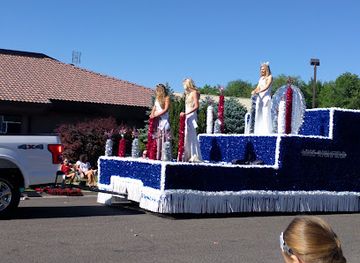
Richfield, Utah offers a rich tapestry of history and outdoor adventures for visitors to explore. From the stunning natural beauty of Fishlake National Forest to the fascinating relics at the Cove Fort Historical Site, there is something for everyone to enjoy. Outdoor enthusiasts can hike, fish, and camp in the surrounding wilderness, while history buffs can delve into the pioneer past of the area. Don't miss the annual Richfield Reaper Days celebration, where you can experience local culture and traditions firsthand. With its unique blend of natural wonders and historical landmarks, Richfield is a hidden gem waiting to be discovered.
-
Tourist attraction
Richfield City Park
Explore Richfield City Park, a scenic haven in Utah offering lush greenery, playgrounds, and recreational activities for all ages.
11 min walk · 0.9 km from city centre
-
Event venue
Sevier Valley Center
Discover exciting events and local culture at Sevier Valley Center, Richfield's premier venue for concerts, weddings, and community gatherings.
11 min walk · 0.9 km from city centre
-
Tourist attraction
Richfield Lion's Park
Discover Richfield Lion's Park, a serene oasis in Utah perfect for family fun, outdoor activities, and relaxation amidst nature's beauty.
15 min walk · 1.2 km from city centre
-
Tourist attraction
Rotary Park
Explore Rotary Park in Richfield, Utah – a serene retreat offering lush landscapes, recreational activities, and vibrant community events for all ages.
5 min drive · 1.6 km from city centre


Best landmarks in Richfield
Richfield in Utah offers visitors a rich tapestry of historical landmarks to explore, including the Cove Fort Historic Site, the Fremont Indian State Park and Museum, and the Big Rock Candy Mountain. Visitors can also marvel at the stunning natural beauty of the area, with attractions such as Fishlake National Forest and Capitol Reef National Park nearby. Richfield provides a perfect blend of history, culture, and outdoor adventure for tourists looking to experience the heart of Utah.
-
Hotel
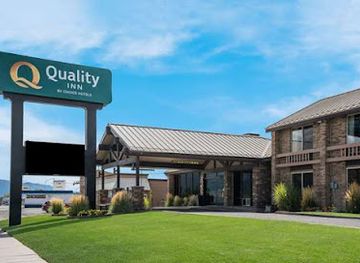
Quality Inn Richfield I-70
Experience comfort and convenience at Quality Inn Richfield I-70, your ideal base for exploring the stunning landscapes of Utah.
8 min walk · 0.6 km from city centre
-
American
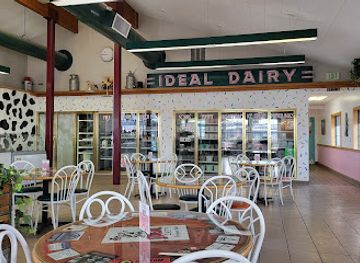
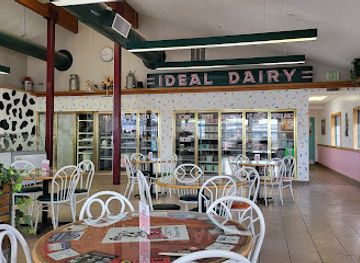
The Ideal Dairy
Experience the charm of The Ideal Dairy in Richfield, Utah, where delicious American cuisine meets delightful sweet treats.
7 min walk · 0.5 km from city centre
-
Fast Food
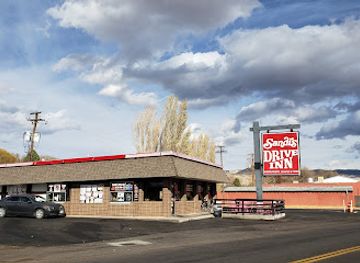
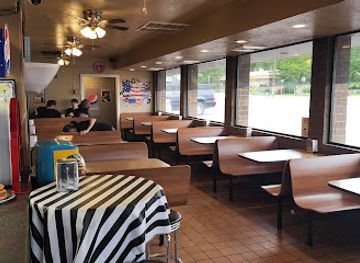
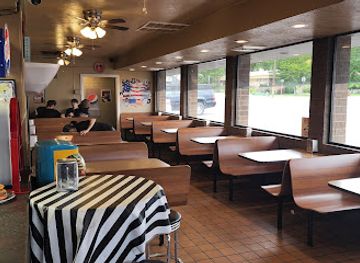
Sandi's Drive Inn
Experience the taste of classic American fast food at Sandi's Drive Inn in Richfield, Utah, where delicious meals and nostalgia come together.
11 min walk · 0.9 km from city centre
-
Chinese
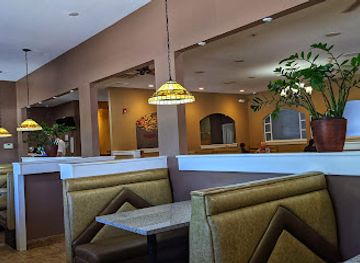
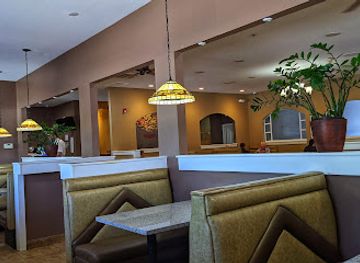
South China Cafe
Experience the rich flavors of authentic Chinese cuisine at South China Cafe, a beloved restaurant in Richfield, Utah, perfect for families and food lovers alike.
9 min walk · 0.7 km from city centre
Explore Richfield on the map
Plan your Richfield trip on one map. See where the top attractions, landmarks, restaurants, bars and hotels are, find what's near where you're staying, and book hotels and experiences in a few clicks.
Best hotels in Richfield
Best restaurants in Richfield
Richfield offers a diverse dining scene that caters to all tastes and preferences. From local diners serving up hearty comfort food to upscale restaurants offering gourmet cuisine, visitors can indulge in a wide range of culinary experiences. Whether you're craving classic American dishes, authentic Mexican fare, or international flavors, Richfield has something for everyone. Don't miss the chance to sample the fresh seafood, juicy steaks, and mouthwatering desserts that the city's restaurants have to offer. With friendly service and welcoming atmospheres, dining in Richfield is sure to be a memorable experience for all visitors.
-
American
The Ideal Dairy
Discover the flavors of America at The Ideal Dairy—your go-to spot for sandwiches and irresistible ice cream in Richfield.
7 min walk · 0.5 km from city centre
-
Fast Food
Sandi's Drive Inn
Discover Sandi's Drive Inn in Richfield - where delicious fast food meets friendly service at affordable prices.
11 min walk · 0.9 km from city centre
-
Chinese
South China Cafe
Experience authentic Chinese cuisine at South China Cafe in Richfield - where every dish tells a story.
9 min walk · 0.7 km from city centre
-
Cafe
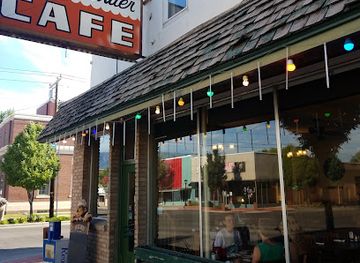
Little Wonder Cafe
Discover Little Wonder Cafe in Richfield - where delicious breakfasts meet southern hospitality in a cozy atmosphere.
6 min walk · 0.5 km from city centre
Best bars in Richfield
Richfield may be a small town, but its nightlife scene packs a punch. Visitors can expect a variety of bars and nightclubs offering live music, karaoke nights, and a vibrant atmosphere. From cozy pubs serving craft beers to energetic dance clubs, there is something for everyone to enjoy after dark in Richfield. Whether you're looking to unwind with a cocktail or dance the night away, the city's nightlife scene is sure to leave a lasting impression on visitors.
-
American
The Ideal Dairy
Discover the charm of The Ideal Dairy, where American cuisine meets delightful ice cream treats in the heart of Richfield, Utah.
7 min walk · 0.5 km from city centre
-
Fast Food
Sandi's Drive Inn
Experience the best fast food in Richfield, UT at Sandi's Drive Inn, where friendly service meets delicious comfort food.
11 min walk · 0.9 km from city centre
-
Chinese
South China Cafe
Discover the flavors of China at South China Cafe, a beloved dining destination in Richfield, Utah, serving authentic dishes in a welcoming atmosphere.
9 min walk · 0.7 km from city centre
-
Steak
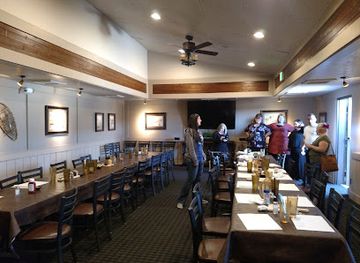
Steve's Steakhouse
Indulge in Richfield's finest steaks at Steve's Steakhouse, where flavor meets warmth in a family-friendly atmosphere.
6 min drive · 2.1 km from city centre
Best nightclubs in Richfield
Richfield may be a small town, but its nightlife scene packs a punch. Visitors can expect a variety of bars and nightclubs offering live music, karaoke nights, and a vibrant atmosphere. From cozy pubs serving craft beers to energetic dance clubs, there is something for everyone to enjoy after dark in Richfield. Whether you're looking to unwind with a cocktail or dance the night away, the city's nightlife scene is sure to leave a lasting impression on visitors.
-
Fast Food
Sandi's Drive Inn
Experience the nostalgia of classic American fast food at Sandi's Drive Inn in Richfield, Utah, where every bite is a delightful treat.
11 min walk · 0.9 km from city centre
-
Steak
Steve's Steakhouse
Experience the ultimate steak dining at Steve's Steakhouse in Richfield, Utah, where quality meets comfort in every bite.
6 min drive · 2.1 km from city centre
-
Restaurant
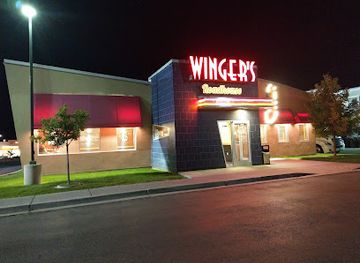
WINGERS Restaurant
Experience the vibrant flavors of American cuisine at WINGERS Restaurant in Richfield, featuring renowned chicken wings and a lively dining atmosphere.
7 min drive · 2.3 km from city centre
-
Grill
Bar 86
Discover Bar 86 in Richfield, Utah - a grill paradise offering delicious meals and vibrant entertainment for an unforgettable experience.
14 min walk · 1.1 km from city centre
Best shops in Richfield
Richfield boasts a charming shopping scene that caters to both locals and visitors alike. From quaint boutique stores offering unique handmade goods to well-known brand outlets, there is something for everyone. Explore the historic Main Street lined with shops and cafes, where you can find antiques, souvenirs, and local crafts. Don't miss the weekly farmer's market for fresh produce and artisanal products. Whether you're looking for a special gift or simply want to indulge in some retail therapy, Richfield's shopping options will not disappoint.
-
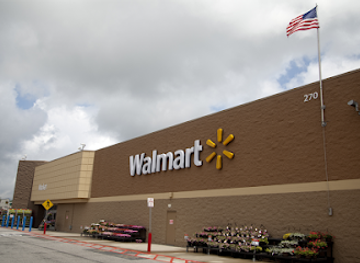
Department store
Walmart Supercenter
Discover an extensive range of products at Walmart Supercenter in Richfield, Utah, the ultimate shopping destination for tourists and locals alike.
6 min drive · 2.0 km from city centre
-
Grocery store
Lin's Market Richfield
Explore Lin's Market Richfield for fresh produce, delicious baked goods, and a true taste of local flavor in Utah's heart.
2 min walk · 0.2 km from city centre
-
Store
IFA Country Stores
Discover the unique shopping experience at IFA Country Stores in Richfield, Utah, where local charm meets quality products for every need.
17 min walk · 1.3 km from city centre
-
Coffee shop
Starbucks
Discover the cozy ambiance and delicious brews at Starbucks in Richfield, Utah, perfect for coffee enthusiasts and weary travelers.
2 min walk · 0.2 km from city centre
Get your free copy of our complete guide to Richfield, delivered straight to you.
Everything on this page, from attractions and restaurants to essentials and local phrases, in one PDF you can read offline, print or share.
Already have an account? Sign in
Your Richfield guide is ready.
We'll send it to · Not you? Sign out

Getting your guide ready…
We are putting together a fresh copy of the Richfield guide. This can take up to a minute.
This can take a few moments. If your browser asks, choose Allow so the download can start. You'll find the guide in your Downloads folder.
Nothing happened? Download it again
Sorry, the guide is taking longer than usual. Please try again in a minute, or get it by email instead.
Richfield essentials
Currency and Payment
Safety
Emergency Situations
Do's and Don'ts
Local Tips
From Eve
Local phrases worth knowing
You don't need to get them perfect. A few words go a long way, and locals appreciate the effort.
Basics
| English | Local | Say it |
|---|---|---|
| Hello | Howdy | [haʊ-di] |
| Goodbye | See ya | [siː jə] |
| Yes | Yup | [yʌp] |
| No | Nah | [nɑː] |
| Please/You're welcome | Please/Welcome | [pliːz/ˈwɛlkəm] |
| Thank you | Thanks | [θæŋks] |
| Excuse me/Sorry | Pardon/My bad | [ˈpɑːrdn/maɪ bæd] |
| How are you? | How ya doin'? | [haʊ jə ˈduɪn] |
| Fine. And you? | Good. You? | [ɡʊd juː] |
| Do you speak English? | Ya speak English? | [jə spiːk ˈɪŋɡlɪʃ] |
| I don't understand | I ain't gettin' ya | [aɪ eɪnt ˈɡɛtɪn jə] |
Eating & Drinking
| English | Local | Say it |
|---|---|---|
| I'd like to see the menu, please | I wanna check the menu, please | [aɪ ˈwɑnə tʃɛk ðə ˈmɛnjuː pliːz] |
| I don't eat meat | I don't eat meat | [aɪ doʊnt it mit] |
| Cheers! | Cheers! | [ʧɪrz] |
| I would like to pay, please | I wanna pay, please | [aɪ ˈwɑnə peɪ pliːz] |
Emergencies
| English | Local | Say it |
|---|---|---|
| Help! | Help! | [hɛlp] |
| Go away! | Git! | [ɡɪt] |
| Call the Police! | Call the Cops! | [kɔl ðə kɑps] |
| Call a doctor! | Call a Doc! | [kɔl ə dɑktər] |
| I'm lost | I'm lost | [aɪm lɔst] |
| I'm ill | I'm sick | [aɪm sɪk] |
Shopping
| English | Local | Say it |
|---|---|---|
| I'd like to buy... | I wanna buy... | [aɪ ˈwɑnə baɪ] |
| I'm just looking | Just browsin' | [ʤʌst ˈbraʊzɪn] |
| How much is it? | How much? | [haʊ mʌʧ] |
| That's too expensive | That's pricey | [ðæts ˈpraɪsi] |
| Can you lower the price? | Can ya drop the price? | [kæn jə drɑp ðə praɪs] |
Time & Numbers
| English | Local | Say it |
|---|---|---|
| What time is it? | What's the time? | [wɑts ðə taɪm] |
| It's one o'clock | It's one | [ɪts wʌn] |
| Half past (10) | Half past (10) | [hæf pæst (10)] |
| Morning | Mornin' | [ˈmɔrnɪn] |
| Afternoon | Afternoon | [ˌæftərˈnun] |
| Evening | Evenin' | [ˈivnɪn] |
| Yesterday | Yest'day | [ˈjɛstˌdeɪ] |
| Today | Today | [təˈdeɪ] |
| Tomorrow | T'morrow | [təˈmɑroʊ] |
| 1 | One | [wʌn] |
| 2 | Two | [tuː] |
| 3 | Three | [θriː] |
| 4 | Four | [fɔːr] |
| 5 | Five | [faɪv] |
| 6 | Six | [sɪks] |
| 7 | Seven | [ˈsɛvən] |
| 8 | Eight | [eɪt] |
| 9 | Nine | [naɪn] |
| 10 | Ten | [tɛn] |
Transport & Directions
| English | Local | Say it |
|---|---|---|
| Where's a/the...? | Where's the...? | [wɛərz ðə] |
| What's the address? | What's the address? | [wɑts ðə ˈædrɛs] |
| Can you show me (on the map)? | Can ya show me (on the map)? | [kæn jə ʃoʊ miː (ɒn ðə mæp)] |
| When's the next (bus)? | When's the next (bus)? | [wɛnz ðə nɛkst (bʌs)] |
| A ticket (to ....) | A ticket (to ....) | [ə ˈtɪkɪt (tu ...)] |
History of Richfield
Founding and Early Settlement
Richfield was established in 1864 by pioneers led by Albert Lewis. These early settlers were primarily members of The Church of Jesus Christ of Latter-day Saints, who ventured into the Sevier Valley to create a new community. They named the town Richfield in the hope that it would be a place of prosperity and fertile land.
Conflict and Abandonment
In the late 1860s, tensions between the settlers and the local Native American tribes, particularly the Ute people, escalated. These conflicts, known as the Black Hawk War, forced the settlers to abandon Richfield temporarily. They returned in 1871 after the conflict subsided, rebuilding their homes and community.
Economic Development and Agriculture
Post-resettlement, Richfield grew as an agricultural hub. The fertile soil of the Sevier Valley proved ideal for farming, and irrigation projects facilitated the growth of crops such as wheat, barley, and alfalfa. The town became a vital supply center for the surrounding farming communities.
Arrival of the Railroad
The arrival of the Denver and Rio Grande Western Railroad in 1891 significantly impacted Richfield's growth. The railroad connected Richfield to larger markets, allowing for the export of agricultural products and the import of goods. This development spurred economic growth and increased the town's importance in the region.
20th Century Modernization
Throughout the 20th century, Richfield continued to modernize. The introduction of automobiles and better road infrastructure made the town more accessible. The establishment of schools, hospitals, and other institutions contributed to the development of a thriving community. Richfield became a regional center for commerce and education.
Cultural Heritage and Legacy
Richfield's cultural heritage is deeply rooted in its pioneer past and agricultural traditions. Annual events such as the Sevier County Fair and the Richfield Heritage Days celebrate the town's history and community spirit. The town's historic buildings, such as the original Sevier County Courthouse, serve as reminders of its rich legacy.
Richfield in Photos
Browse through our photo collection highlighting the charm and character of the destination.
Cities near Richfield
The closest cities to Richfield, if you have time for more than one stop.
-

-
 Torrey
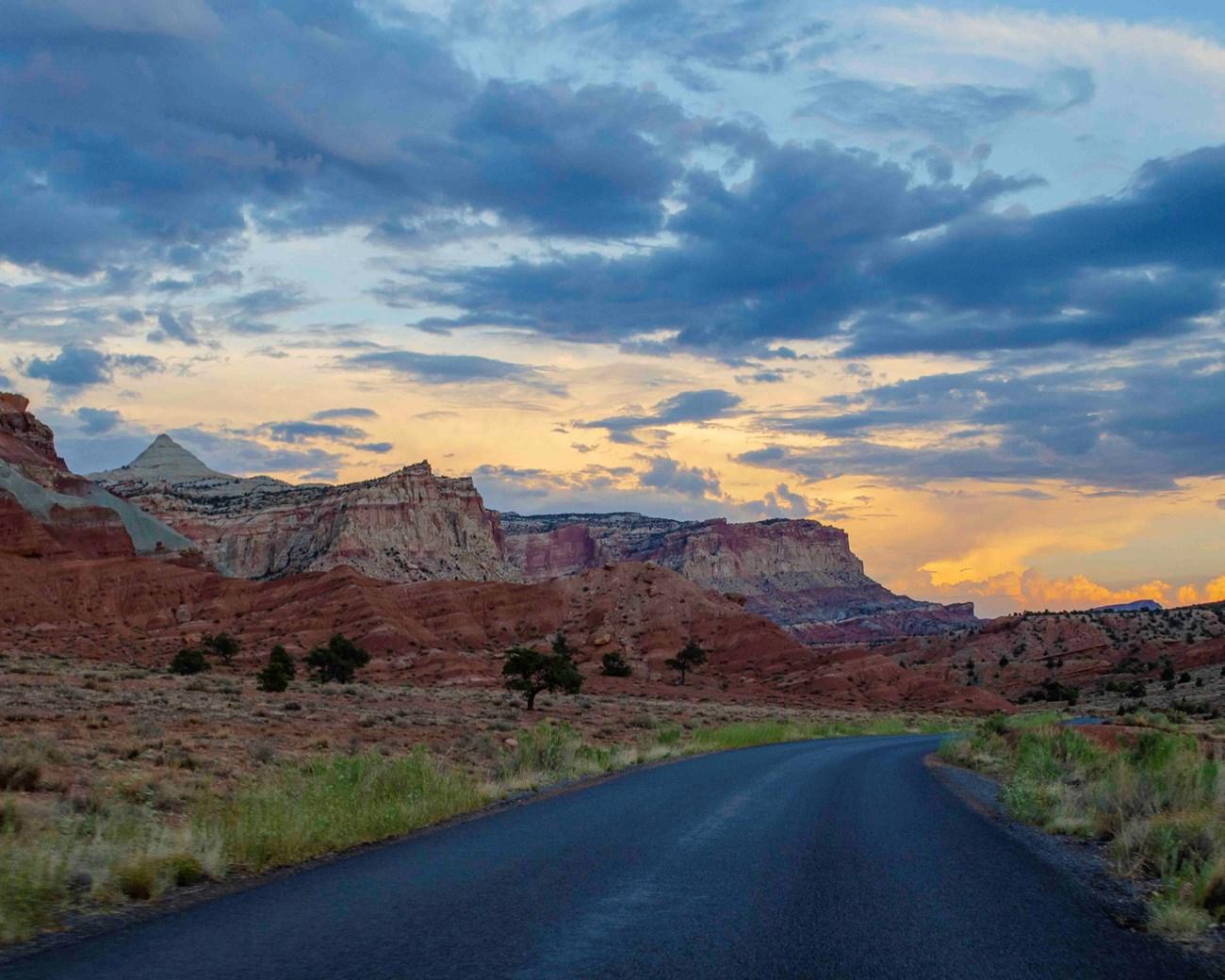
, Utah, pairs a welcoming high-desert town with Capitol Reef scenery, red-rock hikes, Scenic Byway 12, dark skies and memorable outdoor adventures.
1 h 38 min drive · 78 km from city centre
Torrey
Torrey, Utah, pairs a welcoming high-desert town with Capitol Reef scenery, red-rock hikes, Scenic Byway 12, dark skies and memorable outdoor adventures.
1 h 38 min drive · 78 km from city centre
-

-

-


Swipe for more cities
Explore more

Explore more of Utah
Explore Utah's stunning national parks, rich cultural heritage, and year-round outdoor adventures. Discover why this diverse state is a top destination for travelers.
Explore Utah