

Free Torrey Travel Guide & Mobile App
Plan your Torrey trip with Evendo. Get free guides to top attractions, restaurants, hotels, and bars. Web access or download the mobile app.


Torrey, Utah, pairs a welcoming high-desert town with Capitol Reef scenery, red-rock hikes, Scenic Byway 12, dark skies and memorable outdoor adventures.
A High-Desert Base
Torrey is a small community in south-central Utah, set among sagebrush plains, juniper hills and the sharply folded geology of the Waterpocket Fold. Its main street lies just beyond the western boundary of Capitol Reef National Park, making the town a natural base for exploring one of southern Utah's quieter red-rock landscapes. Unlike the larger gateway towns farther south, Torrey retains a rural scale, with low buildings, broad views and a relaxed rhythm shaped by ranching, tourism and the changing light on the surrounding cliffs.Read more about Torrey
Capitol Reef and the Open Road
Small-Town Culture and Dark Skies
When is the best time to visit Torrey?
Best: June, August–September · 25–29°C| Month | High (°C) | Rainfall (mm) |
|---|---|---|
| January | 3 | 13 |
| February | 6 | 12 |
| March | 10 | 14 |
| April | 14 | 14 |
| May | 20 | 12 |
| June (best) | 26 | 10 |
| July | 30 | 13 |
| August (best) | 29 | 12 |
| September (best) | 25 | 11 |
| October | 18 | 13 |
| November | 10 | 12 |
| December | 5 | 12 |
Getting to and around Torrey
How to get there
Transportation
Best landmarks in Torrey
Torrey's identity is framed by the geological and cultural landmarks of the surrounding Fremont River country. Capitol Reef's Waterpocket Fold is the defining natural landmark: a long, tilted crease in the Earth's crust expressed through layered cliffs, domes and narrow canyons. Within the national park, the Fruita Historic District preserves orchards, homesteads and the Gifford Homestead, linking the landscape to nineteenth-century settlement and irrigation. The Fremont petroglyph panels record the presence of the Fremont culture through carefully protected rock images, while Hickman Bridge demonstrates the erosional forces that shaped the area's sandstone. The park's visitor centre and historic landscape provide orientation, but the wider landmark is the continuous relationship between river, orchard, cliff and desert. In Torrey itself, low-rise buildings, local galleries and open views reflect the town's later role as a rural community and gateway rather than a concentration of monumental architecture.
-
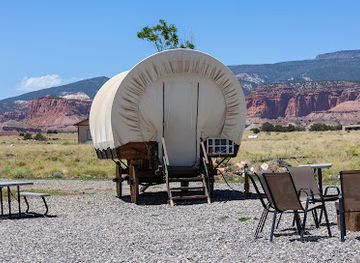
Hotel
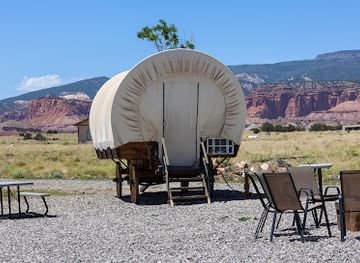
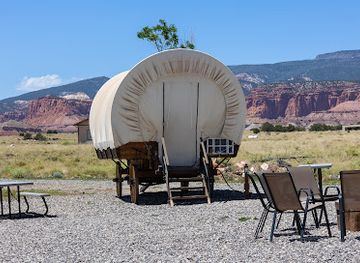
Broken Spur Inn & Steakhouse
Discover the perfect blend of comfort and flavor at Broken Spur Inn & Steakhouse in Torrey, Utah, your gateway to Capitol Reef National Park.
5 min drive · 1.7 km from city centre
-
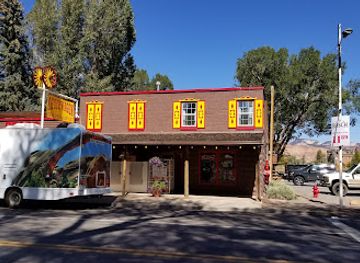
Hamburger
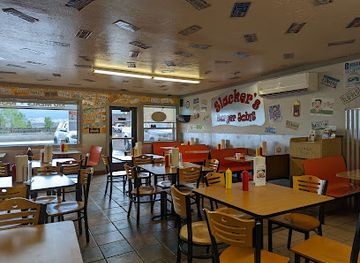
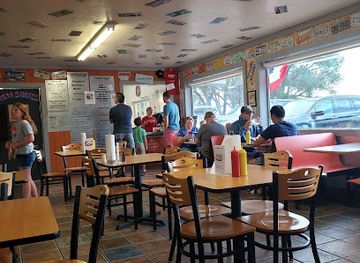
Slackers Burger Joint
Discover the delightful flavors of classic American burgers at Slackers Burger Joint in Torrey, UT, where comfort food meets a vibrant travel theme.
7 min walk · 0.6 km from city centre
-
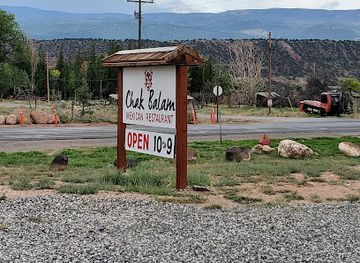
Restaurant
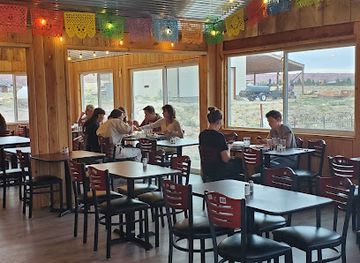
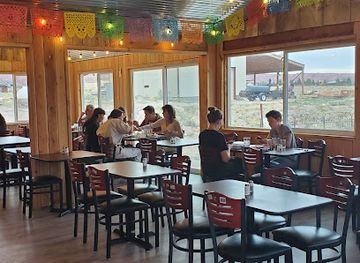
Chak Balam Mexican Restaurant
Savor the authentic flavors of Mexico at Chak Balam, where every meal is a celebration of taste in the heart of Torrey, Utah.
15 min walk · 1.2 km from city centre
-
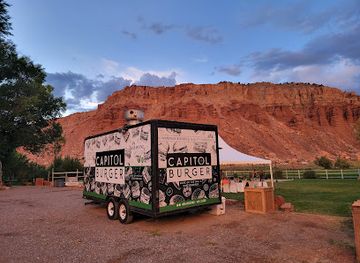
Fast Food
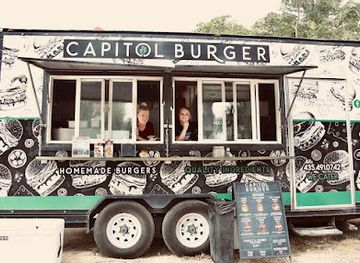
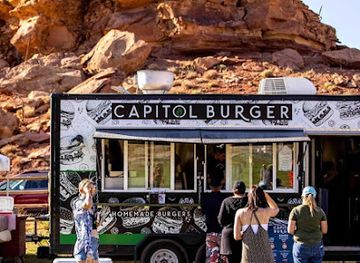
Capitol Burger
Delight in mouthwatering burgers and shakes at Capitol Burger, your fast food haven in beautiful Torrey, Utah, surrounded by stunning natural landscapes.
7 min walk · 0.6 km from city centre
Explore Torrey on the map
Plan your Torrey trip on one map. See where the top attractions, landmarks, restaurants, bars and hotels are, find what's near where you're staying, and book hotels and experiences in a few clicks.
Best hotels in Torrey
Best restaurants in Torrey
Torrey's dining scene is small, practical and closely tied to the rhythms of a rural national-park gateway. Restaurants, cafés, bakeries and seasonal food businesses serve travellers heading to Capitol Reef, with menus commonly shaped by American Western cooking, burgers, sandwiches, salads, steaks and hearty breakfasts rather than by a single defining local cuisine. Regional produce, particularly fruit grown in the Fremont River valley, appears seasonally, while nearby communities contribute ingredients and culinary influences from across the American West. Dining is concentrated along the town's main road and is complemented by provisions for picnics and trail days. The character is informal, with independent businesses more prominent than large chains, and options can be limited outside the main visitor season. Because Torrey has a small population and many travellers eat early before hiking, planning meals around the day's route is sensible.
-
Hotel
Broken Spur Inn & Steakhouse
Discover Broken Spur Inn & Steakhouse - your gateway to comfort and exquisite dining near Capitol Reef National Park.
5 min drive · 1.7 km from city centre
-
Hamburger
Slackers Burger Joint
Discover delicious burgers and vibrant decor at Slackers Burger Joint in Torrey, Utah - the perfect stop for hungry travelers.
7 min walk · 0.6 km from city centre
-
Restaurant
Chak Balam Mexican Restaurant
Experience authentic Mexican cuisine at Chak Balam Mexican Restaurant in Torrey – where every meal is a celebration of flavor.
15 min walk · 1.2 km from city centre
-
Fast Food
Capitol Burger
Discover Capitol Burger in Torrey, Utah - A Fast Food Haven with Delicious Hamburgers and Fresh Ingredients Near Capitol Reef National Park.
7 min walk · 0.6 km from city centre
Best bars in Torrey
Torrey does not have a substantial nightclub district, and evenings are generally quiet rather than centred on late-night entertainment. A small selection of restaurants and informal venues may provide places for a drink or relaxed conversation, but the town's social life is shaped more by dining, seasonal community activity and the outdoor setting than by clubs. The most distinctive evening experience is found beyond conventional nightlife: clear, dark skies over the plateau and Capitol Reef make stargazing a natural part of a visit, particularly on moonless nights and when weather is stable. Some local businesses or community programmes may host occasional music, talks or cultural events, though schedules vary. Visitors should expect earlier closing times and limited transport after dark, and should plan a safe route back to their accommodation rather than relying on urban-style taxis or public transit.
-
Hotel
Broken Spur Inn & Steakhouse
Discover the perfect blend of comfort and flavor at Broken Spur Inn & Steakhouse in Torrey, Utah, just moments from breathtaking landscapes.
5 min drive · 1.7 km from city centre
-
Hamburger
Slackers Burger Joint
Experience delicious burgers and vibrant decor at Slackers Burger Joint in Torrey, Utah – a must-visit for food lovers and travelers alike.
7 min walk · 0.6 km from city centre
-
Restaurant
Chak Balam Mexican Restaurant
Experience the vibrant flavors of Mexico at Chak Balam Mexican Restaurant, a must-visit destination for food lovers in Torrey, Utah.
15 min walk · 1.2 km from city centre
-
Fast Food
Capitol Burger
Discover Capitol Burger in Torrey, Utah, where gourmet burgers meet stunning landscapes for an unforgettable dining experience.
7 min walk · 0.6 km from city centre
Best nightclubs in Torrey
Torrey does not have a substantial nightclub district, and evenings are generally quiet rather than centred on late-night entertainment. A small selection of restaurants and informal venues may provide places for a drink or relaxed conversation, but the town's social life is shaped more by dining, seasonal community activity and the outdoor setting than by clubs. The most distinctive evening experience is found beyond conventional nightlife: clear, dark skies over the plateau and Capitol Reef make stargazing a natural part of a visit, particularly on moonless nights and when weather is stable. Some local businesses or community programmes may host occasional music, talks or cultural events, though schedules vary. Visitors should expect earlier closing times and limited transport after dark, and should plan a safe route back to their accommodation rather than relying on urban-style taxis or public transit.
-
Hotel
Broken Spur Inn & Steakhouse
Discover the perfect blend of comfort, hospitality, and delicious dining at Broken Spur Inn & Steakhouse in the heart of Utah's stunning landscapes.
5 min drive · 1.7 km from city centre
-
Cafe
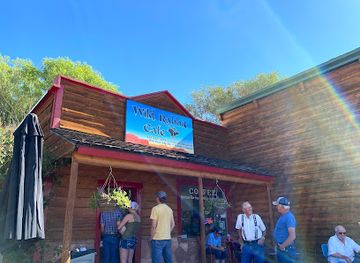
The Wild Rabbit Cafe
Discover the cozy charm of The Wild Rabbit Cafe in Torrey, Utah, where homemade delights meet stunning natural beauty.
7 min walk · 0.5 km from city centre
-
Coffee shop
Dark Sky Coffee
Experience the perfect blend of quality coffee and cozy ambiance at Dark Sky Coffee in Torrey, Utah, a must-visit gem for travelers.
8 min walk · 0.6 km from city centre
-
Restaurant
Rock Reef Cafe
Experience the delightful flavors of Torrey at Rock Reef Cafe, where fresh, local ingredients meet a welcoming atmosphere.
8 min walk · 0.6 km from city centre

Best shops in Torrey
Shopping in Torrey is modest in scale and oriented towards local character, practical travel needs and regional craftsmanship rather than large retail complexes. Along the main road, small galleries and independent shops may present paintings, photography, ceramics, jewellery and craftwork inspired by the surrounding cliffs, desert plants and wide skies. Visitors can also find provisions for hiking, road travel and picnics, together with books, maps and souvenirs connected with Capitol Reef and southern Utah. Seasonal farm products and fruit from the Fremont River valley reflect the area's agricultural history, although availability changes through the year. The town is not a major centre for national brands or fashion shopping, and more extensive retail is found in larger regional communities. Purchases from local artists and producers offer a tangible connection to Torrey's landscape without confusing regional craft traditions with a single standardised souvenir culture.
-
Hotel
Broken Spur Inn & Steakhouse
Experience the perfect blend of comfort and culinary delight at Broken Spur Inn & Steakhouse in scenic Torrey, Utah.
5 min drive · 1.7 km from city centre
-
Hamburger
Slackers Burger Joint
Experience mouthwatering burgers and a welcoming atmosphere at Slackers Burger Joint in Torrey, Utah, the perfect pit stop for food lovers.
7 min walk · 0.6 km from city centre
-
Restaurant
Chak Balam Mexican Restaurant
Experience the rich flavors of authentic Mexican cuisine at Chak Balam Mexican Restaurant in scenic Torrey, Utah.
15 min walk · 1.2 km from city centre
-
Cafe
The Wild Rabbit Cafe
Experience the charming ambiance and delicious local cuisine at The Wild Rabbit Cafe in Torrey, Utah, a must-visit for food lovers and travelers alike.
7 min walk · 0.5 km from city centre
Get your free copy of our complete guide to Torrey, delivered straight to you.
Everything on this page, from attractions and restaurants to essentials and local phrases, in one PDF you can read offline, print or share.
Already have an account? Sign in
Your Torrey guide is ready.
We'll send it to · Not you? Sign out

Getting your guide ready…
We are putting together a fresh copy of the Torrey guide. This can take up to a minute.
This can take a few moments. If your browser asks, choose Allow so the download can start. You'll find the guide in your Downloads folder.
Nothing happened? Download it again
Sorry, the guide is taking longer than usual. Please try again in a minute, or get it by email instead.
Torrey essentials
Currency and Payment
Safety
Emergency Situations
Do's and Don'ts
Local Tips
From Eve
Local phrases worth knowing
You don't need to get them perfect. A few words go a long way, and locals appreciate the effort.
Basics
| English | Local | Say it |
|---|---|---|
| Hello | Howdy | [haʊ-di] |
| Goodbye | See ya | [si jɑ] |
| Yes | Yup | [jʌp] |
| No | Nah | [nɑ] |
| Please/You're welcome | Please/Welcome | [pliːz/ˈwɛlkəm] |
| Thank you | Thanks | [θæŋks] |
| Excuse me/Sorry | Pardon/My bad | [ˈpɑrdn/maɪ bæd] |
| How are you? | How ya doin'? | [haʊ jə ˈduɪn] |
| Fine. And you? | Good. You? | [ɡʊd ju] |
| Do you speak English? | You speak English? | [ju spiːk ˈɪŋɡlɪʃ] |
| I don't understand | I don't get it | [aɪ doʊnt ˈʌndərˌstænd] |
Eating & Drinking
| English | Local | Say it |
|---|---|---|
| I'd like to see the menu, please | Menu, please | [ˈmɛnjuː pliːz] |
| I don't eat meat | No meat for me | [noʊ mit fɔr miː] |
| Cheers! | Cheers! | [ʧɪrz] |
| I would like to pay, please | Check, please | [ʧɛk pliːz] |
Emergencies
| English | Local | Say it |
|---|---|---|
| Help! | Help! | [hɛlp] |
| Go away! | Go away! | [ɡoʊ əˈweɪ] |
| Call the Police! | Call the cops! | [kɔl ðə kɑps] |
| Call a doctor! | Get a doc! | [ɡɛt ə dɑk] |
| I'm lost | I'm lost | [aɪm lɔst] |
| I'm ill | I'm sick | [aɪm sɪk] |
Shopping
| English | Local | Say it |
|---|---|---|
| I'd like to buy... | I want to buy... | [aɪ wɑnt tu baɪ] |
| I'm just looking | Just browsing | [ʤʌst ˈbraʊzɪŋ] |
| How much is it? | How much? | [haʊ mʌtʃ] |
| That's too expensive | Too much | [tu mʌʧ] |
| Can you lower the price? | Can you do better? | [kæn ju duː ˈbɛtər] |
Time & Numbers
| English | Local | Say it |
|---|---|---|
| What time is it? | What time? | [wʌt taɪm] |
| It's one o'clock | It's one | [ɪts wʌn] |
| Half past (10) | Half past ten | [hæf pæst tɛn] |
| Morning | Morning | [ˈmɔrnɪŋ] |
| Afternoon | Afternoon | [ˌæftərˈnun] |
| Evening | Evening | [ˈivnɪŋ] |
| Yesterday | Yesterday | [ˈjɛstərˌdeɪ] |
| Today | Today | [təˈdeɪ] |
| Tomorrow | Tomorrow | [təˈmɔroʊ] |
| 1 | One | [wʌn] |
| 2 | Two | [tu] |
| 3 | Three | [θri] |
| 4 | Four | [fɔr] |
| 5 | Five | [faɪv] |
| 6 | Six | [sɪks] |
| 7 | Seven | [ˈsɛvən] |
| 8 | Eight | [eɪt] |
| 9 | Nine | [naɪn] |
| 10 | Ten | [tɛn] |
Transport & Directions
| English | Local | Say it |
|---|---|---|
| Where's a/the...? | Where's the...? | [wɛərz ðə] |
| What's the address? | Address? | [ˈæˌdrɛs] |
| Can you show me (on the map)? | Show me (on the map) | [ʃoʊ mi (ɒn ðə mæp)] |
| When's the next (bus)? | When's the next (bus)? | [wɛnz ðə nɛkst (bʌs)] |
| A ticket (to ....) | Ticket (to ....) | [ˈtɪkɪt (tu)] |
History of Torrey
Fremont Peoples and Ancient Rock Art
Long before Torrey was established, the valleys and canyons of the region were used by Indigenous peoples, including the Fremont culture, whose presence in central Utah is recorded through archaeological sites, dwellings, tools and rock art. Panels along the Fremont River preserve images of human figures and animals carved or pecked into sandstone, providing evidence of a society that farmed, hunted and travelled through this demanding environment roughly between the first and fourteenth centuries. Later Indigenous communities, including the Ute, continued to maintain connections with the wider landscape. These cultural traces remain among Capitol Reef's most important historical features and require respectful treatment.
Latter-day Saint Settlement
The modern settlement associated with Torrey developed during the expansion of Latter-day Saint communities through central Utah in the late nineteenth century. Farmers and families established homes and cultivated land along the Fremont River, where irrigation made orchards and small-scale agriculture possible despite the arid climate. The community was first known as Youngtown before taking the name Torrey, generally associated with Colonel Jay Torrey, an American Civil War veteran and advocate of veterans' colonies. Early life depended on cooperation, water management, livestock and difficult overland connections, foundations that shaped the rural character still visible around the town.
Farming in the Fremont River Valley
Torrey and neighbouring settlements grew through agriculture rather than industrial development. Irrigated fields and fruit orchards occupied the more fertile ground beside the Fremont River, while cattle and sheep used the surrounding uplands and open country. The valley's isolation encouraged self-reliance and kept communities small, with roads and commercial links developing gradually. Historic orchards and buildings in Capitol Reef's Fruita district preserve a related story of irrigation, fruit growing and pioneer settlement, although Fruita itself is within the national park rather than in Torrey. The contrast between cultivated river corridors and surrounding desert remains central to the area's historical landscape.
Protection of the Waterpocket Fold
Federal recognition of the area's geological and scenic importance began with the creation of Capitol Reef National Monument in 1937. The protected landscape centred on the Waterpocket Fold, a vast wrinkle in the Earth's crust extending for approximately 100 miles through south-central Utah. Its cliffs, domes, canyons and exposed rock layers gradually attracted visitors, researchers and road-building efforts while limiting large-scale development. Capitol Reef became a national park in 1971, strengthening conservation of its geological formations, archaeological resources, historic orchards and Fremont cultural sites. Torrey's later identity as a gateway town developed alongside this expanding protected landscape.
A Modern Gateway Community
Improved roads and the growing popularity of Utah's national parks brought Torrey more closely into the region's tourism economy during the twentieth century. Utah State Route 24 became the principal approach to Capitol Reef from the west, while the route over Boulder Mountain linked the town with Scenic Byway 12 and communities to the south. Tourism did not transform Torrey into a large resort; instead, guesthouses, small hotels, restaurants, galleries and outdoor businesses joined the older ranching and farming economy. Today the town's small scale, dark skies and proximity to Capitol Reef reflect a continuing balance between local life and nature-based travel.
Torrey in Photos
Browse through our photo collection highlighting the charm and character of the destination.
Cities near Torrey
The closest cities to Torrey, if you have time for more than one stop.
-

-
 Richfield
Discover Richfield, Utah: Your gateway to breathtaking landscapes, small-town charm, and year-round festivities in the heart of Utah.
1 h 38 min drive · 78 km from city centre
Richfield
Discover Richfield, Utah: Your gateway to breathtaking landscapes, small-town charm, and year-round festivities in the heart of Utah.
1 h 38 min drive · 78 km from city centre
-

-

-


Swipe for more cities
Explore more

Explore more of Utah
Explore Utah's stunning national parks, rich cultural heritage, and year-round outdoor adventures. Discover why this diverse state is a top destination for travelers.
Explore Utah