

Free Andijan Travel Guide & Mobile App
Plan your Andijan trip with Evendo. Get free guides to top attractions, restaurants, hotels, and bars. Web access or download the mobile app.


Andijan, birthplace of Babur, combines Fergana Valley landscapes, Timurid history, lively bazaars, Uzbek cuisine and thoughtful cultural sightseeing.
Gateway to the Fergana Valley
Andijan lies in eastern Uzbekistan, close to the Kyrgyzstan frontier and amid the fertile landscapes of the Fergana Valley. The city is one of the valley’s principal urban centres, with broad avenues, dense residential quarters, busy bazaars and an everyday rhythm shaped by trade, agriculture and family life. Its setting is less monumental than Samarkand or Bukhara, but Andijan offers a more contemporary view of eastern Uzbek culture, where modern streets coexist with traditional mahallas and long-established craft and food traditions.Read more about Andijan
The City of Babur
Bazaars, Gardens and Local Life
When is the best time to visit Andijan?
Best: April–May, October · 23–29°C| Month | High (°C) | Rainfall (mm) |
|---|---|---|
| January | 3 | 30 |
| February | 5 | 25 |
| March | 15 | 25 |
| April (best) | 23 | 25 |
| May (best) | 29 | 15 |
| June | 34 | 10 |
| July | 39 | 10 |
| August | 38 | 10 |
| September | 31 | 15 |
| October (best) | 23 | 20 |
| November | 13 | 25 |
| December | 5 | 30 |
Getting to and around Andijan
How to get there
Transportation
Best attractions in Andijan
Andijan’s principal sights reveal the city through biography, religious architecture and ordinary valley life. The Babur memorial complex honours the Timurid prince born here and includes landscaped grounds and a museum devoted to his life and legacy. The Jami architectural ensemble, centred on its historic mosque, madrasa and minaret, offers one of the clearest encounters with the city’s Islamic heritage. Andijan Regional Museum provides broader context through collections relating to archaeology, local history and culture, while the central bazaar immerses visitors in the commercial rhythm of the Fergana Valley, with produce, spices, textiles and household goods arranged in busy aisles. Parks and tree-lined public spaces offer quieter walks between visits, and the city’s mahalla streets provide glimpses of contemporary Uzbek neighbourhood life. Andijan is also well placed for exploring the wider valley, although towns and rural attractions beyond the city require separate transport planning.
-
Tourist attraction
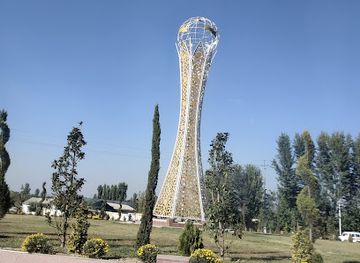
Bogishamol Park
Experience the natural beauty and recreational bliss of Bogishamol Park in Andijan, Uzbekistan, a serene oasis for tourists and nature lovers.
31 min drive · 11 km from city centre
-
Tourist attraction
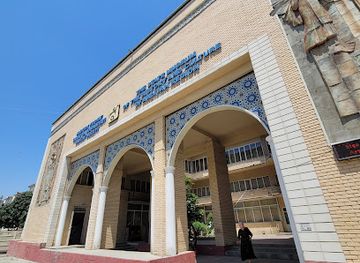
Andijon viloyat o`lkashunoslik muzeyi
Explore the cultural treasures of Andijan at the Andijon Viloyat o`lkashunoslik Muzeyi, a museum dedicated to local heritage and artistry.
9 min walk · 0.7 km from city centre
-
Museum
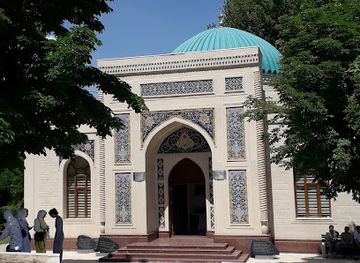
Babur museum
Explore the historic Babur Museum in Andijan, Uzbekistan, to uncover the fascinating life of the Mughal Empire's founder and the rich cultural heritage of Central Asia.
31 min drive · 11 km from city centre
-
Tourist attraction
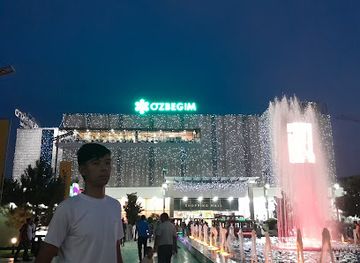
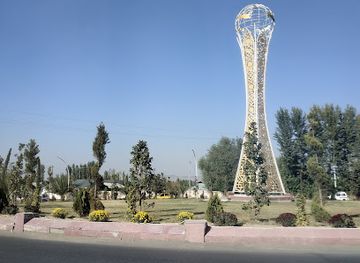
O'zbegim fountain
Explore the serene beauty and cultural significance of O'zbegim Fountain, a must-visit attraction in Andijan, Uzbekistan.
7 min walk · 0.6 km from city centre
Best landmarks in Andijan
The Jami architectural ensemble is Andijan’s most important historic landmark, bringing together a mosque, madrasa and minaret in a complex associated with the city’s religious and civic life. Its broad brick forms and surviving decorative details reflect the architectural traditions of the Fergana Valley. The Babur memorial complex gives the city a powerful literary and dynastic symbol: it commemorates Zahiriddin Muhammad Babur, born in Andijan in 1483, whose career carried Timurid political culture from Central Asia to the Mughal empire in India. Andijan’s central mosque and other religious buildings contribute to the city’s contemporary skyline, although earthquakes and successive rebuilding have altered much of the older urban fabric. The city’s monuments are best understood alongside its bazaars, mahalla quarters and public spaces, which show how historical identity continues within a modern regional capital.
-
Park
Bogishamol Park
Explore the serene beauty of Bogishamol Park in Andijan, Uzbekistan, a perfect retreat for nature lovers and families seeking tranquility.
31 min drive · 11 km from city centre
-
 Hotel
HotelVella Elegant
Discover comfort and elegance at Vella Elegant in Andijan, Uzbekistan, your perfect base for exploring the region's rich culture and history.
8 min drive · 2.6 km from city centre
-
Train station
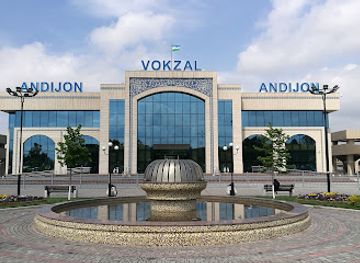
Andijan 1
Experience the vibrant culture of Andijan at its bustling train station, where tradition meets modern travel in Uzbekistan's historic region.
7 min drive · 2.3 km from city centre
-
Inn
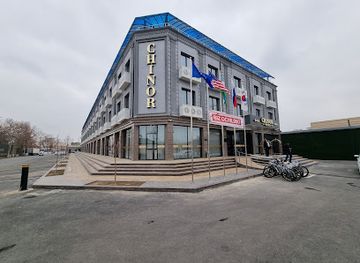
ChinorHotel
Experience comfort and local charm at ChinorHotel in Andijan, Uzbekistan, your ideal retreat for exploring the rich culture and history of the region.
10 min drive · 3.3 km from city centre
Explore Andijan on the map
Plan your Andijan trip on one map. See where the top attractions, landmarks, restaurants, bars and hotels are, find what's near where you're staying, and book hotels and experiences in a few clicks.
Best hotels in Andijan
Best restaurants in Andijan
Andijan’s food culture reflects the agricultural abundance and mixed culinary traditions of the Fergana Valley. Plov remains a central dish, with rice, carrot and meat prepared in large kazan cauldrons for family occasions and public meals, while samsa, manti and lagman are common in cafés and local eateries. Eastern Uzbekistan is especially associated with hand-pulled noodle dishes and generous use of fresh herbs, onions and seasonal produce. Bread is treated with respect and accompanies almost every meal. The central market is useful for observing the ingredients behind local cooking and for finding fruit, dried goods and simple snacks, while teahouses provide an informal setting for tea and conversation. Family restaurants and modest oshkhana establishments generally offer the most direct introduction to everyday food, often with menus shaped by what is freshest in the valley.
-
Family-friendly
Buyuk Ipak yo'li milliy taomlari
Experience authentic Uzbek cuisine at Buyuk Ipak yo'li milliy taomlari—perfect for families seeking delightful local flavors in Andijan.
16 min drive · 5.2 km from city centre
-
Restaurant
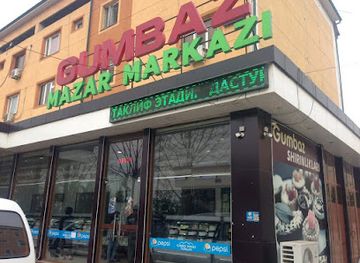
Gumbaz. Parxez Taomlari
Experience authentic Uzbek flavors at Gumbaz in Andijan – where tradition meets taste in a warm dining atmosphere.
7 min drive · 2.5 km from city centre
-
Turkish
ALI BABA Turkish restaurant
Savor the essence of Turkey at ALI BABA Restaurant in Andijan – a culinary haven for lovers of authentic Turkish cuisine.
7 min drive · 2.2 km from city centre
-
Restaurant
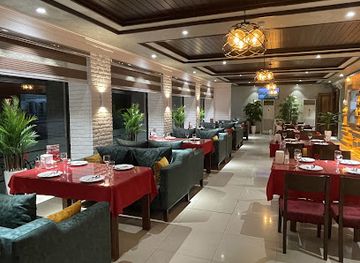
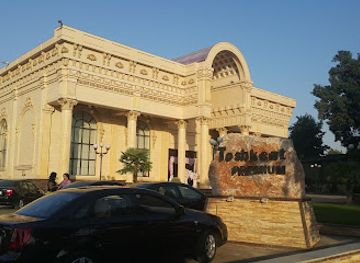
Tashkent Premium
Discover the essence of Uzbek cuisine at Tashkent Premium in Andijan, where tradition meets modern culinary artistry.
9 min drive · 2.8 km from city centre

Best bars in Andijan
Andijan has a relatively restrained evening scene, centred more on cafés, restaurants, teahouses and family gatherings than on a concentrated club district. After sunset, central streets and public parks can remain active, while hotel restaurants and contemporary cafés offer places for a quieter meal, tea or coffee. Alcohol is available in some licensed establishments, but social norms are generally conservative and nightlife is less extensive than in Tashkent. Evening performances, cultural programmes and local entertainment may be found through theatres or cultural institutions, though schedules can change and are best checked locally. Visitors should dress respectfully, avoid loud behaviour in residential areas and remember that photography or discussion around politically sensitive sites can be inappropriate. The most characteristic Andijan evening is often a relaxed meal or tea shared with friends rather than a late night of clubbing.
-
Karaoke bar
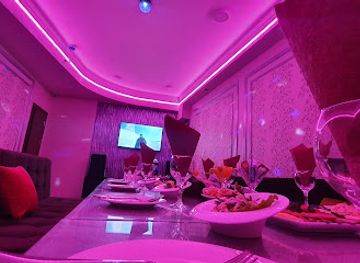
Kafe-Karaoke-Bil'yard
Experience the lively ambiance of Kafe-Karaoke-Bil'yard in Andijan, a must-visit karaoke bar blending entertainment, delicious cuisine, and local culture.
10 min drive · 3.2 km from city centre
-
Bar
Livtime
Unwind and enjoy a lively atmosphere at Livtime Bar in Andijan, Uzbekistan, where local charm meets vibrant nightlife.
6 min drive · 1.9 km from city centre
-
Bar
Bravo
Experience the lively atmosphere and diverse drink selection at Bravo, Andijan's favorite bar for locals and travelers.
11 min drive · 3.6 km from city centre
-
Karaoke bar
Karaoke Bar 1001 Noch'
Discover the vibrant nightlife of Andijan at Karaoke Bar 1001 Noch', where every night is a celebration of music and fun.
8 min drive · 2.7 km from city centre

Best nightclubs in Andijan
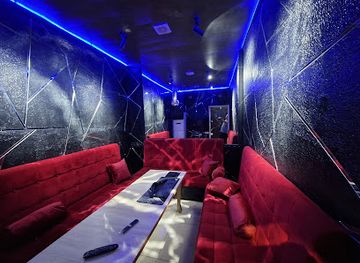
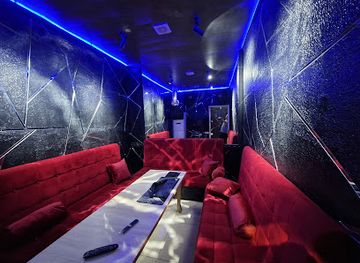
Andijan has a relatively restrained evening scene, centred more on cafés, restaurants, teahouses and family gatherings than on a concentrated club district. After sunset, central streets and public parks can remain active, while hotel restaurants and contemporary cafés offer places for a quieter meal, tea or coffee. Alcohol is available in some licensed establishments, but social norms are generally conservative and nightlife is less extensive than in Tashkent. Evening performances, cultural programmes and local entertainment may be found through theatres or cultural institutions, though schedules can change and are best checked locally. Visitors should dress respectfully, avoid loud behaviour in residential areas and remember that photography or discussion around politically sensitive sites can be inappropriate. The most characteristic Andijan evening is often a relaxed meal or tea shared with friends rather than a late night of clubbing.
-
Cafe
Burger club
Discover Burger Club in Andijan: where delicious burgers meet a cozy atmosphere, perfect for tourists and locals alike.
9 min drive · 2.9 km from city centre
-
Karaoke bar
Kafe-Karaoke-Bil'yard
Discover the vibrant nightlife of Andijan at Kafe-Karaoke-Bil'yard, where music and delicious food come together for an unforgettable experience.
10 min drive · 3.2 km from city centre
-
Karaoke bar
Karaoke Bar 1001 Noch'
Experience the joy of singing at Karaoke Bar 1001 Noch' in Andijan, Uzbekistan, where locals and tourists unite for unforgettable musical nights.
8 min drive · 2.7 km from city centre
-
Rock music club
Musiqa studiya
Experience the vibrant rock scene at Musiqa Studia in Andijan, where live performances and energetic crowds create unforgettable nights.
31 min drive · 11 km from city centre

Best shops in Andijan
Shopping in Andijan is rooted in the central bazaar and the commercial streets surrounding it, where agricultural produce, bread, spices, dried fruit, clothing, household goods and everyday Uzbek products are sold in an informal, sociable environment. The market provides a stronger sense of local life than a conventional shopping centre and is particularly useful for seeing the abundance of the Fergana Valley. Visitors may find embroidered textiles, ceramics, carved wooden objects and small craft items, although quality and provenance vary and bargaining is more natural for some goods than for others. Silk and textile traditions are important across the valley, with nearby Margilan particularly renowned for silk production, but it is a separate city rather than an Andijan neighbourhood. Modern supermarkets and retail centres serve local residents, while smaller shops are better for packaged foods, tea and practical supplies.
-
Shopping mall
Navruz Mall
Discover the ultimate shopping and dining experience at Navruz Mall, Andijan, where modern retail meets local culture.
11 min drive · 3.8 km from city centre
-
Building materials store
Uy market
Explore Uy Market in Andijan, Uzbekistan, where vibrant culture meets a diverse range of building materials for all your construction needs.
11 min drive · 3.5 km from city centre
-
Book store
Milliy books Andijon
Explore the rich literary culture of Uzbekistan at Milliy Books, a cozy book store in Andijan offering a diverse collection of literature.
7 min walk · 0.5 km from city centre
-
Clothing store
Oila Market
Explore the vibrant Oila Market in Andijan, Uzbekistan, where culture meets fashion and unique treasures await every traveler.
7 min drive · 2.4 km from city centre

Get your free copy of our complete guide to Andijan, delivered straight to you.
Everything on this page, from attractions and restaurants to essentials and local phrases, in one PDF you can read offline, print or share.
Already have an account? Sign in
Your Andijan guide is ready.
We'll send it to · Not you? Sign out

Getting your guide ready…
We are putting together a fresh copy of the Andijan guide. This can take up to a minute.
This can take a few moments. If your browser asks, choose Allow so the download can start. You'll find the guide in your Downloads folder.
Nothing happened? Download it again
Sorry, the guide is taking longer than usual. Please try again in a minute, or get it by email instead.
Andijan essentials
Currency and Payment
Safety
Emergency Situations
Do's and Don'ts
Local Tips
From Eve
Local phrases worth knowing
You don't need to get them perfect. A few words go a long way, and locals appreciate the effort.
Basics
| English | Local | Say it |
|---|---|---|
| Hello | Salom | [sah-lom] |
| Goodbye | Xayr | [khayr] |
| Yes | Ha | [hah] |
| No | Yo'q | [yoq] |
| Please/You're welcome | Iltimos | [eel-tee-mohs] |
| Thank you | Rahmat | [rah-maht] |
| Excuse me/Sorry | Kechirasiz | [keh-chee-rah-sees] |
| How are you? | Qalaysiz? | [kah-lahy-sees] |
| Fine. And you? | Yaxshi. Sizni? | [yahkh-shee. seez-nee] |
| Do you speak English? | Siz inglizcha gapirasizmi? | [sees een-gleez-chah gah-pee-rah-sees-mee] |
| I don't understand | Tushunmadim | [too-shoon-mah-deem] |
Eating & Drinking
| English | Local | Say it |
|---|---|---|
| I'd like to see the menu, please | Menyuni ko'rishni istayman, iltimos | [mehn-yoo-nee koh-reesh-nee ees-tahy-mahn, eel-tee-mohs] |
| I don't eat meat | Men go'sht yemayman | [mehn goh-sht yeh-mahy-mahn] |
| Cheers! | Salomat bo'lsin! | [sah-loh-maht bohl-seen] |
| I would like to pay, please | To'lov qilmoqchiman, iltimos | [toh-lohv keel-mohq-chee-mahn, eel-tee-mohs] |
Emergencies
| English | Local | Say it |
|---|---|---|
| Help! | Yordam! | [yohr-dahm] |
| Go away! | Ket! | [keht] |
| Call the Police! | Politsiyani chaqiring! | [poh-lee-tsee-yah-nee chah-keer-eeng] |
| Call a doctor! | Tabibni chaqiring! | [tah-beeb-nee chah-keer-eeng] |
| I'm lost | Men yo'qolganman | [mehn yoh-qohl-gahn-mahn] |
| I'm ill | Men kasallanganman | [mehn kah-sahl-lahng-ahn-mahn] |
Shopping
| English | Local | Say it |
|---|---|---|
| I'd like to buy... | Sotib olmoqchiman... | [soh-teeb ohl-mohq-chee-mahn] |
| I'm just looking | Faqat ko'zlarim... | [fah-kaht kohz-lah-reem] |
| How much is it? | Bu qancha? | [boo kahn-chah] |
| That's too expensive | Bu juda qimmat | [boo joo-dah keem-maht] |
| Can you lower the price? | Narxni pastga olib ketsangiz bo'ladi mi? | [nahrkh-nee pahst-gah oh-leeb keht-sahn-giz boh-lah-dee mee] |
Time & Numbers
| English | Local | Say it |
|---|---|---|
| What time is it? | Soat nechanchi? | [soh-aht neh-chan-chee] |
| It's one o'clock | Bir soat | [beer soh-aht] |
| Half past (10) | O'n yarim | [ohn yah-reem] |
| Morning | Ertalab | [ehr-tah-lahb] |
| Afternoon | Tushlik | [toosh-leek] |
| Evening | Kechasi | [keh-chah-see] |
| Yesterday | Kecha | [keh-chah] |
| Today | Bugun | [boo-goon] |
| Tomorrow | Ertaga | [ehr-tah-gah] |
| 1 | Bir | [beer] |
| 2 | Ikki | [eek-kee] |
| 3 | Uch | [ooch] |
| 4 | To'rt | [tohrt] |
| 5 | Besh | [behsh] |
| 6 | Olti | [ohl-tee] |
| 7 | Yetti | [yeh-tee] |
| 8 | Sakkiz | [sahk-keez] |
| 9 | To'qqiz | [toh-qqe-ez] |
| 10 | O'n | [ohn] |
Transport & Directions
| English | Local | Say it |
|---|---|---|
| Where's a/the...? | Qayerda... | [kah-yehr-dah] |
| What's the address? | Manzil qayerda? | [mahn-zeel kah-yehr-dah] |
| Can you show me (on the map)? | Meni (xaritada) ko'rsatingizmi? | [meh-nee khah-reeh-tah-dah kohr-saht-eeng-ez-mee] |
| When's the next (bus)? | Keyingisi qachon? | [keh-yee-ngi-see kah-chohn] |
| A ticket (to ....) | Bir chipta (.... ga) | [beer cheep-tah gah] |
History of Andijan
Early Fergana Settlements
Andijan developed within the ancient agricultural and trading zone of the Fergana Valley, a region connected to routes crossing Central Asia long before the modern city took shape. Written sources and archaeological evidence point to successive settlements supported by irrigated farming, horticulture and commerce. The wider valley was known in Chinese sources as Dayuan, a kingdom associated with prized horses during the Han period. Although the precise beginnings of modern Andijan are difficult to separate from the history of nearby settlements, its growth reflects the valley’s enduring combination of fertile land, urban markets and movement along routes linking eastern and western Central Asia.
Andijan under Islamic Dynasties
From the early medieval period, the Fergana Valley became part of the Islamic cultural world, and towns such as Andijan grew as centres of administration, craft production and religious learning. The city was known as Andijan or Andigan in medieval sources and was incorporated into the political spheres of successive Turkic and Persianate dynasties. Irrigation supported intensive cultivation, while regional trade brought merchants, scholars and artisans through the valley. The architectural traditions associated with mosques, madrasas and mausoleums developed during this long period, although many earlier structures disappeared through reconstruction, earthquakes and changing urban patterns.
Timurid and Baburid Connections
Andijan became especially significant in the late fifteenth and early sixteenth centuries, when it served as an important city in the Fergana territories ruled by the Timurids. Zahiriddin Muhammad Babur was born here in 1483 and inherited the principality of Fergana as a young ruler. His memoir, the Baburnama, offers valuable observations on the valley’s towns, gardens, agriculture and political rivalries. After losing control of his Central Asian territories, Babur established himself in Kabul and later founded the Mughal dynasty in India. His birthplace remains central to Andijan’s historical identity and cultural commemorations.
The Kokand Khanate Era
From the eighteenth century, Andijan formed part of the expanding Kokand Khanate, whose authority covered much of the Fergana Valley and adjoining regions. The city benefited from the valley’s agricultural wealth and its position within a network of towns linked to Kokand, Margilan, Namangan and Kashgar. Cotton, fruit, silk and handicrafts supported local commerce, while Islamic institutions and mahalla communities shaped urban life. The Jami complex, including its mosque, madrasa and minaret, belongs to the architectural heritage associated with this period and illustrates the religious and civic importance of Andijan within the khanate.
Russian Rule and Urban Change
Russian forces occupied the Kokand Khanate in 1876, bringing the Fergana Valley into the Russian Empire. Andijan was incorporated into the new administrative order and became increasingly connected to imperial military, commercial and transport systems. Russian rule expanded cotton cultivation and introduced new forms of administration, while also intensifying economic and social pressures. In 1898, an anti-Russian uprising led by the Naqshbandi religious figure Dukchi Ishan began in the Andijan area and was suppressed by imperial authorities. The city was badly affected by the earthquake of 1902, which destroyed or damaged much of its built fabric.
Soviet Andijan and Independence
After the revolutionary upheavals, Andijan became part of Soviet Central Asia and was incorporated into the Uzbek Soviet Socialist Republic when it was established in 1924. Soviet planning reshaped the city through industrialisation, expanded education and new housing, while cotton production remained central to the regional economy. Andijan also experienced the social and economic strains that followed the dissolution of the Soviet Union in 1991. In May 2005, the city became the scene of violent unrest and a government crackdown; accounts of the events and casualty figures remain politically sensitive and contested. Contemporary Andijan combines this complex history with a strong regional identity and continuing urban growth.
Andijan in Photos
Browse through our photo collection highlighting the charm and character of the destination.
Cities near Andijan
The closest cities to Andijan, if you have time for more than one stop.
-

-

-

-

-


Swipe for more cities
Explore more
Explore more of Uzbekistan
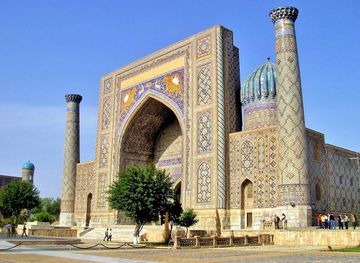
Discover Uzbekistan: A land of ancient cities, vibrant culture, and breathtaking landscapes, where history comes alive along the legendary Silk Road.
Explore Uzbekistan