

Free Syrdarya Region Travel Guide & Mobile App
Explore Syrdarya Region with free travel guides. Discover regional history, expert tips, proposed trips, and audio guides on web or mobile app.


Explore Syrdarya Region for irrigated steppe landscapes, the Syr Darya, rural markets and a quieter Central Asian journey between Tashkent and Samarkand.
Read more about Syrdarya Region
When is the best time to visit Syrdarya Region?
Best: May–June, September · 25–30°C| Month | High (°C) | Rainfall (mm) |
|---|---|---|
| January | 6 | 20 |
| February | 9 | 25 |
| March | 15 | 30 |
| April | 20 | 25 |
| May (best) | 25 | 20 |
| June (best) | 30 | 10 |
| July | 34 | 5 |
| August | 34 | 5 |
| September (best) | 26 | 10 |
| October | 19 | 15 |
| November | 12 | 20 |
| December | 7 | 25 |
Getting to and around Syrdarya Region
How to get there
Transportation
Best attractions in Syrdarya Region
Syrdarya’s attractions are primarily geographical, agricultural and contemporary rather than monumental. The Syr Darya river corridor provides the region’s central natural setting, with opportunities for quiet riverside observation, fishing where permitted and birdwatching in areas of reeds, farmland and open water. Sardoba Reservoir is the best-known modern site, although its history as working water infrastructure means that access and facilities should be checked locally. Gulistan offers regional museums, public spaces, markets and a useful introduction to the planned towns and agricultural society of the Mirzacho‘l. Yangiyer and Shirin reveal the planned-settlement character of twentieth-century irrigation development, while smaller districts offer views of canals, fields, shelterbelts and steppe horizons. Rural excursions are most rewarding with a local driver or guide who can explain water distribution, crops and settlement patterns. This is not a region of concentrated ticketed sights; its appeal lies in seeing how an arid plain was reorganised through canals, reservoirs and farming, and in observing everyday life away from Uzbekistan’s major historic cities.
-
Hiking area
Xotira maydoni
Explore Xotira Maydoni: A serene hiking area in Gulistan, Sirdaryo Region, Uzbekistan, perfect for nature lovers and adventure seekers.
-
 Tourist attraction
SARDOBA SUV OMBORI
Discover the serene beauty and cultural richness of Sardoba SUV Ombori, a cherished gem in Uzbekistan's stunning Sirdaryo Region.
-
Tourist attraction
Zomin Dor yo'li
Unveil the breathtaking beauty of Zomin Dor yo'li in Uzbekistan's Jizzakh Region, where adventure meets tranquility amidst stunning landscapes.
-
Park
"O‘ZBEKISTON-XITOY DO‘STLIK BOG‘I"
Experience the tranquility and natural beauty of O‘ZBEKISTON-XITOY DO‘STLIK BOG‘I, a serene park in Sirdaryo Region perfect for a peaceful retreat.


Best landmarks in Syrdarya Region
The Syr Darya itself is Syrdarya Region’s principal natural landmark, defining the landscape and helping explain the settlement and agricultural patterns along its banks. Sardoba Reservoir is the region’s most recognisable modern water landmark and a visible reminder that its prosperity depends on large-scale engineering, storage and irrigation. Gulistan’s civic centre and planned urban layout are less dramatic than the old quarters of Uzbekistan’s historic cities, but they represent the regional capital’s Soviet-era origins and post-independence administrative role. The broad horizons of the Mirzacho‘l, interrupted by canals, tree belts and cultivated fields, are also a defining landscape landmark rather than a single monument. In Yangiyer and Shirin, planned streets and functional public buildings express the twentieth-century settlement programme that transformed the steppe. These places matter because they illustrate Syrdarya’s central story: the interaction of river, infrastructure, agriculture and planned urban development.
-
Tourist attraction
SARDOBA SUV OMBORI
Explore the serene beauty and recreational delights of Sardoba SUV Ombori in the Sirdaryo Region, a hidden gem in Uzbekistan perfect for relaxation and adventure.
-
Historical landmark
Monument of Alisher Navoi
Discover the beauty of the Monument of Alisher Navoi in Gulistan, a historical landmark celebrating Uzbekistan's literary heritage.
-
Tourist attraction
Zaamin
Explore the breathtaking landscapes and tranquil surroundings of Zaamin in Uzbekistan's Jizzakh Region, a paradise for nature lovers and adventure seekers.
-
Park
"O‘ZBEKISTON-XITOY DO‘STLIK BOG‘I"
Discover tranquility at O‘ZBEKISTON-XITOY DO‘STLIK BOG‘I, a serene park in Sirdaryo Region, perfect for nature lovers and relaxation seekers.


Explore Syrdarya Region on the map
Plan your trip on one map. See where the top cities, national parks and sights are, and book hotels and experiences in a few clicks.
Best hotels in Syrdarya Region
Best restaurants in Syrdarya Region
Dining in Syrdarya is rooted in the everyday Uzbek table, with plov, samsa, shashlik, lagman, soups, bread and seasonal salads commonly found in cafés, market eateries and family-run restaurants. The region’s irrigated agriculture supplies vegetables, fruit, melons and grains, making fresh produce an important part of local meals, while tea houses provide a relaxed setting for tea, bread and simple dishes. Gulistan has the broadest choice of formal restaurants and cafés; in smaller towns and rural districts, options are more modest and may centre on roadside establishments or home-style cooking. Food associated with Uzbekistan as a whole should not be presented as exclusive to Syrdarya, but the region’s steppe environment and agricultural economy give its meals a practical, produce-led character. Travellers should carry snacks and water on rural excursions, as dining opportunities between settlements can be limited.
-
Restaurant
MALIKA Restoran
Experience authentic Uzbek cuisine at MALIKA Restoran in Gulistan - a must-visit culinary destination for travelers.
-
Family-friendly
Uchrashuv best
Discover Uchrashuv Best in Gulistan: A family-friendly restaurant serving delicious Uzbek cuisine in a warm atmosphere.
-
Restaurant
KASHTAN restaurant
Experience authentic Uzbek cuisine at KASHTAN Restaurant in Yangiyer - where tradition meets taste in every delightful dish.
-
Restaurant
Osiyo Ресторан
Experience authentic Uzbek cuisine at Osiyo Ресторан in Gulistan - where every dish tells a story.


Best bars in Syrdarya Region
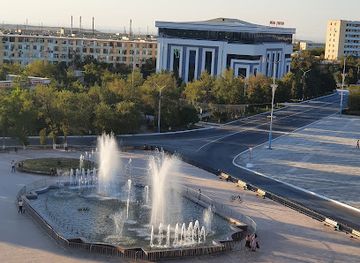
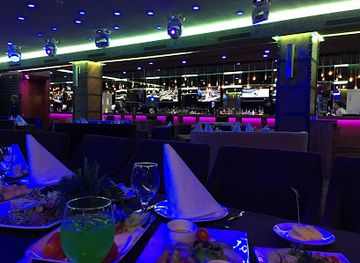
Syrdarya has a restrained evening scene rather than a major club culture. In Gulistan, evenings are centred on cafés, restaurants, tea houses and hotel venues, with conversation and family gatherings more prominent than late-night entertainment. Smaller towns such as Yangiyer and Shirin have fewer options, and rural districts generally become quiet after dark. Some restaurants may serve alcohol, but availability and licensing vary, while tea remains central to social hospitality. Visitors seeking live entertainment or a wider choice of bars will find more options in Tashkent, outside the region, than in Syrdarya itself. Evening walks in public parks and town centres can be pleasant in the cooler seasons, but summer visitors should expect the social day to begin later after the heat has eased.
-
Restaurant
ASR
Experience authentic Uzbek cuisine at ASR in Gulistan, where tradition meets flavor in a welcoming atmosphere.
-
Bar
Bar Tri Korolya
Experience the vibrant nightlife at Bar Tri Korolya, a top destination in Gulistan for delicious drinks and a lively atmosphere.
-
Restaurant
Navruz Restaurant
Discover the authentic tastes of Uzbekistan at Navruz Restaurant in Gulistan, where every meal is a celebration of local cuisine.
-
Cafe
Shirin Kafe Bar
Experience the warmth of local hospitality at Shirin Kafe Bar, a cozy café in Gulistan, perfect for coffee lovers and cultural explorers alike.


Best nightclubs in Syrdarya Region
Syrdarya has a restrained evening scene rather than a major club culture. In Gulistan, evenings are centred on cafés, restaurants, tea houses and hotel venues, with conversation and family gatherings more prominent than late-night entertainment. Smaller towns such as Yangiyer and Shirin have fewer options, and rural districts generally become quiet after dark. Some restaurants may serve alcohol, but availability and licensing vary, while tea remains central to social hospitality. Visitors seeking live entertainment or a wider choice of bars will find more options in Tashkent, outside the region, than in Syrdarya itself. Evening walks in public parks and town centres can be pleasant in the cooler seasons, but summer visitors should expect the social day to begin later after the heat has eased.
-
Night club
Zarafshon
Discover the vibrant nightlife at Zarafshon, a premier night club in Uzbekistan's Navoiy Region, where unforgettable music and dance await.
-
Night club
Make Some Noise - Karaoke Club
Experience Tashkent's vibrant nightlife at Make Some Noise - Karaoke Club, where singing and fun collide in an unforgettable atmosphere.
-
Disco club
Shambala
Discover the electrifying nightlife at Shambala, Tashkent's premier disco club, where vibrant music and exhilarating dance await every night.
-
Night club
Sekhmet Night Club
Discover the exhilarating nightlife at Sekhmet Night Club in Tashkent, where vibrant music and energetic crowds create unforgettable experiences.

Best shops in Syrdarya Region
Shopping in Syrdarya is practical and local, with Gulistan providing the region’s broadest selection of supermarkets, bazaars, clothing shops, household goods and small independent retailers. Regional markets are useful for seasonal melons, fruit, vegetables, bread, dried produce and other foods from the irrigated agricultural economy. Smaller town markets in Yangiyer, Shirin and district centres have a more everyday character, serving local residents rather than international visitors. Travellers may find Uzbek textiles, embroidered items, ceramics and packaged food, but Syrdarya is not principally a specialist craft-shopping destination, so distinctive souvenirs are more plentiful in larger Uzbek cities. Bargaining may be customary for some market purchases, while modern shops generally use fixed prices. Carry cash for stalls and smaller retailers, and inspect packaged goods and textiles carefully before buying.
-
Produce market
Dekhkanskiy Bazar Goroda Gulistan
Explore the lively Dekhkanskiy Bazar Goroda Gulistan for fresh produce, local culture, and unique handmade crafts in the heart of Uzbekistan.
-
Grocery store
Produktovyye Ryady-Bazar
Discover the local flavors and vibrant culture at Produktovyye Ryady-Bazar in Gulistan, Sirdaryo Region, Uzbekistan.
-
Store
Super market BAHOR
Explore Super Market BAHOR in Kyzyldekhkan for a unique shopping experience filled with local flavors and cultural treasures.
-
Grocery store
ISLOMBEK MARKET
Explore ISLOMBEK MARKET for a taste of authentic Uzbek culture with fresh produce, local delicacies, and vibrant community vibes.


Get your free copy of our complete guide to Syrdarya Region, delivered straight to you.
Everything on this page, from attractions and restaurants to essentials and local phrases, in one PDF you can read offline, print or share.
Already have an account? Sign in
Your Syrdarya Region guide is ready.
We'll send it to · Not you? Sign out

Getting your guide ready…
We are putting together a fresh copy of the Syrdarya Region guide. This can take up to a minute.
This can take a few moments. If your browser asks, choose Allow so the download can start. You'll find the guide in your Downloads folder.
Nothing happened? Download it again
Sorry, the guide is taking longer than usual. Please try again in a minute, or get it by email instead.
Syrdarya Region essentials
Currency and Payment
Safety
Emergency Situations
Do's and Don'ts
Local Tips
From Eve
Local phrases worth knowing
You don't need to get them perfect. A few words go a long way, and locals appreciate the effort.
Basics
| English | Local | Say it |
|---|---|---|
| Hello | Salom | [sah-lohm] |
| Goodbye | Xayr | [khayr] |
| Yes | Ha | [hah] |
| No | Yo'q | [yohk] |
| Please/You're welcome | Iltimos | [eel-tee-mohs] |
| Thank you | Rahmat | [rah-maht] |
| Excuse me/Sorry | Kechirasiz | [keh-chee-rah-siz] |
| How are you? | Qandaysiz? | [kahn-dah-ee-siz] |
| Fine. And you? | Yaxshi. Sizni? | [yahk-shee. seez-nee] |
| Do you speak English? | Inglizcha gapirasizmi? | [een-glee-zcha gah-pee-rah-siz-mee] |
| I don't understand | Men tushunmayman | [men too-shoon-my-man] |
Eating & Drinking
| English | Local | Say it |
|---|---|---|
| I'd like to see the menu, please | Meni menyuni ko'rsatishingizni xohlayman | [meh-nee men-yoo-nee koh-r-sah-tee-hee-zh-nee kho-lah-ye-man] |
| I don't eat meat | Men go'sht yemayman | [men goh-sht yeh-my-man] |
| Cheers! | Salomat bo'ling! | [sah-loh-maht boh-leeng] |
| I would like to pay, please | To'lovni qabul qilasizmi, iltimos | [toh-lohv-nee kah-bool kee-lah-siz-mee, eel-tee-mohs] |
Emergencies
| English | Local | Say it |
|---|---|---|
| Help! | Yordam bering! | [yor-dahm beh-reeng] |
| Go away! | Ket! | [keet] |
| Call the Police! | Politsiyani chaqiring! | [poh-leet-see-yah-nee chah-kee-reeng] |
| Call a doctor! | Shifokorni chaqiring! | [shee-foh-kor-nee chah-kee-reeng] |
| I'm lost | Men yo'qoldim | [men yohk-ohldeem] |
| I'm ill | Men kasalman | [men kah-sahl-man] |
Shopping
| English | Local | Say it |
|---|---|---|
| I'd like to buy... | Men ... sotib olmoqchiman | [men ... soh-teeb ol-mohch-ee-man] |
| I'm just looking | Men faqat qarayapman | [men fah-kaht kah-rah-yahp-man] |
| How much is it? | Bu qancha turadi? | [boo kahn-chah too-rah-dee] |
| That's too expensive | Bu juda qimmat | [boo joo-dah keem-mat] |
| Can you lower the price? | Narxni pasaytira olasizmi? | [nahrkh-nee pah-sah-ee-rah oh-lah-siz-mee] |
Time & Numbers
| English | Local | Say it |
|---|---|---|
| What time is it? | Soat necha? | [soh-aht nay-chah] |
| It's one o'clock | Bir soat | [beer soh-aht] |
| Half past (10) | O'n bir yarim | [ohn beer yah-reem] |
| Morning | Erta | [er-tah] |
| Afternoon | Kechki | [kehch-kee] |
| Evening | Kech | [kehch] |
| Yesterday | Kecha | [keh-chah] |
| Today | Bugun | [boo-goon] |
| Tomorrow | Ertaga | [er-tah-gah] |
| 1 | Birinchi | [beer-in-chee] |
| 2 | Ikkinchi | [ee-keen-chee] |
| 3 | Uchinch | [oo-cheen-ch] |
| 4 | To'rtinchi | [tohrt-in-chee] |
| 5 | Beshinchi | [besh-in-chee] |
| 6 | Oltinchi | [ol-tin-chee] |
| 7 | Yettinchi | [yeh-tin-chee] |
| 8 | Sakkizinchi | [sahk-kee-zin-chee] |
| 9 | To'qqizinchi | [toh-kkee-zin-chee] |
| 10 | O'ninchi | [ohn-in-chee] |
Transport & Directions
| English | Local | Say it |
|---|---|---|
| Where's a/the...? | Qayerda ...? | [kah-yer-dah ...] |
| What's the address? | Manzil nima? | [mahn-zeel nee-mah] |
| Can you show me (on the map)? | Meni xaritada ko'rsata olasizmi? | [meh-nee khah-ree-tah-dah koh-r-sah-tah oh-lah-siz-mee] |
| When's the next (bus)? | Navbatdagi (avtobus) qachon? | [nahv-baht-dah-gee (ahv-toh-boos) kah-chohn] |
| A ticket (to ....) | Bir (....) uchun chipta | [beer (....) oo-choon chee-p-tah] |
History of Syrdarya Region
Ancient Routes Across the Mirzacho‘l
The open steppe of today’s Syrdarya Region formed a difficult but important corridor between the settled oases of Transoxiana and routes leading towards the Ferghana Valley and northern Central Asia. Travellers, armies and pastoral communities crossed the area by following the Syr Darya and dependable wells. Compared with the great oasis cities, the steppe left fewer monumental remains, but its strategic importance lay in movement, water access and communications. These long-distance routes helped connect the region to the wider economic and political history of Central Asia.
The Syr Darya and Medieval Central Asia
The Syr Darya was a major natural axis for medieval Central Asia, supporting settlements, agriculture and river crossings while also presenting a formidable transport barrier. Political powers based in neighbouring oases sought to control routes and water resources along its valley. The region’s historical geography was therefore shaped less by a single dominant city than by the relationship between river, steppe and irrigated cultivation. Caravan movement and seasonal pastoral activity continued alongside farming wherever water could be secured.
Russian Imperial Expansion and the Steppe Frontier
During the nineteenth century, the Russian Empire expanded into Central Asia and gradually incorporated the territories around the Syr Darya into its administrative and military system. Fortified points, new communications and changing political boundaries altered older patterns of movement across the steppe. The area remained comparatively sparsely settled, but its position between Tashkent, the Jizzakh corridor and the central oases gave it strategic value. Imperial rule also introduced new forms of land administration and infrastructure that later influenced Soviet development.
The Mirzacho‘l Irrigation Transformation
The most decisive transformation of modern Syrdarya began with large-scale Soviet efforts to irrigate the Mirzacho‘l, known in Russian as the Golodnaya Steppe. Canals, drainage systems, pumping stations and planned settlements converted extensive areas of dry steppe into agricultural land. Cotton became especially important, alongside grain and other crops. The project brought migration from other parts of Uzbekistan and the Soviet Union, created new towns and established the region’s modern economic identity, while also generating the environmental pressures associated with intensive irrigation.
Creation of Syrdarya Region
Syrdarya Region was established in 1963 during the Soviet period, when the expanding irrigated districts of the Mirzacho‘l required an administrative centre and coordinated development. Gulistan grew as the regional capital, while towns including Yangiyer and Shirin were developed within the planned agricultural landscape. Administrative arrangements changed at different points during the late Soviet era, but the region’s core character remained clear: a strategically placed, heavily engineered steppe zone whose population and economy depended on water infrastructure.
Independent Uzbekistan and Water Management
Since Uzbekistan became independent in 1991, Syrdarya has remained important for agriculture, transport and national water management. Cotton continues to form part of the economy, although crop diversification and more efficient water use have become increasingly significant concerns. The region’s contemporary history also includes the 2020 failure of the Sardoba Reservoir embankment, which caused extensive flooding and displacement and drew attention to the risks of ageing or poorly managed water infrastructure. That event remains part of the modern story of a region shaped by water engineering.
Syrdarya Region in Photos
Browse through our photo collection highlighting the charm and character of the destination.
Neighbouring regions of Syrdarya Region
The closest regions to Syrdarya Region, if you have time for more than one.
-

-

-

-

-


Swipe for more regions
Explore more
Explore more of Uzbekistan
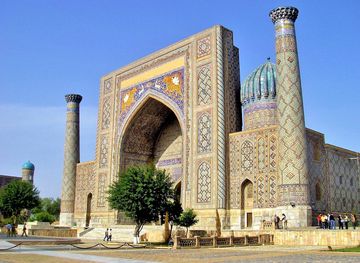
Discover Uzbekistan: A land of ancient cities, vibrant culture, and breathtaking landscapes, where history comes alive along the legendary Silk Road.
Explore Uzbekistan