

Free Jizzakh Region Travel Guide & Mobile App
Explore Jizzakh Region with free travel guides. Discover regional history, expert tips, proposed trips, and audio guides on web or mobile app.


Jizzakh Region pairs Uzbek Silk Road history with Zaamin's mountain forests, steppe horizons, rural food traditions and broad outdoor landscapes.
Read more about Jizzakh Region
When is the best time to visit Jizzakh Region?
Best: May, September–October · 20–28°C| Month | High (°C) | Rainfall (mm) |
|---|---|---|
| January | 7 | 22 |
| February | 10 | 26 |
| March | 16 | 39 |
| April | 22 | 42 |
| May (best) | 28 | 30 |
| June | 32 | 13 |
| July | 35 | 3 |
| August | 33 | 2 |
| September (best) | 27 | 5 |
| October (best) | 20 | 15 |
| November | 12 | 20 |
| December | 8 | 24 |
Getting to and around Jizzakh Region
How to get there
Transportation
Top city travel guides in Jizzakh Region
The cities of Jizzakh Region, and the easiest places to base yourself.
-

-

-

-


Swipe for more cities
Destinations in Jizzakh Region
Resorts, valleys and scenic spots worth a trip of their own.
-

-


Swipe for more destinations
Best attractions in Jizzakh Region
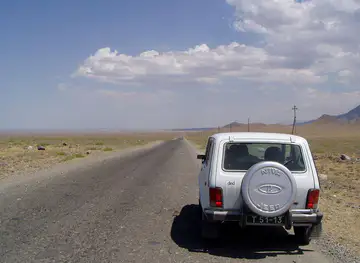
Jizzakh Region's attractions are defined by contrast: a practical regional capital and historic transport corridor give way to irrigated farmland, open steppe and wooded mountain valleys. Zaamin National Park is the principal natural draw, with juniper forests, highland scenery, fresh air and opportunities for walking, photography and quieter stays around the Zaamin resort area. The wider Zaamin district is also a useful base for seeing rural life at the foot of the Turkestan Range. Baxmal offers another mountain-facing landscape, known for orchards, valleys and access to outdoor scenery. In the north, the Forish and Mirzacho'l districts present a drier environment of broad horizons, grazing country and sparse settlement. The Aydar-Arnasay lake system, shared across the wider central Uzbek landscape, provides birdlife, fishing and lakeside recreation where local access and conditions permit. Jizzakh city itself offers markets, public spaces and regional museums or cultural institutions rather than a concentrated monumental quarter. Archaeological and historical sites are best approached with local guidance, as remains are often dispersed and facilities can be limited.
-
Tourist attraction
Zomin dam olish maskani
Experience the breathtaking beauty and tranquility of Zomin Recreation Area in the heart of Uzbekistan's Jizzakh Region, perfect for adventure and relaxation.
-
Lake
Aydar Lake
Discover the tranquil beauty of Aydar Lake, a stunning natural wonder in Uzbekistan, perfect for nature lovers and adventure seekers alike.
-
Tourist attraction
Zomin dor yoli
Discover the natural beauty and tranquility of Zomin Dor Yoli, a hidden treasure in Uzbekistan's Jizzakh Region, perfect for nature lovers and adventurers alike.
-
Hiking area
Drevneye Derevo V Madzhrum, Jizzakh Region, Forish District
Explore the Sacred Ancient Tree in Majrum, Jizzakh Region: A Natural Wonder Surrounded by Scenic Hiking Trails and Cultural Heritage.


Best landmarks in Jizzakh Region
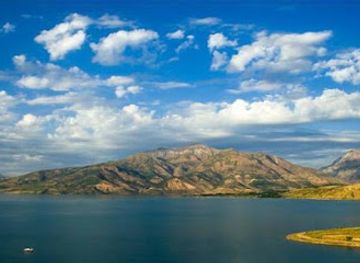
The most recognisable landmark landscape of Jizzakh Region is formed by the mountains around Zaamin, where dark juniper slopes and high valleys create a strong visual contrast with the flat agricultural plain. Zaamin National Park is significant not only as scenery but also as a protected mountain environment and a long-established recreation area. The Turkestan and Malguzar ranges provide the region's geographic framework, shaping roads, settlement and historic movement between the central Uzbek oases. Jizzakh city itself is associated with the remains and memory of a fortified settlement whose position helped control routes between Tashkent and Samarkand, although the modern city has been extensively rebuilt. In northern Jizzakh, the shores and open water of the Aydar-Arnasay lake system provide a natural landmark within a dry continental setting, with broad skies and wetland habitats contrasting sharply with the surrounding steppe. The region's most important landmarks are therefore dispersed: mountain forests, passes, lakes and the strategic urban corridor matter as much as individual monuments.
-
Rest stop
Zaamin Sanatorium
Experience tranquility and wellness at Zaamin Sanatorium, a serene health retreat in the heart of Uzbekistan's Jizzakh Region.
-
River
Zeravshan River
Discover the breathtaking Zeravshan River in Central Asia, where stunning landscapes meet rich cultural history for an unforgettable travel experience.
-
Lake
Aydar Lake
Discover the tranquil beauty of Aydar Lake in Uzbekistan, a perfect escape for nature lovers and adventure seekers alike.
-
Train station
Jizzakh
Explore Jizzakh Train Station, a cultural hub and gateway to the stunning landscapes and rich history of Uzbekistan.



Explore Jizzakh Region on the map
Plan your trip on one map. See where the top cities, national parks and sights are, and book hotels and experiences in a few clicks.
Best hotels in Jizzakh Region
Best restaurants in Jizzakh Region
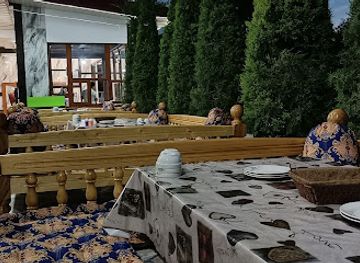
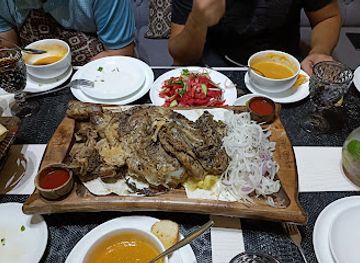
Dining in Jizzakh Region follows the Uzbek culinary tradition while reflecting the produce of irrigated plains, orchards and mountain settlements. Plov, lagman, shashlik, samsa, soups and freshly baked non are widely available in Jizzakh city and along major roads, with variations according to the cook and locality rather than a single dish identified exclusively with the region. Mountain districts add a rural setting for meals featuring meat, dairy products, herbs, fruit and seasonal vegetables. Zaamin and other resort areas have cafés, sanatorium dining rooms and guesthouse kitchens, while smaller villages may offer little formal choice beyond simple local meals. Markets are valuable for melons, grapes, apricots, apples and other seasonal produce, especially around agricultural districts. Tea is central to hospitality, and visitors may also encounter fermented dairy drinks or locally prepared preserves. In remote areas, carrying snacks and water is sensible, since restaurants and predictable opening arrangements become less common away from the main roads.
-
Restaurant
*ISLOMJON* чойхонаси
Experience authentic Uzbek cuisine at ISLOMJON Choykhonasi in Jizzakh – where tradition meets flavor.
-
Restaurant
"VERSAL"
Experience authentic Uzbek cuisine at Versal in Jizzakh—where tradition meets flavor in every dish.
-
Family-friendly
Great Garden
Explore Great Garden in Jizzakh: A family-friendly oasis offering stunning landscapes and delightful activities amidst nature's tranquility.
-
Restaurant
Shedevr
Experience the authentic flavors of Uzbekistan at Shedevr - where tradition meets modern culinary art in Jizzakh.


Best bars in Jizzakh Region
Jizzakh Region has a restrained evening scene rather than a large club culture. In Jizzakh city, evenings generally centre on cafés, family restaurants, tea houses and hotel venues, with some restaurants offering music or late dining. Traditional tea houses are social places for conversation and meals, although their atmosphere is different from a bar or nightclub. In Zaamin and other resort districts, evening activity is shaped by guesthouses, sanatoriums, restaurants and walks in the cooler air, with limited late-night entertainment. Alcohol is available in some licensed restaurants and hotels, but it is not necessary for participating in local social life, and options can be scarce in rural areas. Visitors should not assume that mountain resorts operate late into the night; arrangements vary by season and accommodation. For a broader choice of organised nightlife, travellers generally need to continue to larger Uzbek cities outside the region.
-
Lake
Aydar Lake
Discover the tranquil beauty of Aydar Lake, Uzbekistan's serene oasis perfect for relaxation, adventure, and stunning sunsets.
-
Restaurant
*ISLOMJON* чойхонаси
Experience authentic Uzbek cuisine at *ISLOMJON* Чойхонаси in Jizzakh, where every dish tells a story of rich cultural heritage.
-
Bar
PALLAZO BAR
Experience the vibrant nightlife at Pallazo Bar in Samarqand, where traditional flavors meet modern ambiance, perfect for unwinding after a day of exploration.
-
Beer hall
Oduvanchik
Discover Oduvanchik, a lively beer hall in Jizzakh offering a fantastic selection of local brews and authentic Uzbek cuisine.


Best nightclubs in Jizzakh Region
Jizzakh Region has a restrained evening scene rather than a large club culture. In Jizzakh city, evenings generally centre on cafés, family restaurants, tea houses and hotel venues, with some restaurants offering music or late dining. Traditional tea houses are social places for conversation and meals, although their atmosphere is different from a bar or nightclub. In Zaamin and other resort districts, evening activity is shaped by guesthouses, sanatoriums, restaurants and walks in the cooler air, with limited late-night entertainment. Alcohol is available in some licensed restaurants and hotels, but it is not necessary for participating in local social life, and options can be scarce in rural areas. Visitors should not assume that mountain resorts operate late into the night; arrangements vary by season and accommodation. For a broader choice of organised nightlife, travellers generally need to continue to larger Uzbek cities outside the region.
-
Night club
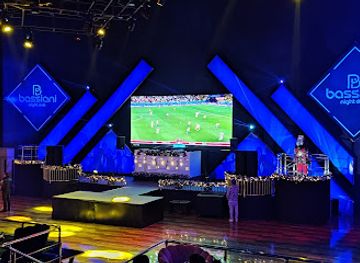
Bassiani night club
Experience the vibrant nightlife of Samarkand at Bassiani Night Club, where electrifying beats meet an unforgettable atmosphere.
-
Night club
Gallaorol
Experience the vibrant nightlife of Jizzakh at Gallaorol, where the beat never stops and unforgettable memories await.
-
Lounge
Illuzion Shisha Lounge Bar
Discover the vibrant atmosphere of Illuzion Shisha Lounge Bar, where flavors, music, and relaxation blend seamlessly in Jizzakh.
-
Pool billard club
Prince Club
Experience the lively atmosphere at Prince Club, where billiards, camaraderie, and local culture come together in Jizzakh, Uzbekistan.


Best shops in Jizzakh Region
Shopping in Jizzakh is practical and locally oriented, with bazaars and high-street businesses supplying everyday goods, clothing, household items, bread, fruit and regional produce. Markets are the best places to see the seasonal economy of the plains, including melons, grapes, apricots, apples, nuts, dried fruit and preserves, while mountain districts may offer honey, dairy products and other small-scale produce when available. Jizzakh city provides a wider choice of supermarkets, pharmacies and ordinary retail shops than the rural districts. Around Zaamin, shopping is more limited and tends to focus on food, basic supplies and modest souvenirs rather than specialist craft retail. Visitors may find embroidered textiles, ceramics or carved items associated with wider Uzbek craft traditions, but should check provenance rather than assuming every product is locally made. Bargaining can be acceptable in markets, while fixed-price shops and supermarkets generally do not expect it. Packaged regional foods are easier to transport than fresh produce, which may be subject to border and airline restrictions.
-
Lake
Aydar Lake
Discover the tranquility and natural beauty of Aydar Lake, a remarkable oasis in Uzbekistan perfect for relaxation and outdoor adventures.
-
Supermarket
ZOMIN BARAKA SAVDO MARKAZI
Explore Zomin Baraka Savdo Markazi, a vibrant supermarket in Uzbekistan, offering a taste of local flavors and unique shopping experiences.
-
Clothing store
Into - erkaklar kiyim Dokoni
Discover contemporary men's fashion at Into - Erkaklar Kiyim Dokoni in Jizzakh, where tradition meets modern style for every occasion.
-
Book store
"KITOBLAR OLAMI" Umid
Explore a world of stories at 'KITOBLAR OLAMI' Umid, a top bookstore in Jizzakh, showcasing local and international literature.


Get your free copy of our complete guide to Jizzakh Region, delivered straight to you.
Everything on this page, from attractions and restaurants to essentials and local phrases, in one PDF you can read offline, print or share.
Already have an account? Sign in
Your Jizzakh Region guide is ready.
We'll send it to · Not you? Sign out

Getting your guide ready…
We are putting together a fresh copy of the Jizzakh Region guide. This can take up to a minute.
This can take a few moments. If your browser asks, choose Allow so the download can start. You'll find the guide in your Downloads folder.
Nothing happened? Download it again
Sorry, the guide is taking longer than usual. Please try again in a minute, or get it by email instead.
Jizzakh Region essentials
Currency and Payment
Safety
Emergency Situations
Do's and Don'ts
Local Tips
From Eve
Local phrases worth knowing
You don't need to get them perfect. A few words go a long way, and locals appreciate the effort.
Basics
| English | Local | Say it |
|---|---|---|
| Hello | Salom | [sah-lohm] |
| Goodbye | Xayr | [khayr] |
| Yes | Ha | [hah] |
| No | Yo'q | [yohk] |
| Please/You're welcome | Iltimos | [eel-tee-mohs] |
| Thank you | Rahmat | [rah-maht] |
| Excuse me/Sorry | Kechirasiz | [keh-chee-rah-siz] |
| How are you? | Qalaysiz? | [kah-lah-ee-siz] |
| Fine. And you? | Yaxshi. Sizni? | [yahk-shee. siz-nee] |
| Do you speak English? | Inglizcha bilasizmi? | [een-gleez-chah bee-lah-siz-mee] |
| I don't understand | Men tushunmayapman | [men too-shoon-mah-yahp-mahn] |
Eating & Drinking
| English | Local | Say it |
|---|---|---|
| I'd like to see the menu, please | Menyu bilan tanishmoqchiman, iltimos | [men-yoo bee-lahn tah-neesh-mohk-chee-mahn, eel-tee-mohs] |
| I don't eat meat | Men go'sht yemayman | [men goh-sht yeh-mah-yehn] |
| Cheers! | Salomat bo'ling! | [sah-loh-maht boh-leeng] |
| I would like to pay, please | To'lashni xohlayman, iltimos | [toh-lahsh-nee khoh-lah-yehm, eel-tee-mohs] |
Emergencies
| English | Local | Say it |
|---|---|---|
| Help! | Yardam bering! | [yahr-dahm beh-ring] |
| Go away! | Yiroq bo'l! | [yee-rohk bohl] |
| Call the Police! | Politsiyani chaqiring! | [poh-leet-see-yah-nee chah-kee-ring] |
| Call a doctor! | Doktor chaqiring! | [dok-tor chah-kee-ring] |
| I'm lost | Men yo'qoldim | [men yooh-kohl-deem] |
| I'm ill | Men kasalman | [men kah-sahl-mahn] |
Shopping
| English | Local | Say it |
|---|---|---|
| I'd like to buy... | Men ... sotib olmoqchiman | [men ... soh-teeb ohl-mohk-chee-mahn] |
| I'm just looking | Men faqat qarayapman | [men fah-kaht kah-rah-yahp-mahn] |
| How much is it? | Bu necha turadi? | [boo neh-chah too-rah-dee] |
| That's too expensive | Bu juda qimmat | [boo joo-dah keem-maht] |
| Can you lower the price? | Narxni pasaytira olasizmi? | [nahrkh-nee pah-sah-y-tih-rah oh-lah-siz-mee] |
Time & Numbers
| English | Local | Say it |
|---|---|---|
| What time is it? | Hozir qaysi soat? | [hoh-zeer kai-see soh-aht] |
| It's one o'clock | Bir soat | [beer soh-aht] |
| Half past (10) | O'n bir | [ohn beer] |
| Morning | Tong | [tohn] |
| Afternoon | Kech | [kehch] |
| Evening | Kecha | [keh-chah] |
| Yesterday | Kecha | [keh-chah] |
| Today | Bugun | [boo-goon] |
| Tomorrow | Ertaga | [er-tah-gah] |
| 1 | Bir | [beer] |
| 2 | Ikki | [ee-kee] |
| 3 | Uch | [ooch] |
| 4 | To'rt | [tohrt] |
| 5 | Besh | [besh] |
| 6 | Olti | [ohl-tee] |
| 7 | Yetti | [yeh-tee] |
| 8 | Sakkiz | [sahk-keez] |
| 9 | To'qqiz | [tohk-keez] |
| 10 | O'n | [ohn] |
Transport & Directions
| English | Local | Say it |
|---|---|---|
| Where's a/the...? | Nerada ...? | [neh-rah-dah ...?] |
| What's the address? | Manzil nima? | [mahn-zeel nee-mah] |
| Can you show me (on the map)? | Menga (kartada) ko'rsatishingiz mumkinmi? | [men-gah (kar-tah-dah) koh-rah-sah-tee-shee-nyiz moon-kee-mee] |
| When's the next (bus)? | Keyingi (avtobus) qachon? | [kay-ing-ee (ahv-toh-boos) kah-chohn] |
| A ticket (to ....) | Bir chipta (.... ga) | [beer chee-tah (.... gah)] |
History of Jizzakh Region
Early Sogdian and Ustrushanan Landscapes
The territory of modern Jizzakh Region lay within the shifting cultural zone between Sogdiana, the Syr Darya plain and Ustrushana, a historic Central Asian region extending towards the mountain country of the west. Settled communities farmed irrigated land while mountain and steppe routes connected them with neighbouring oases. Archaeological remains across the wider Jizzakh area point to long-standing patterns of fortified settlement, agriculture and exchange. Rather than belonging to a single uninterrupted state, the region was repeatedly influenced by larger powers controlling the trade and military corridors between Transoxiana and the eastern steppe.
Jizzakh as a Fortified Road Settlement
The name Jizzakh is commonly connected with a Sogdian term meaning a small fort or fortified place, reflecting the settlement's strategic role. Its position between the major centres of Tashkent and Samarkand made it useful for provisioning travellers and protecting routes through the surrounding plains and passes. The town's importance grew within the broader political worlds of early Islamic Transoxiana, the Samanids and later Turkic dynasties. Much of the historic fabric was altered by later rebuilding, but the region's location still explains the prominence of Jizzakh as a regional centre.
Mongol, Timurid and Post-Timurid Rule
Like much of Central Asia, Jizzakh and its surrounding districts experienced major political changes after the Mongol conquests of the thirteenth century. The area later fell within territories influenced by the Chagatai and Timurid traditions, when Samarkand and other Transoxianan cities became major centres of power, scholarship and architecture. Jizzakh was not the principal imperial capital, yet its roads and agricultural settlements formed part of the supporting landscape linking larger cities with frontier zones. Subsequent Uzbek khanates continued to rely on these routes and irrigated districts.
Russian Conquest and the Turkestan Railway
Russian expansion into Central Asia reached Jizzakh in the nineteenth century, during the conquest of the khanates and emirates of the region. The town was taken by Russian forces in 1866 and incorporated into the imperial administration of Turkestan. New military and bureaucratic structures altered local political life, while later railway development strengthened links with Tashkent, Samarkand and the wider imperial economy. The railway and associated roads helped move cotton, grain and people, reinforcing Jizzakh's role as a regional rather than merely local settlement.
The Jizzakh Uprising of 1916
Jizzakh was a major centre of resistance during the 1916 uprising in Russian Central Asia. Opposition was provoked by wartime demands for the conscription of Muslim subjects into labour service, but it also reflected longstanding grievances surrounding colonial administration, land policies and social disruption. The revolt was suppressed with severe consequences for local communities, and the events became an important part of the region's modern historical memory. They also formed part of a much wider upheaval across Central Asia during the final years of the Russian Empire.
Soviet Irrigation, Cotton and Regional Reorganisation
During the Soviet period, Jizzakh's economy was reshaped by planned irrigation, cotton cultivation and the expansion of agricultural settlements across the steppe. New canals and collective farms transformed areas that had previously been used more extensively for grazing or dryland production. Industry, transport and public institutions also expanded, while environmental pressures associated with intensive irrigation affected the wider Syr Darya and Aral Sea basin. Jizzakh Region was established as a separate administrative region in the late Soviet period, reflecting its growing population and economic importance.
Independent Uzbekistan and the Development of Zaamin
Since Uzbekistan became independent in 1991, Jizzakh has remained an important agricultural and transport region while developing its mountain landscapes for domestic recreation and nature-based tourism. Zaamin's forests, sanatoriums and protected areas are among the region's most recognisable visitor assets. The post-Soviet period has also encouraged renewed interest in local history, rural livelihoods and the ecological value of the mountain and steppe zones. Contemporary Jizzakh therefore combines inherited irrigation and railway infrastructure with a growing emphasis on its natural and cultural landscapes.
Jizzakh Region in Photos
Browse through our photo collection highlighting the charm and character of the destination.
Neighbouring regions of Jizzakh Region
The closest regions to Jizzakh Region, if you have time for more than one.
-

-

-
-

-


Swipe for more regions
Explore more
Explore more of Uzbekistan
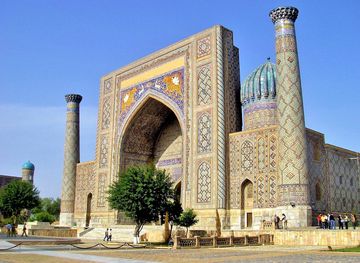
Discover Uzbekistan: A land of ancient cities, vibrant culture, and breathtaking landscapes, where history comes alive along the legendary Silk Road.
Explore Uzbekistan