

Free Tashkent Region Travel Guide & Mobile App
Explore Tashkent Region with free travel guides. Discover regional history, expert tips, proposed trips, and audio guides on web or mobile app.


Explore Tashkent Region for western Tian Shan mountains, Charvak Reservoir, Uzbek villages, vineyards and accessible Silk-Road landscapes.
Read more about Tashkent Region
When is the best time to visit Tashkent Region?
Best: April, September–October · 21–29°C| Month | High (°C) | Rainfall (mm) |
|---|---|---|
| January | 7 | 36 |
| February | 11 | 33 |
| March | 17 | 39 |
| April (best) | 23 | 37 |
| May | 29 | 26 |
| June | 35 | 10 |
| July | 37 | 4 |
| August | 35 | 4 |
| September (best) | 29 | 8 |
| October (best) | 21 | 17 |
| November | 13 | 28 |
| December | 7 | 35 |
Getting to and around Tashkent Region
How to get there
Transportation
Top city travel guides in Tashkent Region
The cities of Tashkent Region, and the easiest places to base yourself.
-

-

-


Swipe for more cities
Destinations in Tashkent Region
Resorts, valleys and scenic spots worth a trip of their own.
-

-


Swipe for more destinations
Best attractions in Tashkent Region
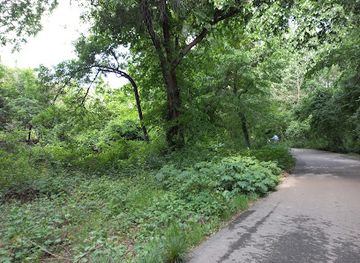
Tashkent Region’s attractions range from mountain recreation to agricultural landscapes and industrial heritage. The Charvak Reservoir and its surrounding valleys are the principal leisure focus, offering seasonal lakeside activities and access towards Chimgan, Beldersay and the Amirsoy mountain-resort area. Within the Ugam-Chatkal National Park, visitors find broad valleys, rocky ridges, alpine scenery and opportunities for walking, riding and winter sports, although routes and facilities vary considerably by location. Parkent and the foothills south-east of the capital provide a more rural experience, with vineyards, orchards and open landscapes shaped by irrigation. The region’s towns add museums, markets and everyday urban life rather than a dense concentration of monumental sights. Angren and Olmaliq are particularly relevant to travellers interested in Soviet planning, mining and metallurgy, while archaeological remains and historic settlements around the Tashkent oasis offer a longer perspective on habitation and trade. The area works best as a collection of contrasting outings, with mountain excursions, village visits, reservoir scenery and regional history requiring different transport arrangements.
-
Chorsu Bazaar
Discover the vibrant Chorsu Bazaar in Tashkent, where history, culture, and culinary delights converge in a bustling marketplace.
-
Amusement park
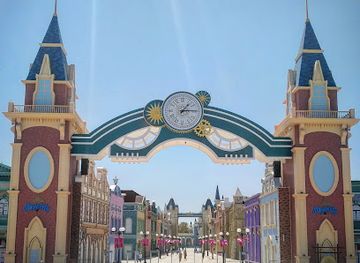
Magic City Park
Experience the joy of Magic City Park, Tashkent's ultimate amusement destination with thrilling rides, stunning gardens, and unforgettable family fun.
-
Park
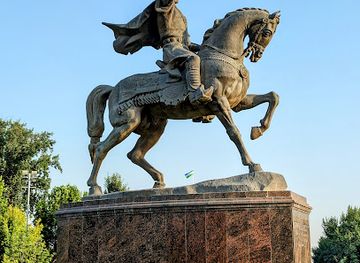
Amir Temur Square
Experience the vibrant history and culture at Amir Temur Square, Tashkent's iconic park featuring stunning monuments and lush gardens.
-
Historical place
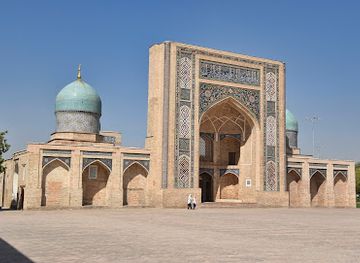
Hazrati Imam complex
Explore the Hazrati Imam Complex, a stunning historical site in Tashkent, showcasing Islamic architecture and rich cultural heritage.

Best landmarks in Tashkent Region
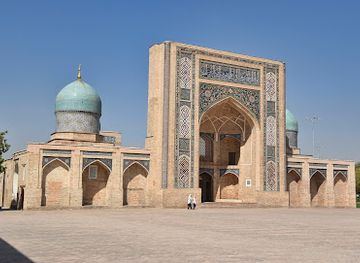
The Charvak Reservoir is Tashkent Region’s most recognisable modern landscape, its broad blue water and enclosing mountain walls forming a dramatic contrast with the dry lowlands. The Ugam-Chatkal National Park provides a wider natural landmark system of valleys, ridges, forests and high slopes rather than one single monument. Chimgan’s mountain mass and the Beldersay valley are prominent visual features, while the Amirsoy resort area represents the region’s contemporary shift towards developed mountain tourism. In the settled districts, the Angren and Olmaliq industrial landscapes are significant reminders of Soviet-era mining and metallurgy, even where individual facilities are not arranged for casual sightseeing. Parkent’s foothills and vineyard country express the agricultural identity of the Tashkent oasis. Archaeological and historic sites around the wider oasis are more dispersed and less monumental than the celebrated city centres of Samarkand or Bukhara, but they matter because they reveal the long relationship between irrigation, settlement and movement across Central Asia. Together, these landmarks show the region as a meeting point of mountain geography, planned industry and cultivated lowland.
-
Park
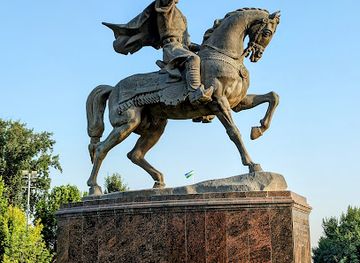
Amir Temur Square
Explore the historic Amir Temur Square in Tashkent, a beautiful park honoring Uzbekistan's national hero, surrounded by culture and modernity.
-
Historical place
Hazrati Imam complex
Explore the Hazrati Imam Complex, a stunning testament to Uzbekistan's rich Islamic heritage and breathtaking architectural beauty.
-
 History museum
State Museum of the Temurids
Explore the State Museum of the Temurids in Tashkent, where the rich history of Uzbekistan and the Timurid dynasty comes alive through captivating exhibits.
-
Botanical garden
Tashkent Botanical Garden
Discover the breathtaking beauty of Tashkent Botanical Garden, a lush sanctuary filled with diverse plant species and tranquil pathways in Uzbekistan.
Explore Tashkent Region on the map
Plan your trip on one map. See where the top cities, national parks and sights are, and book hotels and experiences in a few clicks.
Best hotels in Tashkent Region
Best restaurants in Tashkent Region
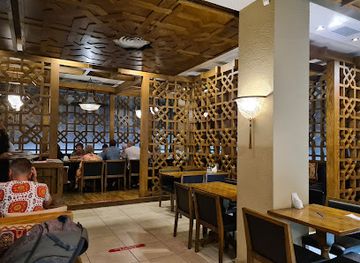
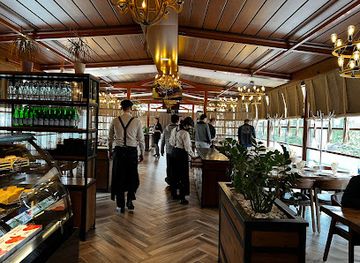
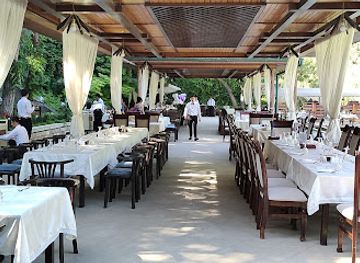
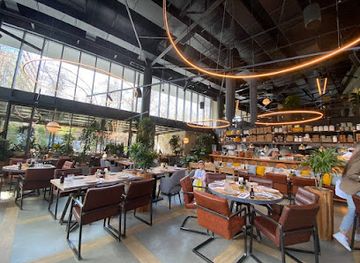
Dining in Tashkent Region is rooted in Uzbek home cooking and the produce of the Tashkent oasis. In towns, look for plov, lagman, manti, somsa, shashlik and soups, usually accompanied by non bread, fresh herbs, tomatoes and other seasonal salads. Mountain and roadside restaurants often concentrate on grilled meat, kebabs, bread, tea and simple dishes suited to day visitors, while dairies and farms in the foothill districts contribute fresh milk products and seasonal fruit. Parkent is associated with vineyards and the agricultural character of the surrounding countryside, although regional wine and other drinks should be sampled through established, lawful venues. Markets are useful for bread, dried fruit, nuts and produce rather than for polished dining. In resort areas, menus can be more visitor-oriented and prices may vary by season; in villages, choice may be limited but meals can reflect local household traditions. Uzbek meals are often shared, and portions are commonly designed for a group rather than one diner.
-
Restaurant
Afsona
Discover authentic Uzbek flavors at Afsona, Tashkent's premier destination for exquisite dining experiences.
-
Meat
Qanotchi
Discover the best meat dishes in Tashkent at Qanotchi - where culinary excellence meets warm hospitality.
-
Family-friendly
Sharshara
Experience the best of Uzbek cuisine at Sharshara - where families gather for unforgettable meals in Tashkent.
-
Italian
Syrovarnya
Discover authentic Italian cuisine at Syrovarnya in Tashkent - where delightful flavors meet warm hospitality.
Best bars in Tashkent Region
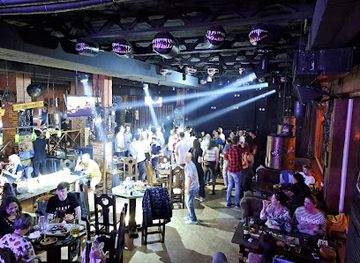
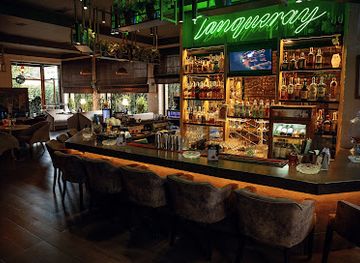
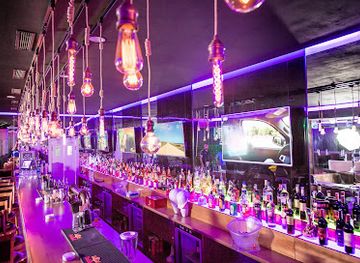
Nightlife in Tashkent Region is generally modest and concentrated in larger towns, mountain resorts and accommodation complexes rather than organised around a major club district. In places such as Chirchiq, Angren and Olmaliq, evening social life is more likely to involve cafés, teahouses, restaurants and occasional live entertainment than late-night dancing. Around Charvak, Chimgan and Amirsoy, resort restaurants and lounges provide seasonal evening options, but opening arrangements and entertainment can change. Parkent and the rural districts are quieter, with evenings centred on family gatherings, local cafés and meals rather than bars. Travellers seeking a broad choice of nightclubs, concerts and late venues will generally find it in Tashkent city, which lies outside the region and serves as its main urban gateway. Alcohol is available in appropriate licensed settings, but it is not necessary for engaging with local evening culture; respectful behaviour is especially important in villages and near religious sites.
-
Bar
Steam Bar
Experience the enchanting medieval charm of Steam Bar in Tashkent, a unique bar blending history with modern nightlife.
-
Irish pub
The Irish Pub & Restaurant
Discover The Irish Pub & Restaurant in Tashkent, where authentic Irish cuisine meets a lively atmosphere for an unforgettable dining experience.
-
Bar
Жигули бар
Discover the vibrant Жигули бар in Tashkent, where delicious cuisine, refreshing drinks, and a lively atmosphere await you.
-
Wine bar
Silk 96 Wine&Lounge
Discover the exquisite charm of Silk 96 Wine&Lounge in Tashkent, a haven for wine lovers featuring an extensive selection and gourmet pairings.


Best nightclubs in Tashkent Region
Nightlife in Tashkent Region is generally modest and concentrated in larger towns, mountain resorts and accommodation complexes rather than organised around a major club district. In places such as Chirchiq, Angren and Olmaliq, evening social life is more likely to involve cafés, teahouses, restaurants and occasional live entertainment than late-night dancing. Around Charvak, Chimgan and Amirsoy, resort restaurants and lounges provide seasonal evening options, but opening arrangements and entertainment can change. Parkent and the rural districts are quieter, with evenings centred on family gatherings, local cafés and meals rather than bars. Travellers seeking a broad choice of nightclubs, concerts and late venues will generally find it in Tashkent city, which lies outside the region and serves as its main urban gateway. Alcohol is available in appropriate licensed settings, but it is not necessary for engaging with local evening culture; respectful behaviour is especially important in villages and near religious sites.
-
Bar
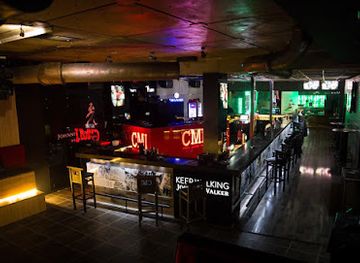
CMI bar
Discover Tashkent's nightlife at CMI Bar, offering exquisite cocktails and a vibrant atmosphere for an unforgettable experience.
-
Night club
The Time Bar
Discover the pulsating nightlife of Tashkent at The Time Bar, a vibrant night club featuring top DJs and an electrifying atmosphere.
-
Night club
Make Some Noise - Karaoke Club
Experience the electrifying atmosphere at Make Some Noise - Karaoke Club in Tashkent, where every night is a celebration of music and fun.
-
Hotel
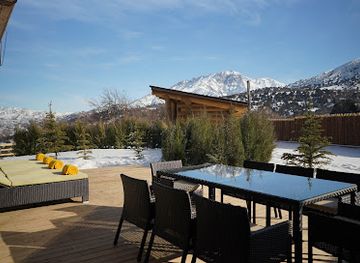
Le Chalet by Amirsoy
Discover the perfect blend of luxury and adventure at Le Chalet by Amirsoy in the breathtaking Chimgan Territory, Uzbekistan.

Best shops in Tashkent Region
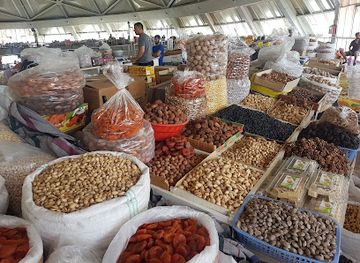
Shopping in Tashkent Region is primarily local and practical, with market towns and bazaars offering fruit, vegetables, bread, dried produce, nuts, spices, household goods and inexpensive clothing. Larger urban centres such as Chirchiq, Angren and Olmaliq provide ordinary high-street retail, while mountain resorts focus on food, outdoor necessities and seasonal visitor goods rather than specialist shopping. Parkent is a useful place to look for agricultural products and regional foodstuffs associated with the surrounding vineyards and orchards, subject to local availability. Travellers may also find Uzbek textiles, embroidered items, ceramics and small handicrafts, although the selection is generally less extensive than in dedicated markets in Tashkent city or the country’s major historic centres. Bargaining can be customary in open markets but is not appropriate everywhere; observe local practice and agree prices before using informal services. When buying food or handmade products, choose clean, clearly labelled goods and keep fragile items protected during road journeys.
-
Historical market square
Chorsu Bazaar
Explore Chorsu Bazaar in Tashkent, a historical market square filled with vibrant culture, delicious food, and unique local crafts.
-
Shopping mall
NEXT
Experience the best of shopping and dining at NEXT, Tashkent's premier destination for modern retail therapy and entertainment.
-
Shopping mall
Megaplanet
Experience the best of shopping and entertainment at Megaplanet, Tashkent's vibrant mall and amusement center.
-
Market
Alay Bazaar
Experience the vibrant culture and flavors of Tashkent at Alay Bazaar, Uzbekistan's premier market for fresh produce and local crafts.

Get your free copy of our complete guide to Tashkent Region, delivered straight to you.
Everything on this page, from attractions and restaurants to essentials and local phrases, in one PDF you can read offline, print or share.
Already have an account? Sign in
Your Tashkent Region guide is ready.
We'll send it to · Not you? Sign out

Getting your guide ready…
We are putting together a fresh copy of the Tashkent Region guide. This can take up to a minute.
This can take a few moments. If your browser asks, choose Allow so the download can start. You'll find the guide in your Downloads folder.
Nothing happened? Download it again
Sorry, the guide is taking longer than usual. Please try again in a minute, or get it by email instead.
Tashkent Region essentials
Currency and Payment
Safety
Emergency Situations
Do's and Don'ts
Local Tips
From Eve
Local phrases worth knowing
You don't need to get them perfect. A few words go a long way, and locals appreciate the effort.
Basics
| English | Local | Say it |
|---|---|---|
| Hello | Салом | [Salom] |
| Goodbye | Хайр | [Xayr] |
| Yes | Ҳа | [Ha] |
| No | Йўқ | [Yuq] |
| Please/You're welcome | Илтимос/Ҳуш келдингиз | [Iltimos/Xush keldingiz] |
| Thank you | Раҳмат | [Rahmat] |
| Excuse me/Sorry | Кечиринг/Кечирасиз | [Kechiring/Kechirasiz] |
| How are you? | Сиз қандайсиз? | [Siz qanday siz?] |
| Fine. And you? | Яхши. Сиз呢? | [Yaxshi. Siz ne?] |
| Do you speak English? | Сиз инглизча гапирасизми? | [Siz inglizcha gapirasizmi?] |
| I don't understand | Мен тушунмаяпман | [Men tushunmayapman] |
Eating & Drinking
| English | Local | Say it |
|---|---|---|
| I'd like to see the menu, please | Менюни кўрмоқчиман, илтимос | [Menyuni ko'rmoqchiman, iltimos] |
| I don't eat meat | Мен гўшт емайман | [Men go'sht emayman] |
| Cheers! | Саломат бўлинг! | [Salomat bo'ling!] |
| I would like to pay, please | Мен тўламоқчиман, илтимос | [Men to'lamoqchiman, iltimos] |
Emergencies
| English | Local | Say it |
|---|---|---|
| Help! | Ёрдам беринг! | [Yordam bering!] |
| Go away! | Кетинг! | [Keting!] |
| Call the Police! | Полицияни чақиринг! | [Politsiyani chaqiring!] |
| Call a doctor! | Докторни чақиринг! | [Doktorni chaqiring!] |
| I'm lost | Мен йўқолдим | [Men yo'qoldim] |
| I'm ill | Мен касалман | [Men kasalman] |
Shopping
| English | Local | Say it |
|---|---|---|
| I'd like to buy... | Мен ... сотиб олмоқчиман | [Men ... sotib olmoqchiman] |
| I'm just looking | Мен фақат кўряпман | [Men faqat ko'rayapman] |
| How much is it? | Нима учун бу? | [Nima uchun bu?] |
| That's too expensive | Бу жуда қиммат | [Bu juda qimmat] |
| Can you lower the price? | Нарҳни туширасизми? | [Narhni tushirasizmi?] |
Time & Numbers
| English | Local | Say it |
|---|---|---|
| What time is it? | Саат неча? | [Saat necha?] |
| It's one o'clock | Бир соат | [Bir soat] |
| Half past (10) | Ондан ярим | [Ondan yarim] |
| Morning | Эртала | [Ertalab] |
| Afternoon | Кундуз | [Kunduz] |
| Evening | Кеча | [Kechasi] |
| Yesterday | Кеча | [Kechasi] |
| Today | Бугун | [Bugun] |
| Tomorrow | Эртага | [Ertaga] |
| 1 | 1 | [Bir] |
| 2 | 2 | [Ikki] |
| 3 | 3 | [Uch] |
| 4 | 4 | [To'rt] |
| 5 | 5 | [Besh] |
| 6 | 6 | [Olti] |
| 7 | 7 | [Yetti] |
| 8 | 8 | [Sakkiz] |
| 9 | 9 | [To'qqiz] |
| 10 | 10 | [O'n] |
Transport & Directions
| English | Local | Say it |
|---|---|---|
| Where's a/the...? | Бир ... қаерда? | [Bir ... qayerda?] |
| What's the address? | Манзил нима? | [Manzil nima?] |
| Can you show me (on the map)? | Мени кўрсатасизми (харитада)? | [Meni ko'rsatasizmi (xaritada)?] |
| When's the next (bus)? | Келгуси (автобус) қачон? | [Kelgusi (avtobus) qachon?] |
| A ticket (to ....) | Бир билет (.... га) | [Bir bilet (.... ga)] |
History of Tashkent Region
The Tashkent Oasis and Early Settlement
The region developed around the fertile Tashkent oasis, where irrigation supported farming and permanent settlement between the steppe and the western Tian Shan. Archaeological remains across the wider oasis reflect long sequences of settlement, craft production and exchange. The Chirchiq and other river systems helped sustain agriculture, while mountain passes connected the oasis with the Ferghana Valley, the steppe and routes farther west. Although many early sites are less familiar to international visitors than the monuments of Samarkand or Bukhara, this agricultural and strategic setting explains the region’s enduring importance.
Silk-Road Connections and Medieval Tashkent
From antiquity through the medieval period, the Tashkent oasis occupied a position on routes linking Central Asian towns with China, the Ferghana Valley and the Eurasian steppe. The settlement historically known as Chach or Shash became a centre of trade, agriculture and Islamic culture. Merchants, craftsmen and religious scholars travelled through the oasis, while the surrounding mountains supplied routes towards eastern Central Asia. Medieval political control shifted between regional powers, but the combination of irrigated land, communications and access to mountain corridors kept the area economically significant.
Turco-Mongol and Uzbek Political Rule
The Tashkent oasis experienced the political changes that shaped much of Central Asia after the Mongol conquests, followed by periods under Chagatai, Timurid and later Uzbek rulers. From the sixteenth century, the area became connected with the Shaybanid and subsequent regional political traditions. Control of Tashkent was contested because the oasis linked settled agricultural lands with the steppe and the routes towards the Ferghana Valley. The surviving urban and religious traditions of the wider area reflect these centuries of interaction rather than a single uninterrupted dynasty.
Russian Conquest and Imperial Transformation
Russian forces captured Tashkent in 1865, and the oasis was incorporated into the expanding Russian imperial administration. New military, bureaucratic and commercial structures developed beside established Muslim neighbourhoods and agricultural communities. Railways and improved communications later strengthened the area’s links with the Russian Empire, while cotton production became increasingly important. The imperial period introduced new architecture, institutions and economic pressures, leaving a legacy that can still be read in transport corridors, industrial settlements and the relationship between the capital and its surrounding districts.
Soviet Industry, Irrigation and Urban Growth
During the Soviet period, Tashkent Region became an important centre of agriculture, mining and heavy industry. Industrial development around Angren and Olmaliq was associated with coal, non-ferrous metals and large-scale state planning, while irrigation and cotton cultivation reshaped the rural landscape. The construction of reservoirs and transport infrastructure also changed access to mountain areas and supported the growth of recreation around the Charvak basin. Soviet urbanisation created new towns, housing districts and industrial facilities, many of which remain part of the region’s contemporary character.
Independent Uzbekistan and the Mountain Recreation Economy
Since Uzbekistan became independent in 1991, Tashkent Region has continued to combine agriculture and industry with expanding domestic and international tourism. Mountain resorts, cable-car infrastructure and improved visitor facilities have developed around the Chimgan, Beldersay and Charvak area, while the Ugam-Chatkal landscape has gained greater prominence for nature-based travel. At the same time, towns such as Angren, Olmaliq and Parkent retain economic identities shaped by industry, farming and local enterprise. The region’s modern story is therefore one of diversification rather than a complete break with its Soviet and agricultural past.
Tashkent Region in Photos
Browse through our photo collection highlighting the charm and character of the destination.
Neighbouring regions of Tashkent Region
The closest regions to Tashkent Region, if you have time for more than one.
-

-

-

-

-


Swipe for more regions
Explore more
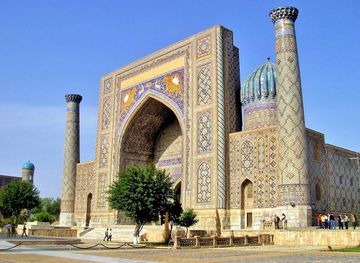
Explore more of Uzbekistan
Discover Uzbekistan: A land of ancient cities, vibrant culture, and breathtaking landscapes, where history comes alive along the legendary Silk Road.
Explore Uzbekistan