

Free Namangan Region Travel Guide & Mobile App
Explore Namangan Region with free travel guides. Discover regional history, expert tips, proposed trips, and audio guides on web or mobile app.


Explore Namangan Region for Fergana Valley archaeology, Chust crafts, orchard landscapes, lively bazaars and the cultural life of eastern Uzbekistan.
Read more about Namangan Region
When is the best time to visit Namangan Region?
Best: May–June, September · 24–30°C| Month | High (°C) | Rainfall (mm) |
|---|---|---|
| January | 2 | 30 |
| February | 5 | 25 |
| March | 11 | 35 |
| April | 19 | 40 |
| May (best) | 24 | 30 |
| June (best) | 30 | 15 |
| July | 32 | 10 |
| August | 31 | 10 |
| September (best) | 26 | 15 |
| October | 18 | 20 |
| November | 10 | 25 |
| December | 3 | 30 |
Getting to and around Namangan Region
How to get there
Transportation
Top city travel guides in Namangan Region
The cities of Namangan Region, and the easiest places to base yourself.
-
-

-


Swipe for more cities
Best attractions in Namangan Region
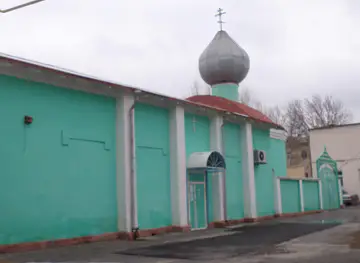
Namangan Region’s attractions combine living urban culture with archaeological, craft and landscape experiences. In Namangan city, visitors can explore mosques, religious architecture, parks, bazaars and museums, while the annual Flower Festival brings a seasonal emphasis to the city’s horticultural identity when it is held. Aksikent, near To‘raqo‘rg‘on, is the region’s principal archaeological destination: its broad ruins and surviving earthworks convey the scale of an ancient Fergana Valley city, even though it is not a fully reconstructed monument. Chust offers craft-focused visits centred on forged knives and doppi skullcaps, with the opportunity to see how practical objects and clothing preserve regional design traditions. Chortoq is associated with mineral springs, health resorts and a greener foothill setting, making it a contrast to the dense agricultural plain. Orchards, irrigated fields and rural markets provide quieter experiences between the principal towns, while the northern and north-eastern districts lead towards more elevated landscapes. Activities are generally cultural and observational rather than built around large commercial attractions: visitors come for historic settlement, local food, craft workshops, market life and the relationship between valley agriculture and urban communities.
-
Park
Park Bobur
Explore Park Bobur in Namangan, Uzbekistan: a serene park blending lush landscapes, cultural heritage, and vibrant local events.
-
Najdar tepa
Discover the tranquil beauty of Najdar Tepa in Uzbekistan's Namangan Region, where nature meets cultural heritage in a picturesque setting.
-
Tourist attraction
Atraksion
Explore Atraksion in Namangan, a vibrant tourist attraction that showcases the beauty and culture of Uzbekistan amidst stunning architecture and lively activities.
-
Tourist attraction
G‘ova_Nuri dam olish maskani
Explore the natural beauty and serene atmosphere of G‘ova Nuri Recreation Area, a hidden gem in Uzbekistan's Namangan Region.



Best landmarks in Namangan Region
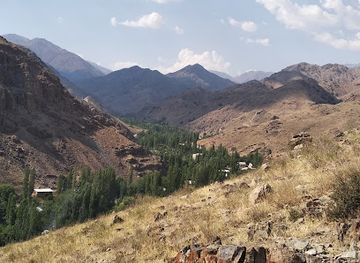
The defining historic landmark of Namangan Region is the archaeological site of Aksikent, or Akhsikath, near To‘raqo‘rg‘on. Its raised ruins and traces of fortification mark the location of an important ancient and medieval city that anchored political, agricultural and commercial life in the Fergana Valley. In Namangan city, religious buildings, domes, courtyards and public spaces express the architectural continuity of an Uzbek urban centre shaped by Islamic institutions, Soviet planning and post-independence development. Chust’s workshops and specialist craft traditions form a cultural landmark of a different kind: its knives and doppi skullcaps are recognisable regional products rather than monumental buildings, but they carry strong local significance. Chortoq’s spring landscape and resort buildings reflect the modern history of health tourism and leisure in the valley. Across the region, the most characteristic geographical landmarks are not isolated peaks or dramatic gorges but the irrigated plain itself, with orchards, gardens, canals and densely settled towns gradually giving way to the foothills. Together, these places show how Namangan’s identity has been shaped by water, craft, faith, trade and settlement.
-
Park
Afsonalar vodiysi, Namangan
Explore the serene beauty and rich cultural heritage of Afsonalar Vodiysi, a hidden gem in Namangan, Uzbekistan, perfect for nature lovers and adventurers alike.
-
Park
Park Bobur
Explore the serene beauty of Park Bobur in Namangan, Uzbekistan, a perfect destination for relaxation and enjoying nature's charm.
-
International airport
Namangan
Explore the charm of Uzbekistan starting from Namangan International Airport, your gateway to natural beauty and rich cultural heritage.
-
Mosque
Afsonalar vodiysi masjid
Explore the serene Afsonalar Vodiysi Masjid, a cultural gem in Namangan, Uzbekistan, showcasing stunning architecture and a vibrant community spirit.


Explore Namangan Region on the map
Plan your trip on one map. See where the top cities, national parks and sights are, and book hotels and experiences in a few clicks.
Best hotels in Namangan Region
Best restaurants in Namangan Region
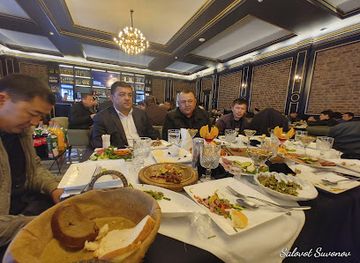
Dining in Namangan Region reflects the food culture of the wider Fergana Valley while making especially good use of local horticulture. Namangan’s bazaars and neighbourhood cafés offer plov, lagman, manti, shashlik, somsa, soups and freshly baked non, with seasonal fruit, herbs, vegetables, grapes, melons, nuts and dried produce prominent in the markets. Chust and the smaller towns have modest eateries and teahouses where meals are often direct, filling and designed for local daily life rather than formal presentation. Family celebrations and larger gatherings may feature elaborate rice dishes and generous spreads, while roadside establishments commonly specialise in grilled meat, bread and tea. Visitors should distinguish between Uzbek dishes served throughout the country and the regional emphasis on fertile valley produce, orchard fruit and market freshness. In Namangan, modern cafés and restaurants provide broader choices, but smaller establishments can offer a more immediate sense of local eating habits. Alcohol availability varies by venue, and tea remains an important accompaniment to conversation and meals.
-
Restaurant
Flamingo
Experience the vibrant flavors of Uzbekistan at Flamingo in Namangan—where every dish tells a story.
-
Restaurant
Sayohat oshxonasi
Discover authentic Uzbek cuisine at Sayohat Oshxonasi in Namangan - a true culinary experience awaits every traveler.
-
Turkish
GAVHAR restoran
Experience the best of Turkish cuisine at GAVHAR Restoran in Namangan—where tradition meets taste in every dish.
-
Family-friendly
Emirate restaurant
Discover authentic Uzbek cuisine at Emirate Restaurant, a family-friendly dining gem in Namangan Region offering delicious meals for all ages.


Best bars in Namangan Region
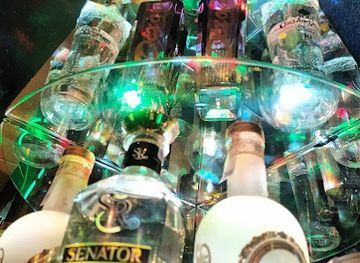
Evening life in Namangan Region is generally centred on cafés, restaurants, teahouses, family gatherings and traditional or modern venues in Namangan city rather than on a large nightclub circuit. Visitors will find the broadest choice of late dining and contemporary entertainment in the regional capital, while Chust, Chortoq and smaller towns tend to become quiet earlier. Tea, conversation and shared meals are more characteristic of everyday socialising than bar-hopping, and alcohol is not necessary for participating in local evening life. Some hotels and higher-end restaurants may serve alcoholic drinks, but availability and licensing vary. Seasonal public celebrations, including cultural events in Namangan, can create livelier evenings, although programmes and venues change. In rural districts, plan transport back to accommodation in advance, since taxis and shared cars may be less readily available later at night.
-
Bar
Sadoqat Oshxonasi
Discover the vibrant flavors and warm hospitality of Uzbekistan at Sadoqat Oshxonasi, a perfect bar for tourists in Namangan Region.
-
Restaurant
RESTAURANT FABRIKA
Experience authentic Uzbek cuisine at Restaurant Fabrika in Chust, where traditional flavors meet a cozy atmosphere for an unforgettable meal.
-
Grill
Grill
Experience the authentic taste of Uzbekistan at the Grill in Pop, where exquisite grilling meets local flavors for an unforgettable dining adventure.
-
Restaurant
Amac Hookah Place
Discover the essence of Namangan at Amac Hookah Place, where traditional flavors and a relaxing atmosphere come together in perfect harmony.


Best nightclubs in Namangan Region
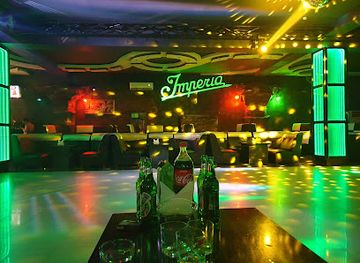
Evening life in Namangan Region is generally centred on cafés, restaurants, teahouses, family gatherings and traditional or modern venues in Namangan city rather than on a large nightclub circuit. Visitors will find the broadest choice of late dining and contemporary entertainment in the regional capital, while Chust, Chortoq and smaller towns tend to become quiet earlier. Tea, conversation and shared meals are more characteristic of everyday socialising than bar-hopping, and alcohol is not necessary for participating in local evening life. Some hotels and higher-end restaurants may serve alcoholic drinks, but availability and licensing vary. Seasonal public celebrations, including cultural events in Namangan, can create livelier evenings, although programmes and venues change. In rural districts, plan transport back to accommodation in advance, since taxis and shared cars may be less readily available later at night.
-
Night club
Sirius
Discover the vibrant nightlife at Sirius, Namangan's premier night club where music, dance, and culture come together.
-
 Night club
AURA RESTAURANT
Experience the vibrant nightlife of Namangan at AURA RESTAURANT, where music and dance create unforgettable memories.
-
Night club
Vulkan Chust club
Experience the vibrant nightlife at Vulkan Chust Club, the top destination for an exhilarating night out in Chust, Uzbekistan.
-
Night club
giovanni club
Discover the pulsating nightlife of Turakurgon at Giovanni Club, a vibrant night club offering music, dancing, and a lively atmosphere.

Best shops in Namangan Region
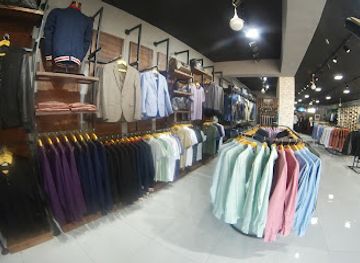
Namangan Region is particularly rewarding for practical, locally made souvenirs rather than generic luxury shopping. Chust is the leading destination for its traditional forged knives, often sold alongside sheaths and other metalwork, and for doppi skullcaps with their distinctive embroidered patterns. Buy from established shops or workshops, ask about carrying knives across borders and check airline and customs rules before departure. Namangan’s bazaars are suited to browsing household goods, textiles, ceramics, spices, nuts, dried fruit, bread and the region’s abundant seasonal produce. Independent shops in the city offer clothing, footwear and everyday Uzbek goods, while smaller market towns provide a more local and less curated shopping experience. Look for embroidered textiles and useful kitchenware, but confirm whether an item is genuinely made in the region rather than simply marketed as Uzbek. Prices may be negotiable in bazaars, whereas fixed-price stores and modern shopping premises generally follow standard retail practice.
-
Grocery store
Milliy savdo markazi
Discover the vibrant local culture and flavors at Milliy Savdo Markazi, Namangan's bustling grocery store with fresh produce and unique finds.
-
Shopping mall
G'irvon Savdo Kompleksi moy ️
Discover the vibrant shopping scene at G'irvon Savdo Kompleksi in Namangan, Uzbekistan, where culture meets commerce.
-
Shopping mall
NUR QANDILLARI
Explore NUR QANDILLARI in Namangan, a vibrant shopping mall blending local culture with modern retail experiences for every visitor.
-
Shopping mall
RICHMAN Namangan
Explore RICHMAN Namangan, a vibrant shopping mall in Uzbekistan offering a unique blend of shopping, dining, and entertainment experiences.


Get your free copy of our complete guide to Namangan Region, delivered straight to you.
Everything on this page, from attractions and restaurants to essentials and local phrases, in one PDF you can read offline, print or share.
Already have an account? Sign in
Your Namangan Region guide is ready.
We'll send it to · Not you? Sign out

Getting your guide ready…
We are putting together a fresh copy of the Namangan Region guide. This can take up to a minute.
This can take a few moments. If your browser asks, choose Allow so the download can start. You'll find the guide in your Downloads folder.
Nothing happened? Download it again
Sorry, the guide is taking longer than usual. Please try again in a minute, or get it by email instead.
Namangan Region essentials
Currency and Payment
Safety
Emergency Situations
Do's and Don'ts
Local Tips
From Eve
Local phrases worth knowing
You don't need to get them perfect. A few words go a long way, and locals appreciate the effort.
Basics
| English | Local | Say it |
|---|---|---|
| Hello | Салом | [Salom] |
| Goodbye | Хайр | [Xayr] |
| Yes | Ҳа | [Ha] |
| No | Йўқ | [Yo'q] |
| Please/You're welcome | Илтимос | [Iltimos] |
| Thank you | Раҳмат | [Rahmat] |
| Excuse me/Sorry | Кечиринг | [Kechiring] |
| How are you? | Қандайсиз? | [Qandaysiz?] |
| Fine. And you? | Яхши. Сиз呢? | [Yaxshi. Siz ne?] |
| Do you speak English? | Сиз инглизча гапиришасизми? | [Siz inglizcha gapirishingizmi?] |
| I don't understand | Мен тушунмайман | [Men tushunmayman] |
Eating & Drinking
| English | Local | Say it |
|---|---|---|
| I'd like to see the menu, please | Менюни кўрмоқчиман, илтимос | [Menyuni ko'rmoqchiman, iltimos] |
| I don't eat meat | Мен гўшт ёймайман | [Men go'sht yemayman] |
| Cheers! | Саломат бўлинг! | [Salomat bo'ling!] |
| I would like to pay, please | Тўлашни хохлайман, илтимос | [Tölashni xohlayman, iltimos] |
Emergencies
| English | Local | Say it |
|---|---|---|
| Help! | Ёрдам берасиз! | [Yordam berasiz!] |
| Go away! | Кетинг! | [Keting!] |
| Call the Police! | Полицияни чақиринг! | [Politsiyani chaqiring!] |
| Call a doctor! | Шифокорни чақиринг! | [Shifokorni chaqiring!] |
| I'm lost | Мен йўқолдим | [Men yo'qoldim] |
| I'm ill | Мен касалман | [Men kasalman] |
Shopping
| English | Local | Say it |
|---|---|---|
| I'd like to buy... | Мен ... сотиб олишни хохлайман | [Men ... sotib olishni xohlayman] |
| I'm just looking | Мен фақат қараяпман | [Men faqat qarayapman] |
| How much is it? | Бу қанча? | [Bu qancha?] |
| That's too expensive | Бу жуда қиммат | [Bu juda qimmat] |
| Can you lower the price? | Нарҳни пасайтирсингизми? | [Narxni pasaytirishingizmi?] |
Time & Numbers
| English | Local | Say it |
|---|---|---|
| What time is it? | Ҳозир қанча? | [Hozir qancha?] |
| It's one o'clock | Бир соат | [Bir soat] |
| Half past (10) | (10) ярим | [(10) yarim] |
| Morning | Эртала | [Ertala] |
| Afternoon | Кундуз | [Kunduz] |
| Evening | Кеча | [Kechа] |
| Yesterday | Кеча | [Kechа] |
| Today | Бугун | [Bugun] |
| Tomorrow | Эртага | [Ertaga] |
| 1 | 1 | [1] |
| 2 | 2 | [2] |
| 3 | 3 | [3] |
| 4 | 4 | [4] |
| 5 | 5 | [5] |
| 6 | 6 | [6] |
| 7 | 7 | [7] |
| 8 | 8 | [8] |
| 9 | 9 | [9] |
| 10 | 10 | [10] |
Transport & Directions
| English | Local | Say it |
|---|---|---|
| Where's a/the...? | Нима жойда...? | [Nima joyda...?] |
| What's the address? | Манзилингиз нима? | [Manzilingiz nima?] |
| Can you show me (on the map)? | Мени (харитада) кўрсата оласизми? | [Meni (haritada) ko'rsata olasizmi?] |
| When's the next (bus)? | Кейинги (автобус) қачон? | [Keyingi (avtobus) qachon?] |
| A ticket (to ....) | Билет (....га) | [Bilet (....ga)] |
History of Namangan Region
Early Settlement in the Fergana Valley
Namangan Region forms part of the wider Fergana Valley, one of Central Asia’s longstanding centres of settled agriculture and urban life. Irrigation supported communities that cultivated fertile alluvial soils and developed local craft industries well before the Islamic period. The region’s archaeological remains, including those around ancient Aksikent, reflect successive phases of settlement rather than a single continuous political state. Water control, farming and trade created the economic foundations on which later towns and regional powers were built.
Aksikent and Ancient Ferghana
Aksikent, also known as Akhsikath, was an important ancient and medieval city near present-day To‘raqo‘rg‘on. It stood within the network of settlements that made the Ferghana Valley a significant centre of agriculture, commerce and metalworking. Accounts and archaeological evidence indicate a fortified urban settlement with administrative, residential and craft areas. Although much of the city survives as ruins and earthworks, the site remains essential for understanding the region’s pre-modern urban history and its links with wider Central Asian trade routes.
Islamic and Medieval Urban Development
From the early Islamic period onwards, the Fergana Valley became part of successive regional states and wider political worlds connected to Transoxiana. Towns such as Aksikent prospered through farming, craft production and commerce, while mosques, religious schools and marketplaces shaped urban society. The valley’s political allegiance changed repeatedly, but its irrigated settlements retained their importance. Namangan’s later development grew from this broader tradition of densely settled, commercially active valley towns.
The Kokand Khanate and Regional Trade
During the eighteenth and nineteenth centuries, much of the Fergana Valley was governed by the Kokand Khanate. The area around present-day Namangan participated in the khanate’s agricultural economy and trading networks, with cotton, fruit, textiles and handicrafts moving between towns and across the valley. Religious institutions and local elites influenced civic life, while roads and bazaars connected Namangan and Chust with Kokand, Tashkent and other centres. Surviving traditions of craft and market exchange partly reflect this historical period.
Russian Conquest and Cotton Expansion
Russian forces incorporated the Kokand Khanate into the Russian Empire in 1876, after which the Fergana Valley was reorganised within imperial administration. Commercial cotton cultivation expanded, alongside new taxation, transport links and market relationships directed towards the imperial economy. The transformation increased the region’s integration into long-distance trade but also made agriculture more dependent on a cash crop. Namangan and nearby towns developed further as administrative and commercial centres during the late nineteenth and early twentieth centuries.
Soviet Transformation and Modern Namangan
Under Soviet rule, irrigation, collectivised agriculture and cotton production reshaped Namangan Region. Industrial facilities, schools, housing and transport infrastructure expanded, while older religious institutions were restricted before religious life revived after independence. Uzbekistan became independent in 1991, and Namangan Region continued to combine intensive agriculture with manufacturing, trade and service industries. Today, the region’s cultural profile reflects ancient valley settlement, Islamic and Central Asian traditions, Soviet modernisation and a renewed interest in local crafts and heritage.
Namangan Region in Photos
Browse through our photo collection highlighting the charm and character of the destination.
Neighbouring regions of Namangan Region
The closest regions to Namangan Region, if you have time for more than one.
-

-

-

-

-


Swipe for more regions
Explore more
Explore more of Uzbekistan
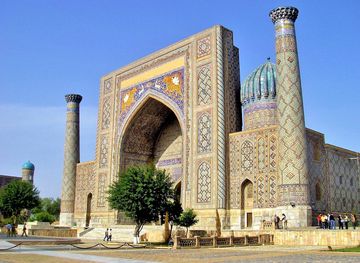
Discover Uzbekistan: A land of ancient cities, vibrant culture, and breathtaking landscapes, where history comes alive along the legendary Silk Road.
Explore Uzbekistan