

Free Efate Travel Guide & Mobile App
Explore Efate with free travel guides. Discover regional history, expert tips, proposed trips, and audio guides on web or mobile app.


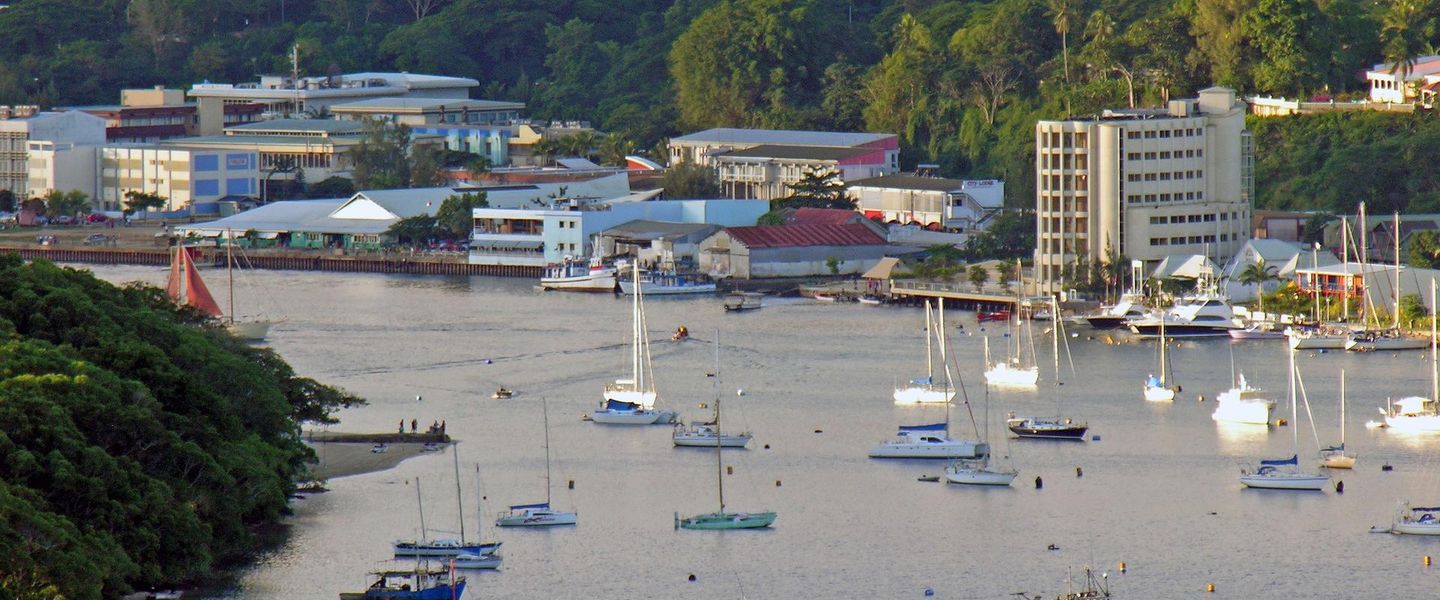


Explore Efate in Vanuatu for Port Vila culture, volcanic waterfalls, reef-fringed beaches, island villages and a scenic coastal road.
Read more about Efate
When is the best time to visit Efate?
Best: June–August · 27°C| Month | High (°C) | Rainfall (mm) |
|---|---|---|
| January | 30 | 240 |
| February | 30 | 220 |
| March | 30 | 200 |
| April | 29 | 170 |
| May | 28 | 150 |
| June (best) | 27 | 140 |
| July (best) | 27 | 130 |
| August (best) | 27 | 130 |
| September | 27 | 140 |
| October | 28 | 160 |
| November | 29 | 190 |
| December | 29 | 210 |
Getting to and around Efate
How to get there
Transportation
Top city travel guides in Efate
The cities of Efate, and the easiest places to base yourself.

Swipe for more cities
Best attractions in Efate
Efate’s attractions combine tropical landscapes with accessible cultural and historical experiences. Around Port Vila, the Vanuatu National Museum and Cultural Centre introduces visitors to the country’s islands, ceremonial traditions, navigation and sand drawings, while local markets and waterfront areas reveal the capital’s everyday rhythm. West of town, the Mele Cascades lead through verdant terrain to a series of freshwater falls and pools, and nearby excursions reach reef environments and small offshore islands. The Blue Lagoon on the eastern coast is known for its clear tidal water and wooded setting, while Eton Beach and other coastal areas offer swimming and snorkelling when conditions are favourable. The island road provides access to villages, plantations, viewpoints, sheltered bays and beaches, although some stops require local permission or an organised guide. Cultural villages and community-led visits can explain kastom, food preparation, dance and customary life without reducing them to a performance detached from local authority. Offshore Lelepa is especially significant for cultural and archaeological landscapes associated with Chief Roi Mata’s Domain, a UNESCO World Heritage site that also includes locations on Efate and other nearby islands; it should be visited through an appropriate local arrangement.
-
Swimming facility
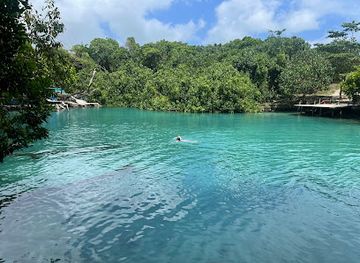
Blue Lagoon
Experience the tranquil beauty of Blue Lagoon in Eton, Vanuatu, a stunning paradise for swimming and relaxation surrounded by nature.
-
Market
Market
Explore the vibrant market of Port Vila, where local produce and crafts come together to showcase the rich culture of Vanuatu.
-
 Resort hotel
Erakor Island Resort
Experience the ultimate tropical escape at Erakor Island Resort in Vanuatu, where relaxation meets adventure in a breathtaking paradise.
-
Zoo
The Reef Vanuatu Zoological
Explore the beauty of Vanuatu's wildlife at The Reef Vanuatu Zoological, a captivating zoo in Eratap showcasing the region's rich biodiversity.


Best landmarks in Efate
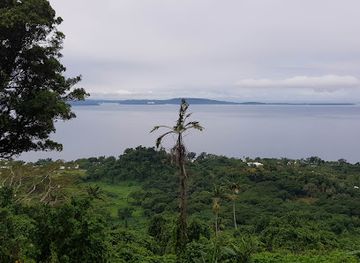
Port Vila’s harbour and waterfront form Efate’s most recognisable urban landmark landscape, bringing together government, commerce, ferries, yachts and views across sheltered water. The Vanuatu National Museum and Cultural Centre is important not only as a visitor venue but also as a national repository of material connected with the archipelago’s diverse traditions. In the island’s interior, the Mele Cascades are a prominent natural landmark, where a sequence of falls descends through dense vegetation. The Blue Lagoon is another distinctive coastal feature, shaped by tidal exchange between clear water, mangroves and surrounding forest. Efate’s historical importance is represented by Mangaas, an archaeological and cultural site associated with long-established settlement and chiefly traditions. The wider seascape around Lelepa and Moso contains places linked to Chief Roi Mata’s Domain, including cultural landscapes recognised by UNESCO; these islands lie offshore from Efate and should be described as part of an organised excursion rather than as mainland Efate landmarks. Along the coast, traditional villages, reef passages and the curves of Havannah Harbour provide geographical landmarks whose importance lies in their continuing relationship with local communities and customary land.
-
Swimming facility
Blue Lagoon
Experience the enchanting beauty of the Blue Lagoon, a must-visit swimming facility in Vanuatu with crystal-clear waters and lush surroundings.
-
Resort hotel
Iririki Island Resort
Discover the ultimate retreat at Iririki Island Resort, where luxury meets the natural beauty of Vanuatu's stunning landscapes and vibrant culture.
-
Resort hotel
Warwick Le Lagon - Vanuatu
Experience paradise at Warwick Le Lagon - Vanuatu, where luxury meets tropical adventure amidst stunning lagoon views and vibrant local culture.
-
Hotel
Holiday Inn Resort Vanuatu
Discover the enchanting beauty of Vanuatu at the Holiday Inn Resort, where luxury meets local culture in a tropical paradise.
Explore Efate on the map
Plan your trip on one map. See where the top cities, national parks and sights are, and book hotels and experiences in a few clicks.
Best hotels in Efate
Best restaurants in Efate
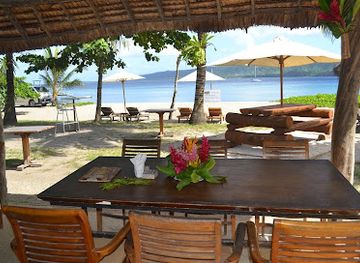
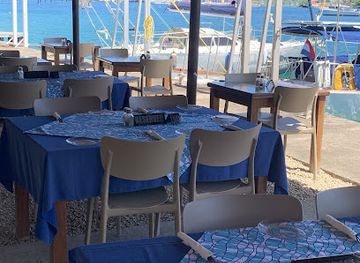
Efate’s dining scene is centred on Port Vila, where restaurants and cafés combine ni-Vanuatu ingredients with French, Asian and broader Pacific influences. Local meals may include laplap, made from grated root crops and traditionally cooked with coconut milk and meat or fish, as well as grilled seafood, island vegetables, taro, yam, cassava, breadfruit and seasonal tropical fruit. Markets and modest local eateries are useful places to encounter everyday flavours, while waterfront and hotel restaurants provide more formal settings and often draw on seafood and imported ingredients. Outside the capital, dining options are more dispersed and may depend on resorts, guesthouses, roadside stalls or community arrangements, so do not expect continuous restaurant coverage around the island road. Kava, a traditional drink made from the roots of the kava plant, is part of social life in Vanuatu and is served in dedicated nakamals; visitors should follow local guidance about behaviour and timing. Food availability can be seasonal, and locally sourced dishes may vary from one community or establishment to another.
-
Family-friendly
The Beach Bar
Experience family-friendly dining at The Beach Bar in Vanuatu—where great food meets stunning ocean views.
-
Restaurant
The Stonegrill Restaurant
Experience a unique dining adventure at The Stonegrill Restaurant in Port Vila, where sizzling hot stones meet fresh local flavors.
-
Cafe
Nambawan Café
Experience delightful flavors and stunning ocean views at Nambawan Café in Port Vila, your perfect seaside retreat.
-
Restaurant
Waterfront Bar and Grill
Experience exquisite dining with breathtaking views at Waterfront Bar and Grill in Port Vila - a true taste of Vanuatu's culinary heritage.
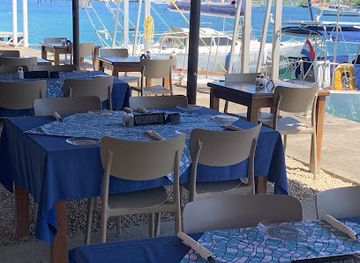
Best bars in Efate
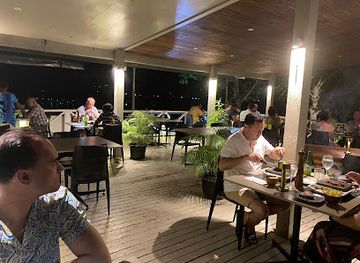
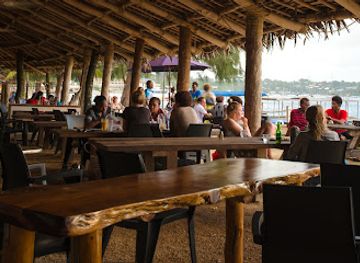
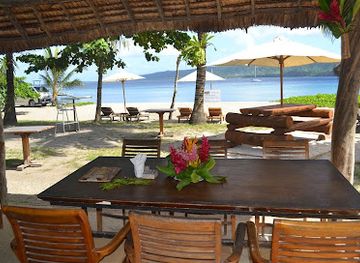
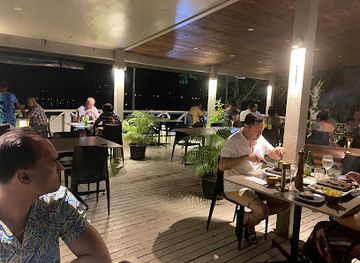
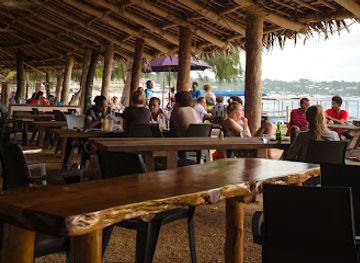
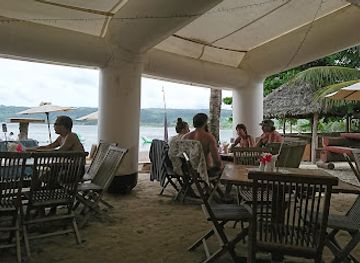
Nightlife on Efate is concentrated in Port Vila rather than spread evenly around the island. The capital offers hotel bars, waterfront restaurants, pubs, live music, occasional dancing and venues serving cocktails alongside local and imported drinks. Nakamals, where kava is prepared and consumed, provide a distinctly ni-Vanuatu evening setting, although they are not conventional bars and visitors should observe the quiet, social atmosphere and local etiquette. Outside Port Vila, evenings are usually centred on resort restaurants, guesthouse dining, village gatherings or small local establishments rather than a large club scene. Some venues have music or entertainment on selected nights, but opening arrangements and programmes change, so ask locally rather than relying on old listings. Drink responsibly, arrange transport before travelling late, and remember that Efate’s rural roads can be poorly lit and difficult after dark.
-
Family-friendly
The Beach Bar
Discover the charm of The Beach Bar in Vanuatu, where family-friendly fun meets stunning beach views and delicious cuisine.
-
Restaurant
The Stonegrill Restaurant
Experience interactive dining at The Stonegrill Restaurant in Port Vila, where sizzling hot stones meet fresh local ingredients.
-
Cafe
Nambawan Café
Discover the flavors of Vanuatu at Nambawan Café, a seafront gem in Port Vila offering delicious local cuisine and stunning ocean views.
-
Restaurant
Waterfront Bar and Grill
Experience the flavors of the Pacific at Waterfront Bar and Grill, where exquisite dishes meet breathtaking views in Port Vila.
Best nightclubs in Efate
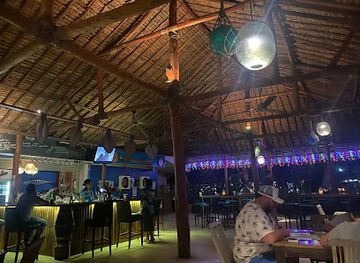
Nightlife on Efate is concentrated in Port Vila rather than spread evenly around the island. The capital offers hotel bars, waterfront restaurants, pubs, live music, occasional dancing and venues serving cocktails alongside local and imported drinks. Nakamals, where kava is prepared and consumed, provide a distinctly ni-Vanuatu evening setting, although they are not conventional bars and visitors should observe the quiet, social atmosphere and local etiquette. Outside Port Vila, evenings are usually centred on resort restaurants, guesthouse dining, village gatherings or small local establishments rather than a large club scene. Some venues have music or entertainment on selected nights, but opening arrangements and programmes change, so ask locally rather than relying on old listings. Drink responsibly, arrange transport before travelling late, and remember that Efate’s rural roads can be poorly lit and difficult after dark.
-
Family-friendly
The Beach Bar
Experience the vibrant atmosphere of The Beach Bar in Mele, Vanuatu – a family-friendly oasis offering stunning ocean views and delectable cuisine.
-
Bar
Erakor Island Resort
Discover Erakor Island Resort, your tropical sanctuary in Port Vila, Vanuatu, offering luxurious accommodations and breathtaking ocean views.
-
Resort hotel
Tamanu on the beach
Experience the serene beauty of Tamanu on the Beach, a luxurious resort hotel in Vanuatu offering relaxation, adventure, and stunning ocean views.
-
Restaurant
Reefers Restaurant & Rum Bar
Experience the vibrant flavors of Vanuatu at Reefers Restaurant & Rum Bar, where fresh ingredients meet island hospitality in Port Vila.
Best shops in Efate
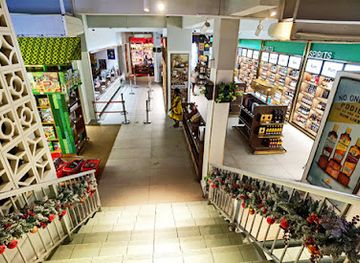
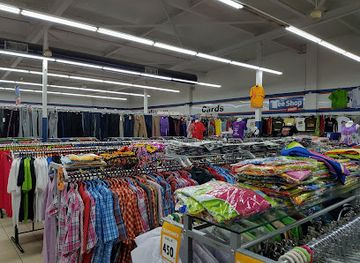
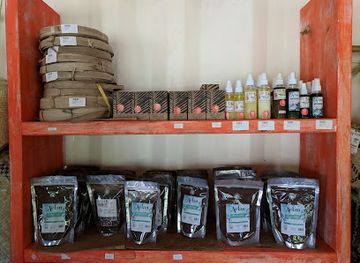
Port Vila is Efate’s main shopping centre, with market stalls, supermarkets, small boutiques, craft outlets, galleries and shops selling locally produced food and souvenirs. The central market is particularly useful for seasonal fruit, vegetables, flowers and prepared food, while nearby stalls and craft sellers may offer woven items, carvings, jewellery, shell work and products made from locally available materials. Quality and provenance vary, so buy respectfully and ask whether an item is locally made rather than imported. Shops in villages and along the island road are more occasional and may focus on fresh produce, snacks or small community-made goods rather than conventional retail. Appropriate souvenirs include Vanuatu-grown coffee, cocoa, spices, woven crafts and artworks, subject to customs rules in the destination country. Do not purchase archaeological objects, protected wildlife products or items removed from customary land. Card facilities are more common in established Port Vila businesses; carry vatu for markets, roadside sellers and rural purchases.
-
Gift shop
Fung Kuei Duty Free
Explore a diverse range of products at Fung Kuei Duty Free, your ultimate shopping destination in Port Vila, Vanuatu.
-
Supermarket
Au Bon Marché Numbatu
Discover a vibrant shopping experience at Au Bon Marché Numbatu, your go-to supermarket in Port Vila for local and international products.
-
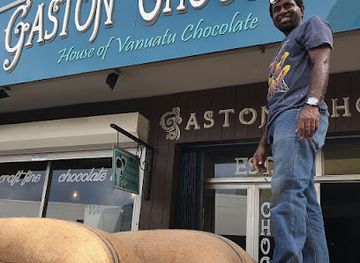
Chocolate shop
Gaston Chocolat - Vanuatu Chocolate
Discover the exquisite world of artisanal chocolates at Gaston Chocolat, a sweet paradise in Vanuatu's Port Vila.
-
Chocolate factory
Aelan Chocolate Factory | ACTIV Association
Discover the art of chocolate-making at Aelan Chocolate Factory, where local flavors meet exquisite craftsmanship in every bite.
Get your free copy of our complete guide to Efate, delivered straight to you.
Everything on this page, from attractions and restaurants to essentials and local phrases, in one PDF you can read offline, print or share.
Already have an account? Sign in
Your Efate guide is ready.
We'll send it to · Not you? Sign out

Getting your guide ready…
We are putting together a fresh copy of the Efate guide. This can take up to a minute.
This can take a few moments. If your browser asks, choose Allow so the download can start. You'll find the guide in your Downloads folder.
Nothing happened? Download it again
Sorry, the guide is taking longer than usual. Please try again in a minute, or get it by email instead.
Efate essentials
Currency and Payment
Safety
Emergency Situations
Do's and Don'ts
Local Tips
From Eve
Local phrases worth knowing
You don't need to get them perfect. A few words go a long way, and locals appreciate the effort.
Basics
| English | Local | Say it |
|---|---|---|
| Hello | Halo | [Ha-lo] |
| Goodbye | Tata | [Ta-ta] |
| Yes | Yes | [Yes] |
| No | No | [No] |
| Please/You're welcome | Pliz | [Pli-zz] |
| Thank you | Tangkyu | [Tang-kyu] |
| Excuse me/Sorry | Sori | [So-ri] |
| How are you? | Olsem wanem? | [Ol-sem wa-nem?] |
| Fine. And you? | Namba. Moa yu? | [Nam-ba. Mo-a yu?] |
| Do you speak English? | Yu tok English? | [Yu tok Eng-lish?] |
| I don't understand | Mi no save | [Mi no sa-ve] |
Eating & Drinking
| English | Local | Say it |
|---|---|---|
| I'd like to see the menu, please | Mi wantem lukim menu, pliz | [Mi wan-tem lu-kim me-nu, pli-z] |
| I don't eat meat | Mi no kaek meat | [Mi no kae-k meat] |
| Cheers! | Kia ora! | [Ki-a o-ra] |
| I would like to pay, please | Mi wantem pay, pliz | [Mi wan-tem pay, pli-z] |
Emergencies
| English | Local | Say it |
|---|---|---|
| Help! | Help! | [Help!] |
| Go away! | Go awei! | [Go a-wei!] |
| Call the Police! | Kolim Polisi! | [Ko-lim Po-li-si!] |
| Call a doctor! | Kolim dokta! | [Ko-lim dok-ta!] |
| I'm lost | Mi los | [Mi los] |
| I'm ill | Mi sik | [Mi sik] |
Shopping
| English | Local | Say it |
|---|---|---|
| I'd like to buy... | Mi wantem bai... | [Mi wan-tem bai...] |
| I'm just looking | Mi jast lukim | [Mi jas-t lu-kim] |
| How much is it? | Hao mak it? | [Hao mak it?] |
| That's too expensive | Dat i tumas bigwan | [Dat i tu-mas big-wan] |
| Can you lower the price? | Yu save daunem prais? | [Yu sa-ve dau-nem pra-is?] |
Time & Numbers
| English | Local | Say it |
|---|---|---|
| What time is it? | Hao taem i? | [Hao taem i?] |
| It's one o'clock | I wan oklok | [I wan o-klok] |
| Half past (10) | Hal past ten | [Hal past ten] |
| Morning | Mornin | [Mor-ning] |
| Afternoon | Afta | [Af-ta] |
| Evening | Ivenin | [I-ve-nin] |
| Yesterday | Yestede | [Yes-te-de] |
| Today | Tude | [Tu-de] |
| Tomorrow | Tumoro | [Tu-mo-ro] |
| 1 | Wan | [Wan] |
| 2 | Tu | [Tu] |
| 3 | Tri | [Tri] |
| 4 | Foa | [Fo-a] |
| 5 | Faef | [Faef] |
| 6 | Siks | [Siks] |
| 7 | Sev | [Sev] |
| 8 | Eit | [Eit] |
| 9 | Nain | [Nain] |
| 10 | Ten | [Ten] |
Transport & Directions
| English | Local | Say it |
|---|---|---|
| Where's a/the...? | Whea i wan ...? | [Whea i wan ...?] |
| What's the address? | Hao i address? | [Hao i ad-dress?] |
| Can you show me (on the map)? | Yu save soem mi (long map)? | [Yu sa-ve so-em mi (long map)?] |
| When's the next (bus)? | Hao taem i next (bus)? | [Hao taem i next (bus)?] |
| A ticket (to ....) | Wan tiket (go ...) | [Wan ti-ket (go ...)] |
History of Efate
Lapita Settlement and Early Efate Communities
Efate was settled within the wider movement of Austronesian seafarers across the western Pacific. Archaeological evidence from Vanuatu includes Lapita pottery, shell ornaments and traces of early coastal communities, showing that people had established maritime networks and cultivated island environments long before European contact. Over subsequent centuries, Efate developed its own chiefly systems, languages, customary land relationships and exchange networks. Archaeological places such as Mangaas, near the southern coast, help demonstrate that the island was not an empty tropical landscape but a long-inhabited cultural environment shaped by farming, fishing, navigation and ceremony.
European Contact and the New Hebrides
European navigators entered the waters of the New Hebrides, the former colonial name for Vanuatu, from the seventeenth century onwards, followed by traders, missionaries and labour recruiters in the nineteenth century. Contact brought Christianity, new commercial networks and severe disruption, including disease and the coercive labour system known as blackbirding. On Efate, Port Vila gradually became an important harbour and administrative centre. Mission activity and foreign settlement altered local political and social structures, but chiefly authority, customary landholding and indigenous communities remained fundamental to island life.
The Anglo-French Condominium, 1906–1980
From 1906 until independence, the New Hebrides were administered through an unusual Anglo-French Condominium. British and French officials, courts, schools and commercial interests operated in parallel, producing a complicated legal and linguistic environment. Port Vila became the territory’s main urban centre, and traces of the period remain in the capital’s architecture, place names and the continued importance of English and French alongside Bislama and local languages. The condominium encouraged plantation and trading activity but offered ni-Vanuatu people limited political power and left unresolved questions about land, citizenship and representation.
Efate and the Second World War
Efate became a major Allied base in the Pacific during the Second World War. Port Vila and surrounding areas supported airfields, naval facilities, roads, supply depots and thousands of military personnel, transforming the island’s infrastructure and economy. Much of the wartime material has disappeared or been absorbed into later development, but the period remains important to Efate’s modern history. Roads and facilities created for military logistics helped connect parts of the island, while wartime contact accelerated urban growth and placed Efate more firmly within international Pacific networks.
Independence and the Republic of Vanuatu, 1980
The New Hebrides became the independent Republic of Vanuatu on 30 July 1980, with Port Vila as the national capital. Independence followed a period of political mobilisation in which ni-Vanuatu leaders challenged colonial control and defended customary land and national self-government. Efate’s role as the administrative and commercial centre made it central to the transition, although the new republic was built from many islands with distinct histories and cultures. Independence is visible in national institutions, public ceremonies and the continued assertion of kastom, a broad Bislama term for customary practice and knowledge.
Contemporary Efate: Tourism, Resilience and Cyclone Pam
Since independence, Efate has remained Vanuatu’s principal gateway for international visitors, business and government, with tourism concentrated around Port Vila and selected coastal resorts and excursions. The island has also faced the environmental and economic pressures common to small Pacific communities, including coastal change, development and dependence on imported goods. Severe Tropical Cyclone Pam caused major damage across Vanuatu in 2015, including on Efate, and recovery shaped infrastructure and community planning. Contemporary Efate therefore combines an expanding visitor economy with village life, customary land, subsistence activity and continuing efforts to build climate resilience.
Efate in Photos
Browse through our photo collection highlighting the charm and character of the destination.
Neighbouring regions of Efate
The closest regions to Efate, if you have time for more than one.
-

-

-

-

-


Swipe for more regions
Explore more

Explore more of Vanuatu
Discover Vanuatu, a pristine South Pacific paradise with breathtaking beaches, vibrant culture, thrilling adventures, and some of the world's best diving spots.
Explore Vanuatu