

Free Lopevi Travel Guide & Mobile App
Explore Lopevi with free travel guides. Discover regional history, expert tips, proposed trips, and audio guides on web or mobile app.


Lopevi in Vanuatu is an uninhabited volcanic island for carefully organised expeditions, customary consultation and remote central-island exploration.
Read more about Lopevi
When is the best time to visit Lopevi?
Best: June–August · 26–27°C| Month | High (°C) | Rainfall (mm) |
|---|---|---|
| January | 30 | 250 |
| February | 30 | 230 |
| March | 29 | 210 |
| April | 29 | 190 |
| May | 28 | 170 |
| June (best) | 27 | 150 |
| July (best) | 26 | 140 |
| August (best) | 26 | 140 |
| September | 27 | 150 |
| October | 28 | 170 |
| November | 29 | 190 |
| December | 30 | 210 |
Getting to and around Lopevi
How to get there
Transportation
Best attractions in Lopevi
Lopevi’s attractions are entirely natural, geological and expedition-based. The active volcanic cone is the island’s defining feature, best viewed from the sea or approached only under specialist guidance and current official advice. Forested slopes, volcanic shorelines and surrounding ocean provide opportunities for observation, photography and ecological study, but they are not developed recreation areas. There are no visitor centres, museums, hotels, beaches with facilities, marked trails or family attractions. Former habitation areas may carry historical importance, yet they should be visited only with permission and local interpretation. The surrounding waters can be visually compelling, but reefs, currents and surf make informal swimming, snorkelling or shore landings unsuitable. Lopevi is therefore better suited to a carefully organised scientific, sailing, conservation or documentary expedition than to independent sightseeing. A vessel-based circuit may offer the safest and least intrusive way to appreciate the volcano, particularly when conditions prevent a landing. Visitors should make contingency plans: a distant view, a cancelled approach or a return to the departure island may be the responsible outcome.
-
Volcano
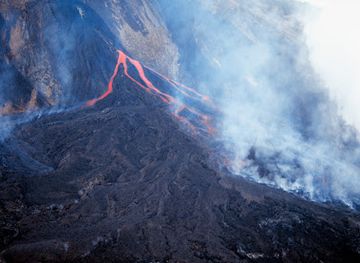
Lopevi Volcano
Experience the breathtaking beauty and adventure of Lopevi Volcano in Vanuatu, an active volcano surrounded by stunning landscapes and rich biodiversity.
Best landmarks in Lopevi
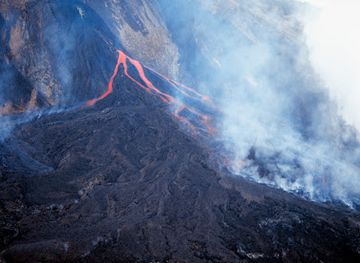
Lopevi’s principal landmark is its active volcanic summit, a prominent natural feature that rises above an otherwise largely undeveloped island. Its steep profile and forested flanks make it recognisable from surrounding waters, although cloud frequently obscures the upper slopes. The coastline, volcanic terrain and offshore reefs form a second group of geographical landmarks, seen most safely from a boat rather than explored casually on foot. Lopevi also has an important human landmark in the sense of place created by former settlement and later evacuation: traces or locations associated with habitation may matter greatly to descendants and customary landholders, even when they are not formal monuments. There are no established castles, churches, civic buildings, bridges or memorial complexes for sightseeing. The volcano’s significance is therefore both physical and historical, combining active geology with the story of a community displaced by repeated eruptions. Any shore-based visit should be locally guided, permission-based and subordinate to current volcanic and marine safety advice.
-
Volcano
Lopevi Volcano
Experience the awe-inspiring beauty and adventure of Lopevi Volcano, a majestic natural wonder in Vanuatu, perfect for explorers and nature lovers.
Explore Lopevi on the map
Plan your trip on one map. See where the top cities, national parks and sights are, and book hotels and experiences in a few clicks.
Best hotels in Lopevi
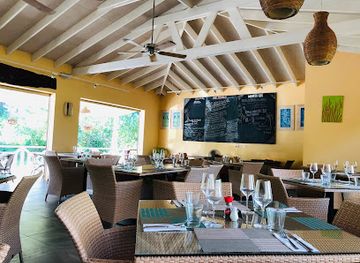
Best restaurants in Lopevi
Lopevi has no restaurants, cafés, markets, guesthouses or permanent food sellers. Any expedition must carry its own provisions, drinking water and cooking equipment, with food prepared aboard the vessel or at an authorised base elsewhere in Vanuatu. The island’s former communities historically depended on Pacific island gardening, fishing and exchange, but there is no functioning local food scene for visitors to sample today. Travellers can experience Vanuatu’s broader culinary traditions on inhabited islands, where locally grown root crops, tropical fruit, fish and other island produce may feature in home cooking, markets and accommodation meals. When arranging an expedition, discuss provisioning with the operator and buy supplies through settled communities where appropriate, respecting local prices and availability. Pack all waste for removal, avoid taking resources from the island and never assume that fresh water, fuel or emergency food can be obtained on Lopevi.
-
Restaurant
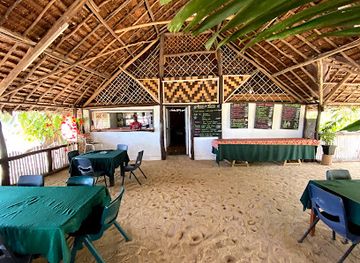
Orovy Beach Restaurant
Experience exquisite local cuisine with stunning ocean views at Orovy Beach Restaurant in Emua Village, Efate - a true gem in Vanuatu.
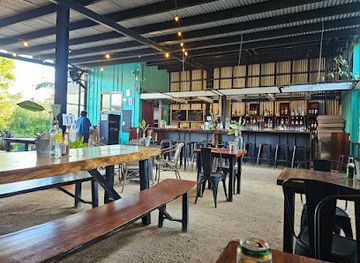
Best bars in Lopevi
Lopevi has no bars, nightclubs, pubs or evening entertainment. After dark, its environment is defined by isolation, open ocean, forest and volcanic risk rather than organised nightlife, and overnight stays should not be assumed to be possible or appropriate. Any evening activity would normally take place aboard a properly equipped expedition vessel or at accommodation on an inhabited island elsewhere in central Vanuatu. Visitors seeking social venues, music or a wider choice of restaurants should plan those experiences in larger settlements and not expect them on Lopevi. Because marine conditions, volcanic hazards and limited communications become more difficult to manage at night, operators should avoid unplanned shore activity after daylight and retain a conservative departure or anchorage plan.
-
Family-friendly
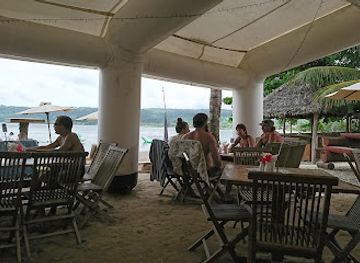
The Beach Bar
Discover the enchanting atmosphere of The Beach Bar in Mele, Vanuatu, where families can enjoy delicious food and stunning ocean views.
-
Cafe
Nambawan Café
Experience the seaside charm and local flavors at Nambawan Café, the ultimate dining destination in Port Vila, Vanuatu.
-
Restaurant
Cafe Vila
Experience the stunning views and delightful local flavors at Café Vila, a must-visit restaurant in Port Vila, Vanuatu.
-
Bar
Three Pigs
Experience the lively ambiance of Three Pigs in Port Vila, where flavorful local cuisine and refreshing drinks meet stunning tropical views.

Best nightclubs in Lopevi
Lopevi has no bars, nightclubs, pubs or evening entertainment. After dark, its environment is defined by isolation, open ocean, forest and volcanic risk rather than organised nightlife, and overnight stays should not be assumed to be possible or appropriate. Any evening activity would normally take place aboard a properly equipped expedition vessel or at accommodation on an inhabited island elsewhere in central Vanuatu. Visitors seeking social venues, music or a wider choice of restaurants should plan those experiences in larger settlements and not expect them on Lopevi. Because marine conditions, volcanic hazards and limited communications become more difficult to manage at night, operators should avoid unplanned shore activity after daylight and retain a conservative departure or anchorage plan.
-
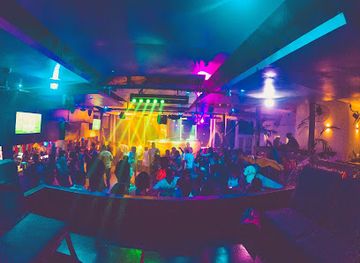
Night club
Club Lit
Dive into the electrifying nightlife at Club Lit, Port Vila's premier night club, where the party never stops and memories are made.
Best shops in Lopevi
Lopevi has no shops, markets, craft stalls or commercial outlets. Visitors should purchase food, fuel, communications equipment and expedition supplies before departure from the inhabited island or town where their journey is organised. The island is not a source of permissible souvenirs: rocks, ash, plants, shells, artefacts and objects associated with former settlement should not be removed without clear legal and customary authorisation. Regional shopping elsewhere in Vanuatu may include woven goods, carvings, locally produced food and practical island products, but availability varies considerably between communities and towns. Buying directly from makers or established local sellers, agreeing prices respectfully and checking whether an item can legally leave the country are sensible practices. For Lopevi specifically, the most appropriate souvenir is a photograph or memory obtained without disturbing the volcanic landscape or communities connected to it.
-
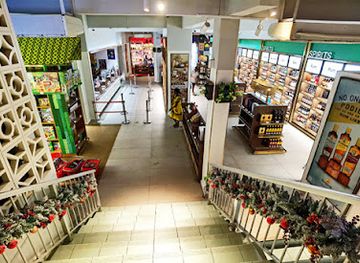
Gift shop
Fung Kuei Duty Free
Explore Fung Kuei Duty Free in Port Vila for an unparalleled shopping experience featuring luxury goods, liquors, and unique souvenirs.
-
 Resort hotel
Tranquility Island Eco And Dive resort
Discover paradise at Tranquility Island Eco and Dive Resort, where eco-friendly luxury meets breathtaking diving experiences in Vanuatu.
-
Shopping mall
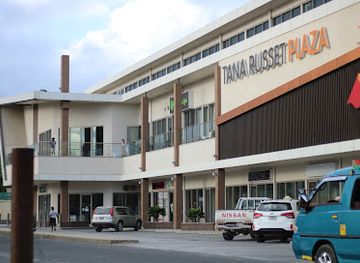
Tana Russet Plaza
Explore Tana Russet Plaza in Port Vila for a vibrant shopping experience filled with local crafts, international brands, and delightful dining options.
-
Store
Volcanic Earth
Explore Volcanic Earth in Port Vila for a unique blend of beauty and wellness, featuring natural products and rejuvenating spa services.

Get your free copy of our complete guide to Lopevi, delivered straight to you.
Everything on this page, from attractions and restaurants to essentials and local phrases, in one PDF you can read offline, print or share.
Already have an account? Sign in
Your Lopevi guide is ready.
We'll send it to · Not you? Sign out

Getting your guide ready…
We are putting together a fresh copy of the Lopevi guide. This can take up to a minute.
This can take a few moments. If your browser asks, choose Allow so the download can start. You'll find the guide in your Downloads folder.
Nothing happened? Download it again
Sorry, the guide is taking longer than usual. Please try again in a minute, or get it by email instead.
Lopevi essentials
Currency and Payment
Safety
Emergency Situations
Do's and Don'ts
Local Tips
From Eve
Local phrases worth knowing
You don't need to get them perfect. A few words go a long way, and locals appreciate the effort.
Basics
| English | Local | Say it |
|---|---|---|
| Hello | Halo | [ha-lo] |
| Goodbye | Kere | [keh-reh] |
| Yes | Yes | [yes] |
| No | No | [no] |
| Please/You’re welcome | Plis | [plees] |
| Thank you | Tenkyu | [ten-kyu] |
| Excuse me/Sorry | Sori | [so-ree] |
| How are you? | Yu ora? | [yu oh-ra] |
| Fine. And you? | Gude. An yu? | [goo-deh. an yu] |
| Do you speak English? | Yu save Tok Pisin? | [yu sah-veh tok pee-sin] |
| I don't understand | Mi no save | [mee no sah-veh] |
Eating & Drinking
| English | Local | Say it |
|---|---|---|
| I’d like to see the menu, please | Mi wantem lukim menu, plis | [mee wan-tem loo-kim meh-nu, plees] |
| I don’t eat meat | Mi no kaek meat | [mee no kayk meet] |
| Cheers! | Kia ora! | [kee-ah oh-ra] |
| I would like to pay, please | Mi wantem pay, plis | [mee wan-tem pay, plees] |
Emergencies
| English | Local | Say it |
|---|---|---|
| Help! | Help! | [help] |
| Go away! | Gao we! | [gao weh] |
| Call the Police! | Kolim Polisi! | [koh-lim poh-lee-see] |
| Call a doctor! | Kolim dokta! | [koh-lim dok-tah] |
| I’m lost | Mi los | [mee los] |
| I’m ill | Mi sik | [mee seek] |
Shopping
| English | Local | Say it |
|---|---|---|
| I’d like to buy... | Mi wantem bai... | [mee wan-tem bye] |
| I’m just looking | Mi jus lukim | [mee jus loo-kim] |
| How much is it? | Hao makem? | [how mah-kem] |
| That’s too expensive | Dat i tu ekspensiv | [dat ee too eks-pen-siv] |
| Can you lower the price? | Yu save daunem prais? | [yu sah-veh down-em prah-is] |
Time & Numbers
| English | Local | Say it |
|---|---|---|
| What time is it? | Hao taem i? | [how tah-em ee] |
| It’s one o'clock | I one o'clock | [ee wan oh-clock] |
| Half past (10) | Haf pas (10) | [huhf pahs ten] |
| Morning | Mornin | [mor-ning] |
| Afternoon | Aftanun | [af-ta-nun] |
| Evening | Ivening | [ee-ven-ing] |
| Yesterday | Yestedei | [yes-teh-day] |
| Today | Tudei | [too-day] |
| Tomorrow | Tumora | [too-moh-rah] |
| 1 | Wan | [wan] |
| 2 | Tu | [too] |
| 3 | Tri | [tree] |
| 4 | Foa | [foh-ah] |
| 5 | Faef | [fah-ef] |
| 6 | Siks | [siks] |
| 7 | Sev | [sev] |
| 8 | Eit | [eight] |
| 9 | Nain | [nine] |
| 10 | Ten | [ten] |
Transport & Directions
| English | Local | Say it |
|---|---|---|
| Where's a/the...? | Wea yu faen a/the...? | [weh-yu fain a/the] |
| What's the address? | Hao nao adres? | [how now ah-dress] |
| Can you show me (on the map)? | Yu save soem mi (on the map)? | [yu sah-veh so-em mee] |
| When's the next (bus)? | Hwen i next (bus)? | [hwen ee next bus] |
| A ticket (to ....) | Wan tiket (to....) | [wan tee-ket] |
History of Lopevi
Early Oceanic Settlement and Customary Land
Lopevi formed part of the wider Austronesian settlement of the Vanuatu archipelago, whose communities developed complex relationships with neighbouring islands, reefs and sea routes over many centuries. Gardening, fishing, exchange and customary land tenure shaped life in the central islands. Although little of Lopevi’s archaeological record is presented for casual visitors, the island’s former habitation belongs to this broader history of highly mobile Pacific societies. Its land and surrounding waters remain connected to customary identities and community relationships, which is why access should be arranged through appropriate local channels rather than treated as unrestricted wilderness.
Missionary and Colonial-Era Change
During the nineteenth century, missionaries, traders and colonial agents brought new religious, commercial and political influences to the islands around Lopevi. Vanuatu was then known internationally as the New Hebrides, administered under a distinctive Anglo-French condominium from 1906 until independence. These changes affected land dealings, labour migration, schooling, worship and relations between island communities. Lopevi was never transformed into a major colonial port or plantation centre, but its inhabitants were part of the social networks and economic pressures affecting central Vanuatu.
A Volcanic Island Under Increasing Pressure
Lopevi has a long record of eruptive activity, reflecting its position within the tectonically active Vanuatu arc. Periodic eruptions altered vegetation, gardens, travel routes and perceptions of risk. The volcano is a stratovolcano with steep slopes and a summit area vulnerable to ash, gases and unstable ground. For island communities, volcanic events were not simply geological spectacles: they threatened homes, food production and customary places, and required decisions about when to remain, move temporarily or leave permanently.
The Evacuations of the Twentieth Century
Repeated eruptions in the twentieth century, particularly during the 1960s, made continued settlement increasingly difficult. Residents were evacuated and eventually resettled on other islands, leaving Lopevi without a permanent population. This displacement is one of the central facts of the island’s modern history. It explains both the absence of ordinary tourist facilities and the importance of consulting communities whose families retain historical and customary connections to Lopevi.
Independence and Provincial Administration
The New Hebrides became the independent Republic of Vanuatu in 1980. Lopevi is associated with Malampa Province, one of the country’s provincial administrations, although practical authority over land, access and community matters also involves customary structures. Independence strengthened the national framework within which volcanic monitoring, disaster planning and provincial services operate. For visitors, this means that Lopevi should be approached as part of Vanuatu’s national and provincial system, not as a privately managed tourist island.
Contemporary Volcanic Monitoring and Conservation
Today Lopevi is chiefly significant as an active volcanic environment and as a site of former habitation. Monitoring and hazard information are essential because eruptive conditions can change, while the island’s forests, reefs and coastal habitats remain exposed to natural disturbance. Occasional scientific, documentary or expedition interest does not create permanent tourism infrastructure. Responsible contemporary travel therefore combines geological curiosity with risk awareness, low-impact practice and respect for the communities displaced by earlier eruptions.
Lopevi in Photos
Browse through our photo collection highlighting the charm and character of the destination.
Neighbouring regions of Lopevi
The closest regions to Lopevi, if you have time for more than one.
-

-

-

-

-


Swipe for more regions
Explore more

Explore more of Vanuatu
Discover Vanuatu, a pristine South Pacific paradise with breathtaking beaches, vibrant culture, thrilling adventures, and some of the world's best diving spots.
Explore Vanuatu