

Free Erromango Travel Guide & Mobile App
Explore Erromango with free travel guides. Discover regional history, expert tips, proposed trips, and audio guides on web or mobile app.


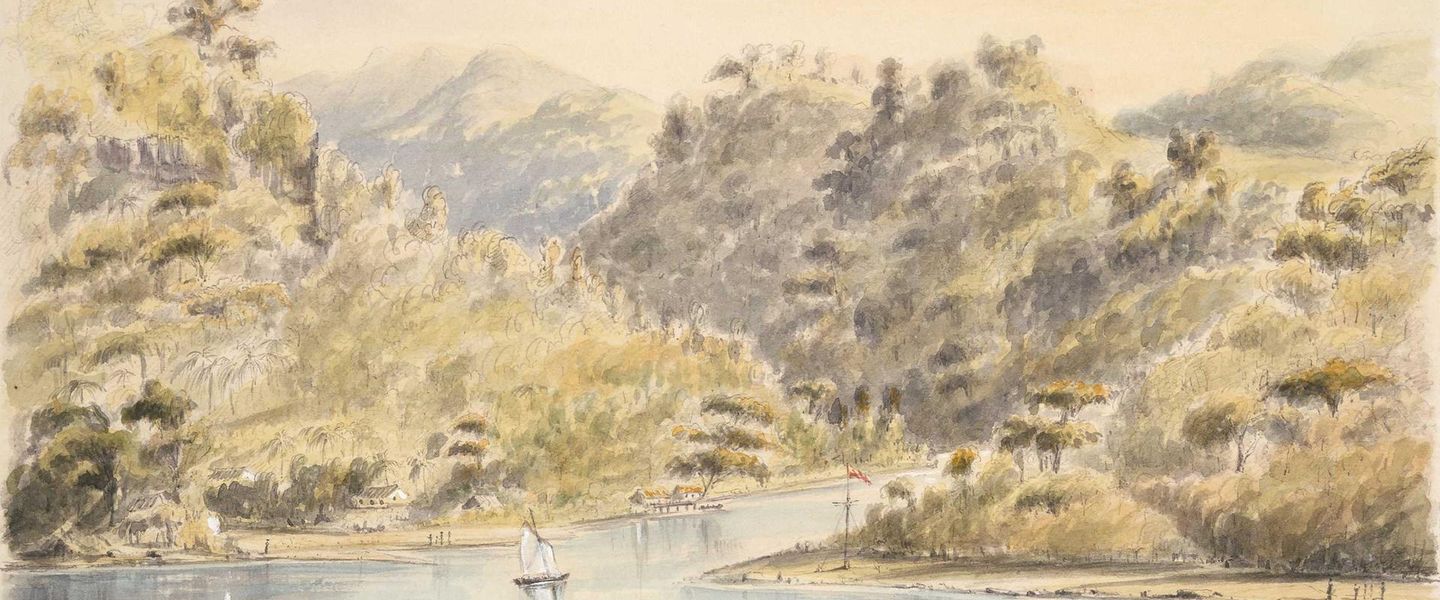

Explore Erromango in Vanuatu for forest walks, sandalwood history, remote beaches, village hospitality and community-led island adventures.
Read more about Erromango
When is the best time to visit Erromango?
Best: June–August · 26–27°C| Month | High (°C) | Rainfall (mm) |
|---|---|---|
| January | 30 | 250 |
| February | 30 | 230 |
| March | 29 | 210 |
| April | 29 | 190 |
| May | 28 | 170 |
| June (best) | 27 | 150 |
| July (best) | 26 | 140 |
| August (best) | 26 | 150 |
| September | 27 | 160 |
| October | 28 | 180 |
| November | 29 | 210 |
| December | 29 | 230 |
Getting to and around Erromango
How to get there
Transportation
Destinations in Erromango
Resorts, valleys and scenic spots worth a trip of their own.

Swipe for more destinations
Best landmarks in Erromango
-
Island
Erromango
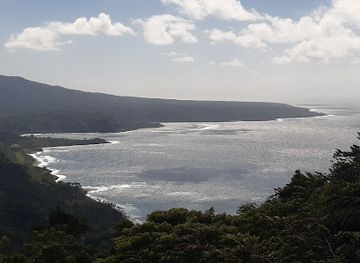
Explore the untouched beauty of Erromango Island, Vanuatu's hidden gem with stunning landscapes and rich cultural heritage.
Explore Erromango on the map
Plan your trip on one map. See where the top cities, national parks and sights are, and book hotels and experiences in a few clicks.
Best hotels in Erromango
Best restaurants in Erromango
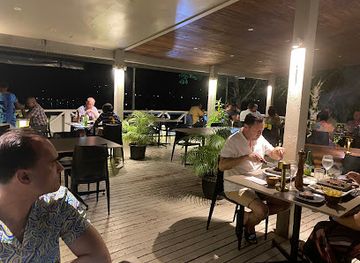
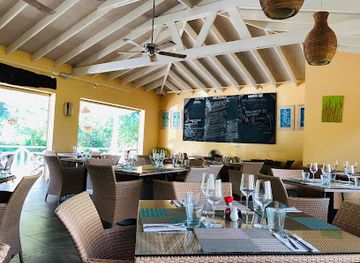
Dining on Erromango is generally informal and locally arranged, with guesthouses, village stays and community hosts providing meals rather than a concentrated restaurant scene. Food may include taro, yam, manioc, sweet potato, island greens, coconut, seasonal fruit and freshly caught fish, with preparation varying according to household and local availability. Chicken and other provisions may appear where supply permits, but visitors should not expect the choice or consistency found in Port Vila. Meals are often an important part of village hospitality, so dietary requirements should be explained before arrival and extra provisions should be carried for remote journeys. Markets are limited and supplies can be affected by shipping, weather and transport disruptions. A respectful interest in local produce, customary gardens and fishing practices is more useful than expecting a fixed menu. Visitors staying in accommodation should confirm whether meals, drinking water and cooking facilities are included, while those travelling inland should take food and water with them.
-
Family-friendly
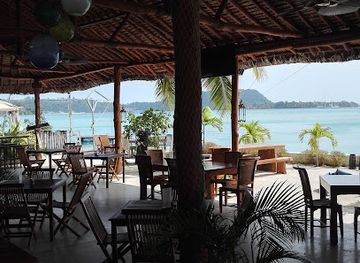
The Beach Bar
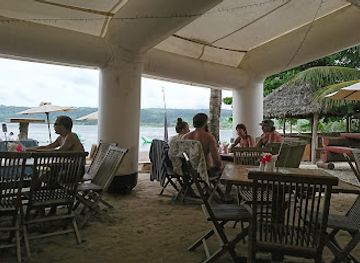
Discover family-friendly dining at The Beach Bar in Mele, Vanuatu—where stunning views meet delicious cuisine.
-
Restaurant
The Stonegrill Restaurant
Experience the unique joy of cooking on hot stones while enjoying exquisite cuisine in Port Vila's picturesque setting.
-
 Resort hotel
Tamanu on the beach
Discover luxury and tranquility at Tamanu on the Beach in Efate—an exquisite resort hotel offering breathtaking ocean views and exceptional dining.
-
Restaurant
Reefers Restaurant & Rum Bar
Savor exquisite local cuisine and rum in a vibrant setting at Reefers Restaurant & Rum Bar in Port Vila.
Best bars in Erromango
Erromango does not have a developed bar or nightclub circuit. Evening life is centred on guesthouses, village communities, church activities, shared meals and quiet conversation rather than commercial entertainment. Locally available kava may be part of social life in Vanuatu, but visitors should follow their hosts’ guidance and remember that customs differ between communities. Beer and other drinks may be available through local shops or accommodation, although supplies and opening arrangements are limited and should not be assumed. After dark, the absence of street lighting makes a torch essential, particularly outside settlements. Evenings can instead be used for stargazing, listening to local stories, preparing for an early forest walk or enjoying the sounds of the coast. Any gathering should be approached with courtesy, and visitors should ask before joining community, church or family activities.
-
Family-friendly
The Beach Bar
Experience the vibrant atmosphere and stunning views at The Beach Bar, a family-friendly haven in beautiful Mele, Vanuatu.
-
Cafe
Nambawan Café
Discover the vibrant flavors of Vanuatu at Nambawan Café, a seaside haven in Port Vila offering stunning views and local culinary delights.
-
Restaurant
Reefers Restaurant & Rum Bar
Experience the vibrant flavors of Vanuatu at Reefers Restaurant & Rum Bar, a culinary haven in Port Vila with stunning views and an extensive rum selection.
-
Restaurant
Cafe Vila
Experience the flavors of Vanuatu at Cafe Vila, a culinary gem offering stunning ocean views and a diverse menu in Port Vila.
Best nightclubs in Erromango
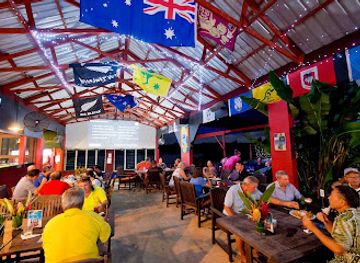
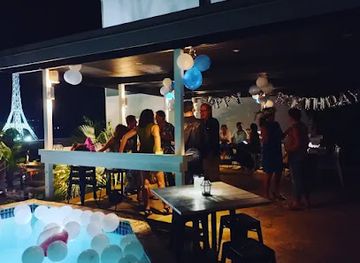
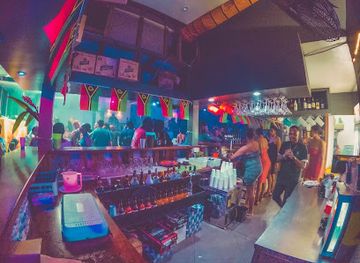
Erromango does not have a developed bar or nightclub circuit. Evening life is centred on guesthouses, village communities, church activities, shared meals and quiet conversation rather than commercial entertainment. Locally available kava may be part of social life in Vanuatu, but visitors should follow their hosts’ guidance and remember that customs differ between communities. Beer and other drinks may be available through local shops or accommodation, although supplies and opening arrangements are limited and should not be assumed. After dark, the absence of street lighting makes a torch essential, particularly outside settlements. Evenings can instead be used for stargazing, listening to local stories, preparing for an early forest walk or enjoying the sounds of the coast. Any gathering should be approached with courtesy, and visitors should ask before joining community, church or family activities.
-
Bar
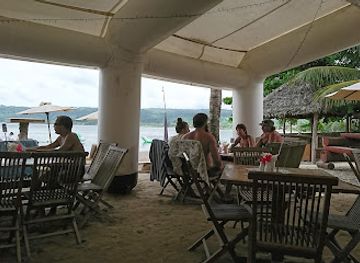
Banyan Beach Bar
Discover the vibrant atmosphere of Banyan Beach Bar in Port Vila, where tropical drinks meet breathtaking ocean views for an unforgettable experience.
-
Sports bar
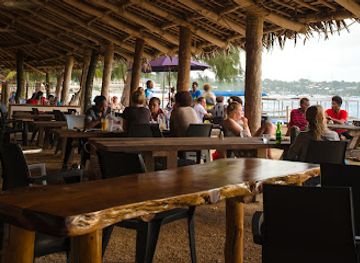
The Retreat Seaside Sports Bar & Resort
Experience vibrant dining and relaxation at The Retreat Seaside Sports Bar & Resort in Port Vila, where great food meets stunning ocean views.
-
Cocktail bar
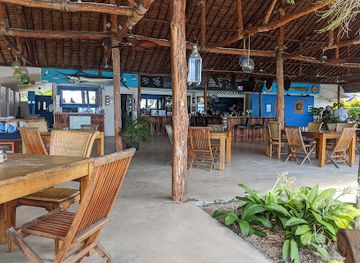
Stone Lounge
Discover the vibrant cocktail scene at Stone Lounge in Port Vila, where expert mixology meets a lively atmosphere in paradise.
-
Night club
Club Lit
Dive into the nightlife of Port Vila at Club Lit, where music, dance, and vibrant energy come together for an unforgettable experience.

Best shops in Erromango
Shopping on Erromango is limited and practical, with few conventional retail outlets and no major shopping district. Visitors may find small local shops offering basic provisions, but stock varies and larger purchases should be made in Port Vila before travelling. The most meaningful purchases are usually arranged through local communities and may include fresh produce, woven items, small handicrafts or locally sourced products, subject to availability and customary permission. Do not buy timber, shells, wildlife products or archaeological objects unless their legality and provenance are clear, and never remove natural materials yourself. Payment is normally in Vanuatu vatu, so carry cash in suitable denominations. Buying food, guiding services and crafts directly from local households or community organisations can support the island economy, but prices and arrangements should be agreed politely rather than assumed. Erromango is better suited to purchasing a modest, responsibly sourced memento than to extensive souvenir shopping.
-
Resort hotel
Warwick Le Lagon - Vanuatu
Discover the ultimate tropical retreat at Warwick Le Lagon - Vanuatu, where relaxation meets adventure in a stunning lagoon setting.
-
Gift shop
Fung Kuei Duty Free
Experience unmatched shopping at Fung Kuei Duty Free in Port Vila with luxurious goods, local treasures, and exceptional prices for an unforgettable experience.
-
Resort hotel
White Grass Ocean Resort & Spa
Discover coastal luxury at White Grass Ocean Resort & Spa, your gateway to Tanna Island's natural beauty and adventure.
-
Resort hotel
Aore Island Resort
Aore Island Resort: Your perfect escape to serenity and adventure in the heart of Vanuatu's natural beauty.
Get your free copy of our complete guide to Erromango, delivered straight to you.
Everything on this page, from attractions and restaurants to essentials and local phrases, in one PDF you can read offline, print or share.
Already have an account? Sign in
Your Erromango guide is ready.
We'll send it to · Not you? Sign out

Getting your guide ready…
We are putting together a fresh copy of the Erromango guide. This can take up to a minute.
This can take a few moments. If your browser asks, choose Allow so the download can start. You'll find the guide in your Downloads folder.
Nothing happened? Download it again
Sorry, the guide is taking longer than usual. Please try again in a minute, or get it by email instead.
Erromango essentials
Currency and Payment
Safety
Emergency Situations
Do's and Don'ts
Local Tips
From Eve
Local phrases worth knowing
You don't need to get them perfect. A few words go a long way, and locals appreciate the effort.
Basics
| English | Local | Say it |
|---|---|---|
| Hello | Halo | [ha-lo] |
| Goodbye | Bula | [boo-la] |
| Yes | Yes | [yes] |
| No | No | [no] |
| Please/You're welcome | Plis | [plees] |
| Thank you | Tenkyu | [ten-kyu] |
| Excuse me/Sorry | Sori | [so-ree] |
| How are you? | Orai? | [oh-rye] |
| Fine. And you? | Orai. An yu? | [oh-rye an yoo] |
| Do you speak English? | Yu talem Inglis? | [yoo tah-lem ing-lis] |
| I don't understand | Mi no save | [mee no sah-veh] |
Eating & Drinking
| English | Local | Say it |
|---|---|---|
| I'd like to see the menu, please | Mi laek lukim menu, plis | [mee like loo-keem meh-noo plees] |
| I don't eat meat | Mi no kakae mit | [mee no kah-kai meet] |
| Cheers! | Kanpai! | [kan-pie] |
| I would like to pay, please | Mi laek fo pay, plis | [mee like fo pay plees] |
Emergencies
| English | Local | Say it |
|---|---|---|
| Help! | Help! | [help] |
| Go away! | Go awa! | [go ah-wah] |
| Call the Police! | Kol Polisi! | [kohl poh-lee-see] |
| Call a doctor! | Kol doktor! | [kohl dok-tor] |
| I'm lost | Mi los | [mee los] |
| I'm ill | Mi sik | [mee seek] |
Shopping
| English | Local | Say it |
|---|---|---|
| I'd like to buy... | Mi laek baem... | [mee like bye-em] |
| I'm just looking | Mi jast luk | [mee jahst look] |
| How much is it? | Hao mak it? | [how mak it] |
| That's too expensive | Dat i tu ekspensiv | [dat ee too ex-pen-siv] |
| Can you lower the price? | Yu kan laowa price? | [yoo kan low-ah price] |
Time & Numbers
| English | Local | Say it |
|---|---|---|
| What time is it? | Hao taem i? | [how time ee] |
| It's one o'clock | I wan oklok | [ee wan oh-clock] |
| Half past (10) | Haf pas (10) | [haf pas ten] |
| Morning | Mornin | [mor-ning] |
| Afternoon | Aftanun | [af-ta-noon] |
| Evening | Ivenin | [ee-ven-ing] |
| Yesterday | Yestedei | [yes-teh-day] |
| Today | Tudei | [too-day] |
| Tomorrow | Tumoro | [too-mor-row] |
| 1 | Wan | [wan] |
| 2 | Tu | [too] |
| 3 | Tri | [tree] |
| 4 | Foa | [foh-ah] |
| 5 | Faef | [fahf] |
| 6 | Siks | [siks] |
| 7 | Sevn | [sev-en] |
| 8 | Eit | [ate] |
| 9 | Nain | [nine] |
| 10 | Ten | [ten] |
Transport & Directions
| English | Local | Say it |
|---|---|---|
| Where's a/the...? | Wea i...? | [we-ah ee] |
| What's the address? | Hao i adres? | [how ee ah-dress] |
| Can you show me (on the map)? | Yu kan shoem mi (long map)? | [yoo kan show-em mee long map] |
| When's the next (bus)? | Hwen i nekst (bas)? | [hwen ee next bus] |
| A ticket (to ....) | Wan tiket (go....) | [wan ti-ket go] |
History of Erromango
Early settlement and customary communities
Erromango has been inhabited for centuries by communities speaking languages of Vanuatu’s southern island region. Settlement developed around coastal resources, gardens, forests and inland routes, with land and natural resources governed through customary relationships rather than a centralised state. Archaeological evidence across Vanuatu records the movement of Lapita and later Austronesian-speaking peoples, while Erromango’s own history is also preserved through oral traditions, place names and genealogies. These cultural systems remain important today: customary ownership continues to influence access to land, forests, beaches and sites of historical significance.
European contact and the sandalwood trade
European vessels reached the southern islands of Vanuatu during the age of Pacific exploration, but sustained outside involvement in Erromango grew much later. From the 1820s, sandalwood attracted traders who sought the fragrant timber for Asian markets. Competition for supplies brought ships, firearms, unfamiliar diseases and coercive labour practices into island communities. The sandalwood trade was intense but relatively short-lived as accessible trees declined, leaving a lasting imprint on Erromango’s history. The island’s forests and the continuing importance of kauri and other valuable trees make this period particularly relevant to modern discussions of conservation and customary resource management.
Missionary encounters at Dillon’s Bay
Christian missionaries arrived during the nineteenth century, in a period already marked by commercial pressure and conflict. In 1839 the Protestant missionary John Williams and fellow missionary James Harris were killed at Dillon’s Bay shortly after landing. The event became widely known in missionary histories and was followed by further attempts to establish Christian missions on Erromango. Conversion was not a simple or uniform process: it unfolded through local decisions, resistance, negotiation and changing relationships with outside powers. Today, churches and Christian practice form a visible part of community life, while the memory of the early missionary period remains associated with Dillon’s Bay.
Labour recruitment and colonial rule
During the later nineteenth century, many people from the New Hebrides, including the southern islands, were recruited or taken for labour on plantations in Queensland, Fiji and other parts of the Pacific. The system, often called blackbirding, involved both contracted employment and coercion, and contributed to population disruption and social change. Missionary influence expanded alongside commercial and colonial interests. From 1906, the Anglo-French Condominium governed the New Hebrides through parallel British and French administrations. Erromango remained predominantly rural, with local communities retaining customary authority even as colonial law, missions and overseas labour linked the island to wider Pacific networks.
From the New Hebrides to Vanuatu
The twentieth century brought gradual changes in education, health services, transport and political organisation, although Erromango remained remote compared with Port Vila and more accessible islands. Nationalist movements grew across the New Hebrides, challenging the colonial condominium and advocating self-government. The country became independent as Vanuatu in 1980. Independence placed Erromango within the new republic’s Tafea Province and confirmed the continuing importance of customary land tenure. The island’s modern identity therefore combines local authority and customary practice with national institutions, churches and links to the capital and other southern islands.
Forest conservation and community-led development
In recent decades, Erromango’s forests have become central to conservation initiatives and locally managed tourism. Kauri and other woodland habitats support biodiversity while also carrying cultural and economic value. Community organisations, landowners and external conservation partners have worked to protect forest areas, improve livelihoods and develop guiding, guesthouse and transport opportunities on local terms. These efforts reflect a wider Vanuatu principle: land is not simply a tourism commodity but part of the inheritance and identity of customary communities. Visitors encounter this approach through locally negotiated access, village hospitality and an emphasis on responsible use of natural resources.
Erromango in Photos
Browse through our photo collection highlighting the charm and character of the destination.
Neighbouring regions of Erromango
The closest regions to Erromango, if you have time for more than one.
-

-

-

-

-


Swipe for more regions
Explore more

Explore more of Vanuatu
Discover Vanuatu, a pristine South Pacific paradise with breathtaking beaches, vibrant culture, thrilling adventures, and some of the world's best diving spots.
Explore Vanuatu