

Free Epi Island Travel Guide & Mobile App
Explore Epi Island with free travel guides. Discover regional history, expert tips, proposed trips, and audio guides on web or mobile app.


Explore Epi Island in Vanuatu for volcanic landscapes, village hospitality, hot springs, reef adventures and some of the country’s finest marine encounters.
Read more about Epi Island
When is the best time to visit Epi Island?
Best: June–August · 28–29°C| Month | High (°C) | Rainfall (mm) |
|---|---|---|
| January | 30 | 221 |
| February | 30 | 201 |
| March | 30 | 191 |
| April | 30 | 181 |
| May | 29 | 171 |
| June (best) | 29 | 161 |
| July (best) | 28 | 151 |
| August (best) | 28 | 161 |
| September | 29 | 171 |
| October | 29 | 181 |
| November | 29 | 201 |
| December | 30 | 211 |
Getting to and around Epi Island
How to get there
Transportation
Best landmarks in Epi Island
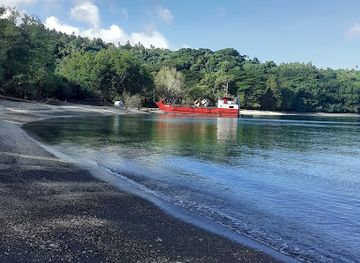
Mount Pomare, Epi’s highest peak, gives the island its mountainous interior and is a prominent natural reference point even when viewed from the coast. The island’s volcanic terrain is also expressed through warm-water areas and hot springs, whose access and cultural status should be confirmed locally rather than assumed to be public. Lamen Bay is Epi’s best-known coastal landmark and practical arrival area, combining a broad bay, settlement, airstrip and access to the surrounding marine environment. Along the coast, reef flats, mangrove edges, sandy beaches and sheltered coves create a changing sequence of natural landmarks rather than a single monumental viewpoint. Village churches, community buildings and gardens are significant markers of contemporary island life, but they remain working and often customary spaces rather than formal tourist monuments. Inland forest, ridgelines and traditional garden landscapes reveal how communities use volcanic soils and manage land. The most meaningful landmarks on Epi are therefore closely connected to geography and everyday life: mountains, bays, reefs, hot water and community places, experienced with local permission and guidance.
-
Tourist attraction
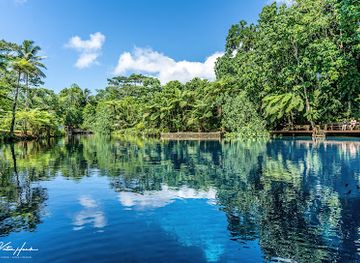
Nanda Blue Hole
Discover the enchanting Nanda Blue Hole in Vanuatu, a tropical oasis perfect for relaxation, adventure, and unforgettable experiences.
-
Island
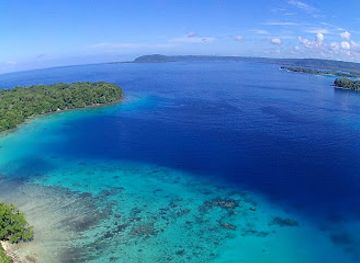
Espiritu Santo
Espiritu Santo Island: A Tropical Paradise of Pristine Beaches, Vibrant Coral Reefs, and Rich Cultural Heritage Awaiting Your Discovery.
-
Tourist attraction
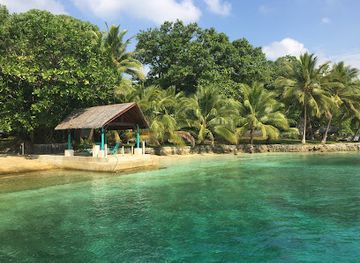
Freshwater Plantation - Aore Island
Experience the beauty of Aore Island at Freshwater Plantation, where lush landscapes and local flavors create unforgettable memories.
-
Island
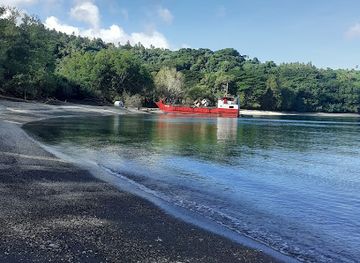
Epi
Epi Island in Vanuatu: A serene tropical escape with stunning landscapes, rich culture, and vibrant marine life waiting to be explored.
Explore Epi Island on the map
Plan your trip on one map. See where the top cities, national parks and sights are, and book hotels and experiences in a few clicks.
Best hotels in Epi Island
Best restaurants in Epi Island
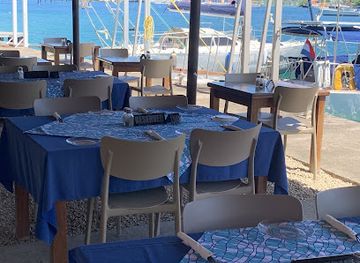
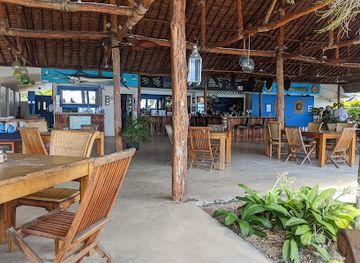
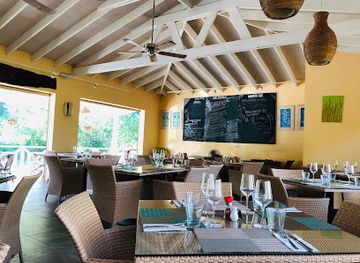
Epi does not have a broad commercial restaurant scene, and dining is usually organised through locally run accommodation, guesthouses, village communities or pre-arranged boat and tour providers. Meals commonly draw on island produce such as root vegetables, bananas, seasonal fruit, greens, coconut and freshly caught fish, with preparation varying from household to household. Laplap, a baked dish made from grated root crops and coconut, is associated with Vanuatu’s wider culinary tradition and may appear on community menus, although availability depends on local arrangements. Fresh seafood is most likely around coastal settlements, while imported staples can be limited and supplies may change between boat or flight deliveries. Visitors should tell hosts about dietary requirements in advance and confirm whether meals are included in the accommodation price. Eating locally is often part of the island experience, but it should be approached as a community-led arrangement rather than a restaurant reservation. Carrying a few durable snacks is sensible for travel days and weather-related delays.
-
Family-friendly
The Beach Bar
Discover family-friendly fun at The Beach Bar in Mele, Vanuatu - where delicious food meets breathtaking ocean views.
-
Restaurant
The Stonegrill Restaurant
Experience interactive dining at The Stonegrill Restaurant in Port Vila - where flavors meet fun on sizzling hot stones!
-
Restaurant
Reefers Restaurant & Rum Bar
Experience exquisite local cuisine with stunning ocean views at Reefers Restaurant & Rum Bar in Port Vila.
-
Restaurant
L'Houstalet Restaurant
Experience exquisite French cuisine infused with local flavors at L'Houstalet Restaurant in Port Vila, Vanuatu.

Best bars in Epi Island
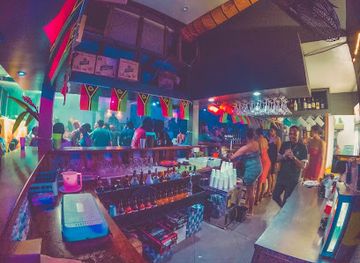
Epi has no established nightclub district and little conventional late-night entertainment. Evening life generally centres on guesthouse dining, conversation, village gatherings, community events and the occasional locally organised social occasion. Small kava sessions may be available through local arrangements; kava is a culturally important drink in Vanuatu and should be approached respectfully, with visitors following their host’s guidance rather than treating it as a themed attraction. Some accommodation providers may offer beer or other drinks, but supplies are limited and opening arrangements are informal. After dark, the island’s quiet coastline, unfamiliar roads and limited lighting make walking alone impractical, particularly after drinking. Visitors seeking a wider selection of bars, live music or late-night venues should spend time in Port Vila on Efate, which is outside Epi and has Vanuatu’s principal urban nightlife. On Epi, the evening appeal is the slow pace, dark skies and opportunity to listen to local stories rather than a scheduled entertainment programme.
-
Family-friendly
The Beach Bar
Discover The Beach Bar: A family-friendly haven in Mele, Vanuatu, offering stunning ocean views, delicious cuisine, and a vibrant atmosphere.
-
Restaurant
Waterfront Bar and Grill
Experience the perfect blend of stunning ocean views and delectable cuisine at Waterfront Bar and Grill in Port Vila, Vanuatu.
-
Restaurant
Reefers Restaurant & Rum Bar
Discover the vibrant flavors of Vanuatu at Reefers Restaurant & Rum Bar in Port Vila, where every meal is a celebration of local cuisine and tropical drinks.
-
Restaurant
Cafe Vila
Discover Café Vila in Port Vila, where stunning ocean views meet delightful local flavors in a charming island setting.
Best nightclubs in Epi Island
Epi has no established nightclub district and little conventional late-night entertainment. Evening life generally centres on guesthouse dining, conversation, village gatherings, community events and the occasional locally organised social occasion. Small kava sessions may be available through local arrangements; kava is a culturally important drink in Vanuatu and should be approached respectfully, with visitors following their host’s guidance rather than treating it as a themed attraction. Some accommodation providers may offer beer or other drinks, but supplies are limited and opening arrangements are informal. After dark, the island’s quiet coastline, unfamiliar roads and limited lighting make walking alone impractical, particularly after drinking. Visitors seeking a wider selection of bars, live music or late-night venues should spend time in Port Vila on Efate, which is outside Epi and has Vanuatu’s principal urban nightlife. On Epi, the evening appeal is the slow pace, dark skies and opportunity to listen to local stories rather than a scheduled entertainment programme.
-
Island
Epi
Explore Epi Island, a hidden paradise in Vanuatu with stunning beaches, vibrant culture, and unforgettable adventures waiting for every traveler.
-
Night club
Club Lit
Discover the heartbeat of Port Vila's nightlife at Club Lit, where unforgettable nights and electrifying beats await those ready to dance.
-
 Night club
ELEKTROROCK
Experience the vibrant nightlife of Port Vila at ELEKTROROCK, where electrifying music and unforgettable moments await.
Best shops in Epi Island
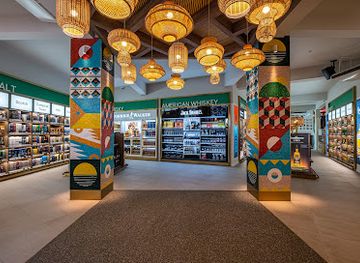
Shopping on Epi is small-scale and practical rather than centred on malls or extensive retail streets. Community markets and direct purchases may offer seasonal fruit, vegetables, woven items, carved objects or other handicrafts, although availability varies with village activity, local production and transport connections. Visitors should buy directly and respectfully from makers or community representatives, clarify prices beforehand and avoid bargaining in a way that ignores the time and materials involved. Locally produced food, woven goods and small handicrafts make more appropriate souvenirs than shells, coral, archaeological material or other natural objects, which should not be removed from the island. Supplies such as snacks, toiletries, medicines and batteries are more reliably obtained in Port Vila before travelling to Epi. Lamen Bay may provide limited everyday provisions, but it should not be treated as a dependable shopping centre. Carry cash in vatu, bring a reusable bag and remember that purchasing directly from local households or community enterprises can support the island more effectively than looking for branded tourist merchandise.
-
Resort hotel
Iririki Island Resort
Escape to Iririki Island Resort for a serene getaway with stunning ocean views and luxurious amenities in the heart of Vanuatu.
-
Resort hotel
Warwick Le Lagon - Vanuatu
Discover the serene beauty of Warwick Le Lagon - Vanuatu, a premier resort with a golf course and spa on breathtaking Erakor Lagoon.
-
Gift shop
Fung Kuei Duty Free
Explore Fung Kuei Duty Free in Port Vila for unique souvenirs, luxury goods, and unbeatable duty-free prices.
-
Coffee shop
Tanna Coffee
Discover the authentic taste of Vanuatu at Tanna Coffee, where rich flavors meet stunning views and a warm island welcome.

Get your free copy of our complete guide to Epi Island, delivered straight to you.
Everything on this page, from attractions and restaurants to essentials and local phrases, in one PDF you can read offline, print or share.
Already have an account? Sign in
Your Epi Island guide is ready.
We'll send it to · Not you? Sign out

Getting your guide ready…
We are putting together a fresh copy of the Epi Island guide. This can take up to a minute.
This can take a few moments. If your browser asks, choose Allow so the download can start. You'll find the guide in your Downloads folder.
Nothing happened? Download it again
Sorry, the guide is taking longer than usual. Please try again in a minute, or get it by email instead.
Epi Island essentials
Currency and Payment
Safety
Emergency Situations
Do's and Don'ts
Local Tips
From Eve
Local phrases worth knowing
You don't need to get them perfect. A few words go a long way, and locals appreciate the effort.
Basics
| English | Local | Say it |
|---|---|---|
| Hello | Olakau | [o-lah-kow] |
| Goodbye | Tata | [tah-tah] |
| Yes | Yes | [yes] |
| No | No | [no] |
| Please/You're welcome | Plis | [plees] |
| Thank you | Tenkyu | [ten-kyoo] |
| Excuse me/Sorry | Sori | [so-ree] |
| How are you? | Yu ora? | [yoo or-ah] |
| Fine. And you? | Fain. An yu? | [fine. an yoo] |
| Do you speak English? | Yu tok Inglis? | [yoo tok ing-lis] |
| I don't understand | Mi no save | [mee no sah-veh] |
Eating & Drinking
| English | Local | Say it |
|---|---|---|
| I'd like to see the menu, please | Mi wantem lukim menu, plis | [mee wan-tem loo-kim men-yoo, plees] |
| I don't eat meat | Mi no katem mit | [mee no kah-tem meet] |
| Cheers! | Cheers! | [cheers] |
| I would like to pay, please | Mi wantem paem, plis | [mee wan-tem pah-em, plees] |
Emergencies
| English | Local | Say it |
|---|---|---|
| Help! | Help! | [help] |
| Go away! | Go awei! | [go ah-way] |
| Call the Police! | Kol Polisi! | [kol poh-lees-ee] |
| Call a doctor! | Kol dokta! | [kol dok-tah] |
| I'm lost | Mi los | [mee los] |
| I'm ill | Mi sik | [mee seek] |
Shopping
| English | Local | Say it |
|---|---|---|
| I'd like to buy... | Mi wantem baem... | [mee wan-tem bah-em] |
| I'm just looking | Mi so lo | [mee so lo] |
| How much is it? | Hao makem? | [how mah-kem] |
| That's too expensive | Dat i tufala | [dat ee too-fah-lah] |
| Can you lower the price? | Yu ken reducem praes? | [yoo ken reh-doo-sem prah-es] |
Time & Numbers
| English | Local | Say it |
|---|---|---|
| What time is it? | Hao taem i? | [how tah-em ee] |
| It's one o'clock | I wan o'clock | [ee wan oh-clock] |
| Half past (10) | Haf pas (10) | [haf pahs ten] |
| Morning | Mornin | [mor-ning] |
| Afternoon | Aftanoon | [af-tah-noon] |
| Evening | Ivinin | [ee-vin-ing] |
| Yesterday | Yestedei | [yes-teh-day] |
| Today | Tudei | [too-day] |
| Tomorrow | Tumoro | [too-mo-ro] |
| 1 | Wan | [wan] |
| 2 | Tu | [too] |
| 3 | Tri | [tree] |
| 4 | Foa | [foh-ah] |
| 5 | Faef | [fah-ef] |
| 6 | Siks | [siks] |
| 7 | Sev | [sev] |
| 8 | Eit | [eight] |
| 9 | Nain | [nine] |
| 10 | Ten | [ten] |
Transport & Directions
| English | Local | Say it |
|---|---|---|
| Where's a/the...? | Wea i stap a/the...? | [wea ee stap ah/the] |
| What's the address? | Hao i stap adres? | [how ee stap ah-dres] |
| Can you show me (on the map)? | Yu ken shoem mi (long map)? | [yoo ken show-em mee long map] |
| When's the next (bus)? | Hwen i next (bus)? | [hwen ee next bus] |
| A ticket (to ....) | Wan tiket (to ....) | [wan tee-ket to] |
History of Epi Island
Lapita Settlement and Austronesian Voyaging
Epi forms part of the wider Vanuatu archipelago settled by seafaring Austronesian peoples during the first millennium BCE. Archaeological evidence from Vanuatu shows the importance of Lapita pottery, ocean navigation and exchange networks in the earliest phases of settlement, although the archaeological record on individual islands is uneven. Later communities developed distinctive languages, land relationships and customary practices suited to volcanic soils, forest resources, reefs and offshore waters. These early movements established the deep Pacific and Melanesian foundations of Epi’s modern communities.
Customary Communities Before European Rule
For centuries, Epi was organised through village communities, customary landholding and exchange relationships rather than a single island-wide political authority. Gardening, fishing, hunting and inter-island voyaging supported settlements in different coastal and inland environments. Local languages and oral histories preserved knowledge of lineages, places and obligations. Although outside observers later described the island through colonial categories, customary authority remains important in determining access to land, forests, beaches and marine resources.
Sandalwood, Traders and Missionaries in the Nineteenth Century
During the nineteenth century, European and other commercial interests reached the New Hebrides, as Vanuatu was then known, seeking sandalwood, labour and other resources. Traders and labour recruiters brought disease, violence and disruptive economic pressures to many islands. Presbyterian and other Christian missionaries subsequently established a stronger presence, with conversion, schools and new church structures reshaping community life. On Epi, as elsewhere in Vanuatu, Christianity became closely interwoven with local histories while customary practices continued in varied forms.
The Labour Trade and Colonial Administration
From the nineteenth century into the early twentieth century, many people from the New Hebrides were recruited, sometimes coercively, to work on plantations in Queensland, Fiji, New Caledonia and other parts of the Pacific. This labour trade affected families, population patterns and relations with foreign authorities. Britain and France later administered the islands through the unusual Anglo-French Condominium, established in 1906. Colonial administration was limited and uneven on remote islands such as Epi, where village life remained central.
War in the New Hebrides
The Second World War brought major strategic change to the New Hebrides, which served as an Allied base area in the Pacific. The principal military installations were concentrated on larger islands, especially Efate and Espiritu Santo, rather than transforming Epi into a major military centre. Nevertheless, the war increased movement, trade and contact across the archipelago, and its material and social effects contributed to wider changes in transport, employment and political awareness.
Independence and Contemporary Epi
The New Hebrides became the independent Republic of Vanuatu in 1980, with Epi incorporated into Shefa Province. Independence strengthened national institutions while customary authorities continued to influence land, community decisions and access to natural resources. Modern Epi combines small-scale agriculture, fishing, community services and a modest visitor economy. Airstrips, roads and communications have improved unevenly, but the island remains vulnerable to cyclones, earthquakes, volcanic hazards and the logistical challenges of a remote Pacific location.
Epi Island in Photos
Browse through our photo collection highlighting the charm and character of the destination.
Neighbouring regions of Epi Island
The closest regions to Epi Island, if you have time for more than one.
-

-

-

-

-


Swipe for more regions
Explore more

Explore more of Vanuatu
Discover Vanuatu, a pristine South Pacific paradise with breathtaking beaches, vibrant culture, thrilling adventures, and some of the world's best diving spots.
Explore Vanuatu