

Free Ambrym Travel Guide & Mobile App
Explore Ambrym with free travel guides. Discover regional history, expert tips, proposed trips, and audio guides on web or mobile app.


Ambrym, Vanuatu, combines active volcanoes, ash plains, rainforest, village culture and demanding but rewarding island journeys.
Read more about Ambrym
When is the best time to visit Ambrym?
Best: June–August · 28–29°C| Month | High (°C) | Rainfall (mm) |
|---|---|---|
| January | 32 | 300 |
| February | 32 | 270 |
| March | 32 | 250 |
| April | 31 | 220 |
| May | 30 | 190 |
| June (best) | 29 | 160 |
| July (best) | 28 | 160 |
| August (best) | 29 | 160 |
| September | 30 | 190 |
| October | 31 | 220 |
| November | 31 | 250 |
| December | 32 | 270 |
Getting to and around Ambrym
How to get there
Transportation
Best attractions in Ambrym
Ambrym’s attractions centre on its active volcanic landscape and living village culture rather than conventional built facilities. Guided treks lead across dark ash plains and forested terrain towards viewpoints associated with the Marum and Benbow volcanic systems, although routes and access conditions must be checked locally because the volcanoes remain active. The island’s outer slopes offer demanding walks through gardens, rainforest and remote coastal country, with scenery that changes markedly between the caldera and settled shorelines. Cultural visits may introduce travellers to North Ambrym’s renowned carving and dance traditions, but these are community-led experiences requiring permission and respectful conduct. Small guesthouses and village stays can provide insight into gardening, food preparation and everyday life, while coastal boat journeys reveal a shoreline shaped by reefs, bays and weather. There are few formal museums or large commercial attractions, and independent exploration is limited by terrain, transport and customary land access. The principal appeal lies in combining a carefully arranged volcanic excursion with time in a local community and understanding how people live alongside one of the Pacific’s most active volcanic environments.
-
Island
Pentecost
Experience the breathtaking landscapes and rich culture of Pentecost Island, Vanuatu, where adventure awaits at every turn.
-
Island
Paama
Experience the tranquil beauty of Paama, Vanuatu's hidden island gem, with stunning beaches, vibrant coral reefs, and rich local culture.
-
 Hiking area
BIG Lava Lake
Experience the stunning natural beauty and geological wonders of BIG Lava Lake in Endu Pahakol, Vanuatu, a hiker's paradise amidst captivating landscapes.
-
Volcano
Benbow
Discover Vanuatu's Benbow Volcano, a breathtaking natural wonder showcasing stunning views, rich biodiversity, and cultural heritage.
Best landmarks in Ambrym
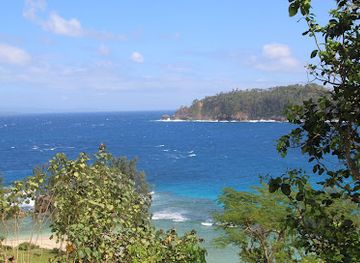
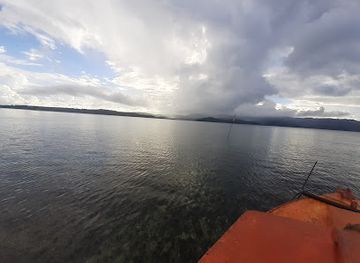
Ambrym’s defining landmarks are geological and cultural. The immense volcanic caldera in the island’s interior gives the landscape its stark ash fields, forest margins and distant views towards the active systems of Marum and Benbow. These are not static monuments: crater conditions, exclusion zones and visible activity can change, so access must be guided and locally approved. Along the coast, villages, churches, gardens and traditional meeting places provide a more human scale of landmark, reflecting the island’s customary organisation and the changes brought by missionary and national history. In North Ambrym, carved figures and ceremonial spaces are especially important expressions of local identity, though their meanings and access belong to particular communities. The western airstrips at Craig Cove and Ulei are practical gateways rather than attractions, while coastal headlands and black volcanic terrain offer memorable visual markers during journeys. Ambrym’s landmarks are therefore best understood as a connected cultural and volcanic landscape, not as a collection of publicly accessible monuments.
-
Volcano
Benbow
Discover the breathtaking beauty and geological wonders of Benbow Volcano, a must-visit destination for nature enthusiasts in Vanuatu.
Explore Ambrym on the map
Plan your trip on one map. See where the top cities, national parks and sights are, and book hotels and experiences in a few clicks.
Best hotels in Ambrym
Best restaurants in Ambrym
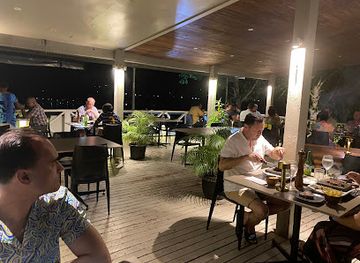
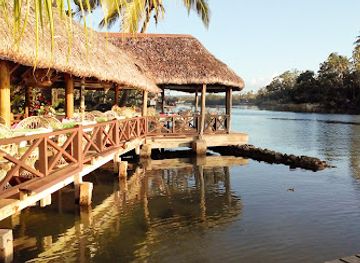
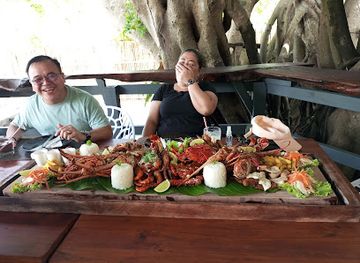
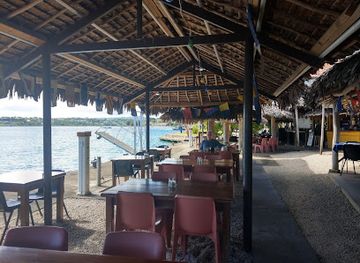
Dining on Ambrym is generally simple, local and arranged through guesthouses, village stays or small community-run businesses rather than a restaurant circuit. Meals commonly draw on garden produce such as taro, yam, manioc, sweet potato, bananas and vegetables, with coconut, breadfruit and locally available fish or other seafood adding flavour and protein. Laplap, a baked dish made from grated root crops and often prepared with coconut cream or meat, belongs to the wider culinary tradition of Vanuatu and may appear at communal or pre-arranged meals. Tuluk, a filled and wrapped root-crop preparation, is another food visitors may encounter depending on the household and occasion. Packaged supplies are limited compared with Port Vila, so travellers should not expect extensive menus, refrigeration or dependable opening times. Asking hosts about food in advance is useful, particularly for dietary requirements. Eating with a village household or guesthouse can be more informative than seeking restaurant variety, provided arrangements are made respectfully and payment or contributions are clearly understood.
-
Restaurant
The Stonegrill Restaurant
Experience interactive dining at The Stonegrill Restaurant in Port Vila - where sizzling hot stones meet fresh local flavors.
-
Restaurant
Chez Louis Restaurant
Experience authentic Vanuatu cuisine with stunning ocean views at Chez Louis Restaurant in Port Olry.
-
Resort hotel
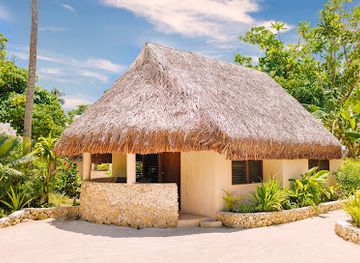
Vila Chaumières Restaurant & Resort
Discover tranquility and taste at Vila Chaumières Restaurant & Resort in Port Vila - where paradise meets exceptional dining.
-
Restaurant
smugglers Seafood Restaurant & Bar
Experience the flavors of Vanuatu at Smugglers Seafood Restaurant & Bar in Luganville – where fresh seafood meets vibrant island culture.
Best bars in Ambrym
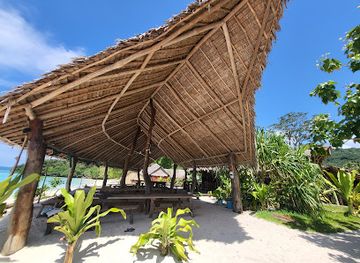
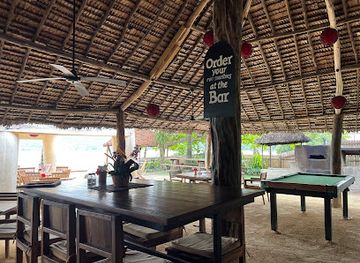
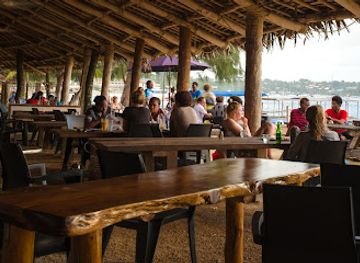
Ambrym does not have a conventional nightclub scene, and evening life is principally shaped by village gatherings, churches, guesthouses and community events. Kava, a traditional drink made from the Piper methysticum plant, is part of social life in Vanuatu and may be available at a local nakamal, a customary meeting place; visitors should follow local guidance about where and how it is served. Small licensed outlets or informal refreshment venues may offer beer and other drinks, but availability varies and should not be assumed in remote settlements. Evenings are often quiet, with conversation, music, community events or an early start for walking replacing late-night entertainment. Cultural performances should never be treated as nightlife products or requested without proper local arrangement. Carrying essential refreshments is sensible, and visitors should avoid walking unfamiliar roads or tracks after dark.
-
Family-friendly
The Beach Bar
Discover family-friendly fun at The Beach Bar in Vanuatu, where delicious food meets breathtaking ocean views for a perfect day out.
-
Cafe
Nambawan Café
Discover the flavors of Vanuatu at Nambawan Café, where stunning ocean views meet delightful culinary experiences.
-
Resort hotel
Breakas Beach Resort
Experience the ultimate tropical escape at Breakas Beach Resort, where luxury meets nature on the beautiful shores of Efate.
-
Restaurant
Waterfront Bar and Grill
Discover the perfect blend of stunning waterfront views and delicious local cuisine at Waterfront Bar and Grill in Port Vila.
Best nightclubs in Ambrym
Ambrym does not have a conventional nightclub scene, and evening life is principally shaped by village gatherings, churches, guesthouses and community events. Kava, a traditional drink made from the Piper methysticum plant, is part of social life in Vanuatu and may be available at a local nakamal, a customary meeting place; visitors should follow local guidance about where and how it is served. Small licensed outlets or informal refreshment venues may offer beer and other drinks, but availability varies and should not be assumed in remote settlements. Evenings are often quiet, with conversation, music, community events or an early start for walking replacing late-night entertainment. Cultural performances should never be treated as nightlife products or requested without proper local arrangement. Carrying essential refreshments is sensible, and visitors should avoid walking unfamiliar roads or tracks after dark.
-
Cocktail bar
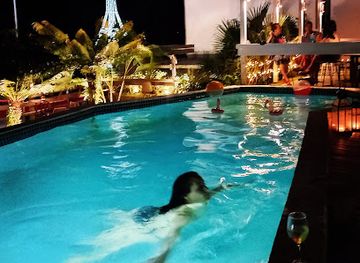
Stone Lounge
Discover the flavors of Vanuatu at Stone Lounge, a premier cocktail bar in Port Vila, perfect for relaxing with friends and enjoying exquisite drinks.
Best shops in Ambrym
Shopping on Ambrym is small-scale and community based, with few permanent retail facilities beyond basic village supplies. Visitors may find locally made woven mats, baskets, pandanus work, carvings and other handicrafts through guesthouses, community contacts or arranged visits, particularly where artisans have chosen to sell their work. North Ambrym’s carved forms are culturally significant, so buyers should ask about the object’s meaning, maker and appropriate use rather than treating ceremonial designs as generic souvenirs. Cash in Vanuatu vatu is essential, and selection, prices and availability vary considerably. Basic food, drinks and practical items may be available in villages, but supplies are limited and should not be relied upon for a complete itinerary. Travellers can also support local households by purchasing legitimately made crafts directly from artisans and by avoiding old, sacred or culturally restricted objects. Port Vila and Luganville offer far wider shopping opportunities before or after an Ambrym visit.
-
Gift shop
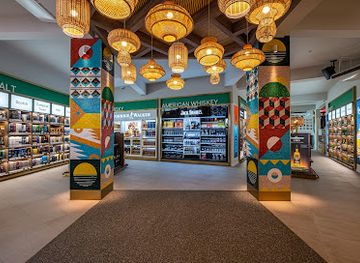
Fung Kuei Duty Free
Explore Fung Kuei Duty Free in Port Vila for an exceptional shopping experience featuring tax-free gifts, luxury items, and unique local crafts.
-
Supermarket
Au Bon Marché Numbatu
Discover a culinary paradise at Au Bon Marché Numbatu, the heart of local flavors and international selections in Port Vila, Vanuatu.
-
Tourist attraction
Million Dollar Point
Explore the underwater wonders of Million Dollar Point, a historic WWII site in Vanuatu, perfect for snorkeling and diving enthusiasts.
-
Shopping mall
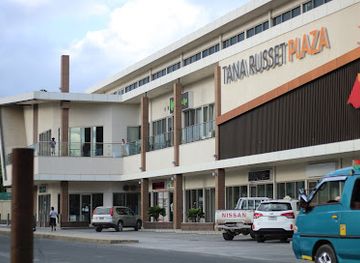
Tana Russet Plaza
Explore Tana Russet Plaza, the heart of shopping and dining in Port Vila, offering a unique blend of local charm and international flair.


Get your free copy of our complete guide to Ambrym, delivered straight to you.
Everything on this page, from attractions and restaurants to essentials and local phrases, in one PDF you can read offline, print or share.
Already have an account? Sign in
Your Ambrym guide is ready.
We'll send it to · Not you? Sign out

Getting your guide ready…
We are putting together a fresh copy of the Ambrym guide. This can take up to a minute.
This can take a few moments. If your browser asks, choose Allow so the download can start. You'll find the guide in your Downloads folder.
Nothing happened? Download it again
Sorry, the guide is taking longer than usual. Please try again in a minute, or get it by email instead.
Ambrym essentials
Currency and Payment
Safety
Emergency Situations
Do's and Don'ts
Local Tips
From Eve
Local phrases worth knowing
You don't need to get them perfect. A few words go a long way, and locals appreciate the effort.
Basics
| English | Local | Say it |
|---|---|---|
| Hello | Halo | [Ha-lo] |
| Goodbye | Bai | [Bye] |
| Yes | Yes | [Yes] |
| No | No | [No] |
| Please/You're welcome | Plis | [Plees] |
| Thank you | Tenkyu | [Ten-kyu] |
| Excuse me/Sorry | Sori | [So-ree] |
| How are you? | Yu stap gud? | [Yu stap good?] |
| Fine. And you? | Mi stap gud. Yu? | [Me stap good. You?] |
| Do you speak English? | Yu save tok Pijin? | [Yu sa-veh tok Pee-jin?] |
| I don't understand | Mi no save | [Me no sa-veh] |
Eating & Drinking
| English | Local | Say it |
|---|---|---|
| I'd like to see the menu, please | Mi wanem lukim menu, plis | [Me wah-nem loo-keem men-yoo, plees] |
| I don't eat meat | Mi no et mit | [Me no et meet] |
| Cheers! | Sok se! | [Sok say!] |
| I would like to pay, please | Mi wanem pai, plis | [Me wah-nem pie, plees] |
Emergencies
| English | Local | Say it |
|---|---|---|
| Help! | Help! | [Help!] |
| Go away! | Go awa! | [Go awah!] |
| Call the Police! | Kol Polisi! | [Kol Po-lee-see!] |
| Call a doctor! | Kol dokta! | [Kol dok-ta!] |
| I'm lost | Mi lus | [Me loos] |
| I'm ill | Mi sik | [Me seek] |
Shopping
| English | Local | Say it |
|---|---|---|
| I'd like to buy... | Mi wanem baem... | [Me wah-nem bye-em...] |
| I'm just looking | Mi jus lukim | [Me jus loo-keem] |
| How much is it? | Hao mak it? | [How mak it?] |
| That's too expensive | Oli tumas | [Oli too-mas] |
| Can you lower the price? | Yu save reducem praes? | [Yu sa-veh re-doo-chem price?] |
Time & Numbers
| English | Local | Say it |
|---|---|---|
| What time is it? | Hao taem? | [How time?] |
| It's one o'clock | I wan o'klok | [I wan o-clock] |
| Half past (10) | Haf pas (10) | [Haf pas (10)] |
| Morning | Mornin | [Morn-ing] |
| Afternoon | Aftanun | [Af-ta-noon] |
| Evening | Ivinin | [E-vin-ing] |
| Yesterday | Yestide | [Yes-tee-day] |
| Today | Tudei | [Too-day] |
| Tomorrow | Tomo | [To-mo] |
| 1 | Wan | [Wan] |
| 2 | Tu | [Too] |
| 3 | Tri | [Tree] |
| 4 | Foa | [Four] |
| 5 | Faef | [Five] |
| 6 | Siks | [Six] |
| 7 | Sev | [Seven] |
| 8 | Eit | [Eight] |
| 9 | Nain | [Nine] |
| 10 | Ten | [Ten] |
Transport & Directions
| English | Local | Say it |
|---|---|---|
| Where's a/the...? | Wea a/the...? | [Weh a/the...?] |
| What's the address? | Hao i adress? | [How I address?] |
| Can you show me (on the map)? | Yu save sho mi (long map)? | [Yu sa-veh show me (long map)?] |
| When's the next (bus)? | Hao taem i next (bus)? | [How time I next (bus)?] |
| A ticket (to ....) | Wan tiket (go ....) | [Wan ticket (go ....)] |
History of Ambrym
Lapita Settlement and Austronesian Heritage
Ambrym forms part of the wider Vanuatu archipelago settled by seafaring Austronesian peoples over several thousand years. Archaeological evidence across Vanuatu records early communities whose descendants developed island-specific languages, gardening systems, exchange networks and customary institutions. On Ambrym, the volcanic landscape shaped settlement and agriculture, while oral traditions preserved histories that are not necessarily represented in written records. The island’s present-day cultural diversity reflects long interaction between communities on different sides of the island and with neighbouring islands.
Volcanic Landscapes and Traditional Society
Ambrym’s social and economic history has always been closely connected to its volcanoes. The caldera, ash deposits and fertile outer slopes influenced where people gardened, travelled and established villages. Customary systems organised land, kinship, ceremony and exchanges, while skilled specialists created dances, carvings and other forms of cultural expression. These traditions remain significant, although their meaning belongs to particular communities and ceremonial contexts rather than to a single island-wide system.
Missionary Contact and the Nineteenth Century
Christian missionaries reached Vanuatu during the nineteenth century, following earlier and often difficult encounters between island communities, traders, labour recruiters and visiting ships. Mission activity altered religious life, education and settlement patterns across the archipelago, including Ambrym, while customary authority and local cultural practices persisted in changing forms. The period also brought disease and social disruption, as happened elsewhere in the Pacific when isolated populations encountered new illnesses and outside commercial interests.
The Anglo-French Condominium, 1906–1980
From 1906 until independence, the islands then known as the New Hebrides were administered through an unusual Anglo-French condominium. Separate British and French institutions operated alongside customary communities, producing overlapping legal, educational and administrative systems. Ambrym remained predominantly rural, with village life, gardening and local exchange continuing to shape the island. The legacy of the condominium can still be seen nationally in Vanuatu’s linguistic diversity, legal history and the coexistence of English, French and Bislama.
Major Eruptions and the Shaping of Modern Ambrym
Ambrym is one of Vanuatu’s most active volcanic islands, and eruptions have repeatedly altered its landscape and affected communities. Significant activity occurred in the early twentieth century, including destructive eruptions in 1913 and 1950, while later eruptions and seismic episodes led to evacuations and changes in access. The major 2018 eruption caused a dramatic collapse within the caldera and was followed by further activity. Volcanic events are therefore not simply natural spectacles: they influence gardens, roads, settlements, tourism and decisions about temporary or permanent relocation.
Independence and Contemporary Vanuatu
Vanuatu became independent from the Anglo-French condominium in 1980. Since then, Ambrym has formed part of the independent Republic of Vanuatu while retaining strong customary institutions and community-based land relationships. The island’s economy remains largely oriented towards subsistence gardening, local exchange and small-scale commercial activity, with tourism developing cautiously around volcano treks and cultural visits. Contemporary Ambrym reflects both national change and local continuity, including the continued importance of kastom, church communities and village decision-making.
Ambrym in Photos
Browse through our photo collection highlighting the charm and character of the destination.
Neighbouring regions of Ambrym
The closest regions to Ambrym, if you have time for more than one.
-

-

-

-

-


Swipe for more regions
Explore more

Explore more of Vanuatu
Discover Vanuatu, a pristine South Pacific paradise with breathtaking beaches, vibrant culture, thrilling adventures, and some of the world's best diving spots.
Explore Vanuatu