

Malampa Province, Vanuatu Travel Guide
Explore Malampa Province in Vanuatu: A blend of lush rainforests, volcanic landscapes, pristine beaches, and rich cultural experiences across three unique islands.
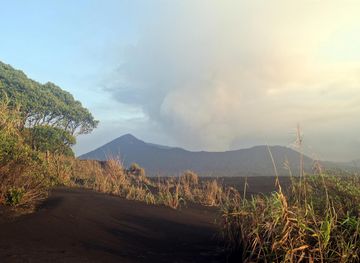
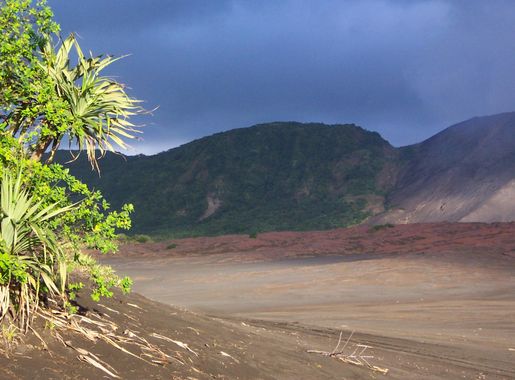
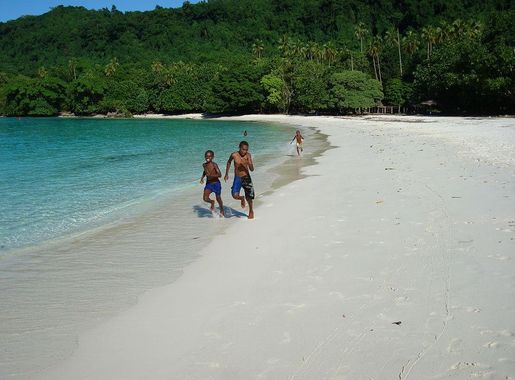
Malampa Province in Vanuatu is a paradise for nature lovers and adventure seekers. Situated in the central part of the Vanuatu archipelago, Malampa is a blend of lush rainforests, volcanic landscapes, and pristine beaches. The province is named after its three main islands: Malakula, Ambrym, and Paama. Each island offers unique experiences that showcase the rich culture and natural beauty of the region. Malakula is the second largest island in Vanuatu and is known for its diverse tribal cultures. Visitors can explore traditional villages, meet the local tribes, and witness their unique customs and dances. The island is also a haven for bird watchers and hikers, with numerous trails leading through dense forests and along rugged coastlines. Ambrym, often referred to as the 'Black Island' due to its volcanic soil, is famous for its active volcanoes, Mount Benbow and Mount Marum. Adventurous travelers can embark on guided treks to the craters, where they can witness the raw power of nature. The island is also renowned for its intricate wood carvings and traditional Rom dances. Paama, the smallest of the three islands, offers a more tranquil experience. Its serene beaches and crystal-clear waters are perfect for snorkeling and diving. The island's friendly locals and slow pace of life provide a perfect escape from the hustle and bustle of modern living.

Know before you go
Hi, I'm Eve. Here are a few practical things to know before exploring Malampa Province.
- Carry insect repellent as Malampa is known for its lush, tropical environment.
- Hire a local guide for the best experience when exploring the volcanoes on Ambrym.
- Respect local customs and traditions, especially when visiting tribal villages in Malakula.
- Bring snorkeling gear to fully enjoy the marine life around Paama's beaches.
- Check the weather forecast before planning hikes as the region can experience sudden rain showers.
Explore Malampa Province: Things to Do, Places to Eat, Hotels & More
Handpicked recommendations for top attractions, local dining, accommodations, and more

Best attractions in Malampa Province
Top-rated picks
Best Attractions

BIG Lava Lake
Explore BIG Lava Lake in Vanuatu, a stunning hiking area known for its volcanic beauty and breathtaking landscapes that promise unforgettable adventures.
Small Lava Lake
Explore the breathtaking Small Lava Lake in Ranvetlam, a stunning natural attraction showcasing volcanic beauty and rich biodiversity.

Amal Crab Bay Ecological Reserve
Discover the serene beauty and diverse wildlife of Amal Crab Bay Ecological Reserve, an untouched gem on Malekula Island in Vanuatu.
Amal Crab Bay Ecological Education Centre
Explore the biodiversity of Malekula Island at Amal Crab Bay Ecological Education Centre, where nature meets education in a stunning coastal setting.

Best landmarks in Malampa Province
Top-rated picks
Best Landmarks

Malampa Provincial Council
Explore the Malampa Provincial Council in Lakatoro for a unique insight into Vanuatu's governance and local culture amidst stunning natural beauty.
Malampa Tourism Office
Explore Vanuatu's Hidden Gems at Malampa Tourism Office - Your Gateway to Adventure and Culture.

Best restaurants in Malampa Province
Top-rated picks
Best Restaurants

Nethung Restaurant
Experience authentic Vanuatuan cuisine at Nethung Restaurant, nestled in beautiful Lakatoro on Malekula Island.
Nonvehre Ocean View Restaurant
Experience exquisite local cuisine at Nonvehre Ocean View Restaurant while enjoying breathtaking ocean views on Ambrym Island.

Best bars in Malampa Province
Top-rated picks
Best Bars

Nethung Restaurant
Discover the authentic flavors of Vanuatu at Nethung Restaurant in Lakatoro, where fresh local ingredients meet warm hospitality.

Jimas Restaurant
Experience the authentic flavors of Vanuatu at Jimas Restaurant in Lakatoro, where fresh ingredients meet local culinary traditions.
BACK YIRD KAVA BAR
Experience the vibrant culture of Vanuatu at Back Yird Kava Bar, where traditional kava and local camaraderie blend seamlessly.
Cyclone Pam Kava Bar
Experience traditional Vanuatu culture at Cyclone Pam Kava Bar, where friendly vibes and authentic kava await in Lakatoro.

Best nightclubs in Malampa Province
Top-rated picks
Best Nightclubs
BACK YIRD KAVA BAR
Experience the essence of Vanuatu at Back Yird Kava Bar, where local culture and relaxation meet in a cozy atmosphere.
Cyclone Pam Kava Bar
Discover the essence of Vanuatu at Cyclone Pam Kava Bar, a cultural haven for kava enthusiasts and travelers alike in Lakatoro.

Best shops in Malampa Province
Top-rated picks
Best Shops

Lakatoro Trading Centre
Discover the heart of Vanuatu at Lakatoro Trading Centre, where local culture and commerce come alive with vibrant markets and unique handcrafted goods.

Lakatoro Consumer Cooperative
Explore local flavors and crafts at Lakatoro Consumer Cooperative, the heart of shopping in Lakatoro, Vanuatu.
Tousi Cooperative Store
Discover local crafts, fresh produce, and unique souvenirs at Tousi Cooperative Store in Magam, Vanuatu, where culture meets shopping.

Tautu Shopping Center
Explore Tautu Shopping Center in Norsup for a perfect blend of convenience and local culture during your travels in Vanuatu.

Explore Malampa Province on the Map
A handpicked selection of must-see spots in Malampa Province, mapped for you.
Malampa Province Essentials
-
Malampa Province in Vanuatu is accessible primarily by air. The main entry point is Norsup Airport on Malakula Island, with domestic flights from Port Vila and Luganville. Air Vanuatu operates these flights, and schedules may vary, so it's advisable to book in advance. Another option is to take a boat from Port Vila or Luganville, though this can be more time-consuming and less reliable due to weather conditions.
-
Transportation within Malampa Province largely consists of local minibuses, taxis, and boats. Minibuses are the most common means of getting around and are relatively affordable. Taxis are available but can be more expensive. For inter-island travel, small boats and ferries are used, though schedules can be irregular. Renting a vehicle is also an option, but roads may be rough and signage limited.
-
The official currency in Vanuatu is the Vanuatu Vatu (VUV). Credit cards are accepted in some hotels and larger businesses, but it is advisable to carry cash, especially in remote areas and smaller establishments. ATMs are available in Norsup and Lakatoro, but it is wise to withdraw sufficient cash before traveling to more secluded areas.
-
Malampa Province is generally safe for tourists, but standard precautions should be taken. Avoid walking alone at night in unfamiliar areas and keep an eye on your belongings in crowded places. While crime rates are low, petty theft can occur. There are no specific high-crime areas targeting tourists, but it is always best to stay vigilant and aware of your surroundings.
-
In case of emergency, dial 112 for immediate assistance. The local police station and medical facilities are available in Norsup and Lakatoro. It is recommended to have travel insurance that covers medical emergencies. For minor health issues, there are pharmacies in the province where you can purchase over-the-counter medications.
-
Fashion: Do dress modestly, especially when visiting villages and religious sites. Avoid wearing revealing clothing. Religion: Do respect local customs and traditions. Always ask for permission before taking photos of people or religious ceremonies. Public Transport: Do be respectful and give up your seat to elderly passengers. Don't eat or drink on public transport. Greetings: Do greet people with a friendly 'hello' or 'halo'. A handshake is also common. Eating & Drinking: Do try local delicacies and accept food offerings graciously. Don't refuse hospitality, as it is considered impolite.
-
To experience Malampa Province like a local, visit the local markets where you can buy fresh produce and traditional Vanuatu goods. Engage with locals, as they are often friendly and willing to share stories about their culture and history. Don't miss the opportunity to attend a traditional dance or music performance. For a unique experience, explore the beautiful beaches and participate in community activities such as fishing or cooking local dishes.
When is the best time to visit Malampa Province?
Useful Local Phrases for Malampa Province
You don't need to speak the language perfectly. Even learning a few simple words can make conversations warmer—and locals usually appreciate the effort.
— Eve

Here are the phrases I use most often in Malampa Province. Try a few—you'll be surprised how far they go! 😊
❤️
-
- HelloHalo
[ha-lo] - GoodbyeBubye
[bu-bye] - YesIa
[ee-ah] - NoSe
[say] - Please/You're welcomePlis
[plees] - Thank youTankiu
[tan-kyoo] - Excuse me/SorrySori
[so-ree] - How are you?Olsem wanem yu stap?
[ol-sem wah-nem yoo stap] - Fine. And you?Nais. Yu sef?
[na-ees. yoo sef] - Do you speak English?Yu save toktok long Inglish?
[yoo sa-veh toke-toke long ing-glish] - I don't understandMi no save save
[mee no sa-veh sa-veh]
- HelloHalo
-
- I'd like to see the menu, pleaseMi wantem lukluk long menu, plis
[mee wan-tem look-look long men-oo, plees] - I don't eat meatMi no kakae mit
[mee no ka-kai meet] - Cheers!Chia!
[chee-ah] - I would like to pay, pleaseMi wantem bayem, plis
[mee wan-tem buy-em, plees]
- I'd like to see the menu, pleaseMi wantem lukluk long menu, plis
-
- Help!Helpem!
[help-em] - Go away!Go lukluk wea!
[go look-look way] - Call the Police!Kolem Polis!
[kole-em po-lees] - Call a doctor!Kolem dokta!
[kole-em dok-ta] - I'm lostMi lasum
[mee la-sum] - I'm illMi sik
[mee sick]
- Help!Helpem!
-
- I'd like to buy...Mi wantem baem...
[mee wan-tem buy-em] - I'm just lookingMi jes lukluk
[mee jess look-look] - How much is it?Hao moaem ia?
[how more-em ee-ah] - That's too expensiveIa hem i gudfala tede
[ee-ah hem ee good-fa-la teh-deh] - Can you lower the price?Yu save katkat moaem pris ia?
[yoo sa-veh kat-kat more-em prees ee-ah]
- I'd like to buy...Mi wantem baem...
-
- What time is it?Hao moaem taem ia?
[how more-em tah-em ee-ah] - It's one o'clockIa hem wan taem
[ee-ah hem one tah-em] - Half past (10)Haf past (10)
[haf past (10)] - MorningMoning
[moh-ning] - AfternoonAftanun
[af-tah-noon] - EveningIvinin
[ee-vee-neen] - YesterdayYestede
[yehs-teh-deh] - TodayTede
[teh-deh] - TomorrowTamora
[tah-mor-ah] - 1wan
[wahn] - 2tu
[too] - 3tri
[tree] - 4foa
[for-ah] - 5faev
[fayv] - 6sikis
[see-kiss] - 7sevan
[sev-ahn] - 8eit
[ate] - 9nain
[nine] - 10ten
[ten]
- What time is it?Hao moaem taem ia?
-
- Where's a/the...?Wea hem...?
[way-ah hem] - What's the address?Adres ia wea?
[ad-dress ee-ah way-ah] - Can you show me (on the map)?Yu save soem me (long map)?
[yoo sa-veh so-em mee long map] - When's the next (bus)?Hao moaem namba wan?
[how more-em num-bah one] - A ticket (to ....)Wan tiket (long ....)
[wahn tee-ket long]
- Where's a/the...?Wea hem...?
History of Malampa Province
-
Malampa Province, like much of Vanuatu, was first settled by the Lapita people around 3,000 years ago. The Lapita culture is known for its distinctive pottery, which has been found on several islands within the province. These early settlers were skilled navigators and horticulturists, establishing complex societies that thrived on fishing, farming, and trade.
-
European contact with Malampa Province began in the 18th century with the arrival of explorers like James Cook. The 19th century saw the arrival of missionaries, particularly from the Presbyterian Church. They established missions on islands such as Malakula and Ambrym, profoundly influencing local cultures and traditions. The missionaries introduced Christianity, Western education, and new agricultural practices, which had lasting impacts on the communities.
-
In the late 19th century, Malampa Province, along with the rest of Vanuatu, became part of a unique colonial arrangement known as the Anglo-French Condominium. This dual colonial administration by Britain and France lasted from 1906 to 1980 and brought significant changes to the region. The condominium period was marked by the establishment of European plantations, infrastructure development, and the introduction of a dual legal and administrative system, which created a complex socio-political environment.
-
World War II had a notable impact on Malampa Province, particularly on the islands of Malakula and Ambrym. The presence of Allied forces in the Pacific brought increased activity and infrastructure to the region. After the war, many of the airstrips, roads, and other facilities built by the military were left behind, contributing to the development of the province. The war also heightened local awareness of global political dynamics and accelerated the push for independence.
-
Vanuatu gained independence from the Anglo-French Condominium on July 30, 1980. Malampa Province played a crucial role in the independence movement, with local leaders advocating for self-governance and the preservation of indigenous cultures. Since independence, Malampa has seen significant development in education, healthcare, and infrastructure, while also striving to maintain its rich cultural heritage. The province is known for its vibrant kastom (custom) practices, including traditional dances, ceremonies, and the preservation of local languages.
-
Malampa Province is renowned for its cultural festivals and traditions, which attract visitors from around the world. One of the most famous is the Nalawan Festival on Malakula, where local tribes showcase traditional dances, music, and crafts. The Rom Dance of Ambrym, performed by masked dancers, is another cultural highlight that reflects the island's rich mythological and spiritual heritage. These festivals are not only a celebration of culture but also a means of preserving and passing down traditional knowledge to future generations.
Cities in Malampa Province
Browse our curated selection of top destinations, scenic points, and must-visit spots in the area.


Neighbouring destination travel guides
Browse our curated selection of top destinations, scenic points, and must-visit spots in the area.


Your all‑in‑one travel companion app
Explore expert travel guides, compare and book tours, experiences, hotels, and more—all from the palm of your hand. Download now for seamless trip planning wherever your wanderlust takes you.


Explore More of Malampa
Looking beyond Malampa Province? Discover Malampa for broader travel guides, local hot-spots, and regional highlights.
Explore MalampaExplore More of Vanuatu

Looking beyond Malampa Province? Discover Vanuatu for broader travel guides, local hot-spots, and regional highlights.
Explore VanuatuMalampa Province in Photos
Browse through our photo collection highlighting the charm and character of the destination.




Malampa Province: The Heartbeat of Vanuatu's Natural Splendor
Malampa Province in Vanuatu is a paradise for nature lovers and adventure seekers. Situated in the central part of the Vanuatu archipelago, Malampa is a blend of lush rainforests, volcanic landscapes, and pristine beaches. The province is named after its three main islands: Malakula, Ambrym, and Paama. Each island offers unique experiences that showcase the rich culture and natural beauty of the region. Malakula is the second largest island in Vanuatu and is known for its diverse tribal cultures. Visitors can explore traditional villages, meet the local tribes, and witness their unique customs and dances. The island is also a haven for bird watchers and hikers, with numerous trails leading through dense forests and along rugged coastlines. Ambrym, often referred to as the 'Black Island' due to its volcanic soil, is famous for its active volcanoes, Mount Benbow and Mount Marum. Adventurous travelers can embark on guided treks to the craters, where they can witness the raw power of nature. The island is also renowned for its intricate wood carvings and traditional Rom dances. Paama, the smallest of the three islands, offers a more tranquil experience. Its serene beaches and crystal-clear waters are perfect for snorkeling and diving. The island's friendly locals and slow pace of life provide a perfect escape from the hustle and bustle of modern living.